Top 5 Natural Monuments around Castagnole Monferrato
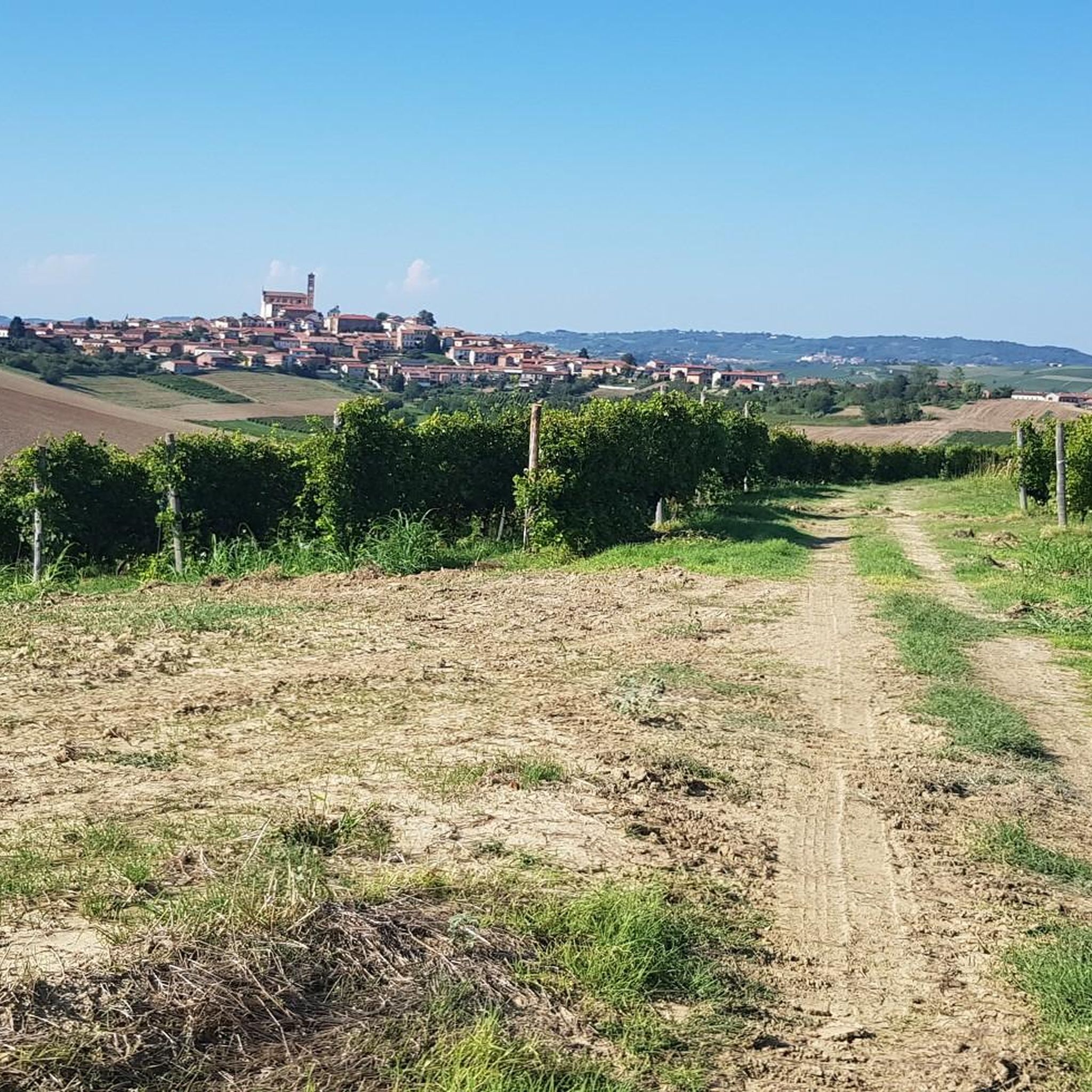
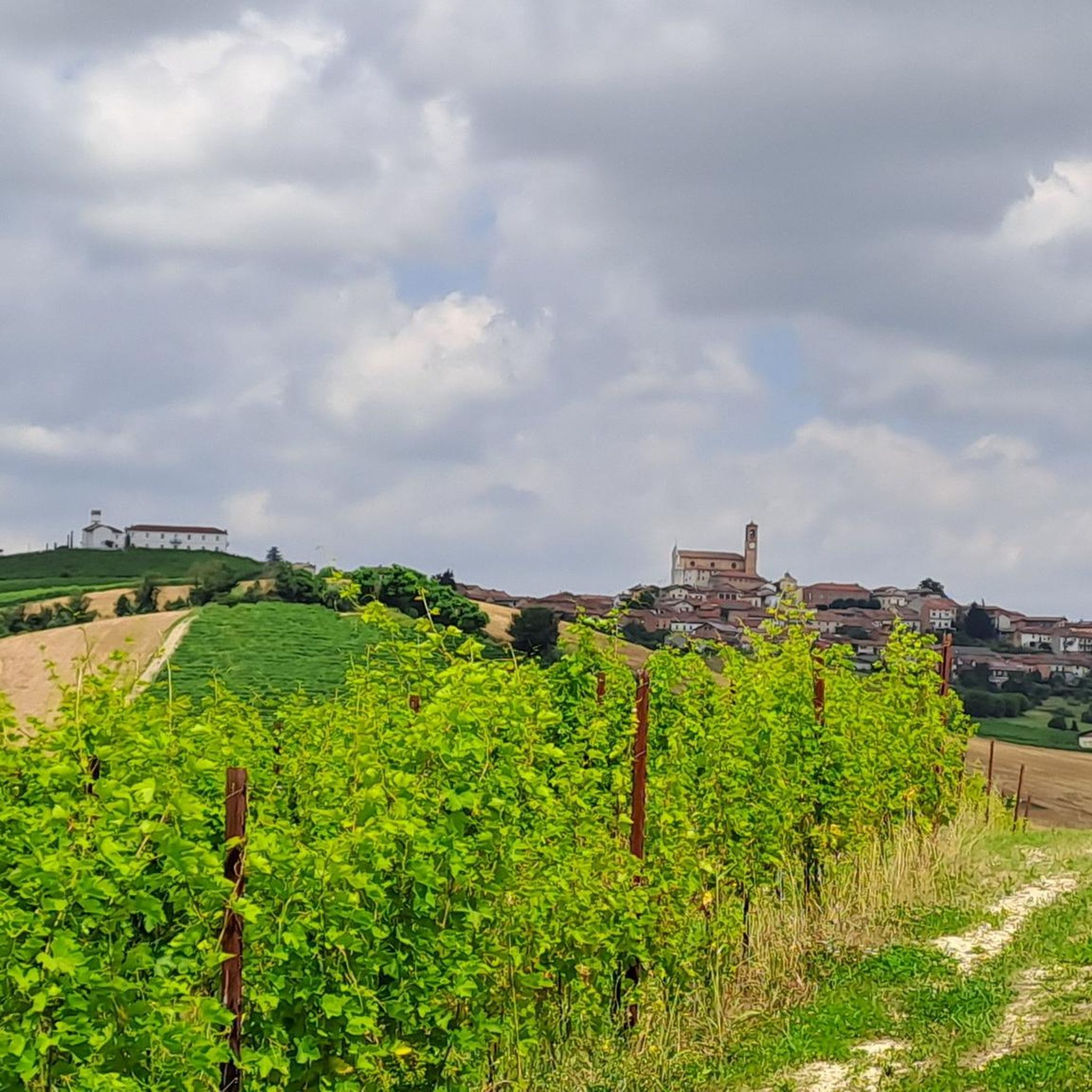
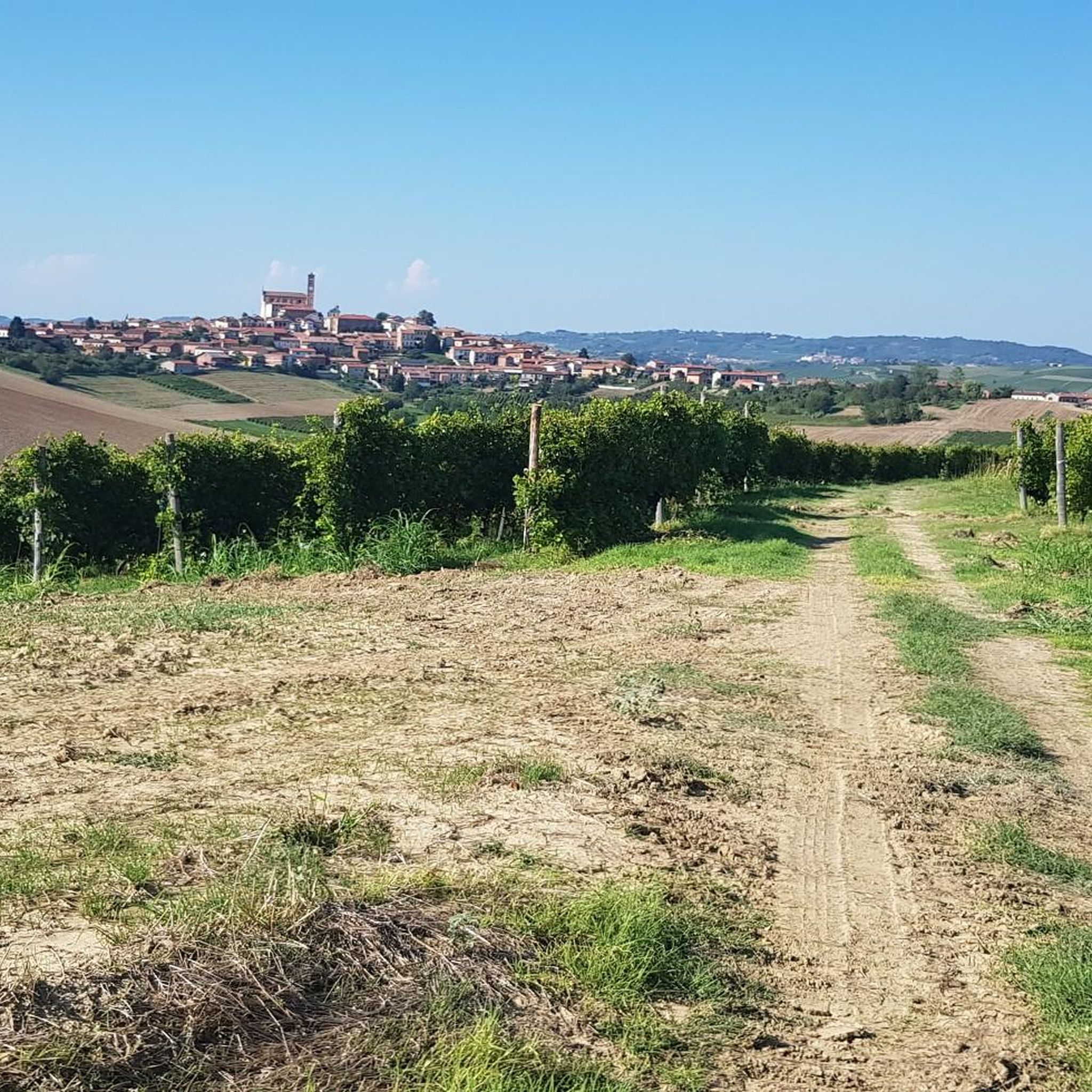
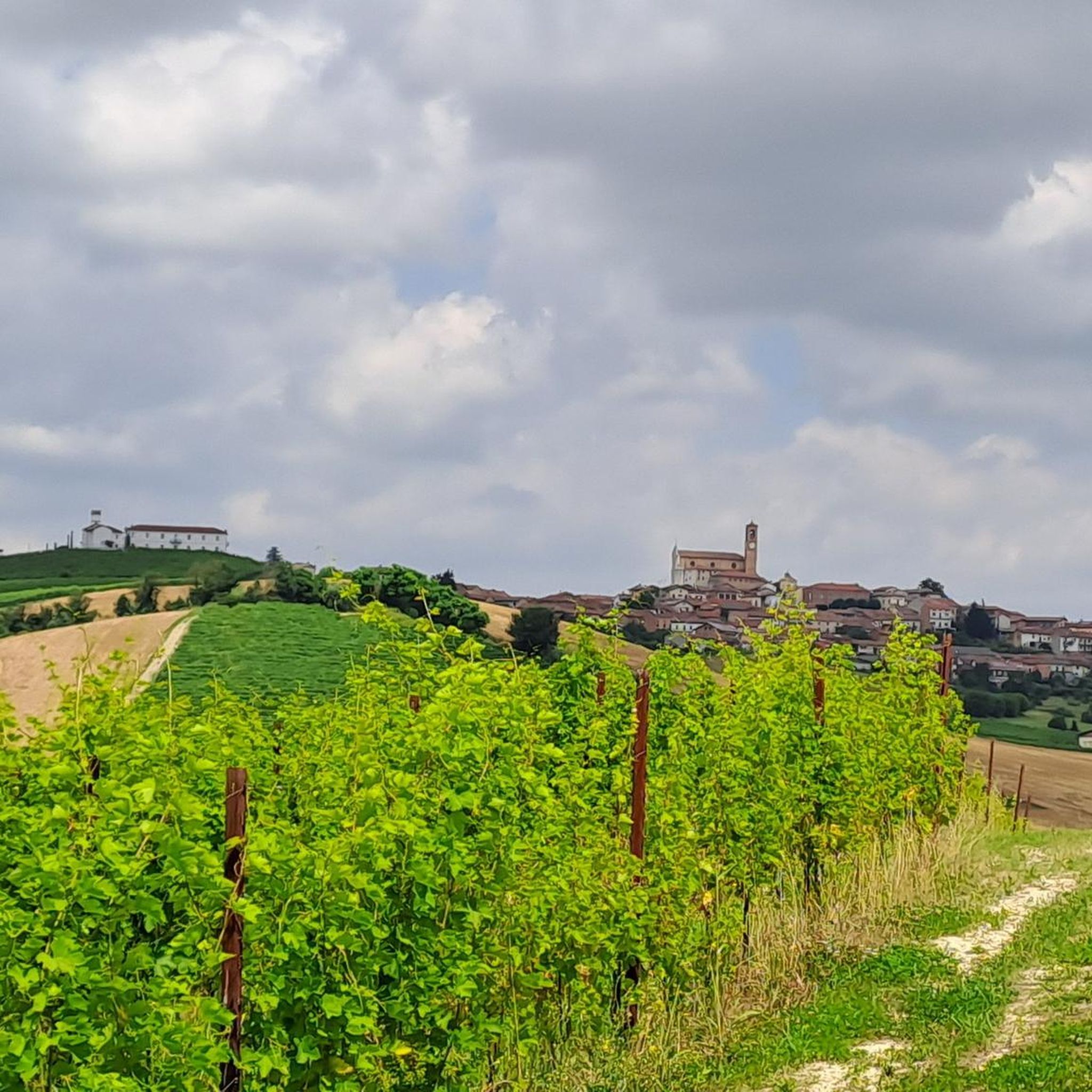
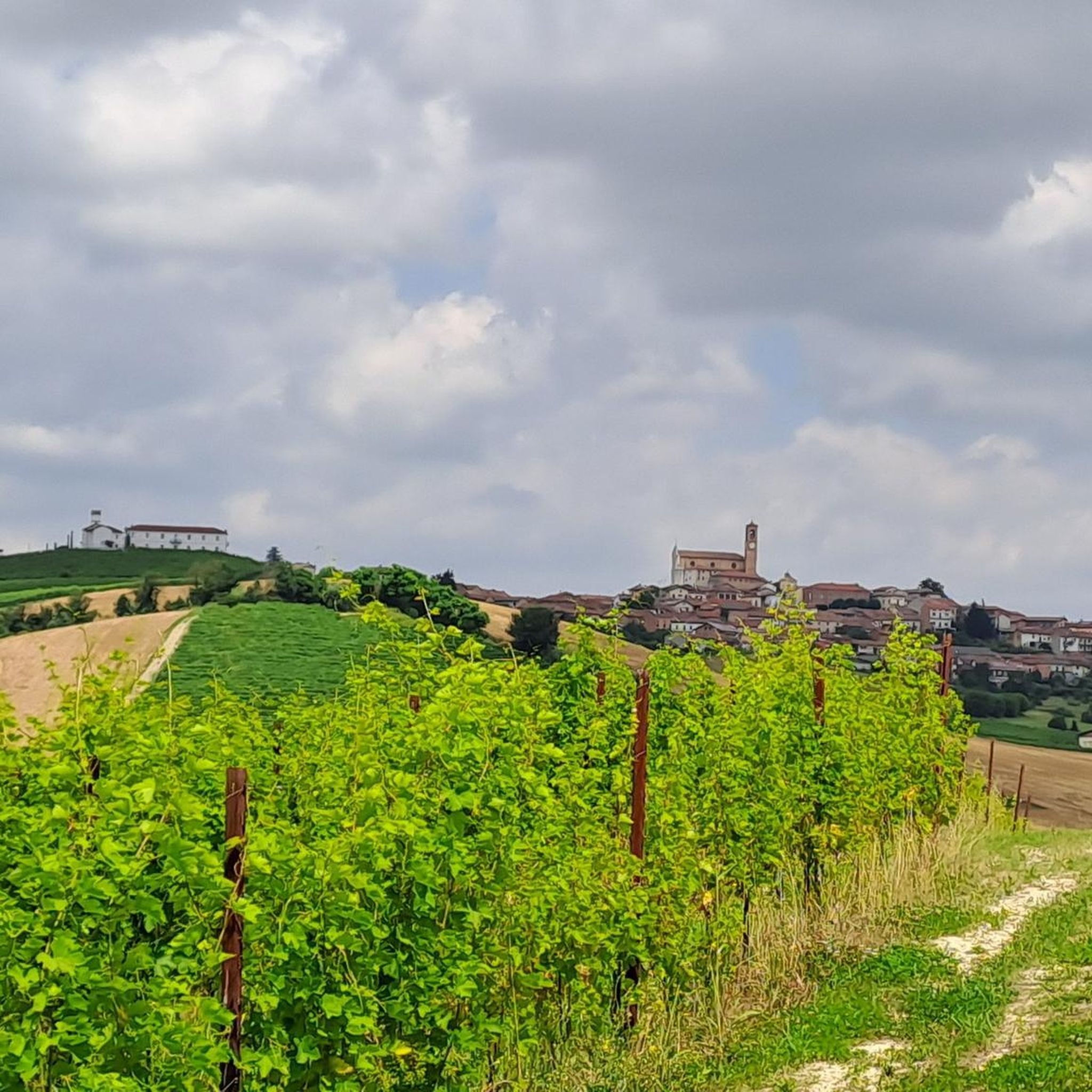
Best natural monuments around Castagnole Monferrato are primarily characterized by its expansive rolling hills and vineyards, a defining feature of the UNESCO World Heritage-listed Monferrato landscape. This region offers a wealth of natural beauty and outdoor experiences. The underlying geology, including sedimentary rock formations, contributes to the area's renowned viticulture. Visitors can explore a cultivated natural landscape that harmonizes human activity with the environment.
Best natural monuments around Castagnole Monferrato
- The most popular natural monument is Bialbero di Casorzo,…
Last updated: June 28, 2026
Bialbero di Casorzo
Highlight • Natural Monument
Showing Translation
Tip by

Church and Fountain of Sant'Eusebio
Highlight • Religious Site
Translated by Google •
Tip by
Sign up now to discover places like this
Get recommendations on the best single tracks, peaks, & plenty of other exciting outdoor places.
Sign up for free
Madonna del Portone Pond (Asti)
Highlight • Religious Site
Translated by Google •
Tip by

WWF Oasis Villa Paolina
Highlight • Natural Monument
Translated by Google •
Tip by

Start today with a free account
Your next adventure awaits.
Login or Signup
Tips from the Community

The Bialbero di Casorzo is one of the most famous natural curiosities of Piedmont, in Italy.
14
0
Place of worship kept in perfect condition.
9
1

A cavity in the stone houses an altar and just above the statue of the Madonna. A silent, peaceful place, a few meters from the city center and traffic.
0
0
Outside the beautiful and large church dedicated to the Madonna "del Portone", on the left side, there is a delightful pond with fish and turtles overlooked by a stone cavity that houses the statue of the Madonna.
0
0

Church and fountain of Sant'Eusebio, patron saint of the entire Piedmont region, it was he who brought the oriental cult of the Black Madonna, to which the Cathedral of Vercelli and the Sacro Monte of Crea are linked; legend has it that passing by here he sat down and put down his stick; at that point the water began to gush;
2
0

The Biarancio di Casorzo is located between Grana Monferrato and Casorzo, in Piedmont. It is called 'Biarancio' as this tree is a mulberry tree on which a cherry tree has grown. The best season to admire the Biarancio is at the end of spring, when it is in bloom.
2
0

The WWF Oasis of Valmanera is a protected natural area near Asti, included in the Natura 2000 Network (ZSC) as a place of importance for the conservation of biodiversity. The Oasis extends for approximately 10 hectares of meadows, woods and paths. In the center of the Oasis there is a flat area where the Villa, the Hostel and the "Biberach an der Riss" conference room are located. The Villa houses the inn, the dining rooms, the bar and a WWF gadget shop, products from the Terre dell'Oasi and fair trade products. On the first floor there is a library and the Naturalistic Museum of the Territory which illustrates the history and natural richness of our area. On the top floor of the Villa there is the Painter's Room, a very beautiful conference room for 40 people. There is also an apiary, a pond, an educational vegetable garden and a short forest path with information panels and a fossil outcrop.
3
0

On the hills of Monferrato, halfway between Asti and Casale Monferrato, the small town of Casorzo is home to a curious natural wonder: a double tree or a cherry tree grown on a mulberry tree. How it is formed For the more curious (or just curious) green thumbs, this is the most accredited theory to explain the birth of the double tree, otherwise known as the double tree of happiness: probably a bird or other small animal has the cherry seed on the inside of the hollow trunk of the mulberry tree. Somehow the roots worked their way to the ground and the plant began to grow on top of the mulberry tree, finding enough nourishment to fully develop. Et voilà, the double mast is ready! When should you go and see the Casorzo double shaft? In the middle of summer, with both plants completely green, the strange phenomenon of the "double tree" tends to go a bit unnoticed. In the spring, however, he does his best. If you've always dreamed of living the Japanese experience of Hanami, the practice of admiring cherry blossoms, you can always start here: between March and April, the cherry tree turns white, while the mulberry tree underneath is still bare. This is the time of year when the gap between the two trees is most obvious and spectacular. The double tree and the furnished area in which it stands are located directly on the path Malvasia di Casorzo . The access to the area is always free and with its tables it lends itself perfectly to receiving anyone who wants to stop for a break during an excursion or even just to those who want to have a picnic in the shade of a very special tree. Source: https://www.percorsimonferrato.com/bialbero-di-casorzo-monferrato/
6
0
Frequently Asked Questions
What are the unique natural attractions in Castagnole Monferrato?
The primary natural attractions in Castagnole Monferrato are its expansive rolling hills and vineyards, which are a defining feature of the UNESCO World Heritage-listed Monferrato landscape. This cultivated natural environment offers breathtaking panoramic views and is ideal for outdoor activities. You can also find specific natural monuments like the unique Bialbero di Casorzo, a cherry tree growing within a mulberry tree.
Are there any truly unique natural monuments to see?
Yes, one of the most unique natural monuments is the Bialbero di Casorzo. This extraordinary site features a cherry tree that has grown directly within a mulberry tree, creating a distinctive natural wonder. It's a fascinating example of nature's resilience and a popular spot for visitors.
What kind of natural features define the landscape around Castagnole Monferrato?
The landscape is characterized by gently undulating hills covered with meticulously maintained vineyards. The diverse soil compositions, including marl, limestone, clay, and sand, are crucial for the region's renowned Ruché, Barbera, and Moscato wines. The underlying geology of sedimentary rock formations from the Oligocene and Miocene epochs also plays a significant role in shaping this picturesque environment.
Are there any natural monuments with historical or cultural significance?
Absolutely. The Church and Fountain of Sant'Eusebio is a religious site where legend states water began to gush when Saint Eusebius sat there, blending natural phenomena with local history. Another site is the Madonna del Portone Pond (Asti), a peaceful pond with a stone cavity housing a statue of the Madonna, offering a tranquil retreat with cultural ties.
Is there a protected natural area nearby?
Yes, the WWF Oasis Villa Paolina, also known as the WWF Oasis of Valmanera, is a protected natural area near Asti. It's included in the Natura 2000 Network for its biodiversity, offering approximately 10 hectares of meadows, woods, and paths for exploration.
What outdoor activities can I do near the natural monuments?
The rolling hills and vineyards provide an excellent setting for various outdoor activities. You can enjoy hiking, cycling, and horseback riding through the countryside. For more specific routes, consider exploring the options for Gravel biking around Castagnole Monferrato, Running Trails around Castagnole Monferrato, or MTB Trails around Castagnole Monferrato.
Are there walking or hiking trails suitable for exploring the natural beauty?
Yes, the region is crisscrossed with numerous trails perfect for walking and hiking. The vineyard-covered hills offer serene paths to immerse yourself in nature. For example, the area around the Bialbero di Casorzo is directly on the Malvasia di Casorzo path, which is great for a break or a picnic. You can find more detailed routes in guides like Running Trails around Castagnole Monferrato, which often include paths suitable for walking.
Are there family-friendly natural monuments in the area?
Yes, several natural monuments are suitable for families. The Bialbero di Casorzo is a curious sight that children often enjoy. The Madonna del Portone Pond (Asti), with its fish and turtles, offers a peaceful and engaging experience for all ages. Additionally, the WWF Oasis Villa Paolina provides educational opportunities and facilities for families.
When is the best time of year to visit the natural monuments around Castagnole Monferrato?
The region is beautiful year-round, but spring and autumn are particularly recommended. In spring (March-April), the cherry tree of the Bialbero di Casorzo is in bloom, creating a spectacular sight. The vineyards are vibrant green in spring and summer, transforming into golden and earthy tones in autumn, offering breathtaking panoramic views. Summer is also great for outdoor activities, while winter can offer a different, tranquil beauty.
How can I access these natural monuments?
Most natural monuments and attractions in the Castagnole Monferrato area are best accessed by car, allowing you the flexibility to explore the rolling hills and vineyards at your own pace. Specific parking information may vary by site, but generally, there are designated areas. Public transport options are limited for reaching many of the more secluded natural spots.
Are there any lesser-known natural spots worth discovering?
Beyond the prominent vineyards, the region's unique geological formations include the fascinating 'crutin' – small cellars dug into the tuff rock. While not strictly natural monuments, these ancient cellars are a distinctive blend of natural geology and historical human ingenuity, perfect for aging wine. Exploring the countless small roads winding through the vineyards can also lead to hidden viewpoints and tranquil corners.
Can I expect to see any wildlife at these natural sites?
Yes, particularly at sites like the Madonna del Portone Pond (Asti), where you can observe fish and turtles. The WWF Oasis Villa Paolina is a protected natural area specifically dedicated to biodiversity, making it an excellent spot for wildlife observation, including various bird species and small mammals in its meadows and woods.
Are there facilities like cafes or picnic spots near these natural monuments?
Yes, some natural monuments offer facilities. The area around the Bialbero di Casorzo has tables, making it perfect for a picnic. The WWF Oasis Villa Paolina includes an inn, dining rooms, a bar, and a shop, providing comprehensive facilities for visitors. Many small towns in the Monferrato region also have local cafes and restaurants where you can enjoy regional specialties.
Most popular routes around Castagnole Monferrato
Most popular attractions around Castagnole Monferrato

Get inspired with the komoot mobile app


Explore more
Extend your search for the best caves by checking out these guides of the top ones around Castagnole Monferrato:
