Top 5 Natural Monuments around Cerreto D'Asti
Natural monuments around Cerreto D'Asti are situated within the broader Asti province and Monferrato region of Piedmont. This area is characterized by rolling hills, vineyards, and specific protected areas that showcase significant natural features. The landscape offers a mosaic of crops and nature, with ancient woods, cultivated fields, and diverse flora. The region's geological history, including its paleontological heritage, adds to its unique appeal for nature enthusiasts.
Best natural monuments around Cerreto D'Asti
- The most popular natural monument is Sulphur…
Last updated: June 28, 2026
Sulphur Fountain of San Dionigi
Highlight • Natural Monument
Translated by Google •
Tip by

Astigiano Paleontological Park
Highlight • Natural Monument
Translated by Google •
Tip by
Sign up now to discover places like this
Get recommendations on the best single tracks, peaks, & plenty of other exciting outdoor places.
Sign up for free
La Rul Verda (Quercus Crenata)
Highlight • Natural Monument
Translated by Google •
Tip by

I Crutin (Natural Tuff Caves)
Highlight • Cave
Translated by Google •
Tip by

Zolfo locality (Montafia AT)
Highlight • Natural Monument
Translated by Google •
Tip by

Start today with a free account
Your next adventure awaits.
Login or Signup
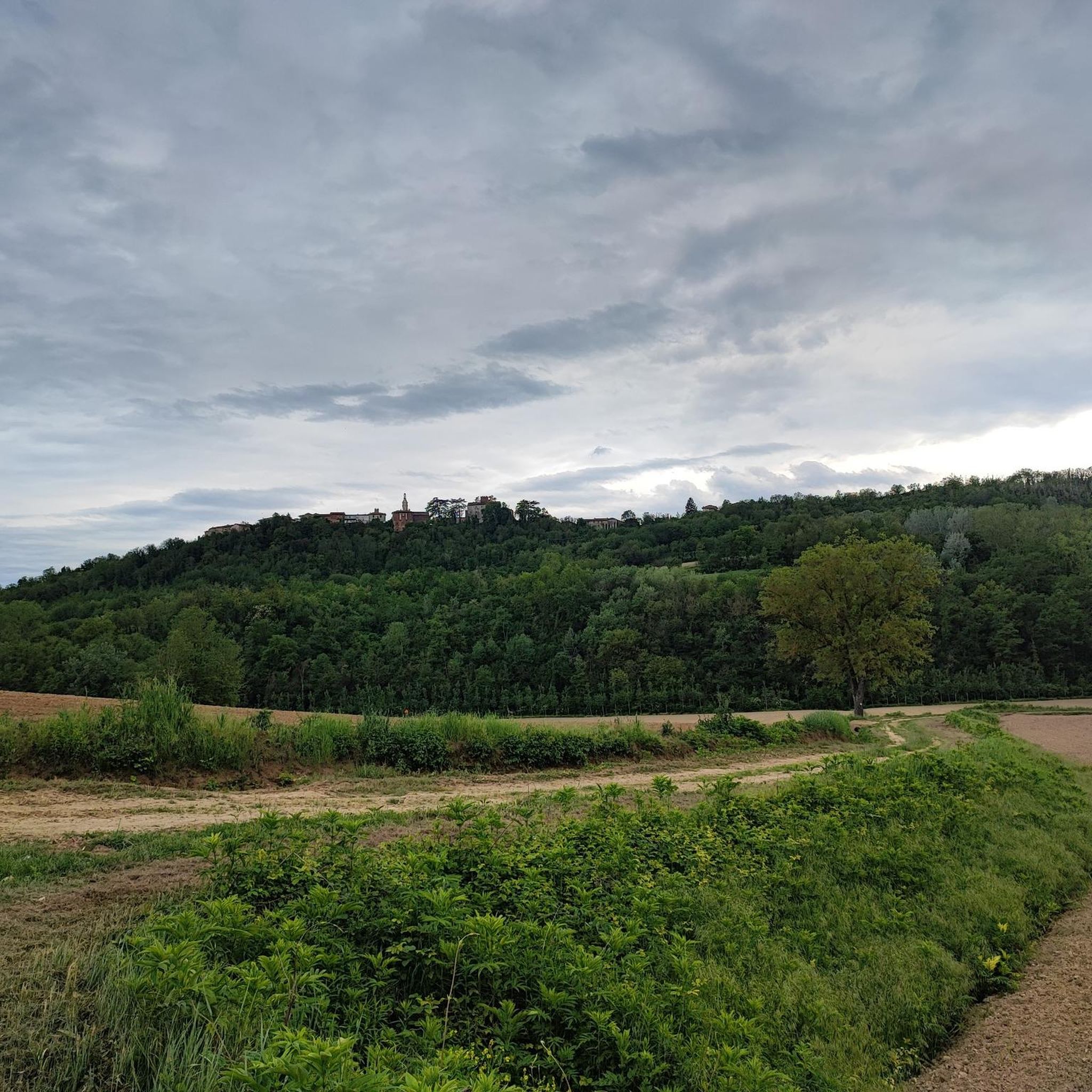
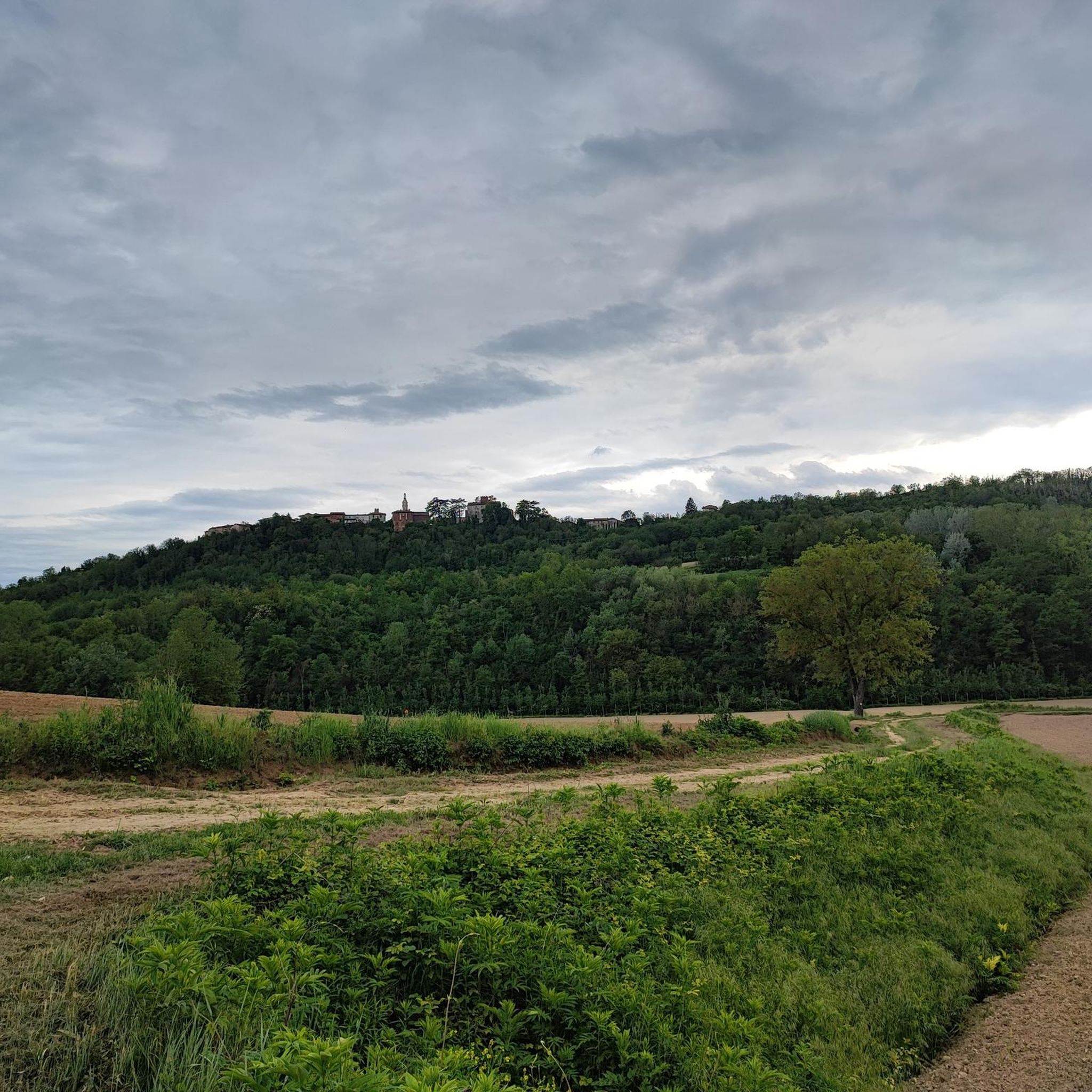
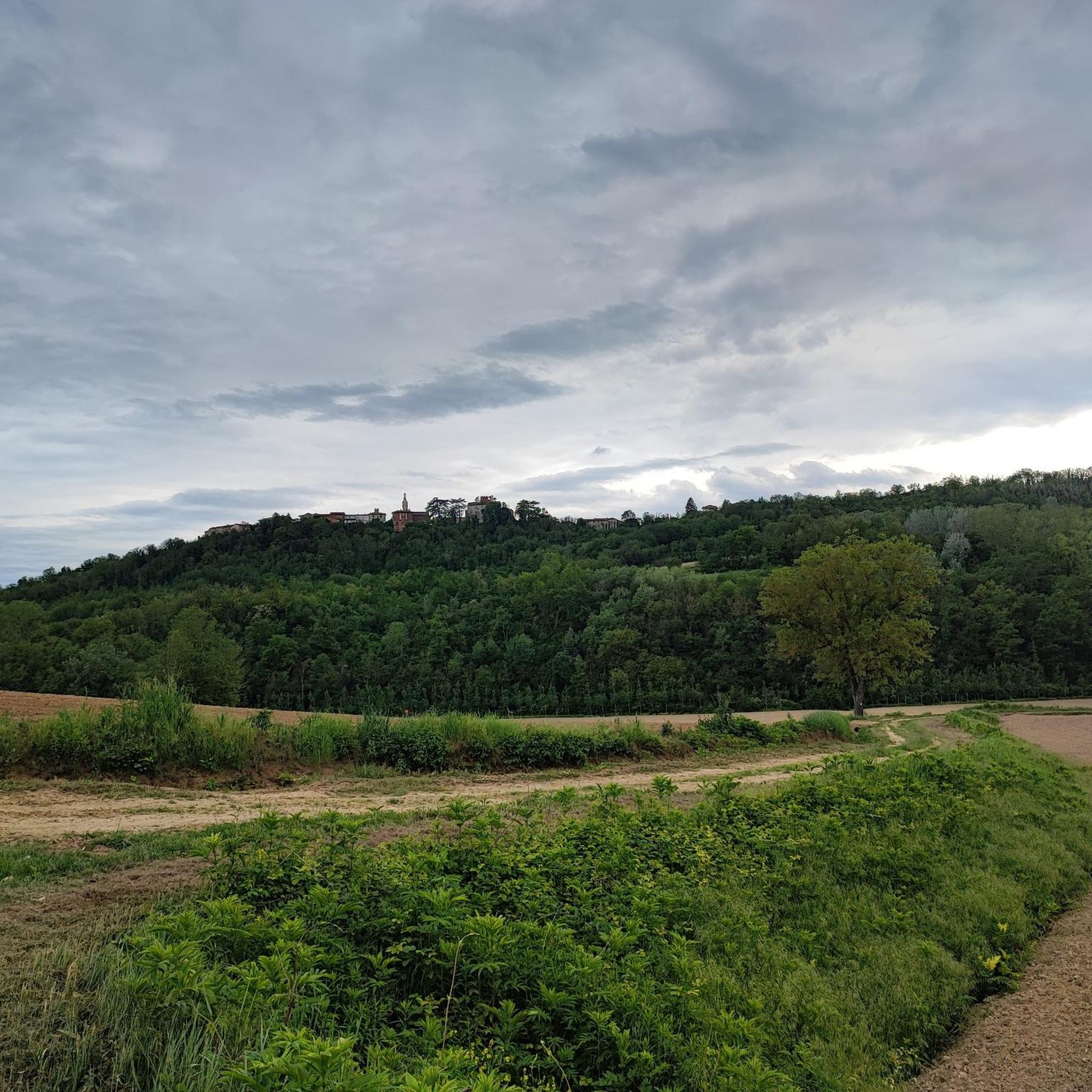
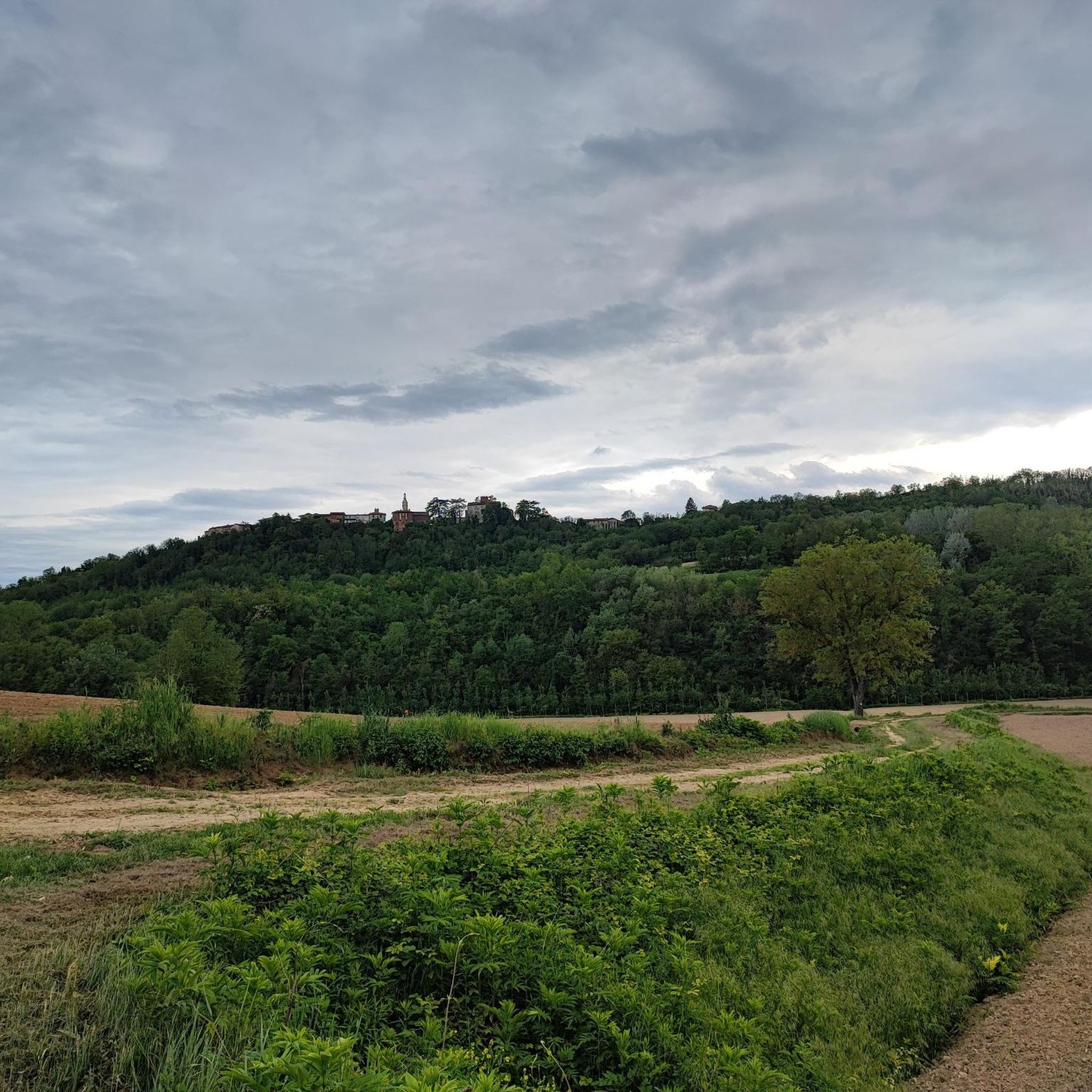
Tips from the Community

A 150-year-old tree. It was there when we were born. Maybe it will be there when we die...
0
0

The locality of Zolfo, under the municipality of Montafia, so called because it is home to a source of sulphurous water.
0
0

The crutin understood in their natural form (not dug by man in the tuff for the purpose of preserving food and wine) are caves dug into the tuff when the sea reached the level of the mouth of the current caves.
0
0

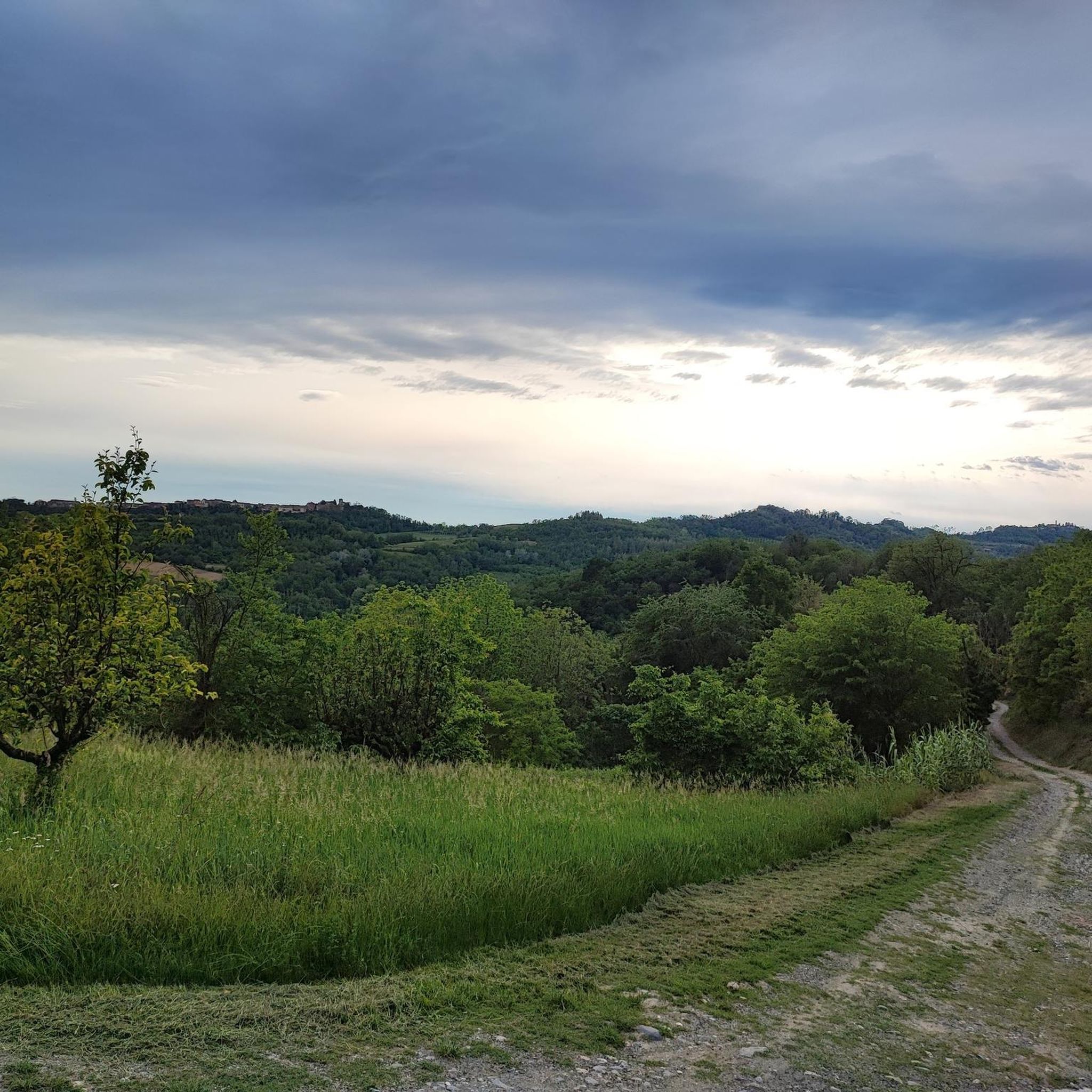
If you stop for a moment on this stretch of road that crossed the beautiful Astigiano Paleontological Park, you will be enchanted by the greenery that surrounds you and by the continuous chirping of the birds that inhabit it. Beautiful experience.
3
0
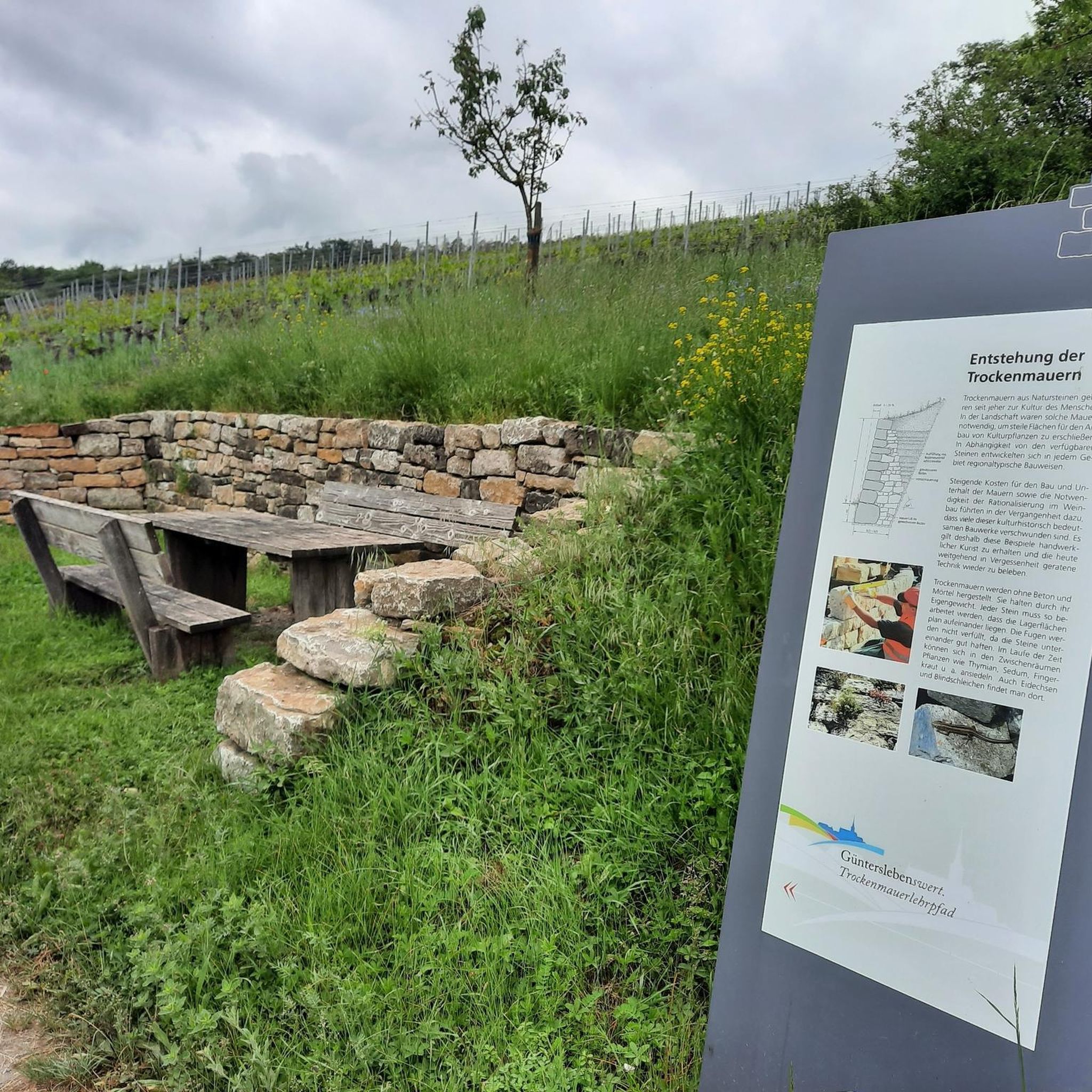
A place steeped in history, it is worth visiting and reading the sign with the whole history of this sulfur fountain.
6
0

The Rul Verda is a magnificent example of "Quercus crenata" which boasts the venerable age of about 130 years, a height that exceeds 25 meters and a stem circumference (at a man's height) of 3 meters. The path to reach it is suitable for MTB, in gravel it is doable if you are willing to push a little
0
0

Sulfur source. Ideal for a small break.
2
0
Frequently Asked Questions
What unique natural features can I explore around Cerreto D'Asti?
The area around Cerreto D'Asti is known for its diverse natural features, including sulphur springs like the Sulphur Fountain of San Dionigi and the Zolfo locality. You can also find ancient trees such as La Rul Verda (Quercus Crenata), a magnificent 130-year-old oak, and significant paleontological sites like the Astigiano Paleontological Park.
Are there any protected natural areas near Cerreto D'Asti?
Yes, the broader Monferrato region, where Cerreto D'Asti is located, features several protected areas. These include the Palaeontological Park of the Asti Area, which encompasses the Natural Reserve of the Andona Valley, Botto Valley, and Valle Grande. Other notable parks are the Rocchetta Tanaro Natural Park and the Val Sarmassa Nature Reserve, known for its wild orchids.
What kind of geological history can I discover in the natural monuments here?
The region boasts a rich geological history, particularly evident at the Astigiano Paleontological Park. This area offers a glimpse into a prehistoric tropical sea that covered these hills millions of years ago, with abundant fossils including shells and remains of marine and terrestrial vertebrates. The 'Cammino dei Fossili' (Fossil Trail) also highlights this Pliocene-era heritage.
Are there family-friendly natural monuments or activities around Cerreto D'Asti?
Several natural monuments are suitable for families. The Sulphur Fountain of San Dionigi and the Zolfo locality are easy to visit. The Astigiano Paleontological Park, with its greenery and birdlife, offers an engaging experience for all ages to learn about ancient history.
What outdoor activities can I do near these natural monuments?
The rolling hills and diverse landscapes around Cerreto D'Asti are ideal for various outdoor activities. You can find numerous routes for hiking, mountain biking, and running. The 'Cammino dei Fossili' is a 93 km route perfect for exploring the paleontological and naturalistic heritage.
Where can I find scenic views or panoramic spots in the Monferrato Astigiano region?
The Monferrato region surrounding Cerreto D'Asti is characterized by rolling hills that offer panoramic views. The landscape is a mosaic of vineyards, ancient woods, and cultivated fields, providing many opportunities for scenic enjoyment during hikes or bike rides. While specific viewpoints are not listed for all natural monuments, the general terrain ensures beautiful vistas.
What is the best time to visit the natural parks and monuments around Cerreto D'Asti?
Spring and autumn are generally the best times to visit. During these seasons, the weather is pleasant for outdoor activities like hiking and cycling, and the natural landscapes are particularly vibrant. Spring brings blooming wildflowers, especially in areas like the Val Sarmassa Nature Reserve with its wild orchids, while autumn offers stunning fall foliage across the vineyards and woods.
What do visitors enjoy most about the natural monuments around Cerreto D'Asti?
Visitors appreciate the unique blend of natural beauty and historical significance. The Sulphur Fountain of San Dionigi is valued for its history and as a peaceful break spot. The Astigiano Paleontological Park enchants visitors with its lush greenery and birdlife, offering a beautiful experience. The ancient La Rul Verda (Quercus Crenata) is admired for its venerable age and impressive size.
Are there any caves to explore near Cerreto D'Asti?
Yes, you can explore I Crutin (Natural Tuff Caves). These are natural caves dug into the tuff, formed when the sea covered the area. They offer a unique geological insight into the region's past.
How accessible are the natural monuments around Cerreto D'Asti by public transport?
While some larger towns in the Asti province may have public transport connections, reaching the specific natural monuments and more remote protected areas around Cerreto D'Asti often requires a car. Public transport options might be limited, so planning your journey in advance or considering private transport is advisable for greater flexibility.
What should I wear when visiting the natural areas and monuments?
For comfortable exploration of the natural monuments and trails, wear comfortable walking shoes or hiking boots, especially if you plan to venture onto unpaved paths or longer routes. Layered clothing is recommended to adapt to changing weather conditions, and consider bringing sun protection during warmer months.
Most popular routes around Cerreto D'Asti
Most popular attractions around Cerreto D'Asti

Get inspired with the komoot mobile app


Explore more
Extend your search for the best caves by checking out these guides of the top ones around Cerreto D'Asti:
