Top 20 Natural Monuments around Lorenzago Di Cadore
Best natural monuments around Lorenzago Di Cadore are characterized by the majestic Dolomites, expansive meadows, and dense forests. This region, part of a UNESCO World Heritage Site, offers a serene natural experience with dramatic mountain peaks. The landscape provides opportunities for exploration and appreciation of its geological grandeur and ecological richness.
Best natural monuments around Lorenzago Di Cadore
- The most popular natural monuments is Giuliano Perugini Bivouac and the Campanile of Val Montanaia, a hut that serves as a…
Last updated: June 28, 2026
Giuliano Perugini Bivouac and the Campanile of Val Montanaia
Highlight • Mountain Hut
Translated by Google •
Tip by

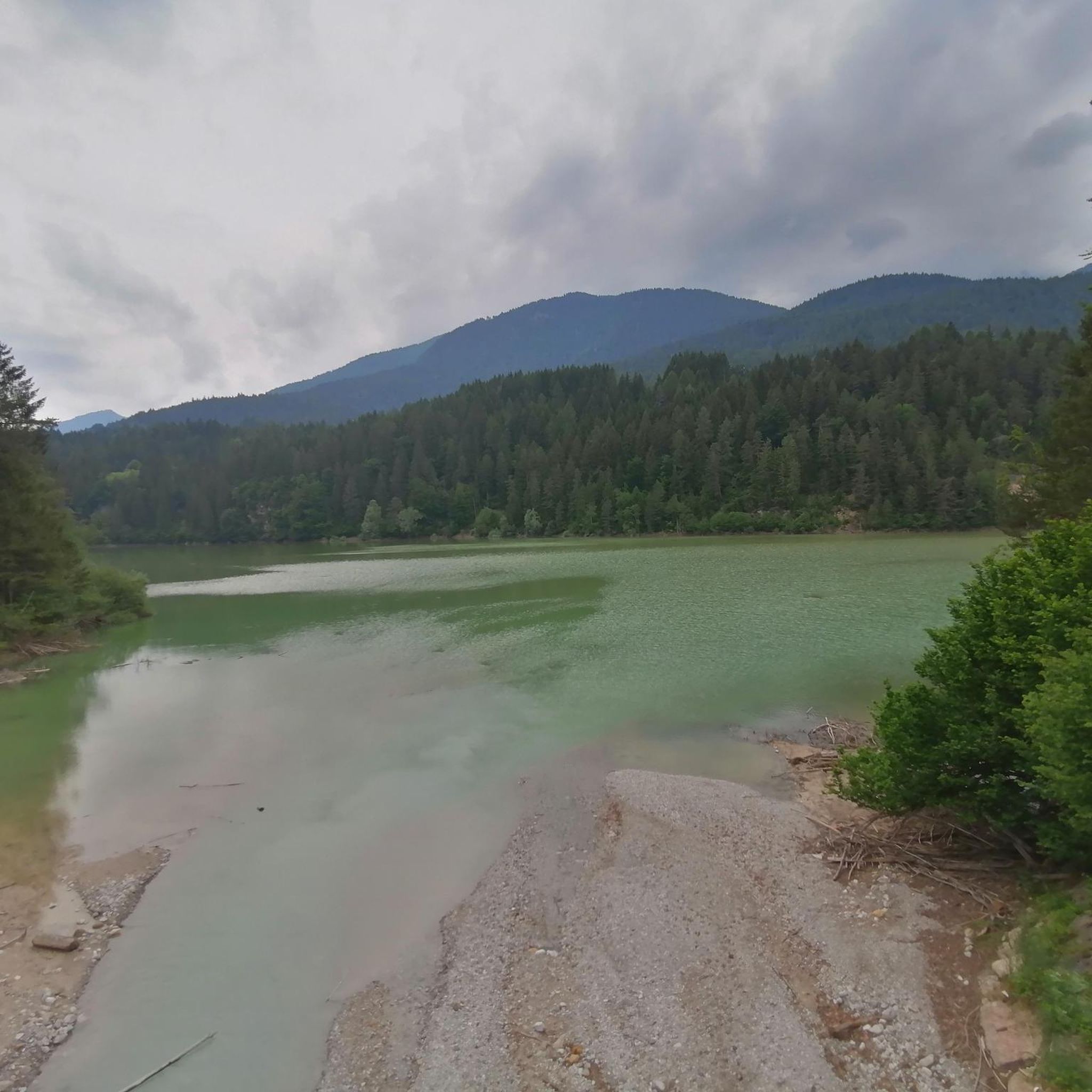
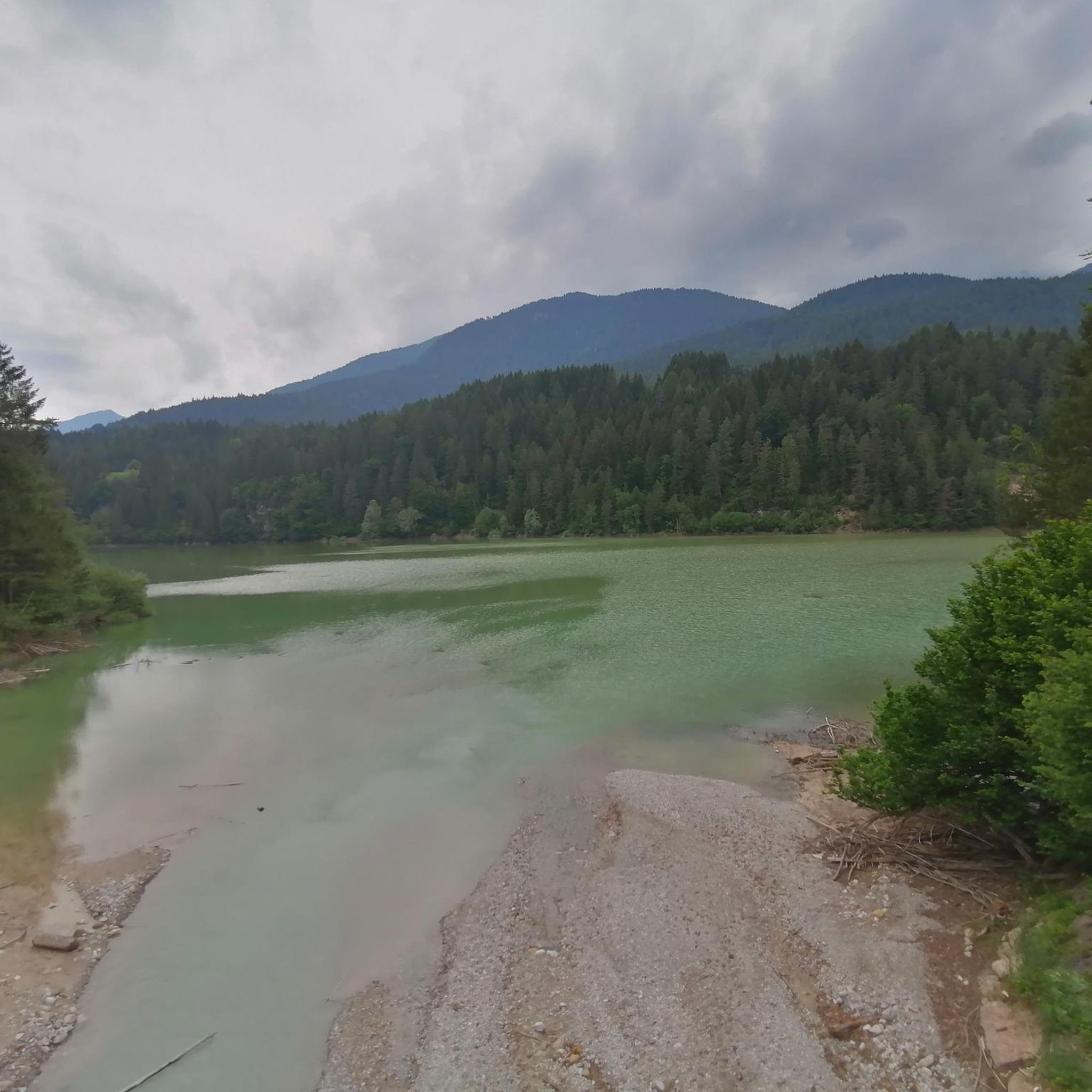
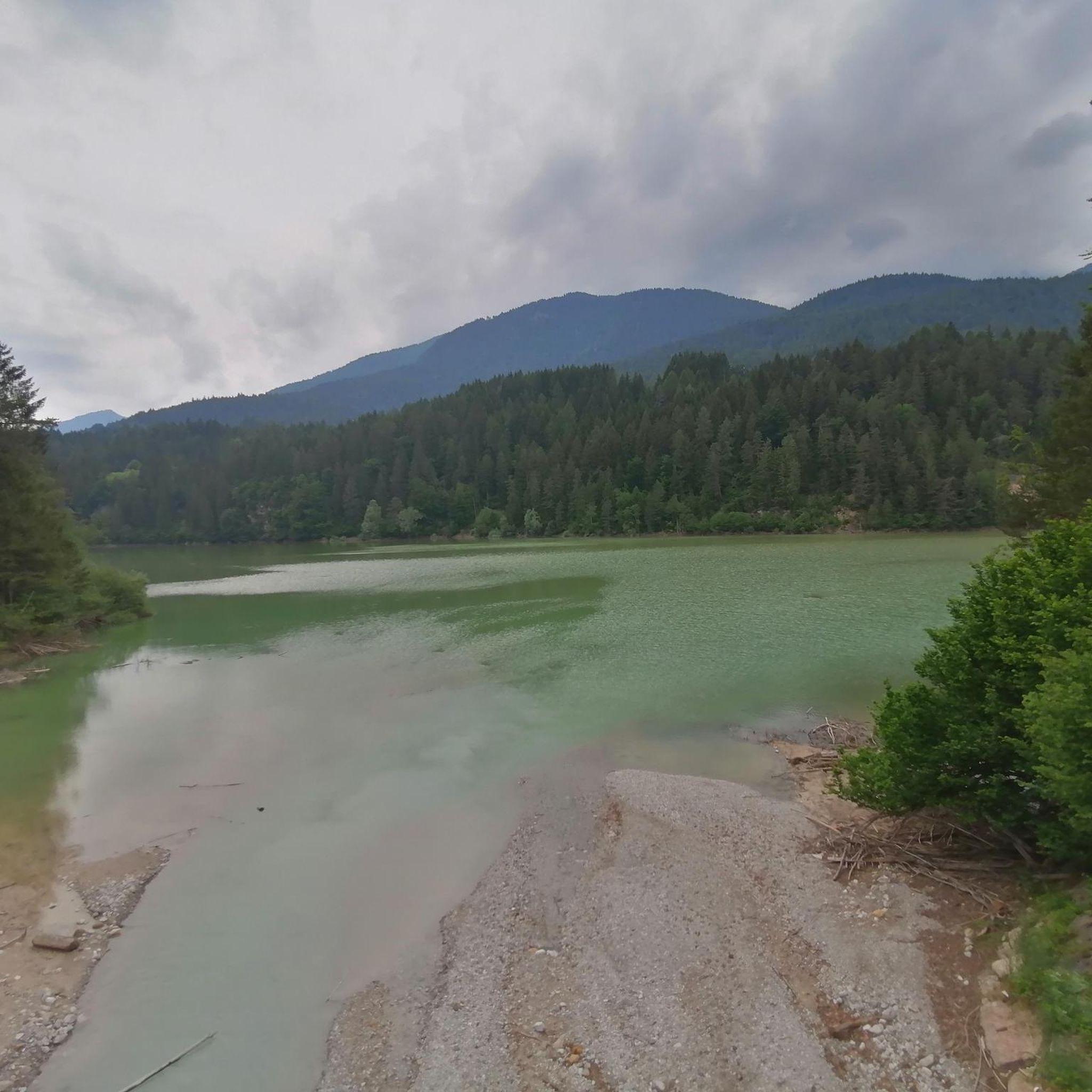
Tose Lake
Highlight • Lake
Translated by Google •
Tip by

Sign up now to discover places like this
Get recommendations on the best single tracks, peaks, & plenty of other exciting outdoor places.
Sign up for free
Campanile of Val Montanaia
Highlight • Natural Monument
Translated by Google •
Tip by
Forcella Scodavacca
Highlight • Mountain Pass
Translated by Google •
Tip by

Pian dei Buoi Plateau
Highlight • Viewpoint
Translated by Google •
Tip by

Sign up for free to discover even more natural monuments around Lorenzago Di Cadore.
Sign up for free
Already have an account?
Start today with a free account
Your next adventure awaits.
Login or Signup
Popular around Lorenzago Di Cadore


Tips from the Community

view of Antelao and Marmarole from the Pian dei Buoi barracks
0
0

The bivouac and adjacent meadow are often crowded. Useful as a base for early climbing excursions.
1
0

Getting to the Campanil is not an easy task, but it is worth it.
0
0

Lago delle Tose is a small body of water known since Roman times for the thermal characteristics and benefits of its waters. It is located in Lagole, an area of considerable archaeological and naturalistic interest near Lago di Centro Cadore. The water that flows between the rocks of the clearing forms streams and waterfalls that culminate in a natural pool. This entire area was part of a religious complex linked to the cult of mineral waters, already frequented in Roman times to perform the abduction of the body. In some places, in addition to the ferruginous color, it is also possible to smell the typical smell of sulfur. A little further south are the Lagole springs, small pools from which water with beneficial properties flows. In the Venetian dialect "tose" means "girls". But the legend from which this small and precious lake takes its name is anything but happy. It is said that a long time ago the girls of the place immersed themselves in its waters to preserve eternal youth. Their beauty aroused the envy of the Anguane, creatures similar to a nymph. One day the Anguane witches attacked the girls while their men were hunting. They beat them to death, including the beautiful Bianca, daughter of the village chief. When the men realized what had happened, they decided in desperation to carry the bodies to the mountain. The God of the lake, as a sign of compassion for the "tose", transformed every drop of blood that fell to the ground into small pink and fragrant flowers, then turned the men into stone so that no one could disturb Bianca's sleep. The Anguane took refuge in the caves but could not escape the vengeance of the God, who poisoned the water, killing them. The valley fell into an unreal silence and an instant later the water regained its beneficial powers.
1
0

Forcella Scodavacca, 2050 meters above sea level, its width and length make it peculiar compared to many other forks. It is the typical Dolomite fork.
0
1

The Scodavacca fork is the archetype of the forks and the symbol of the Forni Dolomites. Large and panoramic, it is located at an altitude of 2,043 meters and connects Carnia to Cadore. On its sides, the pass is dominated by the boldest spiers, including the Berti tower and the famous Spinotti tower, as well as Mount Cridola, the highest peak in the area. To reach it, from both sides, requires a long but rewarding climb up a narrow path that turns to gravel towards the top. You can run to the base of the Cridola peak, but to reach the summit the route becomes very technical.
2
0

From this col you can climb to the Cridola summit, but this is already an easy climb with a lot of loose rock.
1
0

Beautiful pasture, you arrive from Lozzo di Cadore. Monte Ciaredo is visible with its Forcella Paradiso and the easily accessible Ciareido Hut.
0
0
Frequently Asked Questions
What are some unique natural monuments to explore in Lorenzago di Cadore?
Beyond the well-known peaks, you can discover the unique Giuliano Perugini Bivouac and the Campanile of Val Montanaia, a classic barrel bivouac at 2,060 meters near the iconic Campanile of Val Montanaia. Another distinctive spot is Tose Lake, known for its thermal characteristics and beneficial waters, with streams and waterfalls culminating in a natural pool.
What kind of geological features can I expect to see among the natural monuments?
The region is dominated by the dramatic Dolomite peaks, part of a UNESCO World Heritage site, characterized by their distinctive pale rock formations that glow with a unique pink hue at sunrise and sunset (Enrosadira). You'll also find lush valleys, clear streams, and extensive wooded areas. The Campanile of Val Montanaia itself is a striking spire, a prime example of the unique geology.
Are there any natural monuments with historical significance?
Yes, the Tose Lake area in Lagole has considerable archaeological and naturalistic interest, known since Roman times for its thermal waters and once part of a religious complex. Additionally, the Mauria Pass is a historic route utilized since the Neolithic Age, and the Pian dei Buoi Plateau features artifacts from the Great War, forming the Parco della Memoria.
What are the best places for panoramic views?
Many natural monuments offer breathtaking views. Mountain refuges like Rifugio Antelao and Giaf Hut provide spectacular panoramas of the Dolomite peaks and valleys. The Mauria Pass also offers expansive views of peaks like the distant Tre Cime di Lavaredo, Mount Antelao, and Mount Tudaio. The Pian dei Buoi Plateau is renowned for its particular visibility of the Marmarole Dolomite group.
Are there family-friendly natural monuments around Lorenzago di Cadore?
Yes, Tose Lake is categorized as family-friendly, offering a gentle natural pool and streams. The extensive woods around Lorenzago di Cadore, including the 'Sentiero del Papa' (Pope's Path), provide peaceful and accessible walking conditions suitable for families to enjoy nature.
What is the best time of year to visit the natural monuments in Lorenzago di Cadore?
The best time to visit is generally during the warmer months, from late spring to early autumn (May to October), when the weather is mild, and trails are clear of snow. This period is ideal for hiking, exploring the forests, and enjoying the mountain views. The Dolomites are particularly stunning during sunrise and sunset when the 'Enrosadira' phenomenon paints the peaks pink.
Can I visit the natural monuments in winter?
While many high-altitude trails and refuges may be inaccessible due to snow, some areas, particularly the extensive woods around Lorenzago, offer opportunities for winter activities like cross-country skiing or snowshoeing. Always check local conditions and trail accessibility before planning a winter visit to ensure safety.
Are there dog-friendly natural monuments?
Many natural areas and trails in the Dolomites are dog-friendly, allowing you to explore with your canine companion. The extensive woods and lower-altitude paths are generally suitable. However, always keep dogs on a leash, especially in protected areas or near wildlife, and be mindful of any specific regulations posted at trailheads or natural sites.
What hiking opportunities are available near the natural monuments?
The region offers a wide range of hiking opportunities. For example, you can find routes like the 'Historic Military Road to Forte Miaron from Passo della Mauria' or the 'Alta Via 6 Trail: Passo della Mauria to Rifugio Giaf'. These trails allow you to explore the diverse landscapes, from historic passes to mountain refuges. You can find more details on various hiking routes in the Hiking around Lorenzago Di Cadore guide.
Are there cycling routes that pass by natural monuments?
Yes, there are several cycling routes that allow you to experience the natural beauty of the area. For instance, you could try the 'Passo della Mauria and Lake Sauris - ring tour from Lorenzago di Cadore' for road cycling, or 'Pedaling Among Larches and Firs – Lorenzago di Cadore loop from Vigo di Cadore' for touring. Explore more options in the Road Cycling Routes around Lorenzago Di Cadore guide or the Cycling around Lorenzago Di Cadore guide.
What do visitors particularly enjoy about the natural monuments in Lorenzago di Cadore?
Visitors frequently praise the unparalleled scenic beauty of the Dolomites, the tranquility of the extensive forests, and the dramatic geological formations. The Giuliano Perugini Bivouac is noted as a 'red dot in this green valley', offering a unique experience. The Tose Lake is appreciated for its beneficial waters and historical context. The peaceful woods are often described as a 'panacea for relaxation and well-being'.
Is there parking available near the natural monuments?
Parking availability varies by location. For popular spots like the Pian dei Buoi Plateau, access is regulated, and specific times for ascent and descent are in place during summer. For other natural monuments and trailheads, parking may be available in nearby villages or designated areas. It's advisable to check specific access information for your chosen destination.
Are the natural monuments around Lorenzago di Cadore accessible by public transport?
While some main towns and larger trailheads might be served by local bus routes, many natural monuments, especially those deeper in the mountains or forests, are best reached by car. Public transport options can be limited, so planning your journey in advance and checking local bus schedules is recommended if you intend to rely on it.
Most popular routes around Lorenzago Di Cadore
Most popular attractions around Lorenzago Di Cadore

Get inspired with the komoot mobile app


Explore more
Extend your search for the best caves by checking out these guides of the top ones around Lorenzago Di Cadore:
