Top 8 Natural Monuments around Scalepranu/Escalaplano
Best natural monuments around Scalepranu/Escalaplano are found in a region characterized by its plateau position between the Flumendosa and Flumineddu valleys. This area, located in the Metropolitan City of Cagliari, Sardinia, features a landscape rich in cork oak forests and grazing lands. It offers a variety of geological formations and historical sites for exploration.
Best natural monuments around Scalepranu/Escalaplano
- The most popular natural monument is Sa Brecca de Is Tapparas, a canyon that penetrates as a deep crevice into…
Last updated: May 16, 2026
Sa Brecca de Is Tapparas
Highlight (Segment) • Canyon
Translated by Google •
Tip by

Sacred Well of Funtana Coberta
Highlight • Historical Site
Translated by Google •
Tip by

Sign up now to discover places like this
Get recommendations on the best single tracks, peaks, & plenty of other exciting outdoor places.
Sign up for free
Pranu Muttedu Archaeological Park
Highlight • Historical Site
Translated by Google •
Tip by

Covered fountain
Highlight • Historical Site
Translated by Google •
Tip by

Nuraghe Goni
Highlight • Historical Site
Translated by Google •
Tip by
Sign up for free to discover even more natural monuments around Scalepranu/Escalaplano.
Sign up for free
Already have an account?
Start today with a free account
Your next adventure awaits.
Login or Signup


Tips from the Community

It is one of the most famous, interesting, and intact of the approximately thirty Nuragic well-temples where the water cult was practiced: the name "covered well" itself expresses its function and excellent state of preservation. Three kilometers from Ballao, a town in the historic region of Gerrei – along Provincial Road 13, which leads from the town to Escalaplano – lies the sacred well of Funtana Coberta, nestled in a green valley floor, enclosed to the east by a small hill. The entire building, ten and a half meters long, was constructed from irregular, roughly hewn limestone blocks of uniform thickness, carved on the exposed side. The floor plan is unusual: two wings of different lengths create an atrium whose original flooring is still visible. As is common with sacred wells, the monument is divided into three parts: on the surface, the small outdoor atrium (or vestibule), rectangular and almost two meters wide; an access staircase with twelve narrow steps, well crafted and covered with a stepped ceiling composed of twelve sloping architraves that fit into the walls and echo the shape of the underlying steps leading down to the floor of the tholos chamber; more precisely, the tholos chamber was built in the shape of a small nuragic: it is a semi-subterranean chamber with an almost circular plan, three and a half meters wide at the bottom and covered by a false dome five and a half meters high. Noteworthy is the construction of the dome, surrounded by a drum wall, to which a projecting body is attached that delimits the access staircase and the two wings of the atrium in antis. Also noteworthy is the slight curvature of the walls, almost as if to 'invite' the faithful into the interior of the temple. The floor is made of limestone slabs carefully arranged in a radial pattern. Here is the well shaft, dug into the rock, five meters deep, and covered with 36 rows of stones, with an average opening of one meter wide, from which the water spring flows. Source and further information: https://www.sardegnaturismo.it/it/esplora/funtana-coberta
0
0

A few dozen meters of dirt road to visit this beautiful place: covered fountain (this is the intuitive translation) dates back to 1,200 BC and is absolutely worth knowing. At the entrance to the dirt road there is a descriptive panel of the place.
0
0
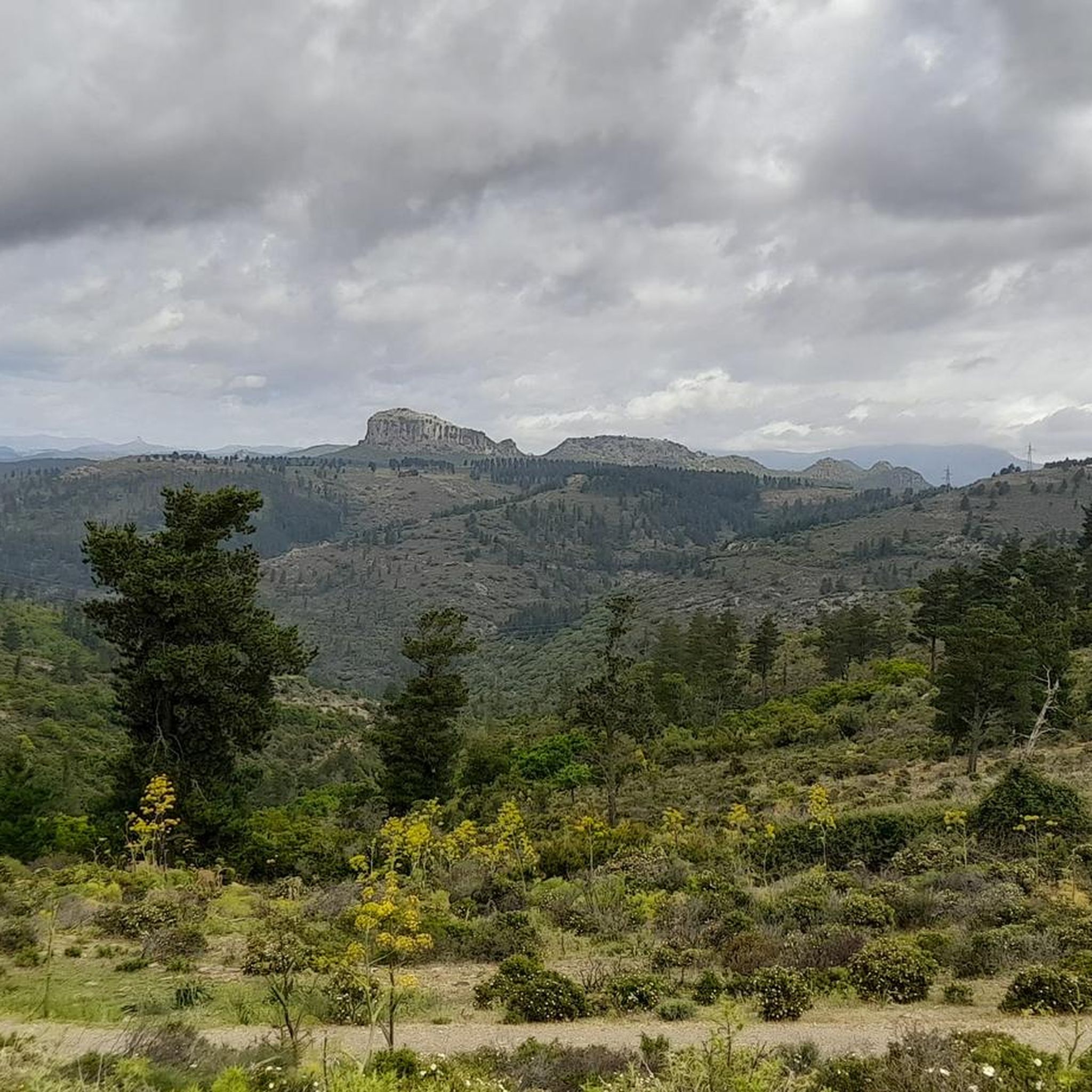
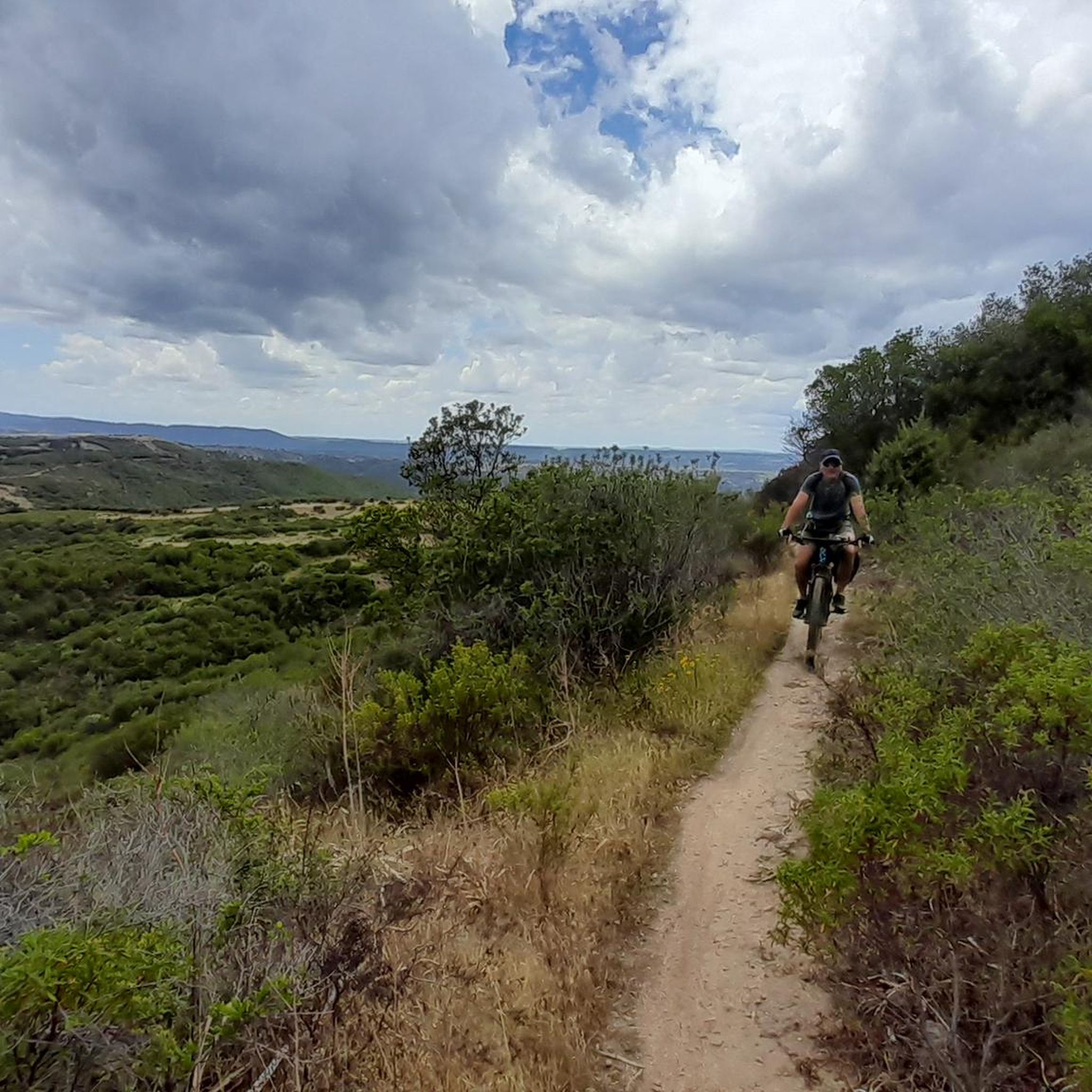
Digression to visit this magical place, with spectacular views and full of energy. Road with ruthless stretches where it is almost mandatory to push the bike. But it is absolutely worth it!
0
0

The Pranu Muttedu Park takes the nickname "Sardinian Stonehenge" because it seems to date back to an age before the renowned British monument. The archaeological site is among the largest in Sardinia.
2
0

Hardly accessible via long overgrown paths, here the Brecca de is Tapparas penetrates as a deep crevice into the crumbly ground. 500 m long, 30 m deep and no more than 2 m wide, the path leads through a cool channel that inspires. Why this highlight is so deserted cannot be explained, because such narrow gorges are usually very sparse and therefore all the more interesting.
3
1

Inside the Bruncu Santoru di Perdasdefogu natural park, after making contact with the pro loco of the town to arrange a visit along this natural canyon
1
0
Frequently Asked Questions
What unique natural features can I explore near Escalaplano?
The region around Escalaplano offers diverse natural features. You can visit Sa Brecca de Is Tapparas, a deep, narrow canyon, or the distinctive flat sandstone rock of Sa Trona, which provides spectacular panoramic views. The Abellada Waterfall, especially impressive in winter and spring, features a mushroom-shaped rock formation and a grotto.
Are there any waterfalls to visit near Escalaplano?
Yes, the Abellada Waterfall is a notable natural attraction. Located along the Rio di Abellada, it's approximately 30 meters high and particularly beautiful during winter and spring when the water flow is strong. Its calcareous waters have sculpted a unique mushroom-shaped wall and a grotto.
What historical or archaeological sites are there among the natural monuments?
Escalaplano is rich in historical sites. You can explore the Sacred Well of Funtana Coberta, one of the most intact Nuragic well-temples dedicated to the water cult. Another significant site is the Pranu Muttedu Archaeological Park, often called "Sardinian Stonehenge" due to its ancient origins and status as one of Sardinia's largest archaeological sites. Nuraghe Goni also offers historical insights with spectacular views.
Are there hiking trails to reach these natural monuments?
Yes, there are several hiking opportunities. For instance, you can find routes like the Sa Brecca de Is Tapparas loop from Foghesu/Perdasdefogu or the Sa Trona loop from Escalaplano. You can find more details and routes in the Hiking around Scalepranu/Escalaplano guide.
What is the best time of year to visit the natural monuments in Escalaplano?
The Abellada Waterfall is most impressive during winter and spring due to significant water flow. Generally, spring and autumn offer pleasant temperatures for exploring the outdoor sites. Summer can be hot, while winter might be cooler but provides lush landscapes, especially after rainfall.
Are there any family-friendly natural monuments or facilities?
Yes, Is Alinus Spring is considered family-friendly, offering a rest area with fresh, drinkable water. While some natural monuments might involve more challenging paths, many areas are suitable for families to enjoy the natural beauty.
Where can I find impressive viewpoints in the area?
Sa Trona is renowned for its spectacular and wide panorama, offering views of the Sarrabus-Gerrei region and extending to the Serpeddì and Sette Fratelli mountains. From a nearby hill, you can also see Perda Liana, Punta La Marmora, and Monte S. Vittoria. Nuraghe Goni also provides magical places with spectacular views.
What kind of cycling routes are available near the natural monuments?
The region offers various cycling routes. You can find road cycling options like the Lago di Mulargia Loop or the Ring of the Lower Lake of the Fiumendosa River. For general cycling, there are routes such as the Bike loop from Nurri. More details are available in the Road Cycling Routes and Cycling around Scalepranu/Escalaplano guides.
Are any of the natural monuments considered less-traveled or 'hidden'?
Sa Brecca de Is Tapparas is described as hardly accessible via long, overgrown paths, making it a secluded and less-traveled natural wonder for those seeking a more adventurous exploration. Its deserted nature makes it particularly interesting.
What do visitors appreciate most about the natural monuments in Escalaplano?
Visitors often appreciate the unique geological formations and the wild beauty of Sardinia's interior. The panoramic views from sites like Sa Trona, the historical significance of the Sacred Well of Funtana Coberta, and the adventurous exploration of places like Sa Brecca de Is Tapparas are frequently highlighted. The komoot community has upvoted these natural monuments over 10 times and shared more than 20 photos.
What is the accessibility like for Sa Brecca de Is Tapparas?
Sa Brecca de Is Tapparas is described as hardly accessible via long, overgrown paths. While it offers a unique and cool channel to explore, visitors should be prepared for challenging terrain to reach this deep crevice.
Can I find fresh water sources near the natural monuments?
Yes, Is Alinus Spring provides a rest area with a fountain offering fresh, drinkable water. This can be a convenient stop for hikers and visitors exploring the area.
Most popular attractions around Scalepranu/Escalaplano

Get inspired with the komoot mobile app


Explore more
Extend your search for the best caves by checking out these guides of the top ones around Scalepranu/Escalaplano:
