Top 9 Natural Monuments around Biddeputzi/Villaputzu
Natural monuments around Biddeputzi/Villaputzu, located in the Sarrabus region of Sardinia, Italy, offer diverse landscapes from mountainous waterfalls to pristine coastlines. Situated at the foot of the Sarrabus hills and near the mouth of the Flumendosa river, the area features a combination of sea, mountains, and varied ecosystems. It provides opportunities for exploring deep gorges, ancient wells, and unique geological formations. This region is known for its natural attractions, including canyons, historical sites, and caves.
Best natural monuments around Biddeputzi/Villaputzu
…Last updated: July 12, 2026
Sa Brecca de Is Tapparas
Highlight (Segment) • Canyon
Translated by Google •
Tip by

Sacred Well of Funtana Coberta
Highlight • Historical Site
Translated by Google •
Tip by

Sign up now to discover places like this
Get recommendations on the best single tracks, peaks, & plenty of other exciting outdoor places.
Sign up for free
Water source between Tertenia and Perdasdefogu
Highlight • Natural Monument
Translated by Google •
Tip by

Small Cave with Limestone Deposits
Highlight • Cave
A headlamp may be recommended.
Translated by Google •
Tip by

Sacred Well Is Pirois
Highlight • Historical Site
Translated by Google •
Tip by

Sign up for free to discover even more natural monuments around Biddeputzi/Villaputzu.
Sign up for free
Already have an account?
Start today with a free account
Your next adventure awaits.
Login or Signup
Popular around Biddeputzi/Villaputzu
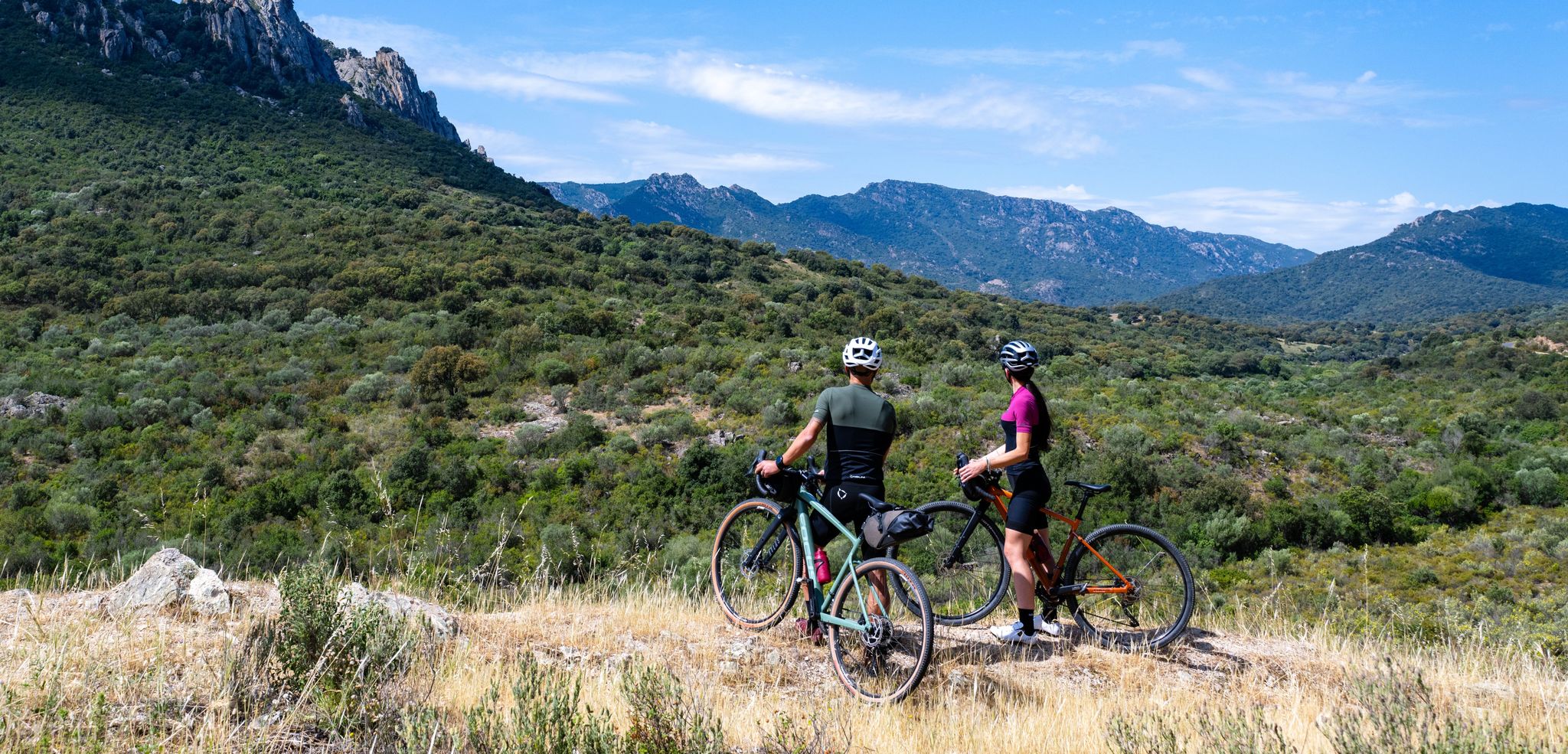
Sardinia by e-bike – enchanting landscapes and ancient culture
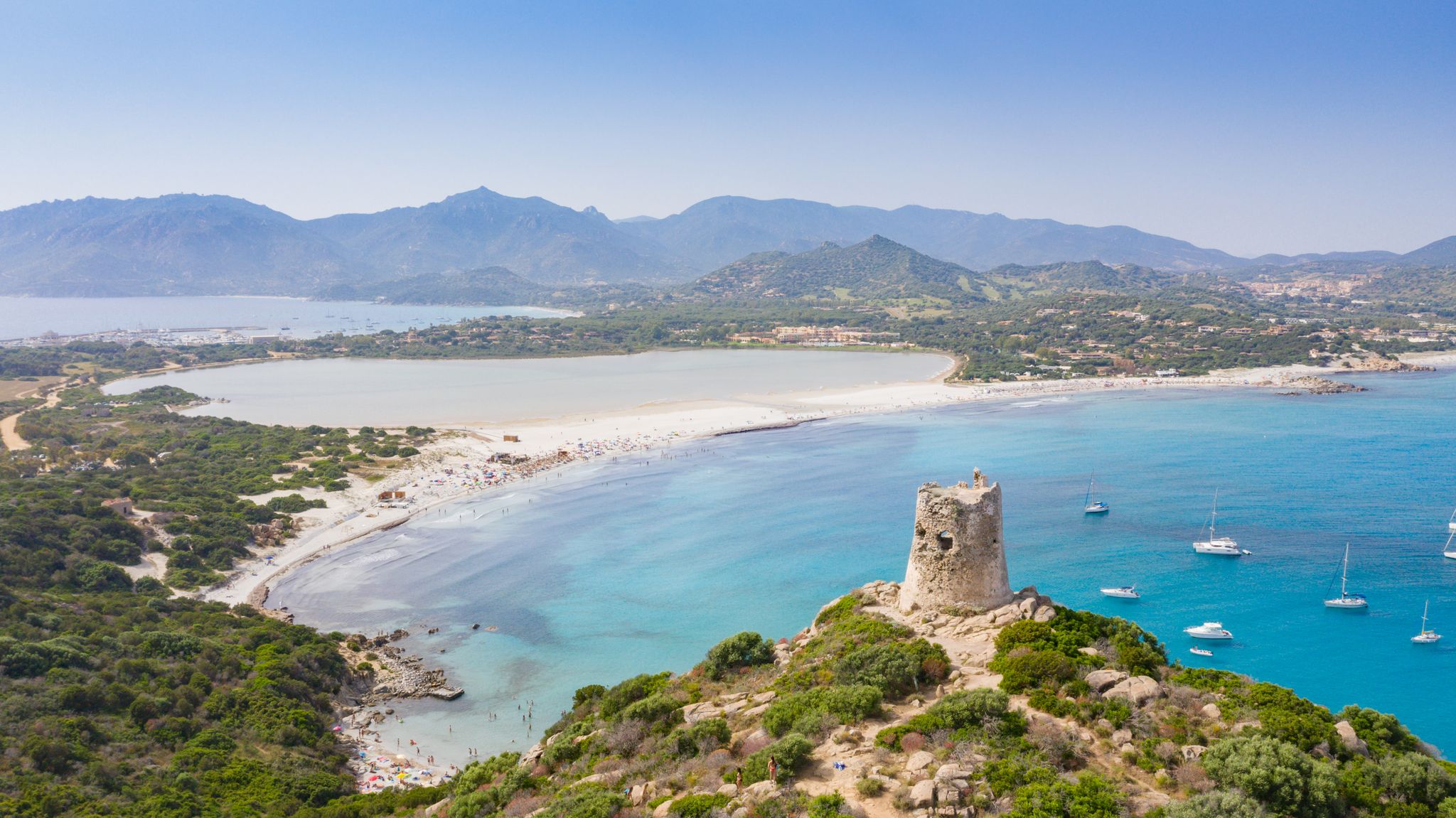
Villasimius to Arbatax along the Via Sarcapos - Cammino 100 Torri
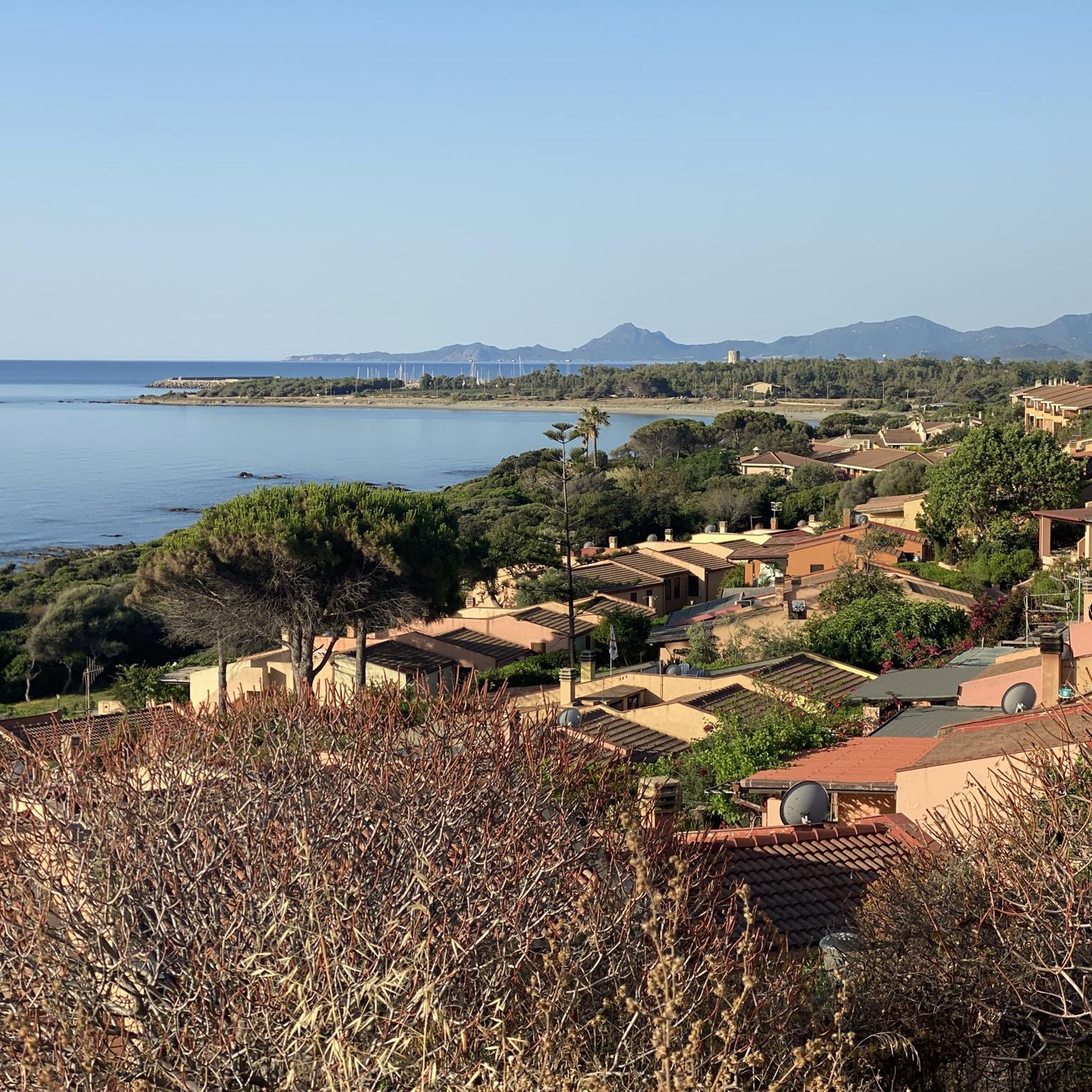
Road Cycling Routes around Biddeputzi/Villaputzu
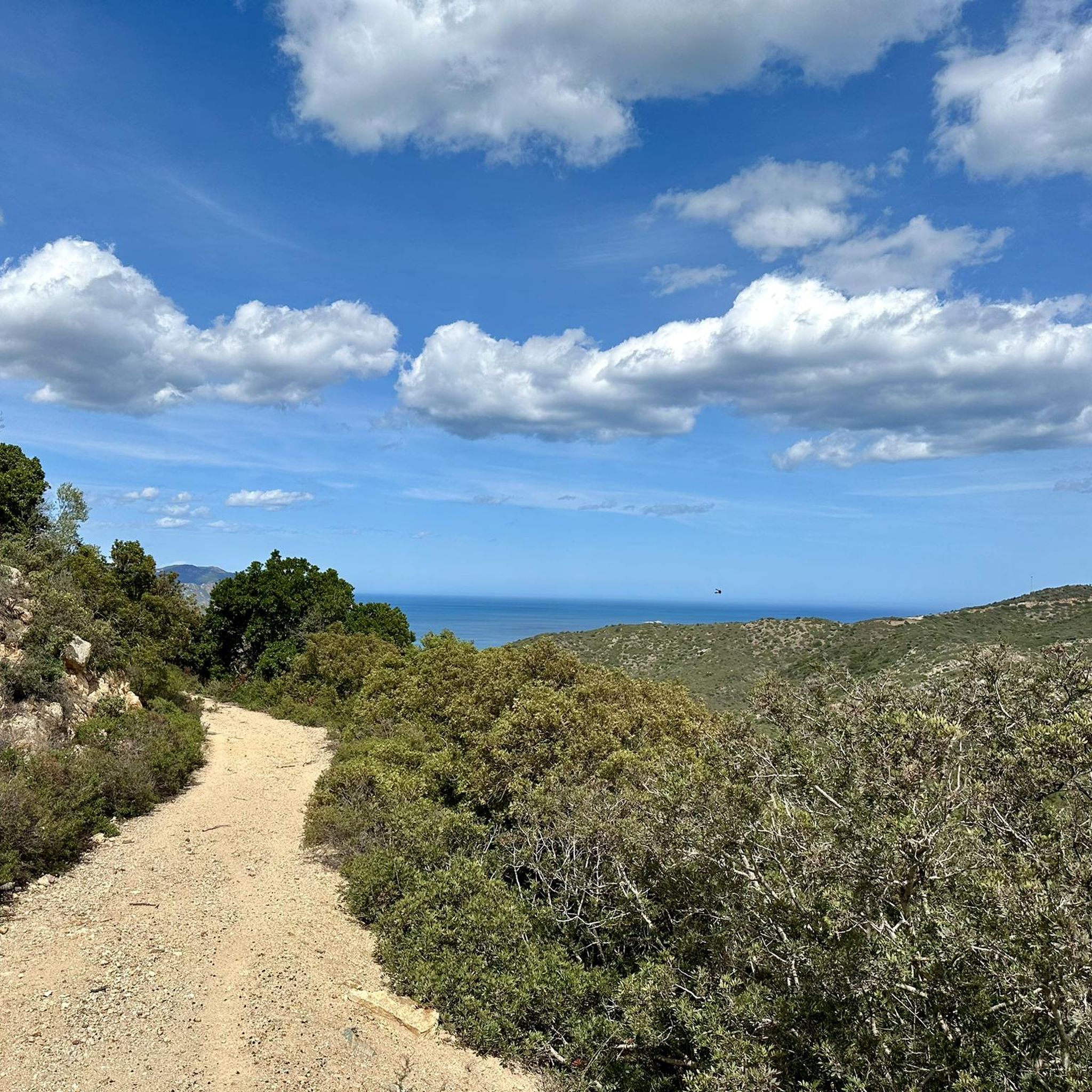
Cycling around Biddeputzi/Villaputzu
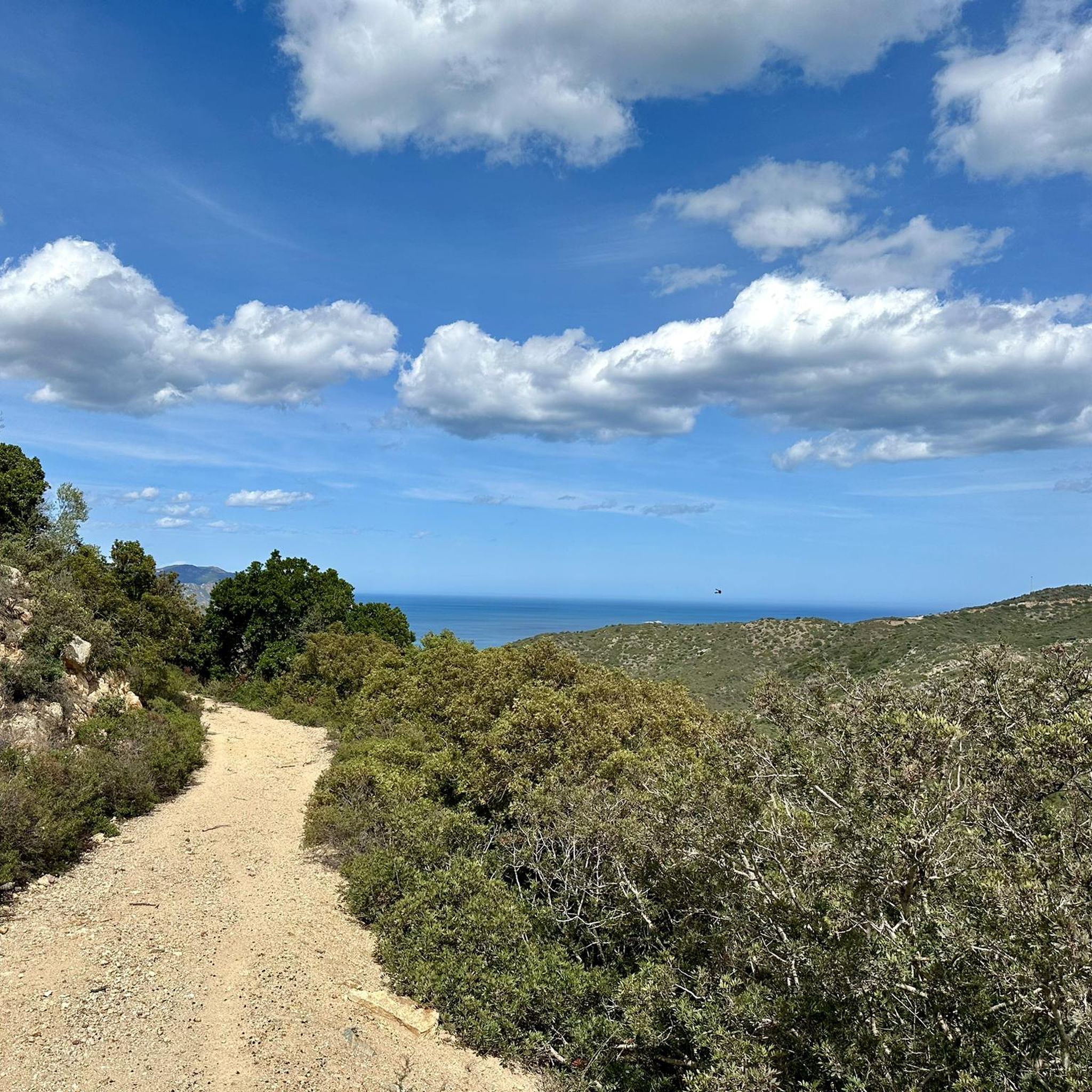
Hiking around Biddeputzi/Villaputzu
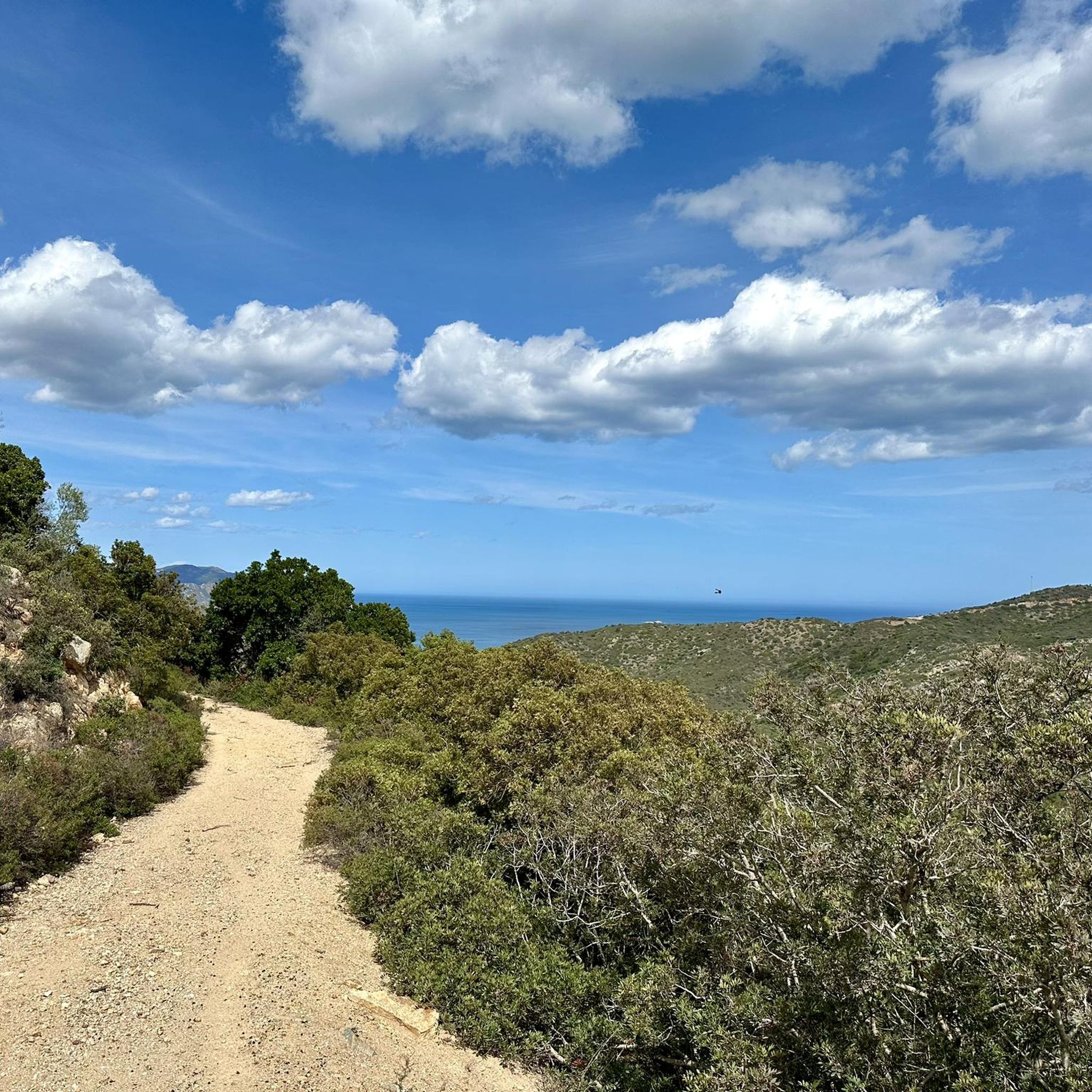
MTB Trails around Biddeputzi/Villaputzu
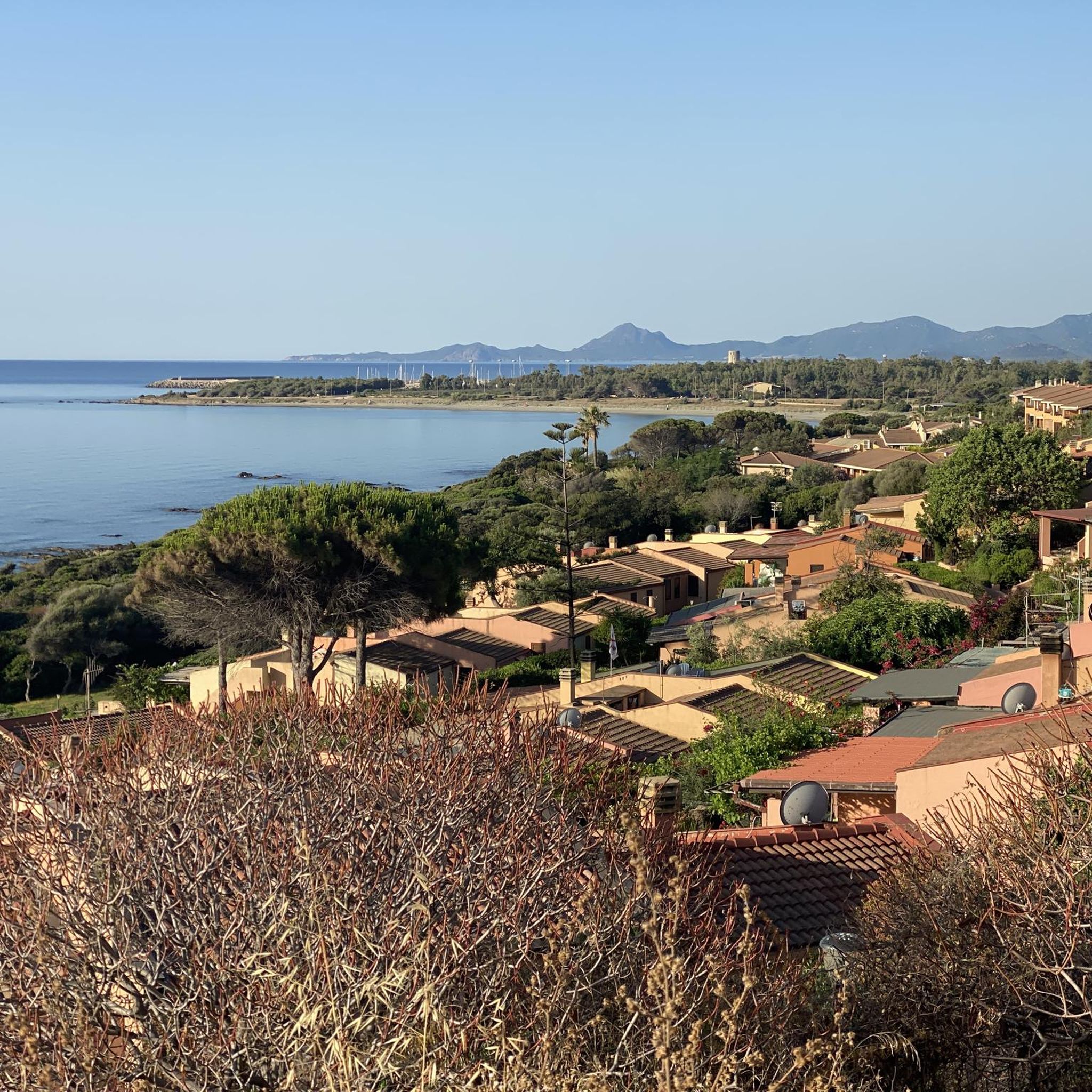
Running Trails around Biddeputzi/Villaputzu

Gravel biking around Biddeputzi/Villaputzu


Tips from the Community

It is one of the most famous, interesting, and intact of the approximately thirty Nuragic well-temples where the water cult was practiced: the name "covered well" itself expresses its function and excellent state of preservation. Three kilometers from Ballao, a town in the historic region of Gerrei – along Provincial Road 13, which leads from the town to Escalaplano – lies the sacred well of Funtana Coberta, nestled in a green valley floor, enclosed to the east by a small hill. The entire building, ten and a half meters long, was constructed from irregular, roughly hewn limestone blocks of uniform thickness, carved on the exposed side. The floor plan is unusual: two wings of different lengths create an atrium whose original flooring is still visible. As is common with sacred wells, the monument is divided into three parts: on the surface, the small outdoor atrium (or vestibule), rectangular and almost two meters wide; an access staircase with twelve narrow steps, well crafted and covered with a stepped ceiling composed of twelve sloping architraves that fit into the walls and echo the shape of the underlying steps leading down to the floor of the tholos chamber; more precisely, the tholos chamber was built in the shape of a small nuragic: it is a semi-subterranean chamber with an almost circular plan, three and a half meters wide at the bottom and covered by a false dome five and a half meters high. Noteworthy is the construction of the dome, surrounded by a drum wall, to which a projecting body is attached that delimits the access staircase and the two wings of the atrium in antis. Also noteworthy is the slight curvature of the walls, almost as if to 'invite' the faithful into the interior of the temple. The floor is made of limestone slabs carefully arranged in a radial pattern. Here is the well shaft, dug into the rock, five meters deep, and covered with 36 rows of stones, with an average opening of one meter wide, from which the water spring flows. Source and further information: https://www.sardegnaturismo.it/it/esplora/funtana-coberta
0
0

A small grotto, a good ten meters long. At the end you can see tiny stalactites. Beautiful limestone deposits can be found on the walls. A headlamp may be recommended.
0
0

Very nice and well kept, there is also water
0
0

The only source of water supply between Tertenia and Perdasdefogu. The volume dispensed is not abundant but the water is freezing even in summer and is saving if you are preparing to make the climb towards Perdasdefogu.
2
0

This well is an ancient Nuragic sacred well, a peculiar cult structure present in Sardinia during the Bronze Age, dedicated to the cult of water. It is located in front of a hill, where there are the remains of Nuraghe Nurresu, a nuragic village. Finding these authentic jewels while hiking in the region is always an interesting experience.
2
0

Hardly accessible via long overgrown paths, here the Brecca de is Tapparas penetrates as a deep crevice into the crumbly ground. 500 m long, 30 m deep and no more than 2 m wide, the path leads through a cool channel that inspires. Why this highlight is so deserted cannot be explained, because such narrow gorges are usually very sparse and therefore all the more interesting.
3
1

Inside the Bruncu Santoru di Perdasdefogu natural park, after making contact with the pro loco of the town to arrange a visit along this natural canyon
1
0
Frequently Asked Questions
What unique geological formations can I explore around Biddeputzi/Villaputzu?
The region offers several unique geological sites. You can explore Sa Brecca de Is Tapparas, a deep, narrow canyon that is 500 meters long, 30 meters deep, and no more than 2 meters wide. Another fascinating site is Su Fossu de Su Para, known for its mushroom-shaped rock waterfall and unique rock formations like arches and spires, often called 'cities of rock'.
Are there any impressive waterfalls to visit in the Villaputzu area?
Yes, Villaputzu is home to several beautiful waterfalls. Su Fossu de Su Para features striking waterfalls and emerald-green natural pools, especially after rain. Another significant geosite is Su Strumpu De Pardis, an impressive travertine waterfall approximately 30 meters high, which you can even traverse through a large cave formed at its base.
What historical natural monuments are there to see near Villaputzu?
The area is rich in historical natural monuments, particularly ancient Nuragic sites. You can visit the Sacred Well of Funtana Coberta, a well-preserved Nuragic well-temple dedicated to the water cult, which is 10.5 meters long. Another significant site is the Sacred Well Is Pirois, also an ancient Nuragic sacred well located near the remains of Nuraghe Nurresu.
Are there any caves or grottoes to explore?
Yes, you can explore the Small Cave with Limestone Deposits, a grotto about ten meters long where you can see tiny stalactites and beautiful limestone formations. The region also features Sa Rutta, an ancient and captivating natural cave site deeply immersed in nature, offering a serene atmosphere with the sound of flowing water.
What kind of outdoor activities can I do near the natural monuments?
The diverse landscapes around Biddeputzi/Villaputzu are ideal for various outdoor activities. You can find numerous trekking and biking opportunities in the dense woods. For specific routes, explore the MTB Trails around Biddeputzi/Villaputzu, Running Trails around Biddeputzi/Villaputzu, and Road Cycling Routes around Biddeputzi/Villaputzu.
Are there any pristine beaches or coastal natural monuments in the area?
Absolutely. Murtas Beach is a stunning natural monument, often called the 'forbidden pearl' of the Villaputzu coast. It features six kilometers of clear sand bordered by large dunes and crystal-clear waters. The wider area also includes other pristine beaches like Porto Corallo and Porto Tramatzu, known for their fine sand and Mediterranean greenery.
What is the best time of year to visit the natural monuments around Villaputzu?
The Villaputzu area, with its combination of sea and mountains, is enjoyable across seasons. For exploring waterfalls like Su Fossu de Su Para, periods of rain enhance their flow, making spring or autumn ideal. For beaches like Murtas, the summer months offer warm waters, though the area remains uncrowded even during peak season. Generally, spring and early autumn provide pleasant temperatures for trekking and outdoor activities.
Can I find any natural water sources for refreshment during my explorations?
Yes, there is a notable Water source between Tertenia and Perdasdefogu. While the volume dispensed is not abundant, the water is known to be freezing cold even in summer, providing a refreshing stop, especially if you are undertaking a climb towards Perdasdefogu.
Are there opportunities for birdwatching near the natural monuments?
Yes, the Villaputzu area, particularly its alluvial plains and ponds near the mouth of the Flumendosa river, is an ideal location for birdwatching. You can spot various species, including the western swamphen, mallard, and greater flamingo, making it a rewarding destination for nature enthusiasts interested in local wildlife.
What kind of terrain can I expect when hiking to these natural monuments?
The terrain varies significantly across the region's natural monuments. You might encounter deep, narrow crevices like those at Sa Brecca de Is Tapparas, requiring careful navigation. Mountainous areas leading to waterfalls like Su Fossu de Su Para can feature rugged paths. Coastal areas near beaches like Murtas offer sandy trails. The region also has dense woods suitable for trekking, so expect a mix of challenging and moderate paths.
Are there any natural monuments suitable for families with children?
Many natural monuments in the Villaputzu area can be enjoyed by families. Beaches like Murtas offer safe, clear waters and ample space for children. Exploring the less challenging sections of Su Fossu de Su Para or Sa Rutta can also be a magical experience for families, allowing them to connect with nature. Always check specific trail difficulties for longer hikes.
Most popular routes around Biddeputzi/Villaputzu
Most popular attractions around Biddeputzi/Villaputzu

Get inspired with the komoot mobile app


Explore more
Extend your search for the best caves by checking out these guides of the top ones around Biddeputzi/Villaputzu:
