Top 5 Natural Monuments around Ula/Ulà Tirso
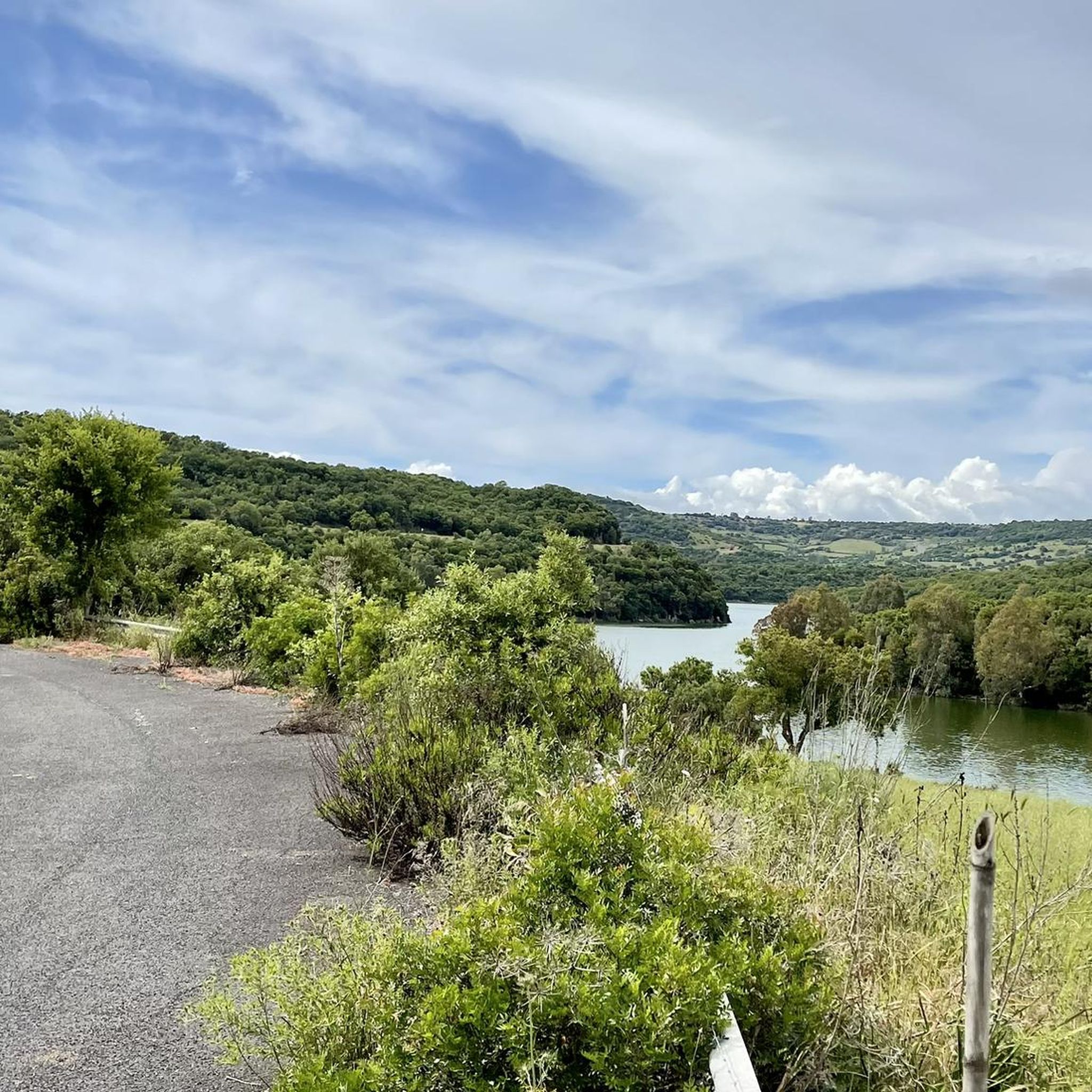
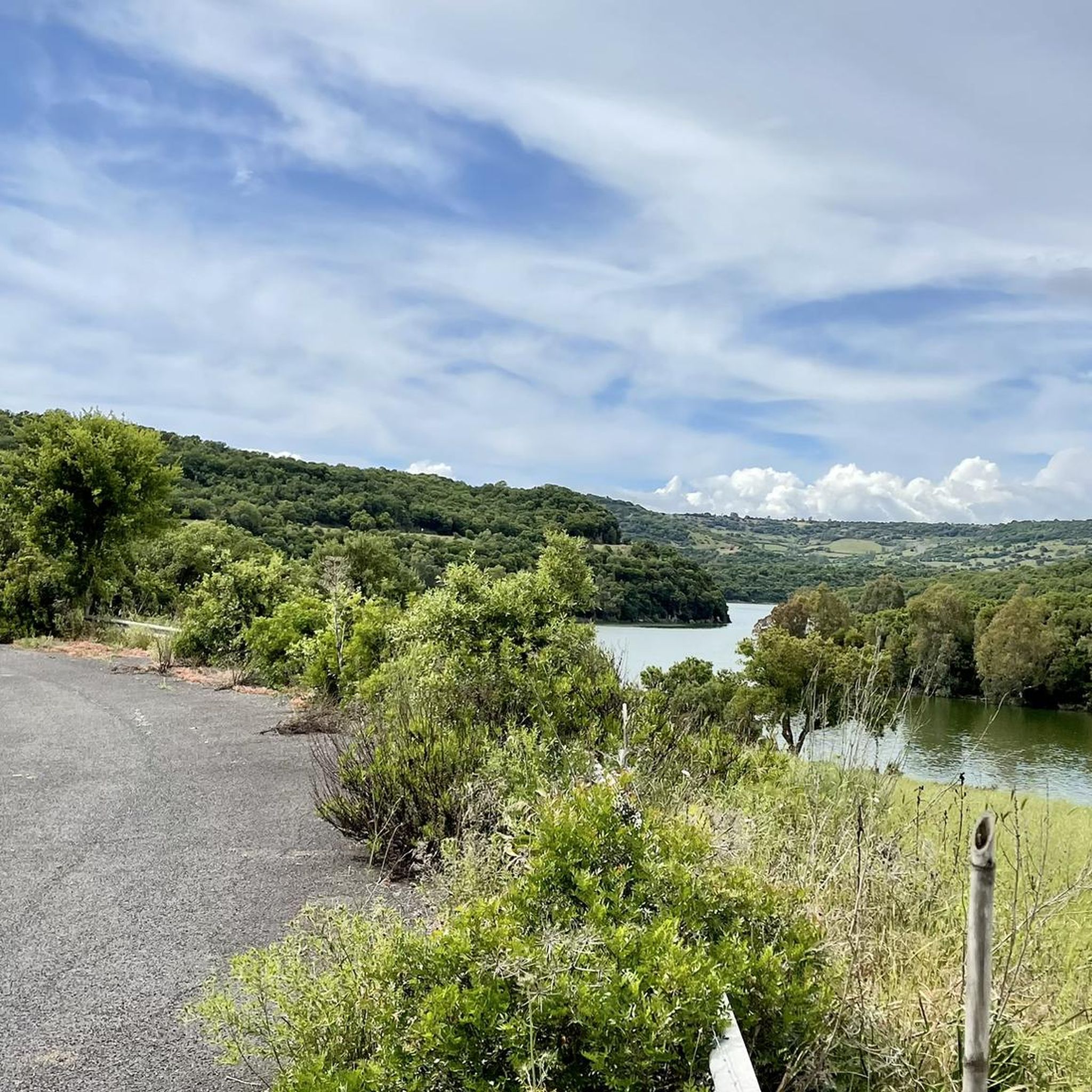
Best natural monuments around Ula/Ulà Tirso are characterized by a unique blend of natural landscapes and significant human-made structures. The region in central Sardinia features the vast Lake Omodeo, an artificial lake created by the Santa Chiara Dam, which is considered a monument of industrial archaeology. This area offers diverse ecosystems, including basalt plateaus, rugged mountains, and rich biodiversity. The landscape is shaped by the Tirso river valley, providing a setting for both natural formations and historical sites.
Best natural…
Last updated: August 8, 2026
Fordongianus Roman Baths
Highlight • Historical Site
Translated by Google •
Tip by

Fontana di Santu Mauru
Highlight • Natural Monument
Translated by Google •
Tip by

Sign up now to discover places like this
Get recommendations on the best single tracks, peaks, & plenty of other exciting outdoor places.
Sign up for free
Church of Santa Maria Maddalena and Fossil Trees
Highlight • Religious Site
Translated by Google •
Tip by
Funtana Manna
Highlight • Natural Monument
At the time of passing (08/2024) to the right of the fountain there is a nativity scene on two levels in wood and cork.
Translated by Google •
Tip by
The Garden of Stones
Highlight • Structure
In the small garden there are stones from many villages in Sardinia, but not only! There are …
Translated by Google •
Tip by
Start today with a free account
Your next adventure awaits.
Login or Signup

Tips from the Community

Fresh water even in summer and space for rest. At the time of passing (08/2024) to the right of the fountain there is a nativity scene on two levels in wood and cork.
2
0
Rest area dating back to 1850 in which there is a fountain (1888) with very fresh water all year round, and a shaded refreshment area where you can rest during a climb. After crossing the small wooden bridge and passing the gate (which is always open, closed only with a string) you can go up and visit the Nuraghe Talei. It can be reached via a small dirt path which can however be practicable with a road bike (or push, the segment is not even 100m long).
0
0
Laboratory activity of secondary school students and cultural associations of Sorgono and Atzara. In the small garden there are stones from many villages in Sardinia, but not only! There are pieces of the Berlin Wall, stones from Santa Claus' village, and much more!
0
0

The thermal baths are managed by the Cooperative Forum Traiani. Current opening times can be found here: https://www.forumtraiani.it/what-to-see/?lang=en
0
0
It was once the Forum Traiani, the most important Roman city in the island's hinterland, founded in the late Republic and becoming a marketplace between the inland communities and the Romanized population of the Gulf of Oristano under Emperor Trajan. Today Fordongianus is a small town of less than a thousand inhabitants in the Barigadu area, a renowned wellness center thanks to a thermal facility that uses saline and thermoactive water springs that flow at 56 degrees all year round and have beneficial effects on the body. A feature known to the Romans: the city is situated on the left bank of the fertile and lush valley of the Tirso, home to the warm and healing Aquae Ypsitanae, Roman baths from the 1st century AD, now an archaeological site. Two facilities can be visited, one retains a rectangular porticoed swimming pool, originally with a barrel vault, the other includes the changing room. The floor was in mosaic (you will see traces of it) and the ceiling in blue glass paste. The supply was ensured by a network of canals and a system of wells and cisterns. The importance of the thermal baths is confirmed by two statues of the god Bes, deity of health cults, and by a sacred space dedicated to the nymphs. Source: https://www.sardegnaturismo.it/en/discover/fordongianus
0
0
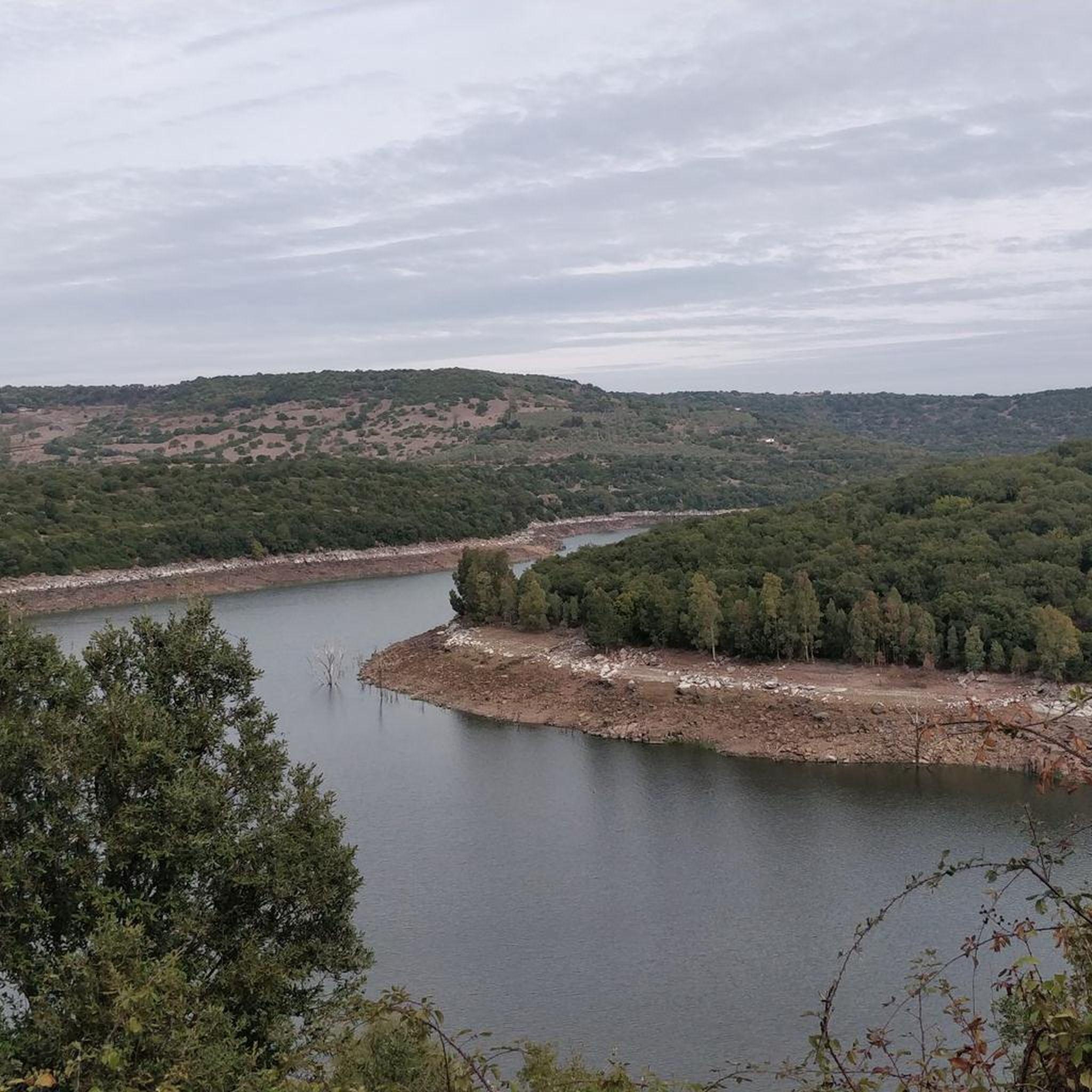
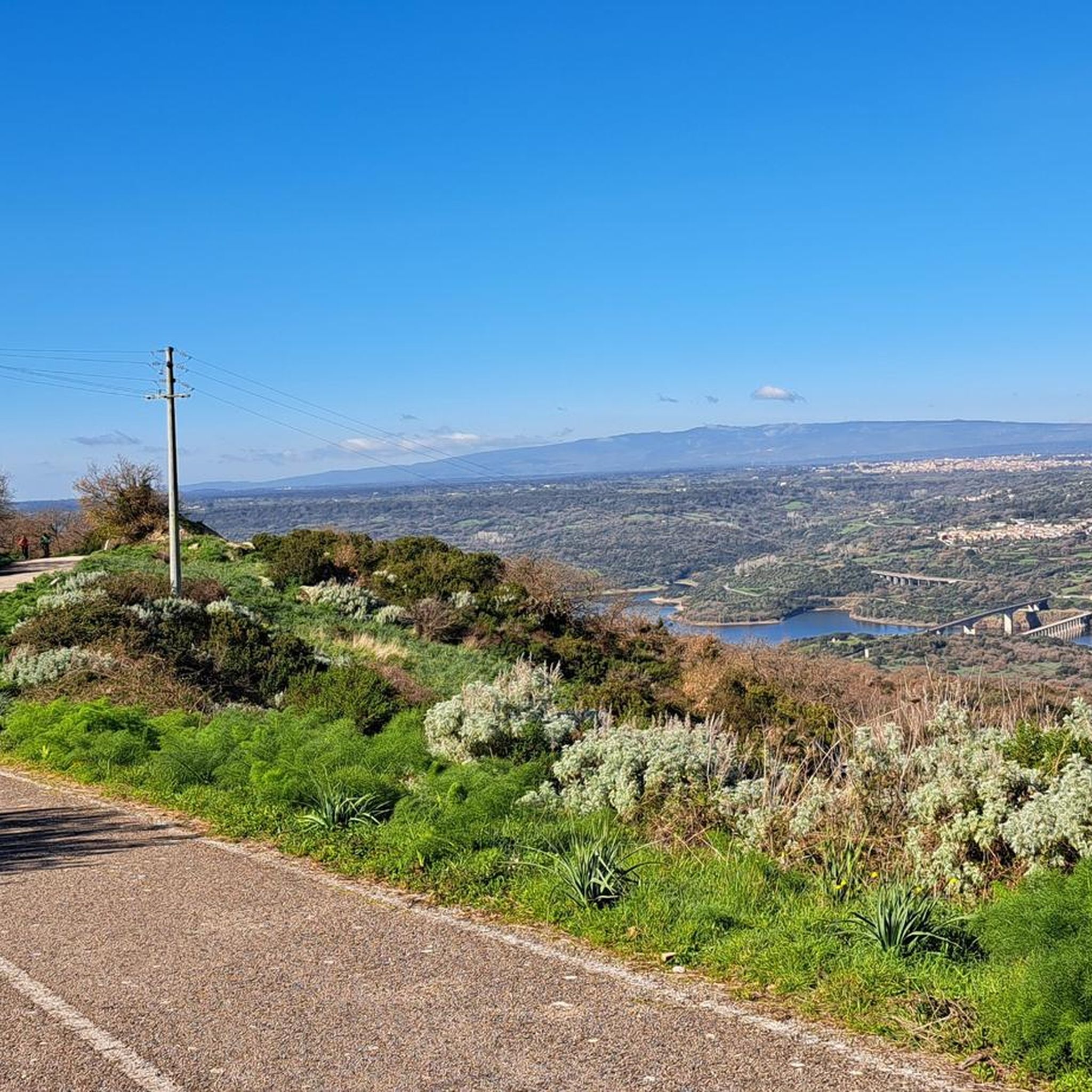
Once a rural church, now incorporated into the town. Arriving at its top you can enjoy a splendid view of Lake Omodeo, and in its courtyard there are some large fossil trunks, belonging to the petrified fossil forest of Montigu Abile
1
0

The ancient remains of the Roman baths of Fordongianus. Still enriched by the warm waters that naturally flow into the river.
1
0
beautiful town of Roman origin with a spa from the imperial era
0
0
Frequently Asked Questions
What unique natural features can I explore around Ula/Ulà Tirso?
The region is dominated by the vast Lake Omodeo, an artificial lake created by the Santa Chiara Dam. This area features a captivating landscape of basalt plateaus, rugged mountains, holm oaks, Mediterranean scrub, and diverse flora. You can also find unique geological formations like the fossil trunks from the petrified fossil forest of Montigu Abile, visible at the Church of Santa Maria Maddalena and Fossil Trees.
What historical sites are considered natural monuments in this area?
The area uniquely blends natural landscapes with significant human-made structures. The Santa Chiara Dam itself is considered a monument of industrial archaeology, creating Lake Omodeo. Additionally, the Fordongianus Roman Baths are a historical site where ancient Roman baths are still enriched by naturally flowing warm waters, offering a glimpse into the region's past as an important Roman city.
Are there family-friendly natural monuments around Ula/Ulà Tirso?
Yes, several spots are great for families. Funtana Manna provides fresh water and a pleasant space for rest. Another option is Fontana di Santu Mauru, a rest area with a historic fountain and a shaded spot. For a unique experience, visit The Garden of Stones, which features stones from various places, including the Berlin Wall and Santa Claus' village.
What kind of wildlife and biodiversity can be observed near Lake Omodeo?
Lake Omodeo and its surroundings are a haven for diverse flora and fauna. The area is particularly rich in seasonal and migratory birds, including the European roller, osprey, various duck species, coots, and herons. Amphibians like Hermann's tortoise can also be found. The lake's creation has fostered new habitats, making it a crucial stop for migratory birds and home to fish like carp and eel.
What outdoor activities can I do near these natural monuments?
The area around Lake Omodeo offers various opportunities for active tourism. You can enjoy hiking and cycling along the shores, explore the waters by canoe or kayak, and engage in birdwatching. For specific routes, consider the cycling tours around Lake Omodeo or the running trails near Abbasanta.
What is the best time to visit the natural monuments in Ula/Ulà Tirso?
The region is beautiful year-round, but spring and autumn offer pleasant temperatures for outdoor activities like hiking and cycling. During warmer months, particularly when water levels drop, submerged archaeological sites in Lake Omodeo may reappear, offering a unique historical perspective. The natural springs like Funtana Manna provide fresh water even in summer.
Are there any hidden historical treasures in Lake Omodeo?
Yes, the waters of Lake Omodeo conceal significant historical and paleontological heritage. When water levels recede, particularly in warmer weather, submerged archaeological sites reappear. These include pre-Nuragic and Nuragic settlements, domus de janas (fairies' houses), and Giants' tombs. The lake also covers a fossil forest dating back approximately 20 million years.
Can I find amenities like fresh water or rest areas near the natural monuments?
Yes, some natural monuments offer facilities. Funtana Manna is known for providing fresh water even in summer and has a space for rest. Similarly, Fontana di Santu Mauru is a rest area with a historic fountain and a shaded spot, perfect for a break during a climb.
What makes the Santa Chiara Dam significant?
The Santa Chiara Dam, constructed between 1918 and 1924, was a monumental engineering feat for its time, creating Lake Omodeo, which was once the largest artificial lake in Europe. It stands as a significant example of industrial archaeology and was among the tallest dams globally for a period. Although its primary function has been replaced, it remains a historical landmark.
Are there opportunities for birdwatching around Lake Omodeo?
Absolutely. The rich biodiversity around Lake Omodeo makes it an excellent spot for birdwatching. The area is a crucial stop for migratory birds and home to various species, including the European roller, Eurasian stone-curlew, peregrine falcon, osprey, and numerous duck species. The diverse habitats created by the lake support a thriving avian population.
What is the significance of the fossil trees found in the region?
The fossil trees, particularly those from the petrified fossil forest of Montigu Abile, offer a fascinating glimpse into the region's ancient past. Large fossil trunks can be observed in the courtyard of the Church of Santa Maria Maddalena and Fossil Trees, showcasing geological history dating back millions of years. These petrified remains are a testament to the area's long-term natural evolution.
Most popular attractions around Ula/Ulà Tirso

Get inspired with the komoot mobile app


Explore more
Extend your search for the best caves by checking out these guides of the top ones around Ula/Ulà Tirso:
