Top 11 Natural Monuments around Baulau/Bauladu
Natural monuments around Baulau/Bauladu are situated in Sardinia, Italy, within the historical-geographical region of Campidano di Milis. This area is characterized by a landscape where archaeological sites are integrated into natural settings. Visitors can explore ancient structures like Nuraghe and Roman baths, often found amidst forests, hills, and natural springs. The region offers diverse natural landmarks and features for exploration.
Best natural monuments around Baulau/Bauladu
- The most popular natural monuments is Fordongianus Roman Baths, a historical site where warm…
Last updated: June 28, 2026
Fordongianus Roman Baths
Highlight • Historical Site
Translated by Google •
Tip by

Sos Molinos Waterfall
Highlight • Waterfall
Source: sardegnatoujours.com/cascata-sos-molinos-come-ragvenirerla
Translated by Google •
Tip by

Sign up now to discover places like this
Get recommendations on the best single tracks, peaks, & plenty of other exciting outdoor places.
Sign up for free
Giant’s Tomb S'Omo e Sas Zanas
Highlight • Historical Site
Translated by Google •
Tip by

Fontana Achettores
Highlight • Natural Monument
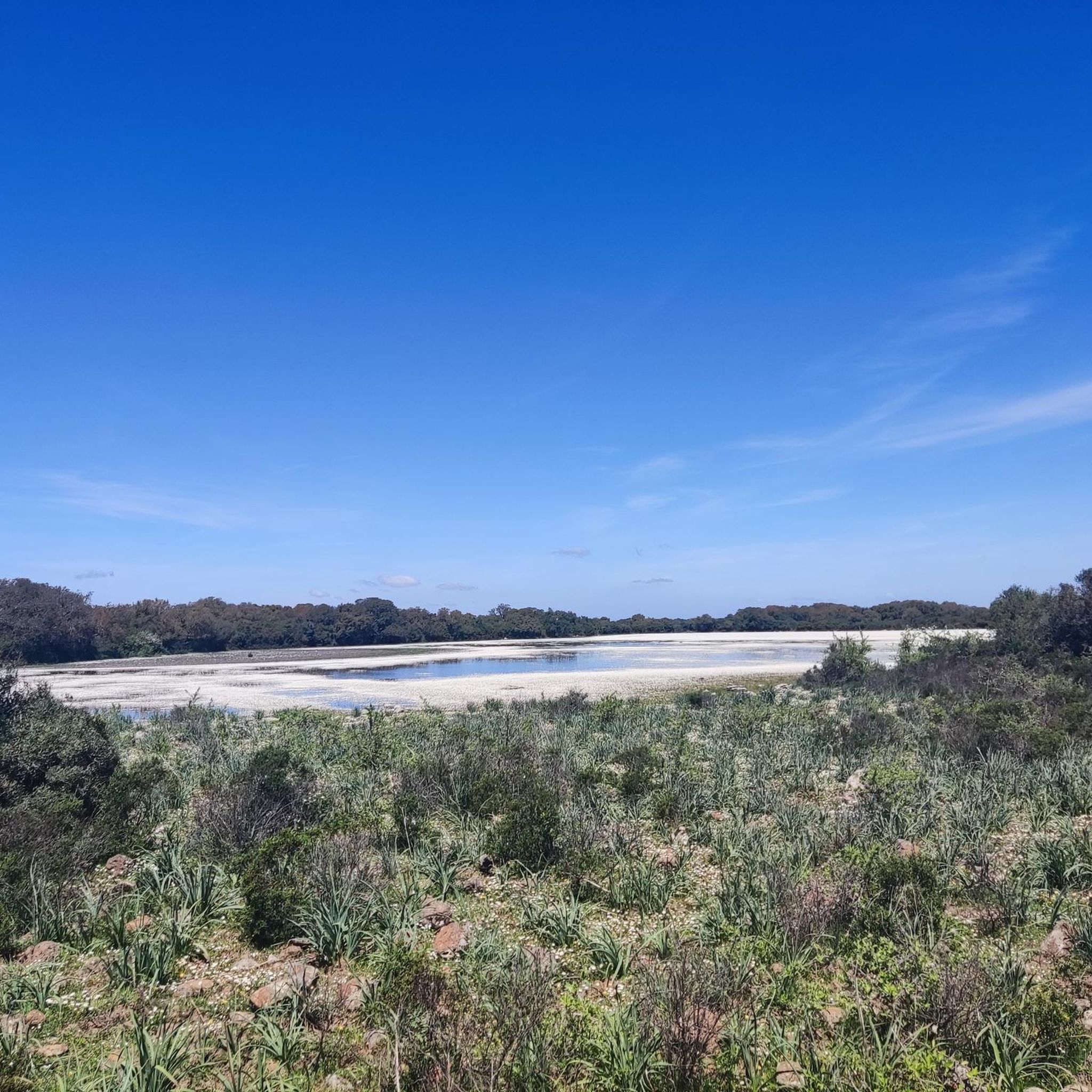
In the immediate vicinity you can also find the remains of the homonymous nuraghe, a single tower in basalt, which however appears almost completely collapsed.
Translated by Google •
Tip by
Fonte di Zinnuri
Highlight • Natural Monument
Translated by Google •
Tip by
Sign up for free to discover even more natural monuments around Baulau/Bauladu.
Sign up for free
Already have an account?
Start today with a free account
Your next adventure awaits.
Login or Signup
Tips from the Community

The path to the waterfall has been closed and inaccessible for three years.
0
0


It is a beautiful place that we visited despite the prohibition sign at the top of the path that indicated that the path was dangerous.
0
0

Remains of a giants' tomb located near the nuraghe of the same name. Unfortunately, both the tomb and the nuraghe are in a poor state of conservation and surrounded by bush. De s'Omo e sas Zanas the entrance and a small bedroom are still visible.
1
0

Deep inside the historic Montiferru region, surrounded by rolling hills and untouched nature, lies Santu Lussurgiu, an idyllic mountain village that seems to forget time. But this village hides a secret that is only revealed to those who set out to discover it. Follow the path as it takes you over a slightly steep path. Every step on this path, which leads down a few steps, makes the anticipation grow. And then, at the end of this path, you will be rewarded with a breathtaking spectacle: the Cascata di Sos Molinos. A waterfall where the crystal clear water plunges an impressive 12 meters into the depths. The gentle sound of the water mixing with the singing of birds and the sound of the wind creates an atmosphere of calm and peace. Even when the leaves change color in autumn and nature prepares for winter, the water of the Riu sos Molinos still bubbles powerfully and lively. It is a place where you can experience the power and beauty of nature up close. Take a moment, sit on one of the stones at the edge of the falling pool and let yourself be enchanted by the magic of this place. A visit to the Cascata Riu sos Molinos is not only a feast for the eyes, but also balm for the soul. It's a little paradise waiting for you to discover.
5
0

An approx. 300m long, somewhat steep path leads down a few steps to the basin of this beautiful waterfall. The water of the Rio sos Molinos falls from a height of around 12 meters. It splashes wonderfully and even in October there is plenty of water here. A visit is highly recommended.
2
0
The thermal baths are managed by the Cooperative Forum Traiani. Current opening times can be found here: https://www.forumtraiani.it/what-to-see/?lang=en
0
0
It was once the Forum Traiani, the most important Roman city in the island's hinterland, founded in the late Republic and becoming a marketplace between the inland communities and the Romanized population of the Gulf of Oristano under Emperor Trajan. Today Fordongianus is a small town of less than a thousand inhabitants in the Barigadu area, a renowned wellness center thanks to a thermal facility that uses saline and thermoactive water springs that flow at 56 degrees all year round and have beneficial effects on the body. A feature known to the Romans: the city is situated on the left bank of the fertile and lush valley of the Tirso, home to the warm and healing Aquae Ypsitanae, Roman baths from the 1st century AD, now an archaeological site. Two facilities can be visited, one retains a rectangular porticoed swimming pool, originally with a barrel vault, the other includes the changing room. The floor was in mosaic (you will see traces of it) and the ceiling in blue glass paste. The supply was ensured by a network of canals and a system of wells and cisterns. The importance of the thermal baths is confirmed by two statues of the god Bes, deity of health cults, and by a sacred space dedicated to the nymphs. Source: https://www.sardegnaturismo.it/en/discover/fordongianus
0
0
Frequently Asked Questions
What unique natural monuments can I explore around Baulau/Bauladu?
The region offers a blend of natural beauty and historical significance. You can visit the Fordongianus Roman Baths, where warm waters naturally flow into the river amidst ancient ruins. Another highlight is the Sos Molinos Waterfall, a beautiful 12-meter cascade in a tranquil setting. Don't miss Fonte di Zinnuri, a Nuragic spring located within a park, offering a peaceful spot for a break.
Are there family-friendly natural monuments in the Baulau/Bauladu area?
Yes, several natural monuments are suitable for families. Fontana Achettores features an old fountain and a small picnic area, perfect for a relaxed outing. Fonte di Zinnuri also offers facilities and a park setting, making it a pleasant stop for families.
What kind of historical sites are integrated with the natural landscape?
Baulau/Bauladu is rich in archaeological sites nestled within natural settings. The Fordongianus Roman Baths are a prime example, showcasing ancient Roman structures with natural thermal springs. You can also explore the remains of the Giant’s Tomb S'Omo e Sas Zanas, an ancient funerary monument, and the nearby Fontana Achettores, which is close to the remains of a Nuraghe.
What outdoor activities can I do near these natural monuments?
The area around Baulau/Bauladu is excellent for various outdoor activities. You can find numerous hiking trails, including routes to the Sos Molinos Waterfall. For cyclists, there are dedicated MTB trails and cycling routes that allow you to explore the diverse landscapes.
Are there hiking trails to the Sos Molinos Waterfall?
Yes, the Sos Molinos Waterfall is accessible via hiking trails. A slightly steep path, approximately 300 meters long, leads down to the basin of the waterfall. You can find detailed routes and more information in the hiking guide for Baulau/Bauladu.
What is the best time to visit the natural monuments in Baulau/Bauladu?
The region's natural monuments can be enjoyed year-round. The Sos Molinos Waterfall, for instance, maintains a strong flow even in autumn. Spring and autumn generally offer pleasant temperatures for hiking and exploring, while summer is ideal for enjoying the natural springs and cooler spots.
What do visitors enjoy most about the natural monuments in Baulau/Bauladu?
Visitors particularly appreciate the unique combination of natural beauty and historical depth. The warm waters of the Fordongianus Roman Baths and the serene setting of the Sos Molinos Waterfall are frequently praised. The integration of ancient sites like Nuraghe and Roman structures within the natural landscape offers a captivating experience.
Are there any natural springs or water features to visit?
Absolutely. The Fordongianus Roman Baths are famous for their naturally flowing warm waters. You can also visit Fonte di Zinnuri, a Nuragic spring set within a park, and the historic Fontana Achettores, an old fountain surrounded by a picnic area.
Can I find places for a break or picnic near the natural monuments?
Yes, several spots offer amenities for visitors. Fonte di Zinnuri has refreshment areas within its park. Similarly, Fontana Achettores is surrounded by a small picnic area, making it an ideal place to relax and enjoy the surroundings.
What kind of terrain can I expect on trails around Baulau/Bauladu's natural monuments?
The terrain varies, often featuring rolling hills and paths through cork oak forests. Some trails, like the one leading to the Sos Molinos Waterfall, can be slightly steep with steps. The region's archaeological sites are often nestled on basaltic hills, offering a mix of natural and historical exploration.
Are there any hidden natural gems or less-known spots worth discovering?
While the main highlights are well-loved, the region's charm lies in its integration of ancient history with nature. Exploring the areas around the various Nuraghe sites, such as the remains near Fontana Achettores, can reveal quieter, less-trafficked spots where you can appreciate the untouched landscape and historical remnants.
Most popular attractions around Baulau/Bauladu

Get inspired with the komoot mobile app


Explore more
Extend your search for the best caves by checking out these guides of the top ones around Baulau/Bauladu:
