Top 20 Natural Monuments around Portico E San Benedetto
Natural monuments around Portico E San Benedetto are primarily located within the National Park of the Casentino Forests, Monte Falterona, and Campigna. This region features diverse landscapes, including dense forests, significant peaks, and powerful waterfalls. It offers numerous trekking paths and river valleys, providing opportunities for immersion in unspoiled natural environments. The area is known for its ecological richness and prominent geological features.
Best natural monuments around Portico E San Benedetto
- The most popular natural monuments is Sega Waterfalls,…
Last updated: June 28, 2026
View of Acquacheta Waterfall
Highlight • Waterfall
The evocative beauty of the …
Translated by Google •
Tip by

Sega Waterfalls
Highlight • Waterfall
Translated by Google •
Tip by

Sign up now to discover places like this
Get recommendations on the best single tracks, peaks, & plenty of other exciting outdoor places.
Sign up for free
Mount Falco
Highlight • Summit
Translated by Google •
Tip by

Howling Cave of Premilcuore
Highlight • Cave
Translated by Google •
Tip by

Monte Falterona
Highlight • Summit
Translated by Google •
Tip by

Sign up for free to discover even more natural monuments around Portico E San Benedetto.
Sign up for free
Already have an account?
Start today with a free account
Your next adventure awaits.
Login or Signup
Popular around Portico E San Benedetto
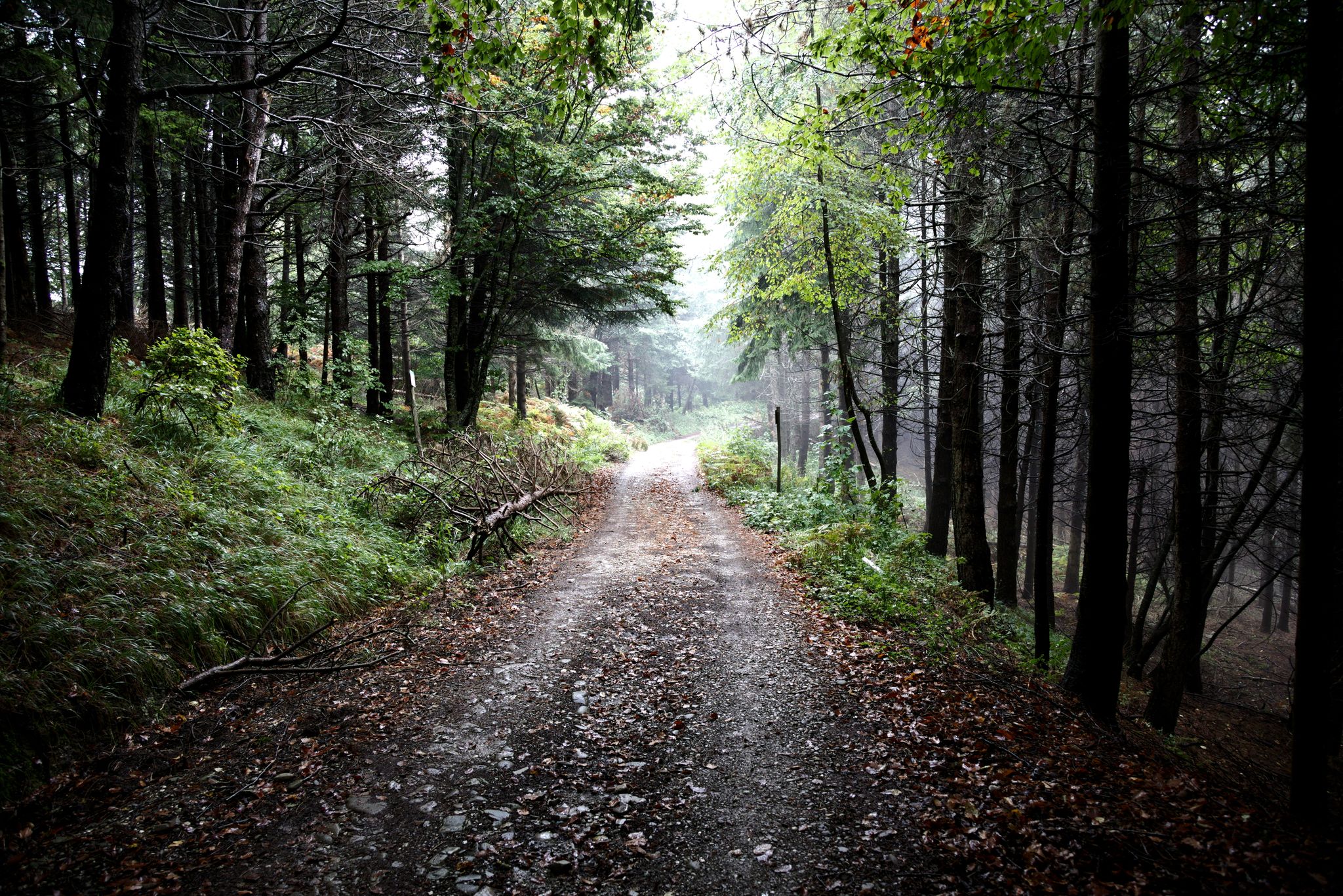
Marradi to Camaldoli – Alta Via dei Parchi (part 4)
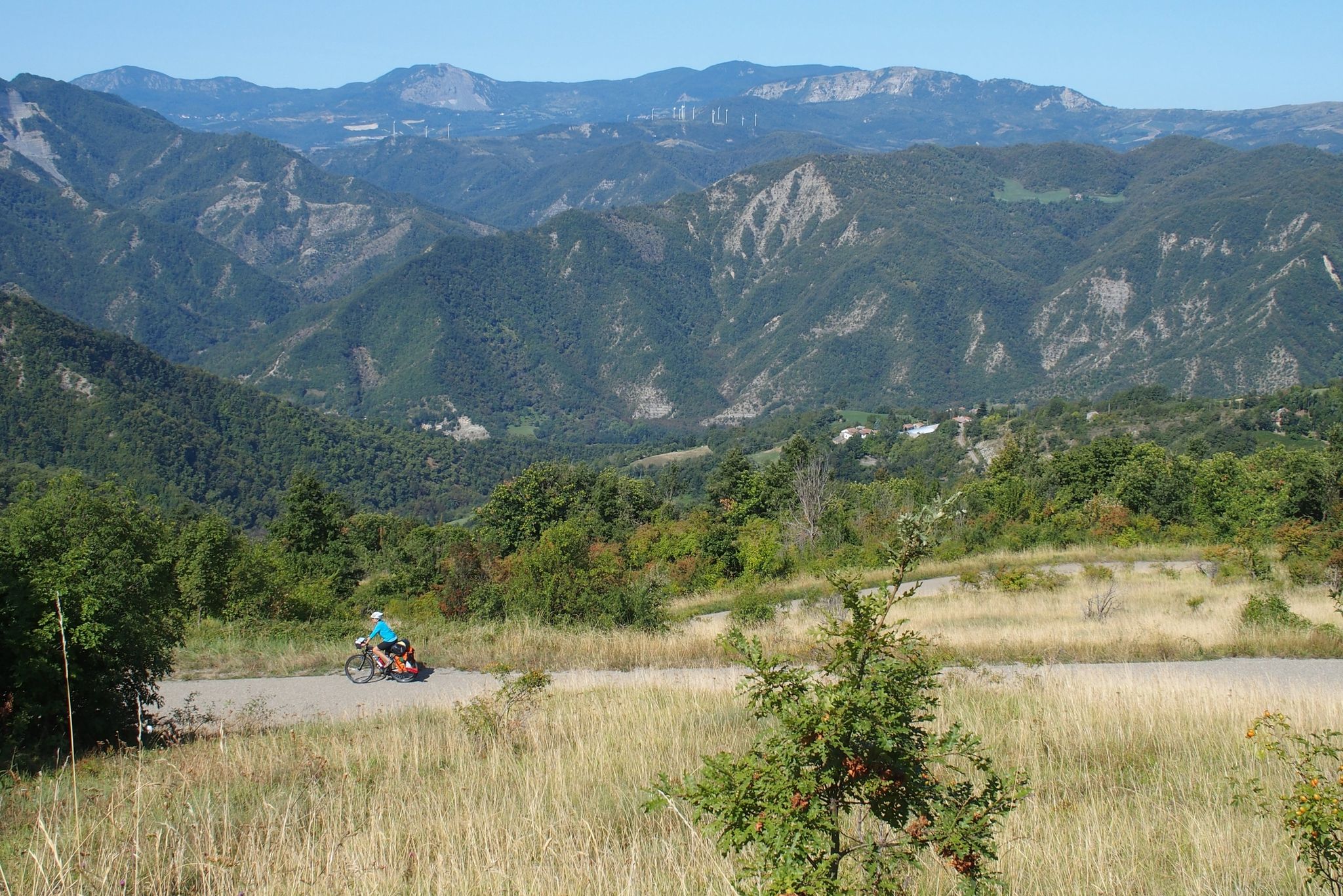
Eastern Mugello – up and down in the Apennines
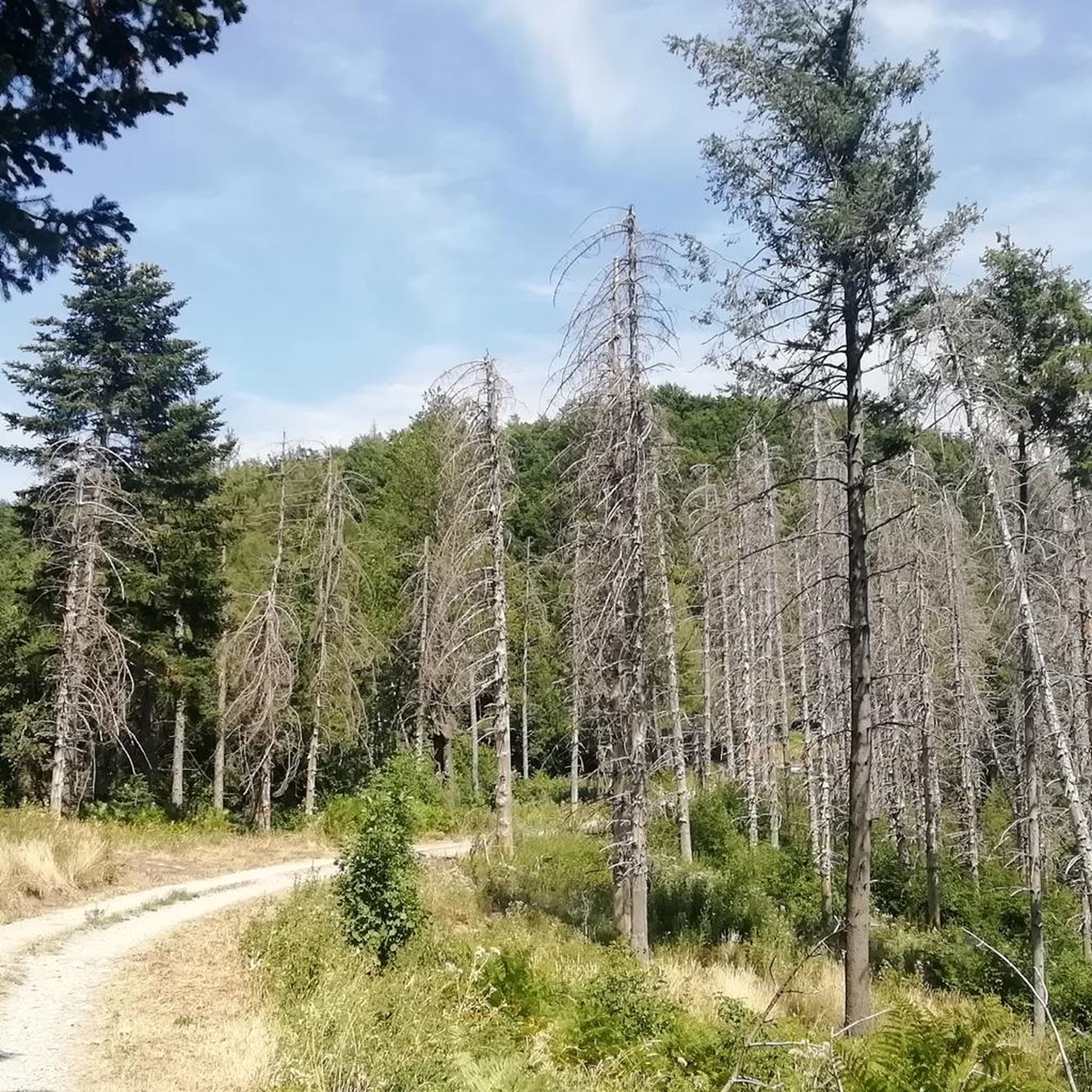
Hiking around Portico E San Benedetto
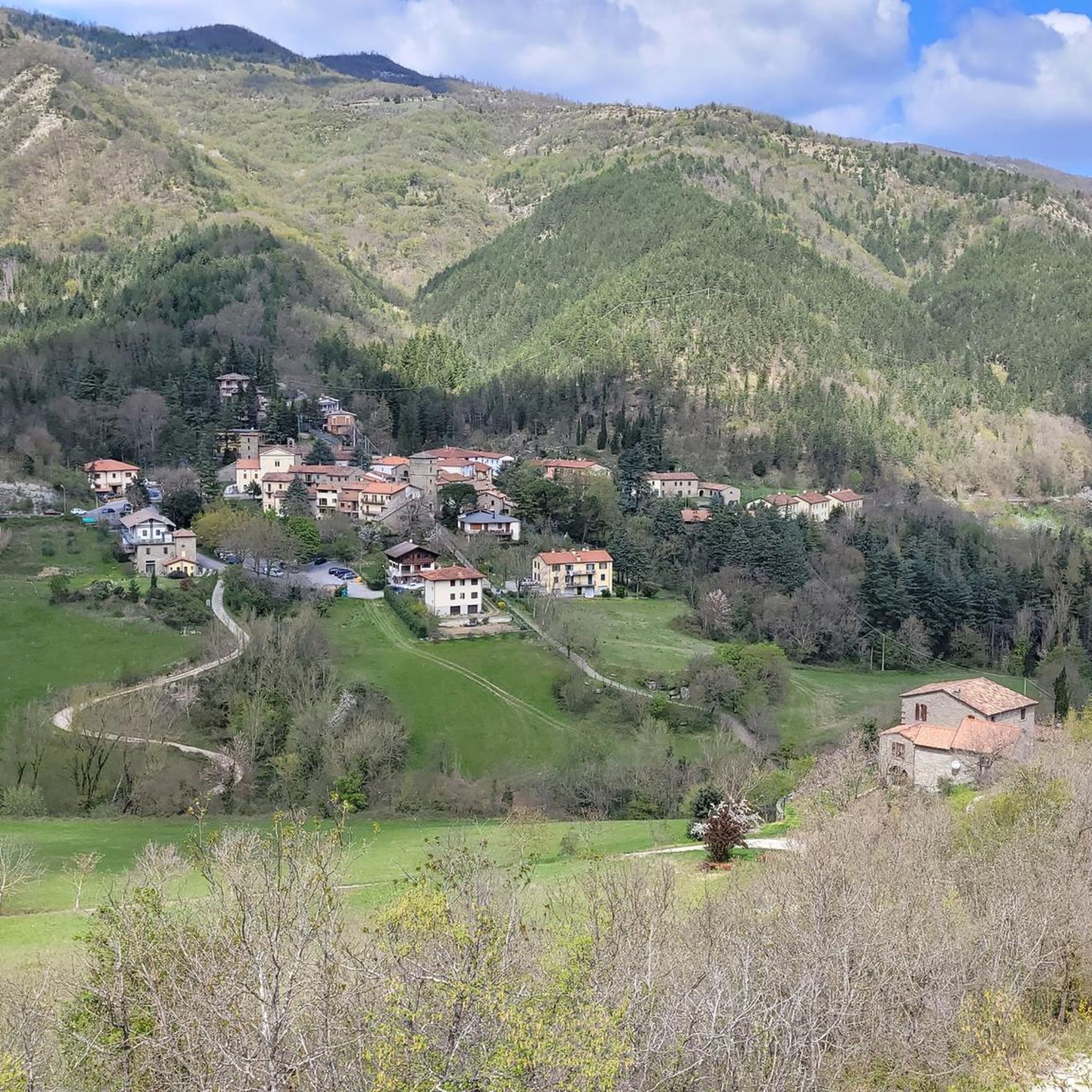
Road Cycling Routes around Portico E San Benedetto
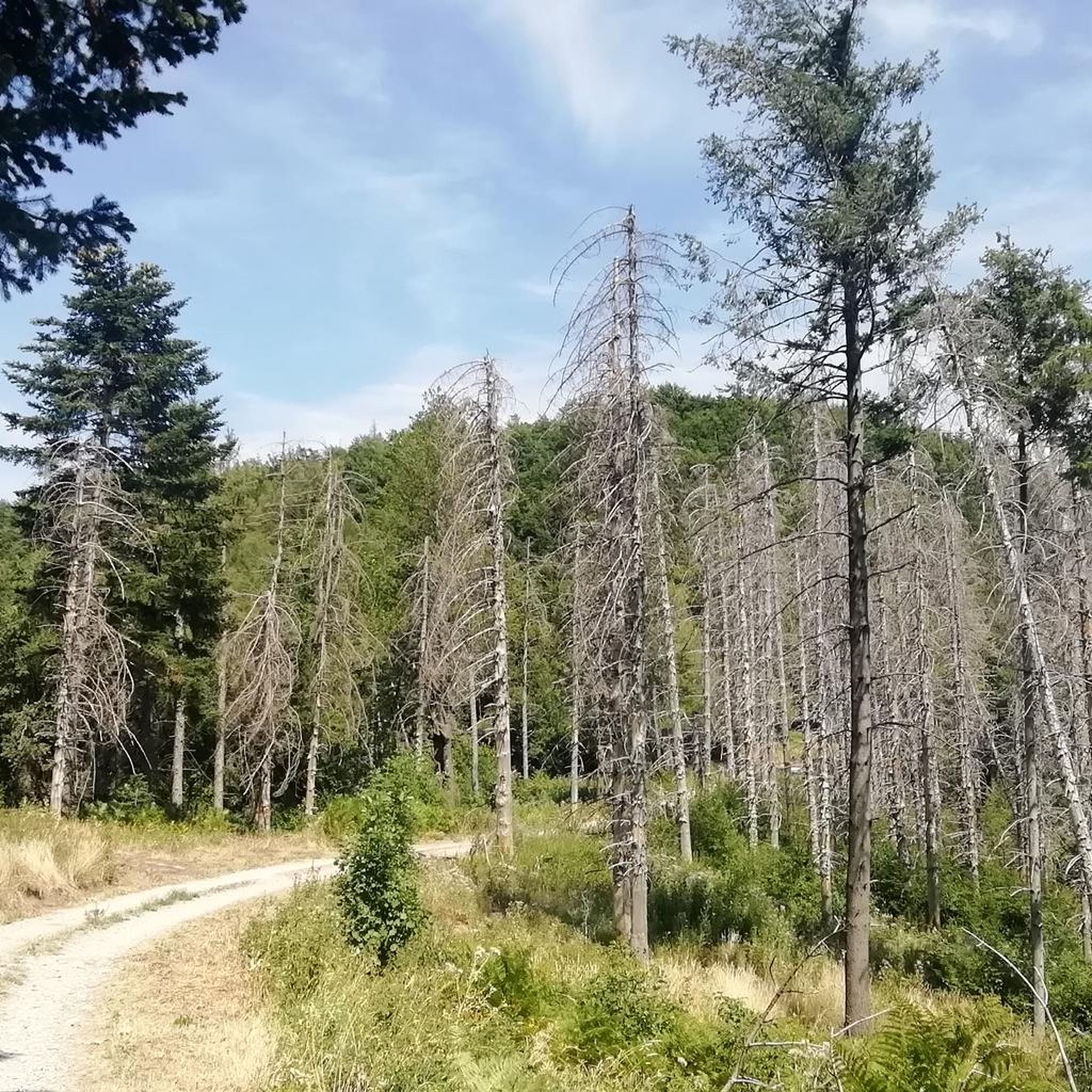
MTB Trails around Portico E San Benedetto
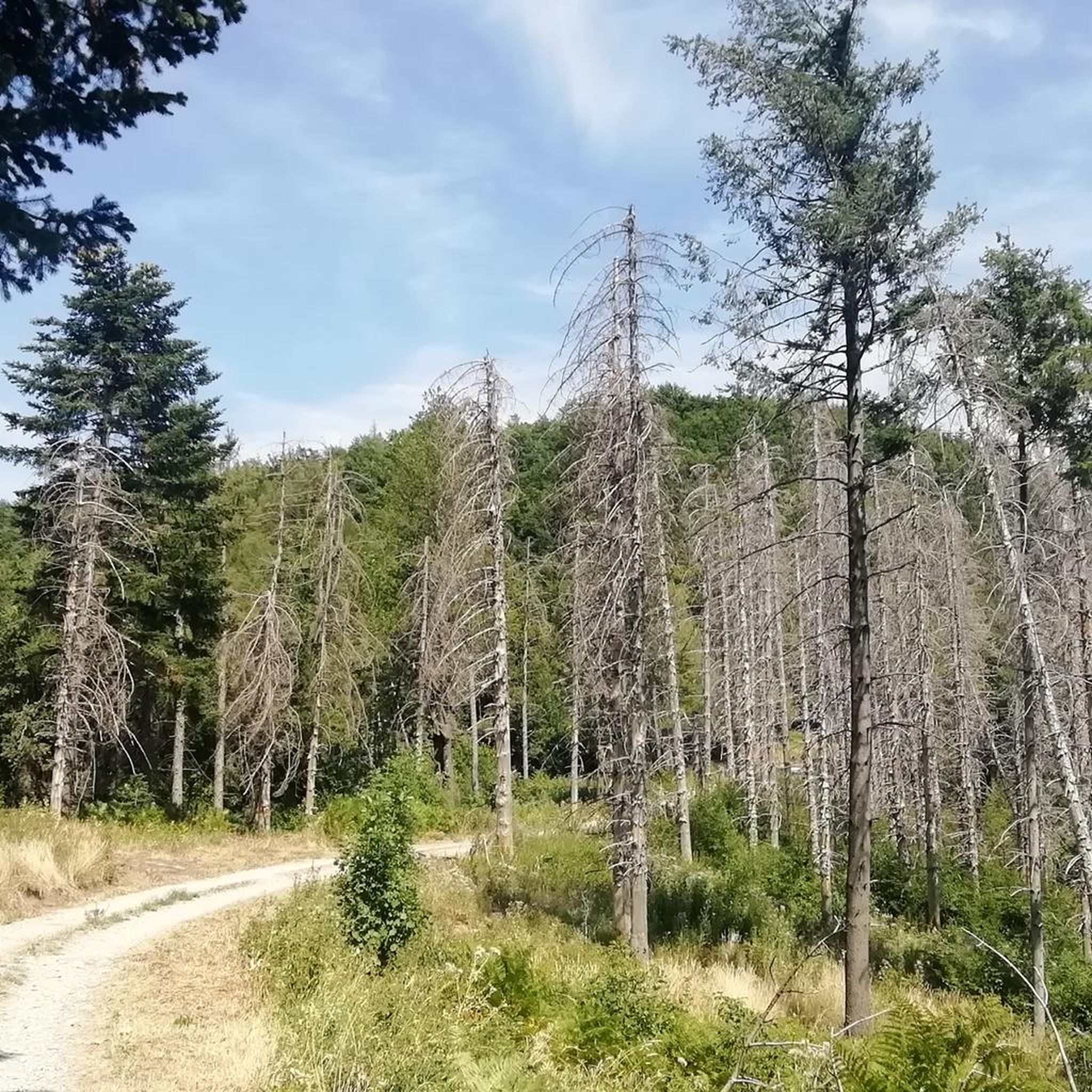
Cycling around Portico E San Benedetto
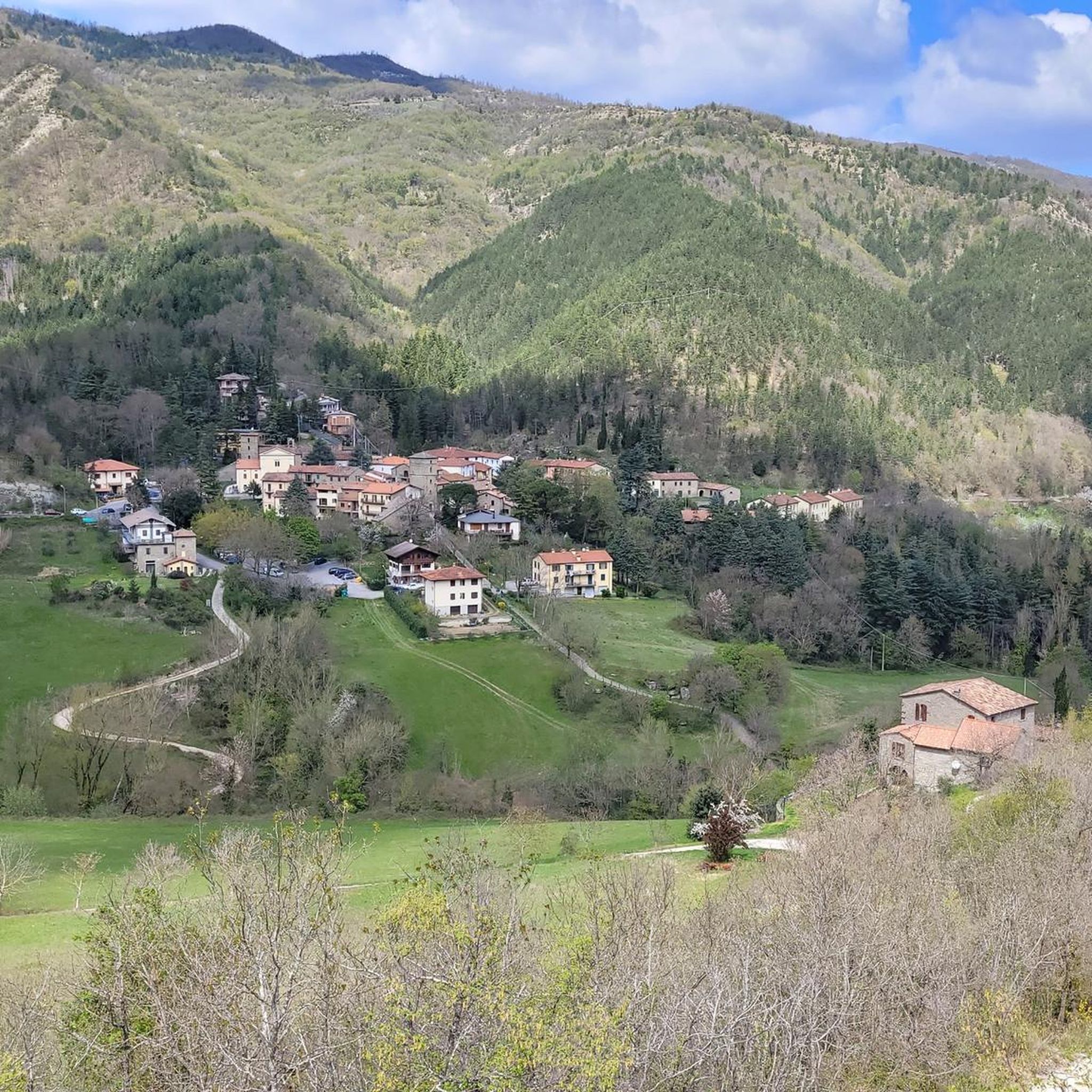
Running Trails around Portico E San Benedetto

Gravel biking around Portico E San Benedetto
Other adventures around Portico E San Benedetto

Tips from the Community

Streams, gorges, waterfalls, caves and cool pools to dive into and large, flat, smooth rocks where you can sunbathe while being lulled by the sound of the flowing water, amplified by the natural acoustics, making it sound like a scream.
0
0

A peak a few meters lower than nearby Monte Falco, which is the highest point in the entire Casentino area. It's best known for its source, the Arno River, about 300 square meters below, on its southern slope. It offers a beautiful view of the surrounding valleys and mountains.
7
0

A beautiful hiking trail from the source of the Arno to the summit: not too steep and through a beautiful, shady beech forest. From the summit, there are great views to the west.
1
0

A particularly beautiful destination in winter 🥰
1
0

Monte Falco at 1658 m above sea level, is the highest peak of the Tuscan-Romagnolo Apennines. Alongside its second (Monte Falterona for only 4 meters less) it marks the border between Tuscany and Emilia-Romagna. Near the Capo d'Arno source and various refuges and restaurants, it offers an excellent view of the valleys, lush forests and numerous routes suitable for everyone. Non-exposed paths. Be careful on the steepest and most rugged sections. Definitely recommended.
0
0

Of course, very easy. It can be reached very well by bike.
0
0

This location takes its name from the erosive phenomenon caused by the Rabbi river, in fact at this point the waters of the river have cut the rock on which they flowed into three parts, creating two small waterfalls. Below them a wonderful natural swimming pool has formed, ideal for a refreshing swim in the warmer months.
1
0

Mount Falco stands on the border between Arezzo and Florence and is also known as the "Roof of the Casentinesi Forests". With its 1,658 meters of altitude, it is the highest peak in the Tuscan-Romagnolo Apennines, exceeding the adjacent Mount Falterona by just four metres. To protect the alpine and subalpine vegetation present here, which is rare for these areas, an integral nature reserve has been established in this area.
3
0
Frequently Asked Questions
What are some prominent natural features to explore around Portico e San Benedetto?
The region is rich in diverse natural monuments. You can visit the impressive Acquacheta Waterfall, famously praised by Dante Alighieri, or explore the vast National Park of the Casentino Forests, Monte Falterona, and Campigna. Other notable features include the peaks of Mount Falco and Monte Falterona, the source of the Arno River, offering sweeping views. A unique geological feature is the 'smallest volcano in Italy' near Monte Busca, which features a perennial flame.
Are there family-friendly natural monuments or activities in the area?
Yes, the area offers options for families. The Sega Waterfalls are considered family-friendly, where the Rabbi river has carved natural swimming pools ideal for cooling off in warmer months. Many trails within the National Park of the Casentino Forests are also suitable for families, offering opportunities for nature walks and picnics.
What kind of hiking trails can I find near these natural monuments?
The region is excellent for hiking, with trails ranging from intermediate to challenging. For example, a popular route is the Acquacheta Waterfall Trail, which takes about two hours from San Benedetto in Alpe. You can also find trails leading to the summits of Mount Falco and Monte Falterona, offering diverse mountain environments. For more detailed hiking options, explore the Running Trails around Portico E San Benedetto guide.
What is the best time of year to visit the natural monuments around Portico e San Benedetto?
The natural monuments can be enjoyed in every season. Spring and autumn are ideal for hiking, with vibrant flora and comfortable temperatures. The Acquacheta Waterfall is particularly impressive in winter and spring due to higher water flow. Summer offers opportunities for refreshing dips in natural pools like those at Sega Waterfalls or along the Montone river.
Are there any unique geological features besides waterfalls and mountains?
Beyond the prominent waterfalls and peaks, the region features intriguing geological formations. The 'smallest volcano in Italy' near Monte Busca is a distinctive site where a perennial flame rises from the subsoil. Additionally, the Howling Cave of Premilcuore is a fascinating spot where the Rabbi river creates a powerful waterfall and whirlpool, with the natural acoustics amplifying the sound.
What outdoor activities, other than hiking, are available near these natural monuments?
Besides hiking, the area is suitable for various outdoor activities. You can find numerous routes for road cycling and gravel biking. For example, there are challenging road cycling routes like the Muraglione Pass loop, and gravel biking options such as the Casa Ponte Mountain Hut loop. For more information, check out the Road Cycling Routes and Gravel biking around Portico E San Benedetto guides.
What do visitors enjoy most about the natural monuments in Portico e San Benedetto?
Visitors frequently praise the raw beauty and tranquility of the region. The majestic roar of the Acquacheta Waterfall and the picturesque setting are often highlighted. The panoramic vistas from peaks like Mount Falco and Monte Falterona are also highly appreciated, especially during the autumn foliage season for their special colors.
Can I swim in any of the natural water features?
Yes, in warmer months, you can swim in certain parts of the rivers. Below the Sega Waterfalls, a natural swimming pool forms, perfect for a refreshing dip. The Montone river also offers swimming opportunities at locations like Chiusa, Brusia, and Gorgoni during the summer.
Are there any historical or cultural connections to the natural monuments?
The region holds historical significance, particularly within the National Park of the Casentino Forests. Trails often lead to ancient hermitages, reflecting the area's long history of human interaction with nature. Acquacheta Waterfall is notably mentioned in Dante Alighieri's *Inferno*, adding a literary historical layer to its natural beauty.
What should I bring when visiting the natural monuments?
When exploring the natural monuments, it's advisable to bring appropriate gear for hiking, such as sturdy footwear, water, and snacks. Depending on the season, layers of clothing are recommended. If you plan to swim, bring swimwear and a towel. For longer excursions, consider packing a picnic to enjoy amidst the natural surroundings.
How long does it typically take to visit some of the main natural monuments?
The duration of your visit can vary. A hike to the Acquacheta Waterfall from San Benedetto in Alpe typically takes about two hours round trip. Exploring the peaks like Mount Falco or Monte Falterona can be a half-day or full-day excursion, depending on the chosen route and starting point. Shorter visits to spots like Sega Waterfalls for a quick dip might take an hour or two.
Most popular routes around Portico E San Benedetto
Most popular attractions around Portico E San Benedetto

Get inspired with the komoot mobile app


Explore more
Extend your search for the best caves by checking out these guides of the top ones around Portico E San Benedetto:
