Top 20 Natural Monuments around San Vito Di Leguzzano
Best natural monuments around San Vito Di Leguzzano offer diverse natural attractions in the Veneto region of Italy. The area features trails winding through woods, hamlets, and panoramic meadows in the Vicentine hills. Visitors can explore geological formations, ancient trees, and scenic viewpoints. The landscape provides opportunities to observe local flora and fauna and experience the region's natural charm.
Best natural monuments around San Vito Di Leguzzano
- The most popular natural monuments is Sass de la Poja Observation Post,…
Last updated: June 28, 2026
Summano Summit Cross
Highlight • Summit
The ideal place for a nice trekking in the name of relaxation and fun.
Translated by Google •
Tip by

Buso della Rana Cave
Highlight • Cave
Translated by Google •
Tip by

Sign up now to discover places like this
Get recommendations on the best single tracks, peaks, & plenty of other exciting outdoor places.
Sign up for free
Bocca Lorenza (cave)
Highlight • Cave
Translated by Google •
Tip by

Val dei Molini
Highlight (Segment) • Gorge
Translated by Google •
Tip by
Turigi Viewpoint
Highlight • Viewpoint
Translated by Google •
Tip by
Sign up for free to discover even more natural monuments around San Vito Di Leguzzano.
Sign up for free
Already have an account?
Start today with a free account
Your next adventure awaits.
Login or Signup

Tips from the Community

The Buso della Rana is the largest cave in the Veneto region and one of the most extensive in Italy, with a network of caves stretching almost 30 km in total (40 km including the Pissatèla complex above, to which it is connected). Located beneath the Faedo-Casaròn Plateau, it is an intricate karst system that collects and channels the plateau's waters into the Rio Rana, which flows at the entrance. It was formed when rainwater seeps into the permeable limestone surface layer and, encountering the underlying impermeable basalt (volcanic rock), flows laterally, eroding the rock. Over millions of years, this has created a complex labyrinth of horizontal tunnels, chambers, chimneys, siphons, and small lakes traversed by underground streams. Because it drains the plateau's waters, the cave is subject to flash floods, making exploration treacherous. Inside, the temperature remains constant between 10 and 12°C year-round. It is freely accessible through the monumental entrance and by proceeding along the Main Branch for about fifty meters, until reaching the first flooded corridor or Siphon, a horizontal constriction that requires crawling. From there, it is the preserve of speleologists or exciting and adventurous guided tours organized by associations like Biosphera (see link). The internal branches are not marked, and one must know the way. The name of the cave has nothing to do with the amphibian, but is an Italianized term from the Cimbrian word "roan," meaning "rocky wall," referring to the cliff at the entrance. https://www.busodellarana.it https://esplora.biosphaera.it/luoghi/buso-della-rana/
0
0

The ancient history of this beautiful panoramic peak.
0
0


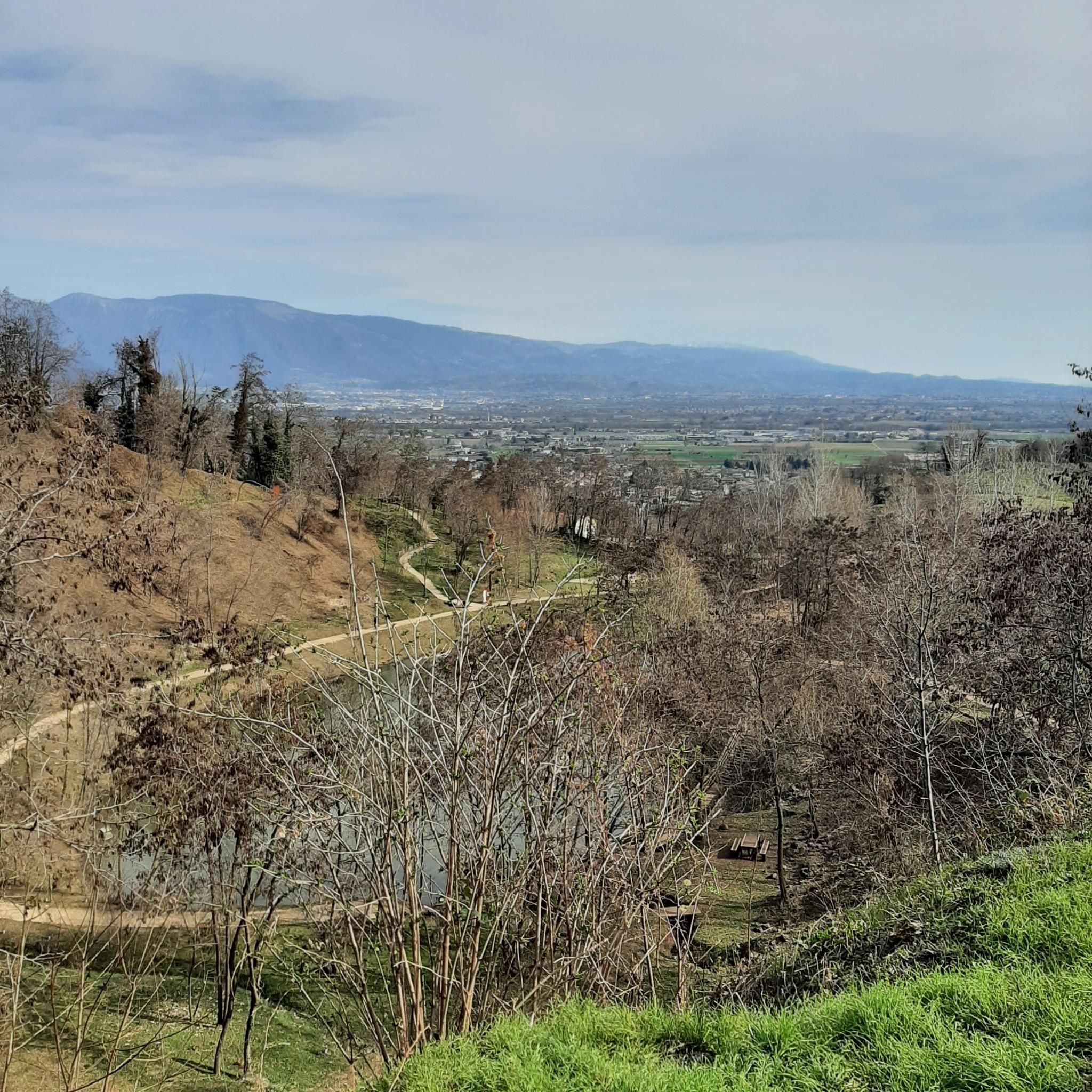
panoramic point over the Agno valley and the Little Dolomites. One of the few spots as the trail always runs through bush.
0
0

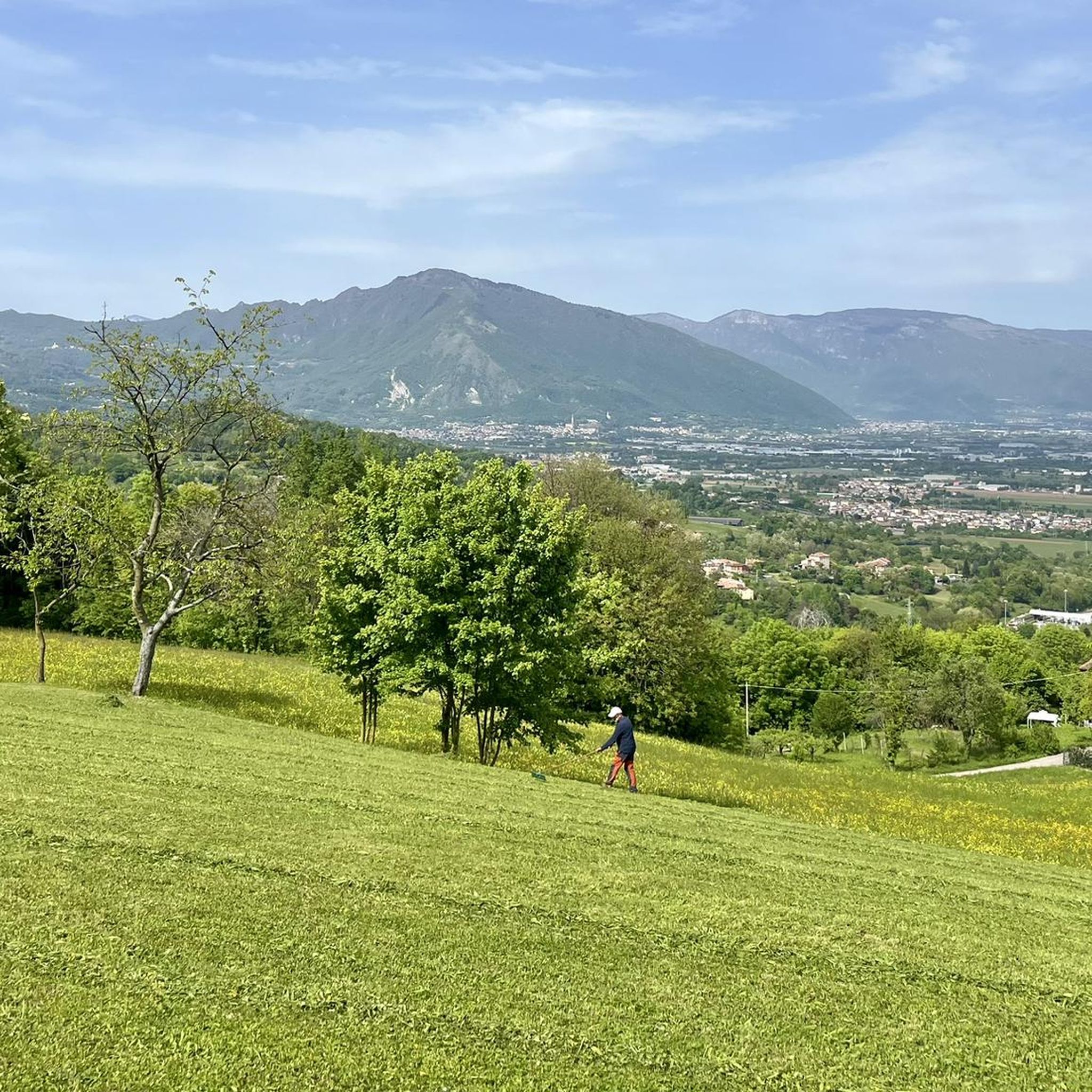
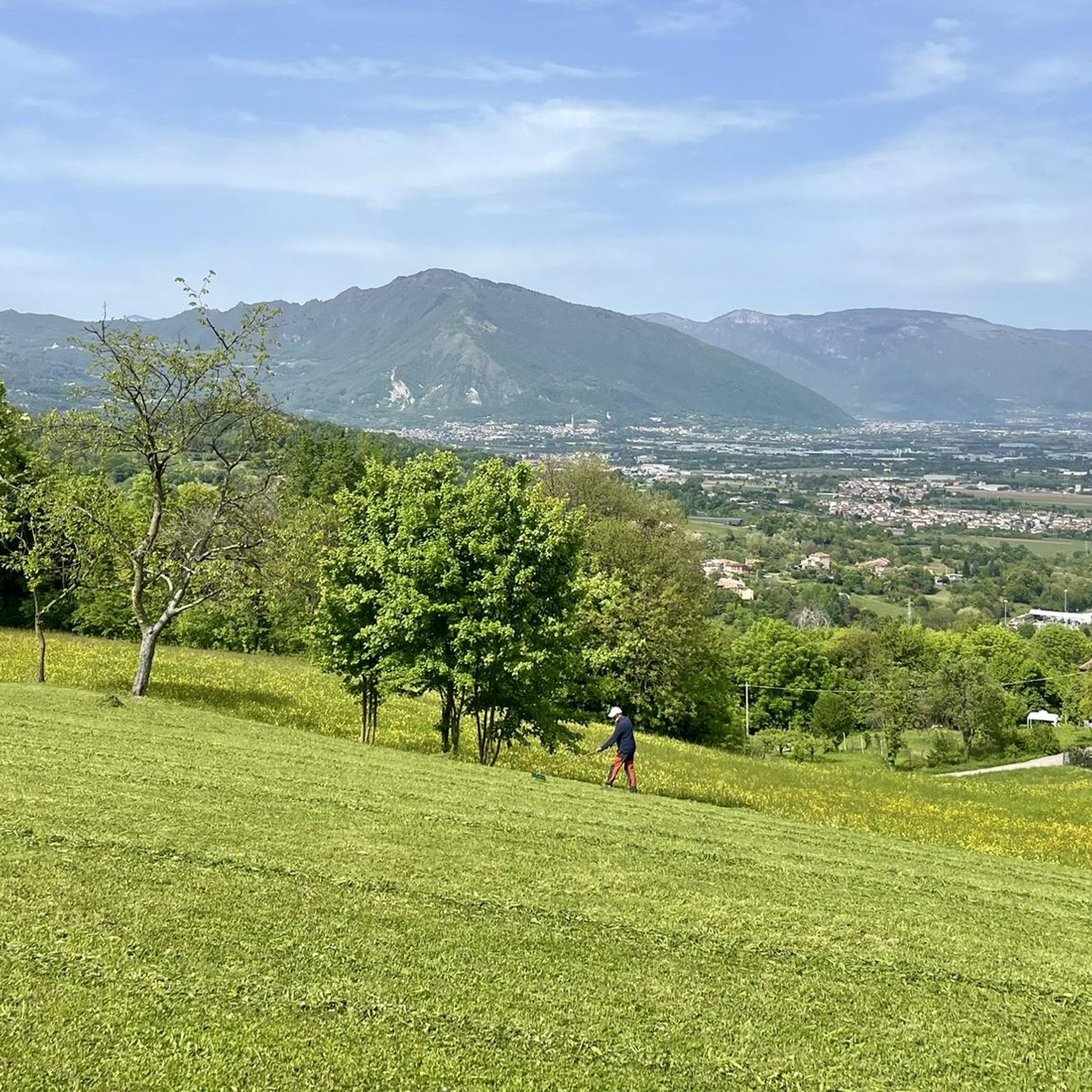
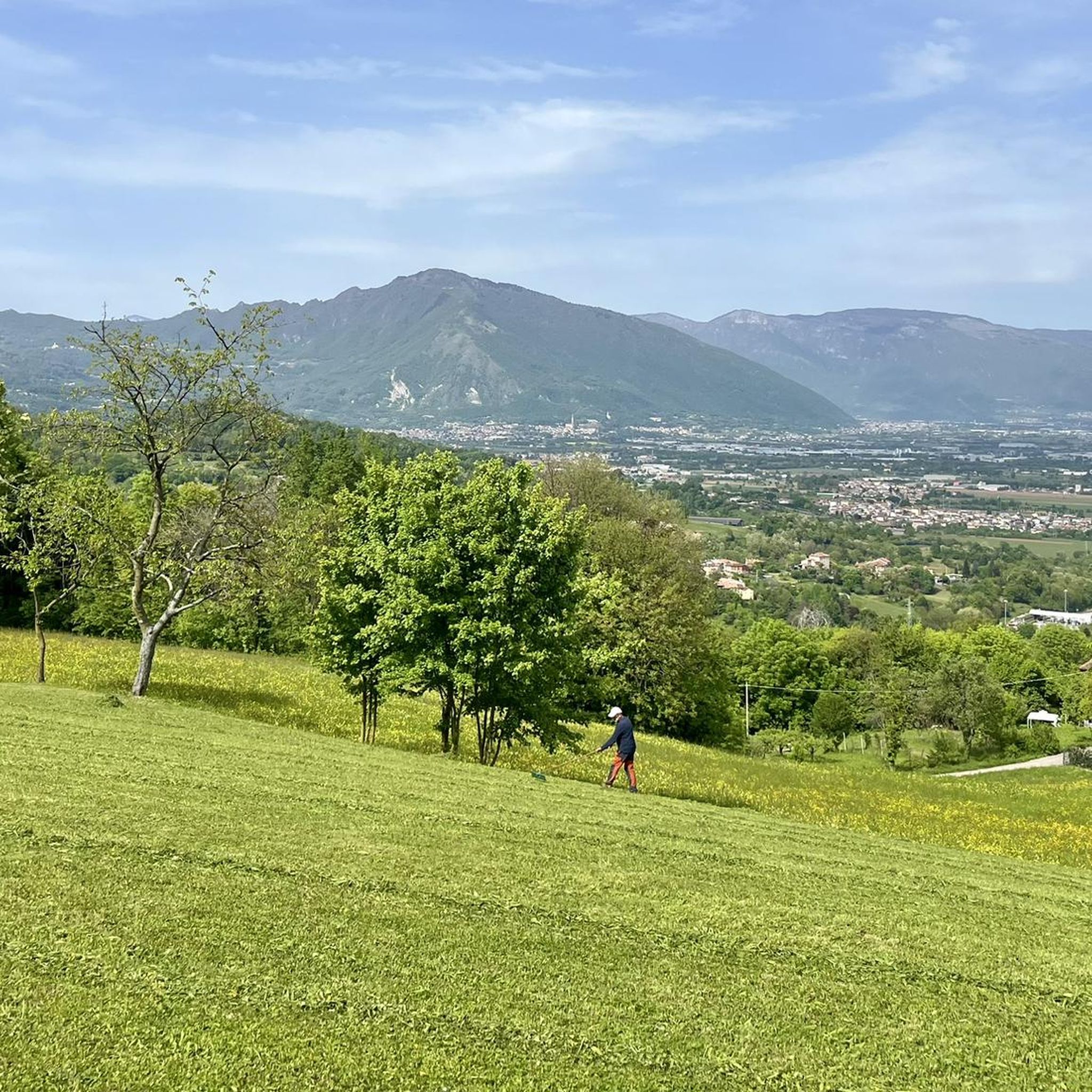
The climb to Monte Summano is always beautiful and interesting and being exposed to the south it can be done practically all year round. From the top there are trails that vary in difficulty and beauty but are always fun and exciting.
0
0
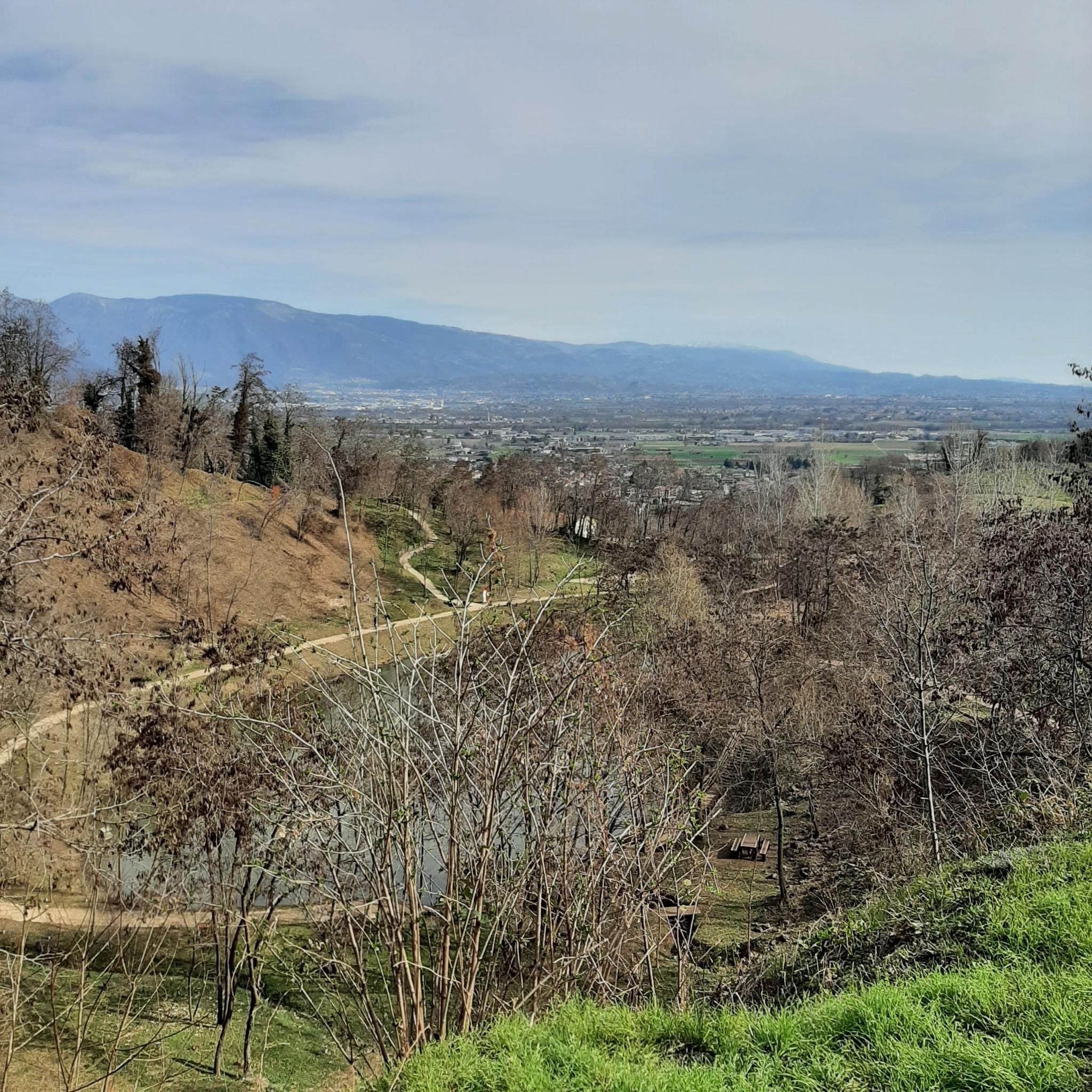
Beautiful panoramic point immediately below the Turigi peak (or Turiggi), along the suggestive path along the crest of the Castiglieri: the view ranges 360° from the Piccole Dolomiti to the Pianura. The terrace, which also has a stone 'compass' indicating the peaks and main locations, was built and cared for by a group of volunteers, like the entire Braggion Trail. N.B.: the summit of Monte Turigi (with the cross) is actually slightly higher, and can be reached via a nearby path; but it is a small clearing surrounded by trees that hide the view.
2
0

beautiful waterfall of the Rana stream
0
0

Where do we start from? I don't know this area but I would like to go there.
0
1
Frequently Asked Questions
What kind of natural features can I explore around San Vito Di Leguzzano?
The area around San Vito Di Leguzzano offers a diverse range of natural features. You can discover impressive geological formations like the Bocca Lorenza cave, which is a natural cavity with historical significance. There are also wild and unspoiled gorges such as Val dei Molini, featuring waterfalls and moss-covered rocks. Additionally, you'll find panoramic viewpoints offering expansive vistas of the surrounding landscape.
Are there any family-friendly natural monuments in the area?
Yes, Villa Rossi Park is an excellent family-friendly option. This romantic garden from the late 19th century features a pond, water features, centuries-old plants, and even fake caves and ruins, making it an engaging place for all ages. The local 'Sentiero Natura' trails, with their 'Red Route' and 'Green Route', are also ideal for leisurely walks and family outings through woods and meadows.
What historical natural monuments can I visit near San Vito Di Leguzzano?
The region has natural monuments with significant historical ties. The Sass de la Poja Observation Post is a notable example, featuring a rock pillar overlooking a First World War stronghold carved into the rock, used as an observatory during the Great War. The Bocca Lorenza cave also holds historical importance, with excavations revealing prehistoric finds and its use as a shelter and place of worship.
Where can I find the best panoramic views of the region?
For breathtaking panoramic views, head to Turigi Viewpoint. Located just below the Turigi peak, it offers 360° views stretching from the Piccole Dolomiti to the Pianura. The terrace even includes a stone 'compass' indicating various peaks and locations.
What outdoor activities can I do near these natural monuments?
The natural monuments around San Vito Di Leguzzano are surrounded by opportunities for various outdoor activities. You can explore numerous running trails, including routes like 'Monte Magrè Trail – San Vito Minaret loop'. For cyclists, there are diverse options, from easy touring bicycle routes like 'Agritour – Loop from Marano Vicentino' to challenging road cycling routes such as 'Xon Pass, Cima Tunche dai Ronchi and Passo dello Zovo — Loop trail'. You can find more details on these activities in the running trails guide, cycling guide, and road cycling guide for the area.
Are there any challenging natural monuments for experienced explorers?
Yes, the Bocca Lorenza cave is considered challenging. While its interior can be visited, it requires experience and adequate equipment like a headlamp and helmet due to perpetually wet cables, slippery ground, and constant humidity. For those less experienced, it's recommended to stay in the lobby area.
What is the best time to visit the natural monuments to see waterfalls?
To experience the waterfalls and lush environment of places like Val dei Molini at their best, it is advisable to visit after days of rain. This ensures the streams are full and the waterfalls are lively, enhancing the wild and unspoiled atmosphere of the gorge.
Are there any unique natural attractions beyond the main highlights?
Beyond the main highlights, the region offers unique attractions like the 'Gerolamo Ancient Chestnut Tree', an impressive ancient tree that connects visitors to the long history of the region's natural environment. Additionally, the 'Gnomes of Via Vale' is an intriguing part of a loop trail, adding an element of discovery and fantasy to a natural excursion, particularly for families.
Can I find circular walking trails that include natural monuments?
Yes, the 'Sentiero Natura' in San Vito di Leguzzano offers both 'Red Route' and 'Green Route' circular trails. These trails wind through woods, local hamlets, and panoramic meadows, providing an excellent way to experience the natural beauty and rural tradition of the Vicentine hills in a loop.
What makes the Val dei Molini a special natural monument?
Val dei Molini is special due to its surprisingly unspoiled and wild environment. It's a mysterious forest where water dominates, forming lively waterfalls and deep ravines, with lush moss covering rocks and tree trunks. The valley also holds historical significance, with remains of man-made structures like old mills, reflecting how the stream was once utilized.
What should I know before visiting the Sass de la Poja Observation Post?
The Sass de la Poja Observation Post is a historical site featuring a rock pillar and a First World War stronghold carved into the rock. The entire short path is fortified with trenches, reinforcement walls, and cave shelters, offering a suggestive and interesting passage through the woods. It's a great spot for those interested in both nature and history.
Most popular routes around San Vito Di Leguzzano
Most popular attractions around San Vito Di Leguzzano

Get inspired with the komoot mobile app


Explore more
Extend your search for the best caves by checking out these guides of the top ones around San Vito Di Leguzzano:
