Top 20 Natural Monuments around Torrebelvicino
Best natural monuments around Torrebelvicino include diverse landscapes in the Val Leogra, at the foothills of the Small Dolomites. This region offers impressive mountain scenery, dense woods, and panoramic vistas for outdoor enthusiasts. Visitors can explore a variety of natural features, from river pools to mountain summits and waterfalls. The area provides numerous opportunities to experience its rich natural heritage.
Best natural monuments around Torrebelvicino
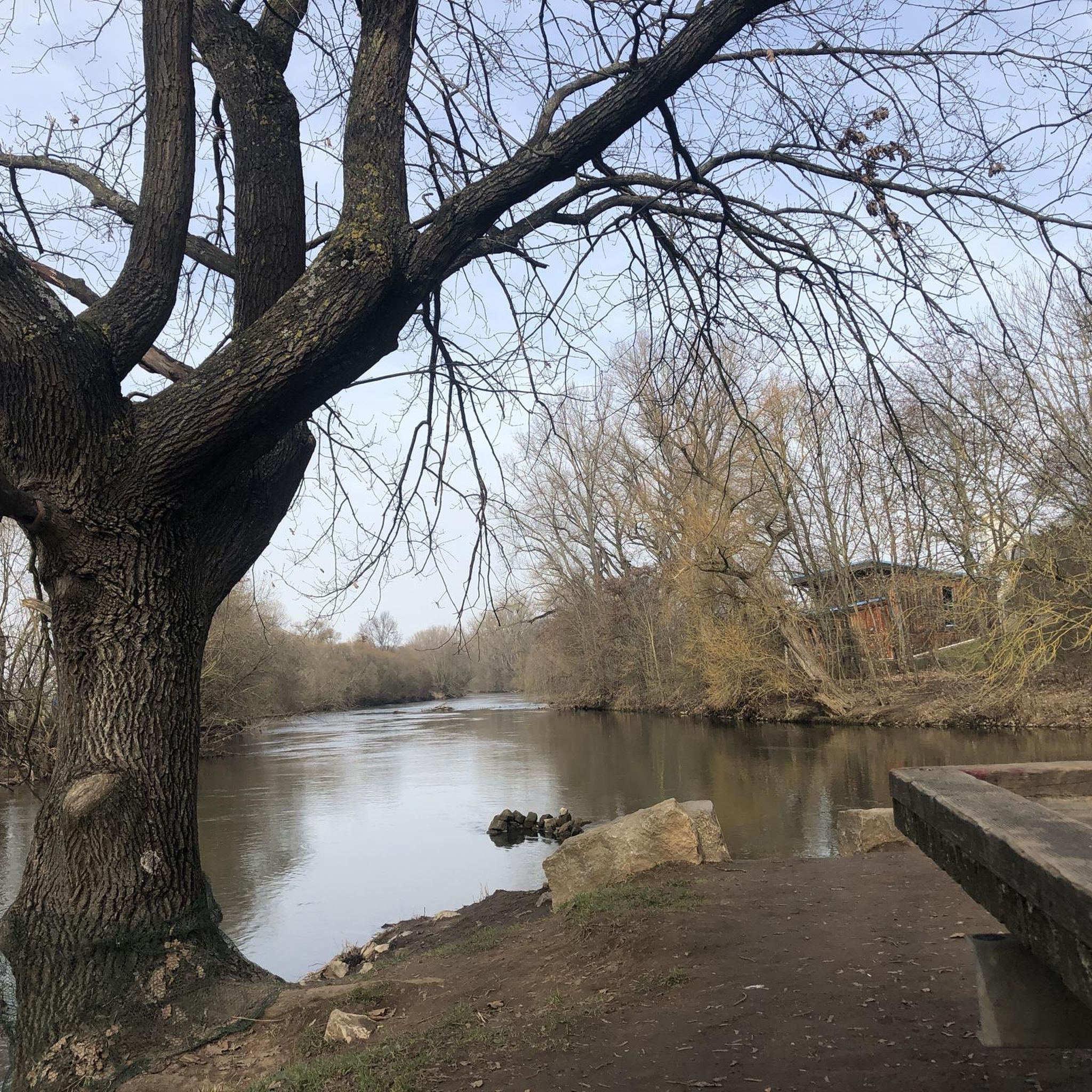
- The most popular natural monuments is Contrà Pria Pools, a river that features crystal clear water amidst rocks. This spot is known for its beautiful seaside-like area in the Astico.
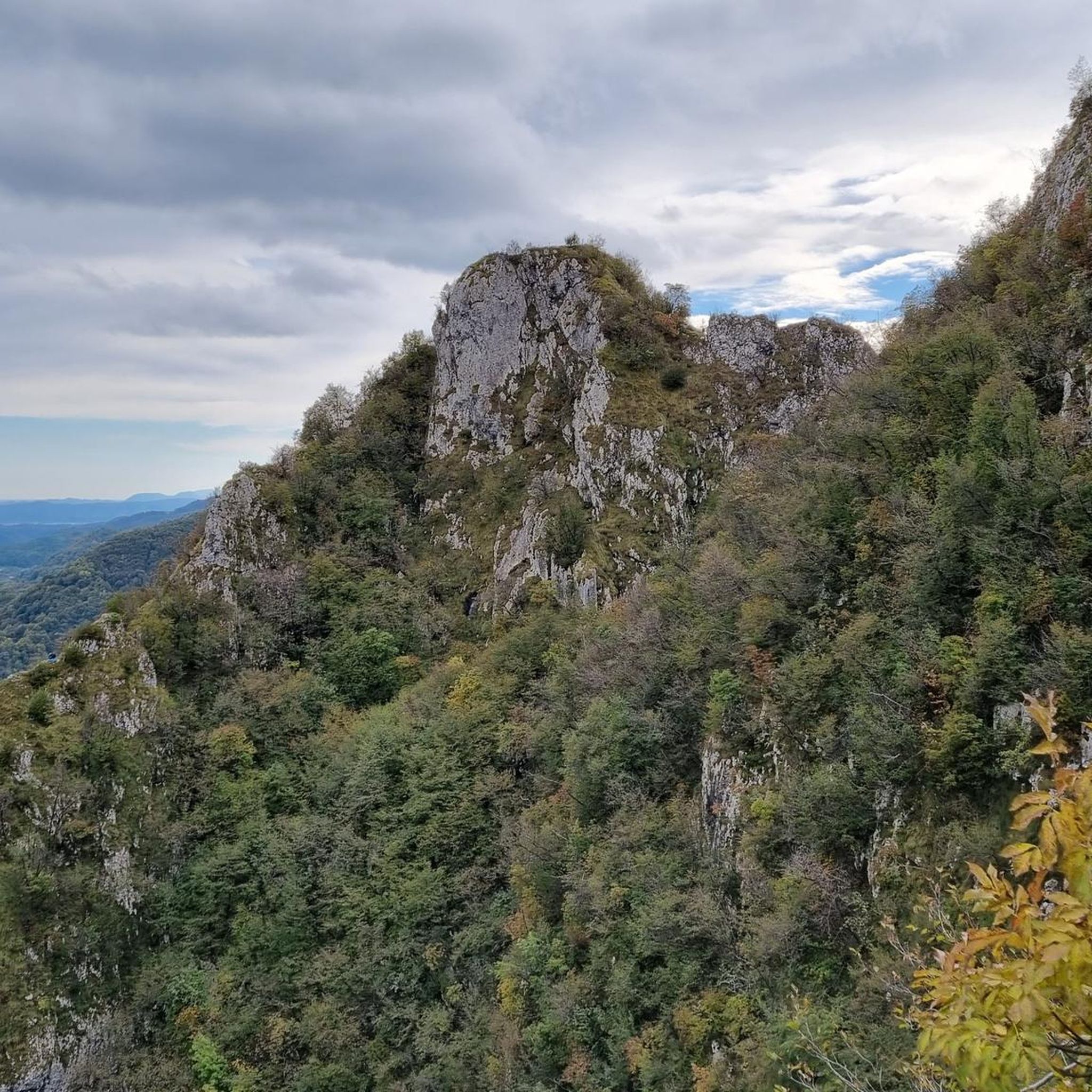
- Another must-see spot is Italian Tooth, a summit that offers high-altitude natural scenery. Visitors can experience a historical site with significant views on the Pasubio massif.
- Visitors also love Papalini Waterfall, a small waterfall located in the middle of the woods. This natural monument allows visitors to walk behind the veil of water, offering a unique perspective.
- Torrebelvicino is known for its rivers, waterfalls, and mountain summits. The region offers a variety of natural monuments to see and explore, including forests, caves, and viewpoints.
- The natural monuments around Torrebelvicino are appreciated by the komoot community, with more than 150 upvotes and 75 photos shared.
Last updated: June 28, 2026
Contrà Pria Pools
Highlight • River
Translated by Google •
Tip by

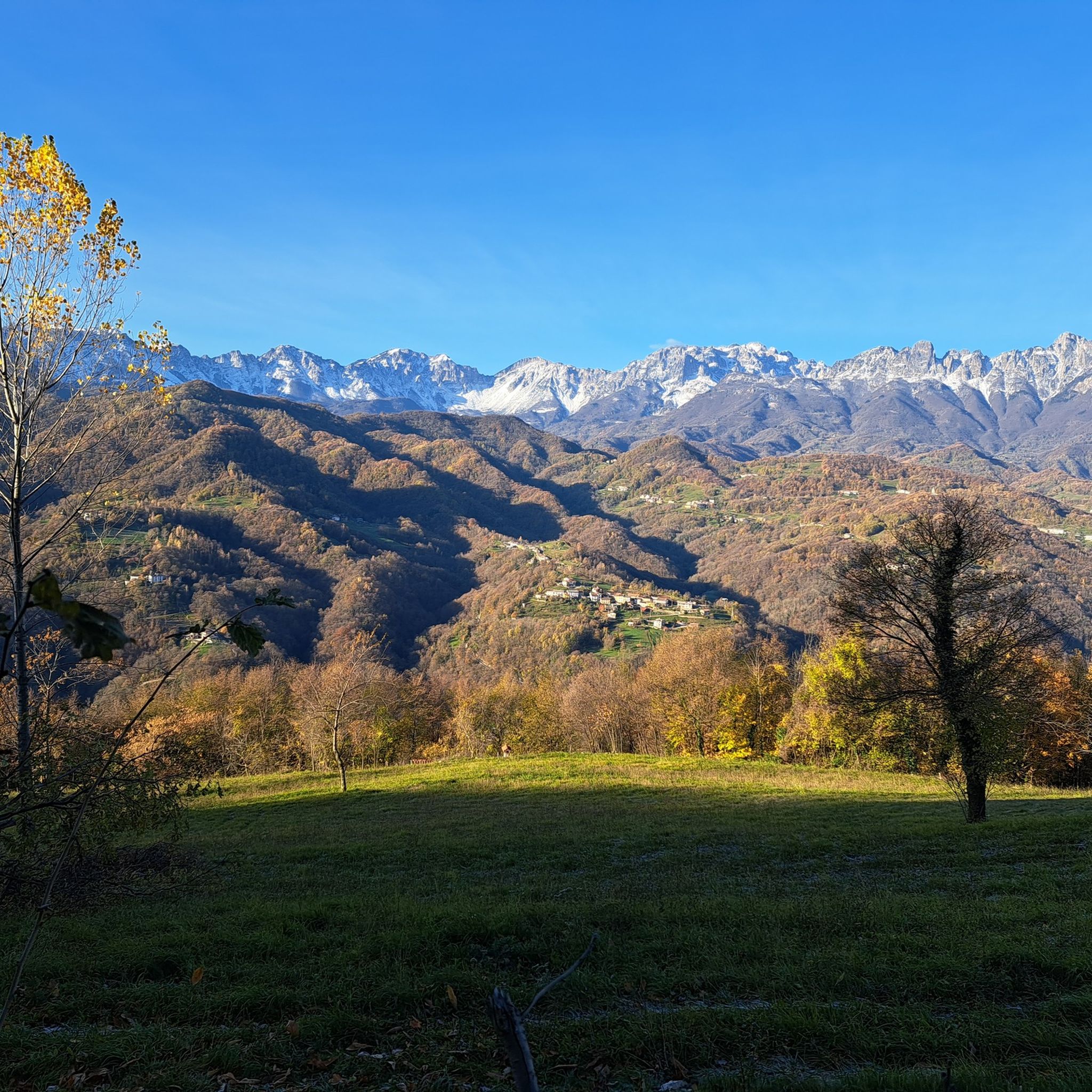
Summano Summit Cross
Highlight • Summit
The ideal place for a nice trekking in the name of relaxation and fun.
Translated by Google •
Tip by

Sign up now to discover places like this
Get recommendations on the best single tracks, peaks, & plenty of other exciting outdoor places.
Sign up for free
Italian Tooth
Highlight • Summit
Translated by Google •
Tip by

Papalini Waterfall
Highlight • Waterfall
Translated by Google •
Tip by

Austrian Tooth
Highlight • Historical Site
Translated by Google •
Tip by

Sign up for free to discover even more natural monuments around Torrebelvicino.
Sign up for free
Already have an account?
Start today with a free account
Your next adventure awaits.
Login or Signup
Tips from the Community

The Cascata dei Papalini suddenly appears in a small clearing in the heart of the forest, along the path: over time the falling water has formed a columnar deposit of gray limestone that descends like a drape and that partly acts as a springboard for the jet. But the peculiarity and spectacular nature of this waterfall is the possibility of seeing it even from behind the scenes: in fact, by climbing to the left on a short but steep path, you reach a natural roof of the rock from which you can observe the forest below through the curtain of water, without getting wet! The passage is not protected and is wet, so you need to pay particular attention. Like all torrential waterfalls, it is not always full and active: you need to look for the right period, perhaps after heavy rains, to visit it in all its thunderous splendor.
1
0

The ancient history of this beautiful panoramic peak.
0
0

The route is very suggestive and challenging. In addition, Contrà Pria in the summer is a destination for many bathers and tourists with services that have nothing to envy of a seaside resort. Luciano
0
0


Beautiful waterfall, it looks like a face with one eye, a big nose and teeth😊
1
0
The Dente Italiano and the Dente Austriaco are two rocky towers of equal altitude facing each other, separated by a saddle but sadly united by history: during the First World War, they were the point on Pasubio where enemy lines were closest. With the Strafexpedition of 1916, the imperial army reached the Dente Austriaco, but was blocked by royal troops who had arrived on the Dente Italiano. A grueling and bloody standoff began, with several attempts to break through, all in vain. The impending winter prevented further fighting, and both sides began to fortify their positions and make them more livable... In the Dente Italiano, the Army Corps of Engineers created a veritable underground citadel. It could accommodate 500 men, with all the necessary means of subsistence: shelters, storage facilities, a cistern for drinking water, a generator for lighting, dressing stations, and command posts. The armament consisted of five machine guns, two cannons, and one flamethrower, supported by artillery from the nearby Palon and Cogolo Alto peaks. In contrast, the Austrian Tooth was transformed into an impregnable fortress, thanks to its elongated, square shape, with fire on three sides. There were 10 machine gun emplacements and six artillery emplacements in the cave, complemented by the armament arrayed along the trenches at the summit: 18 grenade launchers, 12 grenade launchers, four flamethrowers, five cannons, and 10 machine guns. Here, too, the bowels of the mountain housed the troops with all the logistical and survival equipment: shelters, storage facilities, lighting, ventilation, a cistern, a telephone exchange, searchlights, etc. Faced with the impossibility of advancing, both commands believed the only solution was to blow up the enemy stronghold from the ground up: thus began the war of mines and countermines, with a dense network of underground tunnels. Between the autumn of 1917 and the spring of 1918, there were 10 explosions, five Austrian and five Italian, until the gigantic 50-ton Austrian dynamite charge on March 13, 1918, which shattered the northern slope of the Dente Italiano, altering its morphology and causing casualties on both sides. After years of war and thousands of deaths, the great war on Pasubio ended with the front line virtually unchanged! To pass between the two Denti, one passes through the chasm created by the mine, amidst enormous boulders and debris: impressive.
0
1
The Dente Italiano and the Dente Austriaco are two rocky towers of equal altitude facing each other, separated by a saddle but sadly united by history: during the First World War, they were the point on Pasubio where enemy lines were closest. With the Strafexpedition of 1916, the imperial army reached the Dente Austriaco, but was blocked by royal troops who had arrived on the Dente Italiano. A grueling and bloody standoff began, with several attempts to break through, all in vain. The impending winter prevented further fighting, and both sides began to fortify their positions and make them more livable... In the Dente Italiano, the Army Corps of Engineers created a veritable underground citadel. It could accommodate 500 men, with all the necessary means of subsistence: shelters, storage facilities, a cistern for drinking water, a generator for lighting, dressing stations, and command posts. The armament consisted of five machine guns, two cannons, and one flamethrower, supported by artillery from the nearby Palon and Cogolo Alto peaks. In contrast, the Austrian Tooth was transformed into an impregnable fortress, thanks to its elongated, square shape, with fire on three sides. There were 10 machine gun emplacements and six artillery emplacements in the cave, complemented by the armament arrayed along the trenches at the summit: 18 grenade launchers, 12 grenade launchers, four flamethrowers, five cannons, and 10 machine guns. Here, too, the bowels of the mountain housed the troops with all the logistical and survival equipment: shelters, storage facilities, lighting, ventilation, a cistern, a telephone exchange, searchlights, etc. Faced with the impossibility of advancing, both commands believed the only solution was to blow up the enemy stronghold from the ground up: thus began the war of mines and countermines, with a dense network of underground tunnels. Between the autumn of 1917 and the spring of 1918, there were 10 explosions, five Austrian and five Italian, until the gigantic 50-ton Austrian dynamite charge on March 13, 1918, which shattered the northern slope of the Dente Italiano, altering its morphology and causing casualties on both sides. After years of war and thousands of deaths, the great war on Pasubio ended with the front line virtually unchanged! To pass between the two Denti, one passes through the chasm created by the mine, amidst enormous boulders and debris: impressive.
0
0

Because it's a beautiful place
0
0
Frequently Asked Questions
Are there family-friendly natural monuments around Torrebelvicino?
Yes, the Trail of the Great Trees is an excellent option for families. It winds through a gentle plateau with wide pastures, small mountain lakes, and ancient trees. It's particularly popular in autumn for its foliage and offers various starting points to adjust the length and elevation gain, making it suitable for different family needs.
What natural monuments offer historical insights in the Torrebelvicino area?
The Pasubio massif is home to significant historical natural monuments. The Italian Tooth and Austrian Tooth are summits that served as crucial front lines during World War I. Visitors can experience high-altitude natural scenery while exploring the remnants of this historical period, including tunnels and fortifications, which offer a profound sense of the past.
Where can I find unique water features among the natural monuments?
For unique water features, visit the Contrà Pria Pools, a river known for its crystal-clear water amidst rocks, often compared to a seaside area. Another distinctive spot is the Papalini Waterfall, a small waterfall in the woods where you can walk behind the veil of water for a unique perspective.
What are the best viewpoints to appreciate the natural landscapes around Torrebelvicino?
The region offers several stunning viewpoints. The Italian Tooth summit provides breathtaking high-altitude views of the Pasubio massif. Additionally, the Turigi Viewpoint, located just below the Turigi peak, offers a magnificent 360-degree panorama stretching from the Piccole Dolomiti to the Pianura, complete with a stone 'compass' to identify peaks.
Are there challenging hiking trails that incorporate natural monuments?
Yes, the area provides challenging hikes. The route to the Italian Tooth involves a challenging ascent to a high-altitude summit. The historic Strada delle 52 Gallerie, while a military road, is renowned for its spectacular natural setting and challenging paths through tunnels and along precipitous routes, offering an immersive mountain experience.
What outdoor activities can I do near these natural monuments?
The area around Torrebelvicino is ideal for various outdoor activities. You can explore numerous hiking trails, such as the challenging "Panoramic trail 31 of Val Leogra" or the "Ascent to Forte Enna." For cycling enthusiasts, there are routes like "Pian delle Fugazze – The Scarubbi Road loop." You can find more details on these activities in the hiking guide and cycling guide for Torrebelvicino.
What is the best time of year to visit the natural monuments in Torrebelvicino?
The natural monuments around Torrebelvicino are enjoyable throughout the year. Spring brings blossoms, while summer is ideal for activities like swimming at the Contrà Pria Pools. Autumn is particularly recommended for the Trail of the Great Trees due to its spectacular fall foliage. Even in winter, some trails are suitable for snowshoeing, offering a different perspective of the snowy landscapes.
Are there any natural monuments that are less known but worth visiting?
Beyond the most popular spots, the Brunelli Path offers a tranquil exploration through woods, hamlets, and panoramic meadows, extending towards Monte Singìo and Monte Civillina. This path provides a peaceful experience of the region's rolling hills and natural beauty, away from more crowded areas.
What kind of geological features can be observed in the natural monuments?
The region's natural monuments showcase diverse geological features. The Pasubio massif, home to the Italian Tooth and Austrian Tooth, features rugged mountain landscapes and rocky towers. The Contrà Pria Pools highlight river erosion creating unique rock formations and crystal-clear basins. The Papalini Waterfall demonstrates the power of water shaping the landscape, with a small cave formation behind the falls.
What do visitors appreciate most about the natural monuments in Torrebelvicino?
Visitors frequently praise the breathtaking views and the immersive natural experiences. Many highlight the crystal-clear waters of the Contrà Pria Pools and the unique opportunity to walk behind the Papalini Waterfall. The historical significance and stunning high-altitude scenery of sites like the Italian Tooth also receive strong appreciation for their blend of nature and history.
Are there any circular walks among the natural monuments?
Yes, the Panoramic Path of Val Leogra is a scenic loop that allows visitors to experience the local natural environment comprehensively. It winds through woods, quaint hamlets, and open clearings, providing spectacular views of the Small Dolomites and the upper valley, making it an ideal route for a half-day hike.
What should I wear when visiting the natural monuments?
Given the diverse terrain, from river pools to mountain summits, it's advisable to wear comfortable hiking shoes with good grip. Layers of clothing are recommended, as weather conditions can change, especially at higher elevations. For water activities at the Contrà Pria Pools, swimwear might be useful.
Most popular routes around Torrebelvicino
Most popular attractions around Torrebelvicino

Get inspired with the komoot mobile app


Explore more
Extend your search for the best caves by checking out these guides of the top ones around Torrebelvicino:
