Top 20 Natural Monuments around Piobbico
Natural monuments around Piobbico offer diverse geological formations and picturesque landscapes within the Umbrian-Marche Apennines. The town is situated in a valley between Monte Nerone and Monte Montiego, where the Biscubio and Candigliano rivers converge. This region features steep slopes carved by valleys, gorges, and canyons, all formed in limestone. Visitors can explore a variety of natural attractions, from rock arches to waterfalls.
Best natural monuments around Piobbico
- The most popular natural monuments is Fondarca Arch, a natural rock arch that features high, steep walls and was once the entrance to a cave that collapsed in ancient times. The path to it offers glimpses of surrounding peaks and passes the Grotta delle Nottole.
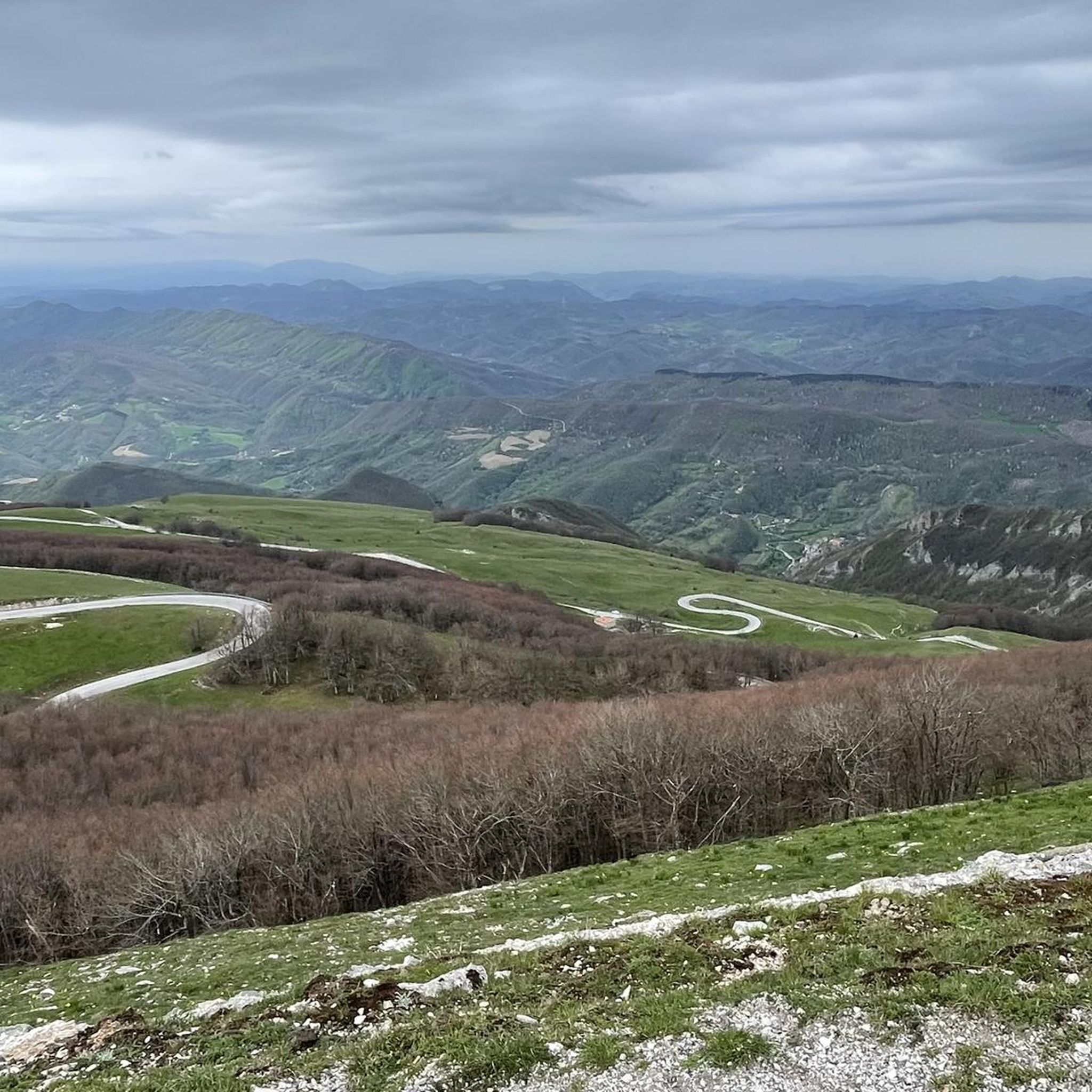
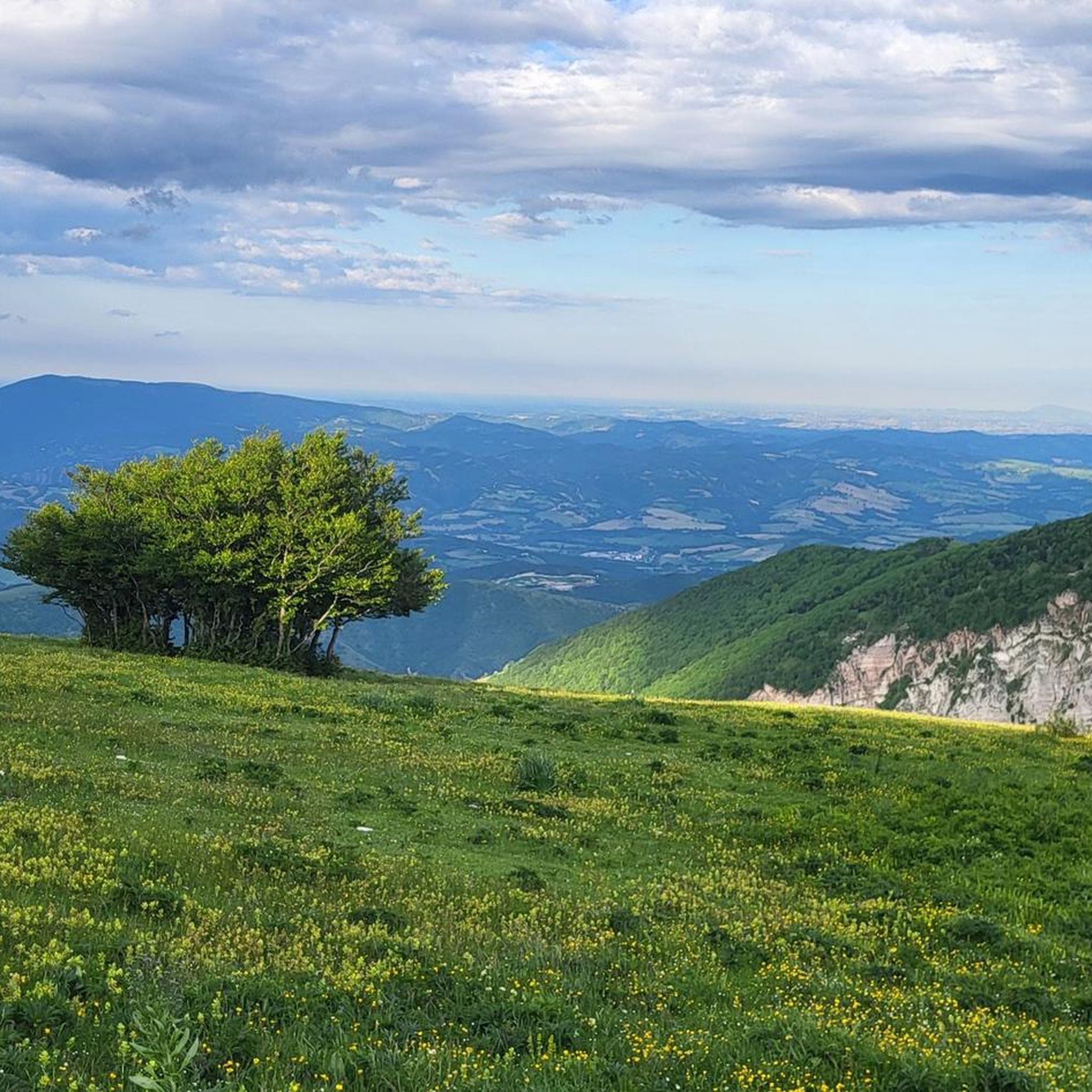
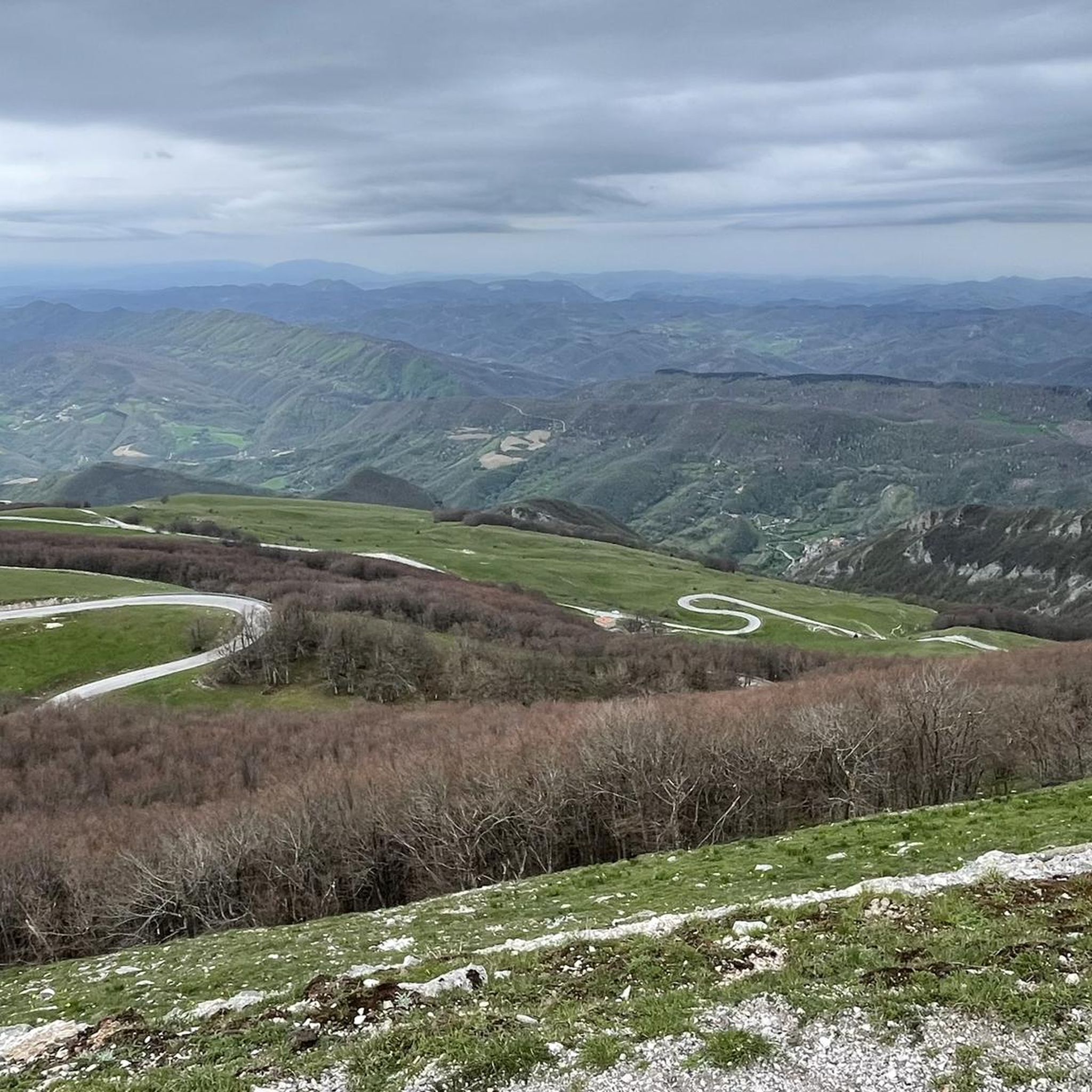
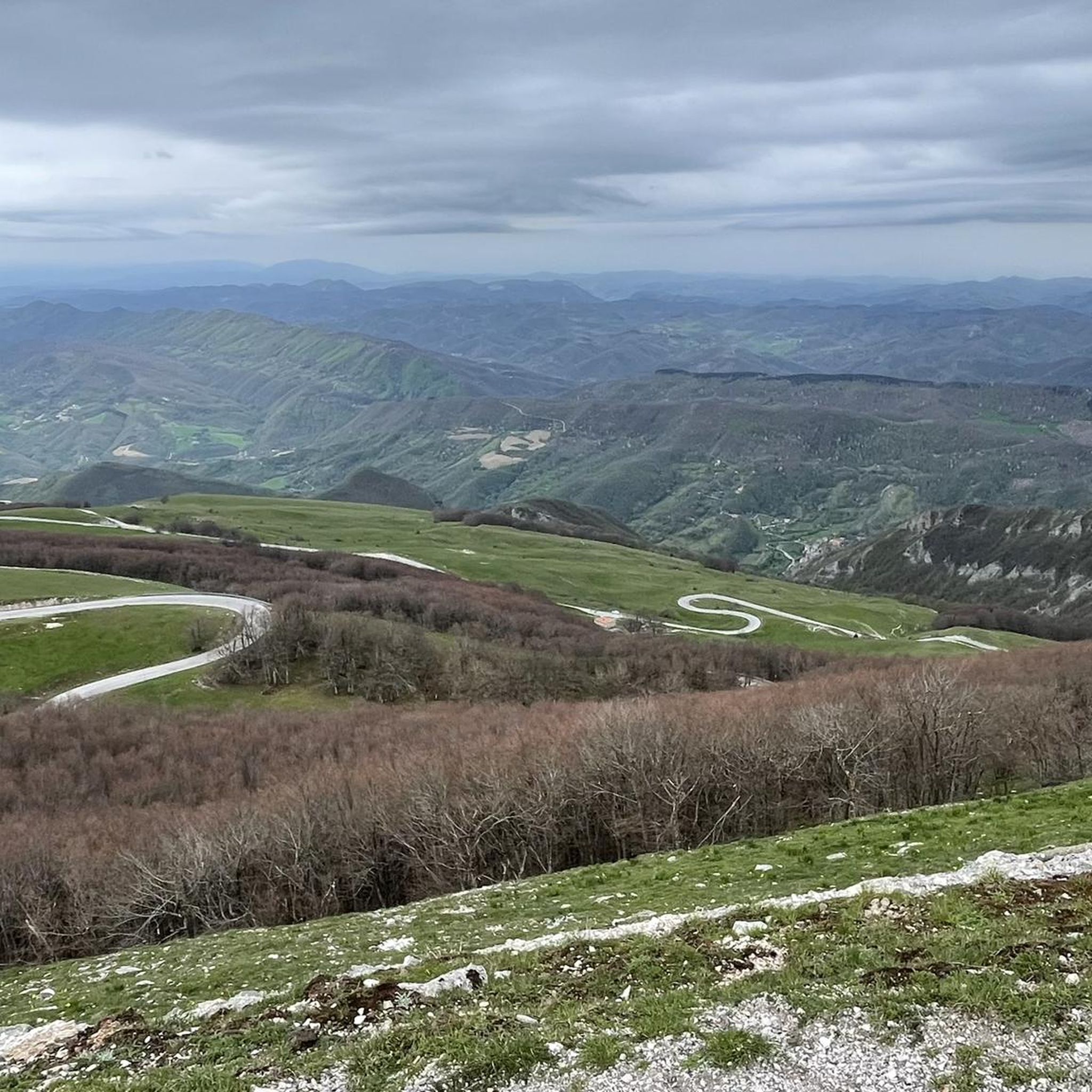
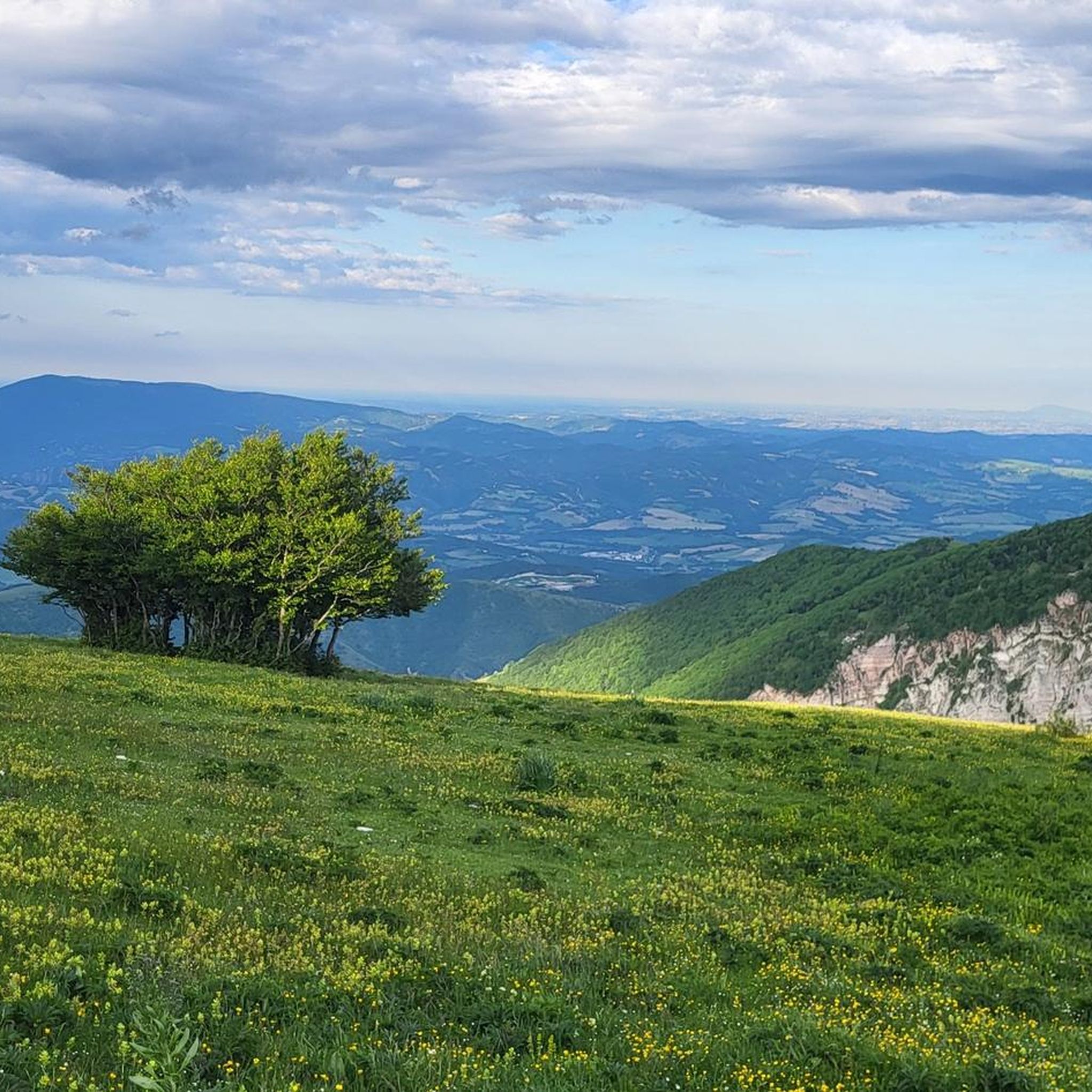
- Another must-see spot is Windy Pastures on Monte Nerone, a viewpoint offering panoramic views on the northern side of Monte Nerone. It provides extensive vistas of the surrounding landscape.
- Visitors also love Mulino di Secchiano Waterfall, a waterfall located near the Mulino area. The site offers a serene natural setting.
- Piobbico is known for natural arches, waterfalls, and mountain viewpoints. The area provides a variety of natural monuments to see and explore, including caves and gorges.
- The natural monuments around Piobbico are appreciated by the komoot community, with 37 upvotes and 43 photos shared across 12 highlights.
Last updated: August 21, 2026
Fondarca Arch
Highlight • Natural Monument
The entrance to path no. 20 is found at the entrance to the town on the right next to the picnic area along the fence of the bowling green.
The first section is all in the shade and flat, with glimpses of the surrounding peaks and then uphill in the last one.
Along the way you come across the ruins of an old house and the Grotta delle Nottole, and then the arch of Fondarca, a natural rock arch with high and steep walls which was the entrance to a cave which collapsed in ancient times.
Return to the same path
Translated by Google •
Tip by

Mondelacasa Castle (the Muracci)
Highlight • Castle
Translated by Google •
Tip by

Sign up now to discover places like this
Get recommendations on the best single tracks, peaks, & plenty of other exciting outdoor places.
Sign up for free
Monte Nerone
Highlight • Summit
Translated by Google •
Tip by

Windy Pastures on Monte Nerone
Highlight • Viewpoint
Translated by Google •
Tip by

Mulino di Secchiano Waterfall
Highlight • Waterfall
Showing Translation
Tip by

Sign up for free to discover even more natural monuments around Piobbico.
Sign up for free
Already have an account?
Start today with a free account
Your next adventure awaits.
Login or Signup

Tips from the Community

What can be said that hasn't already been said? It's beautiful to climb up, reach the summit and enjoy a 360-degree panoramic view, from the Adriatic to the Sibillini, Marche, Tuscany, Umbria and Emilia Romagna. It's beautiful to descend, the road is in good condition and doesn't require particular acrobatic "skills". Not to be missed
0
0

It is definitely worth a visit, you will also find a large space where you can stop.
1
0

The ruins of the Mondelacasa Castle (or Monte della Casa), called the Muracci, are located on the northern slopes of Mount Nerone, on the left bank of Val d'Abisso, at 707 m above sea level, about 1 km south of the historic center of Piobbico. (from COMUNE PIOBBICO 1999): Close to Mount Nerone stands a massive buttress whose base widens between the Biscubio torrent and the Petrello stream (Fosso di S. Maria) and carries the ruins of an ancient artifact on the summit. It was a castle, a primitive dwelling that the Brancaleoni, who arrived around the year 1000 in the Biscubio District, built and lived in until the mid-1300s. This is how our Costanzo Felici (1) describes it in a document from 1582:... climbing up to Monte Nerone a mile away on a rough and terrible hill and rock, there are vestiges of a superb, large and beautiful palace or fortress now in ruins, of which those (Brancaleoni) of Piobico were the owners. Built by Gentile Brancaleoni in the first half of the 13th century, it took the name of Mons Casa or Mondelacasa, today Muracci because of the ruins visible on the summit. Towards the middle of the 14th century, both because of the harshness of the place, difficult to reach when ... winter almost buried the tower under the snow, locked it under the grip of the ice, tormented it with the blizzard, confining it for months in isolation, and because of the need for other and more comfortable comforts, the two brothers Pazzo and Federico Brancaleoni decided to settle in the house that they had begun to build "in castro Plobici", on the hill to the right of the confluence of the Biscubio with the Candigliano, where there were already small houses piled up, that is, equipped with a watchtower with a Gothic arch portal to the north and a castle to the south-east. It is the place where the Brancaleoni Castle-Palazzo will develop and take shape over time. NOTE: (1) Costanzo Felici was born in the second decade of the 16th century in Casteldurante (now Urbania). However, he preferred to define himself as a native of Piobbico, where his ancestors had moved around 1330. He practiced medicine in Piobbico, Sant'Angelo in Vado, Pesaro, Rimini and Urbania. At the same time, he cultivated naturalistic and historical studies with notable results. He died in Pesaro on February 5, 1585. taken from: https://www.lavalledelmetauro.it/contenuti/beni-storici-artistici/scheda/11123.html
0
0


June 24, 2023: from the end of the pastures, the road leading down to the valley is closed. The views up there are breathtaking, but the trek is not trivial. There are various exposed points where I got scared. I saw that the path that would have led down to the valley was also a narrow road with a precipice on the left. It's not for everyone, go on if you're self-confident of your abilities. I underestimated him and in the end I found myself crawling back in places. But I'm quite scared of heights so if you're more adventurous than me go!
0
0

Mountain of the Umbria-Marche Apennines of 1525m in height. The origin of the name has two hypotheses, the first, more suggestive, is the one that wants the origin of the name linked to the Roman consul Claudius Nero who would have gathered his legions here before the famous Battle of Metauro (year 207 BC) in which defeated the Carthaginians. A more likely hypothesis links the name of this mountain to the discovery of a statuette of the god Mars, which occurred during the construction works of the RAI broadcasting center on the summit.
1
0

Coming from Cagli towards Secchiano in the Mulino area, there is this beautiful waterfall to see. After the bridge after the restaurant on the left "never on Mondays", take the paved road on the right that goes down near a house. At a sharp bend there are cai signs indicating “cagli”, follow the path; shortly after there are two steep and poorly maintained descents on the right that lead to the waterfall, I advise you to continue up to a gate that must remain closed after your passage. After the gate, go right following the sound of the water that will take you to the waterfall.
0
0

Another fantastic panorama, in spring autumn with green grass and perennial wind even better, be careful from the end of the pastures you descend into the valley, very difficult, heavy and very long slope.
0
0
Frequently Asked Questions
What are some of the most impressive natural monuments to visit around Piobbico?
Among the most impressive natural monuments, you should definitely explore the Fondarca Arch, a stunning natural rock arch with high, steep walls. Another highlight is the Windy Pastures on Monte Nerone, which offers breathtaking panoramic views. Don't miss the serene Mulino di Secchiano Waterfall for a tranquil natural setting.
Are there any natural arches or caves to explore near Piobbico?
Yes, the area is rich in such formations. The most prominent is the Fondarca Arch, which was once the entrance to a large cave that collapsed. Along the path to Fondarca Arch, you can also find the Grotta delle Nottole (Cave of the Bats), adding to the natural intrigue.
What kind of geological features can I expect to see around Piobbico?
Piobbico, nestled in the Umbrian-Marche Apennines, is characterized by diverse geological formations. You'll encounter dramatic gorges, canyons, and valleys carved into limestone, especially around Monte Nerone. Natural rock arches, caves, and picturesque waterfalls are also common features, showcasing the region's rich natural beauty.
Are there family-friendly natural attractions in the area?
Yes, the region offers options suitable for families. The Via Flaminia along the Burano River is a family-friendly highlight, offering a scenic route through a gorge with historical context. Its relatively low traffic makes it pleasant for walks or gentle cycling.
What hiking opportunities are available near Piobbico's natural monuments?
The area around Piobbico is excellent for hiking. You can find various trails, including challenging routes like the 'Muracci Loop via Monte Nerone' or more moderate options such as the 'Monte Montiego Loop Trail'. For a comprehensive list of routes, explore the Hiking around Piobbico guide.
Can I go cycling or gravel biking near these natural monuments?
Absolutely. The region provides numerous routes for both cycling and gravel biking. For gravel biking, consider routes like the 'Monte Montiego Loop' or the 'Cows on the Monte Catria ascent'. Cyclists can explore routes such as the 'Monte Nerone Summit Road Sign loop'. Detailed options are available in the Gravel biking around Piobbico and Cycling around Piobbico guides.
What is the best time of year to visit the natural monuments around Piobbico?
The spring and autumn seasons are particularly recommended. During these times, the landscape is vibrant with green grass, and the weather is generally pleasant for outdoor activities. While the views from places like the Windy Pastures on Monte Nerone are breathtaking year-round, the perennial wind can be more intense in other seasons.
Are there any historical sites combined with natural beauty?
Yes, the area beautifully blends natural and historical elements. The Mondelacasa Castle (the Muracci) offers ruins of an ancient castle in a panoramic position on Monte Nerone, providing both historical context and stunning views. Additionally, the Molinaccio Waterfall features ruins of an old mill, adding a historical layer to the natural setting.
How can I access the Fondarca Arch and what should I expect on the trail?
To reach the Fondarca Arch, you can drive to the small village of Pieia and park there. The entrance to path no. 20 is at the village entrance. The first section of the trail is shaded and flat, offering glimpses of surrounding peaks, followed by an uphill climb. Along the way, you'll pass the ruins of an old house and the Grotta delle Nottole (Cave of the Bats).
What makes Monte Nerone a significant natural monument?
Monte Nerone, one of the highest peaks in the Umbro-Marchigiano Apennines, is a significant natural monument due to its dramatic geological features. Its steep slopes are carved by numerous valleys, gorges, and spectacular canyons, all formed in limestone. This creates a rugged and diverse landscape, offering breathtaking views and extensive opportunities for exploration.
What do visitors enjoy most about the natural monuments around Piobbico?
Visitors frequently praise the unique geological formations, such as the natural rock arches and deep gorges. The panoramic views from elevated points like the Windy Pastures on Monte Nerone are highly appreciated. Many also enjoy the serene atmosphere of waterfalls and the blend of natural beauty with historical ruins found throughout the region.
Most popular routes around Piobbico
Most popular attractions around Piobbico

Get inspired with the komoot mobile app


Explore more
Extend your search for the best caves by checking out these guides of the top ones around Piobbico:
