Top 20 Natural Monuments around Zola Predosa
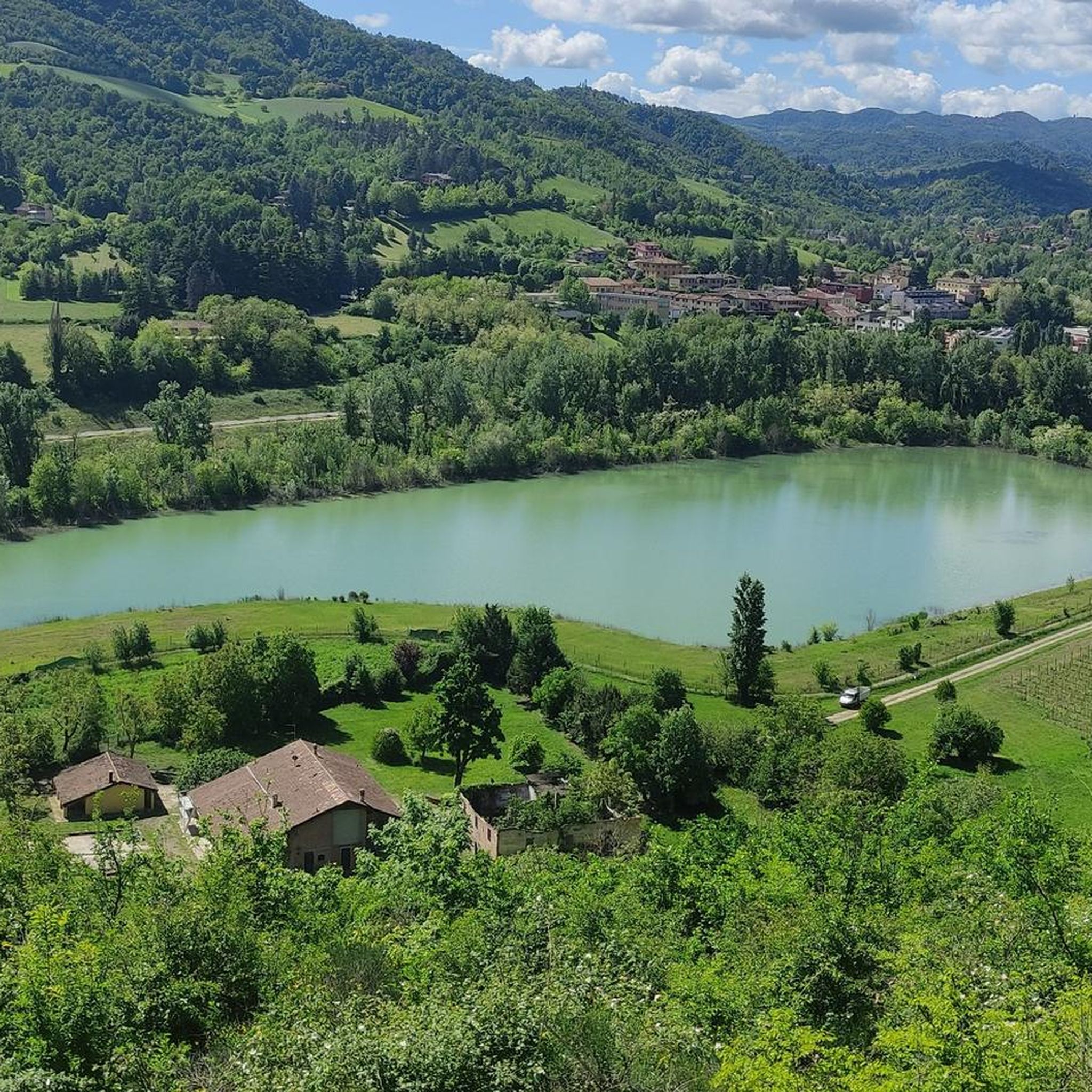
Best natural monuments around Zola Predosa are characterized by unique gypsum karst formations and diverse natural landscapes. This area, part of the larger Parco Regionale dei Gessi Bolognesi e Calanchi dell'Abbadessa, is recognized as a UNESCO World Heritage site. Visitors can explore geological wonders, extensive flora, and varied fauna across its hills and parks. The region offers a range of outdoor experiences, from geological exploration to nature walks.
Best natural monuments around Zola Predosa
- The most popular natural monuments is…
Last updated: July 11, 2026
Parco della Chiusa (Talon Park)
Highlight • Forest
Translated by Google •
Tip by

Sabbiuno Memorial to Fallen Partisans
Highlight • Monument
Translated by Google •
Tip by

Sign up now to discover places like this
Get recommendations on the best single tracks, peaks, & plenty of other exciting outdoor places.
Sign up for free
Calanchi of Monte Maggiore
Highlight • Natural Monument
Translated by Google •
Tip by

Cucherla Hill
Highlight • Summit
Translated by Google •
Tip by

Forte Bandiera Park
Highlight • Forest
Translated by Google •
Tip by

Sign up for free to discover even more natural monuments around Zola Predosa.
Sign up for free
Already have an account?
Start today with a free account
Your next adventure awaits.
Login or Signup

Tips from the Community

Memorial of the massacre by German troops in reprisal during World War II. Several partisans and civilians were shot and left to fall into the gullies below, where a large white cross now stands.
0
0

It is one of the most important places of remembrance of anti-fascism in Bologna. Here, in December 1944, groups of partisans were led by the Nazi-Fascists on several occasions and then shot. Their bodies were found, after the war, in the ravine below. Almost thirty years later, thanks to the economic effort of the Municipalities that created the “Committee to Honor the Fallen of Sabbiuno” and with the mostly voluntary and free work of designers and workers, what is considered one of the most evocative monuments to the Resistance was created. The path from the farmhouse to the site of the massacre is marked by fifty-three boulders with the names of the recognized victims engraved on them. The fifty-fourth was placed to remember all the other fallen up to the symbolic number of one hundred, as their real number could not be ascertained. The curved concrete wall represents the deployment of the soldiers and the red barbed wire the falling of the bodies to the valley where a white cross is placed. The project is by the Gruppo Architetti Città Nuova, and the inauguration took place on 2 June 1973.
1
0

Badlands on the Cucherla Hill
0
0

The "beaten" areas near the entrance and on the asphalt path are also relatively well-kept. The rest is prey to total neglect, paths dug by water and invaded by vegetation for a good part of the year.
0
0

beautiful park between Bologna and Casalecchio di Reno
0
0

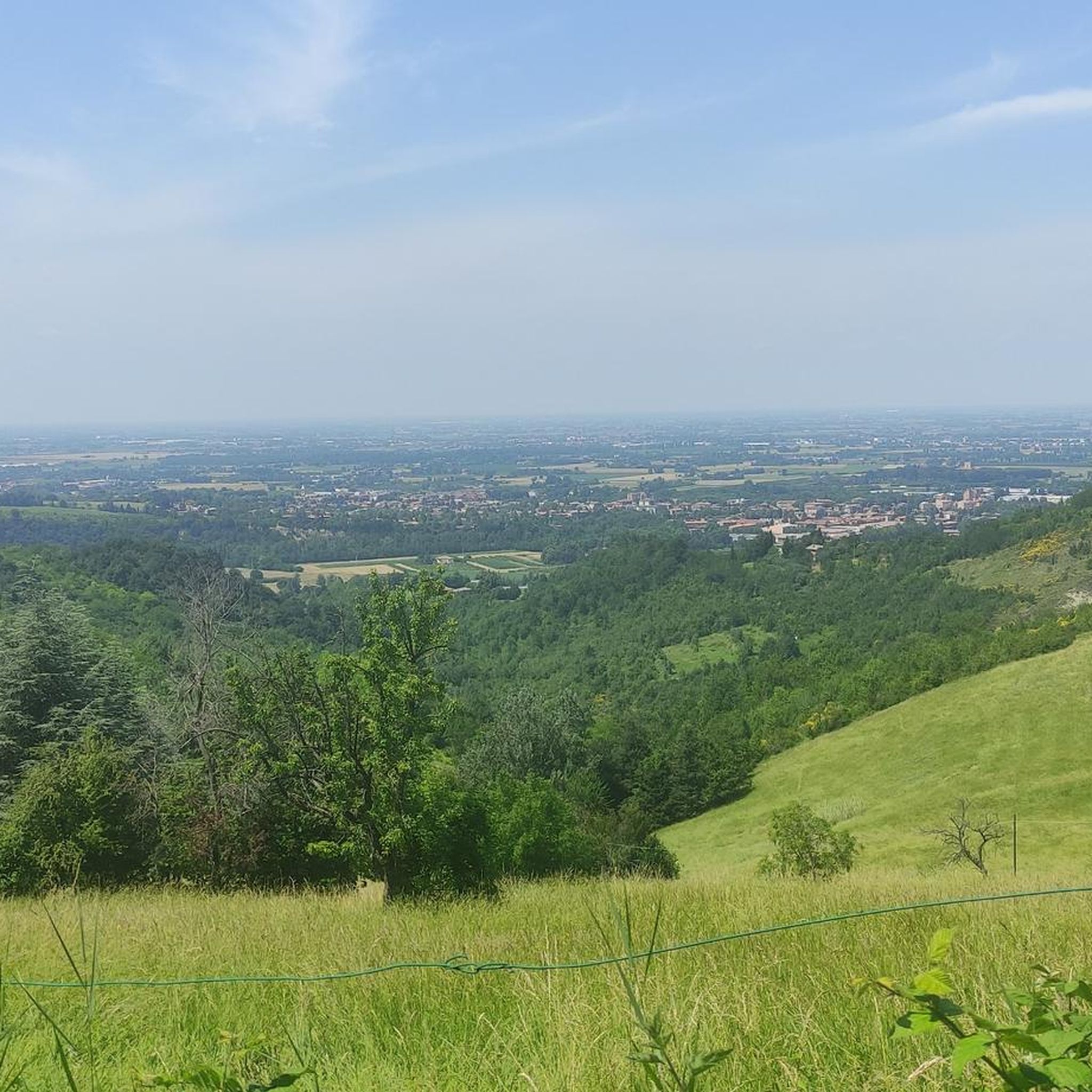
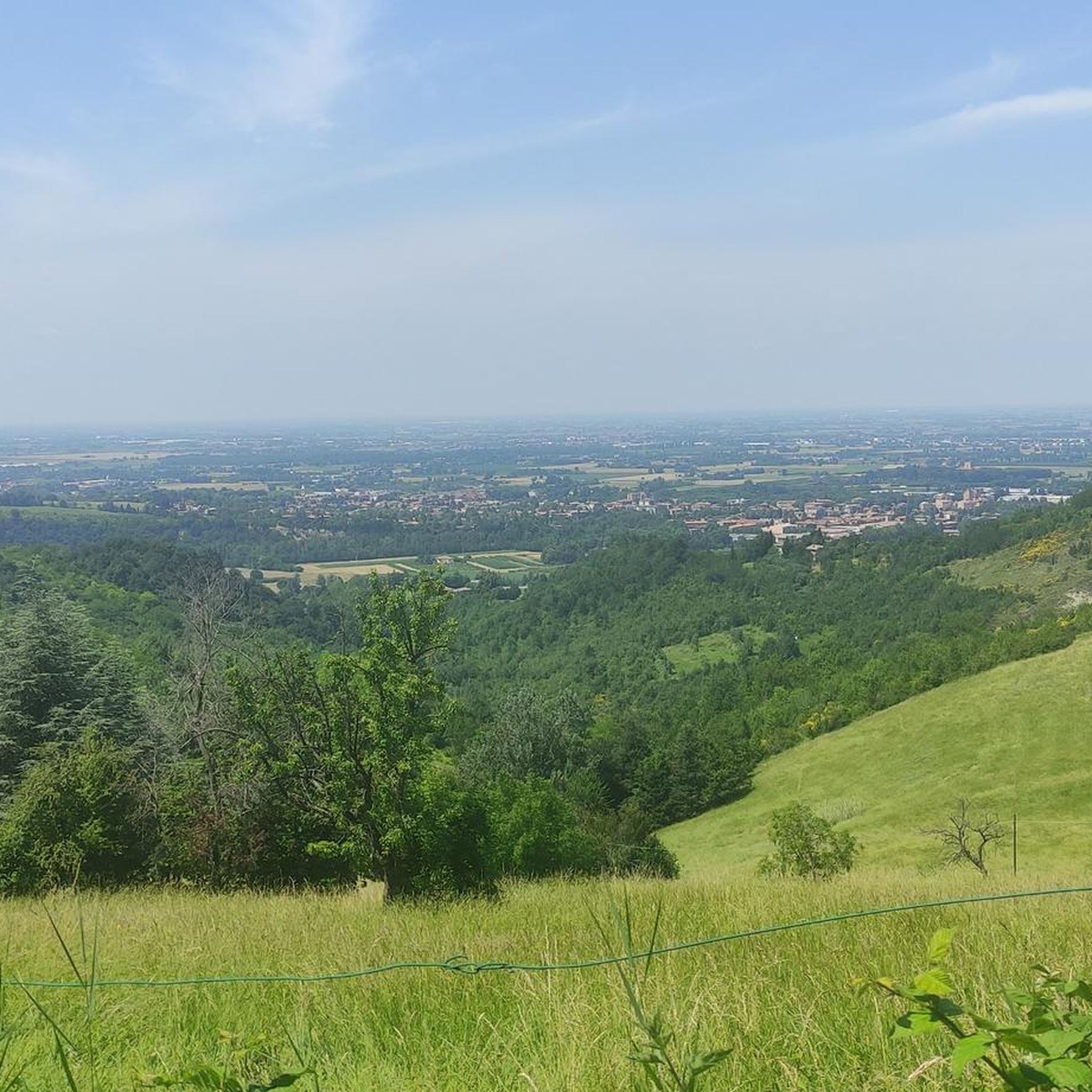
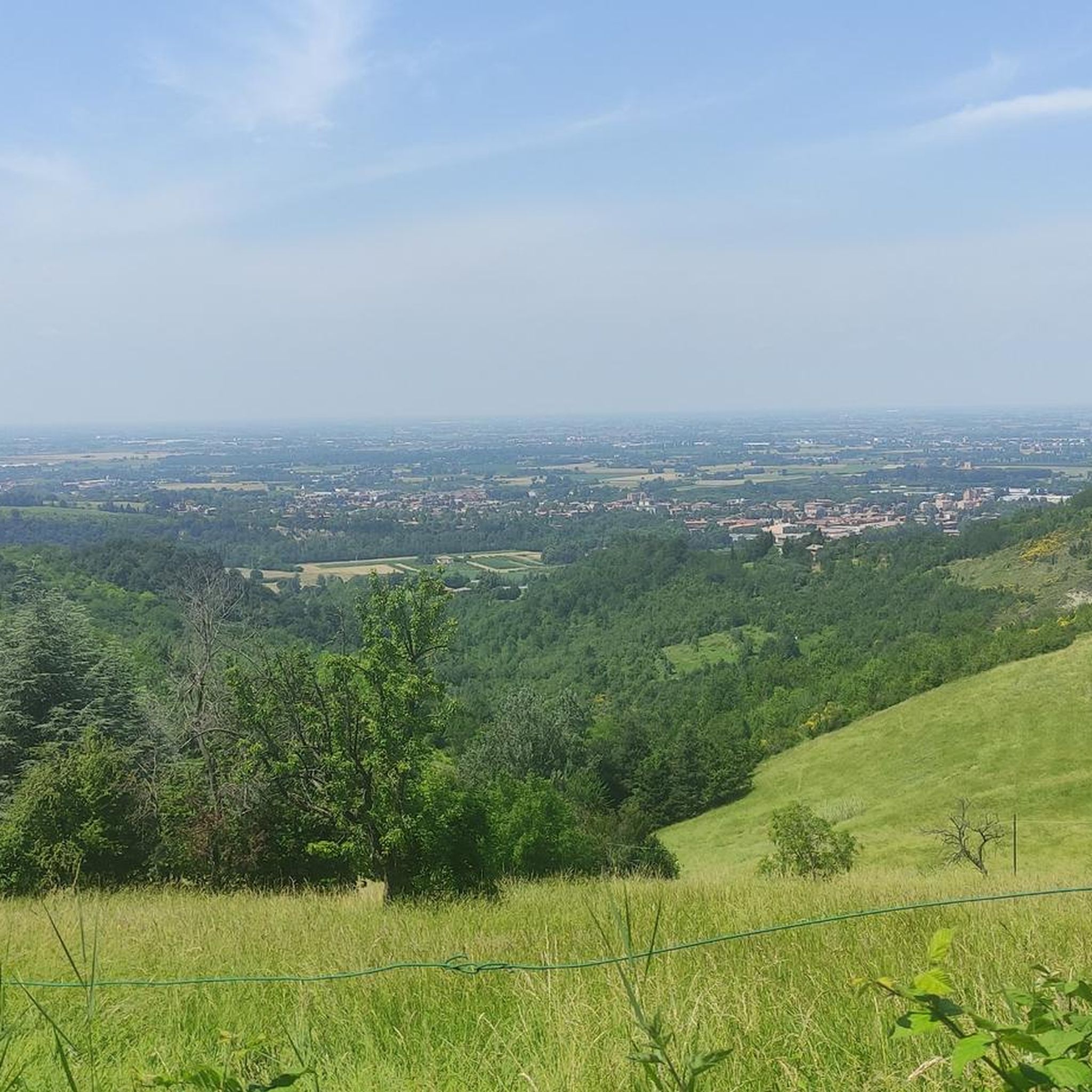
They are the Calanchi di Montemaggiore, a trap from which it is really hard to escape when wet, but otherwise a passage of unparalleled charm, for the calanchi themselves and thanks to the vast inclined plane of the vineyards lying down to the east of the passage, an epiphany! As a dirt road it also represents a very valid connection between the area of San Lorenzo in Collina, San Martino, Pradalbino and the Samoggia Valley between Stiore and Savigno, thanks to the path that, among the vineyards of the Botti winery, descends into that valley from the Church of Montemaggiore.
1
0

Also known to the Casalecchiesi as Parco Talon, it consists of what remains of the possessions of the marquises Sampieri Talon, who from the 17th century built villas (Villa Sampieri Talon) and a park on the land they owned; the current structure of the park suggests the original design: a large garden extended around the two villas, built according to the canons of the French school of Le Notre, then a small Italian garden, finally a vast English park which it opened up suggestive views of the river and the surrounding fields and vineyards. The picture was completed by a pond, statues, kiosks, and exotic settings, according to the tastes of the time. Behind the villas, on the steep slope of the hill, extends the forest, a hunting and timber reserve. The park has seen moments of great social splendor, particularly in the 18th century, and has hosted parties and famous people. Since 1975 the park has been municipal property and has been open to the public, and even if time and history have had a heavy impact, it is still possible to imagine the ancient noble glories. It currently constitutes an invaluable public heritage, a destination for hundreds of citizens every day, with historical and naturalistic evidence of great value. The park is crossed by the Sentiero dei Bregoli.
2
0

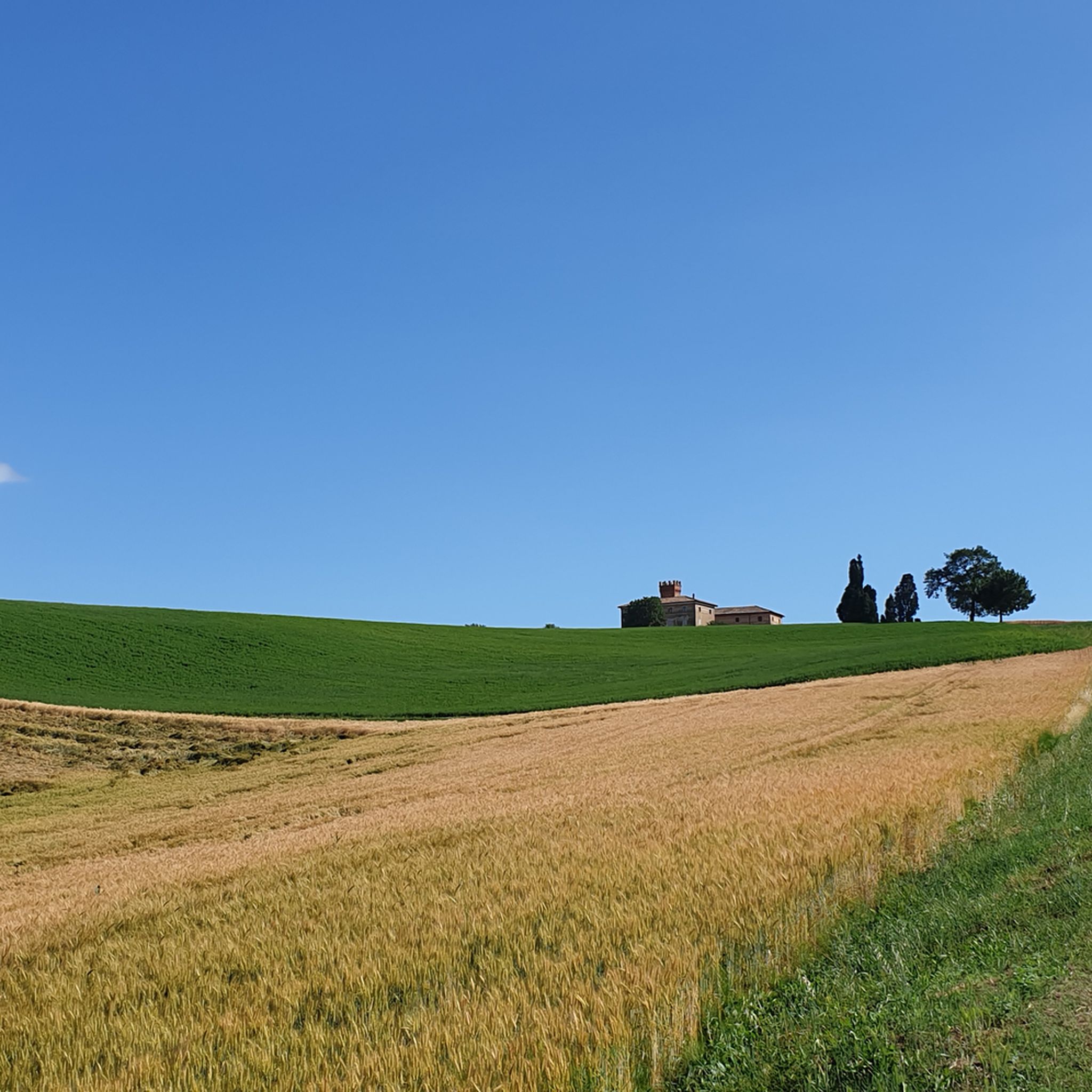
Forte Bandiera Park is a wonderful place surrounded by hilly nature. Here you could admire a landscape characterized by wide meadows interspersed with rows of fruit trees, hedges and wooded areas, offering splendid panoramic views of Bologna, Rastignano, the Savena valley and the surrounding hills up to the Reno. The park extends around the hills of Jola and Bandiera, each with its own history and charm. The name Bandiera recalls a family that, in the 18th century, owned several lands in the area, including the suggestive Casino Bandiera, located at the top of the hill and surrounded by a row of majestic cypresses. The area owes its name to a fortress built in 1860, now disappeared, which was part of a strategic defense line for the city, extending between the Reno and Savena rivers.
3
1
Frequently Asked Questions
What unique geological features can I explore around Zola Predosa?
Zola Predosa is renowned for its distinctive gypsum karst formations. The most prominent are the Gypsum caves of Zola Predosa (Gessi di Zola Predosa), which are part of the UNESCO World Heritage site, Parco Regionale dei Gessi Bolognesi e Calanchi dell'Abbadessa. You can explore areas like the Monte Rocca and Monte Capra Gypsum Quarries Loop, featuring intricate karst formations and extensive caves such as the Michele Gortani Grotto. Another notable site is the Calanchi of Monte Maggiore, an extensive gully basin with varied colors and deformation structures.
Are there family-friendly natural monuments or parks in Zola Predosa?
Yes, several natural areas are suitable for families. Parco della Chiusa (Talon Park) is a popular choice, offering a vast English park with historical villas, suitable for walks and bike rides on its asphalted main street. Forte Bandiera Park also provides wide meadows, fruit trees, and wooded areas with splendid panoramic views, making it ideal for family outings. Additionally, Parco Respighi in Zola Predosa offers a playground and picnic sites.
What kind of wildlife can I expect to see in the natural monuments near Zola Predosa?
The natural monuments and parks around Zola Predosa offer diverse ecosystems. In the broader Monte Sole Historical Park, you can find rich fauna including deer, roe deer, wild boar, and various bird species. The gypsum areas also support specific flora and fauna adapted to their unique conditions. Keep an eye out for diverse flora, including various protected orchid species, especially in spring and early summer, on hills like Cucherla Hill.
What are the best hiking opportunities near Zola Predosa's natural monuments?
There are excellent hiking opportunities. The Monte Rocca and Gypsum Quarries Loop is a popular moderate trail, offering exploration of gypsum caves and karst formations. For more challenging routes, consider the Bologna Hills Trail (CAI Route 102). You can find more details and routes in the Hiking around Zola Predosa guide.
Can I visit natural monuments in Zola Predosa during winter?
While most natural monuments are accessible year-round, winter conditions can affect trail difficulty, especially in areas with gypsum formations or steep terrain. Always check local weather forecasts and trail conditions before heading out. Some paths might become muddy or slippery. For specific parks like the Parco Regionale dei Gessi Bolognesi, it's advisable to wear appropriate footwear and clothing for potentially wet or cold conditions.
Are there any historical sites within or near the natural monuments?
Yes, several natural monuments have historical significance. Parco della Chiusa (Talon Park) features historical villas and remnants of its 17th-century design. Forte Bandiera Park is named after a 19th-century fortification. The Monte Sole Historical Park, while primarily natural, is deeply significant as the site of a World War II massacre and includes thematic routes like the 'Memoriale' route and an Etruscan route through the archaeological site of Marzabotto. The Sabbiuno Memorial to Fallen Partisans is also a poignant historical site.
What is the best time of year to visit the natural monuments in Zola Predosa?
Spring and autumn are generally the best seasons to visit. In spring, the flora is vibrant, with various orchid species blooming, and the temperatures are pleasant for outdoor activities. Autumn offers beautiful colors, especially in wooded areas and vineyards, and comfortable hiking weather. Summer can be warm, but early mornings or late afternoons are still enjoyable. Winter offers a different, often quieter, experience, but some trails might be muddy or slippery.
Are dogs allowed in the natural parks and monuments?
Many natural parks and monuments in the region are dog-friendly, but rules can vary. Generally, dogs are welcome on trails and in open spaces, often requiring them to be on a leash. For specific areas like the Parco Regionale dei Gessi Bolognesi or Monte Sole Historical Park, it's always best to check their official guidelines regarding pets to ensure a smooth visit.
Are there options for cycling or running near the natural monuments?
Absolutely. The region offers various routes for cycling and running. For running, you can explore routes like the Lavino Bridge loop or the Bosco di salici loop. Road cyclists have options such as the Rocchetta Mattei – Lake Brasimone loop or the Serravalle Castle loop. You can find detailed routes and guides for these activities in the Running Trails around Zola Predosa guide and the Road Cycling Routes around Zola Predosa guide.
What do visitors enjoy most about the natural monuments around Zola Predosa?
Visitors frequently appreciate the unique geological landscapes, particularly the gypsum karst formations and gully basins, which offer 'suggestive views' and a sense of wonder. The blend of natural beauty with historical significance, such as in Monte Sole Historical Park or Parco della Chiusa, is also highly valued. Many enjoy the well-maintained trails for hiking and cycling, and the opportunity to connect with nature and history simultaneously. The panoramic viewpoints, like those from Monte Capra or Cucherla Hill, are also a highlight.
Are there any easy walking trails suitable for beginners or those seeking a relaxed stroll?
Yes, there are options for easier walks. Parco della Chiusa (Talon Park) has an asphalted main street that is suitable for all types of bikes and easy walking. The Cucherla Hill offers a short, circular path that combines traditional hill landscapes with historical interest, making it a pleasant and accessible option. Parco Respighi in Zola Predosa is also a local park ideal for relaxed walks.
What should I wear when visiting the natural monuments?
Given the varied terrain, including gypsum formations, hills, and trails, it's recommended to wear comfortable, sturdy walking shoes or hiking boots. Layers of clothing are advisable, as temperatures can change, especially when exploring caves or at higher viewpoints. Sun protection (hat, sunscreen) is important during warmer months, and rain gear is wise to carry, particularly in spring and autumn.
Are there cafes or amenities near the natural monuments in Zola Predosa?
While the natural monuments themselves are often in more secluded areas, you can find amenities in nearby towns and villages. Zola Predosa centro offers cafes, pubs, and accommodation. For specific parks like the Parco Regionale dei Gessi Bolognesi, it's a good idea to bring water and snacks, but you'll find facilities in the surrounding communities. Some highlights, like Cucherla Hill, even have picnic tables at the summit.
Most popular routes around Zola Predosa
Most popular attractions around Zola Predosa

Get inspired with the komoot mobile app


Explore more
Extend your search for the best caves by checking out these guides of the top ones around Zola Predosa:
