Top 4 Natural Monuments around Sàrdara/Sardara
Best natural monuments around Sàrdara/Sardara are primarily found in the surrounding region, which is characterized by ancient geological formations and significant archaeological sites. The area features basaltic plateaus formed by ancient lava flows, such as the Giara di Siddi, which presents a unique inverted 'T' shape with high, steep walls. This landscape preserves both natural geological features and pre-Nuragic and Nuragic legacies, offering insights into Sardinia's ancient environment and cultures.
Best natural monuments around Sàrdara/Sardara
- The most popular natural monuments…
Last updated: June 28, 2026
Tomb of the Giants Sa Domu e S'Orku
Highlight • Historical Site
Translated by Google •
Tip by

Giara di Siddi
Highlight (Segment) • Natural Monument
Translated by Google •
Tip by

Sign up now to discover places like this
Get recommendations on the best single tracks, peaks, & plenty of other exciting outdoor places.
Sign up for free
Giants' Tomb of Su Cuaddu 'e Nixias
Highlight • Historical Site
Translated by Google •
Tip by

Natural Monument "Fossil Schist of Valmadrera 2012" by Pinuccio Sciola
Highlight • Natural Monument
Translated by Google •
Tip by
Sa Tanca Manna
Highlight • Historical Site
Translated by Google •
Tip by

Start today with a free account
Your next adventure awaits.
Login or Signup

Tips from the Community

Sa Dome and s'Orku, one of the best preserved giants' tombs on the island
0
0

Tamba dei Giganti really beautiful and impressive, a pity that part of the arch on the sides of the entrance is missing
0
0
Not complete, but the main stone is very beautiful
1
0

There are about 800 Giants' Tombs in Sardinia. The one inside the archaeological site of the Giara di Siddi is one of the best preserved Nuragic funerary monuments.
1
0
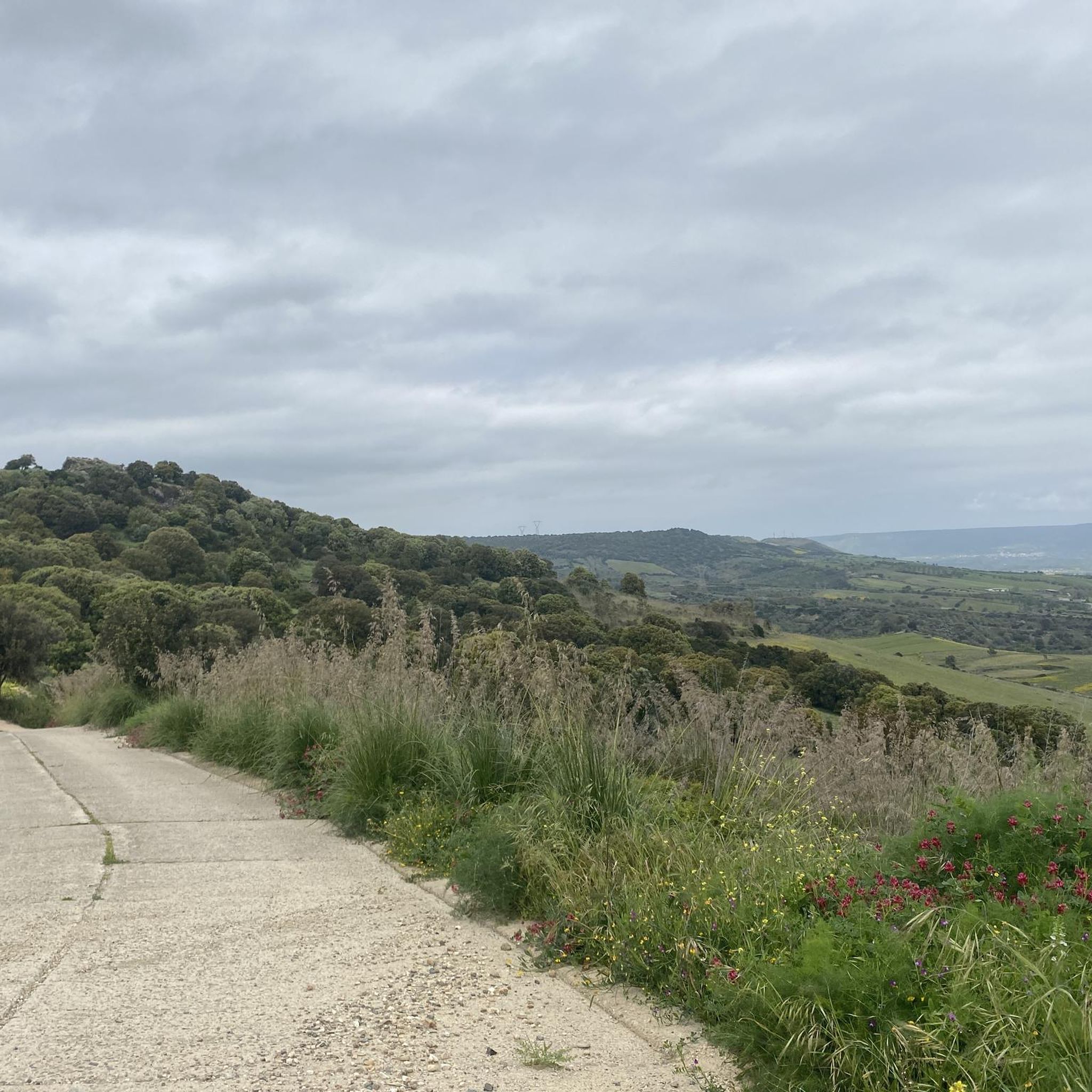
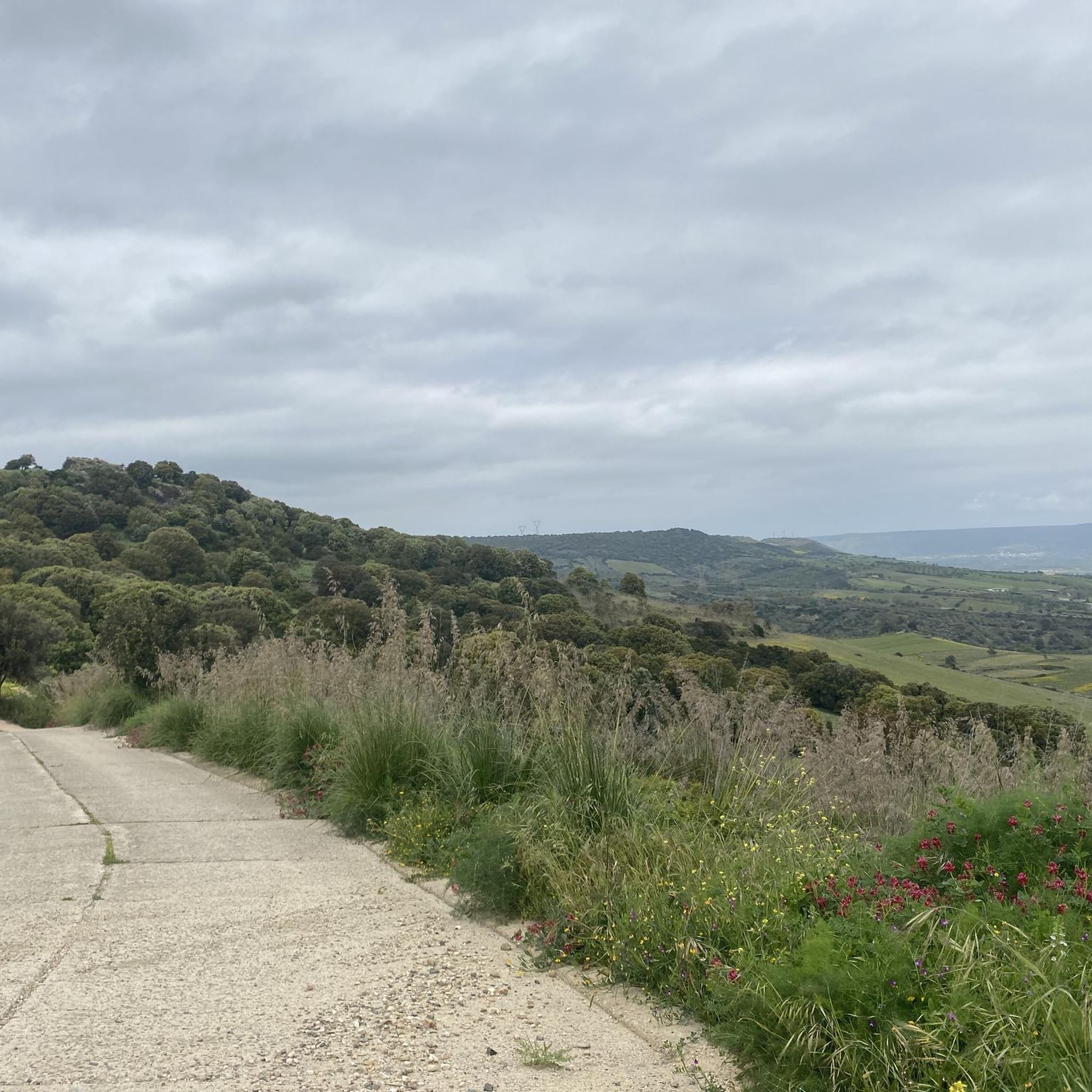
Inside the Monte Arci Park, in the Tanca Manna jar, the Nuraghe Inus is located, surrounded by a dense forest of holm oaks, downy oaks, cork oaks and Mediterranean scrub. There is a picnic area and lookout point with views of the valley below.
0
0

It represents the oldest tomb of the giants in Sardinia, dating back to the centuries 1700-1600 BC. The hole on the upper part of the stele is particular, according to popular legend it was used to tie up horses.
1
0

It represents the oldest tomb of the giants in Sardinia, dating back to the centuries 1700-1600 BC. The hole on the upper part of the stele is particular, according to popular legend it was used to tie up horses.
1
0

Municipal park with bar (closed when I pass) and with sculpture by the famous Sardinian sculptor Pinuccio Sciola, who unfortunately passed away.
1
0
Frequently Asked Questions
What are the most significant natural monuments to visit near Sàrdara/Sardara?
The most significant natural monument in the immediate vicinity is the Giara di Siddi. This basaltic plateau is known for its unique geological formation and rich pre-Nuragic and Nuragic legacies, including the Tomb of the Giants Sa Domu e S'Orku, one of the best-preserved Nuragic funerary monuments in Sardinia.
Are there any natural monuments that also offer historical insights?
Yes, many natural monuments in the region combine natural beauty with significant historical value. The Giara di Siddi is a prime example, featuring ancient geological formations alongside well-preserved archaeological remains like the Tomb of the Giants Sa Domu e S'Orku and a protonuraghe. Another notable site is the Giants' Tomb of Su Cuaddu 'e Nixias, which is the oldest tomb of its kind in Sardinia, dating back to 1700-1600 BC.
What kind of unique natural features can I expect to see?
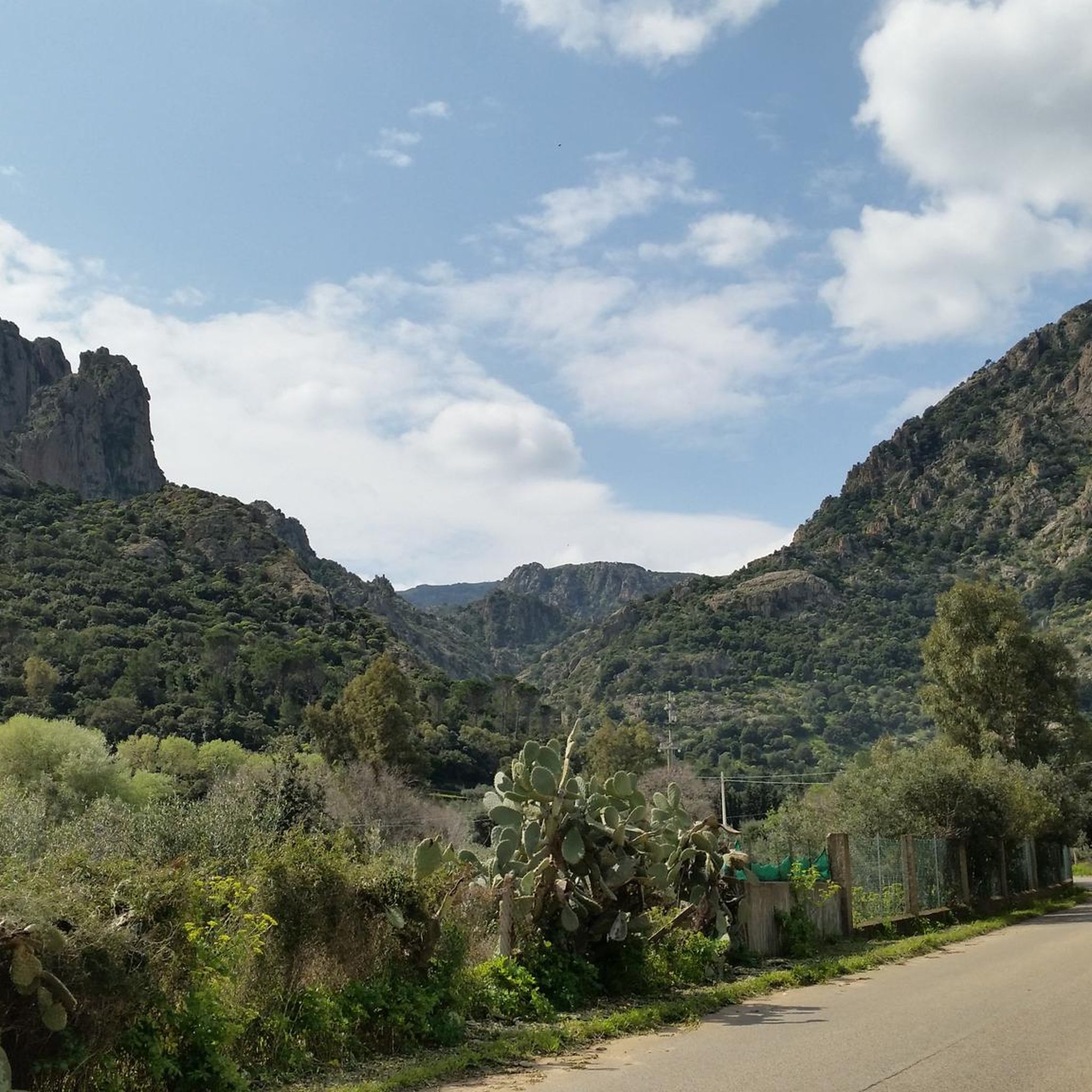
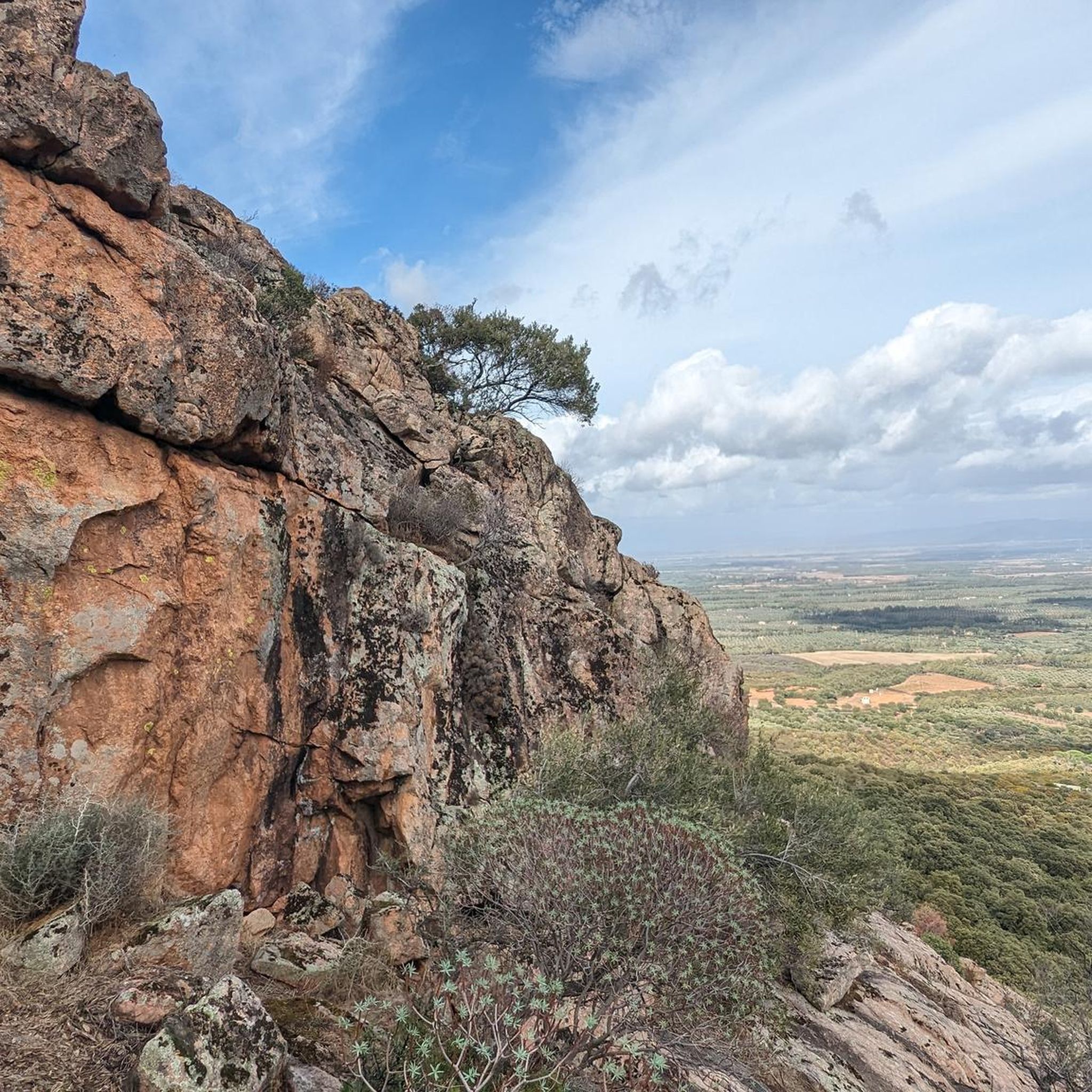
You can expect to see distinctive basaltic plateaus, such as the Giara di Siddi, which has a peculiar inverted 'T' shape with high, steep walls and reddish spots on its southern side. These formations are the result of ancient lava flows that solidified and were later exposed by erosion, offering a glimpse into Sardinia's ancient geological past.
Are there family-friendly natural monuments around Sàrdara/Sardara?
Yes, the Natural Monument "Fossil Schist of Valmadrera 2012" by Pinuccio Sciola is considered family-friendly. It is located within a municipal park and features a sculpture by the renowned Sardinian artist Pinuccio Sciola, offering a blend of nature and art in an accessible setting.
What outdoor activities can I do near these natural monuments?
The region around Sàrdara/Sardara offers various outdoor activities. You can explore MTB trails, including a moderate 40 km loop around the Giara di Siddi. There are also numerous road cycling routes and general cycling tours that allow you to discover the diverse landscapes and historical sites.
Are there hiking trails near the natural monuments?
While specific hiking trails directly within the natural monuments are not detailed, the area's terrain, particularly around the Giara di Siddi, is suitable for exploration on foot. For more structured routes, you can find various MTB trails that can also be enjoyed for walking or hiking, offering different difficulty levels.
What is the best time of year to visit the natural monuments around Sàrdara/Sardara?
The best time to visit is generally during the spring (April-May) and autumn (September-October) when the weather is mild and pleasant for outdoor activities. Summers can be very hot, and some areas might be less accessible due to heat. Winter offers cooler temperatures but can also bring more unpredictable weather.
What do visitors appreciate most about the natural monuments in this region?
Visitors highly appreciate the unique combination of natural geological formations and the rich archaeological heritage. Sites like the Tomb of the Giants Sa Domu e S'Orku are noted for being among the best-preserved Nuragic funerary monuments, offering a profound sense of history within a natural setting. The overall appeal lies in experiencing ancient landscapes and cultures simultaneously.
Is there a natural monument with a good viewpoint or picnic area?
Yes, Sa Tanca Manna, located within the Monte Arci Park, offers both. It features the Nuraghe Inus surrounded by a dense forest and provides a dedicated picnic area along with a lookout point offering views of the valley below.
How accessible are the natural monuments, and is parking available?
Access to natural monuments like the Tomb of the Giants Sa Domu e S'Orku within the Giara di Siddi is generally independent and free of charge, though guided tours may be available. While specific parking details for each site are not provided, it is advisable to check local information or visitor centers for the most convenient parking options, especially for remote locations like the Giara di Siddi.
Are there any natural monuments that are also known for their forests or green spaces?
Yes, Sa Tanca Manna is situated within the Monte Arci Park and is characterized by a dense forest of holm oaks, downy oaks, and cork oaks, alongside Mediterranean scrub. It offers a lush green environment for visitors to enjoy.
Most popular routes around Sàrdara/Sardara
Most popular attractions around Sàrdara/Sardara

Get inspired with the komoot mobile app


Explore more
Extend your search for the best caves by checking out these guides of the top ones around Sàrdara/Sardara:
