Top 19 Natural Monuments around Carbònia/Carbonia
Natural monuments around Carbònia/Carbonia showcase the diverse geological features and coastal beauty of the Sulcis Iglesiente region in Sardinia. The area is characterized by striking sea stacks, ancient cave systems, and varied coastal landscapes. Visitors can explore a blend of natural scenery and historical mining remnants. This region offers opportunities to experience its unique natural heritage.
Best natural monuments around Carbònia/Carbonia
- The most popular natural monuments is Nebida Belvedere Walk, a trail that offers a lot in its constant…
Last updated: June 28, 2026
Nebida Belvedere Walk
Highlight (Segment) • Trail
Translated by Google •
Tip by

Masua beach and view of Pan di Zucchero
Highlight • Beach
Translated by Google •
Tip by

Sign up now to discover places like this
Get recommendations on the best single tracks, peaks, & plenty of other exciting outdoor places.
Sign up for free
San Giovanni Cave
Highlight • Cave
Translated by Google •
Tip by

Portu Ferru
Highlight • Beach
Translated by Google •
Tip by
Cape Altano
Highlight • Viewpoint
Translated by Google •
Tip by
Sign up for free to discover even more natural monuments around Carbònia/Carbonia.
Sign up for free
Already have an account?
Start today with a free account
Your next adventure awaits.
Login or Signup
Popular around Carbònia/Carbonia
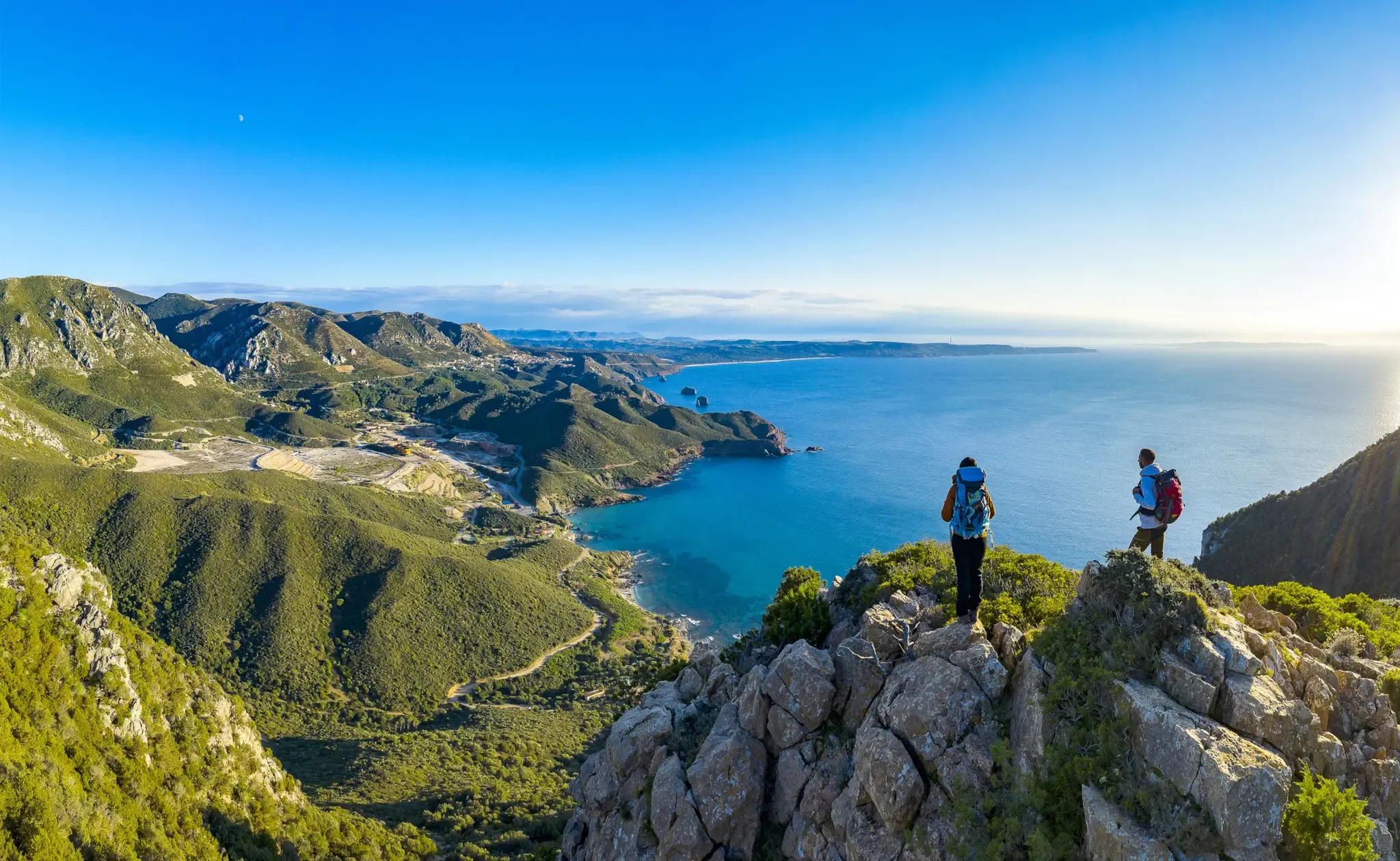
Cammino Minerario di Santa Barbara – memories of ancient Sardinia
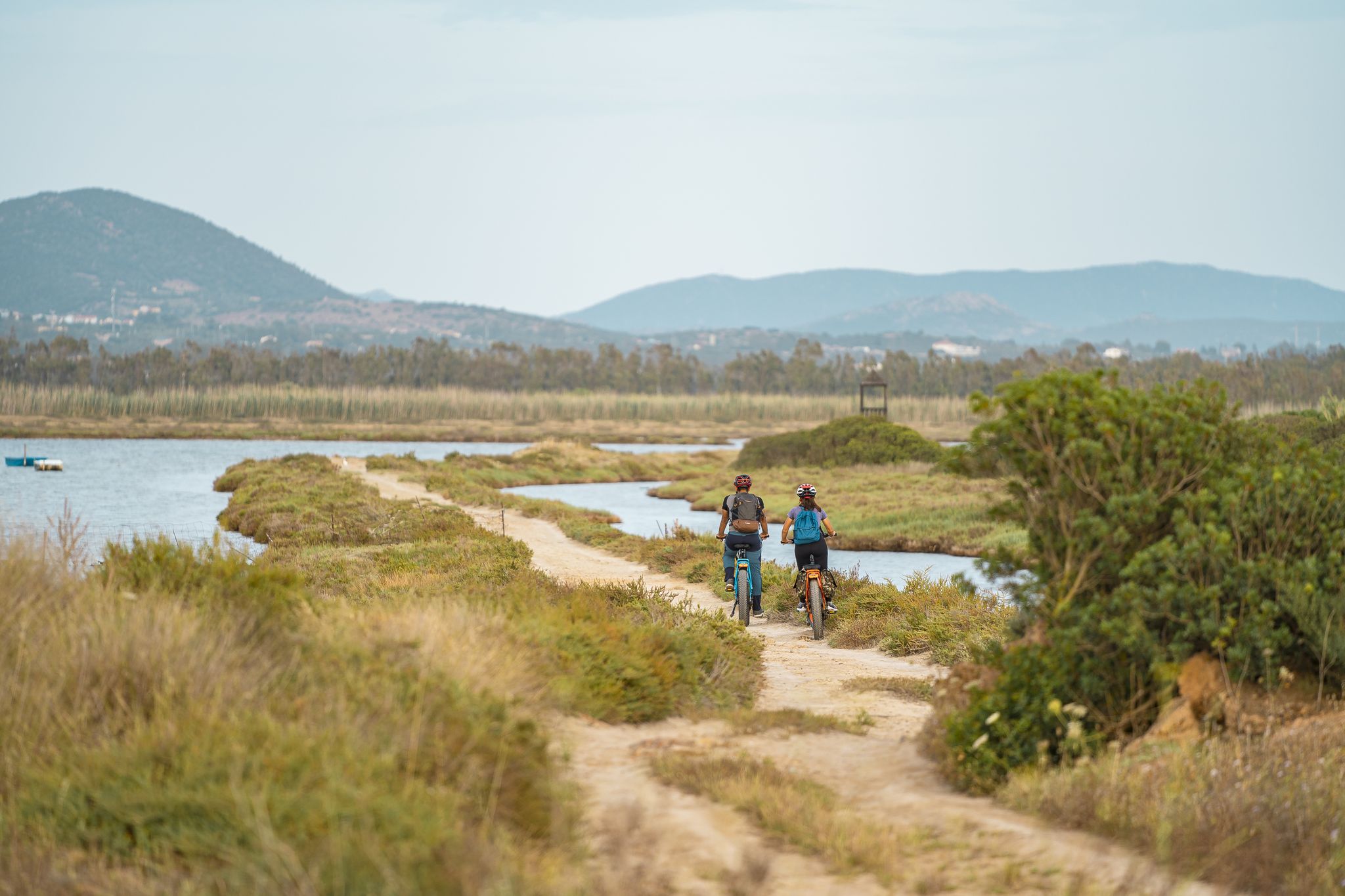
Ciclovia del Cammino Minerario di Santa Barbara
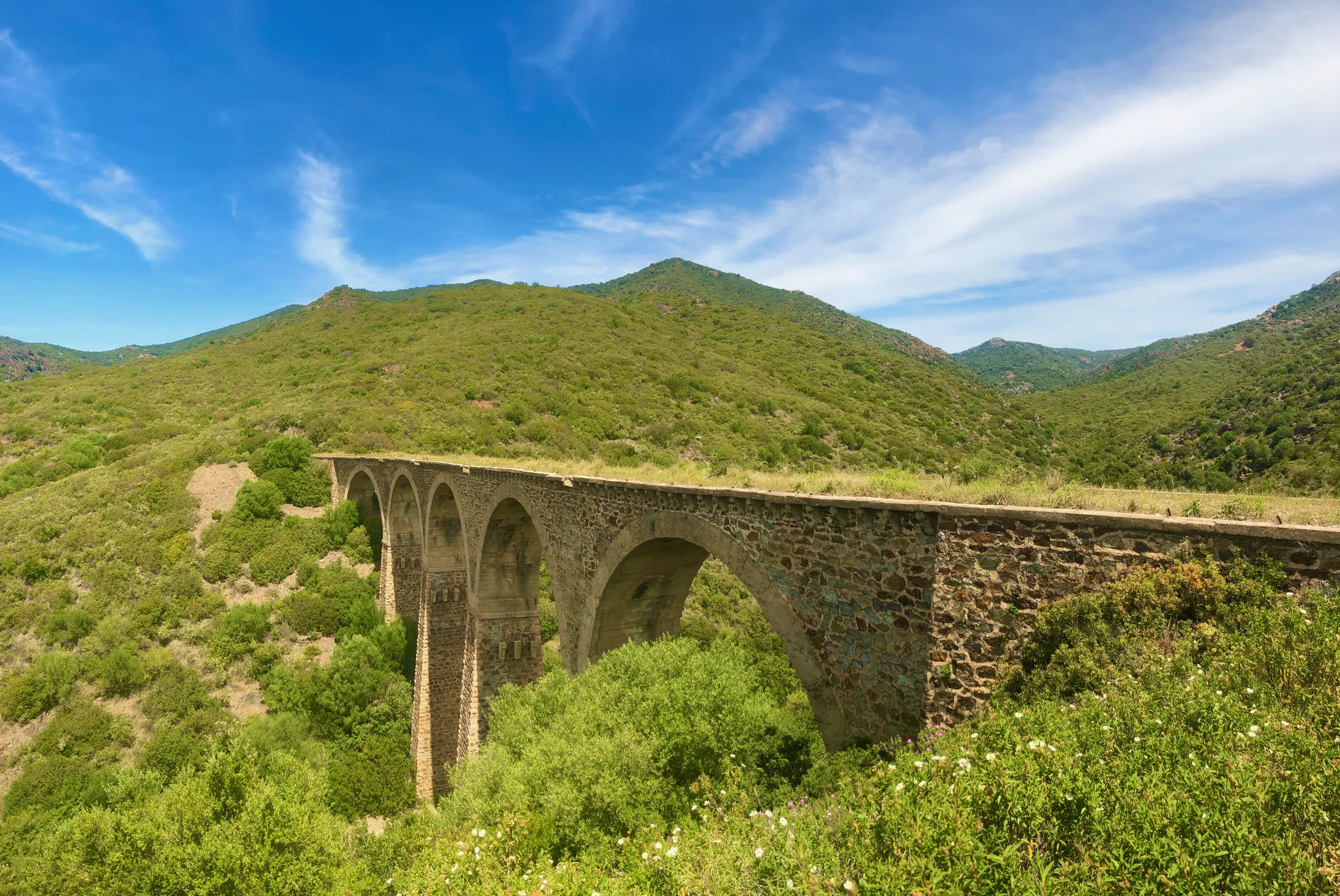
Cycling through the origins of Sardinia – Sulcis Loop
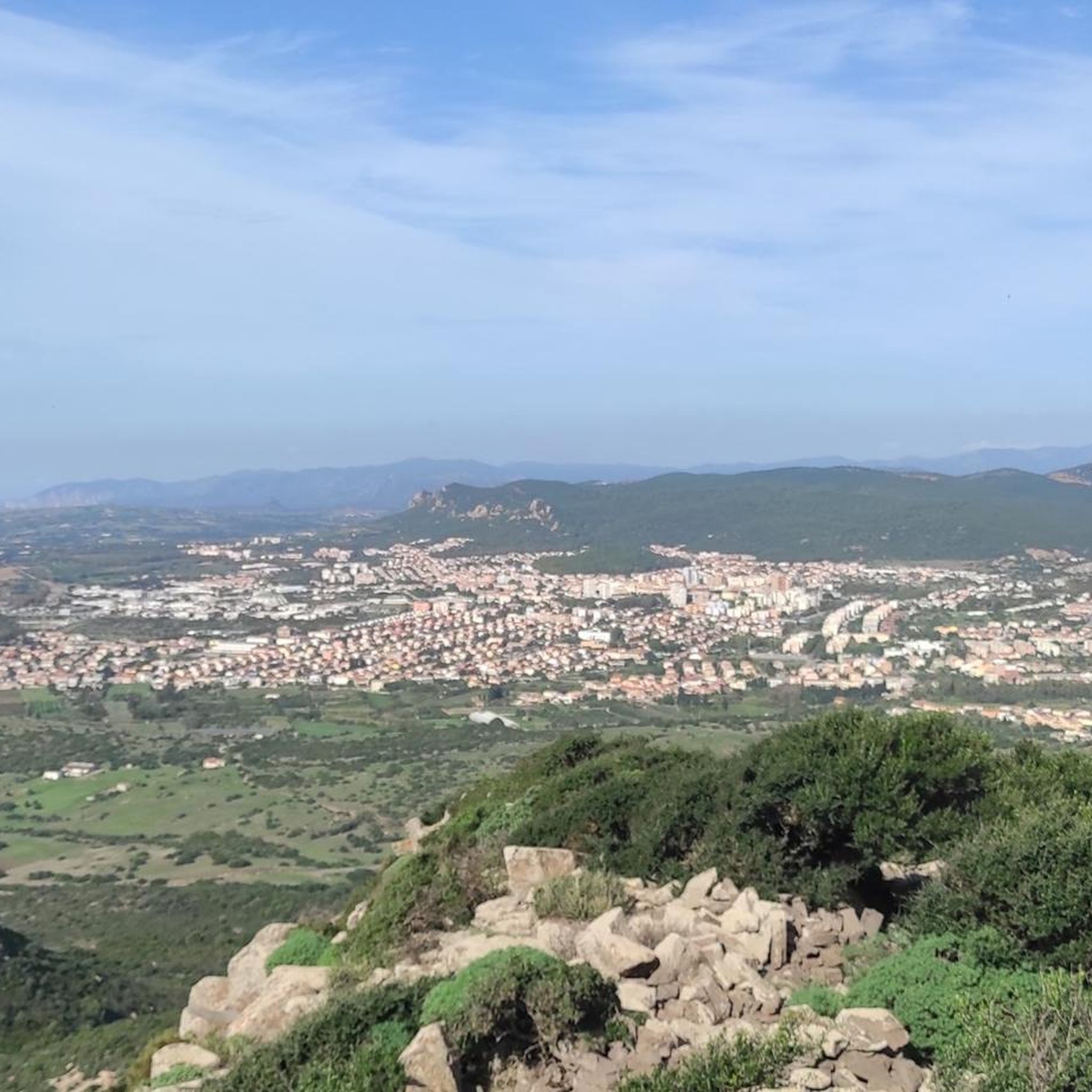
Road Cycling Routes around Carbònia/Carbonia
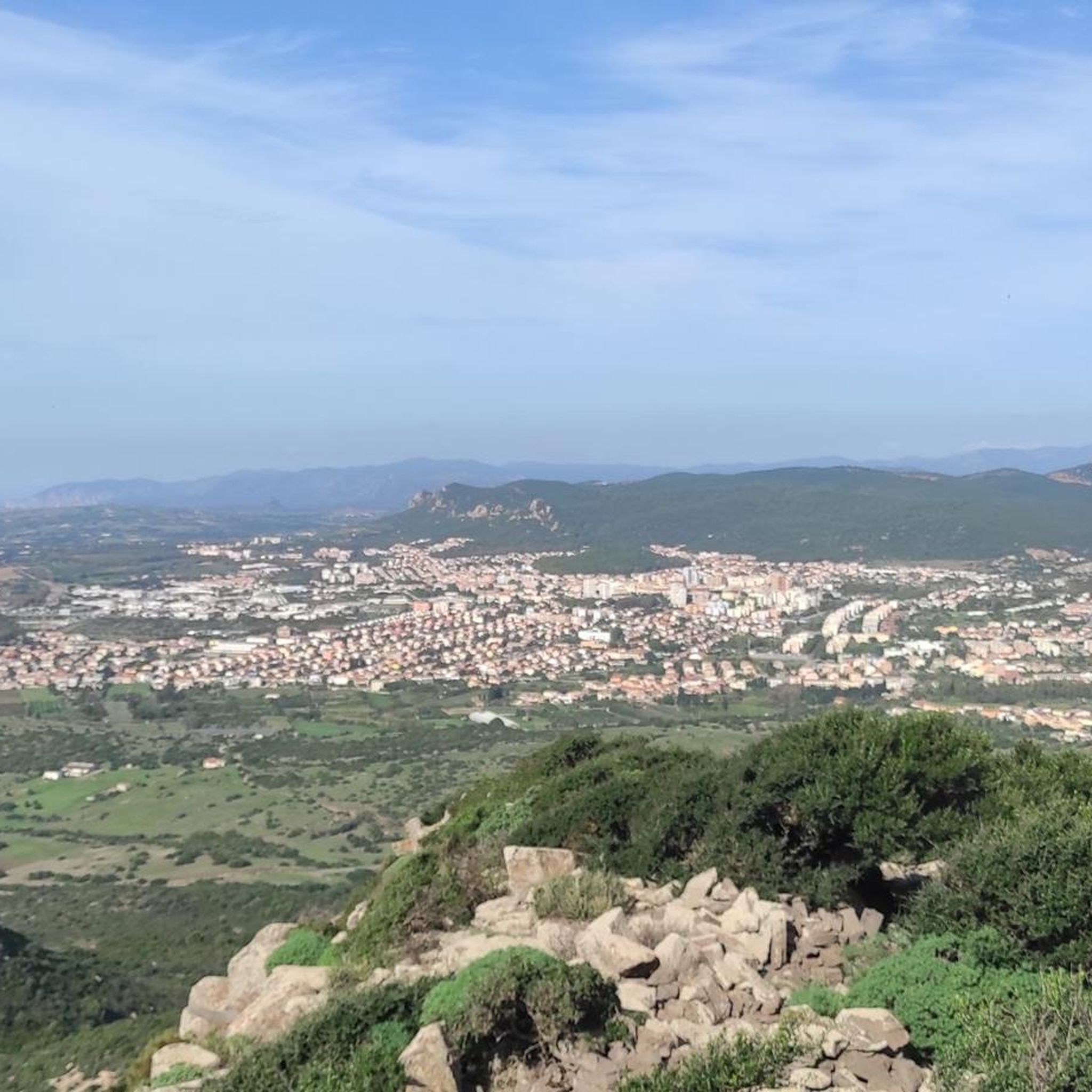
Cycling around Carbònia/Carbonia
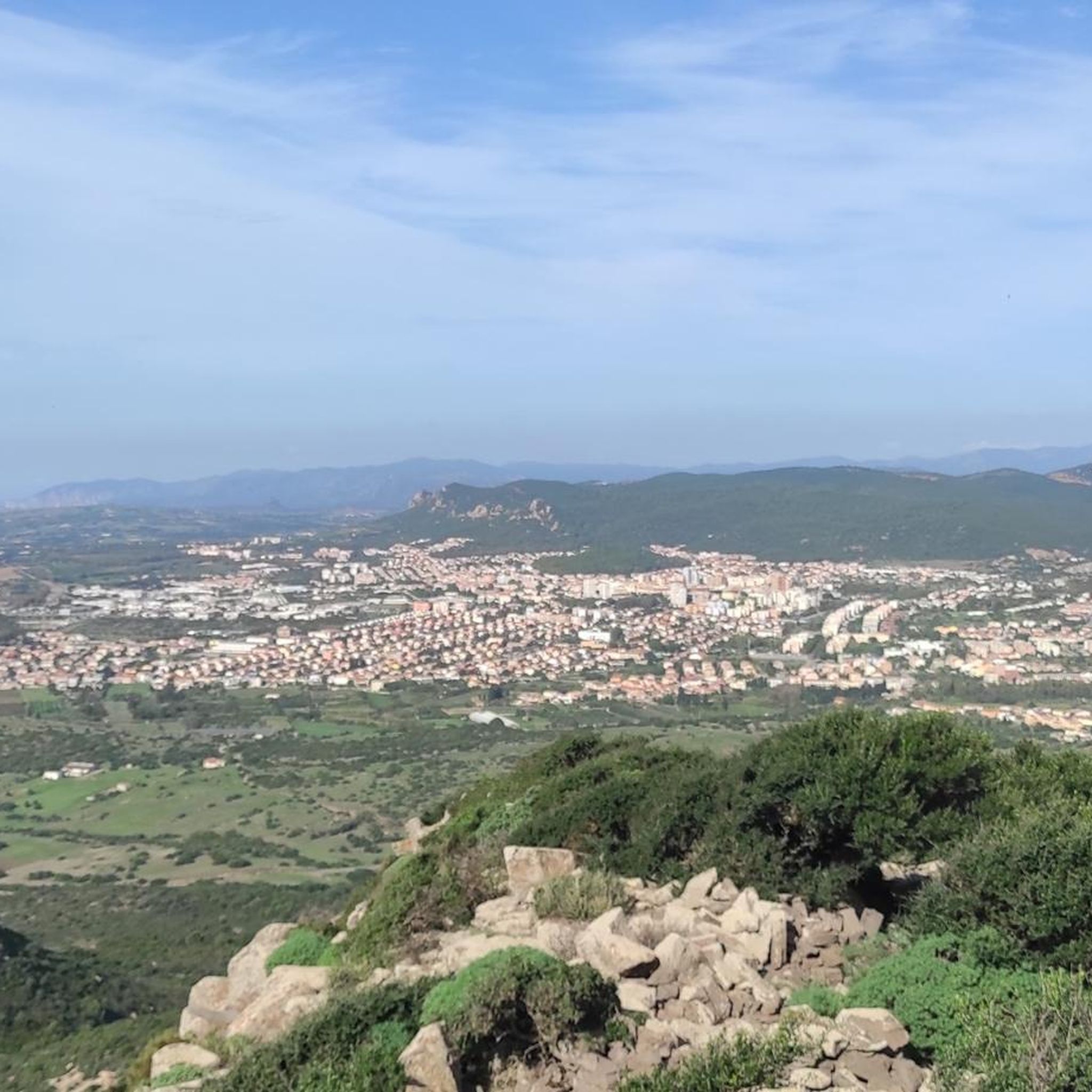
MTB Trails around Carbònia/Carbonia
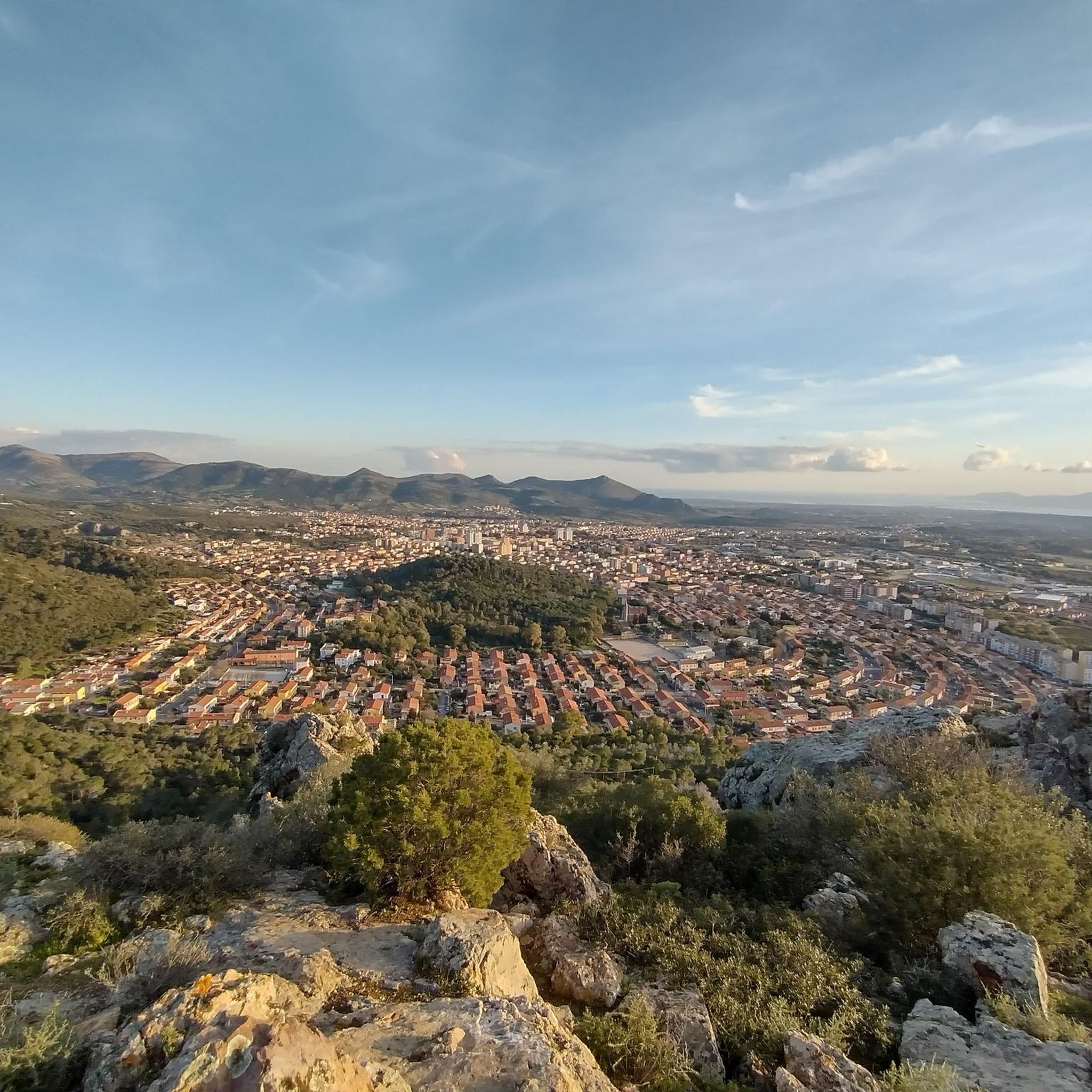
Running Trails around Carbònia/Carbonia
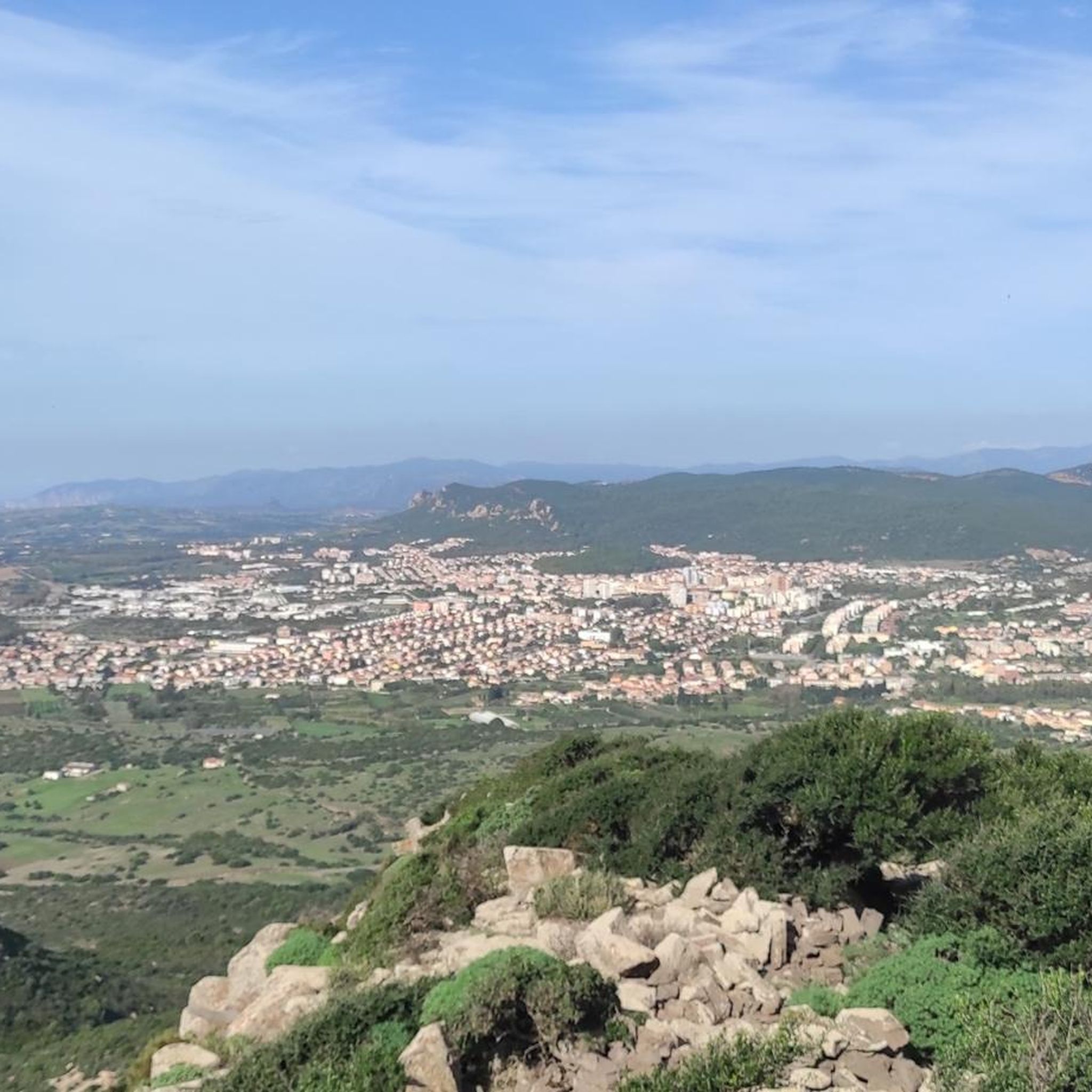
Hiking around Carbònia/Carbonia

Gravel biking around Carbònia/Carbonia
Other adventures around Carbònia/Carbonia


Tips from the Community

Beautiful area, secluded with great views.
0
0

The evocative Grotta di San Giovanni is a geological and archaeological treasure, as well as the longest vehicle-accessible cave in the world. The cave is accessible from two sides, but the ticket office and information point are located at the main, southern entrance. Entrance is permitted only during cave opening hours. Ticket prices vary depending on the type of visit. You can find all the latest information on the website: https://www.grottasangiovanni.com/.
1
0

The majestic limestone monument rises like a sentinel from the deep blue Mediterranean. This imposing rocky spire off the southwest coast of Sardinia is a geological masterpiece, formed by millions of years of erosion. The 133-meter-high rock is a remnant of the Cretaceous period.
1
0

Very beautiful, large sandstone grotto that you can drive through.
2
0

Access for runners/cyclists (staying in the saddle) costs €2 and is permitted in the first half hour after opening (in any season). The cave is absolutely stunning and deserves all the visits in the world!
3
0

View of Pan di Zucchero from Masua beach
0
0

The Sardinian word “nébida” means fog. Is that the namesake?
2
0
The laveria La Marmora is a former processing plant for zinc ore, which was mined in the Iglesiente until the 1970s. It is one of the greatest industrial monuments in the Iglesiente. There are other witnesses to mining in Nebida, and there is an old shaft above the town. In the area there are old mines "s'acquq resi", which were in operation until the 1980s.
6
0
Frequently Asked Questions
What are the most popular natural monuments to visit around Carbònia/Carbonia?
Visitors frequently enjoy the Nebida Belvedere Walk, a coastal path offering panoramic views and historical mining remnants. Another favorite is Masua beach and view of Pan di Zucchero, where you can admire the iconic 132-meter-high sea stack. The San Giovanni Cave is also highly rated for its unique geological formations and accessibility.
Are there family-friendly natural attractions in the Carbònia/Carbonia area?
Yes, several natural monuments are suitable for families. Masua beach and view of Pan di Zucchero is a great spot for all ages, offering clear waters and views of the sea stack. The nearby Porto Pino beach is also known for its shallow, clear waters and impressive sand dunes, making it ideal for families. Additionally, Cape Altano offers accessible paths and stunning views that can be enjoyed by families.
What kind of geological features can I expect to see?
The region is rich in diverse geological formations. You'll encounter impressive limestone sea stacks like Pan di Zucchero, extensive cave systems such as San Giovanni Cave and Grotte Is Zuddas, and striking coastal landscapes with reddish cliffs, as seen at Portu Ferru. These features are remnants of millions of years of erosion and geological activity.
Are there opportunities for hiking or walking near these natural monuments?
Absolutely. The area offers numerous trails, including the popular Nebida Belvedere Walk, which provides constant ups and downs with stunning sea views. For more extensive hiking, you can explore routes mentioned in the Hiking around Carbònia/Carbonia guide, which features trails of varying difficulty, such as the moderate 'Antico Medau di Monte Crobu loop from Carbonia'.
What historical aspects are integrated with the natural monuments?
The region's natural beauty is often intertwined with its rich mining history. Along the Nebida Belvedere Walk, you'll find remnants of old mining structures like the Laveria La Marmora. Masua beach is located next to the Porto Flavia mining complex. Even San Giovanni Cave has archaeological significance, making these sites a blend of natural and industrial heritage.
What are some notable viewpoints for scenic photography?
For breathtaking views, the Nebida Belvedere Walk offers continuous panoramic vistas of the Mediterranean coastline and Pan di Zucchero. Masua beach provides an excellent perspective of the Pan di Zucchero sea stack. Additionally, Cape Altano is renowned for its gorgeous views, especially at sunset, and features a unique brick arch perfect for photos.
Can I explore the natural monuments by bike?
Yes, cycling is a great way to experience the area. The San Giovanni Cave is notable for being the longest vehicle-accessible cave in the world, with a road that is now open to pedestrians and cyclists. For more dedicated cycling, check out the Gravel biking around Carbònia/Carbonia guide, which includes routes like the 'View of Rocky Cliffs and Sea – Pan di Zucchero Sea Stack loop from Iglesias'.
What is the best time of year to visit the natural monuments around Carbònia/Carbonia?
The spring (April-May) and autumn (September-October) months are generally ideal. During these periods, the weather is pleasant for outdoor activities like hiking and exploring the coast, avoiding the intense heat of summer and the cooler, potentially wetter winter months. The natural landscapes are vibrant, and the crowds are typically smaller.
Are there any accessible natural monuments for visitors with mobility challenges?
The San Giovanni Cave is noted as wheelchair accessible, making it a good option for visitors with mobility challenges. Its internal road allows for easier exploration of the cave's unique formations.
What are some lesser-known natural gems in the Sulcis Iglesiente region?
Beyond the most popular spots, Portu Ferru is a small, often deserted bay with striking reddish cliffs that contrast beautifully with the blue sea, offering a secluded experience. The Grotte Is Zuddas, while known, offer a fascinating underground exploration away from the coastal crowds.
What kind of wildlife can be spotted near the natural monuments?
The coastal areas and natural parks around Carbònia/Carbonia are home to various bird species, especially seabirds near the sea stacks and cliffs. The diverse ecosystems, from coastal scrub to pine forests, also support small mammals and reptiles. Keep an eye out for local flora unique to the Mediterranean climate.
Are there running trails available near the natural monuments?
Yes, for those who enjoy running, there are several options. You can find routes in the Running Trails around Carbònia/Carbonia guide. These include routes like the 'Carbonia Cycle Path – San Giovanni Suergiu loop from Carbonia Serbariu', which offers a moderate challenge.
Most popular routes around Carbònia/Carbonia
Most popular attractions around Carbònia/Carbonia

Get inspired with the komoot mobile app


Explore more
Extend your search for the best caves by checking out these guides of the top ones around Carbònia/Carbonia:
