Top 13 Natural Monuments around Camporotondo Etneo
Natural monuments around Camporotondo Etneo are primarily shaped by its location at the foot of Mount Etna in Sicily, Italy. The region is characterized by its unique volcanic landscapes and the diverse ecosystems these formations support. Visitors can explore various craters, lava flows, and extensive nature trails that highlight the area's geological and ecological heritage. This environment offers a range of experiences, from challenging climbs to serene walks through ancient woodlands.
Best natural monuments around Camporotondo Etneo
- The most popular…
Last updated: June 28, 2026
Fountain at Villa Bellini
Highlight • Monument
Translated by Google •
Tip by

Pozzo di Gammazita
Highlight • Historical Site
"It was March 30, 1282 and in the hot Catania, occupied by the …
Translated by Google •
Tip by

Sign up now to discover places like this
Get recommendations on the best single tracks, peaks, & plenty of other exciting outdoor places.
Sign up for free
Nicolosi–Rifugio Sapienza Climb
Highlight (Segment) • Climb
The Nicolosi-Rifugio Sapienza climb is the most well-known, most traveled climb on the Etna side and the one of …
Translated by Google •
Tip by

Singletrack Descent in Parco dell'Etna
Highlight (Segment) • MTB Park
Translated by Google •
Tip by

Ponte Barca Oasis
Highlight • Natural Monument
Translated by Google •
Tip by

Sign up for free to discover even more natural monuments around Camporotondo Etneo.
Sign up for free
Already have an account?
Start today with a free account
Your next adventure awaits.
Login or Signup
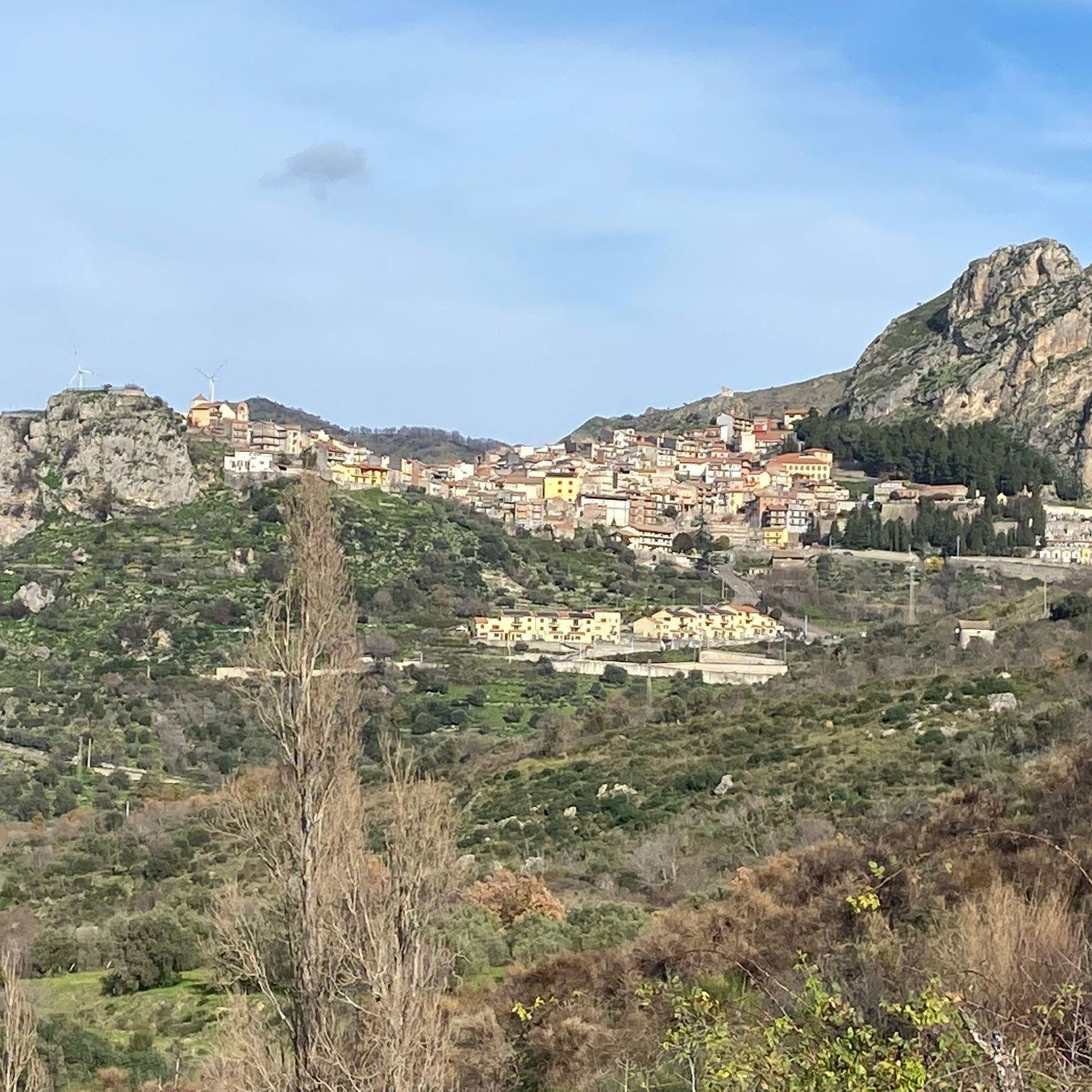
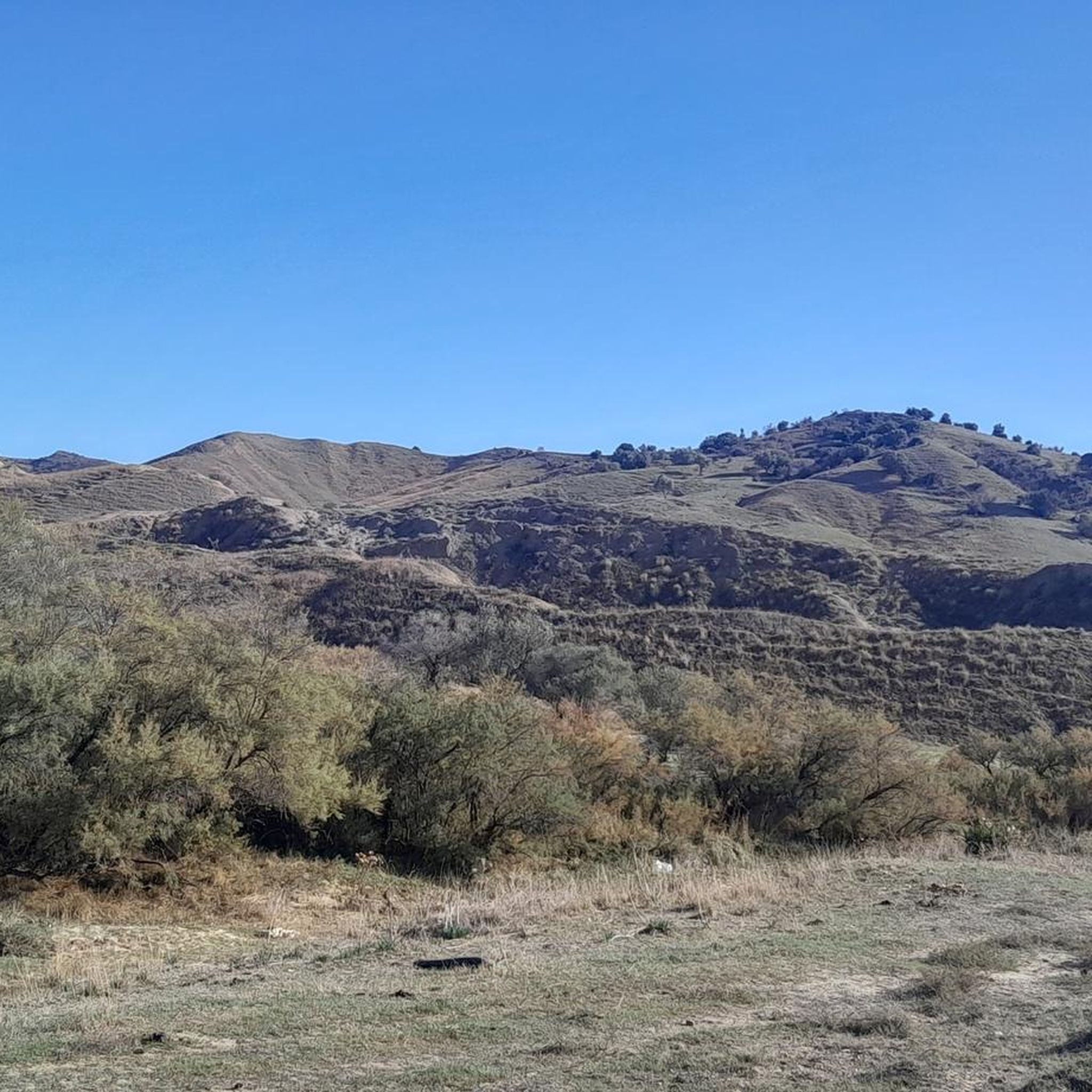
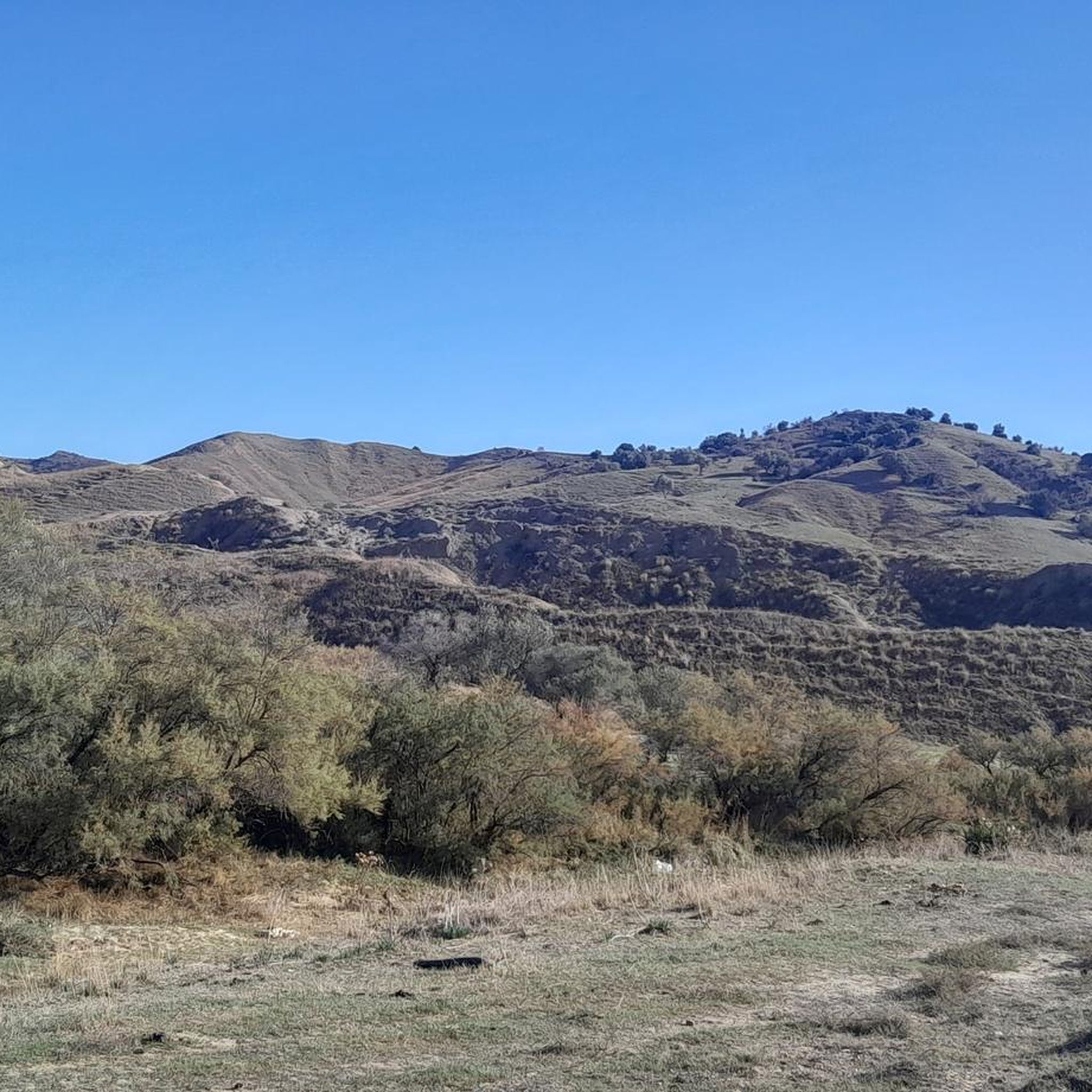
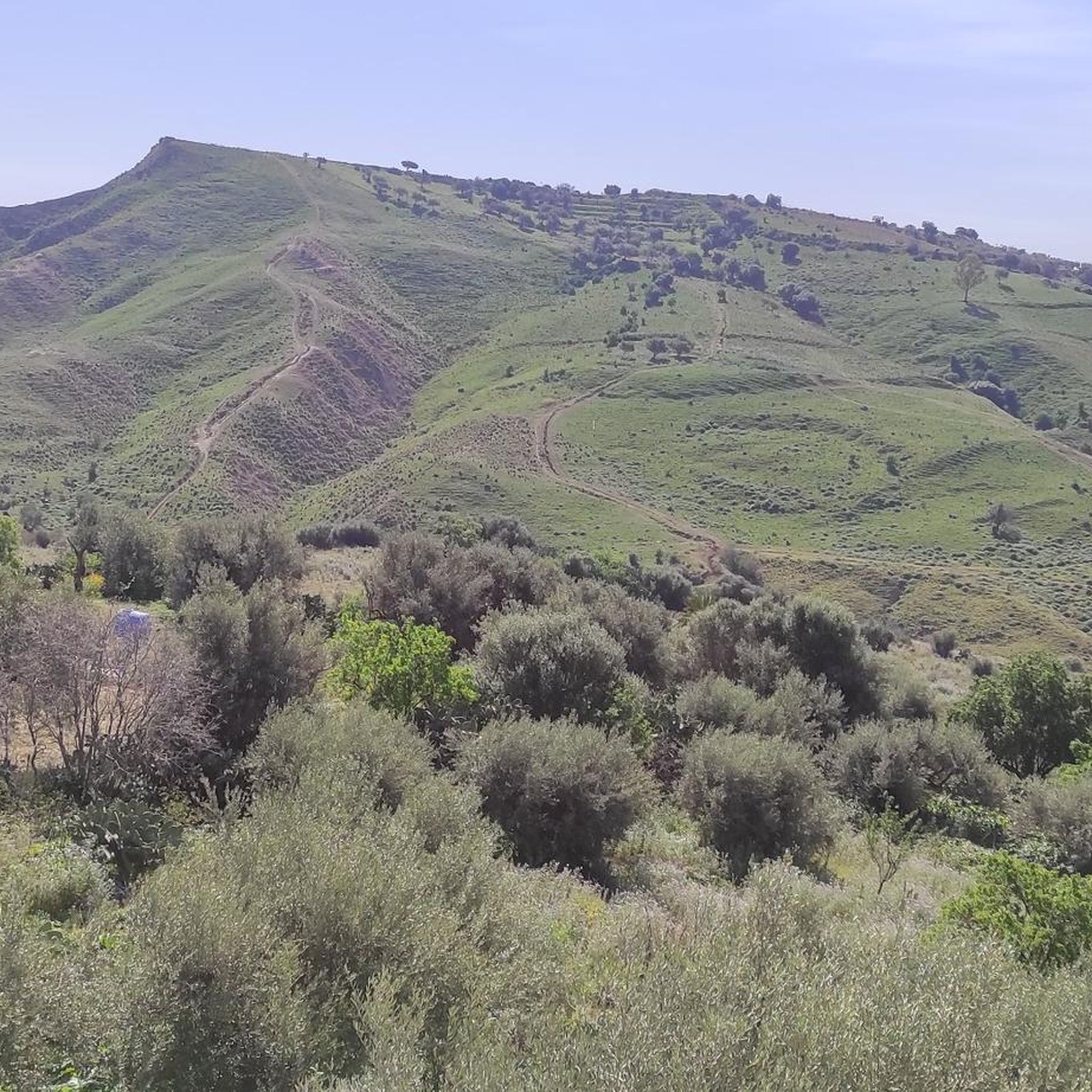


Tips from the Community

A beautiful and dreamy city with a great history. I'd happily return anytime. Five ***** for that.
2
0

Beautifully landscaped city park that invites you to take a walk and linger.
2
0

Landscape characterized by the presence of numerous bends, river islands, large temporary marshes, vast areas of woodland and reed thickets. Wetland, the presence of a dam has led to the formation of a reservoir which attracts numerous aquatic birds. Protected area In 2009, a decree issued by the regional agriculture department established that the Ponte Barca district site is an oasis of protection and refuge for wild fauna, the latter made up of 70 different species of migratory aquatic birds, and recognized as being of interest community The importance of the Paterno oasis is also due to the fact that it became a nesting place for the Sultan chicken, which returned to reproduce in the seventies, thanks to a project carried out in the Simeto oasis in collaboration with LIPU
0
0

The oldest core of the garden dates back to the 18th century and belonged to Prince Ignazio Paternò Castello di Biscari. According to the typology of the time, the garden was designed with hedges forming labyrinths, statue decorations and numerous fountains of various shapes with gargoyles or cascades. After the patron's death in December 1786, the garden gradually fell into disrepair as it was abandoned by his heirs. It was offered for sale from 1820, but only after long negotiations was the Labirinto acquired by the municipality of Catania in September 1854.
7
0

Nice that the official climb only starts at an altitude of over 800 meters
0
0

Unfortunately, access is otherwise not open to the public... we were lucky that a nice resident opened the gate for us and let us take pictures 😃 We only found out about the tragic story of Gammazita afterwards https://it.m.wikipedia.org/wiki/Pozzo_di_Gammazita
0
0

Completely hidden remains of an amphitheater in the middle of urban canyons.😻
0
0
Frequently Asked Questions
What are the most popular natural monuments around Camporotondo Etneo?
The area's natural monuments are largely defined by the volcanic landscapes of Mount Etna. Among the most popular are the challenging Nicolosi–Rifugio Sapienza Climb, which offers panoramic views and crosses recent lava flows, and the impressive Ascent Through Mount Etna's Lava Fields, where plants emerge from dark volcanic terrain.
Are there family-friendly natural monuments or trails in the area?
Yes, for a more relaxed experience, you can visit the Fountain at Villa Bellini in Catania, which offers an oasis of calm with green spaces and fountains. For nature walks, trails like Bosco della Roccia provide serene environments suitable for families, featuring ancient woodlands and abundant wildlife.
What unique geological features can I explore near Camporotondo Etneo?
The region is rich in unique geological features due to Mount Etna. You can explore various craters, recent lava flows, and the vast Valle del Bove. The interplay of colors between the volcanic ground and emerging vegetation, along with opportunities to observe summit and lateral craters, makes for a unique geological experience. Exploring lava tunnels and effusive vents from past eruptions also offers insights into the volcano's activity.
What hiking trails are available near Camporotondo Etneo's natural monuments?
There are numerous hiking trails catering to various levels. You can find gentle walks through diverse woodlands at Piano Provenzana, or more challenging climbs with rewarding vistas at Monte Ispolito. Other notable trails include Serra San Giovanni for rugged terrain and Bosco della Manna for diverse plant species. For more detailed routes, explore the hiking guide for Camporotondo Etneo.
What cultural or historical sites are integrated with the natural monuments?
The area offers a blend of natural beauty and history. The Pozzo di Gammazita is a historical site linked to a local legend, while the Cava San Calogero trail combines nature with history by following old mining tunnels and chapels built into the mountainside, offering insights into local heritage.
What outdoor activities can I do near these natural monuments?
Beyond hiking, the volcanic landscapes offer opportunities for various outdoor activities. Cyclists can find challenging routes like the Nicolosi–Rifugio Sapienza Climb. Mountain biking enthusiasts can enjoy the Singletrack Descent in Parco dell'Etna. You can find more options in the cycling guide and MTB trails guide for the area.
What is the best time to visit the natural monuments around Camporotondo Etneo?
The best time to visit largely depends on the activity. For hiking and exploring the volcanic landscapes, spring (April-May) and autumn (September-October) offer pleasant temperatures. Summer can be very hot, especially at lower altitudes, making cooler morning hours ideal for activities. Winter brings snow to higher elevations of Mount Etna, offering opportunities for winter sports but potentially limiting access to some trails.
Are there any viewpoints offering panoramic views of Mount Etna and the surrounding area?
Yes, many trails and locations offer stunning views. Trekking to altitudes of 3000m on Mount Etna provides opportunities for panoramic views stretching from the Ionian Riviera to the interior of Sicily. The Nicolosi–Rifugio Sapienza Climb is specifically noted for its panoramic vistas. Monte Ispolito also presents an elevated perspective of the surrounding landscape after a challenging climb.
What should I wear when visiting the natural monuments, especially Mount Etna?
When visiting Mount Etna and its surrounding trails, it's advisable to wear layers, as temperatures can change rapidly with elevation. Sturdy hiking boots are essential for navigating volcanic terrain and trails. Even in summer, a light jacket or windbreaker is recommended for higher altitudes. Sun protection, including a hat and sunscreen, is also crucial due to the exposed nature of many volcanic landscapes.
What do visitors enjoy most about the natural monuments near Camporotondo Etneo?
Visitors frequently appreciate the unique volcanic landscapes and the diverse ecosystems they support. The dramatic views from Mount Etna, the experience of walking through lava fields, and the variety of nature trails are often highlighted. The blend of challenging climbs and serene forest paths, along with the geological insights, makes for a memorable experience. The komoot community has shared 28 photos and given 96 upvotes, reflecting the area's appeal.
Are there any specific trails for intermediate hikers looking for a challenge?
Intermediate hikers can find rewarding challenges in the area. The Ascent Through Mount Etna's Lava Fields is an impressive route that is moderately steep. Monte Ispolito offers steep paths leading to rewarding vistas, ideal for those seeking a more challenging climb. Serra San Giovanni also traverses rugged terrain and rocky paths, providing an adventurous trek.
Can I find ancient woodlands or forests near the natural monuments?
Yes, the area features beautiful ancient woodlands. Bosco della Roccia is known for its centuries-old trees and abundant wildlife, offering a serene environment. Similarly, Bosco della Manna is rich in diverse plant species and wildlife, appealing to nature enthusiasts interested in local flora and fauna. These forests provide a stark contrast to the volcanic landscapes.
Most popular routes around Camporotondo Etneo
Most popular attractions around Camporotondo Etneo

Get inspired with the komoot mobile app


Explore more
Extend your search for the best caves by checking out these guides of the top ones around Camporotondo Etneo:
