Top 6 Natural Monuments around Paceco
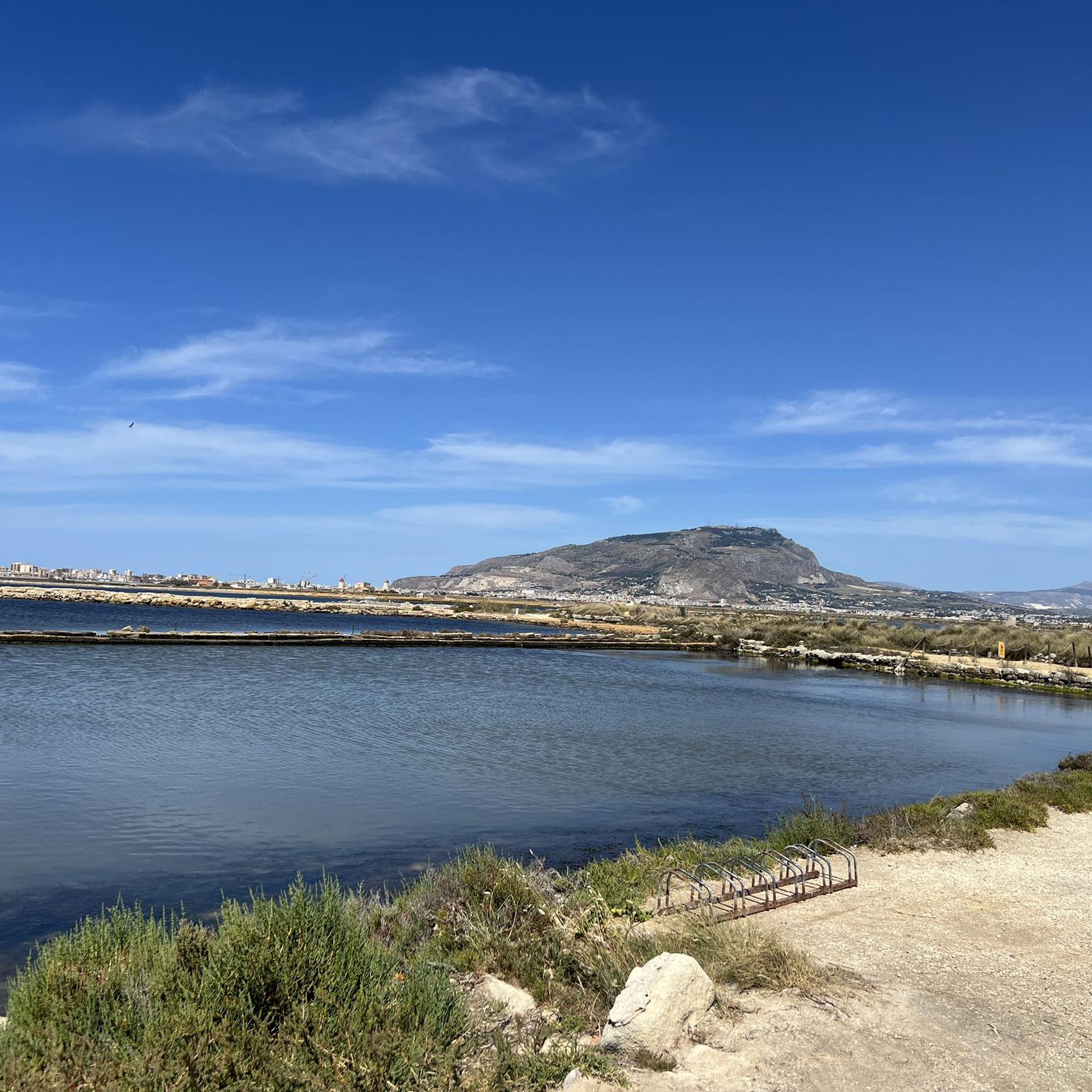
Best natural monuments around Paceco include the protected area of the Saline di Trapani e Paceco Nature Reserve. This region in Sicily is characterized by extensive salt pans and historical windmills, which are still used for traditional salt extraction. The landscape offers a unique blend of human activity and natural environment, supporting rich biodiversity. It is a significant wetland area for migratory birds and unique flora adapted to saline conditions.
Best natural monuments around Paceco
- The most popular natural monuments…
Last updated: June 28, 2026
Venus Castle
Highlight • Castle
Translated by Google •
Tip by

Trapani and Paceco Salt Pans
Highlight • Natural Monument
Translated by Google •
Tip by

Sign up now to discover places like this
Get recommendations on the best single tracks, peaks, & plenty of other exciting outdoor places.
Sign up for free
Salt Pans and Windmills of the Stagnone Lagoon Nature Reserve
Highlight (Segment) • Natural Monument
Translated by Google •
Tip by
Saline di Trapani e Paceco Nature Reserve
Highlight • Natural Monument
Translated by Google •
Tip by

Culcasi Salt Pans with museum and restaurant
Highlight • Natural Monument
Translated by Google •
Tip by

Sign up for free to discover even more natural monuments around Paceco.
Sign up for free
Already have an account?
Start today with a free account
Your next adventure awaits.
Login or Signup
Tips from the Community

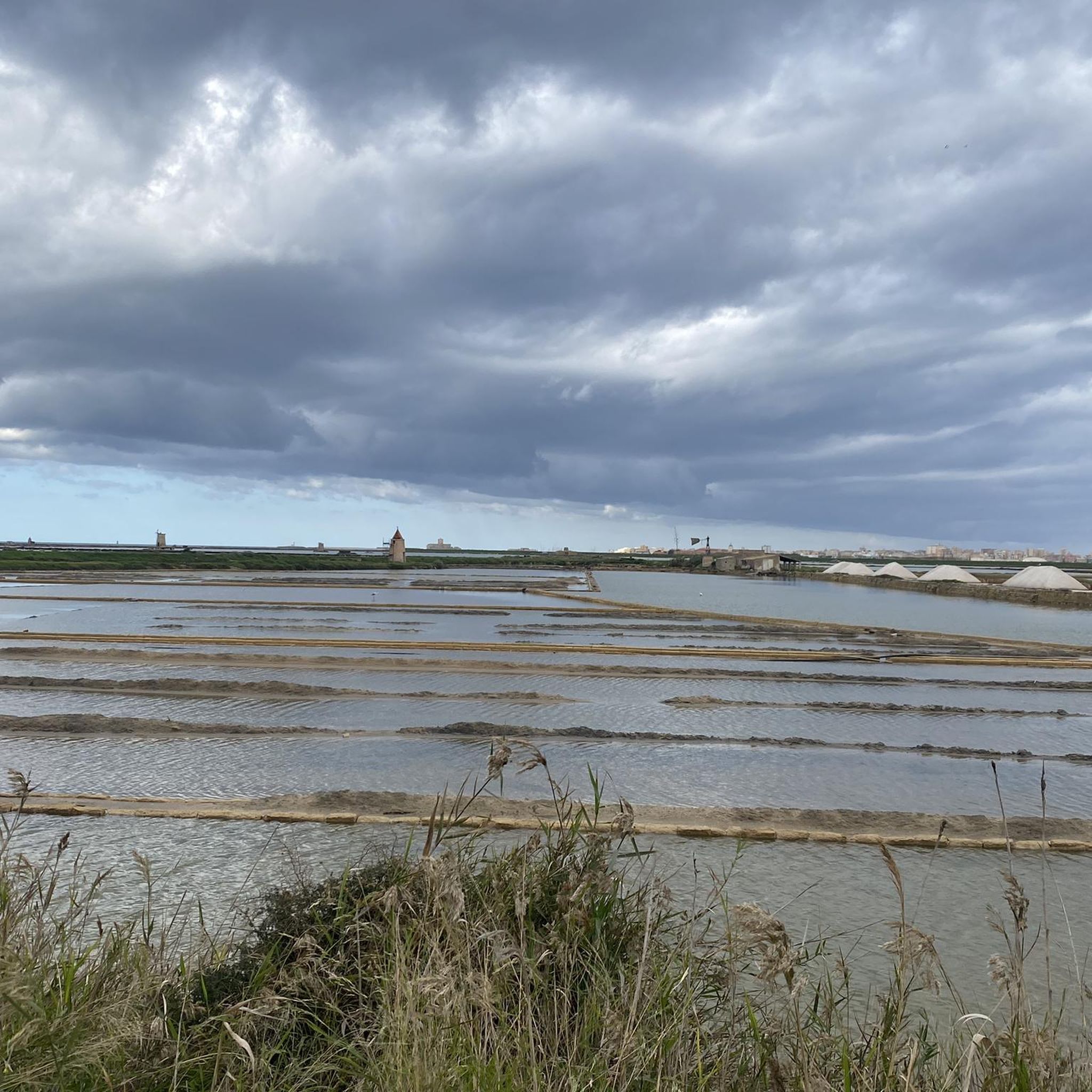
An important natural product is extracted from the sea's saltwater here. Only through the power of the elements, sun and wind, which evaporate the water in the saltworks' shallow basins, does pure salt remain. Even today, you won't find a kitchen without salt to season dishes. But in earlier times, it had an additional significance: It was important for preserving food—making it so precious that salt was called "white gold."
0
0

It is possible to take advantage of guided tours of the salt mines starting from the museum
0
0

A road bike tour through the salt pans of Trapani and Paceco offers a fascinating insight into the millennia-old tradition of salt production. The flat and well-paved roads lead directly through the quiet basin landscapes, past old windmills that are still used today to regulate water. The vast, open landscape and the shimmering salt create an impressive backdrop that makes every ride an unforgettable experience. In addition to the rich history, the region is also an important resting place for migratory birds such as flamingos, which can be observed during the ride. A special highlight on the route is the Calendula maritima, a rare plant that grows exclusively in this region and is a symbol of local nature conservation. A short stop at the salt museum in one of the windmills is worthwhile to learn more about the importance of salt and the people who have worked with it for thousands of years. This route offers a perfect mix of exercise, cultural experience and enjoyment of nature—ideal for road cyclists who are looking for something special off the beaten track.
0
0

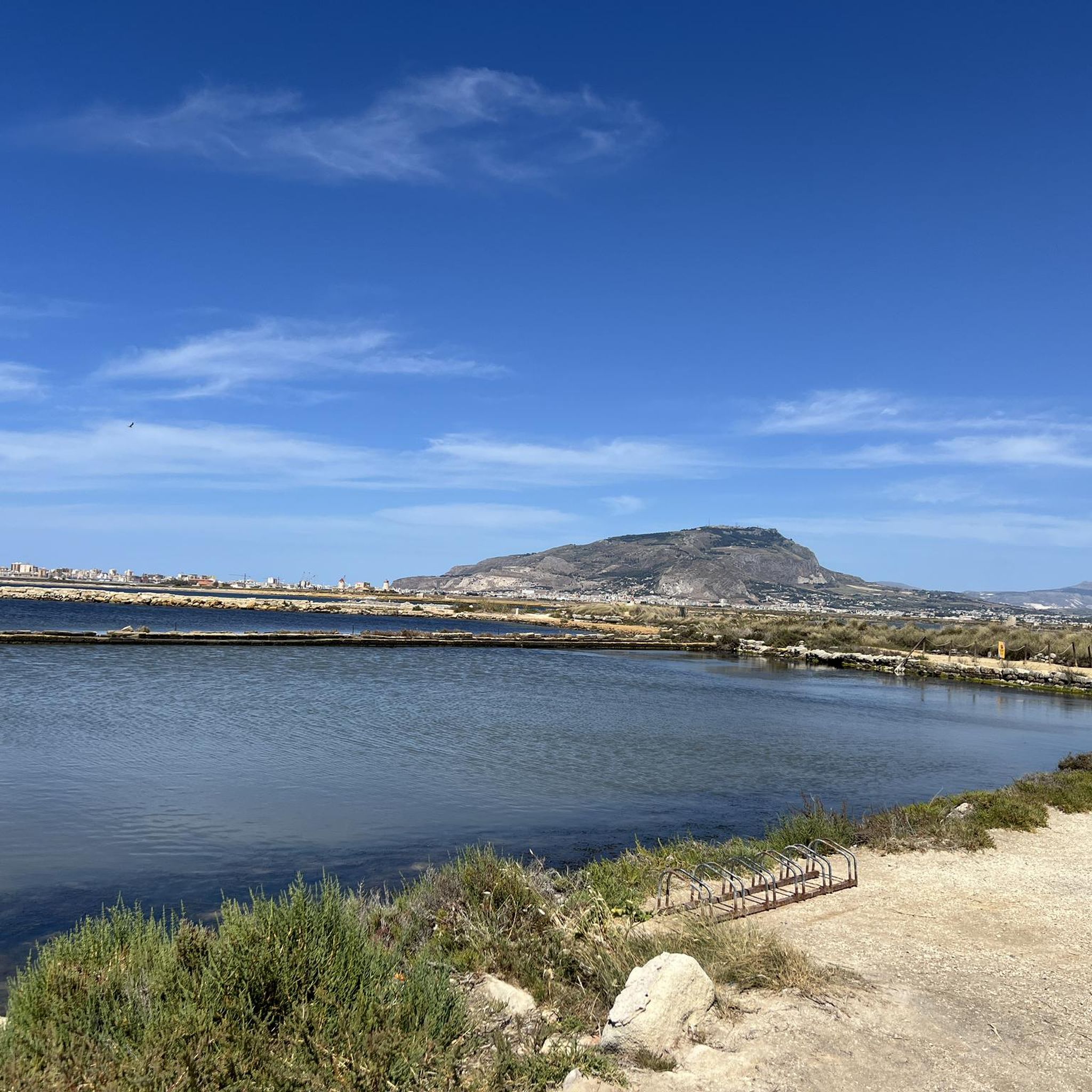
Unmissable show on the salt pans of Trapani and Paceco at sunset is a real spectacle.
14
0

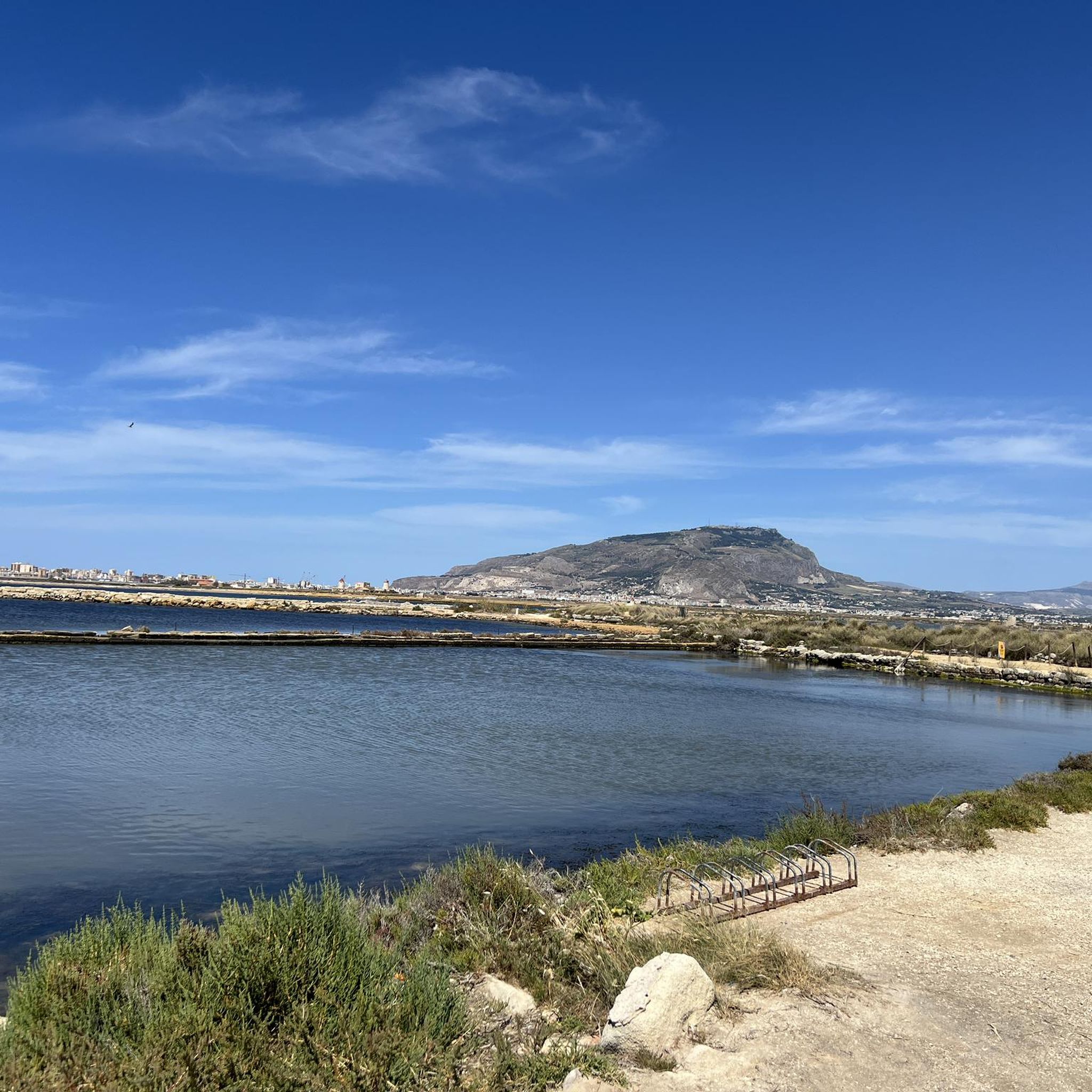
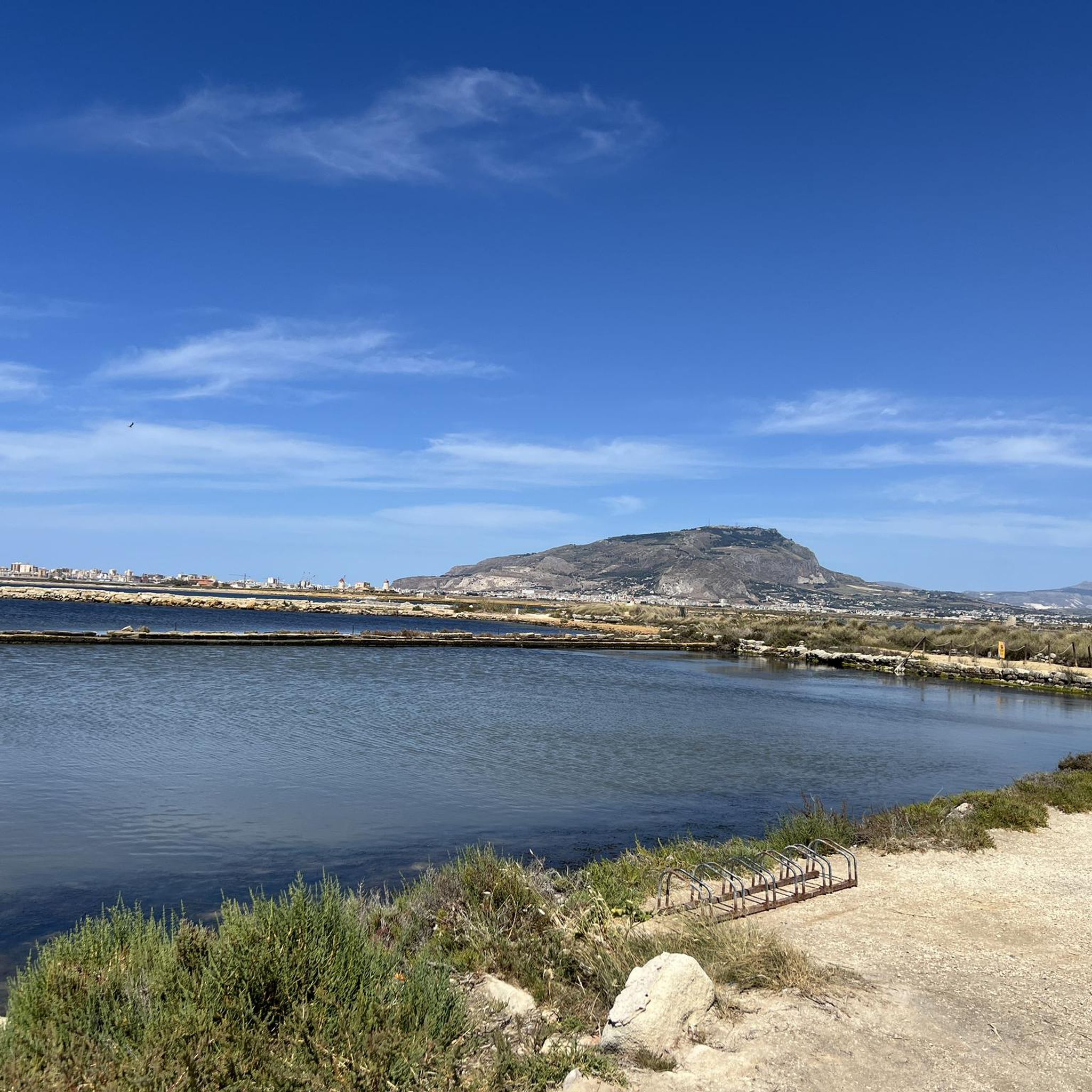
The Castello Venere is a wonderful, fairytale castle in the small and picturesque town of Erice
4
0

The salt pans of Trapani and Paceco are custodians of a great natural heritage of biodiversity.
4
0
The basins used for salt extraction constitute an environment that hosts a great biological diversity.
0
0

Steep climb to 750 m, but worth every meter!
1
0
Frequently Asked Questions
What are the main natural monuments to explore around Paceco?
The primary natural monument in the area is the Saline di Trapani e Paceco Nature Reserve, which includes the Trapani and Paceco Salt Pans and the Salt Pans of the Trapani and Paceco Nature Reserve. These sites are known for traditional salt extraction, historical windmills, and rich biodiversity. Additionally, the nearby Venus Castle offers extensive views of the surrounding landscape and islands.
What makes the Saline di Trapani e Paceco Nature Reserve unique?
The reserve is unique for its active traditional salt production, featuring extensive salt pans and historical windmills, some dating back to 1400. This creates a distinctive landscape where human activity and nature coexist. It's also a vital wetland for migratory birds and home to unique flora adapted to saline conditions.
Can I observe wildlife, especially birds, in the natural monuments near Paceco?
Yes, the Saline di Trapani e Paceco Nature Reserve is a significant wetland area and one of Europe's most important birdwatching sites. It serves as a crucial stop for migratory birds, with over 200 identified species, including flamingos, white herons, peregrine falcons, and spoonbills. Spring (February to May) and autumn (September to November) are the best times for bird observation.
Are there historical or cultural aspects to discover within these natural monuments?
Absolutely. The natural monuments around Paceco are deeply intertwined with history and culture. The traditional salt extraction process has been ongoing for centuries, and you can see historical windmills used for this purpose. The reserve also houses a Salt Museum, particularly at the Maria Stella mill, which showcases equipment and illustrates the history and techniques of the salt industry.
What is the best time of year to visit the natural monuments around Paceco?
For birdwatching, the best times are spring (February to May) and autumn (September to November) due to migratory bird activity. Generally, the salt pans offer stunning scenery and photography opportunities, especially at sunset, with colors ranging from pink to red and golden hues. The tranquil atmosphere can be enjoyed throughout much of the year, though summer can be quite hot.
Are the natural monuments around Paceco suitable for families with children?
Yes, the Trapani and Paceco Salt Pans and the Salt Pans of the Trapani and Paceco Nature Reserve are considered family-friendly. The unique landscape, the sight of traditional salt production, and the opportunity for birdwatching can be engaging for children. The Salt Museum also offers an educational experience.
Are there walking or cycling routes available near the natural monuments?
Yes, the area around Paceco offers various routes for outdoor activities. You can find several cycling routes, including easy to difficult options, such as the "Trapani loop from Paceco" or the more challenging "Historic Center of Erice – Trapani Gate, Erice loop from Paceco." For running, there are routes like the "Lungomare Dante Alighieri – Trapani Coast loop from Trapani." You can explore more options on the cycling guide or the running trails guide for Paceco.
What kind of flora can I expect to see in the Saline di Trapani e Paceco Nature Reserve?
The reserve protects various plant species specifically adapted to saline conditions. Notable examples include Chenopodiacee (a small bush), Calendula maritima (sea marigold), which is critically threatened and found only in this region, and the parasitic plant known as the "Mushroom of Malta." Posidonia oceanica is also present along the water channels.
Where can I find the best viewpoints for photography in the Paceco natural monuments?
The salt pans themselves offer exceptional photography opportunities, especially at sunset when the water changes color. The Venus Castle provides extensive panoramic views in all directions, including towards the islands in the southwest, making it an excellent spot for landscape photography.
Is it possible to visit the salt pans independently, or are permits required?
The Saline di Trapani e Paceco Nature Reserve is managed by the WWF. While you can visit the area independently to observe the landscape and birdlife, specific areas or activities might have regulations. It's advisable to check with the reserve's official information for any specific permit requirements for certain access points or guided tours, especially if you plan to visit the Salt Museum.
What are the parking options for visiting the natural monuments?
Parking is generally available near the main access points to the Saline di Trapani e Paceco Nature Reserve and the Salt Museum. Specific parking areas are usually signposted. For Venus Castle, parking is available in Erice, from where you can access the castle.
Can I bring my dog to the natural monuments around Paceco?
While the natural monuments offer open spaces, specific regulations regarding dogs within the protected Saline di Trapani e Paceco Nature Reserve may apply to protect the delicate ecosystem and migratory birds. It is best to check the official guidelines of the WWF-managed reserve regarding pet policies before your visit.
Most popular attractions around Paceco

Get inspired with the komoot mobile app


Explore more
Extend your search for the best caves by checking out these guides of the top ones around Paceco:
