Top 12 Natural Monuments around Cambiago
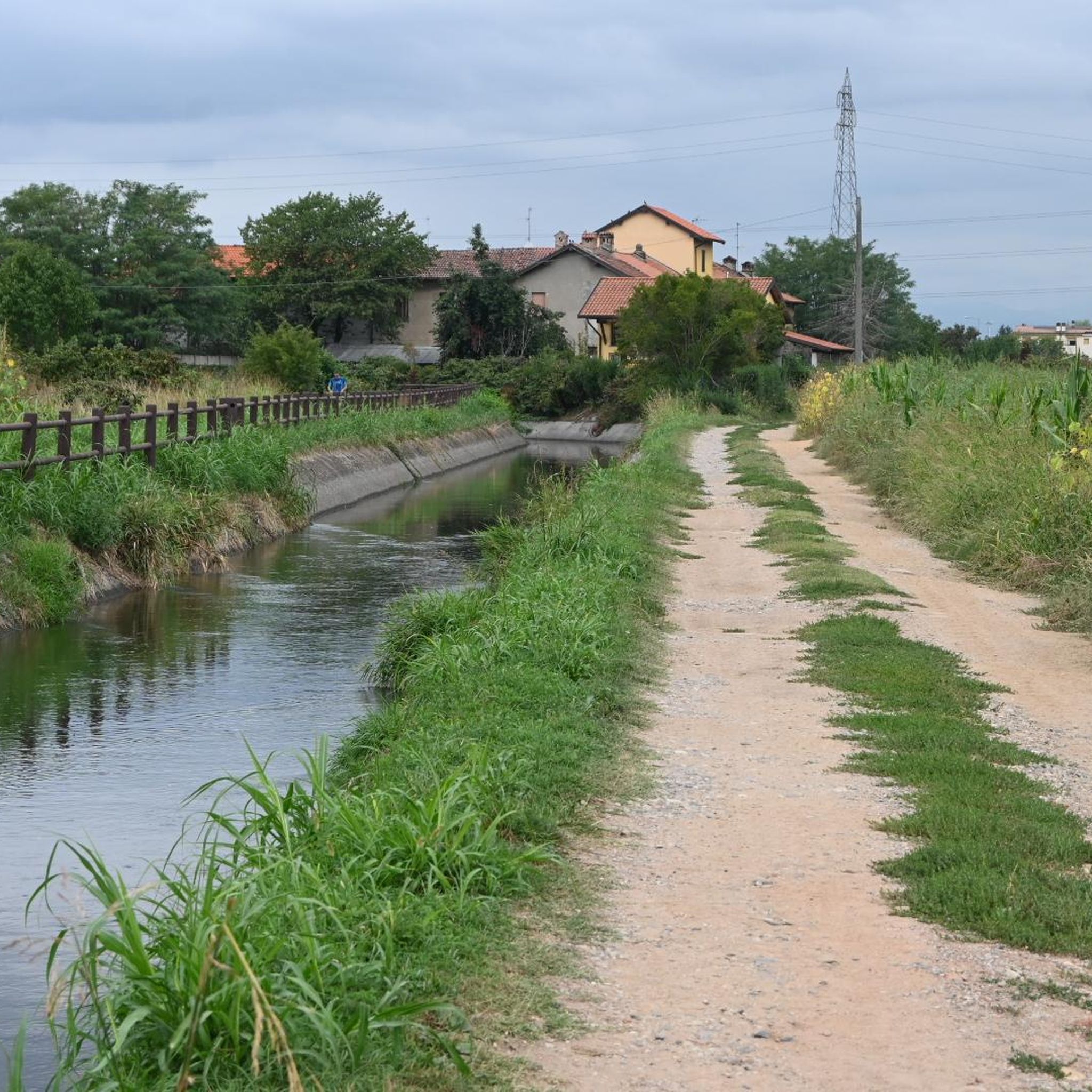
Best natural monuments around Cambiago include a mix of natural and human-influenced landscape features. The region is characterized by its proximity to the Martesana Canal, an artificial waterway with significant natural beauty and cultural heritage. This canal, approximately 38 kilometers long, connects Milan with the Adda River and is recognized as a landscape heritage corridor. Its banks offer green spaces and recreational opportunities, integrating natural elements with historical engineering.
Best natural monuments around Cambiago
- The most popular natural monument is…
Last updated: June 28, 2026
Royal Groves of Monza
Highlight • Forest
Translated by Google •
Tip by

Ponte dei Bertoli
Highlight • Bridge
Translated by Google •
Tip by

Sign up now to discover places like this
Get recommendations on the best single tracks, peaks, & plenty of other exciting outdoor places.
Sign up for free
Niso Fumagalli Rose Garden
Highlight • Natural Monument
Translated by Google •
Tip by

Pignone Park and Waterfall on the Adda River
Highlight • Forest
Watch out for the nervous swans and especially not to break your breath from the climb to return to altitude!
Translated by Google •
Tip by

Lo Scrittore Sculpture, Parco di Monza
Highlight • Monument
Translated by Google •
Tip by

Sign up for free to discover even more natural monuments around Cambiago.
Sign up for free
Already have an account?
Start today with a free account
Your next adventure awaits.
Login or Signup
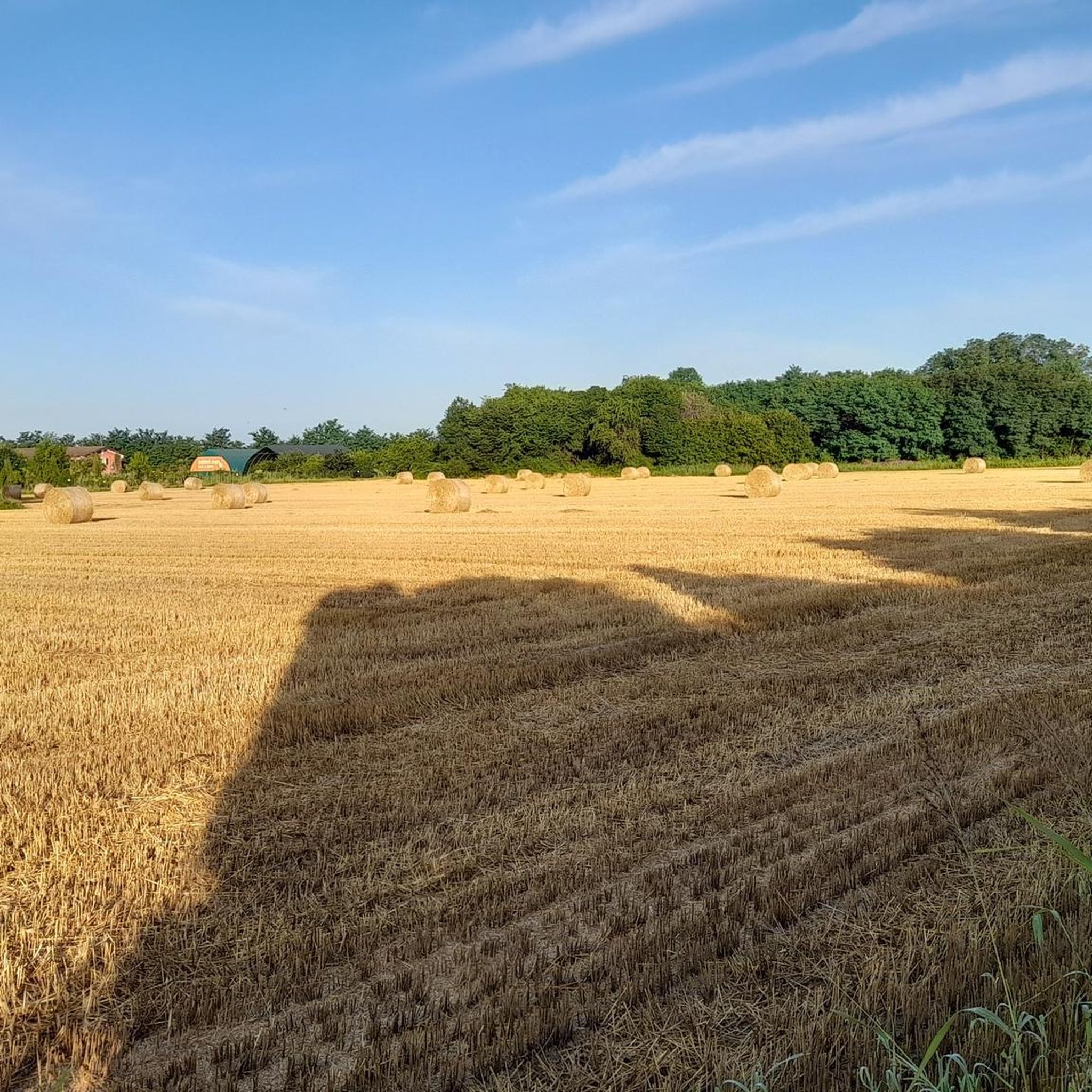
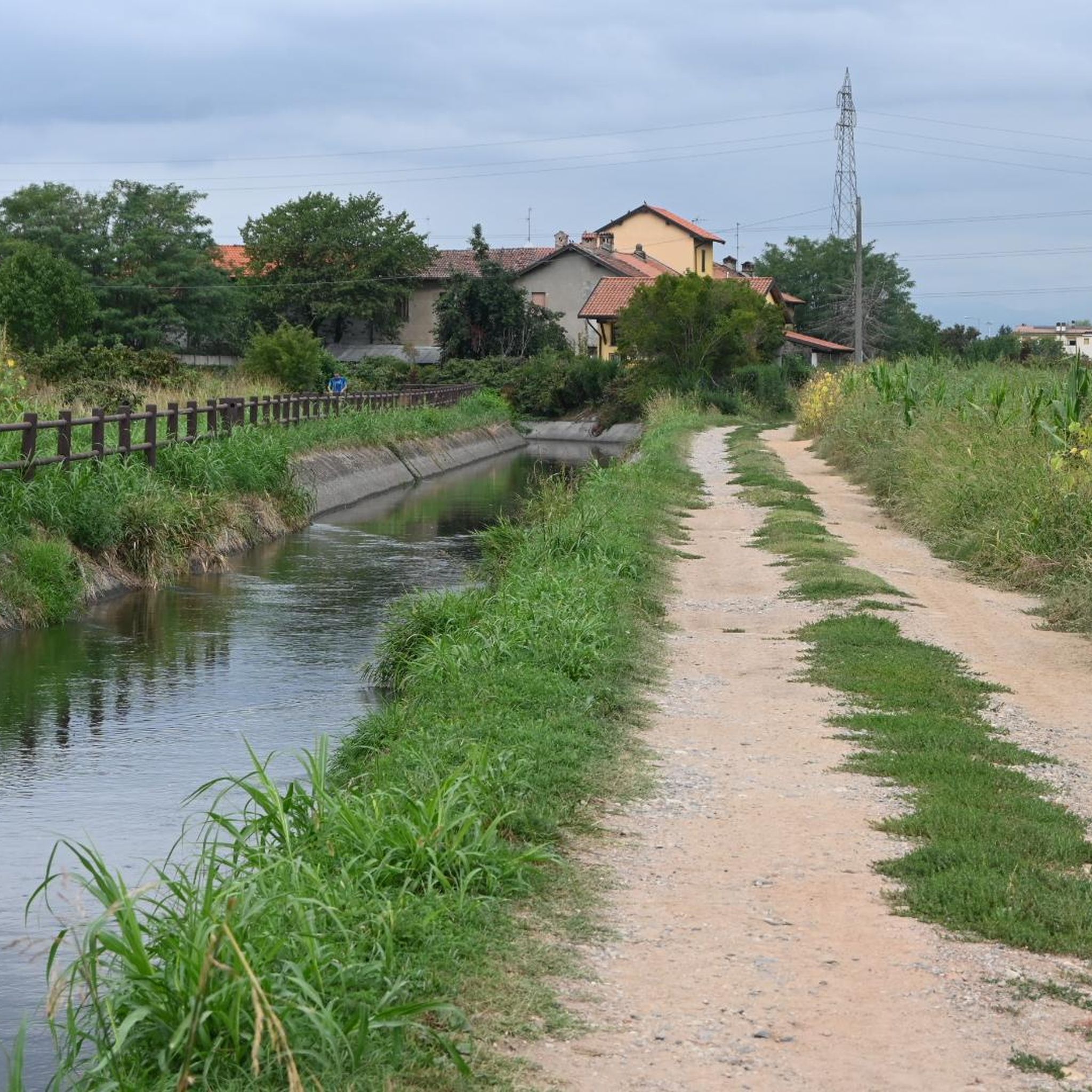

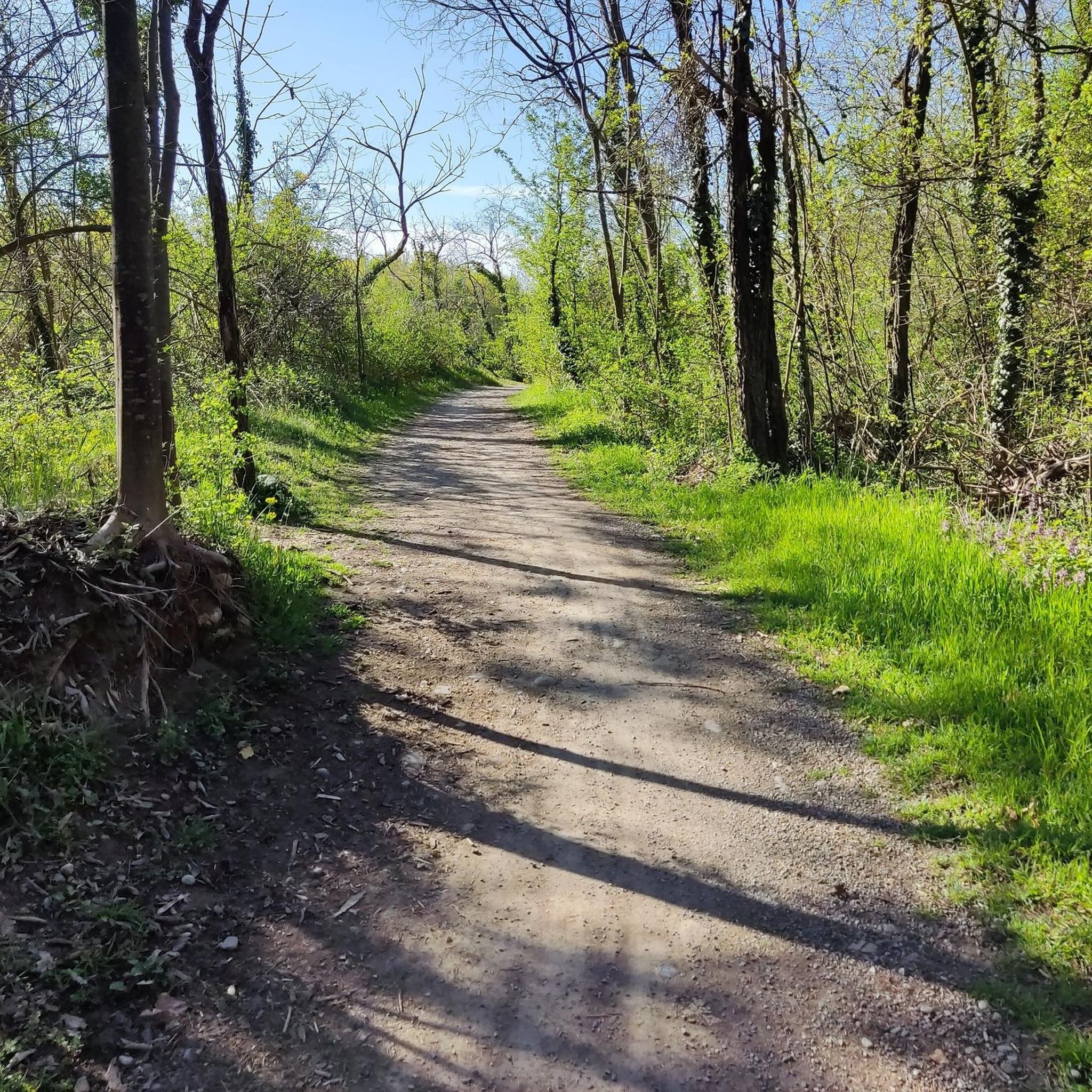
Tips from the Community

The Royal Gardens of Monza are a historic public green area of approximately 5.50 hectares located in the city center. This garden is part of the monumental complex of the Royal Villa of Monza and is strategically positioned to connect the historic city center with the southern entrance of the Gardens of the Royal Villa.
0
0
Interesting collection of roses, some very old but well-maintained with twisted trunks that enhance their age. Pleasant environment, easily accessible, you can explore it at your own pace. Beautiful are the tanks that add some movement. Access is FREE. I didn't really appreciate the support structures for climbing plants and the small, miserable little roses. Very well cared for. All varieties are labeled.
1
0

The connection between the Royal Villa, its Gardens, and the city of Monza was established through the so-called "Royal Groves," a triangular area aligned with the southern entrance to the Villa. The regular layout of the Royal Groves consisted of a series of avenues converging on a circular square, traversed by a system of secondary paths, with three squares at the main intersections. The layout still exists today: the lateral avenues (Regina Margherita to the west and Francesco Petrarca to the east) are now accessible to vehicles, as is the converging square (Piazza Citterio), while the other paths are pedestrian.
2
0
Inside Monza Park, the Lambro River is crossed by four bridges along its course (the Chain Bridge, the Cavriga Bridge, the Bertoli Bridge and the Neoclassical Bridge).
1
0
Bertoli Bridge Architect: Giacomo Tazzini Built in 1838 Location: Viale Mulini San Giorgio
1
0
The rose garden is located within the Royal Palace of Monza, opposite the old Orangery. Created in 1964 by Niso Fumagalli, industrialist and president of the Italian Rose Association, it is home to over 4,000 varieties of roses. It was awarded the prestigious "Award of Garden Excellence" in 2004 by the World Federation of Rose Societies. Admission is free, and the best time to admire the blooms is usually May. The rose garden also features a pond with water lilies and an area dedicated to the most fragrant roses called "The Secret Garden of Perfume."
2
0
Entering the Park from the Dosso gate in Villasanta, after a few dozen meters of dirt road, you come across the Bertoli Bridge (also known as "del Dosso"). The bridge, designed by architect Giacomo Tazzini in the 1840s, owes its name to the family who owned the nearby land, and even today the bridge connects Viale Mulino del Cantone to Viale dei Molini Asciutti. Originally made of wood, due to repeated floods, it was rebuilt using a technique that was innovative for the time. The project modified the bridge's structure, replacing the multiple arches with a single pillar to support the structure and facilitate water flow in the event of river floods. The abutments and central pier of the bridge are made of masonry with a facing of ceppo, a type of stone widely used as an ornamental stone in all existing hydraulic structures within the Park.
1
0
The 700 hectares of the Monza Park are strongly marked by the presence of the Lambro: a resource primarily for fishing and a determining factor in the local flora, the river also became the protagonist of the artistic embellishment of the area. Thanks to precise canalizations, it was possible to build eclectic nineteenth-century mills and create picturesque water features in the gardens of the Villa Reale between the end of the 18th and 19th centuries.
1
0
Frequently Asked Questions
What are the main natural features to explore around Cambiago?
The most prominent natural feature in the Cambiago area is the Martesana Canal. While man-made, this historic waterway is recognized as a landscape heritage corridor, offering lush green spaces, diverse flora, and opportunities for outdoor activities. You'll also find forests and a scenic waterfall within Monza Park.
Are there family-friendly natural monuments near Cambiago?
Yes, several natural monuments are suitable for families. The Royal Groves of Monza and the Lambro River Waterfall (Monza Park) are both within Monza Park and offer pleasant environments. Additionally, Pignone Park and Waterfall on the Adda River is specifically noted as a place for families with children, featuring picnic spots and games.
What kind of outdoor activities can I do along the Martesana Canal?
The banks of the Martesana Canal are ideal for various outdoor activities. A well-developed cycle path runs alongside much of the canal, making it popular for cycling, running, and leisurely strolls. It's a great place to enjoy fresh air and observe local wildlife.
Are there any historical or cultural sites integrated with the natural landscape?
Yes, the Martesana Canal itself is a testament to historical engineering, with parts rumored to have been influenced by Leonardo da Vinci. The route is dotted with historical sites, old villas, and examples of industrial archaeology. Within Monza Park, the Niso Fumagalli Rose Garden is a historical site and a true work of botanical art within the Royal Palace grounds.
Where can I find trails for running or cycling near Cambiago's natural monuments?
You can find numerous trails for running and cycling. The Martesana Canal offers excellent paths for both. For specific routes, explore the Running Trails around Cambiago guide or the Gravel biking around Cambiago guide, which include routes like the 'Alzaia del Canale Villoresi – Towpath of the Villoresi Canal loop'.
What wildlife might I encounter near the Martesana Canal?
The Martesana Canal and its adjacent green areas support various forms of wildlife. Visitors might even spot a colony of coypus, large rodents that are known to inhabit the canal's banks, in addition to diverse birdlife and other small animals.
What is the best time to visit the natural monuments around Cambiago?
The region offers beauty year-round. Spring is particularly beautiful when gardens and trees along the Martesana Canal are in bloom. For the Niso Fumagalli Rose Garden, the best time to admire the blooms is usually May. The Royal Groves of Monza provide a refreshing environment in summer, though temperatures can drop significantly in winter.
Are there any unique art installations in the natural settings?
Yes, within the vast meadows of Monza Park, you can discover Lo Scrittore Sculpture, Parco di Monza. This is a striking man-made monument featuring a large-scale contemporary art installation of a giant chair and table, standing out in the natural landscape.
Can I find a waterfall near Cambiago?
Yes, the Lambro River Waterfall (Monza Park) is located within Monza Park and offers a scenic natural feature. Another option is the Pignone Park and Waterfall on the Adda River, which is adjacent to the Adda river.
What makes the Royal Groves of Monza a popular spot?
The Royal Groves of Monza are a popular forest area that provides a refreshing environment for both cyclists and pedestrians. It's located near the Royal Villa of Monza and is appreciated for its natural beauty and recreational opportunities.
Are there any specific tips for visiting the Pignone Park and Waterfall on the Adda River?
Visitors suggest that Pignone Park and Waterfall on the Adda River is a great spot for rest and relaxation, especially after a walk from Milan. It's suitable for families with children, offering picnic areas and games. Be aware of the swans, which can be nervous.
Most popular routes around Cambiago
Most popular attractions around Cambiago

Get inspired with the komoot mobile app


Explore more
Extend your search for the best caves by checking out these guides of the top ones around Cambiago:
