Top 20 Natural Monuments around Fontanafredda
Best natural monuments around Fontanafredda are found in the Friuli Venezia Giulia region of Italy, an area characterized by diverse natural landscapes including karst formations and significant water sources. The region's geography, influenced by the Cansiglio Plateau, contributes to unique natural features. While the Fontanafredda estate is recognized for its cultural landscape and vineyards, the surrounding area offers distinct natural attractions. These natural monuments provide insight into the geological and hydrological characteristics of the region.
Best natural monuments around Fontanafredda
…Last updated: August 7, 2026
Gorgazzo Spring
Highlight • Natural
Translated by Google •
Tip by

Bus de la Lum Sinkhole
Highlight • Cave
During the Second World …
Translated by Google •
Tip by

Sign up now to discover places like this
Get recommendations on the best single tracks, peaks, & plenty of other exciting outdoor places.
Sign up for free
Tarabin Fountain
Highlight • Rest Area
Translated by Google •
Tip by

Dinosaur Footprint of Busa Figariol
Highlight • Natural Monument
Dinosaur footprint discovered in 2018, almost by accident, by a pensioner, Giuseppe Minatelli from Polcenigo, in the middle of the woods near "Busa Figariol". The dinosaur, probably …
Translated by Google •
Tip by

Col Alt War Memorial
Highlight • Monument
Translated by Google •
Tip by

Sign up for free to discover even more natural monuments around Fontanafredda.
Sign up for free
Already have an account?
Start today with a free account
Your next adventure awaits.
Login or Signup

Tips from the Community

The Cansiglio Forest hides a myriad of sinkholes, pits, and swallow holes of all sizes, due to the karst morphology of the territory: the rain dissolves the limestone rock, slowly but inexorably forming these natural chasms and fissures on the ground. The Bus de la Lum is an abyss characterized by a single large vertical entrance shaft 180m high, which then develops into a very large and articulated underground complex. The depth of the shaft is best appreciated out of season, because in summer the lush vegetation tends to partially obscure the view. According to ancient beliefs, it is the dwelling of the Anguane or Anduane, fierce and evil witches, toothless, with long rusty nails instead of hair and sharp fangs, who kidnapped and ate children! They gathered at the bottom of the cave, lighting fires, whose glows rose to the surface, visible at night to the shepherds of the area: hence the name 'Buco della Luce' (Hole of Light). In reality, the legend has a grain of truth: on hot summer nights, will-o'-the-wisps could indeed be formed by the decomposing carcasses of livestock dead from illness, which it was customary to throw into the Buso. During World War II, the cavity was sadly used by partisans as a foiba, to dispose of the bodies of fascists and nazis, but also of civilians: over the years, several bodies and bones have been found during explorations. https://it.wikipedia.org/wiki/Bus_de_la_Lum
0
0

The dinosaur footprint found near the Buga del Figariol, on the Cansiglio plateau, represents one of the most significant paleontological discoveries in the Veneto-Friulian Prealps. The footprint is impressed on a grey limestone boulder located near a sinkhole and dates back to the Early Cretaceous, about 120-125 million years ago. The track belongs to a bipedal carnivorous dinosaur, probably a medium-sized theropod, about five or six meters long. This evidence has revolutionized the geological understanding of the area: its presence demonstrates that the ancient carbonate platform was not entirely submerged, but featured stable emerged lands that allowed large reptiles to pass. Immersed in the suggestive wooded context of the Cansiglio, the Buga del Figariol footprint transforms a quiet hiking trail into a journey through time, documenting a prehistoric ecosystem radically different from the current mountain environment.
0
0


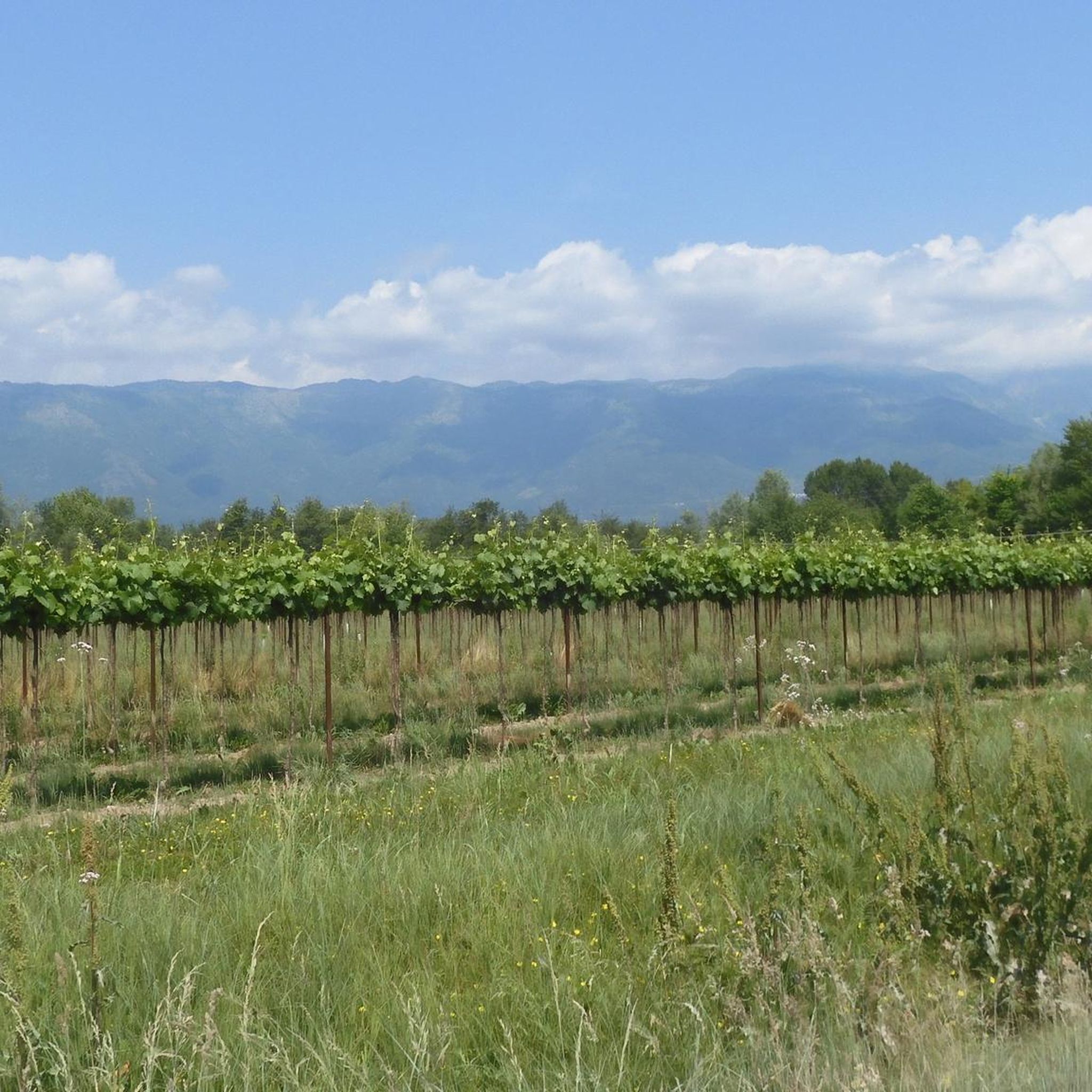
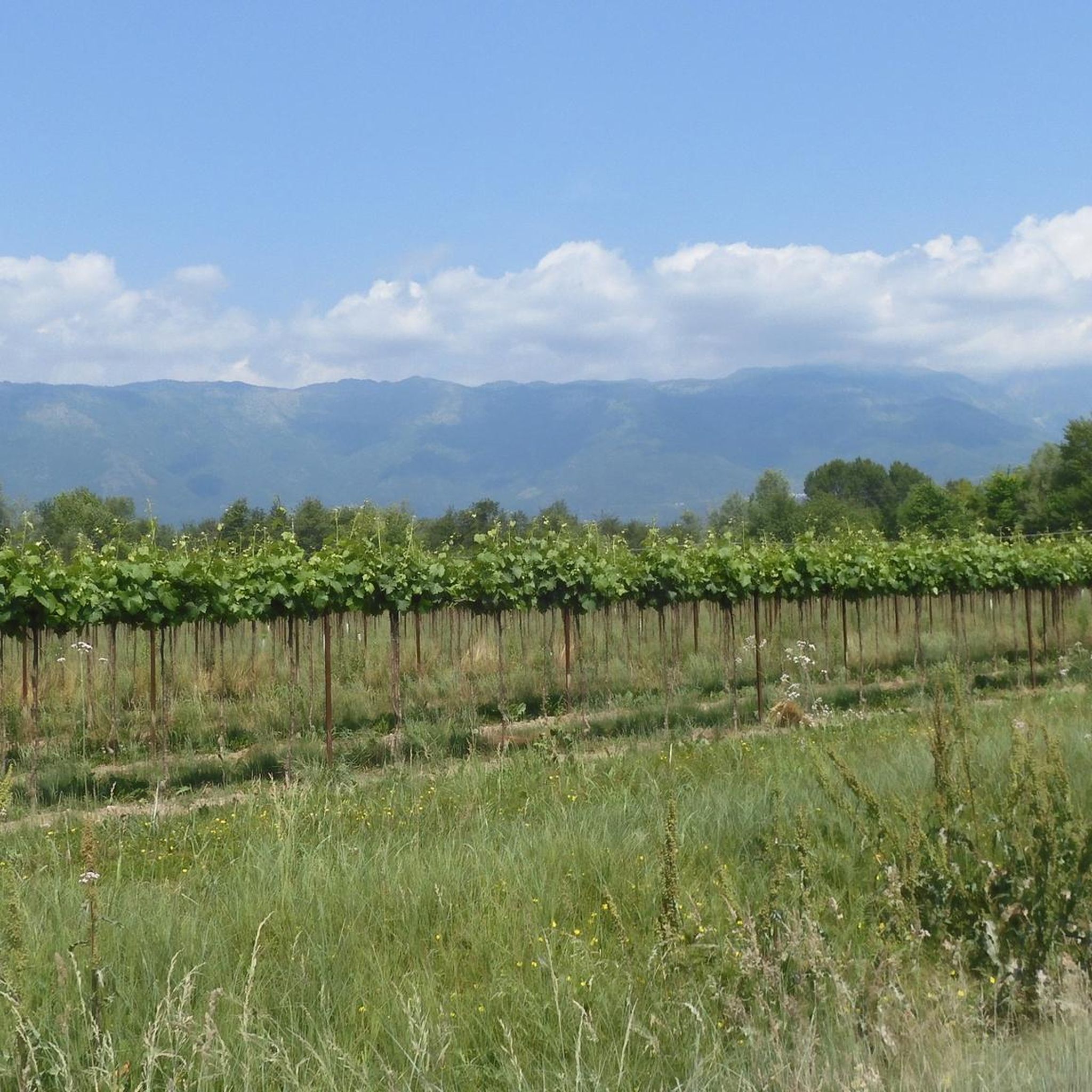
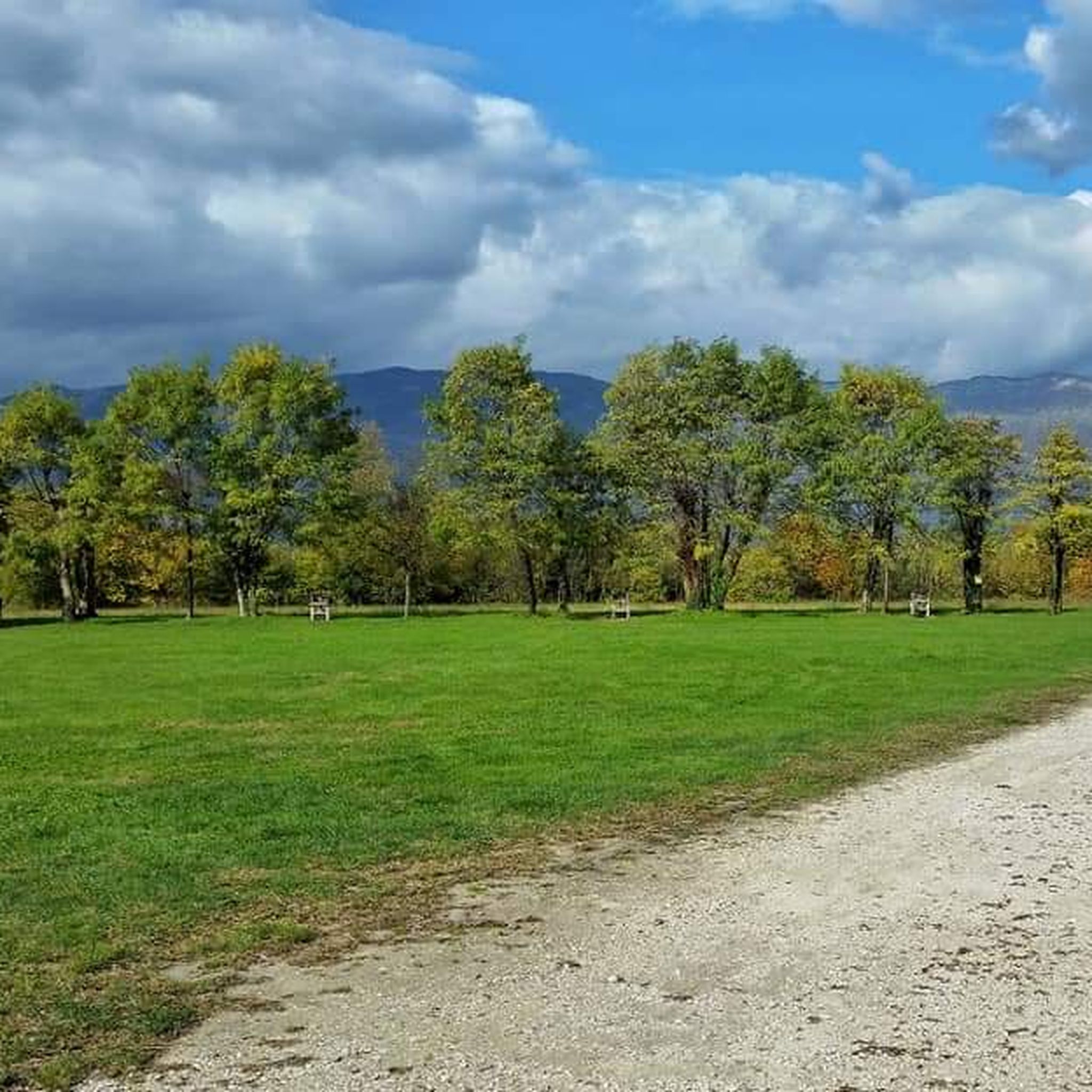
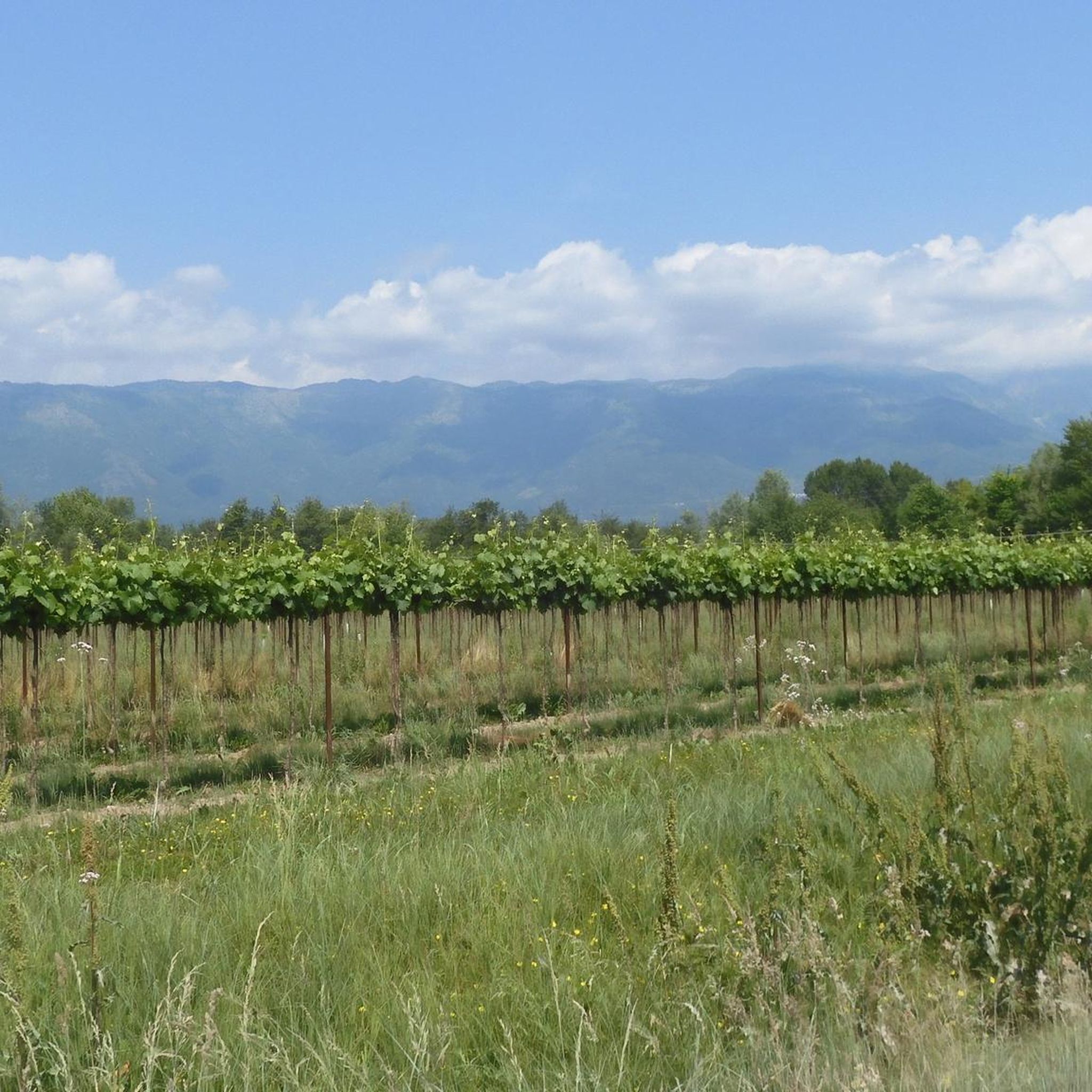
Fresh, cold spring water for drinking and tapping.
0
0

The Gorgazzo springs have the characteristic of collecting rainwater which, infiltrating the karst structure of the Cansiglio plateau, emerges at the base of the mountain with an already considerable flow rate.
0
0

A magical place, with an incredible scientific history. Always worth a stop.
0
0
Monument in honor of the fallen of the area during the Second World War.
0
0

The name probably derives from "lume" or flame, due to the luminescence that would have been seen on summer nights above the cavity, produced by the gases generated by the putrefaction of animal carcasses thrown into the well. The cavity was formed by karst, or by the dissolution of the rock by water. According to legend, it is inhabited by the Anguane, very ugly fairies, with nails instead of hair, and long fangs instead of teeth. During the day they went to wash clothes at Lake Santa Croce, then wandered around in search of wood, food and children to roast. At night, they lit a small fire, whose light, spotted by shepherds, gives the cavity its name
2
0
Frequently Asked Questions
What unique natural features can I expect to see around Fontanafredda?
The region around Fontanafredda is characterized by diverse natural landscapes, including significant water sources and karst formations. A standout feature is the Gorgazzo Spring, an underwater cave known for its stunningly clear, green-hued water where a statue of Christ is visible at a depth of nine meters on sunny days. You can also find natural springs like the Tarabin Fountain, and geological formations such as the Bus de la Lum Sinkhole.
Are there any natural monuments with historical significance in the area?
Yes, the Bus de la Lum Sinkhole is a natural karst formation with a somber historical past, having been used as an improvised burial ground during World War II. Additionally, the Col Alt War Memorial, while man-made, is situated on a panoramic hill that held strategic importance during the Liberation Struggle, making it a site where nature and history intertwine.
What kind of panoramic views can I find among the natural monuments?
For breathtaking panoramic views, consider visiting Col Cornier, a panoramic peak in the Carnic Prealps. From its summit, you can enjoy expansive vistas across Col Nudo, Pelmo, Tofane, Civetta, Pale di San Martino, and the Cansiglio ridge. The Col Alt War Memorial also offers a beautiful view, sweeping from the Euganean Hills to the Venice lagoon on clear days.
Are there family-friendly natural attractions around Fontanafredda?
Yes, several natural attractions are suitable for families. The Gorgazzo Spring is a captivating spot with its clear green water and visible underwater statue, offering a unique visual experience. The Tarabin Fountain, a natural spring, is also considered family-friendly and provides a refreshing stop for hikers.
What outdoor activities can I do near these natural monuments?
The area around Fontanafredda offers various outdoor activities. You can explore numerous MTB trails, including routes that pass by the Tarabin Fountain. There are also running trails and gravel biking routes, such as the one connecting Polcenigo Village Center to the Gorgazzo Spring.
Can I find easy hiking trails to natural monuments in the Fontanafredda area?
While some natural monuments like Col Cornier involve intermediate to challenging hikes, there are also easier options. The Gorgazzo Spring is easily accessible, and the Tarabin Fountain is a destination for many hikers and mountain bikers, suggesting paths of varying difficulty. For specific easy routes, you can check the running trails guide which includes easy options like the Running loop from Villadolt.
What is the best time of year to visit the natural monuments around Fontanafredda?
The natural monuments in the Friuli Venezia Giulia region, including the Gorgazzo Spring and panoramic summits, are generally best visited during spring, summer, and early autumn. These seasons offer pleasant weather for outdoor activities like hiking and biking, and ensure the best visibility for viewpoints like Col Cornier. The clear waters of the Gorgazzo Spring are particularly vibrant on sunny days.
Are there any natural monuments that are particularly good for photography?
The Gorgazzo Spring is highly recommended for photography due to its unique and magical atmosphere created by the clear, green-hued water and the visible underwater statue. Panoramic viewpoints like Col Cornier and Col Alt War Memorial also offer stunning landscape opportunities, especially on clear days.
What do visitors enjoy most about the natural monuments in this region?
Visitors frequently highlight the unique beauty and tranquility of the natural monuments. The Gorgazzo Spring is praised for its 'fabulous green' water and being a 'must visit'. The panoramic views from summits like Col Cornier are also highly appreciated, offering extensive vistas of the surrounding mountains and plains.
Are there any natural monuments related to water sources in the area?
Yes, the region is known for its significant water sources. The most prominent is the Gorgazzo Spring, which is the source of the Gorgazzo stream and scientifically important as it collects rainwater from the Cansiglio plateau. Another notable water-related natural monument is the Tarabin Fountain, created from a natural spring that serves as the sole water source in the Budoiese mountains.
How long should I plan to explore the natural monuments near Fontanafredda?
The time needed varies depending on the monument and your activity. For a quick visit to the Gorgazzo Spring, you might spend an hour or two. Hikes to panoramic summits like Col Cornier can take several hours, especially if you choose a challenging route. For a more comprehensive experience, consider dedicating a full day to explore a cluster of sites or embark on a longer MTB or gravel biking route.
Most popular routes around Fontanafredda
Most popular attractions around Fontanafredda

Get inspired with the komoot mobile app


Explore more
Extend your search for the best caves by checking out these guides of the top ones around Fontanafredda:
