Top 20 Natural Monuments around Ronchi Dei Legionari
Best natural monuments around Ronchi dei Legionari are found in the Friuli-Venezia Giulia region of Italy, offering access to a diverse landscape. This area features coastal elements, the Carso karst plateau, and the Isonzo River. The region's varied geography provides several natural attractions for exploration.
Best natural monuments around Ronchi Dei Legionari
- The most popular natural monuments is Summit 3 of Monte San Michele, a viewpoint that offers suggestive observation points overlooking the Isonzo valley. It is a historical site with paths of varying difficulties.
- Another must-see spot is Monument to Filippo Corridoni, a man-made monument and historical site. This 23-meter high stone monument commemorates Filippo Corridoni and features classic fascist stylistic elements.
- Visitors also love Isola della Cona – Foce dell'Isonzo Nature Reserve, a natural monument and nature reserve. This area is a significant natural habitat with high environmental value, offering opportunities for observing local flora and fauna.
- Ronchi Dei Legionari is known for its diverse natural features, including river areas, coastal landscapes, and the unique geological formations of the Carso karst plateau. Visitors can explore a variety of natural monuments, from viewpoints to nature reserves.
- The natural monuments around Ronchi Dei Legionari are appreciated by the komoot community, with more than 300 upvotes and over 200 photos shared by visitors.
Last updated: May 16, 2026
Summit 3 of Monte San Michele
Highlight • Viewpoint
Translated by Google •
Tip by

Duino Castle
Highlight • Castle
Translated by Google •
Tip by

Sign up now to discover places like this
Get recommendations on the best single tracks, peaks, & plenty of other exciting outdoor places.
Sign up for free
Monument to Filippo Corridoni
Highlight • Monument
Translated by Google •
Tip by

Timavo springs and the Church of San Giovanni in Tuba
Highlight • River
Translated by Google •
Tip by

Isola della Cona – Foce dell'Isonzo Nature Reserve
Highlight • Natural Monument
Translated by Google •
Tip by

Sign up for free to discover even more natural monuments around Ronchi Dei Legionari.
Sign up for free
Already have an account?
Start today with a free account
Your next adventure awaits.
Login or Signup
Tips from the Community

Perched on a steep karst spur plunging into the blue of the Gulf of Trieste, Duino Castle embodies the charm of Central European nobility and poetic inspiration. Owned by the Della Torre e Tasso family, this historic residence welcomes visitors amidst sumptuous halls, precious relics, and the famous Palladian spiral staircase. But it is outside that the magic happens: the lush Mediterranean park and the Rilke Trail offer breathtaking panoramas that captivated the soul of Rainer Maria Rilke, who began composing his famous Elegies here. Walking among the ancient walls and the modern Second World War bunker, you breathe an atmosphere suspended in time, where the white rock of the cliffs meets the vastness of the Adriatic in an embrace of rare beauty.
0
0

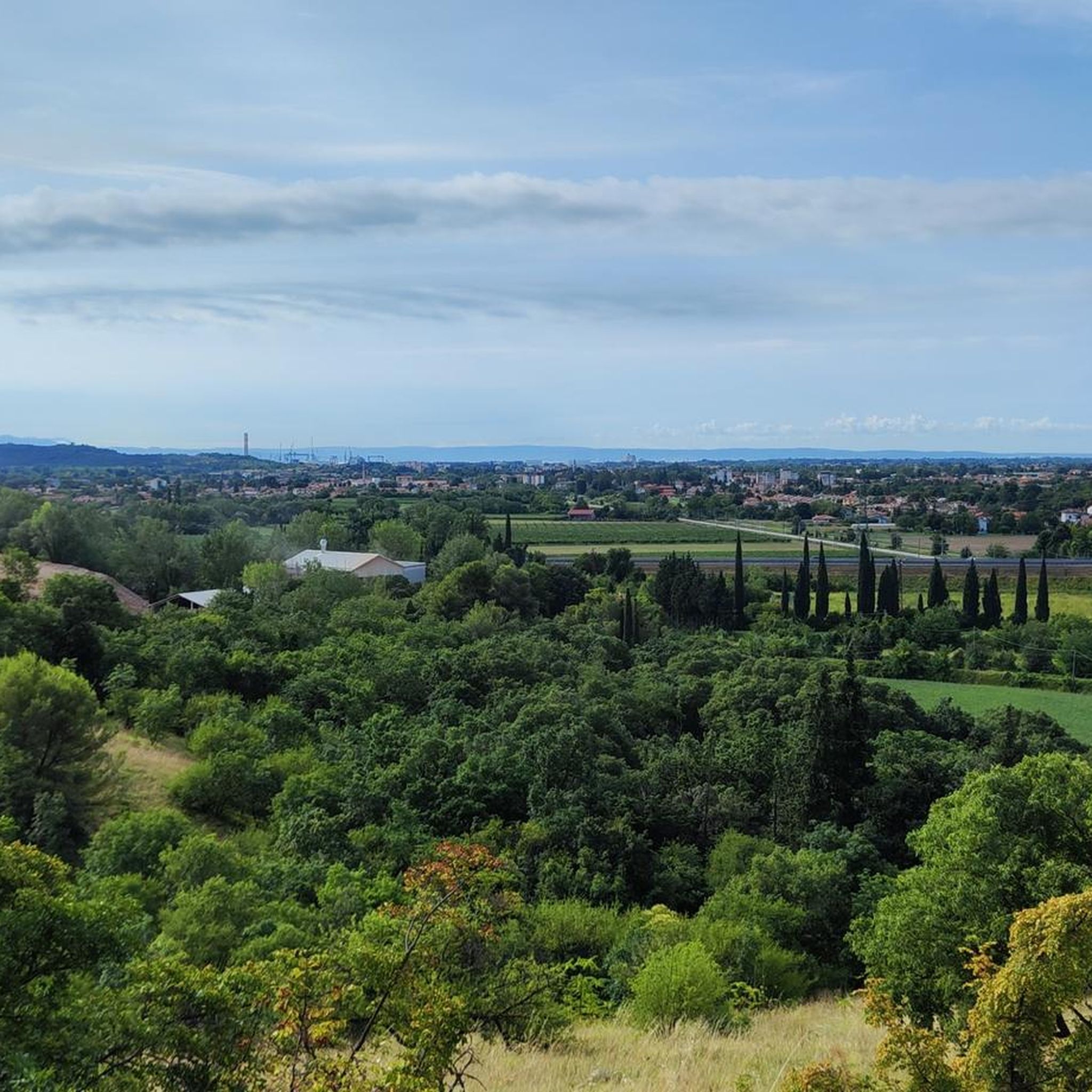
Dominating the sea, this village always offers unexpected surprises.
0
0

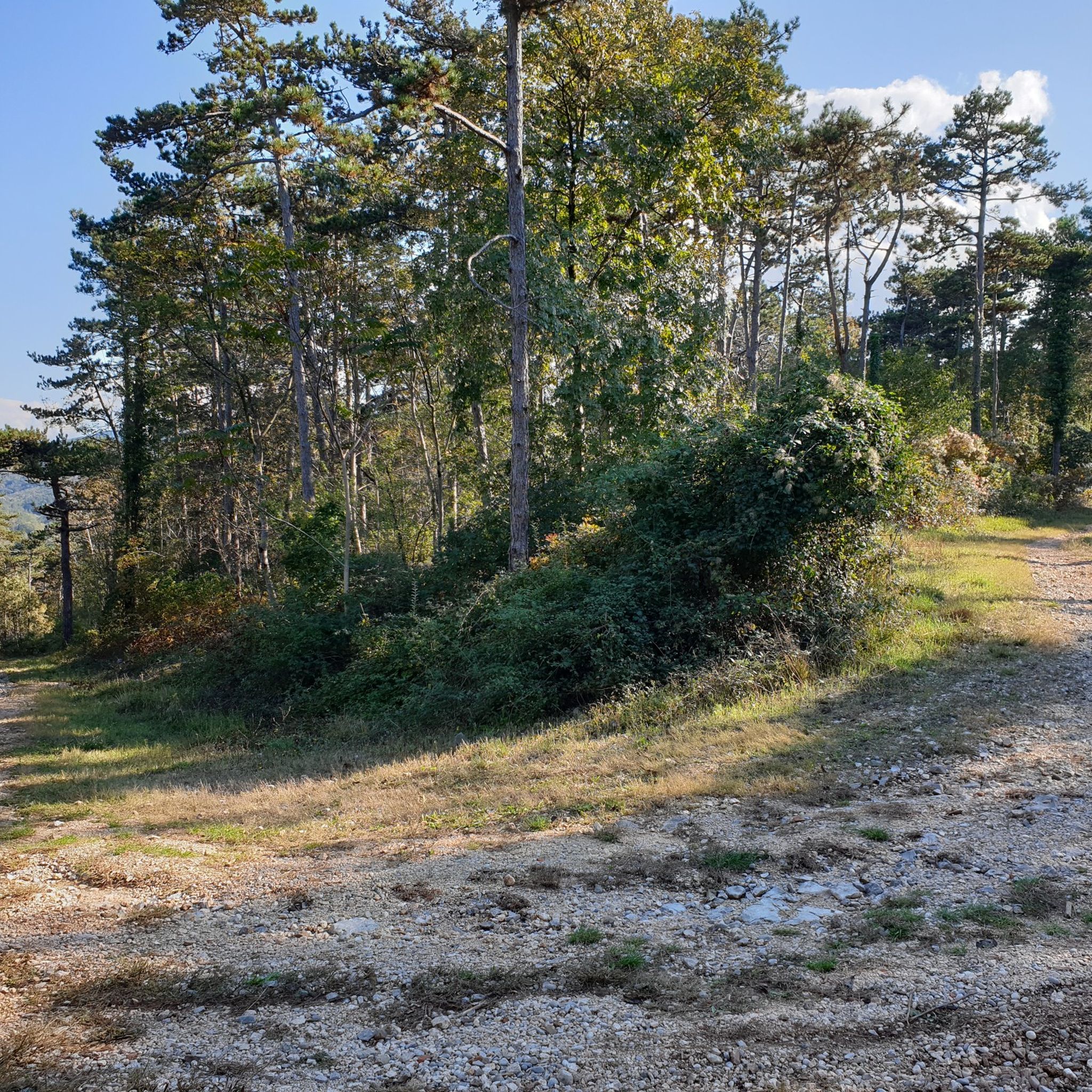
In the area of the Risorgive del Timavo, where the Timavo river emerges from the vegetation, the medieval church of San Giovanni in Tuba stands suggestively with its late Gothic style.
0
0

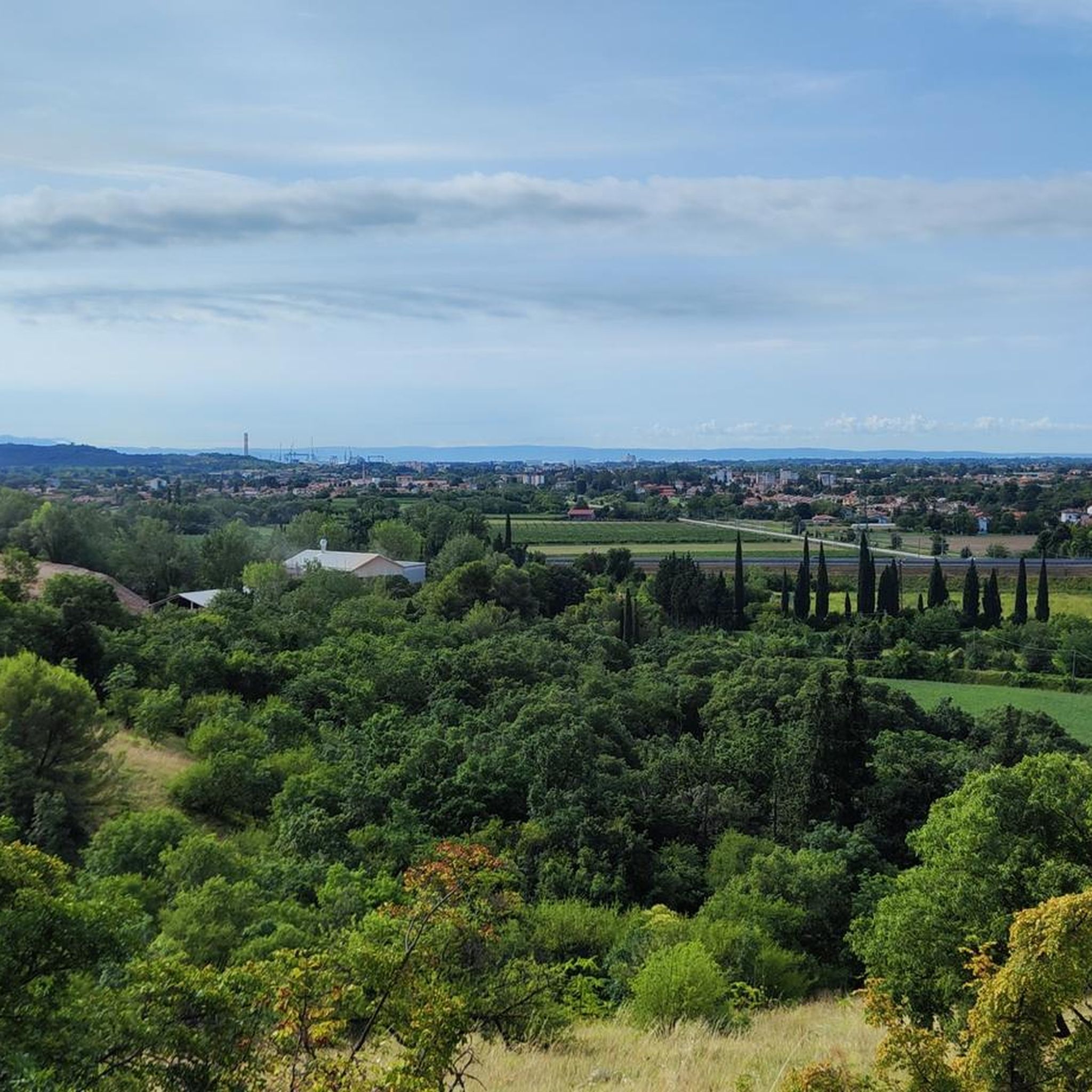
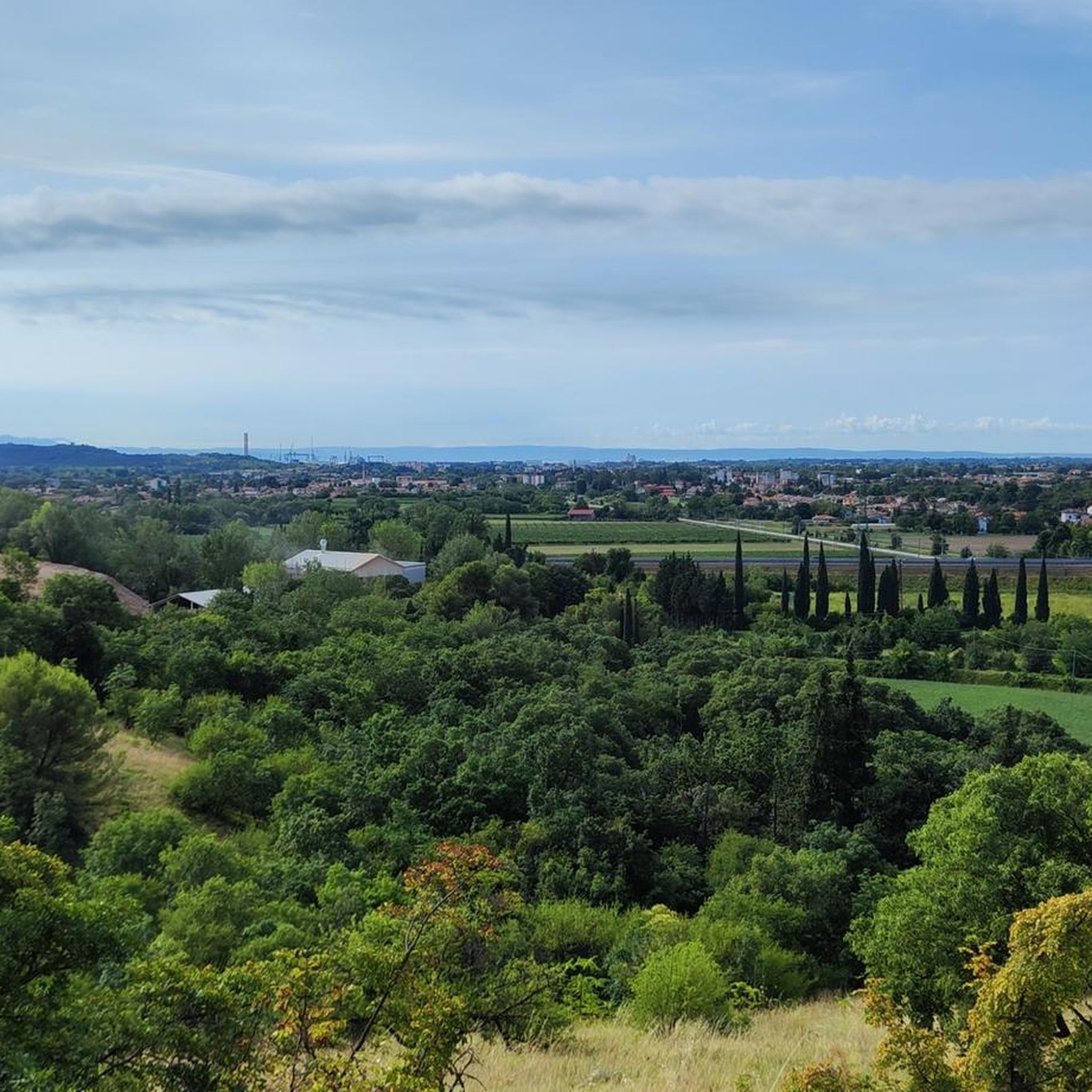
A fairly well-kept panoramic area, although with a series of works in progress
1
0

This monument is nothing short of enchanting, not only for the structure but also for the site in which it is located, breathtaking!
1
0
www.viaggiatorelento.com Dating back to 1483, the place of worship is a rare example in the region of Gothic ogival style of Carinthian taste. It was built at the behest of the Walsee lords and partly rebuilt after the damage of the Second World War. It stands on the site of an early Christian basilica, of which a wall and a mosaic dating back to the 5th century are preserved in the presbytery, built on an ancient Roman temple. From 568 the territory was occupied by the Lombards. In 615 various relics and precious furnishings of the basilica of Aquileia were buried in the church to save them from the barbarian attack by the Avars on the Friuli area, they remained buried until their discovery in 1085. Around 950 the monastery of San Giovanni al Timavo or Tuba also arose. The monastery and the church were rebuilt again by the Benedictine monks towards the middle of the 10th century in conjunction with the chapter of the cathedral of San Giusto in Trieste which had rights over the church. In the 11th century the fief of Duino depended on the Patriarchate of Aquileia and the patriarch Enrico united the monastery of San Giovanni to the abbey of San Martino della Beligna in Aquileia, the patriarch Ulrico also confirmed this union. In 1085 during the restoration works the ancient buried treasure was discovered and brought back to Aquileia, the discovery increased the fame of the monastery and in particular the festival for the feast of the day of its patron saint (June 24), it began to attract a multitude of people from every part of the Carso up to Trieste, the patriarch Ulrico in 1112 had the basilica rebuilt, expanding it and in 1120 it became an abbey and therefore provided it with large possessions: ten mansi located in Duino, the parish of Marciliana (Monfalcone) and ten mansi in the locality of Gradisca. Source Wikipedia
0
0
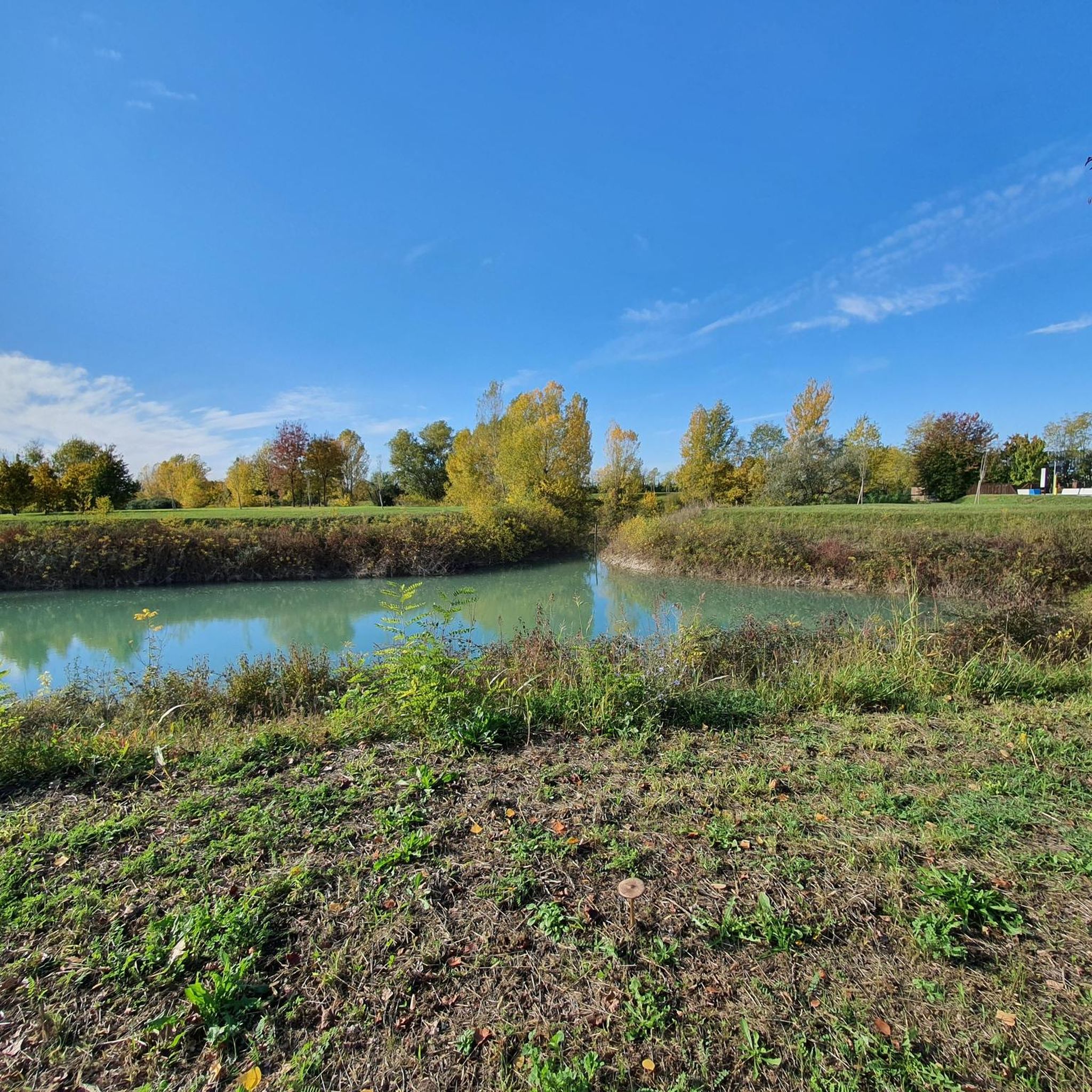
The springs of the Timavo River, where the river resurfaces from its underground path for the last stretches before the sea. The area of the springs, located in the municipality of Duino-Aurisina, has been an important place of worship since ancient times. The presence of a river that flowed from the earth had intrigued and frightened primitive populations. Diomedes, Hercules, Saturn, the Spes Augusta, Liber Augustus and the god Temavus were venerated. Virgil was so impressed by it that he mentioned it three times: Eclogue VIII, 6, Georgics, book III, 475 and Aeneid, book I, 244. The Via Flavia passed through here and in the area of the mouth of the Timavo the amber road reached the Adriatic Sea, along which the precious fossil resin was imported from the Baltic since pre-Roman times.
0
0

Between Monfalcone and Trieste lies a spectacular castle overlooking the sea: Duino Castle, the private residence of the Princes of Thurn and Taxis. The castle has been open to the public since July 1, 2003. Be sure to plan a stop, it's worth it!
1
0
Frequently Asked Questions
What unique natural features can I explore around Ronchi dei Legionari?
The region around Ronchi dei Legionari offers diverse natural features, including coastal elements, the unique
Carso karst plateau
with its distinctive limestone landscapes, caves, and underground rivers, and the significantIsonzo River
. You can experience these at places like the Timavo springs and the Church of San Giovanni in Tuba, where the Timavo river re-emerges after a long karst path.Are there family-friendly natural attractions near Ronchi dei Legionari?
Yes, several natural monuments are suitable for families. The Isola della Cona – Foce dell'Isonzo Nature Reserve is a great option, offering opportunities for observing local flora and fauna. The Timavo springs and the Church of San Giovanni in Tuba is also considered family-friendly, providing an impressive natural setting.
What historical sites are integrated with the natural monuments?
The region is rich in history. Summit 3 of Monte San Michele is a historical site with paths of varying difficulties, offering suggestive observation points overlooking the Isonzo valley and commemorating the Battles on the Soča. The Monument to Filippo Corridoni is another significant historical site, a 23-meter high stone monument with classic fascist stylistic elements.
Where can I observe local flora and fauna?
The Isola della Cona – Foce dell'Isonzo Nature Reserve is a prime location for wildlife observation. This reserve is a significant natural habitat with high environmental value, frequented by hundreds of bird species, and home to gray geese and Camargue horses in the wild. The Visitor Center at Isola della Cona provides information and access to observation points.
Are there any viewpoints offering scenic vistas?
Absolutely. Summit 3 of Monte San Michele is a highly recommended viewpoint, providing suggestive observation points overlooking the Isonzo valley. The Isola della Cona – Foce dell'Isonzo Nature Reserve also features observation points along its paths, offering beautiful landscapes.
What outdoor activities, like hiking or cycling, can I do near these natural monuments?
The area around Ronchi dei Legionari is excellent for outdoor activities. You can find numerous running trails, MTB trails, and cycling routes. For example, there are cycling routes that take you along the Grado Coastal Cycle Path, offering scenic views of the Adriatic coastline, and routes crossing the Isonzo River.
Are there easy trails suitable for a relaxed visit?
Yes, for a relaxed visit, the Isola della Cona – Foce dell'Isonzo Nature Reserve offers a shorter ring path that takes about 40 minutes, allowing you to reach the Marinetta Observatory and explore temporary wetlands. This is a gentle option for enjoying nature without strenuous effort.
How long should I plan for a visit to the natural reserves?
For the Isola della Cona – Foce dell'Isonzo Nature Reserve, a shorter circular path takes about 40 minutes. If you wish to explore more extensively, the Path of the United World, which leads to the meadows of Biancospino and the mouth of the Isonzo, can take approximately 3 hours round trip. Plan accordingly based on your desired level of exploration.
Are there any wheelchair-accessible natural sites?
The Visitor Center at Isola della Cona – Foce dell'Isonzo Nature Reserve is noted as wheelchair accessible, providing a starting point for exploring the reserve. It offers information and facilities for visitors.
What is the best time of year to visit the natural monuments in this region?
The Friuli-Venezia Giulia region, with its coastal and karst landscapes, is generally pleasant to visit during spring (April-June) and autumn (September-October). During these seasons, the weather is mild, making it ideal for hiking, cycling, and wildlife observation without the intense heat of summer or the chill of winter.
Can you recommend a natural monument that offers both natural beauty and historical significance?
The Summit 3 of Monte San Michele perfectly combines natural beauty with historical significance. It's a viewpoint offering stunning vistas of the Isonzo valley, while also serving as a poignant historical site from the First World War, with paths that allow you to retrace the contention of these lands.
What kind of geological formations can be found in the area?
The region is notably influenced by the
Carso karst plateau
, a unique geological formation characterized by limestone landscapes. This results in distinctive features such as caves, sinkholes, and underground rivers, which are part of the natural monuments and contribute to the area's unique ecosystem.Most popular routes around Ronchi Dei Legionari
Most popular attractions around Ronchi Dei Legionari

Get inspired with the komoot mobile app


Explore more
Extend your search for the best caves by checking out these guides of the top ones around Ronchi Dei Legionari:
