Top 8 Natural Monuments around Trani
Best natural monuments around Trani offer a blend of historical charm and natural beauty along the Adriatic coast. The region features a coastline with clear waters and picturesque views, characterized by pebbles, light sand, and white-pink limestone. Trani's natural areas provide opportunities for exploring ancient trees, coastal caves, and unique geological formations. These sites complement the area's rich historical architecture, offering diverse outdoor experiences.
Best natural monuments around Trani
- The most popular natural monuments is The Ripalta Caves, a…
Last updated: June 28, 2026
Dolmen of La Chianca
Highlight • Historical Site
Translated by Google •
Tip by

Antignano Olive Tree
Highlight • Natural Monument
Translated by Google •
Tip by
Sign up now to discover places like this
Get recommendations on the best single tracks, peaks, & plenty of other exciting outdoor places.
Sign up for free
Dolmen Frisari
Highlight • Historical Site
It can be …
Translated by Google •
Tip by

Grotta del Finestrino
Highlight • Cave
Translated by Google •
Tip by

The Ripalta Caves
Highlight • Cave
Translated by Google •
Tip by

Sign up for free to discover even more natural monuments around Trani.
Sign up for free
Already have an account?
Start today with a free account
Your next adventure awaits.
Login or Signup

Tips from the Community

Cave with an opening through which you can see outside (window)
0
0

Impressive megalithic structure from the Middle Bronze Age (16th and 15th century BC), explored at the beginning of the 20th century, in the area surrounding the homonymous Frisari farmhouse. Unfortunately, the monument, which is very reminiscent of the more famous Dolmen della Chianca, is not in a good state of conservation.
0
0

Magical place in the Santa Croce area, to the right of a monumental cross visible from the road
0
0

The indicated position of the Window Cave is incorrect.. the correct position is the one indicated by Google Maps on the same side of the Cross
0
0

Large Dolmen from the Bronze age in the beautiful olive groves of Bisceglie
0
0

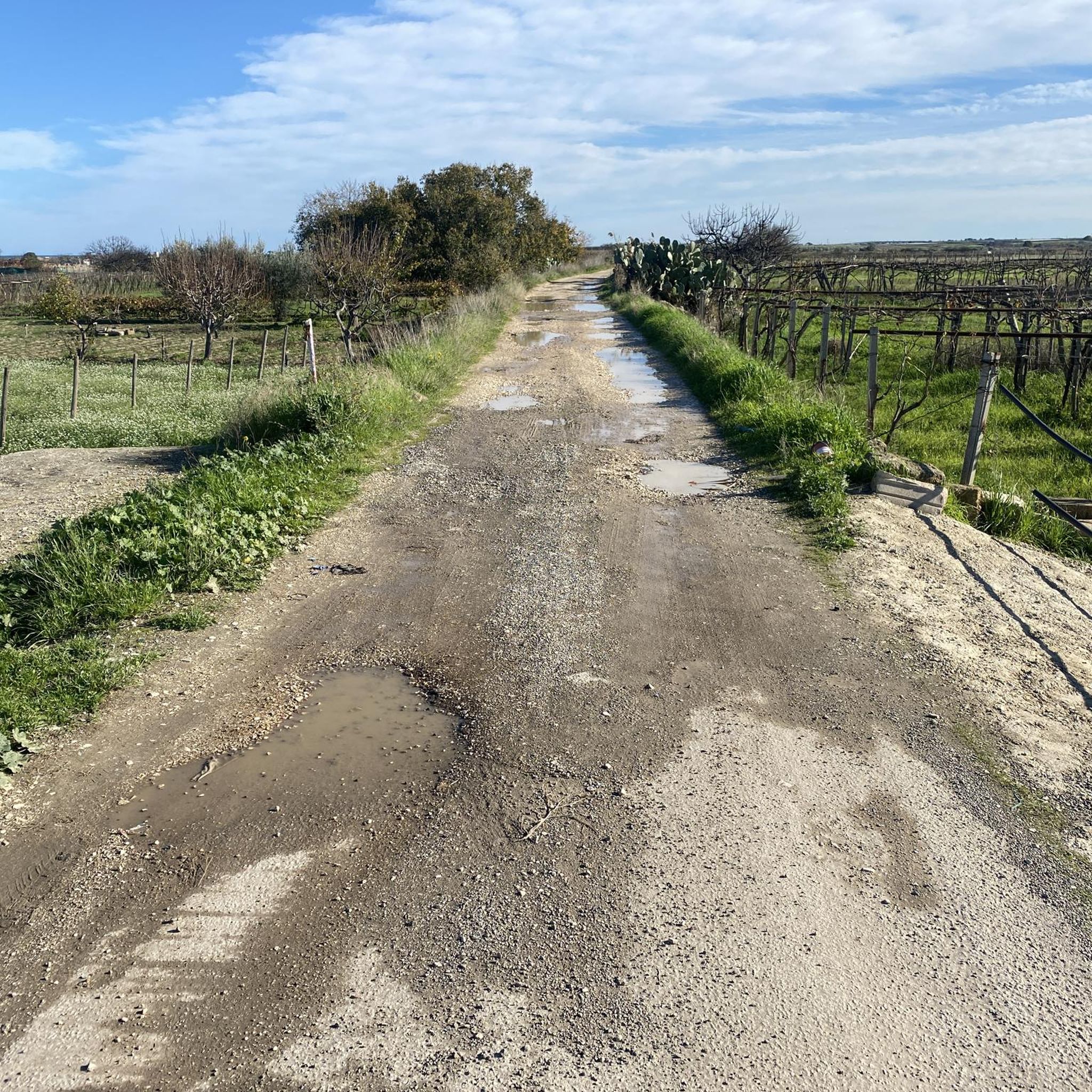
The Dolmen la Chianca is a prehistoric megalithic monument, dating back to the Bronze Age and discovered in 1909 near Bisceglie. The dolmen consists of a quadrangular cell, formed by three vertical stone slabs and one horizontal roof, and an open-air corridor. It is always possible to visit it, with a racing bike it is better to walk the last stretch of the path up to the Dolmen.
1
0

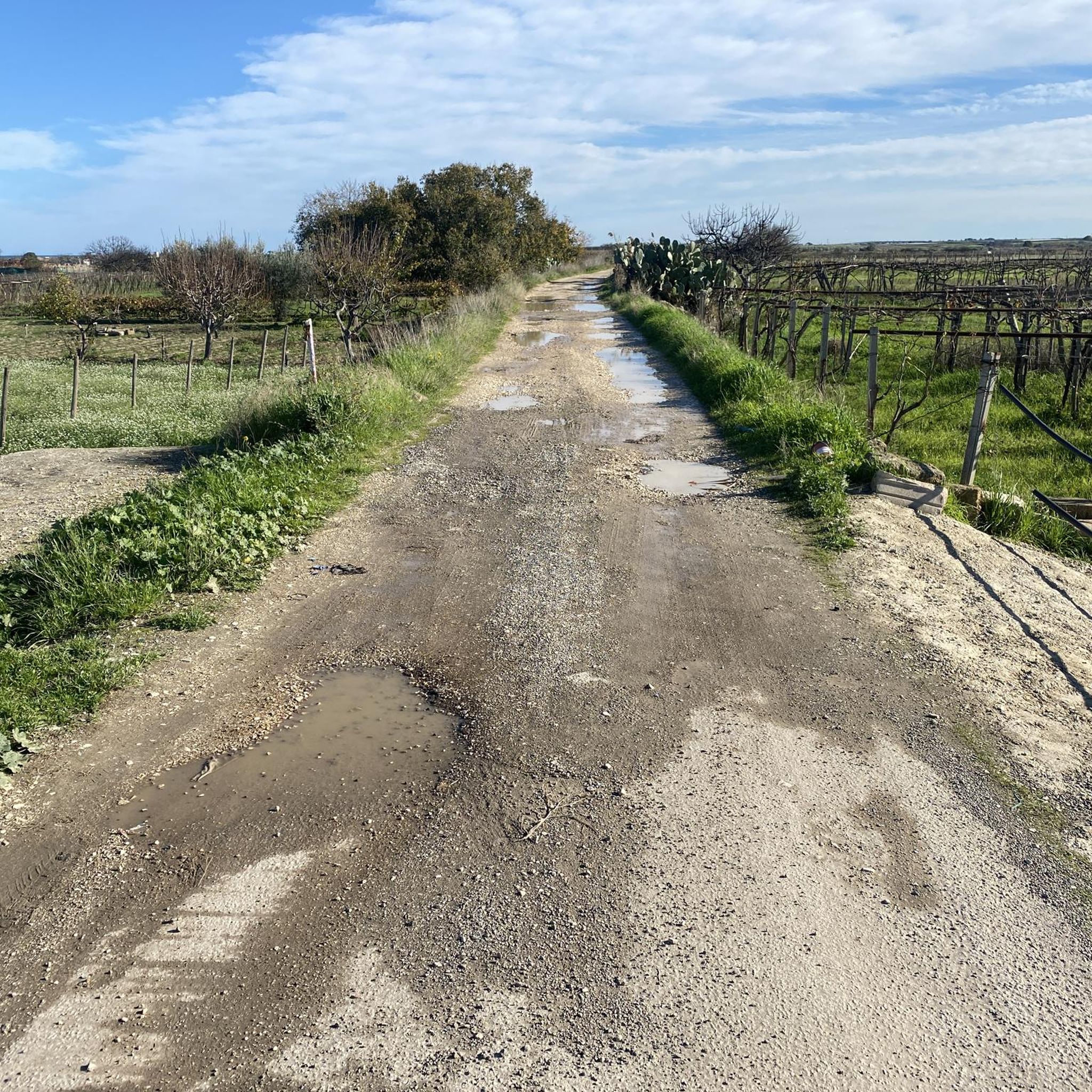
Majestic tree, known as the Antignano olive tree, which is located close to the road. Unfortunately not signposted and could be better maintained
1
1
Frequently Asked Questions
What unique natural features can I explore around Trani?
Trani's natural landscape offers a blend of coastal beauty and ancient geological formations. You can explore fascinating cave systems like The Ripalta Caves, known for their natural pebble beach formation, and Grotta del Finestrino, which also features a Neolithic deposit. The region is also home to majestic, centuries-old olive trees, such as the Antignano Olive Tree.
Are there any historical natural monuments to visit near Trani?
Yes, several natural sites around Trani have significant historical connections. Grotta del Finestrino contains a Neolithic deposit, indicating ancient human frequentation. Additionally, you can find prehistoric megalithic monuments like Dolmen Frisari and Dolmen della Chianca and Caves of Santa Croce, which date back to the Bronze Age and are located near caves that were once inhabited.
What are some popular coastal natural attractions near Trani?
Trani's coastline is a major draw. The city's beaches, characterized by pebbles, light sand, and crystal-clear waters, offer picturesque views. Popular spots include Baia delle Sirene Beach, San Marco Sud, Pretore Beach, and Il Braccio Beach. The Ripalta Caves are another coastal highlight, featuring natural caves and unique pebble beaches formed by sea erosion. The Villa Comunale also offers stunning sea vistas and access to small beaches.
Are there hiking opportunities near Trani's natural monuments?
Yes, the area around Trani offers various hiking routes. You can explore trails like the 'Trani and the Monastery of Colonna – circular walk' or the 'Trani Harbour – Swabian Castle of Trani loop'. For more options, check out the Hiking around Trani guide, which provides details on routes with varying distances and difficulties.
Can I go running or cycling near these natural sites?
Absolutely. Trani provides excellent opportunities for running and cycling. Running trails include the 'Via Francigena - Coastal and St. Michael's Variant Trail' and loops around the Port of Trani and Monastero di Colonna. For gravel biking, routes like the 'Acquedotto Pugliese Cycle Path' offer longer distances. You can find more details in the Running Trails around Trani and Gravel biking around Trani guides.
Are there any wild swimming spots along the Trani coastline?
Trani's coastline is known for its clear, clean bathing waters. While specific 'wild' spots aren't explicitly named, the region's mix of rocky coves and sandy beaches, including areas like Colonna and Lama Monachile, are local favorites for swimming and sunbathing. The unique white-pink limestone adds to the charm of these natural swimming areas.
Are the natural monuments around Trani suitable for families?
Many natural monuments around Trani are suitable for families. The Antignano Olive Tree offers an interesting natural stop for all ages. The Villa Comunale, with its tranquil paths and sea views, is also a pleasant spot for a family stroll. The city's beaches provide safe and enjoyable environments for children to play and swim.
What is the best time of year to visit Trani's natural monuments?
The best time to visit Trani's natural monuments is typically during the spring (April-June) and early autumn (September-October). During these months, the weather is pleasant for outdoor activities, and the crowds are generally smaller than in the peak summer season. The clear waters are inviting for swimming, and the coastal scenery is at its most vibrant.
What should I wear when exploring Trani's natural areas?
When exploring Trani's natural areas, especially if you plan to hike or visit caves, wear comfortable walking shoes. Light, breathable clothing is recommended, particularly during warmer months. If you intend to swim, bring appropriate swimwear. A hat, sunglasses, and sunscreen are also advisable for sun protection, especially along the coast.
What do visitors particularly enjoy about the natural monuments in Trani?
Visitors frequently praise the serene atmosphere and stunning coastal scenery. The Ripalta Caves are often described as 'magical,' enchanting visitors with their unique formations. The ancient olive trees, like the Antignano Olive Tree, are admired for their majestic presence. The blend of natural beauty with historical insights, such as the Neolithic deposits in Grotta del Finestrino, also captivates many.
Are there any caves to explore near Trani?
Yes, Trani is home to several intriguing cave systems. The most prominent are The Ripalta Caves, a series of natural caves along the coast, some accessible only from the sea. Another significant site is Grotta del Finestrino, located along the 'Le Lame' stream, which also holds archaeological importance. The Caves of Santa Croce, near the Dolmen della Chianca, were also seats of human frequentation in ancient times.
Where can I find ancient olive trees in the Trani area?
The Trani area is renowned for its ancient olive trees. The most notable is the Antignano Olive Tree, a large, centuries-old specimen rising majestically in the Molfetta countryside. Attested since 1600, this tree stands 7 meters high with a diameter of about 600 cm, making it a truly impressive natural monument.
Most popular attractions around Trani

Get inspired with the komoot mobile app


Explore more
Extend your search for the best caves by checking out these guides of the top ones around Trani:
