Top 6 Natural Monuments around Zermeghedo
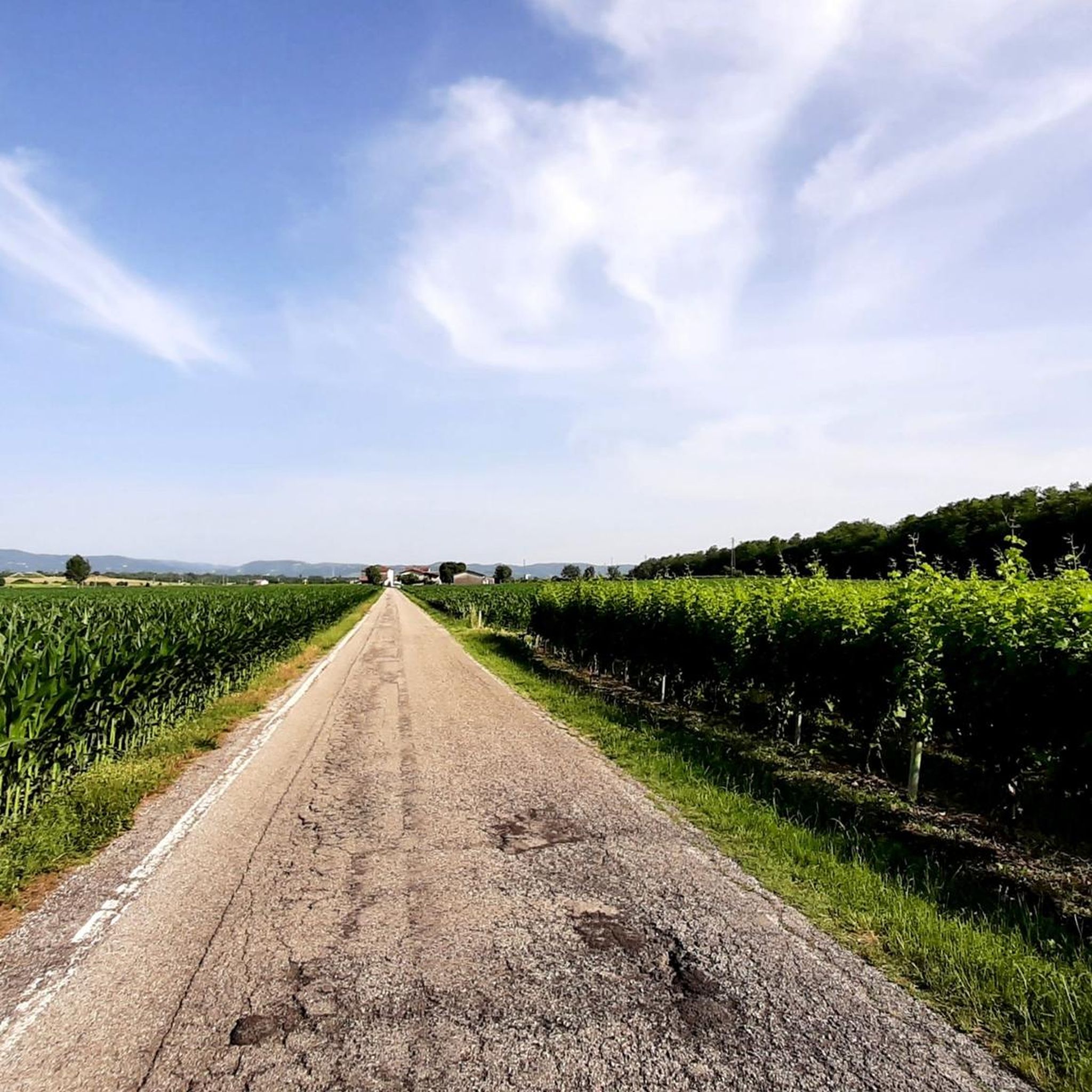
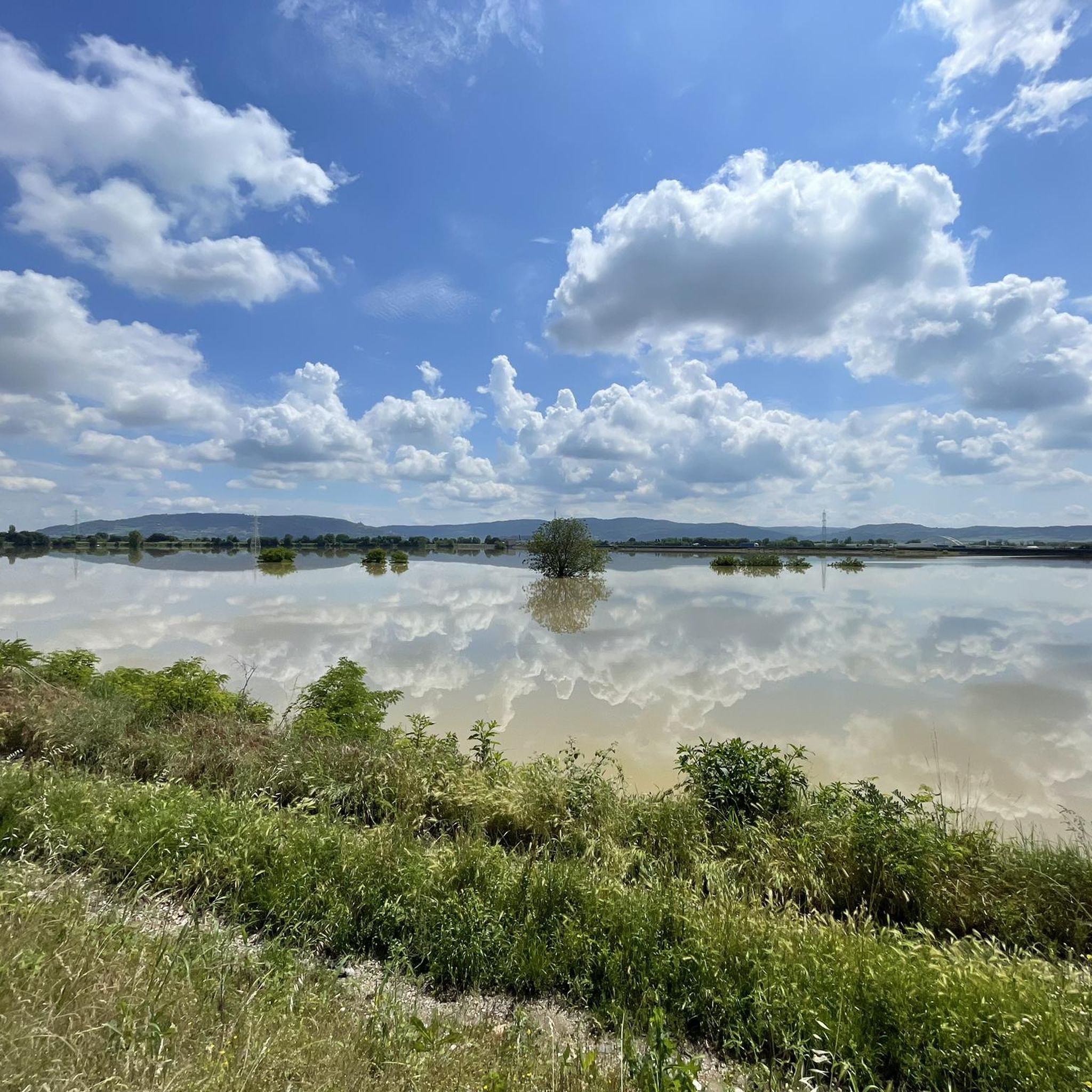
Best natural monuments around Zermeghedo are characterized by the region's picturesque vineyard landscapes and surrounding hilly terrain. While Zermeghedo itself features cultivated hillsides ideal for scenic walks, the broader Vicenza province offers more distinct natural attractions. These include volcanic hills, ancient marine formations, and geological parks. The area provides diverse opportunities to explore natural features and historical sites.
Best natural monuments around Zermeghedo
- The most popular natural monuments is View of Vicenza and the Berici Hills, a viewpoint that…
Last updated: June 28, 2026
Monte Nero
Highlight • Natural Monument
Translated by Google •
Tip by

San Bernardino drinking fountain in Perarolo
Highlight • Rest Area
Translated by Google •
Tip by

Sign up now to discover places like this
Get recommendations on the best single tracks, peaks, & plenty of other exciting outdoor places.
Sign up for free
View of Vicenza and the Berici Hills
Highlight • Viewpoint
Translated by Google •
Tip by

Nova Fountain
Highlight • Natural Monument
Translated by Google •
Tip by
Covolo dell'Orco
Highlight • Cave
Translated by Google •
Tip by
Sign up for free to discover even more natural monuments around Zermeghedo.
Sign up for free
Already have an account?
Start today with a free account
Your next adventure awaits.
Login or Signup
Tips from the Community

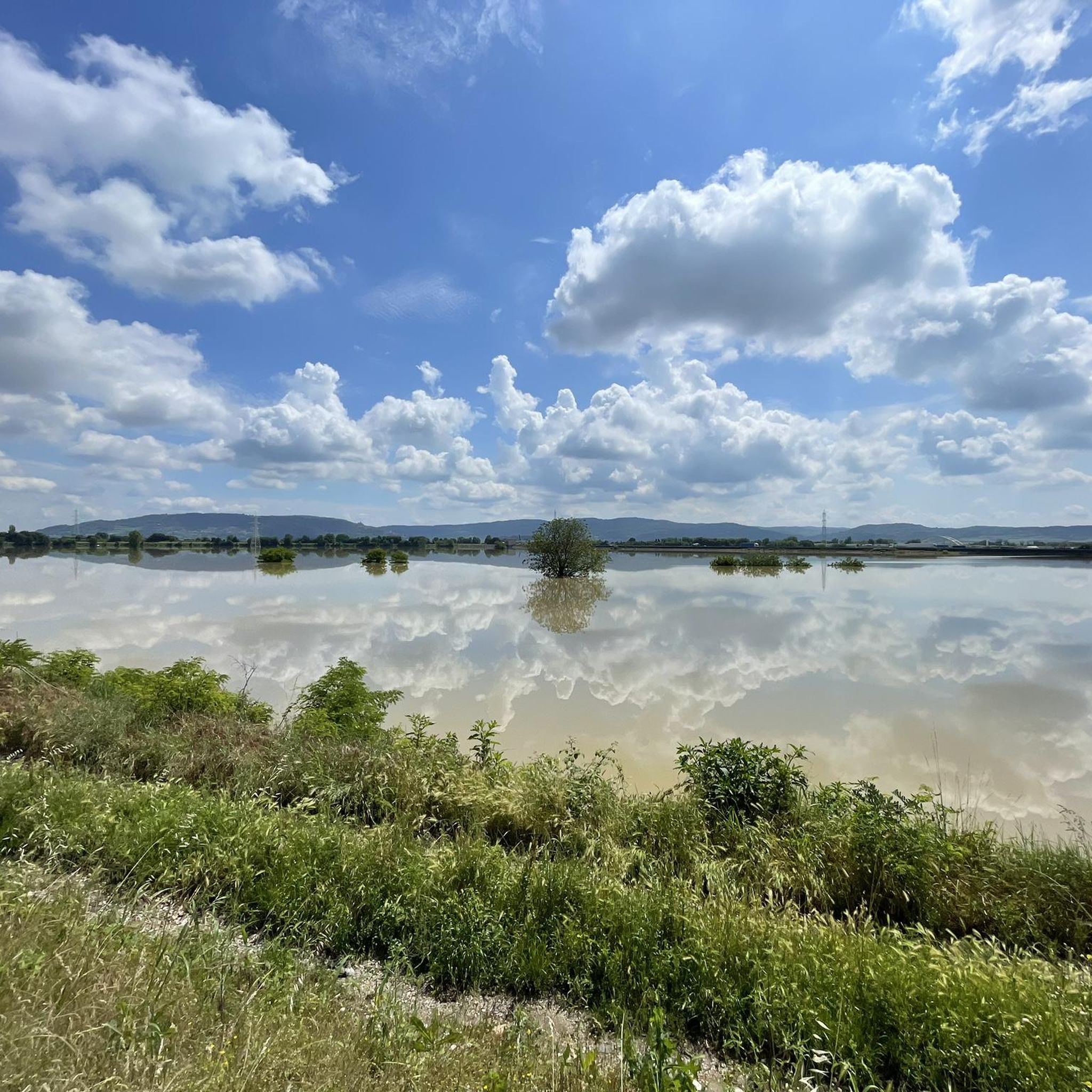
The first mention of this fountain dates back to 1540, but it is likely even older. After the Black Death of 1348 decimated the population, with the demographic recovery, the surrounding wooded area was once again cultivated under the name 'terra nova', hence the name of the fountain. It fed the aqueduct of the basin near the bell tower of St. Peter's, but was forgotten at the beginning of the 20th century, when the municipal aqueduct came into operation. It was faithfully restored in 1982: it consists of a (closed) tunnel that protects the spring and channels the water to the small external basin. The water is not subject to control.
1
0
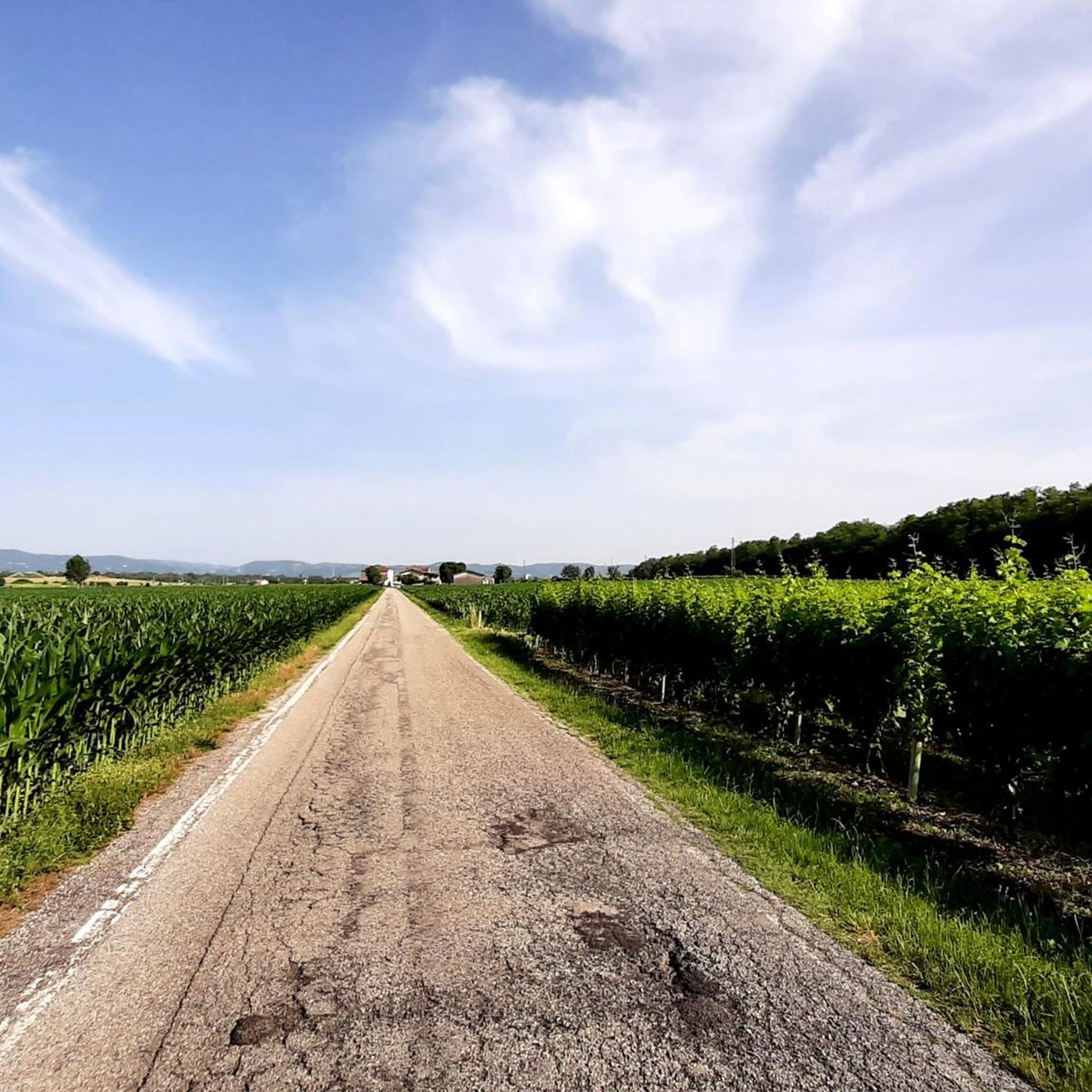
The Grotta dell'Orco, also known as the Grotta del Boscòn, is the largest natural cave in the area: a large cavern of about twenty meters that originated from the intersection of various fractures in the rock and shaped by meteoric erosion. Frequented by men since prehistoric times, it was used over the centuries as a shelter for shepherds and a humble home for poor families. Legend has it that a disturbing ogre lived here who took it out on travelers with his cries and his lugubrious laugh.
0
0
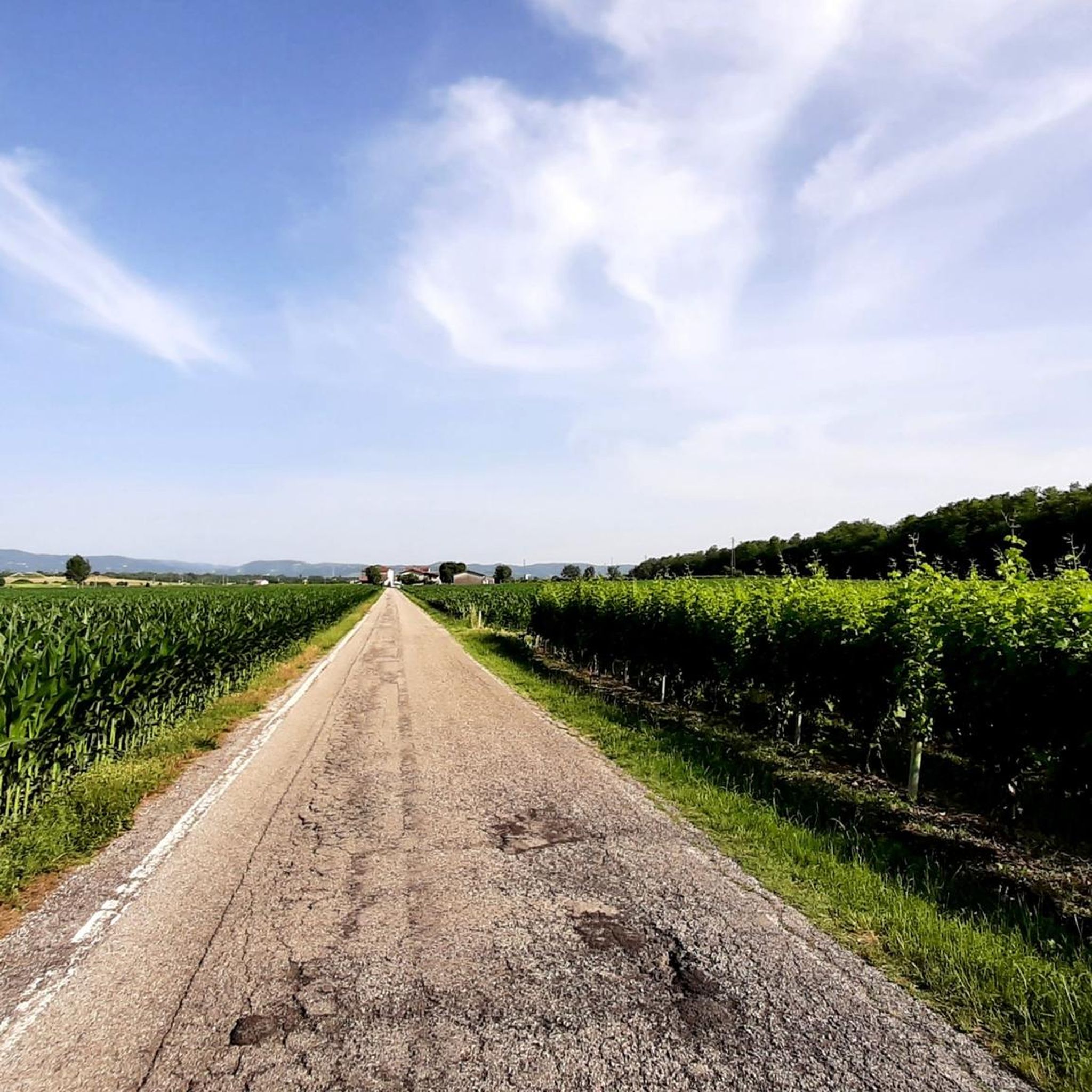
Monte Nero, above Montecchio Maggiore, is actually a hill: despite its modest size, it is quite unique in terms of its geology, morphology, and botanical rarities! Thirty million years ago, Monte Nero was a volcanic island emerging from the waters. This gave rise to the current peak, which, with its bare, arid, and dark basalt (hence the name "Nero"), stands out clearly from the surrounding limestone hills. It is a unique (micro)environment: you walk on the primitive, solidified lava flow; you encounter rare plants, including exotic and Mediterranean ones, which are, to say the least, unusual to find in these places. A short educational trail (also suitable for children) starts from the Church of San Pietro and illustrates the peculiarities of Monte Nero in six stages/panels. https://www.prolocoaltemontecchio.it/cosa-vedere/percorsi/naturalistici/
2
0

Perarolo di Arcugnano is a splendid village, dominated by the splendid church of San Bernardino with its particular bell tower designed at the end of the 19th century by the architect Vittorio Barichella. From here there are some beautiful paths that lead towards the woods of Brendola.
1
0

The best drinking fountain in the area. Unmissable charging stage
0
0

stopping point for drinking water supply
0
0

A highlight of my vacation ...
12
1

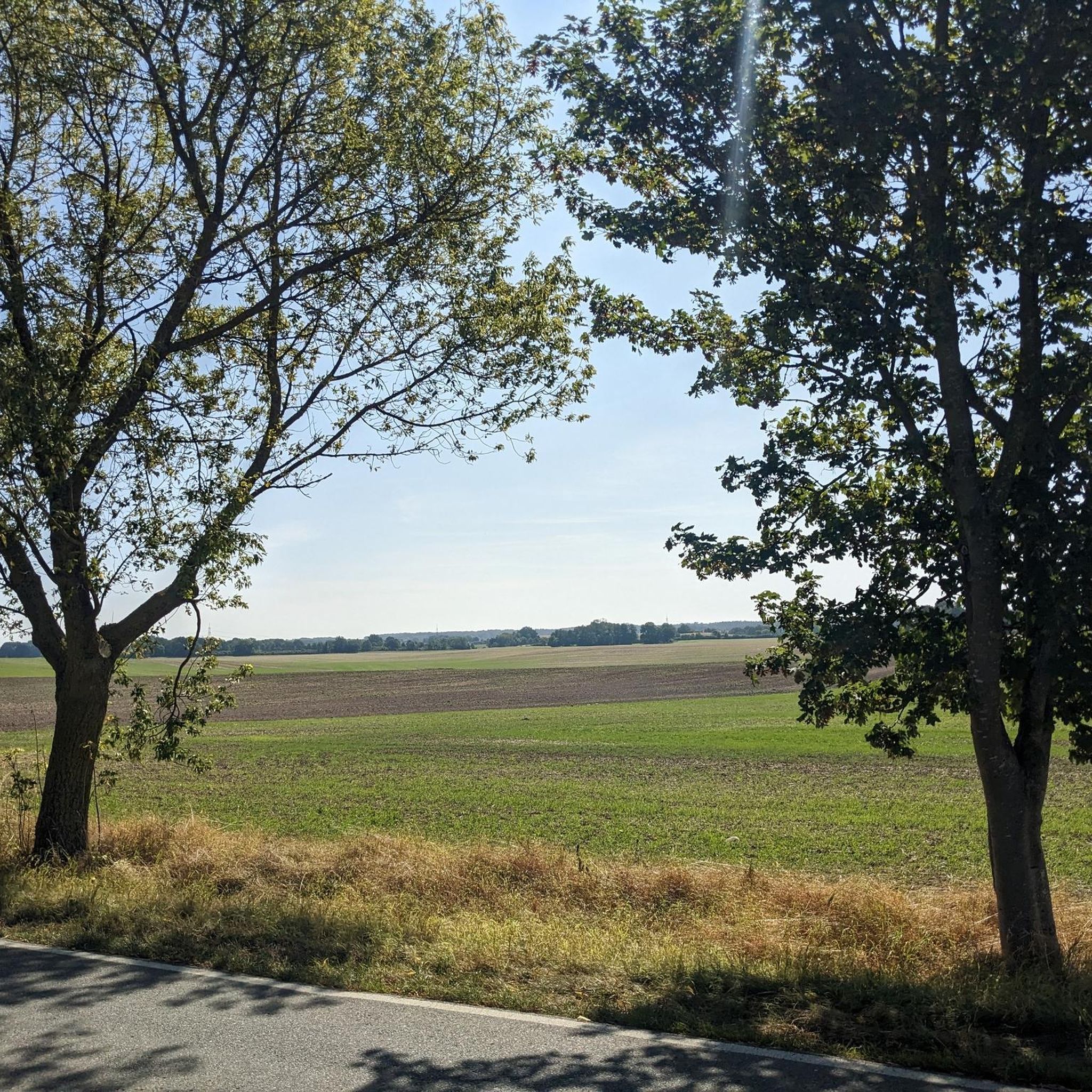
Splendid ridge of the Berici mountains that ends at the sanctuary of Monte Berico from which you have an excellent view of Vicenza and the countryside
9
0
Frequently Asked Questions
What unique natural features can I explore around Zermeghedo?
Beyond the picturesque vineyard landscapes, you can discover diverse natural features. For instance, Monte Nero is a geologically unique hill formed from a volcanic island 30 million years ago, featuring bare basalt and rare plants. The broader Vicenza province also offers volcanic hills like the Euganean Hills and ancient marine formations in the Berici Hills.
Are there any historical natural monuments in the area?
Yes, the region has natural monuments with historical significance. The Covolo dell'Orco is the largest natural cave in the area, frequented by humans since prehistoric times and later used as a shelter. Additionally, the Nova Fountain, first mentioned in 1540, has a rich history tied to the area's demographic recovery after the Black Death and its role in feeding an ancient aqueduct.
What kind of viewpoints can I find among the natural monuments?
The area offers several excellent viewpoints. The View of Vicenza and the Berici Hills provides a splendid perspective of Vicenza and the surrounding countryside from the Berici mountains ridge. Monte Nero also serves as a viewpoint, offering unique vistas over the landscape.
Are there family-friendly natural monuments or trails suitable for children?
Yes, several natural monuments are suitable for families. Monte Nero features a short educational trail that is also suitable for children, explaining its unique geology and botany. The View of Vicenza and the Berici Hills is also considered family-friendly, offering accessible views. The San Bernardino drinking fountain in Perarolo is another family-friendly spot, offering a convenient stop for water.
What outdoor activities can I do near these natural monuments?
The region around Zermeghedo is excellent for various outdoor activities. You can enjoy hiking on trails like the 'San Marco Chapel – Duomo di Gambellara loop' or the 'Vineyard View – View of the Valley loop'. Cycling is also popular, with routes such as 'Between Trissino and Brogliano – Cornedo loop'. For mountain biking enthusiasts, there are trails like the 'Rocky Trail in the Forest – Bishops' Castle loop'. You can find more details on these activities in the hiking guide, cycling guide, and MTB guide for Zermeghedo.
Are there any natural monuments that are wheelchair accessible?
Yes, the San Bernardino drinking fountain in Perarolo is noted as being wheelchair accessible, making it a convenient and inclusive stop for visitors.
What is the best time of year to visit the natural monuments around Zermeghedo?
The vineyard landscapes are particularly scenic in spring and summer when they are lush green, and in autumn during harvest for vibrant colors. These seasons are ideal for scenic walks and photography. The moderate climate generally makes spring and autumn pleasant for hiking and exploring the natural features.
Are there any facilities like drinking fountains available at the natural monuments?
Yes, the San Bernardino drinking fountain in Perarolo is a notable facility and natural monument, serving as an excellent stopping point for water supply in the area. It's highly appreciated by visitors for its convenience.
Can I bring my dog on trails near the natural monuments?
While specific dog-friendly designations for each natural monument are not detailed, many outdoor trails in the Zermeghedo area, especially those through vineyards and hills, are generally suitable for dogs on a leash. It's always recommended to check local regulations or signage at trailheads for specific restrictions.
Where can I find parking for natural monuments and hiking trails?
Parking availability varies by location. For trails like the 'San Marco Chapel – Duomo di Gambellara loop', you would typically look for parking in Gambellara. For the 'Vineyard View loop', parking would be available in Zermeghedo. For routes starting in Montebello Vicentino, such as the 'End of the cycle path loop' or 'Castello dei Maltraverso loop', parking can be found in Montebello Vicentino. Specific parking details are often available on individual route pages.
What are the geological highlights of the natural monuments in this region?
The region boasts fascinating geological features. Monte Nero is a prime example, being a volcanic hill with exposed basalt rock, a remnant of a 30-million-year-old volcanic island. The broader Vicenza province also includes the Euganean Hills, which are of volcanic origin, and the Berici Hills, known for preserving traces of ancient marine life like molluscs and sea urchins, indicating their marine past.
Most popular routes around Zermeghedo
Most popular attractions around Zermeghedo

Get inspired with the komoot mobile app


Explore more
Extend your search for the best caves by checking out these guides of the top ones around Zermeghedo:
