Top 7 Natural Monuments around Rubano
Best natural monuments around Rubano include a mix of restored natural areas and significant historical sites. Rubano, located in the Province of Padua, Italy, offers natural spaces like the Ethnographic Park, which features re-naturalized landscapes and wetlands. The nearby Brenta River also provides natural beauty and recreational opportunities, recognized for its ecological importance. This region combines natural features with cultural heritage, offering diverse outdoor experiences.
Best natural monuments around Rubano
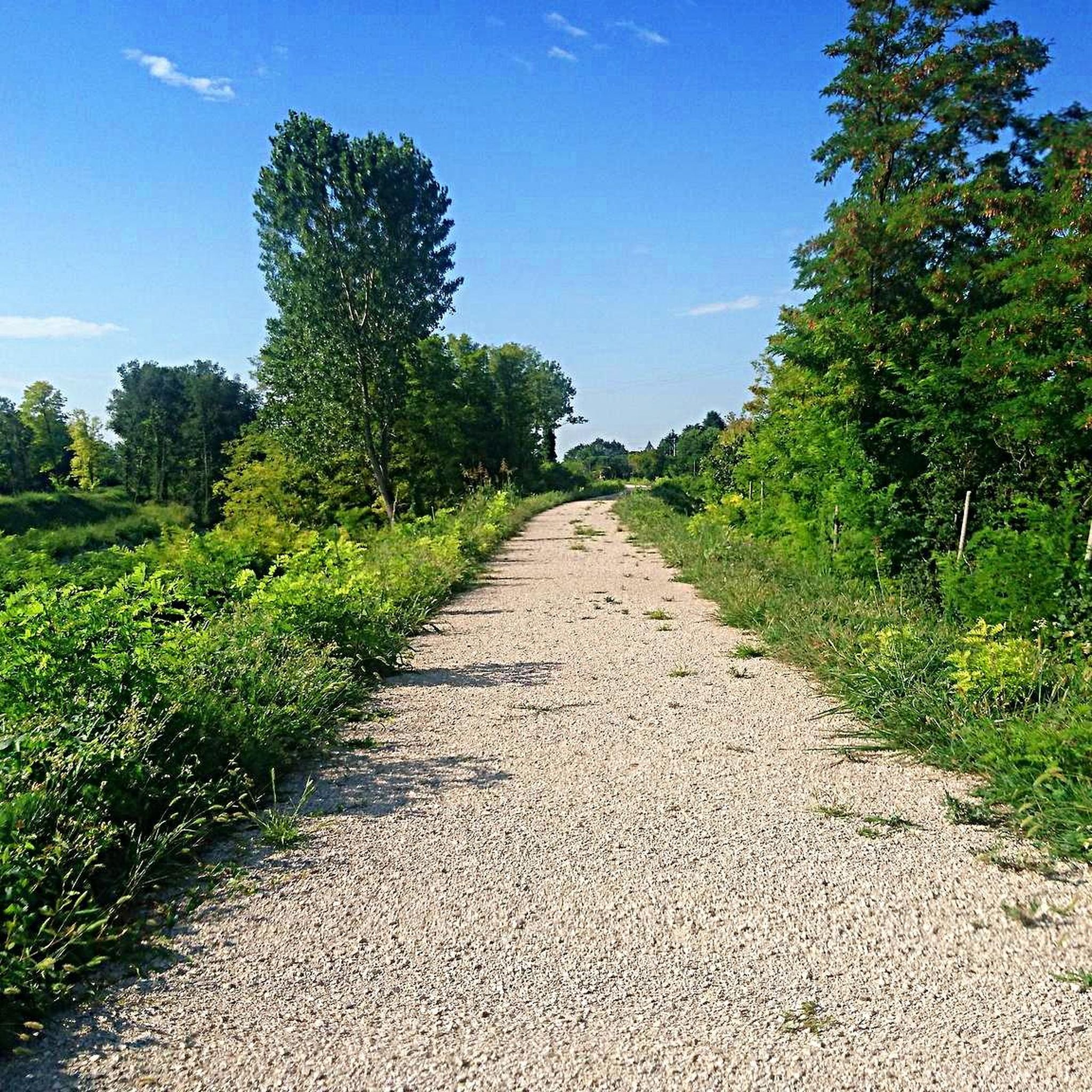
- The most popular natural monuments is Weir on the Brenta…
Last updated: October 1, 2026
Weir on the Brenta River
Highlight • Structure
Translated by Google •
Tip by

Botanical Garden of Padua
Highlight • Natural Monument
Translated by Google •
Tip by

Sign up now to discover places like this
Get recommendations on the best single tracks, peaks, & plenty of other exciting outdoor places.
Montirone Park, Abano — The Ancient Thermal Springs
Highlight • Historical Site
In the heart of Abano, at the end of the pedestrian zone, a tall colonnade leads us into this small park where …
Translated by Google •
Tip by

Underwood Trail and Carved Face
Highlight (Segment) • Trail
Translated by Google •
Tip by

Lago Verde Biotope and Restaurant
Highlight • Restaurant
Translated by Google •
Tip by
Sign up for free to discover even more natural monuments around Rubano.
Already have an account?
Start today with a free account
Your next adventure awaits.

Tips from the Community


The Colle del Montirone The monumental entrance designed by Jappelli testifies to the importance of this small hill, which was once rich in natural thermal springs that bubbled forth at a temperature of 80°C. Today, the stone pools can still be seen here, a symbol of the millennia-old thermal tradition of the town of Abano. The Doric column, topped with a chalice entwined by a serpent, was also designed by Giuseppe Jappelli in 1825, on the occasion of Emperor Franz I of Austria's visit. Text / Source: Abano.it / La città di Abano Terme https://www.abano.it/de/Abano-Terme/
14
0
Parco Montirone, Abano / The Ancient Thermal Springs In the heart of Abano, at the end of the pedestrian zone, a tall colonnade leads us into this small park where steaming thermal water flows among the greenery of plants and trees. A tall colonnade leads us into this small park, situated on a green hill where the temple of the god Aponus once stood near Abano's ancient thermal spring. Today, the thermal water flows once again in the stone thermal pools. The cradle of Abano's thermal baths: More than two thousand years ago, in the time of the ancient Romans, a sacred temple dedicated to the god Aponus and a small shop selling pottery stood on this small hill. Many came here to be treated with the precious thermal water, which flowed freely at a temperature of approximately 80°C. ... Soon, villas and thermal palaces sprang up around the small hill, and the Abano thermal baths became famous among patricians and soldiers, as well as emperors, for their "magical" qualities: Tiberius himself wanted to stop at the Temple of Aponus to consult the oracle of Geryon. After receiving a positive result, he threw his golden dice into the fountain before departing for Illyria. Today, the ancient pools, which held steaming thermal water until the second half of the 20th century, have been restored to their former glory: The water flows again in the five stone pools—two large and three small—at a temperature of about 70°C. A high colonnade in the Corinthian order leads to the park with the Montirone springs. At the entrance stands the Doric column surmounted by a chalice coiled in the shape of a snake, designed in 1825 by the Venetian architect Giuseppe Jappelli to house the passage of Emperor Franz I of Austria. Text / Source: Blog Abano.it / It Portale delle Terme https://blog.abano.it/it/il-colle-del-montirone-e-le-sue-antiche-sorgenti-termali/
14
0

The grounds are still charming. The greenery and water offer peace and relaxation. Right next door is the fantastic new biodiversity greenhouse. Included in the price. For me, that's the real attraction of the garden.
1
0
The world's oldest botanical garden is marketed to tourists like many other historical sites. But 1545 is long gone, and other botanical collections around the world, especially Kew Gardens in London, have long since surpassed it. What truly stands out in Padua and makes a visit very worthwhile is the biodiversity greenhouse, only 10 years old. Huge, fantastic. Included in the admission.
2
0
Very characteristic biotope, with a good restaurant that I like a lot, better during the week due to the crowds
0
0

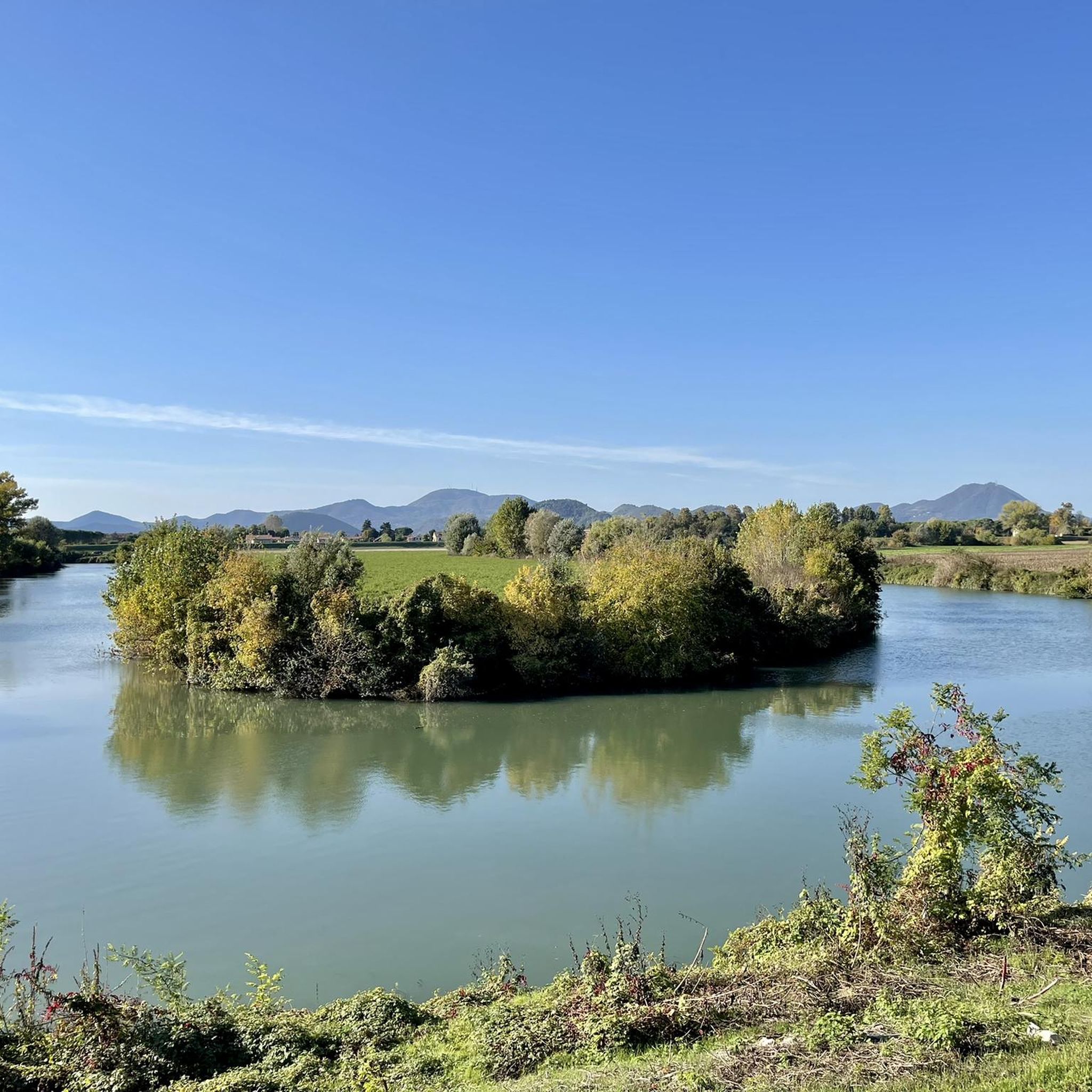
The dam allows you to cross the river AT YOUR OWN RISK. When the water level is below the edge, crossing is possible, whereas it would otherwise not be permitted.
1
0

This garden is the oldest garden (from 1545) in Europe that is connected to a university. Originally, medicinal plants were grown there. The oldest part still exists in its original form and was added to the UNESCO World Heritage List in 1997. Now the garden has 3500 plants and a modern building. Closing day on Monday.
6
0
Frequently Asked Questions
What are some unique natural monuments to visit around Rubano?
Beyond the well-known spots, consider visiting the Botanical Garden of Padua, the world's oldest university botanical garden, founded in 1545 and a UNESCO World Heritage site. It houses over 7000 different botanical species. Another unique site is Montirone Park, Abano — The Ancient Thermal Springs, where steaming thermal water flows in stone pools, continuing a tradition dating back to Roman times.
Are there family-friendly natural monuments near Rubano?
Yes, several natural monuments are suitable for families. The Weir on the Brenta River offers an interesting view of river engineering. The Botanical Garden of Padua is also family-friendly, offering an educational experience with its vast collection of plants. Additionally, the Parco Etnografico di Rubano, though not a listed highlight, is designed for families with its re-naturalized landscapes, wetlands, and a small farm area with animals.
What kind of outdoor activities can I do near Rubano's natural monuments?
The area around Rubano offers various outdoor activities. You can enjoy cycling along the Brenta River, which is part of the Natura 2000 Network, or explore the re-naturalized landscapes of the Parco Etnografico di Rubano. For more structured routes, you can find options for cycling around Rubano, hiking around Rubano, and even MTB trails around Rubano.
Where can I find walking paths or hiking routes near Rubano?
For walking and hiking, the Parco Etnografico di Rubano offers relaxing paths through meadows and woodlands. The Brenta River also has beautiful cycle paths and areas suitable for nature walks. If you're looking for a more challenging experience, the Underwood Trail and Carved Face provides a segment immersed in the woods with steep climbs and rocks. You can explore various hiking routes around Rubano, including easy loops like 'Bhgvhh loop from Rubano' or moderate ones like 'Weir on the Brenta River loop from Ponterotto'.
Are there any historical or cultural natural sites in the Rubano area?
Absolutely. The Botanical Garden of Padua is a significant historical site, being the world's oldest university botanical garden. Montirone Park, Abano — The Ancient Thermal Springs, also has deep historical roots, with thermal waters used since Roman times. The Parco Etnografico di Rubano itself incorporates elements of local cultural heritage, focusing on environmental education and rural traditions.
What kind of wildlife can I observe in the natural monuments around Rubano?
The re-naturalized areas, particularly the marshy wetland and 10-hectare pond within the Parco Etnografico di Rubano, contribute to local biodiversity, making it a good spot for birdwatching. The Brenta River, being part of the Natura 2000 Network, also supports diverse flora and fauna, offering opportunities for nature enthusiasts to observe local wildlife.
Are there any natural monuments with water features near Rubano?
Yes, the area features several water-related natural monuments. The Weir on the Brenta River is a notable river feature. The Parco Etnografico di Rubano includes a significant 10-hectare pond and marshy wetlands. Additionally, the Lago Verde Biotope is a characteristic biotope with a lake, offering a tranquil natural setting.
What is the best time to visit the natural monuments around Rubano?
While specific seasonal tips are not available for all sites, spring and autumn generally offer pleasant weather for exploring the outdoor natural monuments like the Parco Etnografico di Rubano and the Brenta River paths. The Botanical Garden of Padua is vibrant during warmer months when plants are in full bloom. Always check local weather forecasts before your visit.
Are there any natural monuments with easy access or parking facilities?
The Parco Etnografico di Rubano is generally accessible and designed for community use, implying ease of access. For specific highlights, the Lago Verde Biotope is noted as a strategic refreshment point for cyclists, suggesting accessibility. While specific parking details for each monument are not provided, most public parks and attractions in the region typically offer nearby parking or are reachable by local transport.
Can I find cafes or refreshment points near the natural monuments?
Yes, the Lago Verde Biotope features a restaurant that serves breakfast and lunch, specializing in grilled dishes, making it a convenient refreshment point. For other locations, especially in urban or semi-urban areas like the Botanical Garden of Padua or Montirone Park, cafes and eateries are typically found nearby.
What makes the Brenta River significant in this region?
The Brenta River, flowing near Rubano, is recognized at a European level and is part of the Natura 2000 Network, highlighting its environmental importance. Historically, it served as a crucial communication route connecting the Alps with the Adriatic Sea. Today, its banks offer beautiful cycle paths and areas for nature walks, providing a valuable green space for recreation and nature observation.
What do visitors appreciate most about the natural monuments around Rubano?
Visitors appreciate the blend of natural beauty and historical significance. For instance, the Botanical Garden of Padua is praised for its historical depth and diverse plant collection. The Montirone Park is valued for its ancient thermal springs and Roman heritage. The re-naturalized areas like the Parco Etnografico di Rubano are enjoyed for their peaceful environment and family-friendly amenities.
Most popular attractions around Rubano

Get inspired with the komoot mobile app


Explore more
Extend your search for the best caves by checking out these guides of the top ones around Rubano:
