Top 20 Natural Monuments around Castegnero
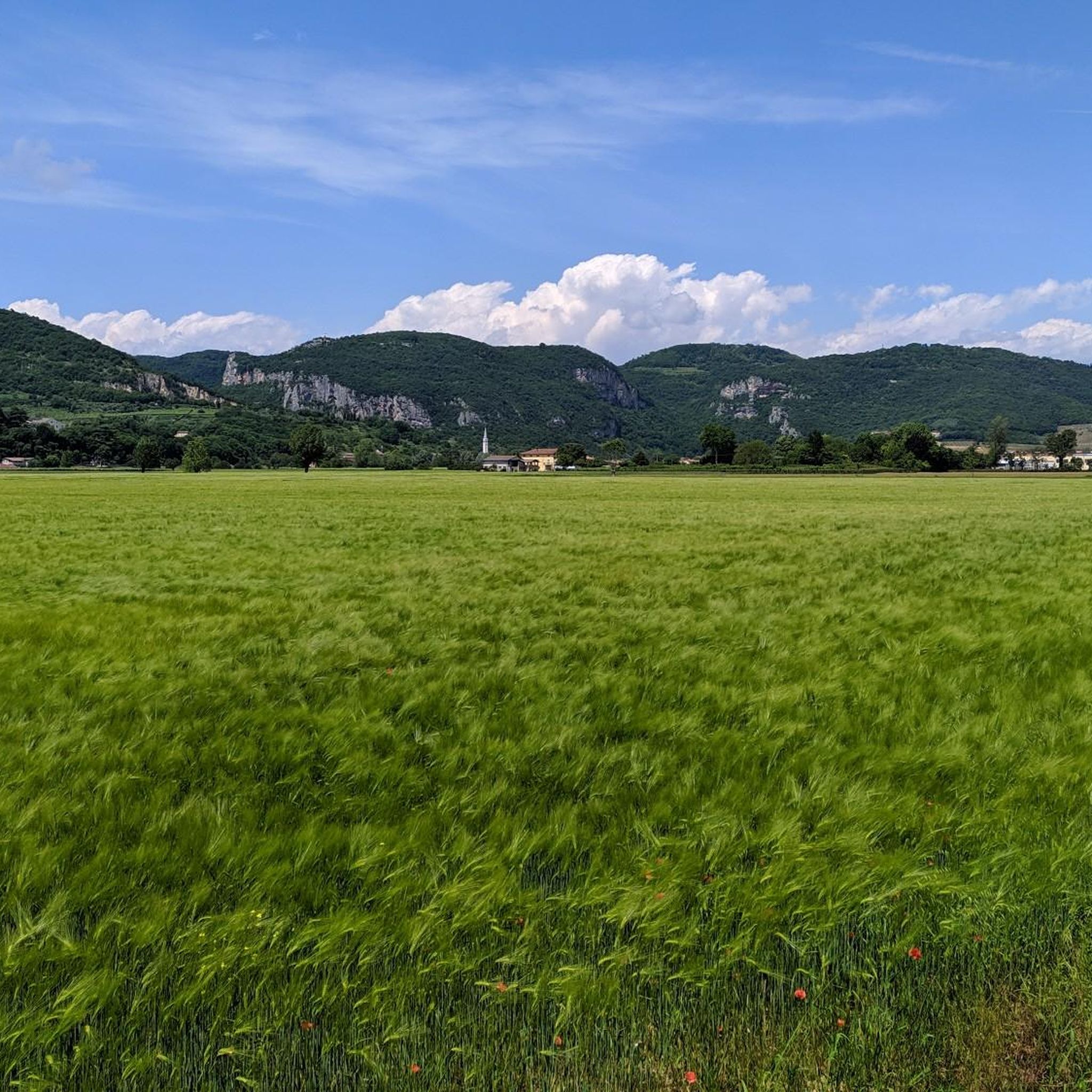
Natural monuments around Castegnero are found within the Berici Hills, a region characterized by its varied topography and natural landscapes. The area features a mix of hills, valleys, and unique geological formations. These natural features provide opportunities for outdoor exploration and offer insights into the region's ancient history and natural processes.
Best natural monuments around Castegnero
- The most popular natural monument is Caves of the Hermitage of San Donato, a cave that offers wide views of the plain and…
Last updated: May 16, 2026
Caves of the Hermitage of San Donato
Highlight • Cave
I would like to point out that in the second part of the descent from Monte Tondo the …
Translated by Google •
Tip by

Grotta di Santa Felicita
Highlight • Cave
Translated by Google •
Tip by

Sign up now to discover places like this
Get recommendations on the best single tracks, peaks, & plenty of other exciting outdoor places.
Sign up for free
San Bernardino Cave
Highlight • Cave
Translated by Google •
Tip by

Underwood Trail and Carved Face
Highlight (Segment) • Trail
Translated by Google •
Tip by

San Giovanni Ledge
Highlight • Natural Monument
Translated by Google •
Tip by
Sign up for free to discover even more natural monuments around Castegnero.
Sign up for free
Already have an account?
Start today with a free account
Your next adventure awaits.
Login or Signup

Tips from the Community

The Grotto of Santa Felicita is located in Teolo, on the southern slope of Monte della Madonna, within the Euganean Hills Regional Park. It is a place shrouded in mystery and spirituality, closely linked to the figure of the saint who, according to tradition, retired there as a hermit between the 8th and 9th centuries. The grotto is a natural cavity located right next to the small church of Sant'Antonio Abate. Inside, it holds one of the highest water springs in the hills, once considered miraculous. The site, surrounded by Mediterranean vegetation where the dwarf prickly pear grows spontaneously, emanates an atmosphere of absolute peace. Reachable by an easy walk, the grotto represents one of the most evocative stops for those exploring the trails of Teolo, combining the charm of volcanic geology with the popular devotion that still sees this cave as a symbol of rebirth and contemplation.
0
0

The Grotta di San Bernardino is a small and fascinating medieval hermitage, nestled at the base of a ten-meter-high limestone pinnacle (the only rock tower in the entire Berici Hills). The building's façade encloses a karst cavity about thirty meters long and ten meters wide. An evocative and mysterious setting. According to tradition, the name derives from the shelter it provided to Saint Bernardino of Siena, who preached in these areas in the 15th century. In the early 16th century, this cave, like others in the Berici Hills, was adapted as a temporary refuge for the local populations, while the Venetian plain was subjected to enemy raids. The oldest prehistoric remains in the Vicenza area (tools and animal bones dating back 200,000 years) were found inside the cave: it was likely used by Neanderthals as a hunting base. Interesting fact: the abundance of animal bones was the main cause of soil removal and the resulting significant impoverishment of San Bernardino's paleontological heritage. In fact, in 1890, the Camerini family, owners of the site, had the rich phosphate material excavated from the cave. It was transported downstream by cableway and used as fertilizer for the fields! The cave is occasionally open to the public, with guided tours organized by the Mossano Tourist Board (Pro Loco), which you can contact for details. http://www.tuttoberici.it/arte/S-Bernardino-Grotta-Mossano.htm https://www.archeoveneto.it/portale/wp-content/filemaker/stampa_scheda_estesa.php?recid=189
1
0

Thanks for the information
2
1

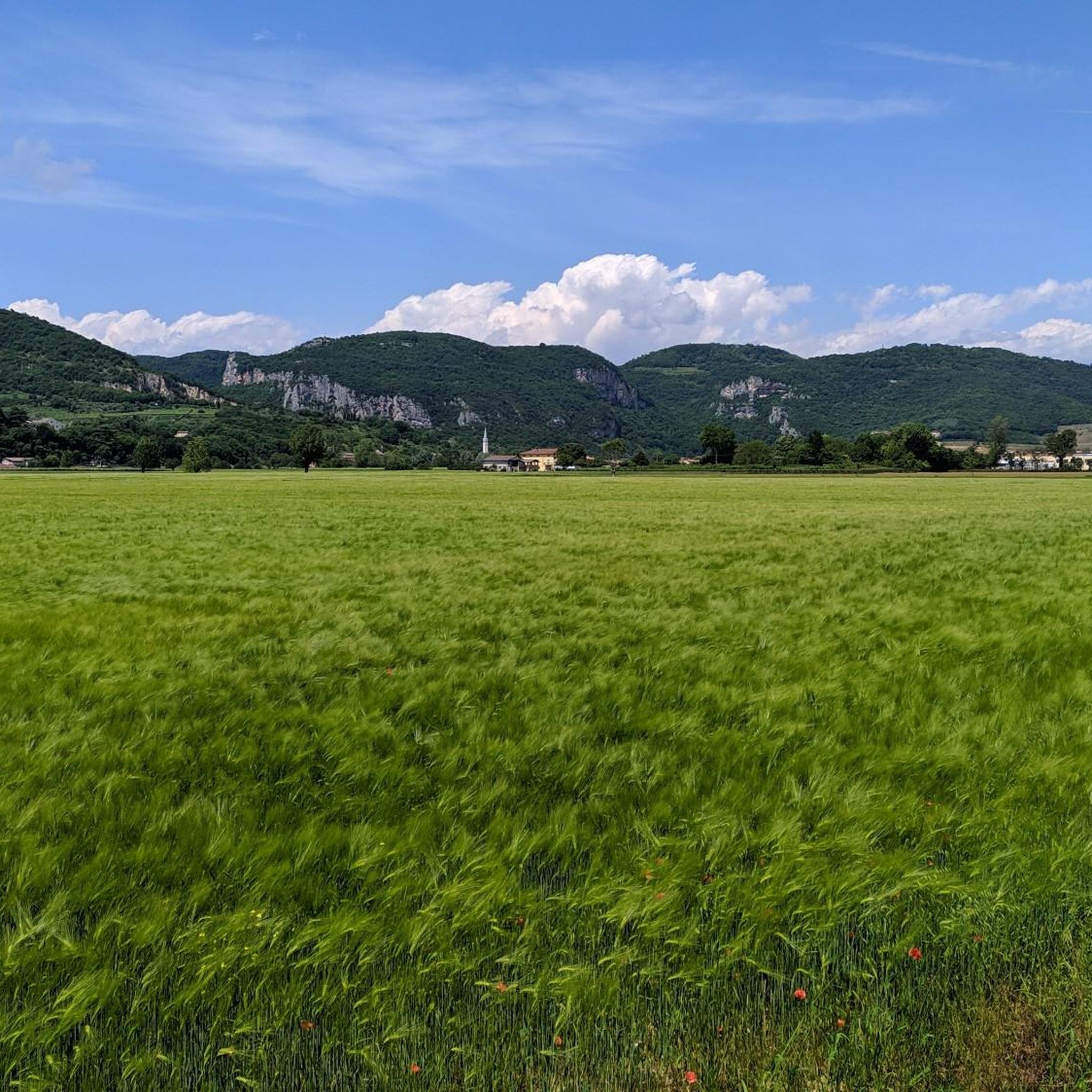
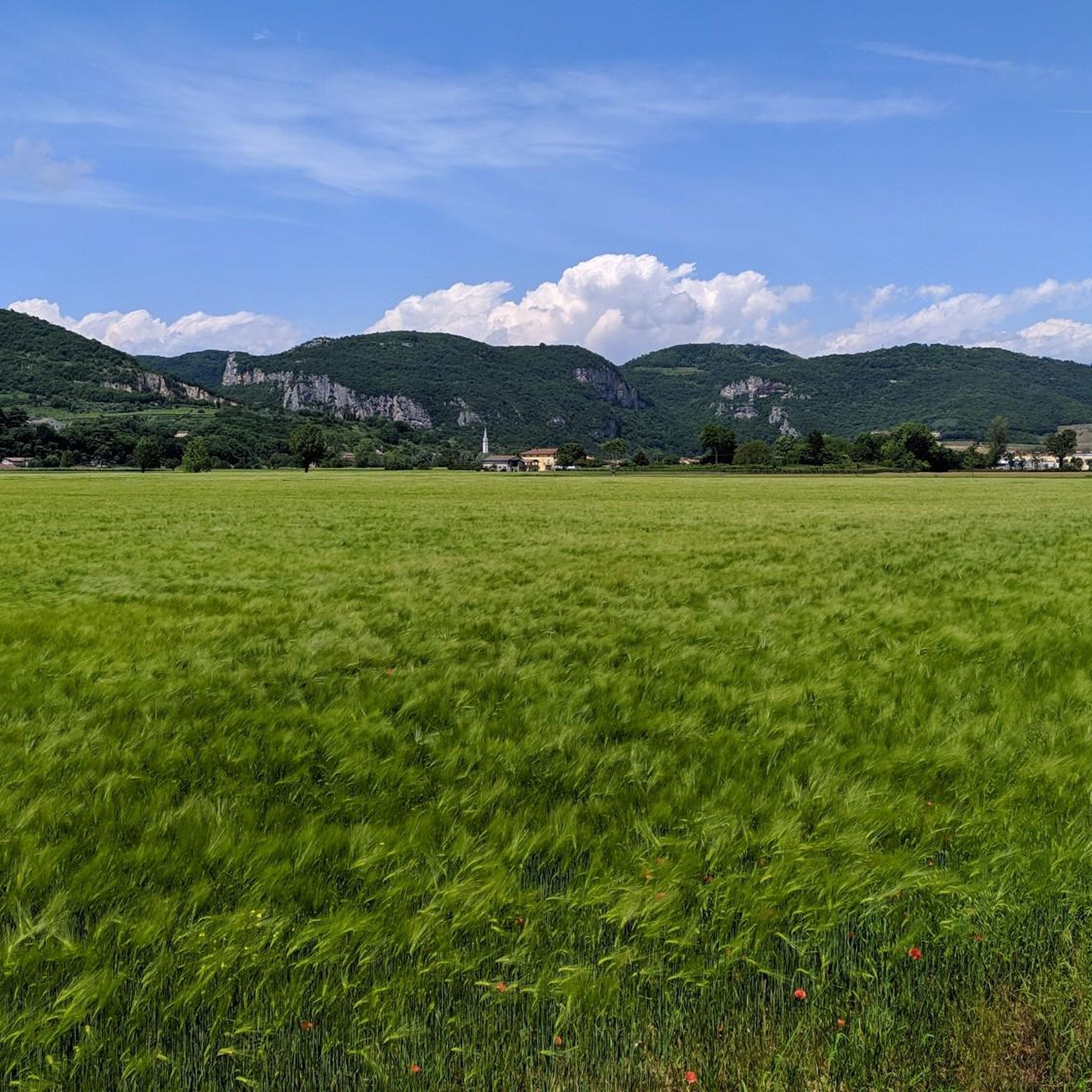
Natural caves near the church of San Donato. Beautiful view of the plain and the Euganei.
0
0

Reachable by following path 72 starting from Villaga Fantastic view of the plain, as well as a place of historical interest
3
0

small newts in the pond at the bottom of the cave
0
0
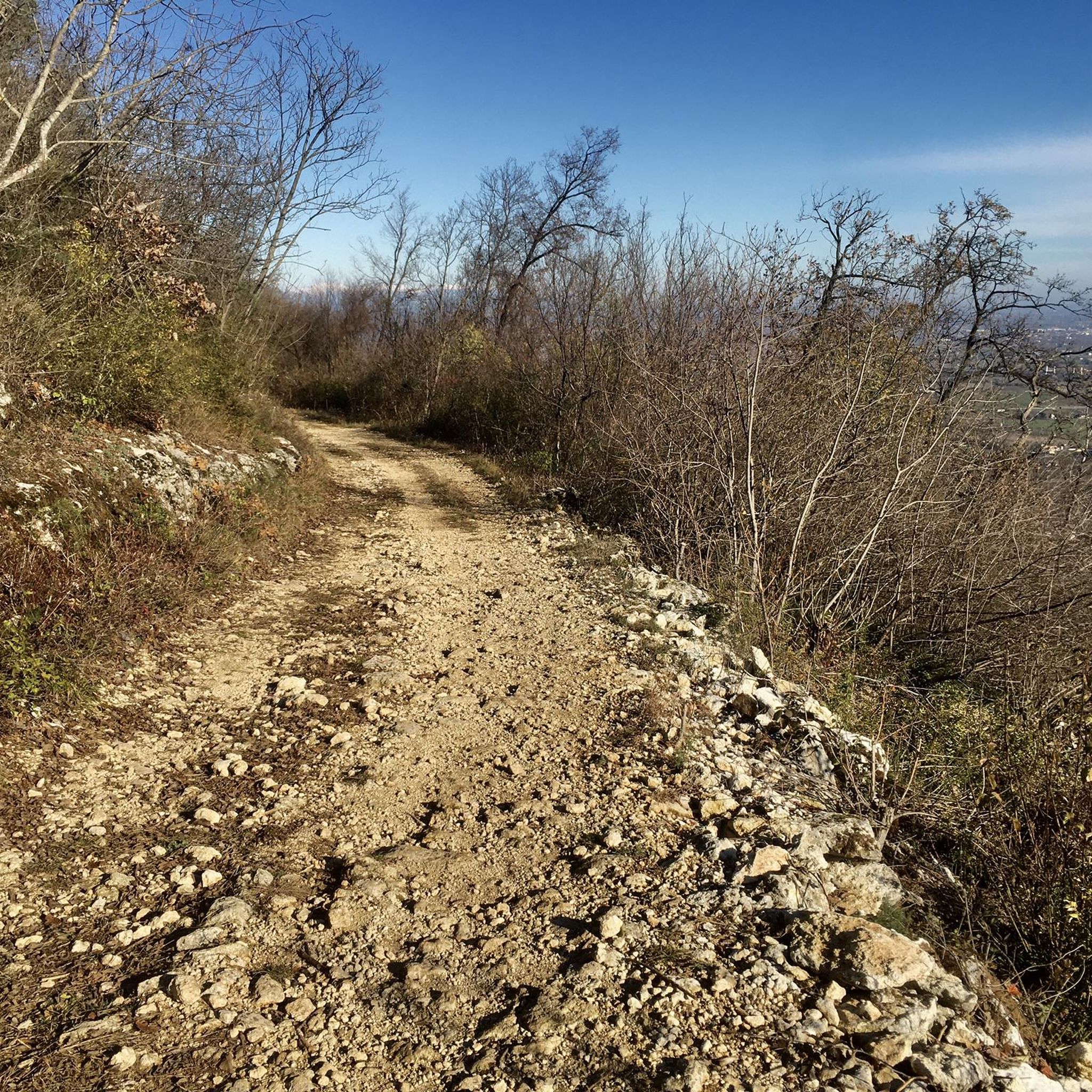
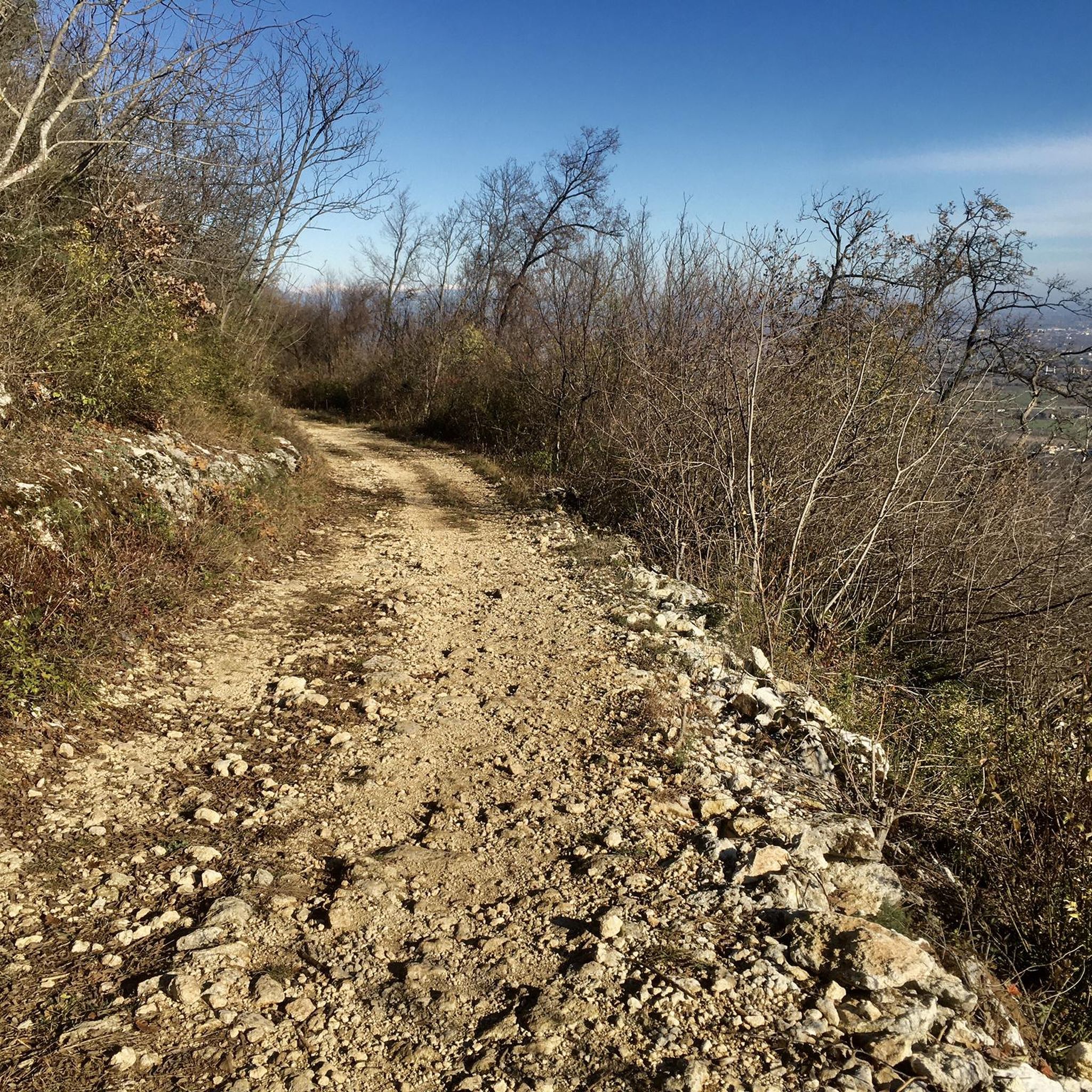
A passage beneath a striking rock roof, at the foot of a cliff that cuts through a steep forest. In the area, as throughout the Berici Hills, there are numerous unique karst features (ledges, cliffs, roofs, and caves), the result of differential erosion between rocks of varying compactness, formed in different geological eras. They have been used as shelter and dwellings since prehistoric times. P.S.: A 'cèngia' is a horizontal passage that cuts through a vertical wall; a 'còvolo' (Venetian dialect) is a ravine in the rock.
2
0

The covoli di San Donato are wonderful, panoramic. It is a place where an ancient church once stood close to the covoli; later it became a female Benedictine monastery. Now stands a church dating back to the nineteenth century. The walls also have some climbing routes.
0
0
Frequently Asked Questions
What are some unique natural features to explore around Castegnero?
The area around Castegnero, nestled in the Berici Hills, offers diverse natural features. You can explore fascinating karst formations like the San Giovanni Ledge, which features a striking rock roof and has been used as shelter since prehistoric times. The region is also known for its natural caves and scenic viewpoints.
Are there any natural monuments with historical significance near Castegnero?
Yes, several natural monuments around Castegnero boast rich history. The Caves of the Hermitage of San Donato contain remains of an ancient convent documented since 1240. Additionally, the San Bernardino Cave is a medieval hermitage where some of the oldest prehistoric remains in the Vicenza area, dating back 200,000 years, were found.
What kind of views can I expect from the natural monuments in the area?
Many natural monuments around Castegnero offer panoramic views. From the Caves of the Hermitage of San Donato, you can enjoy wide vistas of the plain and the Euganean Hills. The Dente di Attila, a rocky outcrop, provides a beautiful view of the village of Lumignano and the plain, with the Euganean Hills on the horizon.
Are there challenging trails associated with natural monuments around Castegnero?
Yes, for those seeking a challenge, the Underwood Trail and Carved Face is a notable natural monument. This segment is immersed in the woods, featuring steep climbs, tight ups and downs, and large rocks with engravings, making it a fun yet demanding experience.
What outdoor activities can I do near the natural monuments around Castegnero?
Beyond exploring the natural monuments themselves, the region offers various outdoor activities. You can find numerous MTB trails, road cycling routes, and running trails that wind through the Berici Hills, often passing by or offering views of these natural sites.
Is there a lake near Castegnero that is considered a natural attraction?
Yes, approximately 6 kilometers from Castegnero, you'll find Lago di Fimon (Lake Fimon). This serene natural lake, nestled in the Berici Hills, is considered an oasis of peace. It offers picturesque views and a relaxing 4-kilometer loop trail perfect for walks.
What is the best time of year to visit the natural monuments around Castegnero?
The Berici Hills, where Castegnero is located, are beautiful throughout the year. Spring and autumn offer pleasant temperatures for hiking and exploring, with vibrant foliage or blooming flowers. Summer is also suitable, though it can be warmer, while winter provides a different, often quieter, perspective on the natural landscapes.
Are there any family-friendly natural monuments or activities near Castegnero?
While specific 'family-friendly' categories aren't always assigned, the 4-kilometer loop trail around Lago di Fimon is generally suitable for relaxing walks with families. Many of the natural monuments, especially those with viewpoints, can be enjoyed by families, though some trails might be more challenging.
Can I bring my dog to the natural monuments and trails around Castegnero?
Generally, the natural trails and outdoor areas in the Berici Hills are dog-friendly, provided dogs are kept on a leash and owners clean up after them. It's always advisable to check specific regulations for individual sites or protected areas, but many visitors enjoy exploring the region's natural beauty with their canine companions.
What kind of wildlife might I encounter near the natural monuments?
The Berici Hills are home to diverse flora and fauna. While specific wildlife sightings can vary, you might encounter various bird species, small mammals, and insects typical of a Mediterranean hilly environment. The tranquil settings, especially around areas like Lago di Fimon, provide habitats for local wildlife.
Are there any natural monuments that are less known or 'hidden gems'?
While the main highlights are well-regarded, the broader Berici Hills region is full of unique karst features like ledges, cliffs, and smaller caves that are less frequented. Exploring the network of trails can lead you to these less-known spots, offering a sense of discovery and solitude amidst nature.
How accessible are the natural monuments around Castegnero by public transport?
Access to natural monuments in the Berici Hills often requires a combination of public transport to nearby towns and then walking or cycling. While Castegnero itself has some public transport links, reaching specific, more remote natural monuments might be easier with a personal vehicle. It's best to check local bus schedules for routes connecting to the closest villages.
Most popular routes around Castegnero
Most popular attractions around Castegnero

Get inspired with the komoot mobile app


Explore more
Extend your search for the best caves by checking out these guides of the top ones around Castegnero:
