Top 12 Natural Monuments around Val Liona
Natural monuments around Val Liona offer a blend of geological wonders and scenic beauty within the Berici Hills. This region is characterized by its karst features, ancient water systems, and panoramic viewpoints. The landscape provides opportunities to explore diverse natural formations and historical sites. Val Liona's natural features include caves, rock formations, and numerous springs that have shaped the valley.
Best natural monuments around Val Liona
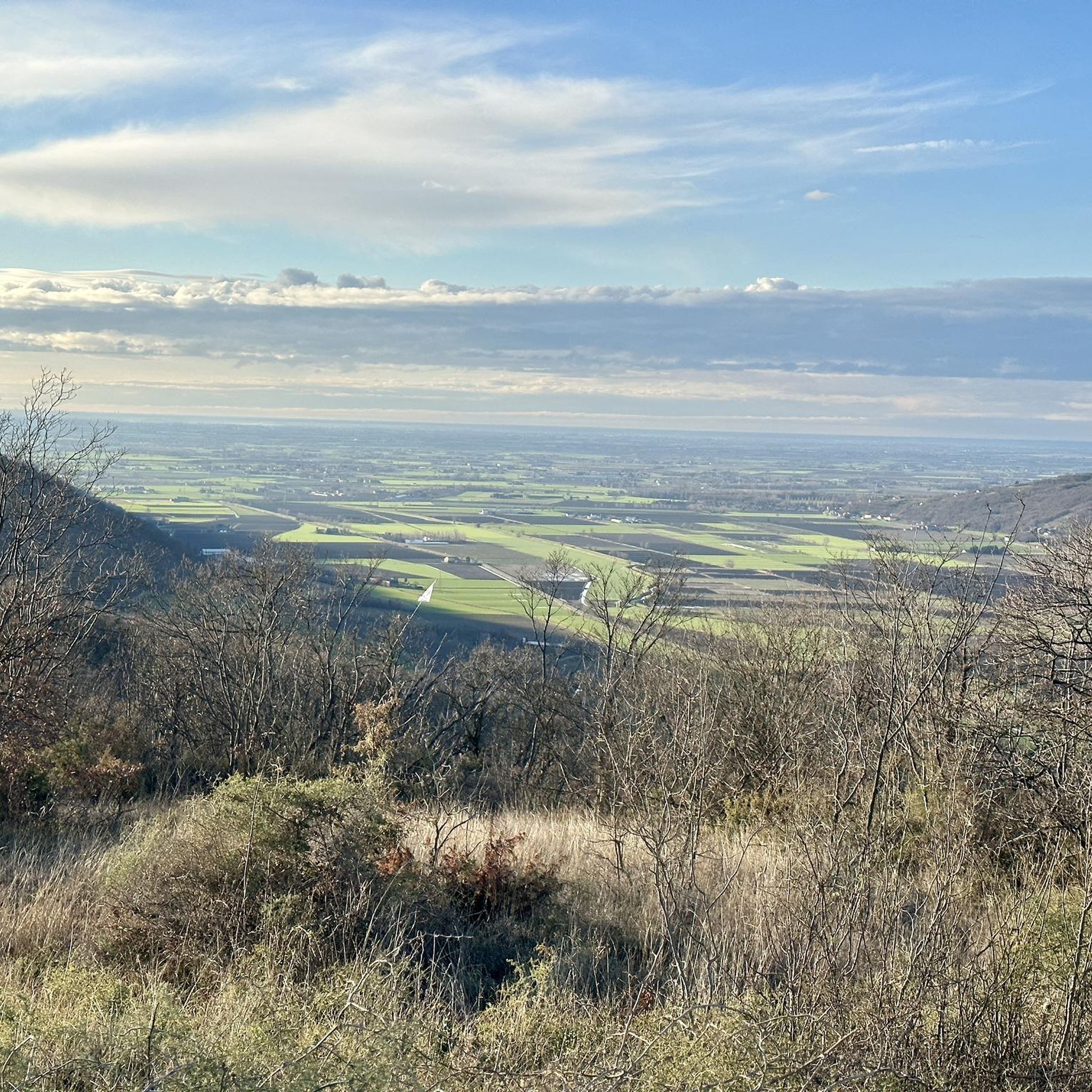
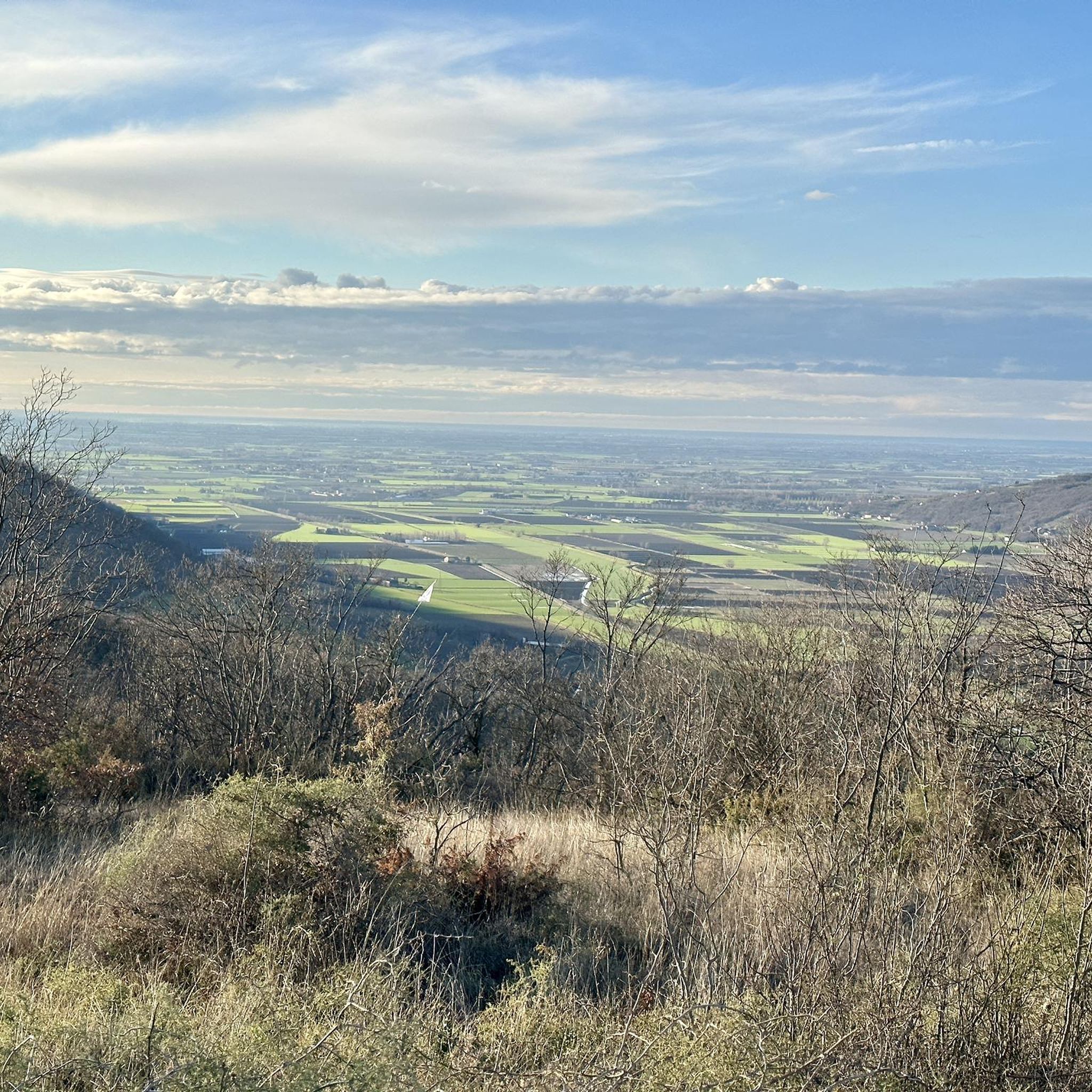
- The most popular natural monuments is Caves of the Hermitage of San Donato, a cave that features natural cavities at the base of a rocky wall. This site holds historical significance with remains of an ancient convent documented since 1240 and offers wide views of the plain and the Euganean Hills.
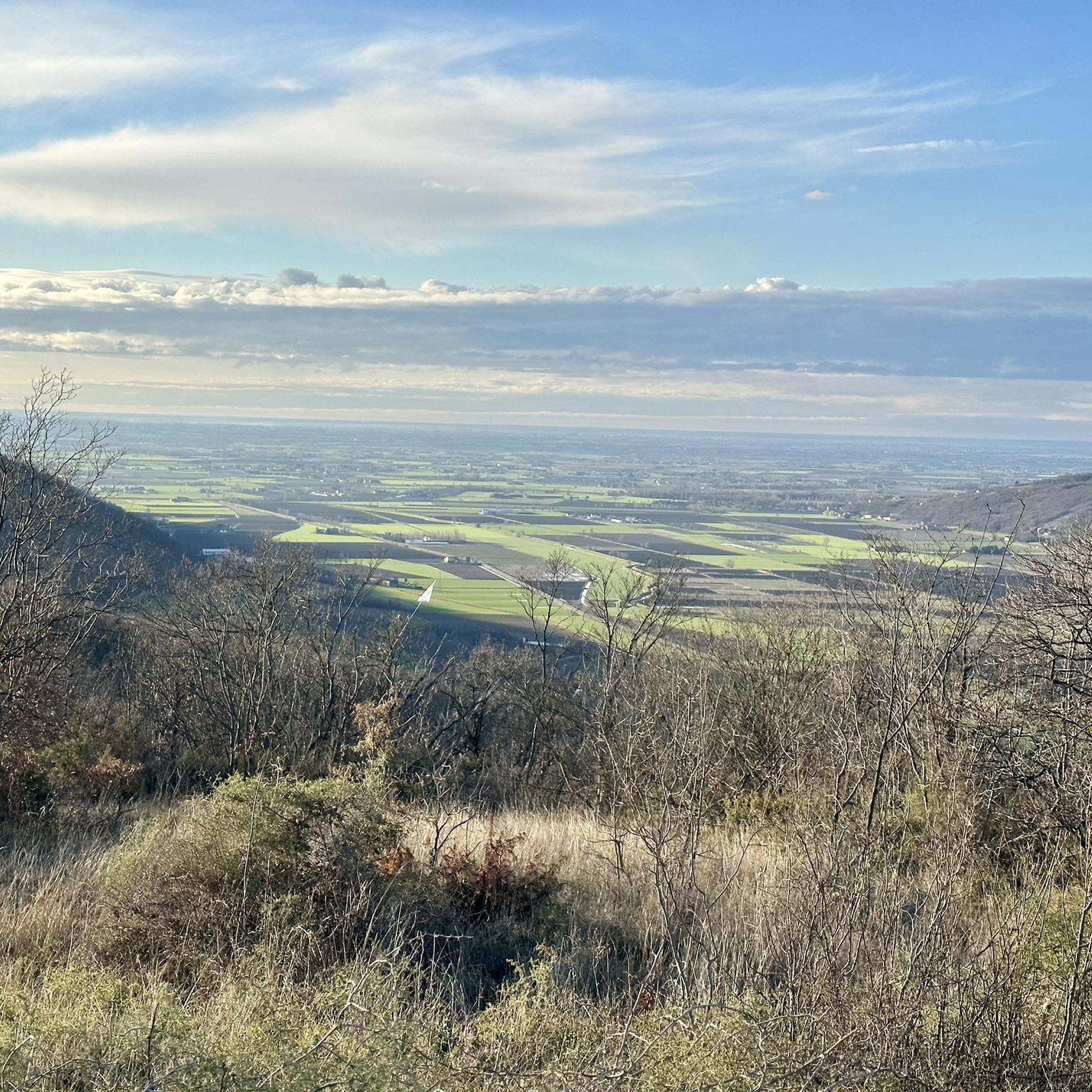
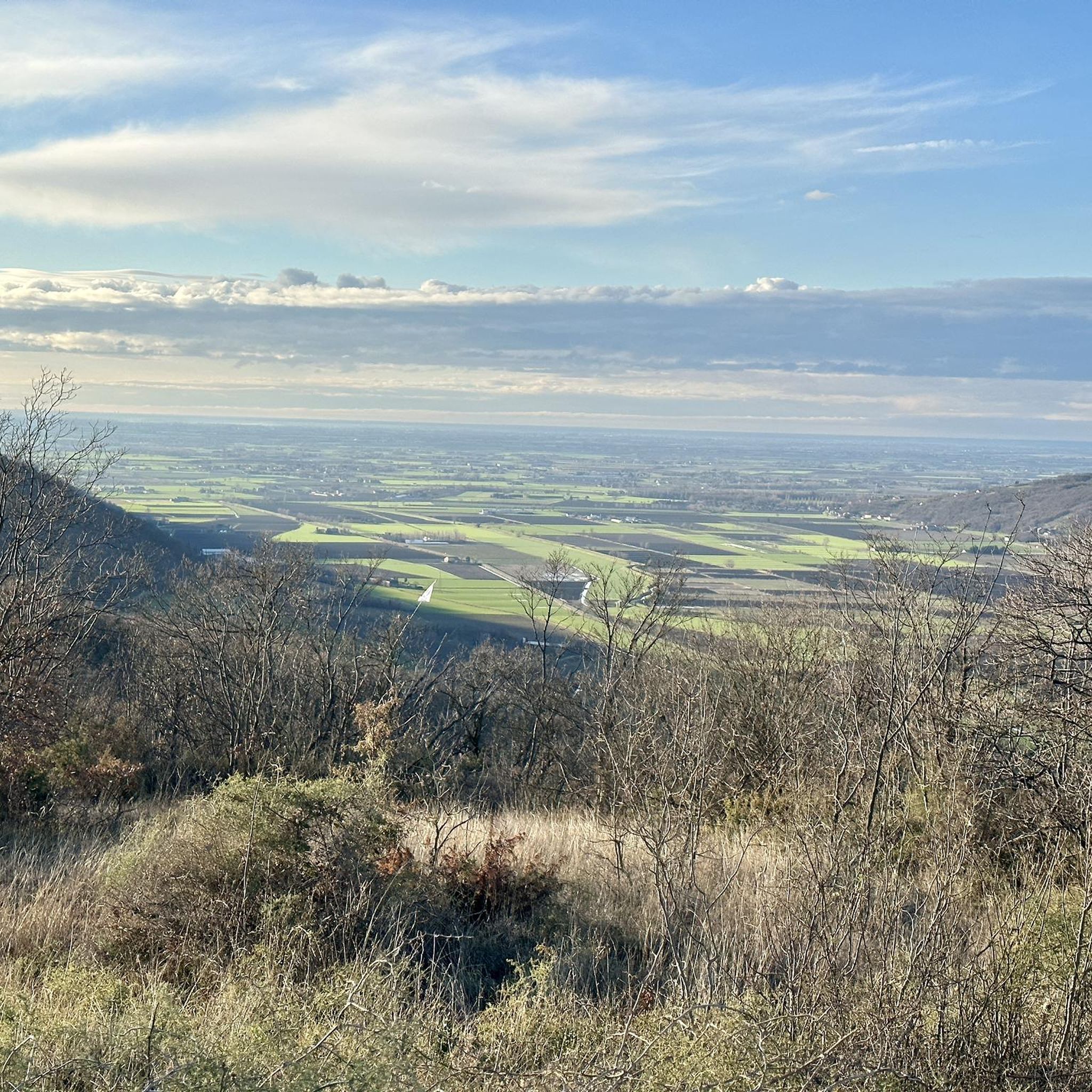
- Another must-see spot is View of Vicenza and the Berici Hills, a viewpoint that provides an excellent view of Vicenza and the surrounding countryside. Visitors can experience a splendid ridge of the Berici mountains from this location.
- Visitors also love San Bernardino drinking fountain in Perarolo, a natural monument and facility providing a reliable water source. It is considered a key stopping point for water supply in the area.
- Val Liona is known for its caves, viewpoints, and natural springs. The region offers a variety of natural monuments to see and explore, from subterranean formations to expansive vistas.
- The natural monuments around Val Liona are appreciated by the komoot community, with 1 highlight and 118 photos shared, and 179 upvotes.
Last updated: July 11, 2026
Caves of the Hermitage of San Donato
Highlight • Cave
I would like to point out that in the second part of the descent from Monte Tondo the path is very damaged. Therefore, once you reach San Donato, it is best to head towards the church and go down the route you have already taken uphill.
Translated by Google •
Tip by

San Bernardino Cave
Highlight • Cave
According to tradition, the name derives from the shelter it provided to Saint Bernardino of Siena, who preached in these areas in the 15th century. In the early 16th century, this cave, like others in the Berici Hills, was adapted as a temporary refuge for the local populations, while the Venetian plain was subjected to enemy raids. The oldest prehistoric remains in the Vicenza area (tools and animal bones dating back 200,000 years) were found inside the cave: it was likely used by Neanderthals as a hunting base.
Interesting fact: the abundance of animal bones was the main cause of soil removal and the resulting significant impoverishment of San Bernardino's paleontological heritage. In fact, in 1890, the Camerini family, owners of the site, had the rich phosphate material excavated from the cave. It was transported downstream by cableway and used as fertilizer for the fields!
The cave is occasionally open to the public, with guided tours organized by the Mossano Tourist Board (Pro Loco), which you can contact for details.
tuttoberici.it/arte/S-Bernardino-Grotta-Mossano.htm
archeoveneto.it/portale/wp-content/filemaker/stampa_scheda_estesa.php?recid=189
Translated by Google •
Tip by

Sign up now to discover places like this
Get recommendations on the best single tracks, peaks, & plenty of other exciting outdoor places.
Sign up for free
San Giovanni Ledge
Highlight • Natural Monument
P.S.: A 'cèngia' is a horizontal passage that cuts through a vertical wall; a 'còvolo' (Venetian dialect) is a ravine in the rock.
Translated by Google •
Tip by
San Bernardino drinking fountain in Perarolo
Highlight • Rest Area
Translated by Google •
Tip by

View of Vicenza and the Berici Hills
Highlight • Viewpoint
Translated by Google •
Tip by

Sign up for free to discover even more natural monuments around Val Liona.
Sign up for free
Already have an account?
Start today with a free account
Your next adventure awaits.
Login or Signup

Tips from the Community

The Grotta di San Bernardino is a small and fascinating medieval hermitage, nestled at the base of a ten-meter-high limestone pinnacle (the only rock tower in the entire Berici Hills). The building's façade encloses a karst cavity about thirty meters long and ten meters wide. An evocative and mysterious setting. According to tradition, the name derives from the shelter it provided to Saint Bernardino of Siena, who preached in these areas in the 15th century. In the early 16th century, this cave, like others in the Berici Hills, was adapted as a temporary refuge for the local populations, while the Venetian plain was subjected to enemy raids. The oldest prehistoric remains in the Vicenza area (tools and animal bones dating back 200,000 years) were found inside the cave: it was likely used by Neanderthals as a hunting base. Interesting fact: the abundance of animal bones was the main cause of soil removal and the resulting significant impoverishment of San Bernardino's paleontological heritage. In fact, in 1890, the Camerini family, owners of the site, had the rich phosphate material excavated from the cave. It was transported downstream by cableway and used as fertilizer for the fields! The cave is occasionally open to the public, with guided tours organized by the Mossano Tourist Board (Pro Loco), which you can contact for details. http://www.tuttoberici.it/arte/S-Bernardino-Grotta-Mossano.htm https://www.archeoveneto.it/portale/wp-content/filemaker/stampa_scheda_estesa.php?recid=189
1
0

Natural caves near the church of San Donato. Beautiful view of the plain and the Euganei.
0
0

Reachable by following path 72 starting from Villaga Fantastic view of the plain, as well as a place of historical interest
3
0
A passage beneath a striking rock roof, at the foot of a cliff that cuts through a steep forest. In the area, as throughout the Berici Hills, there are numerous unique karst features (ledges, cliffs, roofs, and caves), the result of differential erosion between rocks of varying compactness, formed in different geological eras. They have been used as shelter and dwellings since prehistoric times. P.S.: A 'cèngia' is a horizontal passage that cuts through a vertical wall; a 'còvolo' (Venetian dialect) is a ravine in the rock.
2
0

The covoli di San Donato are wonderful, panoramic. It is a place where an ancient church once stood close to the covoli; later it became a female Benedictine monastery. Now stands a church dating back to the nineteenth century. The walls also have some climbing routes.
0
0
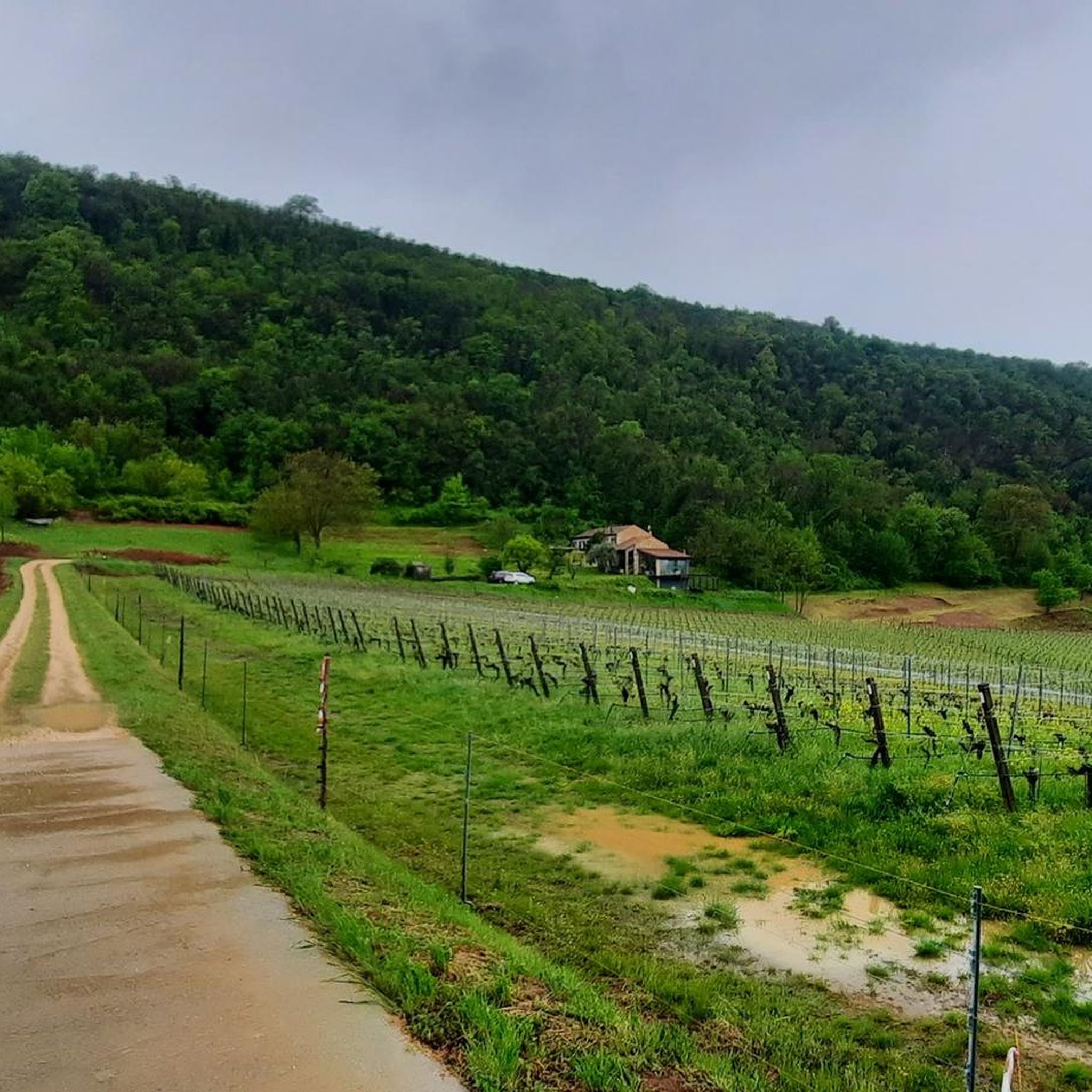
Perarolo di Arcugnano is a splendid village, dominated by the splendid church of San Bernardino with its particular bell tower designed at the end of the 19th century by the architect Vittorio Barichella. From here there are some beautiful paths that lead towards the woods of Brendola.
1
0

The best drinking fountain in the area. Unmissable charging stage
0
0

stopping point for drinking water supply
0
0
Frequently Asked Questions
What unique geological features can I find among Val Liona's natural monuments?
Val Liona is renowned for its diverse geological formations, including significant karst features like caves and springs. You can explore sites with Eocene limestones, soft stone quarries, and even lignite deposits. Notable examples include the San Bernardino Cave, known for its limestone pinnacle, and the San Giovanni Ledge, showcasing striking rock roofs and cliffs formed by differential erosion.
Are there any notable caves to explore in Val Liona?
Yes, Val Liona features several fascinating caves. The Caves of the Hermitage of San Donato offer natural cavities at the base of a rocky wall with historical significance. Another intriguing site is the San Bernardino Cave, a small medieval hermitage nestled within a limestone pinnacle, which also holds prehistoric remains. Additionally, the Grotta della Vendetta, a recently discovered karst well, plunges 33 meters and is adorned with remarkable concretions like delicate canules, stalactites, and columns.
Do any natural monuments in Val Liona have historical significance?
Absolutely. The Caves of the Hermitage of San Donato are located near the remains of an ancient convent documented since 1240. The San Bernardino Cave served as a medieval hermitage and provided shelter during enemy raids, with the oldest prehistoric remains in the Vicenza area found within its depths. The Fontana delle Belle Donne, a significant karst spring, also holds cultural heritage as a historical water source for local women.
Where can I find panoramic viewpoints in Val Liona?
Val Liona offers several breathtaking panoramic viewpoints. The View of Vicenza and the Berici Hills provides an excellent vista of Vicenza and the surrounding countryside. The Dente di Attila is another striking rocky outcrop offering expansive views over the village of Lumignano and the plain, with the Euganean Hills visible on the horizon. The Caves of the Hermitage of San Donato also provide wide views of the plain and the Euganean Hills.
What is the significance of the Liona River and its springs in the region?
The Liona River, which gives the valley its name, is central to the area's natural landscape. Originating from mountain springs, it flows for about a dozen kilometers, shaping the valley and historically powering numerous mills. The valley is rich in natural springs, with at least thirty fountains scattered across its six hamlets. A notable example is the Fontana delle Belle Donne (or delle Fate or del Sengio), emerging from the Grotta di San Gottardo, known as one of the most characteristic, copious, and perennial karst springs in the Berici Hills.
Are there family-friendly natural monuments in Val Liona?
Yes, several natural monuments are suitable for families. The San Bernardino drinking fountain in Perarolo is considered family-friendly and provides a reliable water source. The View of Vicenza and the Berici Hills is also a family-friendly viewpoint, offering splendid vistas that can be enjoyed by all ages.
What outdoor activities can I do near Val Liona's natural monuments?
The Val Liona region offers numerous opportunities for outdoor activities. You can explore the area through various cycling and running routes. For cycling, consider routes like the 'Strada del Raposso Viewpoint – Salve Regina Climb loop' or 'Monte Motton Singletrack – Lonigo loop'. Running enthusiasts can enjoy trails such as the 'Campolongo Climb loop' or 'San Donato Hermitage loop'. You can find more details on these activities in the Cycling around Val Liona and Running Trails around Val Liona guides.
Are there hiking trails near these natural monuments?
Yes, the region is crisscrossed with numerous hiking trails that allow visitors to explore these sites. Many routes pass by or lead directly to the natural monuments, immersing you in diverse landscapes of woods, cultivated lands, and ancient districts. For specific hiking paths, you might find inspiration in the Val Liona Trail or other itineraries listed on the local tourism website.
What is the best time of year to visit Val Liona's natural monuments?
The natural monuments of Val Liona are generally enjoyable throughout the year, but spring and autumn offer particularly pleasant conditions for outdoor exploration. During these seasons, the weather is mild, making it ideal for hiking and cycling, and the landscapes are vibrant with new growth or rich autumnal colors. Summer can also be a good time, especially for exploring caves, though it can be warmer for extensive outdoor activities.
Are there any wheelchair accessible natural attractions in Val Liona?
Yes, the San Bernardino drinking fountain in Perarolo is noted as being wheelchair accessible, providing an inclusive stopping point for visitors.
What do visitors enjoy most about Val Liona's natural monuments?
Visitors frequently appreciate the blend of natural beauty and historical intrigue. The wide views of the plain and the Euganean Hills from sites like the Caves of the Hermitage of San Donato are highly praised. The reliable water source at the San Bernardino drinking fountain in Perarolo is also a popular and practical highlight. Overall, the opportunity to explore diverse natural formations, from subterranean caves to expansive vistas, combined with glimpses into the region's past, makes for a rewarding experience.
Can I find information on specific trails or itineraries for exploring Val Liona?
Yes, the region offers various trails and itineraries. For example, the Val Liona Trail is a good starting point. You can also find more detailed itineraries and paths on the local tourism website, such as those listed under Itineraries and Paths, which can help you plan your exploration of the natural monuments.
Most popular routes around Val Liona
Most popular attractions around Val Liona

Get inspired with the komoot mobile app


Explore more
Extend your search for the best caves by checking out these guides of the top ones around Val Liona:
