Top 3 Natural Monuments around Pieve Di Cento
Best natural monuments around Pieve Di Cento include a variety of natural areas situated on the Bolognese plain, along the Reno river. This region offers access to significant ecological sites, including humid riparian forests and wetland complexes. The landscape is characterized by its riverine environment and protected natural areas, providing opportunities for nature appreciation.
Best natural monuments around Pieve Di Cento
- The most popular natural monuments is Reno River Waterfall, a waterfall located within the Panfilia wood. This spot…
Last updated: May 16, 2026
Reno River Waterfall
Highlight • Waterfall
Translated by Google •
Tip by

Casone del Partigiano and Il Casone Ecological Rebalancing Area
Highlight • Historical Site
Translated by Google •
Tip by

Sign up now to discover places like this
Get recommendations on the best single tracks, peaks, & plenty of other exciting outdoor places.
Sign up for free
Dosolo Expansion Basin
Highlight • Lake
tinyurl.com/dosolo
Translated by Google •
Tip by
Vasche Ex-Zuccherificio Nature Reserve
Highlight • Natural Monument
to know more
tinyurl.com/zuccherificio
Translated by Google •
Tip by
Cento Nature Reserve
Highlight • Natural Monument
Translated by Google •
Tip by
Start today with a free account
Your next adventure awaits.
Login or Signup
Tips from the Community

A nice surprise with the benches
0
0

The Casone del Partigiano was built between 1790 and 1850, in a marshy area accessible mainly by boat, but also thanks to paths or a walkway that allowed connection with the surrounding area. It was used by the partisans as a refuge during the revolt against the Germans and fascists. In the days of the armed insurrection, the partisans received the order to move to Bologna, fighting for the liberation of the city. The gathering point of the partisans, after the transfer to Bologna, was the Casone area and the "Bridge of Death". During the days 18, 19, 20 and 21 April 1945, the command of the second "Paolo" Brigade and the representatives of the fourth "Venturoli" Brigade met at Casone. On 21 April the first clashes took place with the retreating Germans, in the area from Casone towards San Pietro in Casale, between Rubizzano and Gavaseto, and on the railway between Bologna and Padua. Many partisans lost their lives in these battles. From 1900 to 1950, part of the valley was reclaimed and transformed into rice fields. During the Second World War the Casone already had the characteristics it has today: it was surrounded by a large ditch that could be crossed via a walkway. Following the reclamation works, the Casone collapsed. The partisans of the second «Paolo» brigade decided to rebuild it as a testimony for future generations so that the ideals of the Resistance remained alive and peace, freedom and social justice were safeguarded. On 25 April 2013 the naming ceremony of the Casone del Partigiano Memorial Park after Alfonsino Saccenti was held. (Source: https://naturadipianura.it/luoghi/casone-del-partigiano/ )
0
0

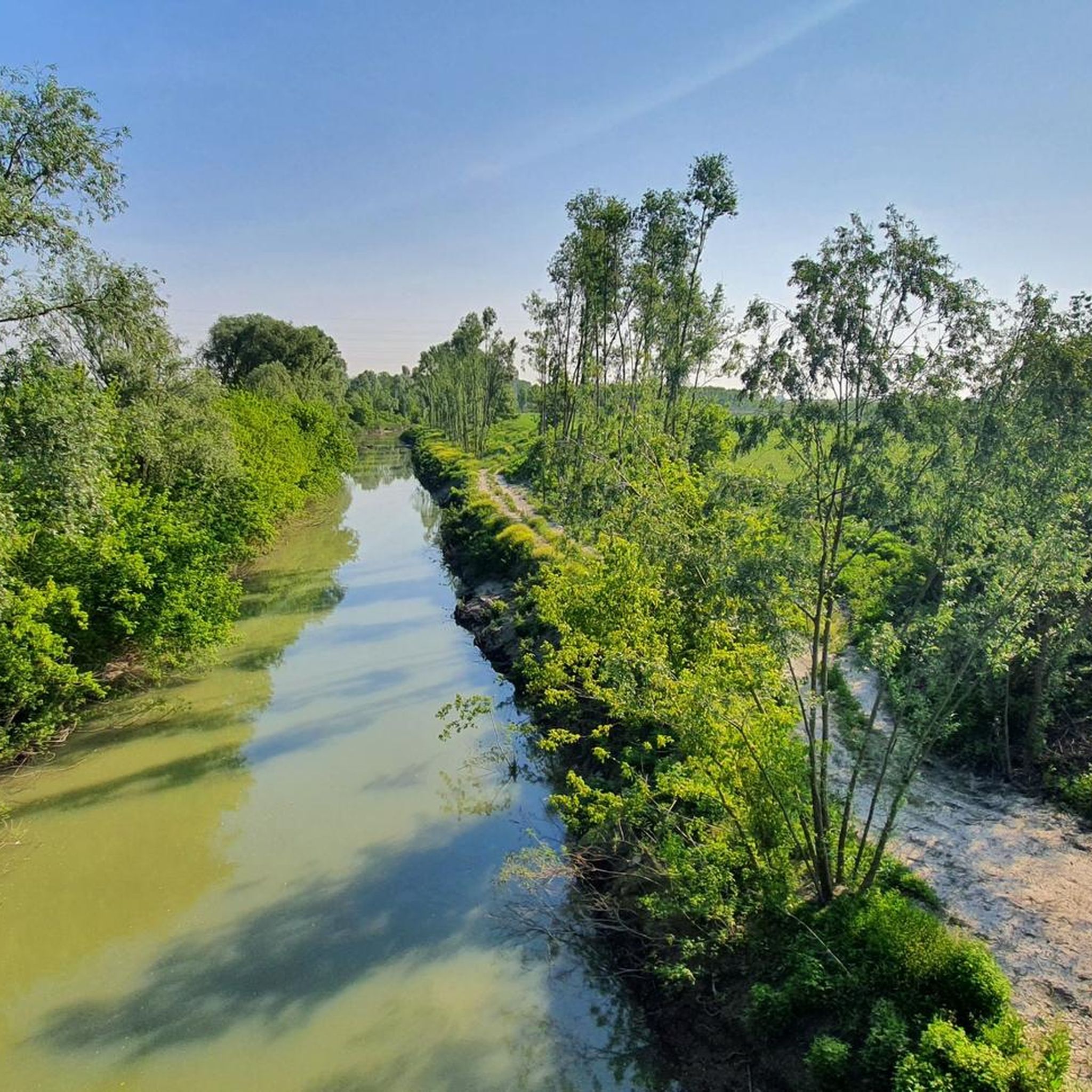
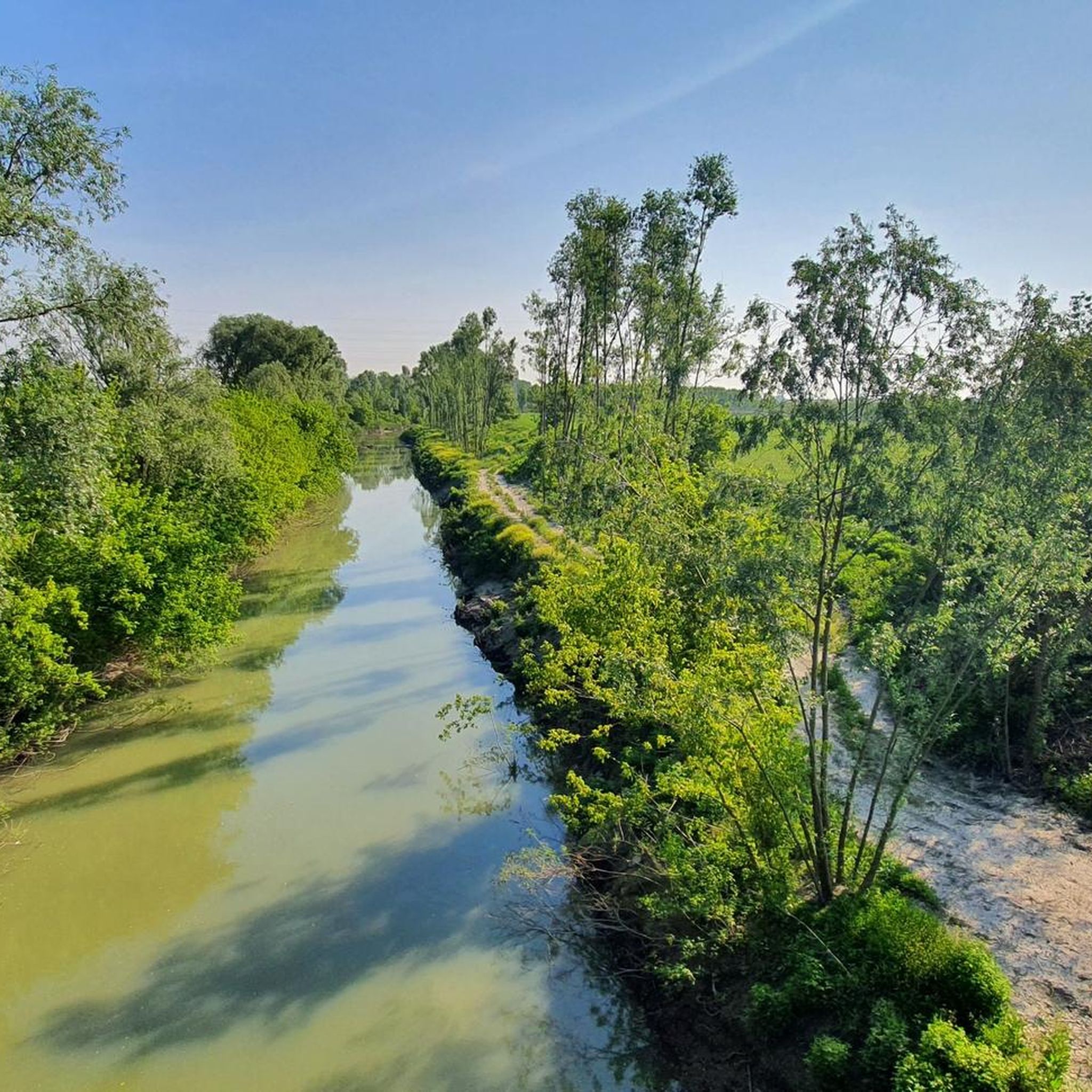
It's in a spot well away from the road, and when no one is there it feels like you're far from everything... when the river is low you can even safely soak your feet 😊
0
0

This Ecological Rebalancing Area, established by the Municipality of Crevalcore pursuant to Regional Law n.11 / 88 on protected areas, is made up of the settling tanks of the old sugar plant closed since 1985. to know more https://tinyurl.com/zuccherificio https://youtu.be/n9PJZ58oigc
1
0
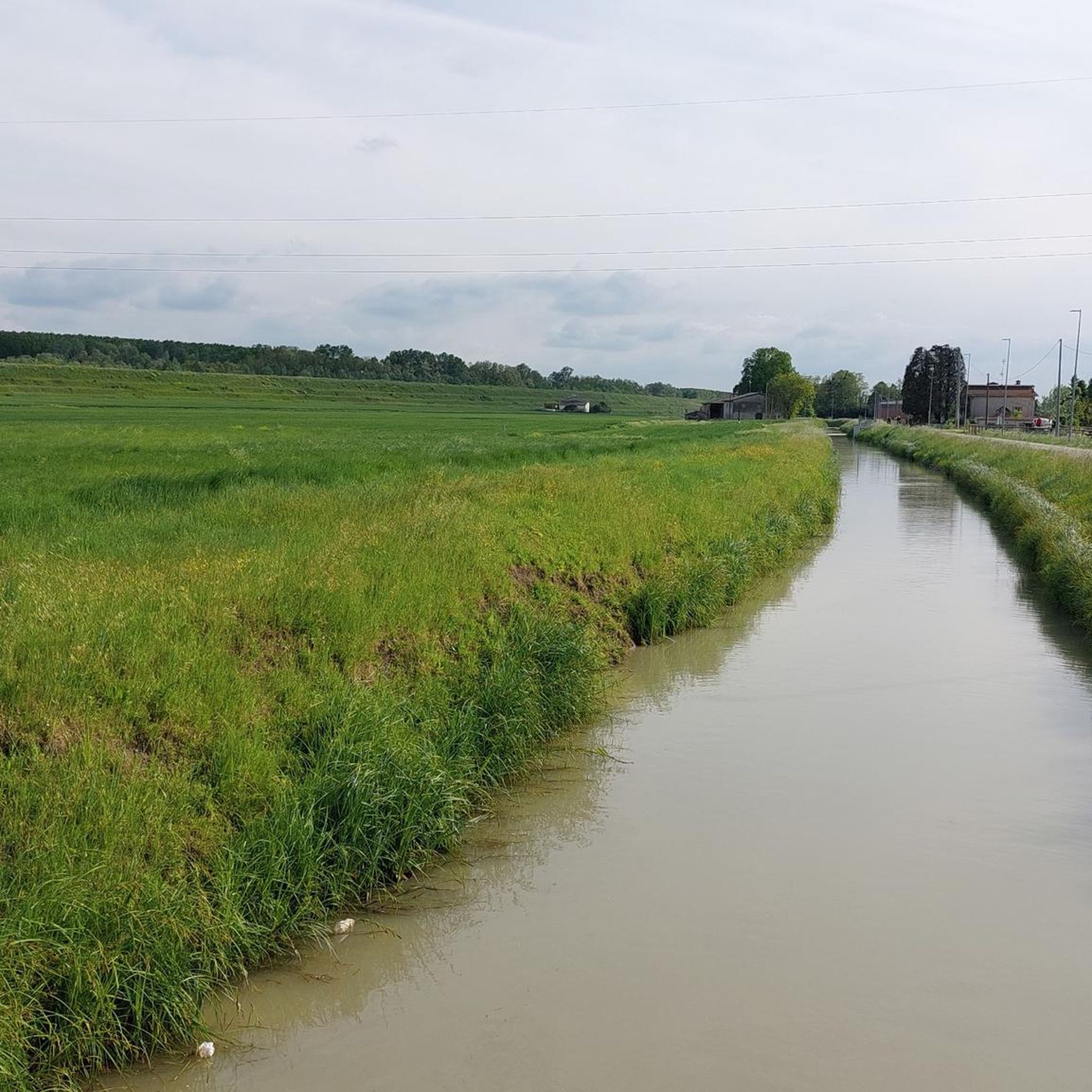
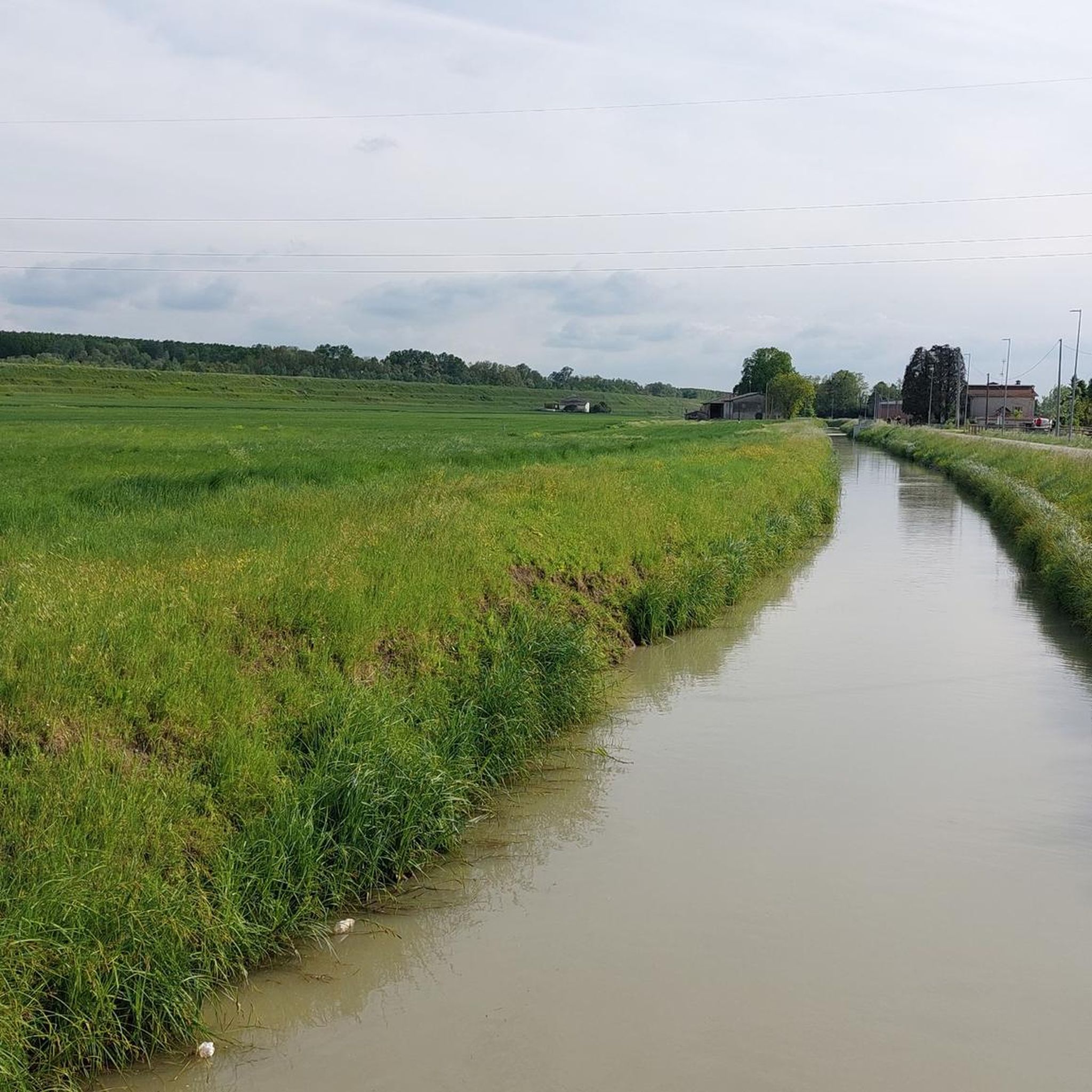
Magnificent area, well-marked routes and many paths to discover nature. Convenient and ample parking. https://tinyurl.com/dosolo
1
0
Area born as an expansion tank but now it has become a naturalistic oasis
2
0
Frequently Asked Questions
What are the most notable natural monuments and areas to explore around Pieve di Cento?
The region around Pieve di Cento offers several unique natural areas. You can visit the Reno River Waterfall, which is part of the Bosco della Panfilia, a rare example of a humid riparian plain forest. Another significant spot is the Casone del Partigiano and Il Casone Ecological Rebalancing Area, which combines natural beauty with historical significance. Additionally, the Vasche Ex-Zuccherificio Nature Reserve and the Dosolo Expansion Basin offer tranquil lake environments and trails.
Are there family-friendly natural areas or trails near Pieve di Cento?
Yes, several natural monuments are suitable for families. The Reno River Waterfall area, within Bosco della Panfilia, is considered family-friendly. Both the Vasche Ex-Zuccherificio Nature Reserve and the Dosolo Expansion Basin are also marked as family-friendly, offering easy trails and natural settings for all ages to enjoy.
What kind of outdoor activities can I do near these natural monuments?
The natural areas around Pieve di Cento are excellent for cycling and walking. You can find numerous routes for touring bicycles, gravel biking, and mountain biking. For example, the Bosco della Panfilia, near the Reno River, is ideal for low-traffic cycling and walking. You can explore routes like the "Reno River Waterfall – Panfilia Wood loop" for mountain biking or the "Napoleonic Canal – Panfilia Wood loop" for gravel biking. Check out the traffic-free bike rides, gravel biking, and MTB trails guides for detailed route options.
What kind of wildlife can I expect to see in the natural areas around Pieve di Cento?
The region's natural areas, particularly the Bosco della Panfilia and the Oasi La Rizza (Ex Risaia di Bentivoglio), are rich in biodiversity. You can expect to see many bird species, especially in the humid riparian forests and wetland complexes. These areas serve as important wildlife protection oases and ecological rebalancing zones, providing habitats for diverse flora and fauna typical of the Po Valley ecosystem.
Are there any historical sites integrated with the natural monuments?
Yes, the Casone del Partigiano and Il Casone Ecological Rebalancing Area is a significant historical site. This former marshland building served as a refuge for partisans during WWII and played a role in the liberation of Bologna. It has been rebuilt as a memorial park, offering a unique blend of natural landscape and historical remembrance.
What is the best time of year to visit the natural monuments around Pieve di Cento?
Spring and autumn are generally the best seasons for outdoor activities around Pieve di Cento. The weather is mild, making it pleasant for cycling, walking, and wildlife observation. In spring, you can witness the awakening of nature, while autumn offers beautiful foliage and comfortable temperatures. Summer can be hot, but early mornings or late afternoons are still enjoyable.
Can I bring my dog to the natural monuments and trails?
While specific regulations for each site may vary, many natural areas and trails in Italy are dog-friendly, especially if dogs are kept on a leash. It's always recommended to check local signage or official websites for the specific natural monument you plan to visit to ensure compliance with any rules regarding pets.
What are the main natural features of the Reno River area near Pieve di Cento?
The Reno River, which flows near Pieve di Cento, is characterized by its riparian environment. The Bosco della Panfilia, for instance, is a prime example of a humid riparian plain forest, featuring typical Po Valley vegetation like hornbeams, white poplars, and willows. The river's course changes have shaped the landscape, creating unique habitats subject to periodic flooding, which supports a diverse ecosystem.
Are there any unique or 'hidden' natural gems in the region?
The Bosco della Panfilia, particularly the area around the Reno River Waterfall, can feel like a hidden gem. It's described as a spot well away from the road, offering a sense of being far from everything. This relic forest, though formed relatively recently, provides a tranquil escape and is also known as a truffle area, particularly for white truffles.
What are the accessibility options for reaching these natural monuments?
Access to many of these natural areas is typically by car, with parking available near trailheads or specific sites. For example, the Dosolo Expansion Basin is noted for its convenient and ample parking. Public transport options might be limited directly to the more remote natural monuments, so planning your journey in advance is advisable.
What is the Cento Nature Reserve?
The Cento Nature Reserve is a naturalistic oasis that originated as an expansion basin. It has since evolved into a protected area, offering a tranquil environment for nature observation and walks. It's recognized as a natural monument and is also considered family-friendly.
Most popular routes around Pieve Di Cento
Most popular attractions around Pieve Di Cento

Get inspired with the komoot mobile app


Explore more
Extend your search for the best caves by checking out these guides of the top ones around Pieve Di Cento:
