Top 5 Natural Monuments around San Giorgio Di Piano
Best natural monuments around San Giorgio Di Piano are situated in the Bolognese plain, offering diverse natural attractions. The region features wetlands, rivers, and significant trees, highlighting its biodiversity. These areas provide opportunities for observing aquatic life and enjoying rural landscapes. The natural monuments here serve as notable landmarks and ecological zones.
Best natural monuments around San Giorgio Di Piano
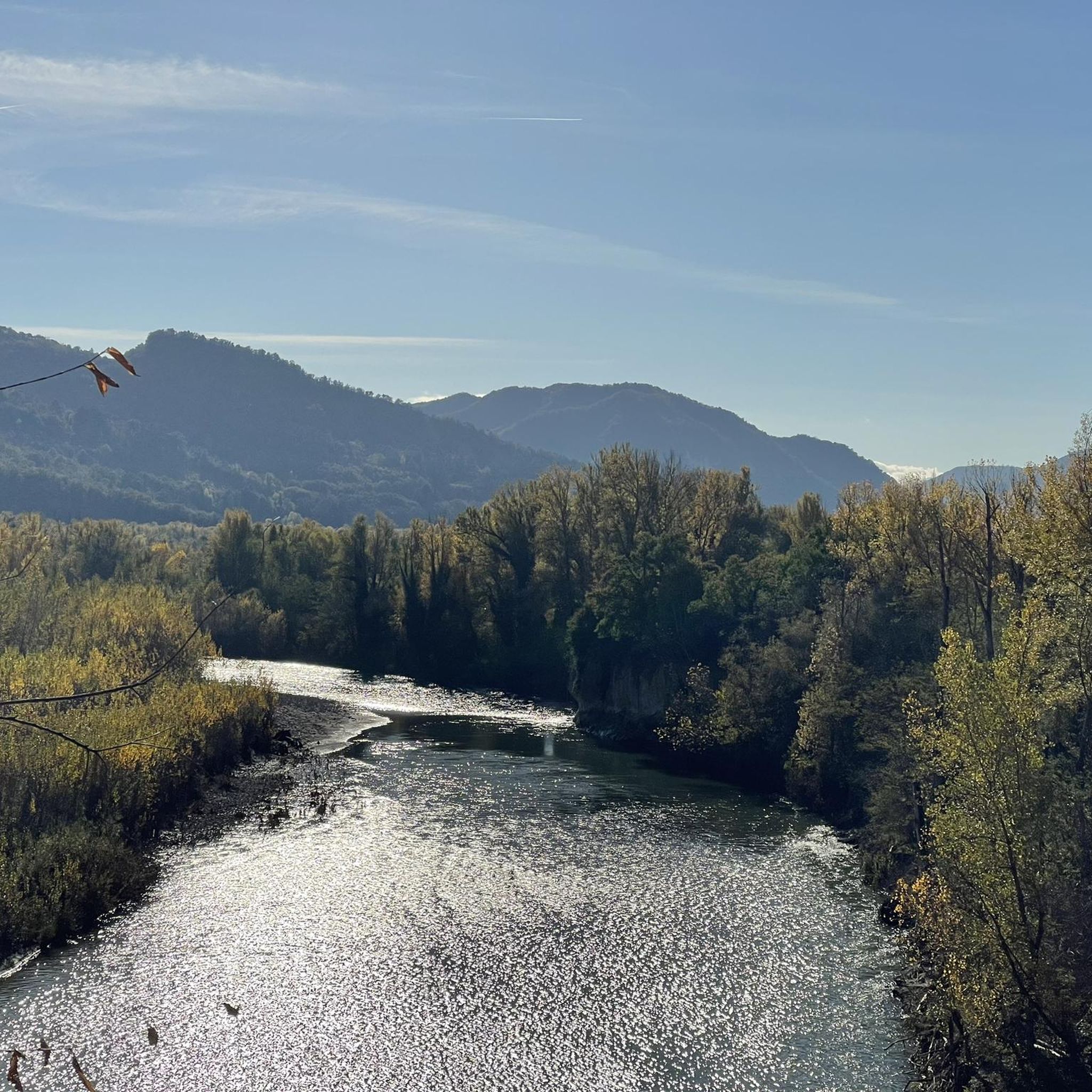
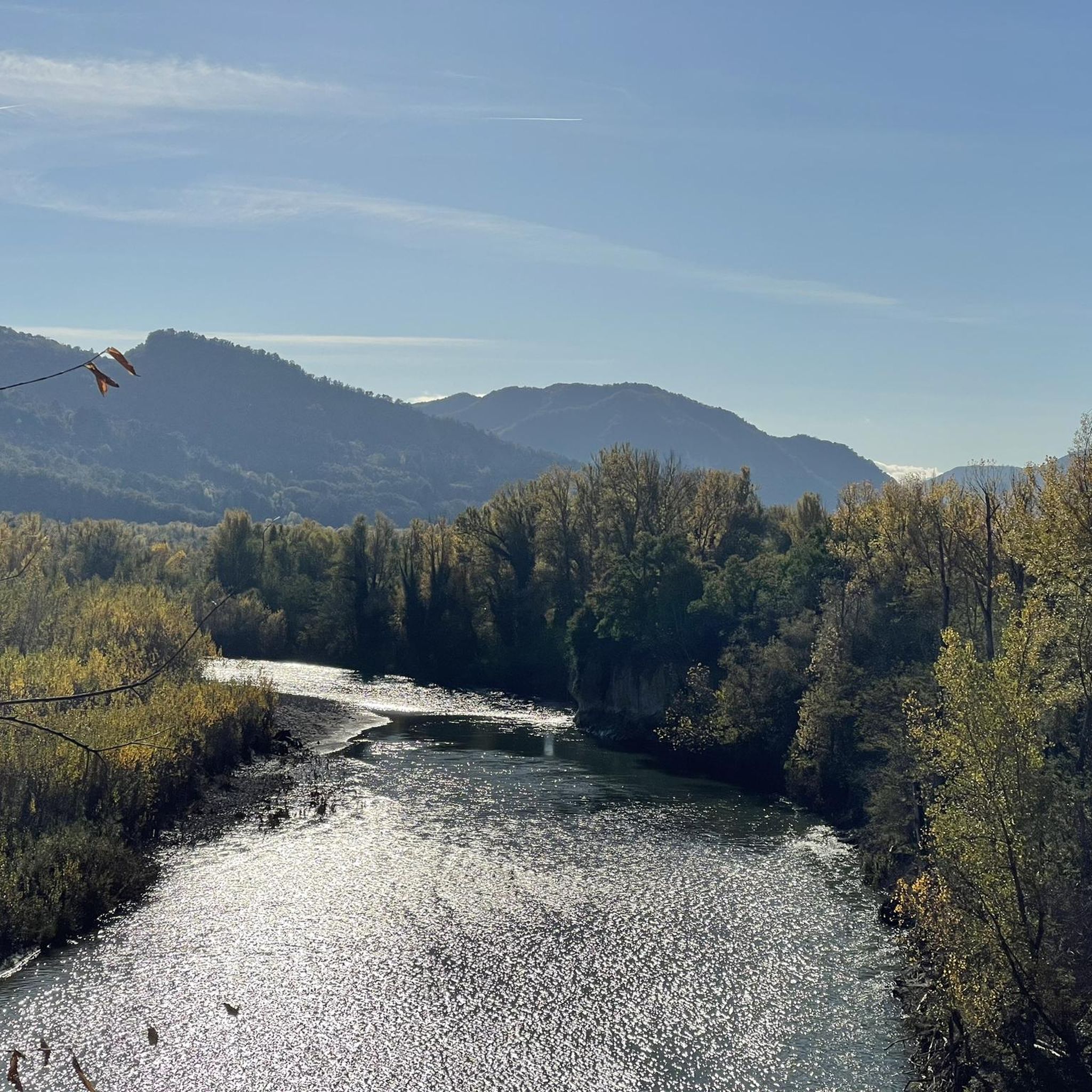
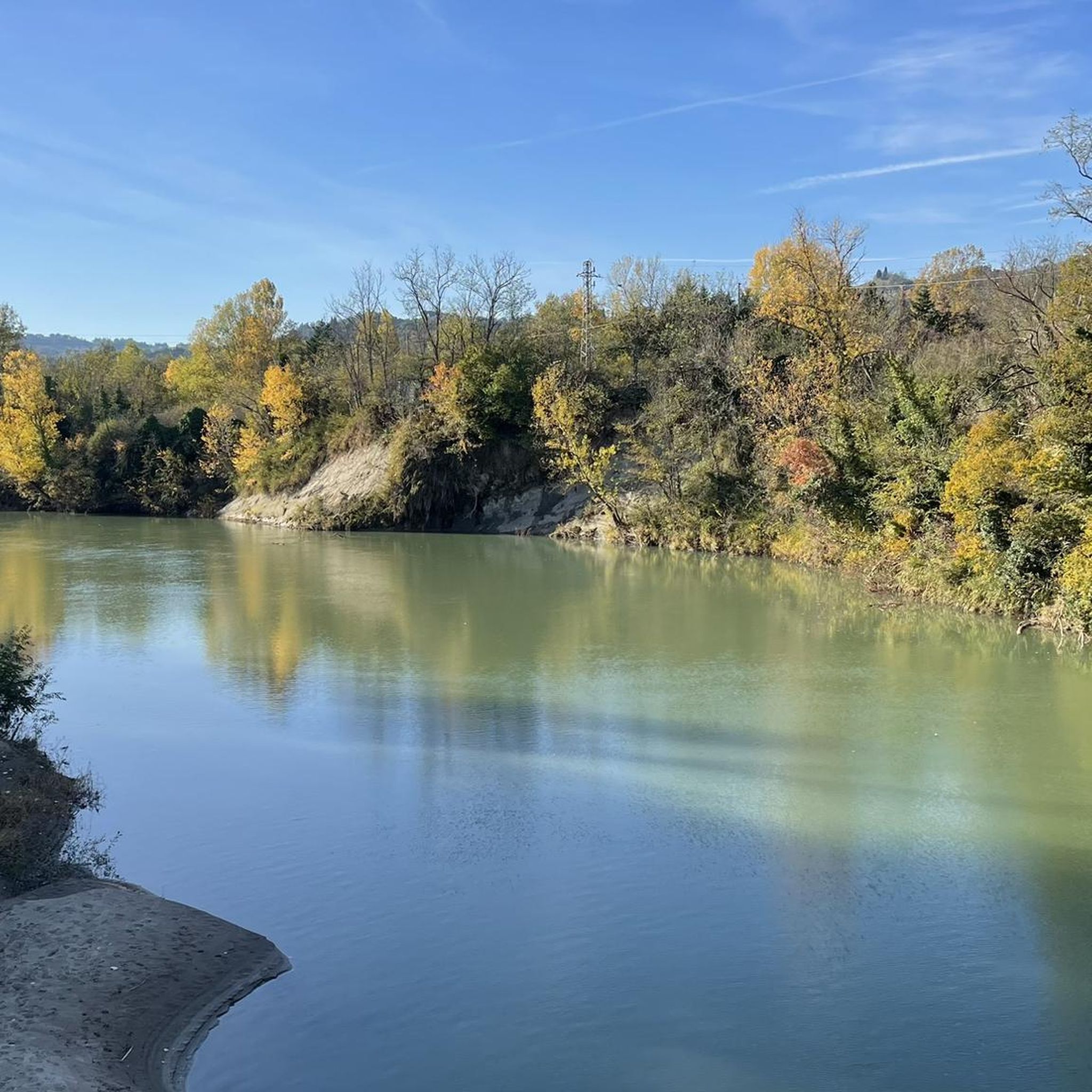
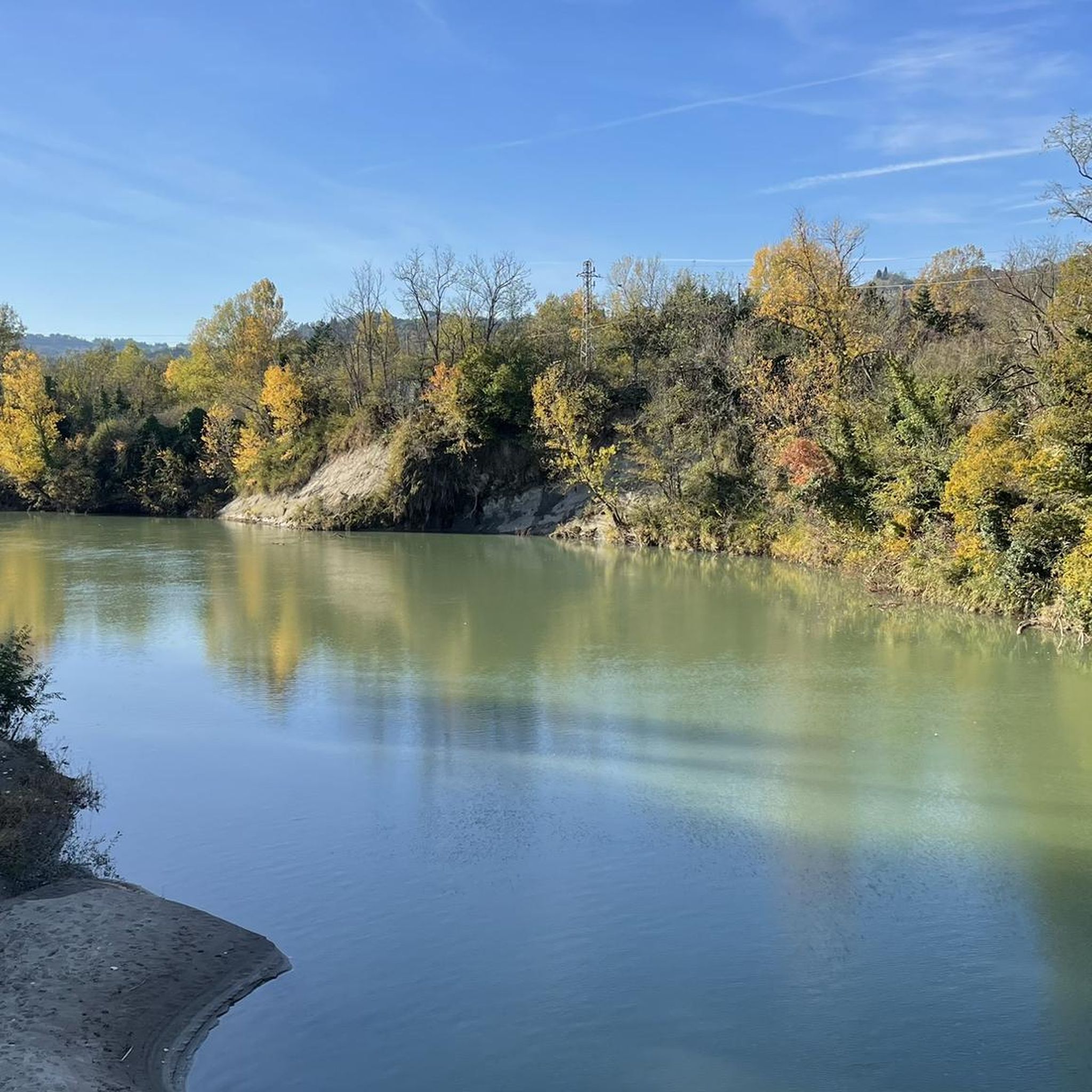
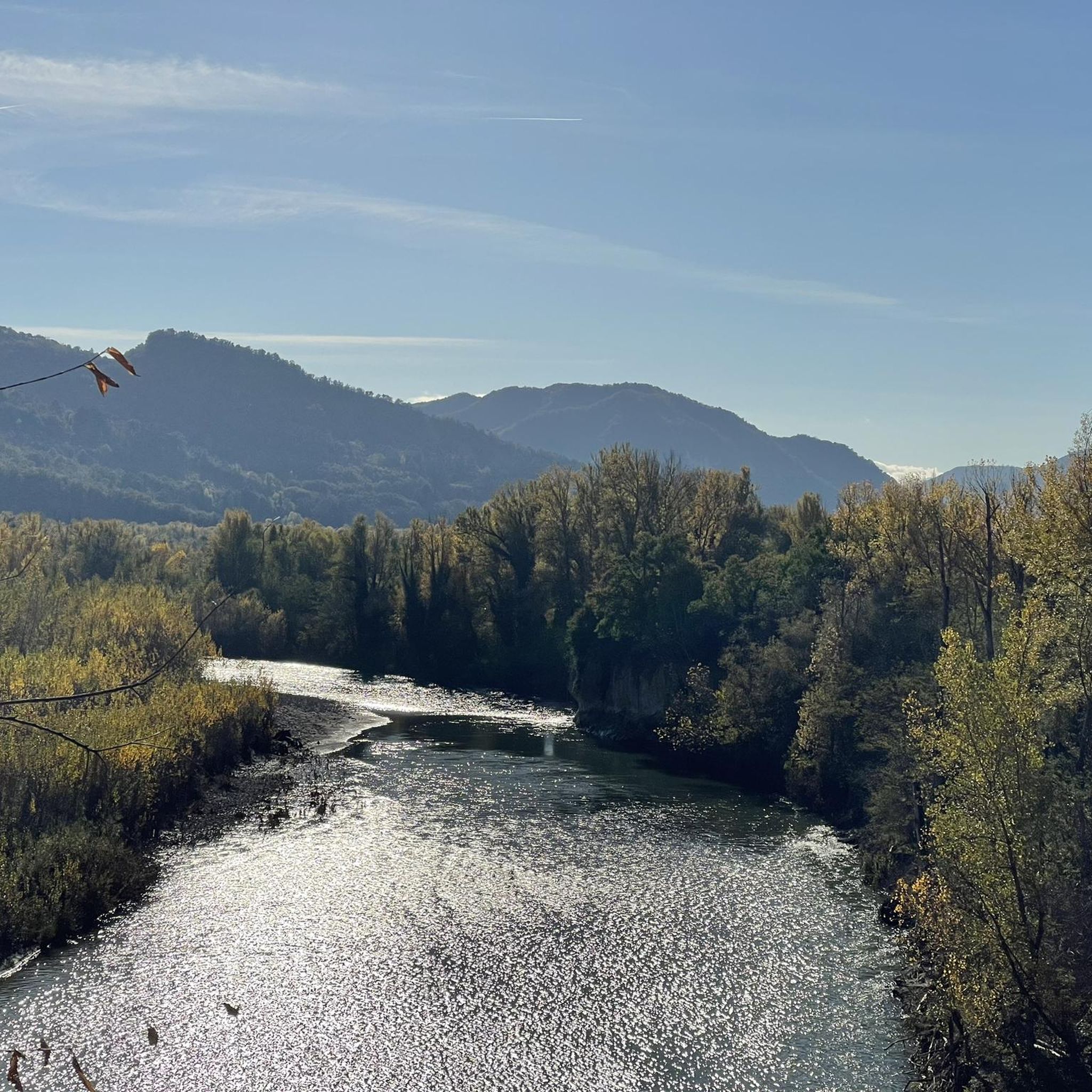
- The most popular natural monuments is Reno River Waterfall, a waterfall that crosses the Pamphylia wood. It offers a…
Last updated: June 28, 2026
Reno River Waterfall
Highlight • Waterfall
Translated by Google •
Tip by

Silver-leaved Poplar on the Cycle Path to Bentivoglio
Highlight • Natural Monument
Translated by Google •
Tip by

Sign up now to discover places like this
Get recommendations on the best single tracks, peaks, & plenty of other exciting outdoor places.
Sign up for free
Casone del Partigiano and Il Casone Ecological Rebalancing Area
Highlight • Historical Site
Translated by Google •
Tip by

Fallen Oak in Bosco della Panfilia
Highlight • Natural Monument
Translated by Google •
Tip by

Golena San Vitale Nature Reserve
Highlight • Forest
Translated by Google •
Tip by

Sign up for free to discover even more natural monuments around San Giorgio Di Piano.
Sign up for free
Already have an account?
Start today with a free account
Your next adventure awaits.
Login or Signup

Tips from the Community

There is a road closure. Between the airport and the Trebbo Bridge, there is a construction site along the embankment that prevents traffic. It is strongly advised not to attempt to cross. The gate has been removed, but it is now dangerous to cross.
0
0

A nice surprise with the benches
0
0

an impressive poplar for its size and the impact its crown makes from afar when passing on the cycle path
1
0

on the cycle path to Bentivoglio you come across this poplar with its voluminous and splendid crown
0
0

The Casone del Partigiano was built between 1790 and 1850, in a marshy area accessible mainly by boat, but also thanks to paths or a walkway that allowed connection with the surrounding area. It was used by the partisans as a refuge during the revolt against the Germans and fascists. In the days of the armed insurrection, the partisans received the order to move to Bologna, fighting for the liberation of the city. The gathering point of the partisans, after the transfer to Bologna, was the Casone area and the "Bridge of Death". During the days 18, 19, 20 and 21 April 1945, the command of the second "Paolo" Brigade and the representatives of the fourth "Venturoli" Brigade met at Casone. On 21 April the first clashes took place with the retreating Germans, in the area from Casone towards San Pietro in Casale, between Rubizzano and Gavaseto, and on the railway between Bologna and Padua. Many partisans lost their lives in these battles. From 1900 to 1950, part of the valley was reclaimed and transformed into rice fields. During the Second World War the Casone already had the characteristics it has today: it was surrounded by a large ditch that could be crossed via a walkway. Following the reclamation works, the Casone collapsed. The partisans of the second «Paolo» brigade decided to rebuild it as a testimony for future generations so that the ideals of the Resistance remained alive and peace, freedom and social justice were safeguarded. On 25 April 2013 the naming ceremony of the Casone del Partigiano Memorial Park after Alfonsino Saccenti was held. (Source: https://naturadipianura.it/luoghi/casone-del-partigiano/ )
0
0

It's in a spot well away from the road, and when no one is there it feels like you're far from everything... when the river is low you can even safely soak your feet 😊
0
0
Frequently Asked Questions
What are some unique natural features to explore around San Giorgio di Piano?
The region offers a variety of natural features. You can visit the Reno River Waterfall, a secluded spot in the Pamphylia wood where you can even soak your feet when the river is low. Another impressive sight is the Silver-leaved Poplar on the Cycle Path to Bentivoglio, notable for its size and voluminous crown. For a different experience, the Dosolo Expansion Basin is a magnificent lake area with well-marked routes to discover nature.
Are there any family-friendly natural monuments in the area?
Yes, several natural monuments are suitable for families. The Reno River Waterfall and the Silver-leaved Poplar on the Cycle Path to Bentivoglio are both considered family-friendly. Additionally, the Dosolo Expansion Basin offers well-marked paths and convenient parking, making it a great option for a family outing.
What kind of outdoor activities can I do near these natural monuments?
The area around San Giorgio di Piano is excellent for cycling. You can explore various routes, such as the 'Bentivoglio Castle – Ponte della Bionda loop' or the 'Argine a Boschetto – Fontanella del Parco Calipari loop'. For mountain biking, consider routes like the 'Oasi La Rizza – Navile Canal loop'. You can find more details and routes on the Cycling around San Giorgio Di Piano, MTB Trails around San Giorgio Di Piano, and Road Cycling Routes around San Giorgio Di Piano guide pages.
Are there any historical sites among the natural monuments?
Yes, the Casone del Partigiano and Il Casone Ecological Rebalancing Area is a significant historical site. Built between 1790 and 1850, it served as a refuge for partisans during World War II and is now a memorial park, preserving the ideals of the Resistance.
Where can I go for birdwatching or to observe aquatic life?
The La Rizza Nature Reserve, a 40-hectare area of wetlands and woods, is an excellent spot for birdwatching and observing diverse aquatic life. It even features a unique shed with underwater glass for viewing the habitat below the surface.
Is there a scenic cycle path along a river?
Yes, the Trebbo di Reno Cycle Path runs along the Reno River, offering a pleasant route through rural landscapes and green areas. It's mostly flat and well-maintained, suitable for a relaxed ride while admiring the river and its banks.
What is the best time to visit the natural monuments around San Giorgio di Piano?
The Bolognese plain generally offers pleasant conditions for outdoor activities during spring and autumn, when temperatures are mild. Summer can be warm, but areas with shade or near water, like the Reno River Waterfall or Dosolo Expansion Basin, can still be enjoyable. Winter offers a quieter experience, though some areas might be less accessible.
Are there any notable ancient trees in the region?
Absolutely. Between San Giorgio di Piano and San Pietro in Casale, in the town of Gherghenzano, you can find a monumental plane tree. This ancient tree stands 33 meters tall and is a noteworthy natural landmark.
What do visitors appreciate most about the natural monuments here?
Visitors particularly enjoy the secluded and peaceful atmosphere of places like the Reno River Waterfall, where they can feel far from everything. The impressive size and beauty of trees like the Silver-leaved Poplar also leave a lasting impression. The well-marked routes and natural beauty of areas like the Dosolo Expansion Basin are also highly valued.
Is there a significant regional park nearby with unique geological features?
While not directly within San Giorgio di Piano, the Parco Regionale dei Gessi Bolognesi e Calanchi dell'Abbadessa is a significant regional park in the broader Bologna area. It features a diverse landscape of caves, plateaus, cliffs, and distinctive Paleolithic rock formations known as calanchi. It's also a UNESCO World Heritage site for its extensive gypsum cave systems.
Are there any natural reserves that are easily accessible?
The Golena San Vitale Nature Reserve is a forest natural monument. However, please be aware that there might be road closures or construction along the embankment, particularly between the airport and the Trebbo Bridge, which could affect access. It's advisable to check local conditions before planning your visit.
Most popular routes around San Giorgio Di Piano
Most popular attractions around San Giorgio Di Piano

Get inspired with the komoot mobile app


Explore more
Extend your search for the best caves by checking out these guides of the top ones around San Giorgio Di Piano:
