Top 20 Natural Monuments around Castel Bolognese
Natural monuments around Castel Bolognese offer access to significant natural beauty in the Emilia-Romagna region. The town serves as a gateway to the Upper Senio Valley, located near the Vena del Gesso Romagnola Regional Park. This park features unique chalk vein formations, creating a distinctive landscape for outdoor activities. The area provides a blend of geological interest and biodiversity, with opportunities to explore both surface and underground natural wonders.
Best natural monuments around Castel Bolognese
- The most popular natural monuments…
Last updated: May 16, 2026
Parco delle Acque Minerali
Highlight • Forest
It is …
Translated by Google •
Tip by

Monte Mauro Hermitage
Highlight • Religious Site
Translated by Google •
Tip by

Sign up now to discover places like this
Get recommendations on the best single tracks, peaks, & plenty of other exciting outdoor places.
Sign up for free
Grotta Tanaccia
Highlight • Cave
Translated by Google •
Tip by
Parco Regionale Vena del Gesso Romagnola
Highlight • Summit
Translated by Google •
Tip by

Scenic viewpoint above the former Monticino quarry
Highlight • Viewpoint
Translated by Google •
Tip by

Sign up for free to discover even more natural monuments around Castel Bolognese.
Sign up for free
Already have an account?
Start today with a free account
Your next adventure awaits.
Login or Signup

Tips from the Community

For those who are capable of doing impossible climbs
0
0

There are also dirt climbs and equally as many descents, steep and difficult sections (even 18%), very beautiful views and at the top there is the Hermitage.
0
0

the cute cat EremoMonte Mauro
0
0

Area with numerous singletracks and well-rideable trails
0
0

The Mineral Water Park is the historic green lung of Imola. Mainly known for its recreational and sporting function, it also has an undoubted botanical and historical value. It is located a short distance from the city center and is nowadays entirely surrounded by the “Enzo e Dino Ferrari” racetrack. It originated from the discovery of Dr. Gioacchino Cerchiari, which occurred in 1830, of the healing sulphurous water springs which made the place immediately popular. The first arrangement of the area into a real park dates back to 1871, with the creation of avenues and flowerbeds according to the so-called "English" model. Currently the park extends over 11 hectares and has a rich heritage of tree species, both native and exotic. Recent interventions have aimed to enhance this heritage by providing the park with two play areas and an educational path of a geological nature, and by redeveloping some historical areas: the area of the ancient springs (indicated by the restoration of the original cisterns), the monumental staircase that leads from Viale Atleti Azzurri d'Italia leads to the Belvedere, and the entrances to the park. In particular we highlight the one to the north, called 'Piazzetta della Fontana' from the ceramic work of the artist Mannes Laffi, and the one to the south, or Piazzetta delle Querce', characterized by paving in stone slabs and cubes which reflect the park logo : an oak leaf. (Source: https://visitareimola.it/vivere/tempo-libero/natura/parco-acque-minerali/ )
0
0

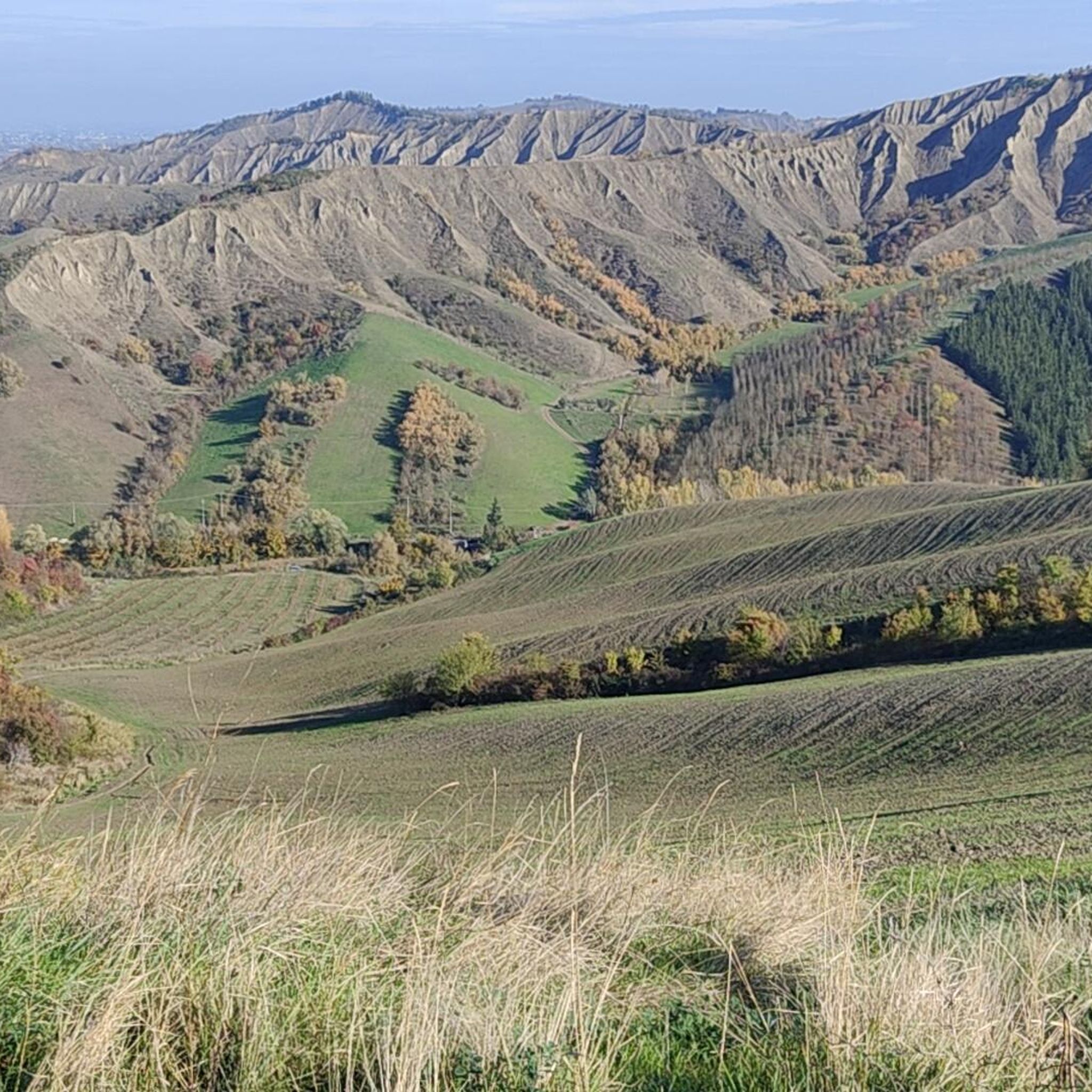
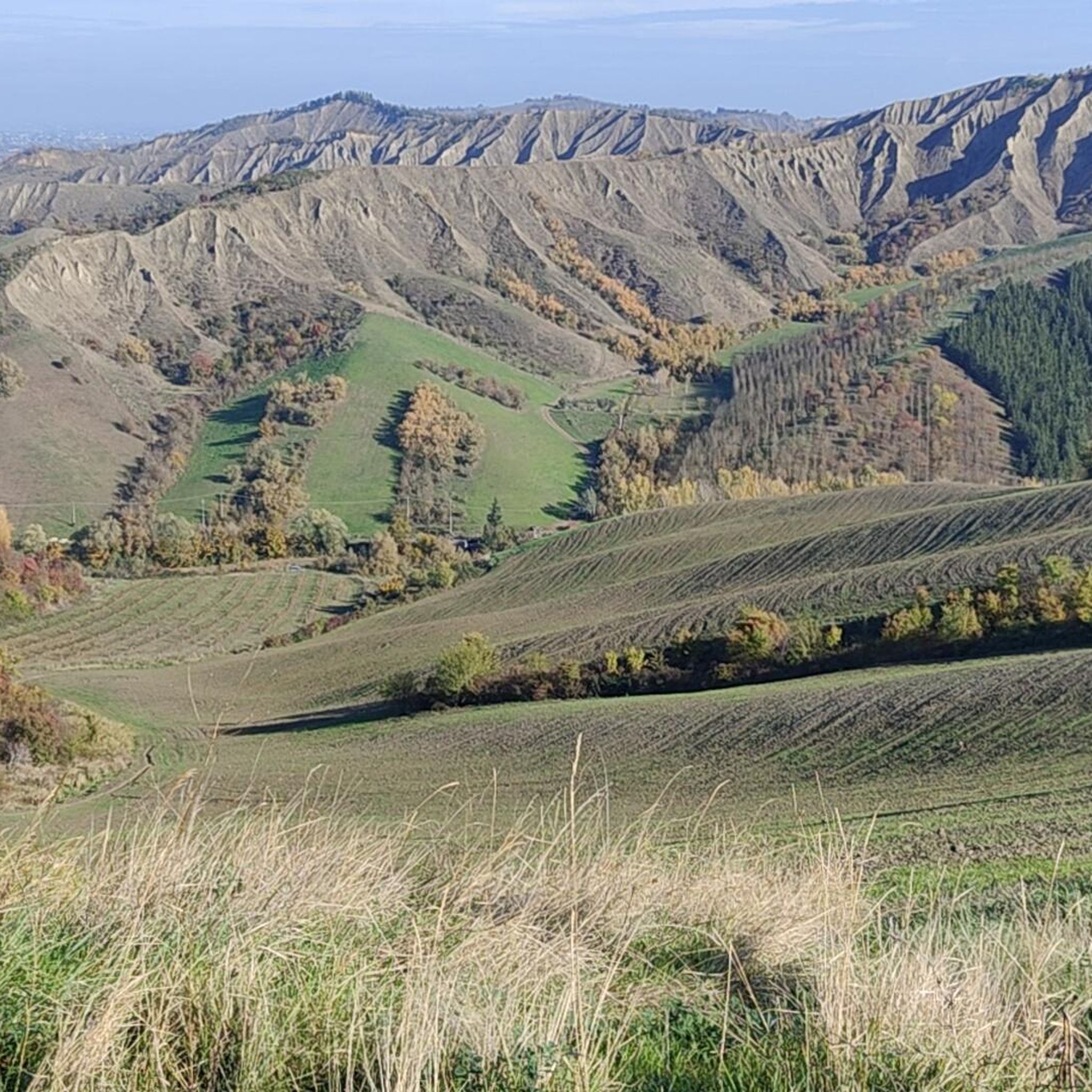
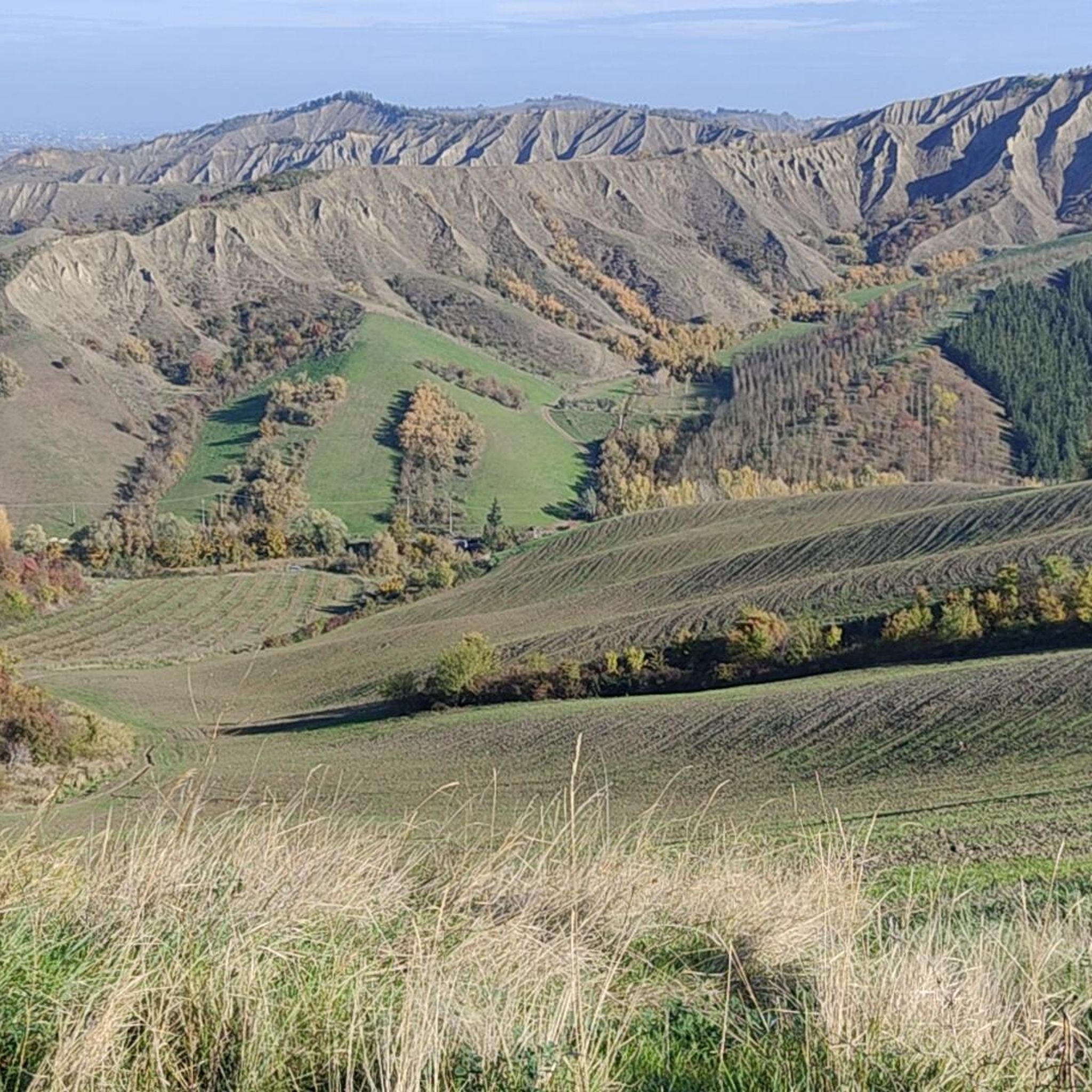
The most beautiful stretch of the Gesso vein park
1
0

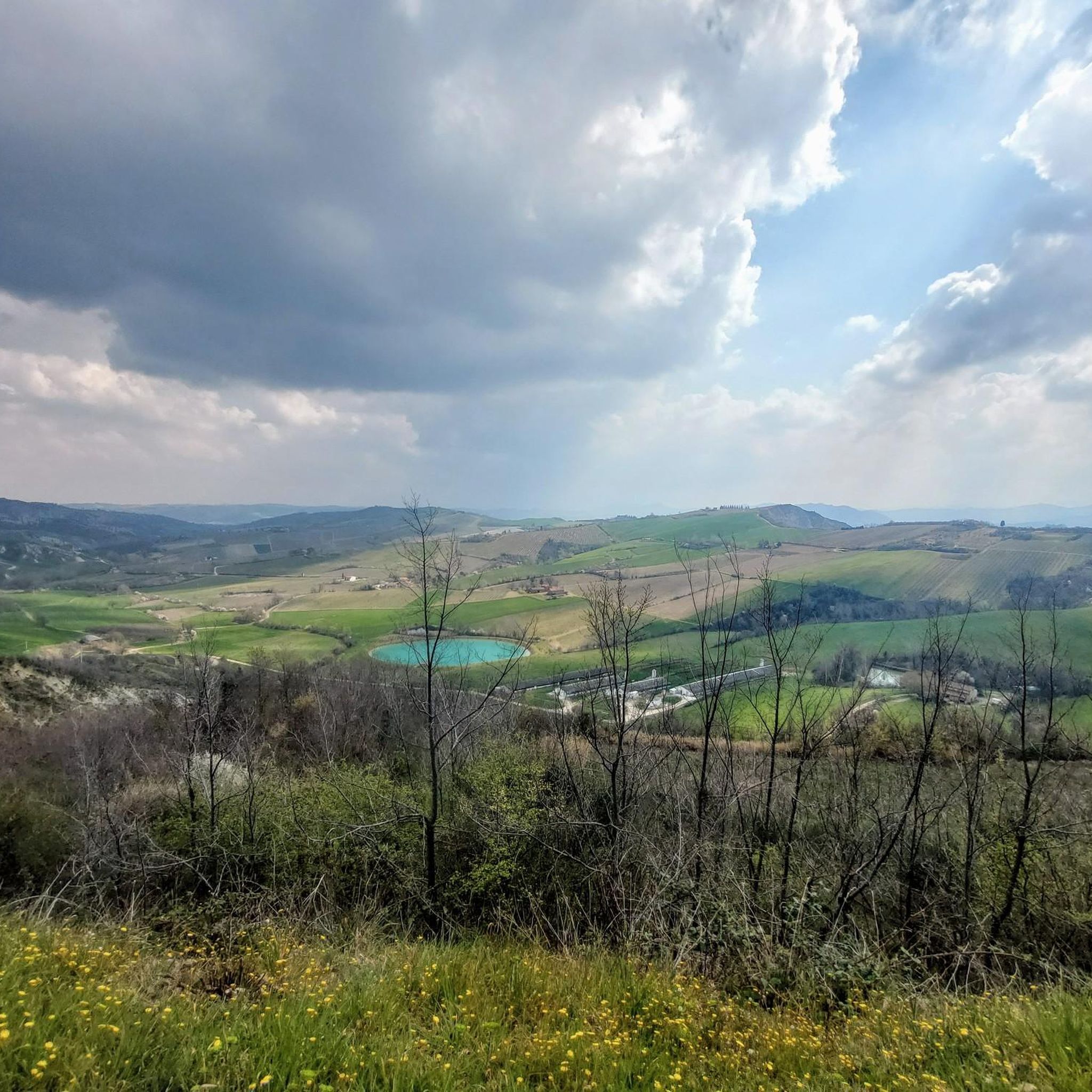
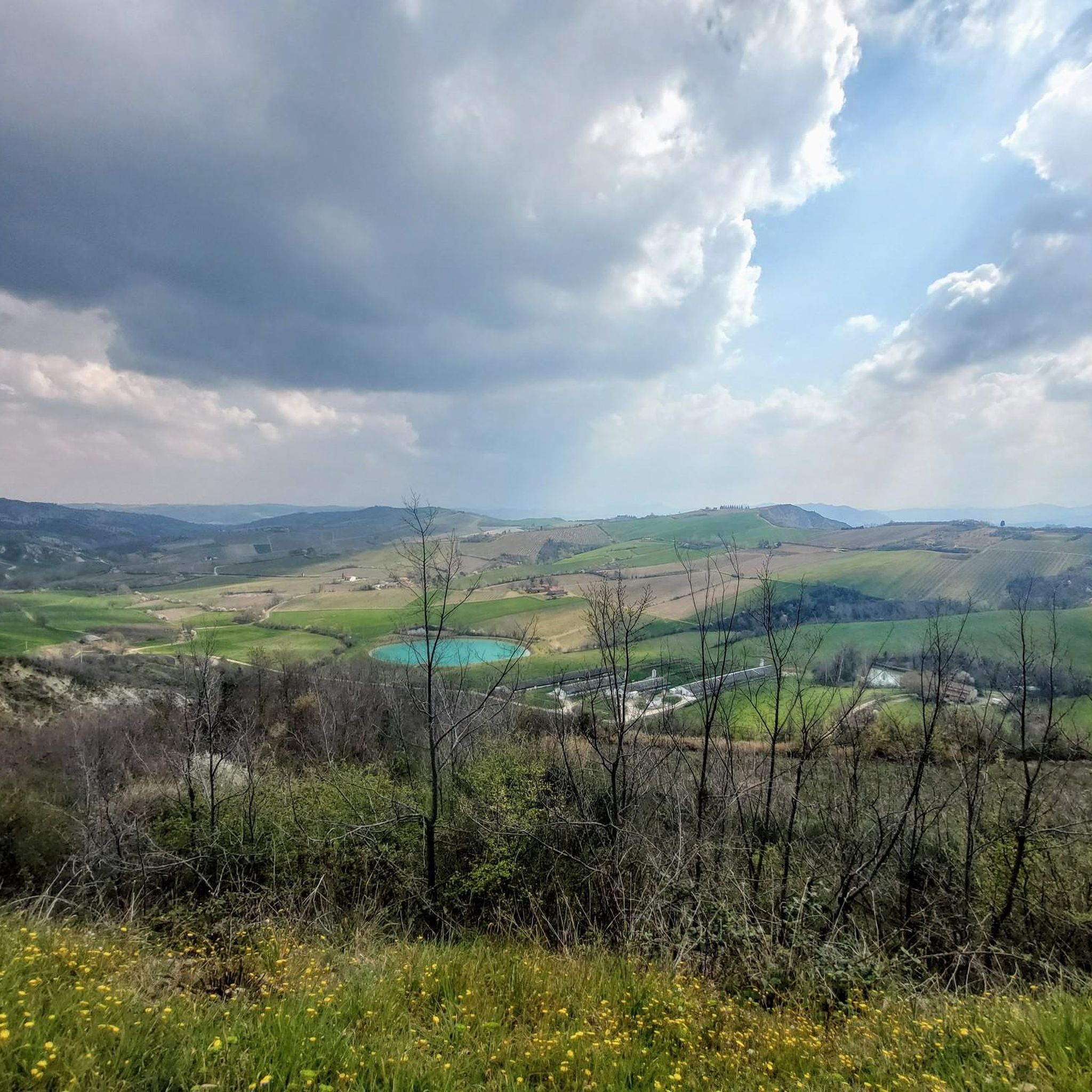
Suggestive point of reflection, the view is also beautiful
2
0
Frequently Asked Questions
What unique natural features can I explore near Castel Bolognese?
The region is renowned for its distinctive geological formations. The Parco Regionale Vena del Gesso Romagnola, a UNESCO World Heritage site, features a 25 km chain of chalky karst areas. You can also find interesting caves like Grotta Tanaccia near Brisighella, which offers guided speleological visits.
Are there any natural monuments suitable for families with children?
Yes, the Parco delle Acque Minerali in Imola is a family-friendly option. It's a historic green park with a rich variety of tree species, two play areas, and an educational geological path, making it ideal for a relaxed outing with children.
What kind of views can I expect from the natural monuments in the area?
Many natural monuments offer stunning panoramic views. The Monte Mauro Hermitage provides a spectacular vista over the Zattaglia valley, while the Scenic viewpoint above the former Monticino quarry offers a suggestive panorama over an inactive gypsum quarry, known for its geological significance.
What outdoor activities can I do near these natural monuments?
The area around Castel Bolognese and the Vena del Gesso Romagnola Regional Park is excellent for various outdoor activities. You can find opportunities for trekking, mountain biking, and even guided speleological visits into the caves. For more specific routes, explore options for gravel biking, cycling, and road cycling.
Are there any historical or cultural sites integrated with the natural landscape?
Yes, the Monte Mauro Hermitage is a prime example, offering a peaceful religious building nestled within nature with extensive views. Additionally, the nearby village of Brisighella features its 'Three Hills,' which are natural landmarks hosting historical structures, blending natural beauty with human history.
What is the best time of year to visit the natural monuments around Castel Bolognese?
Spring and autumn are generally ideal for visiting the natural monuments. The weather is pleasant for outdoor activities like hiking and cycling, and the landscapes are vibrant with seasonal colors. While some caves like Grotta Tanaccia might have winter closures to protect hibernating bats, many outdoor areas remain accessible year-round, weather permitting.
Can I find accommodation or places to eat near the natural areas?
Yes, within the Vena del Gesso Romagnola Regional Park, the Cà Carnè refuge and visitor center provides facilities for eating and staying, surrounded by the park's greenery. You'll also find various options in nearby towns like Brisighella and Riolo Terme, which are gateways to the natural monuments.
What makes the Vena del Gesso Romagnola Regional Park so special?
The park is unique due to its distinctive chalk vein formations, which have created a landscape of extraordinary geological, biological, and archaeological value. It's recognized as a UNESCO World Heritage site for this phenomenon, offering a diverse environment from chalky outcrops to lush vegetation, and even underground cave systems.
Are there any specific trails or routes recommended for exploring the natural monuments?
The Vena del Gesso Romagnola Regional Park offers numerous trails for trekking and mountain biking. While specific named trails for individual natural monuments aren't listed here, you can find various routes for gravel biking, cycling, and road cycling that pass through or near these natural areas, allowing you to explore the diverse terrain.
What do visitors particularly enjoy about the natural monuments in this region?
Visitors frequently appreciate the tranquility and stunning views offered by sites like the Monte Mauro Hermitage. The unique geological formations of the Parco Regionale Vena del Gesso Romagnola, with its spectacular chalk pieces that 'almost look like glass,' are also a major draw, along with the rich biodiversity and opportunities for outdoor recreation.
Are the natural monuments accessible by public transport?
While Castel Bolognese itself has public transport connections, direct public transport to all remote natural monuments might be limited. It's advisable to check local bus schedules or consider driving to access trailheads and visitor centers within the Vena del Gesso Romagnola Regional Park, such as the Cà Carnè refuge.
Most popular routes around Castel Bolognese
Most popular attractions around Castel Bolognese

Get inspired with the komoot mobile app


Explore more
Extend your search for the best caves by checking out these guides of the top ones around Castel Bolognese:
