Top 20 Natural Monuments around Santo Stefano Di Sessanio
Best natural monuments around Santo Stefano Di Sessanio are found within the Gran Sasso e Monti della Laga National Park in Abruzzo, Italy. This medieval village is integrated with a natural landscape characterized by dramatic mountain ranges and expansive plateaus. The region offers diverse ecosystems and significant geological features, providing opportunities for outdoor exploration. Its high-altitude setting provides panoramic views and access to prominent peaks.
Best natural monuments around Santo Stefano Di Sessanio
- The most popular natural monuments is Rocca…
Last updated: June 28, 2026
Corno Grande Western Summit
Highlight • Summit
Tip by

Campo Imperatore
Highlight • Natural Monument
Showing Translation
Tip by

Sign up now to discover places like this
Get recommendations on the best single tracks, peaks, & plenty of other exciting outdoor places.
Sign up for free
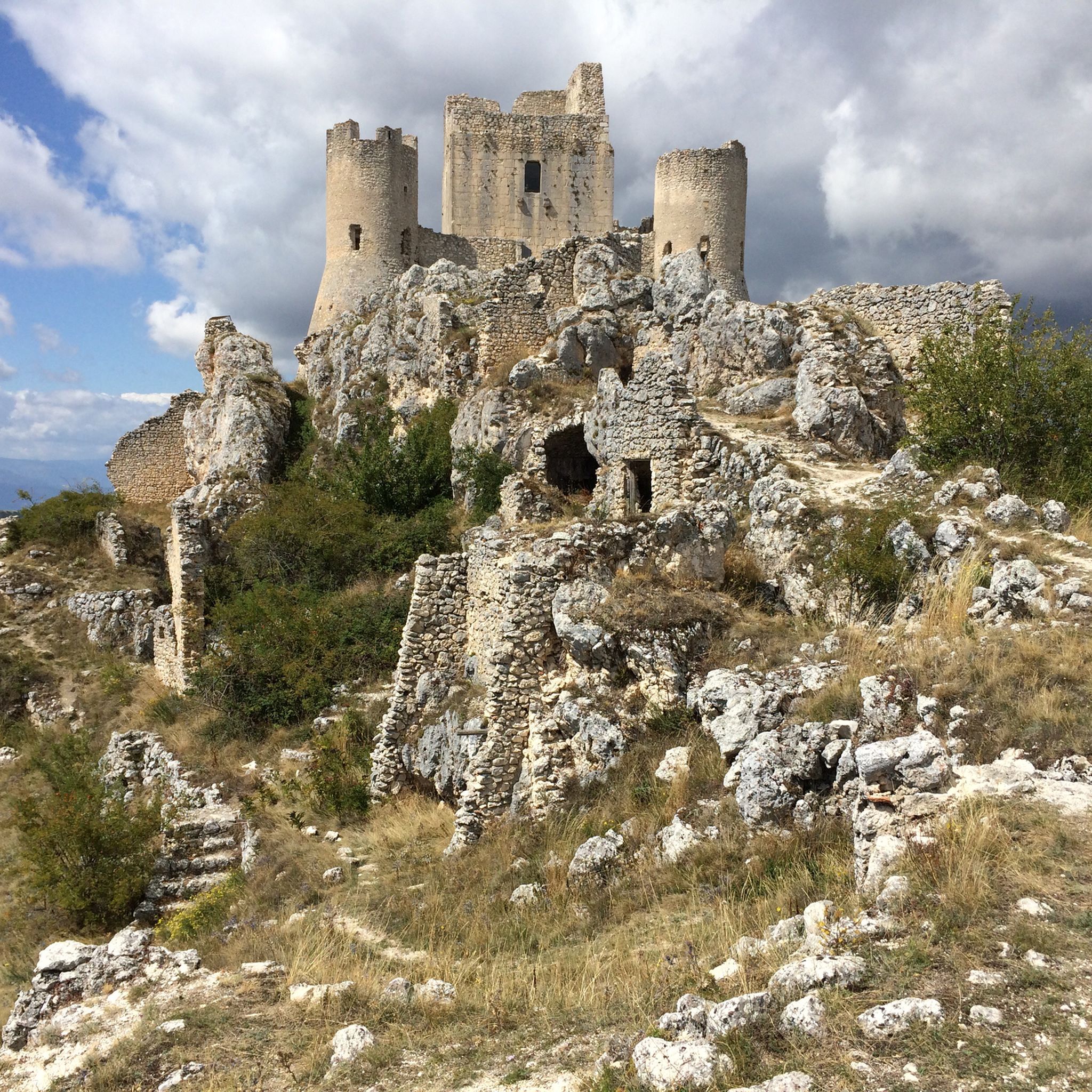
Rocca Calascio Castle
Highlight • Castle
Translated by Google •
Tip by

Monte Aquila Summit
Highlight • Summit
Translated by Google •
Tip by

The Madonnina (Gran Sasso)
Highlight • Viewpoint
Tip by

Sign up for free to discover even more natural monuments around Santo Stefano Di Sessanio.
Sign up for free
Already have an account?
Start today with a free account
Your next adventure awaits.
Login or Signup
Popular around Santo Stefano Di Sessanio
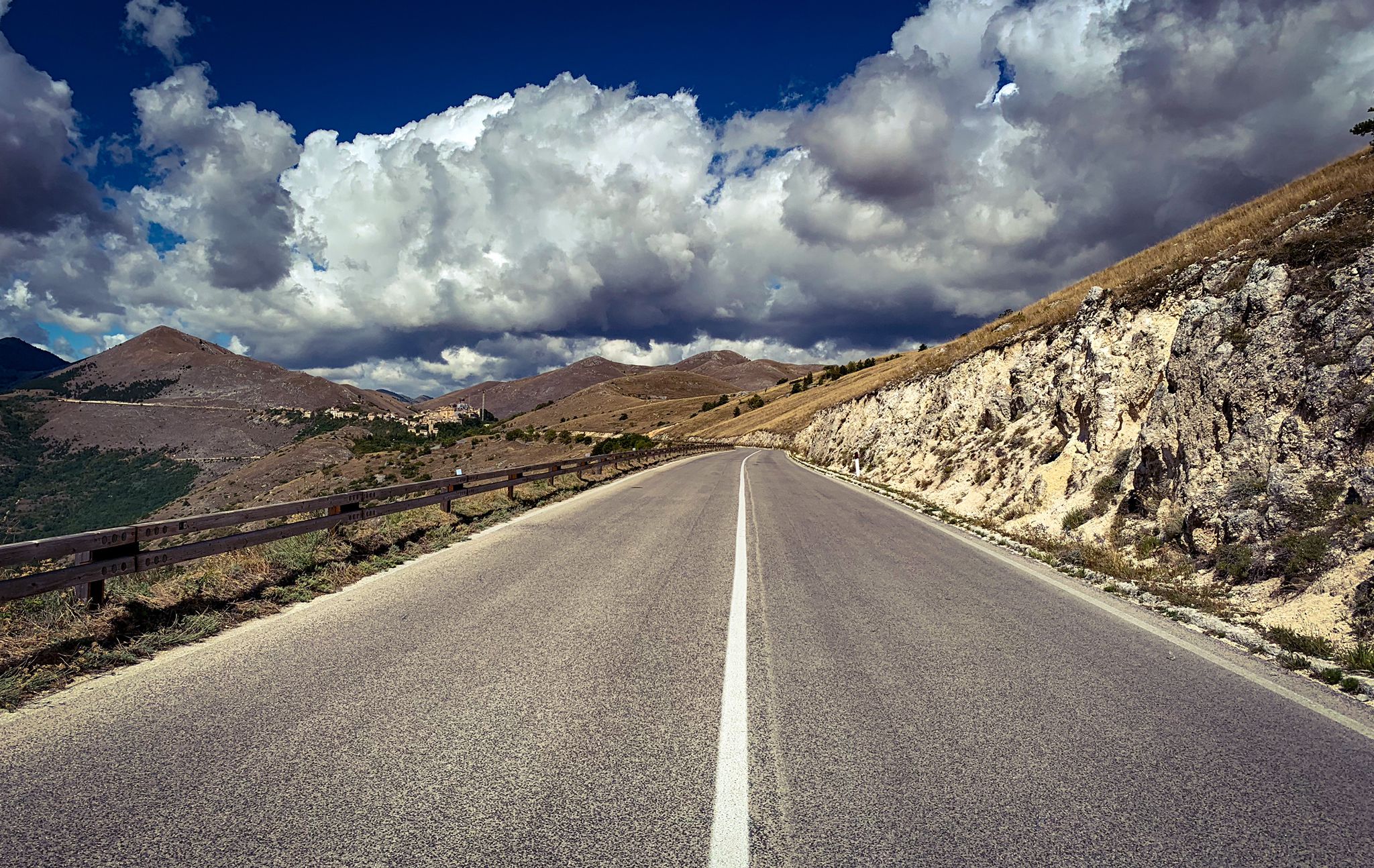
The Apennines to the Adriatic – cycling to discover Abruzzo
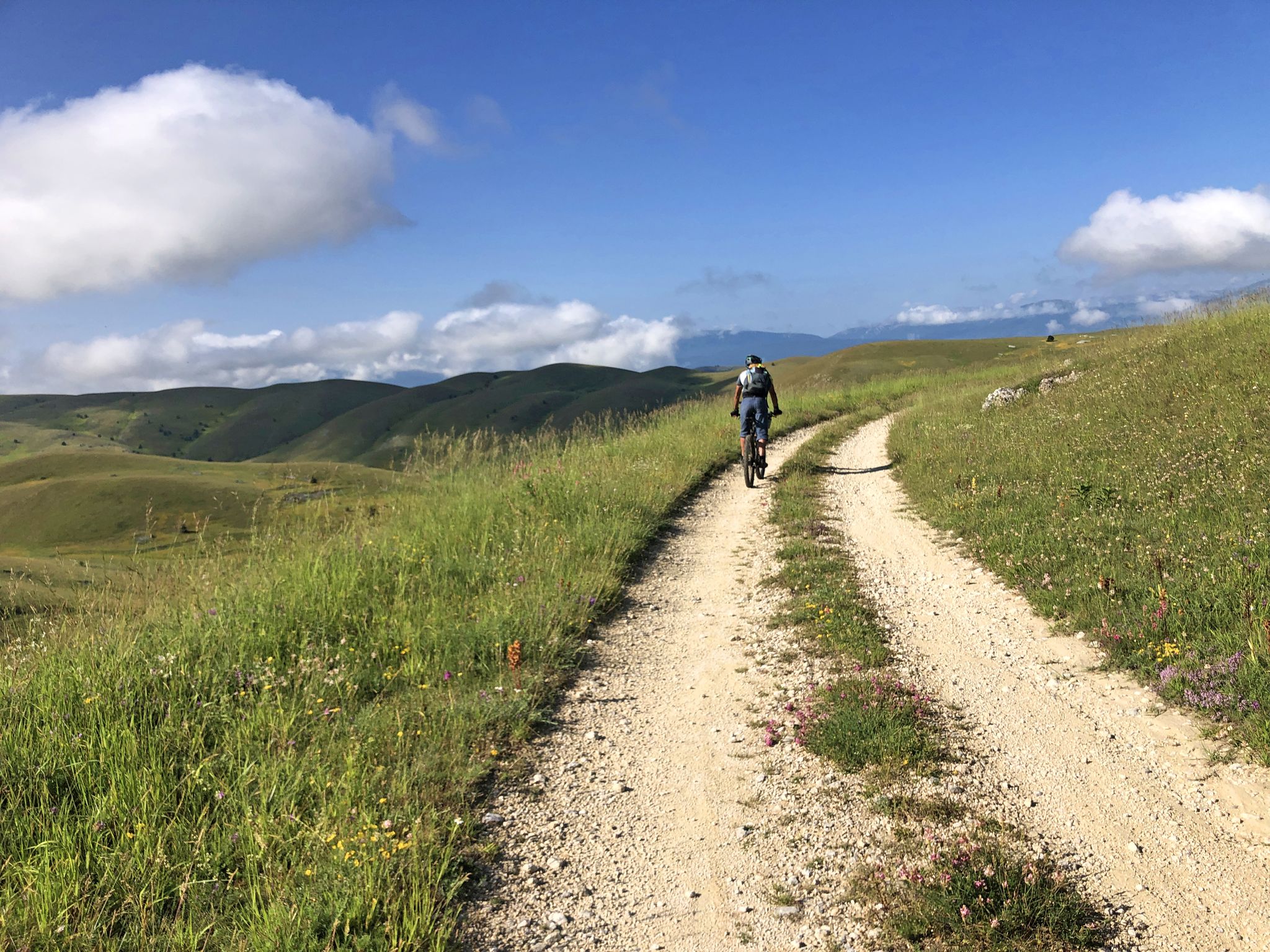
The Adriatic Sea to Gran Sasso – MAGS Abruzzo Trail 2023
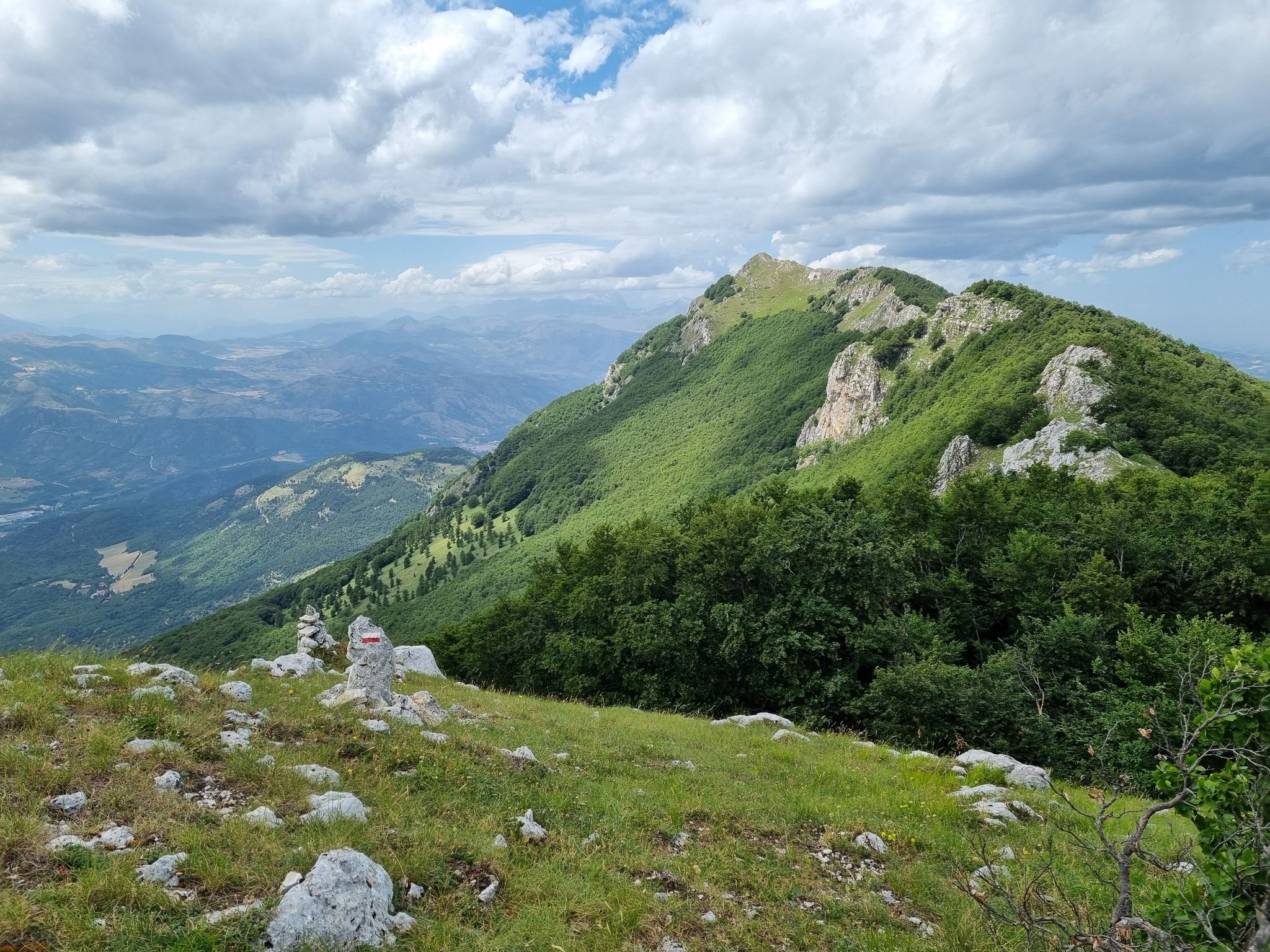
Through the green lungs of Abruzzo – Sentiero Italia
Hiking around Santo Stefano Di Sessanio
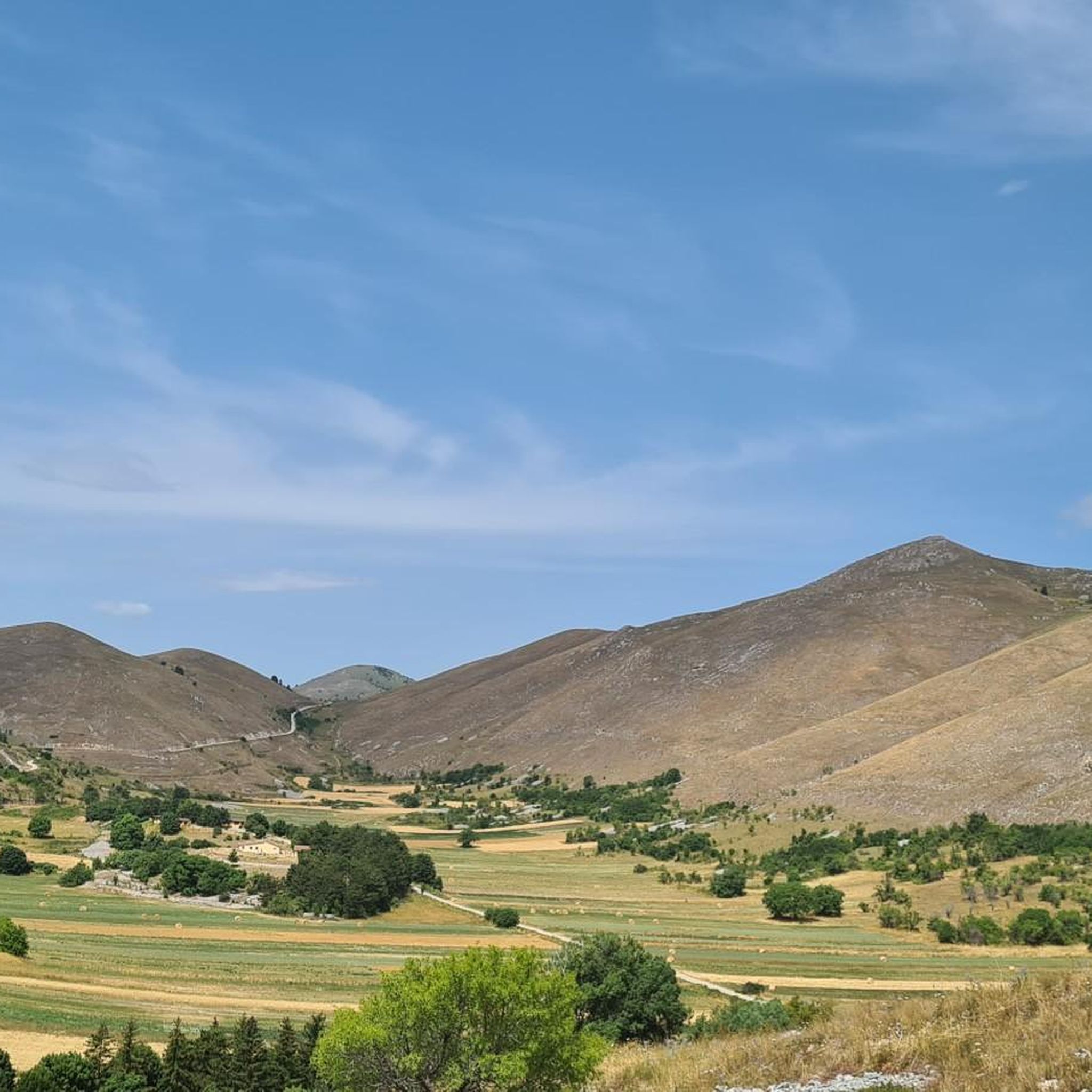
MTB Trails around Santo Stefano Di Sessanio
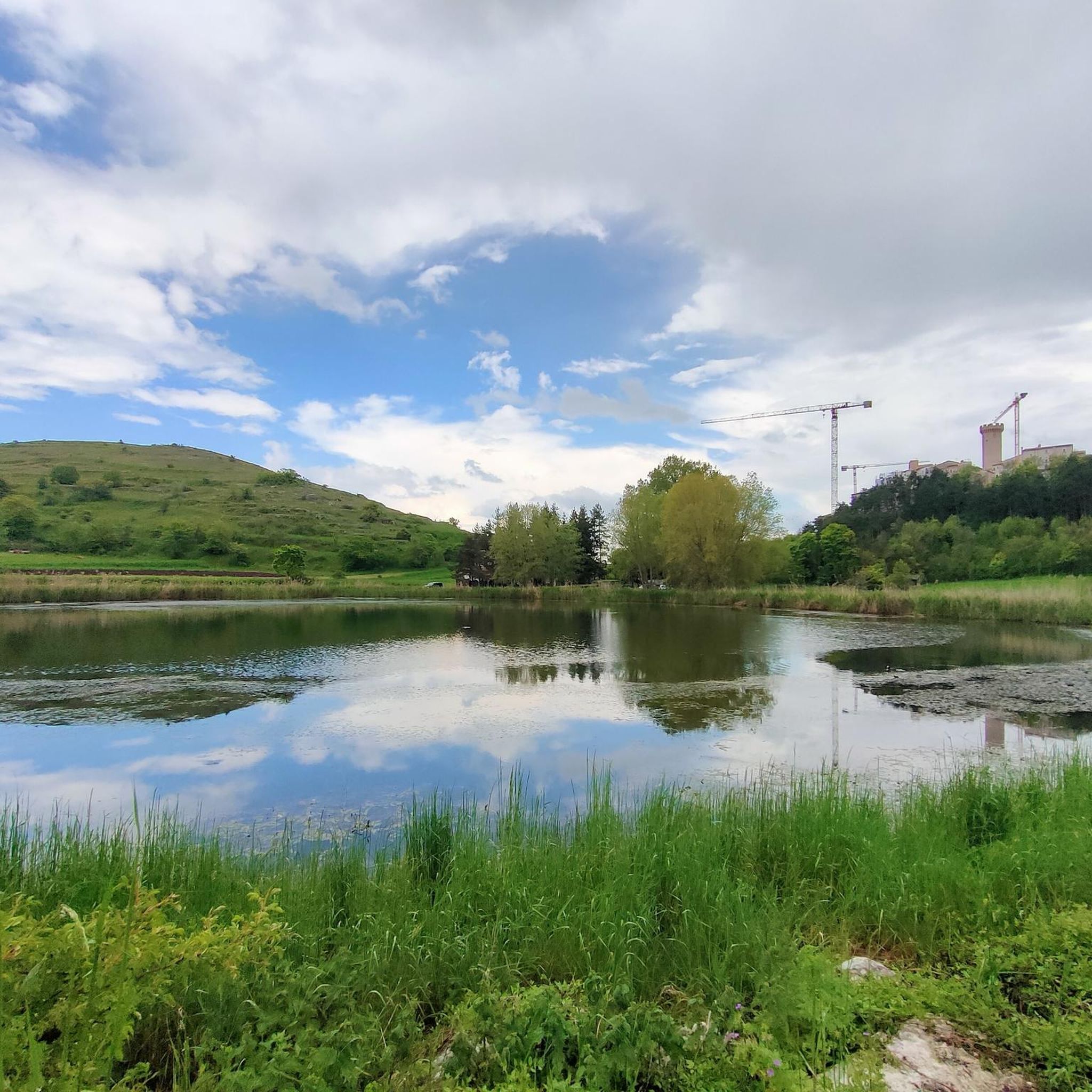
Running Trails around Santo Stefano Di Sessanio
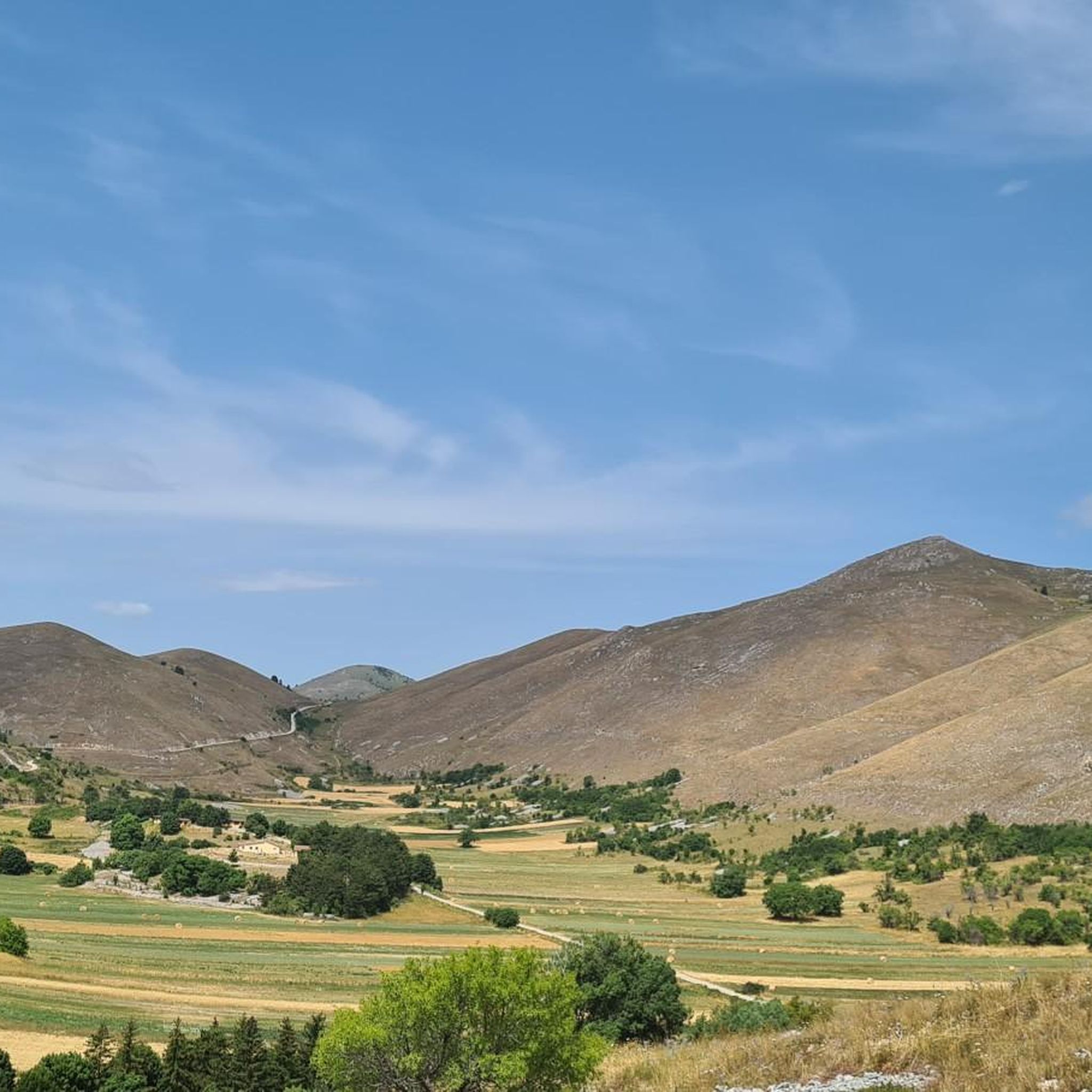
Cycling around Santo Stefano Di Sessanio
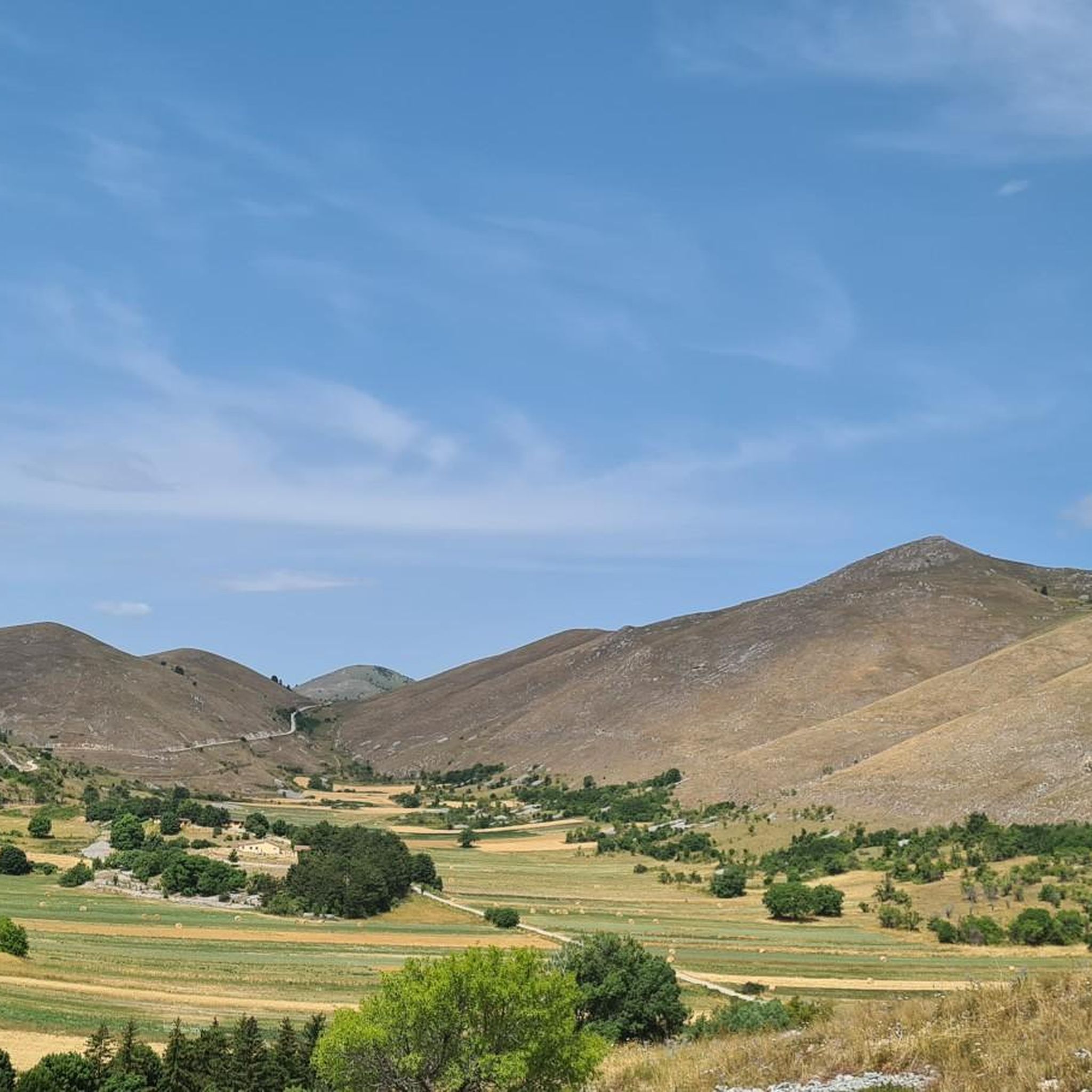
Road Cycling Routes around Santo Stefano Di Sessanio
Mountain Hikes around Santo Stefano Di Sessanio

Gravel biking around Santo Stefano Di Sessanio
Other adventures around Santo Stefano Di Sessanio


Tips from the Community

The Funivia del Gran Sasso d'Italia (the cable car to Campo Imperatore) was originally opened in 1934 and was recently reopened on June 15, 2026, after a period of significant maintenance. The cable car connects the valley station in Fonte Cerreto (Assergi, at 1,117 meters) with the Campo Imperatore plateau (at 2,130 meters). The cable car to Campo Imperatore has a rich history. The first installation was built in 1934 during the reign of Benito Mussolini and was considered a technical masterpiece and one of the longest cable cars in the world at the time. It also played a role in the spectacular liberation of Mussolini during World War II. The original cabins remained in use until 1985. After a complete modernization, the current cable car was put into operation in 1988. With two cabins for 100 passengers each, it covers a distance of over 3 kilometers and an altitude difference of 1,013 meters in just seven minutes. Following extensive safety works, including the replacement of the support cables, the cable car has been fully operational again since June 2026. Opening hours: During the summer season (until the end of August 2026), the cable car to Campo Imperatore is open daily from 07:30 to 19:30. The cabins depart every 30 minutes. Please note that in case of strong winds or other extreme weather conditions, the cable car may be temporarily taken out of service to ensure the safety of travelers.
3
0
Campo Imperatore is one of Italy's most impressive natural areas. This vast, treeless high plain at an altitude of approximately 2,000 meters is not called 'Little Tibet' for nothing. Surrounded by the rugged peaks of the Gran Sasso massif, it offers a spectacular setting for hikers of all levels. From relaxed walks across the rolling plateau between grazing sheep and horses to challenging climbs of Monte Aquila, the Rifugio Duca degli Abruzzi, or even Corno Grande (2,912 m), the highest peak in the Apennines. Thanks to accessibility by car or cable car, you can start your hike right in the middle of the high mountains, with breathtaking panoramas along the way and a landscape that has served as a backdrop for countless films.
4
0

It will be my next destination
2
0

The Normal Route is a fairly simple route, except for the last 400 meters, the gully and the ridge, which, being EEA grade (expert equipped hikers), require considerable physical strength and technique. Mountaineering boots are also required, and a helmet is recommended. Since the ridge is also quite technical, it is absolutely not suitable for those with a fear of heights, the elderly, children, or anyone without mountaineering experience.
3
0

A Classic from Campo Imperatore, I recommend excursions even for those who are new to the area, beautiful panorama
0
0

We tried to walk around Corno Piccolo, but that is not possible without gear. Halfway we had te go back and then walked up to the Refugio. Very nice view and very nice walk.
0
0

The Madonnina is the point of reference for those who frequent the Gran Sasso. The cable car that goes up from Prati di Tivo arrives here. It is the starting point of the path that leads to the Franchetti refuge and the various summit paths. The path that goes up to the Madonnina from Prati di Tivo is however a beautiful excursion suitable for anyone.
2
1

The Gran Sasso is the highest mountain massif in the Apennine chain. Its main peaks are the Corno Grande Occidentale (2,912 m), the Corno Grande Orientale (2,903 m) and the Corno Piccolo (2,655 m).
3
0
Frequently Asked Questions
What are some of the most popular natural monuments to visit around Santo Stefano Di Sessanio?
The region offers several prominent natural monuments. Among the most popular are Rocca Calascio Castle, known for its dramatic setting and panoramic views, and Monte Aquila Summit, which provides breathtaking vistas of the Gran Sasso d'Italia. Another significant site is Corno Grande Western Summit, the highest peak in the Apennines.
Are there family-friendly natural monuments or activities in the area?
Yes, The Madonnina (Gran Sasso) is considered family-friendly. It's accessible via a cable car from Prati di Tivo, making it an easier way to experience the high mountain environment and enjoy the views. The area around Santo Stefano di Sessanio also features numerous trails suitable for various skill levels, allowing families to explore the natural beauty together.
What kind of outdoor activities can I do near these natural monuments?
The Gran Sasso e Monti della Laga National Park, where Santo Stefano di Sessanio is located, is ideal for outdoor enthusiasts. You can enjoy extensive hiking, mountain biking, and gravel biking. For detailed routes and inspiration, explore the Hiking around Santo Stefano Di Sessanio, Mountain Hikes around Santo Stefano Di Sessanio, and Gravel biking around Santo Stefano Di Sessanio guides.
What is the best time of year to visit the natural monuments around Santo Stefano Di Sessanio?
The best time to visit largely depends on your preferred activities. For hiking and exploring the high mountain plateaus like Campo Imperatore, late spring to early autumn (May to October) offers the most favorable weather. In winter, the area transforms into a snowy landscape, suitable for skiing and snowshoeing, particularly around areas like Prati di Tivo and Campo Imperatore.
Are there any easy hiking trails to natural monuments for beginners?
While many trails in the Gran Sasso area can be challenging, the hike to Rocca Calascio Castle from Santo Stefano di Sessanio is considered easy and scenic. Additionally, the cable car access to The Madonnina (Gran Sasso) provides an accessible way to experience mountain views without strenuous hiking. You can find moderate hiking options in the Hiking around Santo Stefano Di Sessanio guide.
What natural features can I expect to see in the Gran Sasso e Monti della Laga National Park?
The park is characterized by dramatic mountain ranges, expansive plateaus like Campo Imperatore (often called 'Little Tibet'), and diverse ecosystems. You'll encounter prominent summits, deep valleys, and a variety of flora and fauna. Rivers, streams, and small bodies of water also enhance the natural experience, contributing to the region's pristine beauty.
Can I spot wildlife in the natural areas around Santo Stefano Di Sessanio?
Yes, the Gran Sasso e Monti della Laga National Park is rich in biodiversity. Visitors often have the chance to spot wild horses, especially on the Campo Imperatore plateau. The diverse ecosystems also support various bird species, deer, and other wildlife, making it a rewarding area for nature observation.
What is special about Campo Imperatore?
Campo Imperatore, often referred to as the 'Little Tibet' of Italy, is a vast high mountain plateau easily accessible from Santo Stefano di Sessanio. It offers breathtaking, expansive views and is a significant natural attraction. It serves as a starting point for numerous hiking trails, including those leading to the Gran Sasso peaks, and is popular for both summer exploration and winter sports.
Are there any less crowded natural monuments or hidden gems to explore?
While popular sites like Rocca Calascio attract many visitors, the extensive network of trails throughout the Gran Sasso e Monti della Laga National Park offers opportunities to discover quieter spots. Exploring the numerous smaller trails around Santo Stefano di Sessanio, away from the main attractions, can lead to serene landscapes and less frequented viewpoints. Guided nature walks can also reveal local hidden gems.
What do visitors enjoy most about the natural monuments in this region?
Visitors consistently praise the stunning panoramic views from various summits and viewpoints, such as Monte Aquila Summit and Rocca Calascio Castle. The sense of immense scale on the Campo Imperatore plateau and the challenging yet rewarding ascents to peaks like Corno Grande Western Summit are also highly appreciated. The harmonious integration of the medieval village with the dramatic natural landscape is a unique draw.
Are there any circular walks available near Santo Stefano Di Sessanio's natural monuments?
Yes, the area offers several circular walking routes that allow you to experience the natural beauty. For example, there are routes like the "Rocca Calascio Castle – View of Rocca Calascio loop from Santo Stefano di Sessanio" and the "Santo Stefano di Sessanio loop from Santo Stefano di Sessanio" which provide scenic circular options. You can find more details in the Hiking around Santo Stefano Di Sessanio guide.
What should I wear for hiking in the natural monuments around Santo Stefano Di Sessanio?
Given the mountainous terrain and varying altitudes, it's advisable to wear layers, even in summer, as weather conditions can change rapidly. Sturdy hiking boots with good ankle support are essential. Depending on the season, bring waterproof and windproof outer layers, sun protection, and plenty of water. For winter hikes, specialized cold-weather gear, including insulated clothing and appropriate footwear, is necessary.
Most popular routes around Santo Stefano Di Sessanio
Most popular attractions around Santo Stefano Di Sessanio

Get inspired with the komoot mobile app


Explore more
Extend your search for the best caves by checking out these guides of the top ones around Santo Stefano Di Sessanio:
