Top 7 Natural Monuments around Scoppito
Natural monuments around Scoppito are situated within a geologically significant basin in the Abruzzo region of Italy. This area features a semi-enclosed valley, with elevations ranging from 650 to 850 meters, surrounded by mountains reaching up to 1800 meters. The basin's geological setting provides insights into the formation of the Apennine mountain range. The region offers diverse natural attractions, including mountain peaks, lakes, and viewpoints.
Best natural monuments around Scoppito
- The most popular natural monuments is The Little Cross of…
Last updated: October 28, 2026
Fontana Luminosa
Highlight • Monument
The Fontana Luminosa is one of L'Aquila's most famous sights and a beloved photo stop. This monumental fountain, designed in 1934 by local sculptor Nicola D'Antino, stands in Piazza Battaglione Alpini.
Showing Translation
Tip by

Fountain of the 99 Spouts
Highlight • Monument
Showing Translation
Tip by
Sign up now to discover places like this
Get recommendations on the best single tracks, peaks, & plenty of other exciting outdoor places.
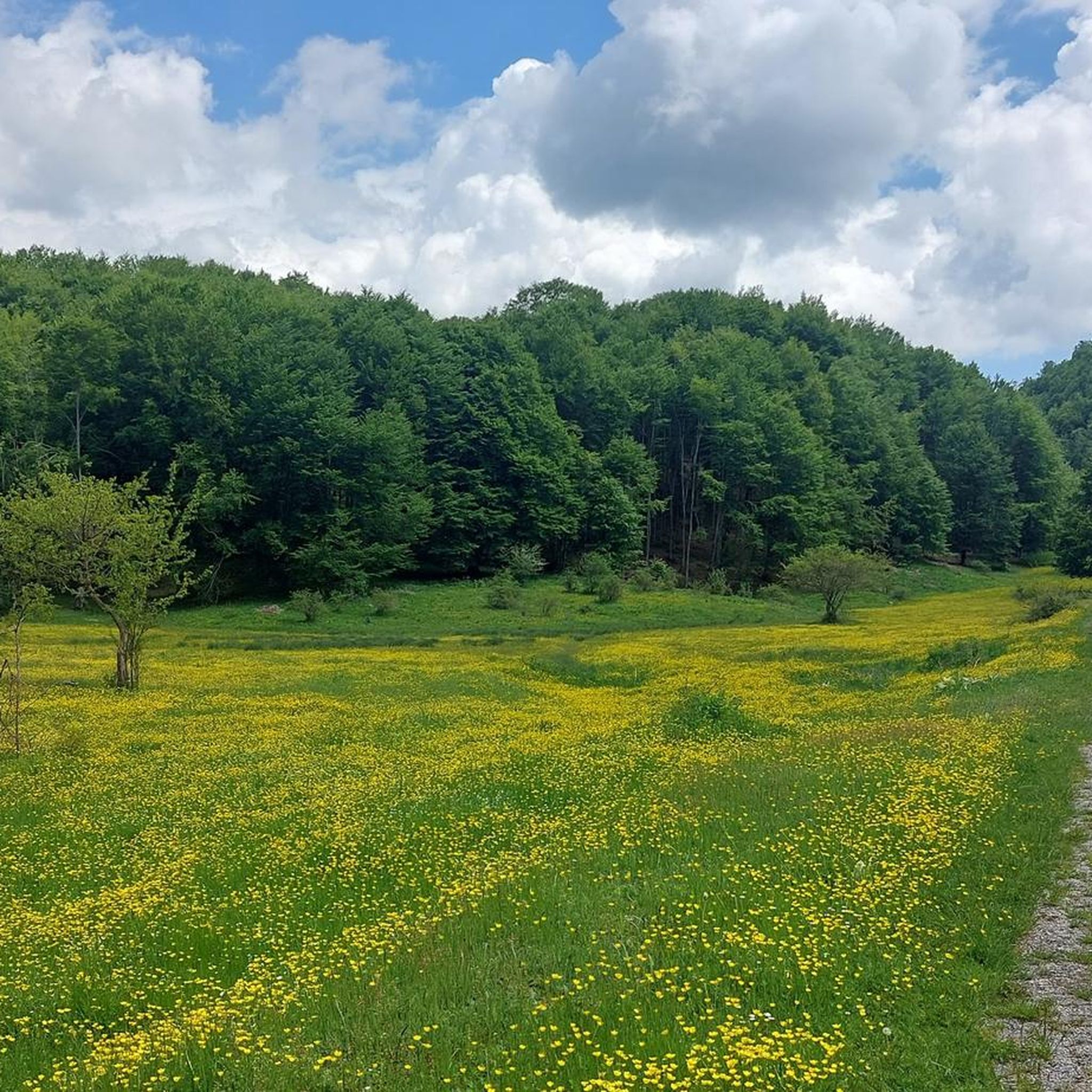
The Little Cross of Mount Castelvecchio
Highlight • Viewpoint
Translated by Google •
Tip by

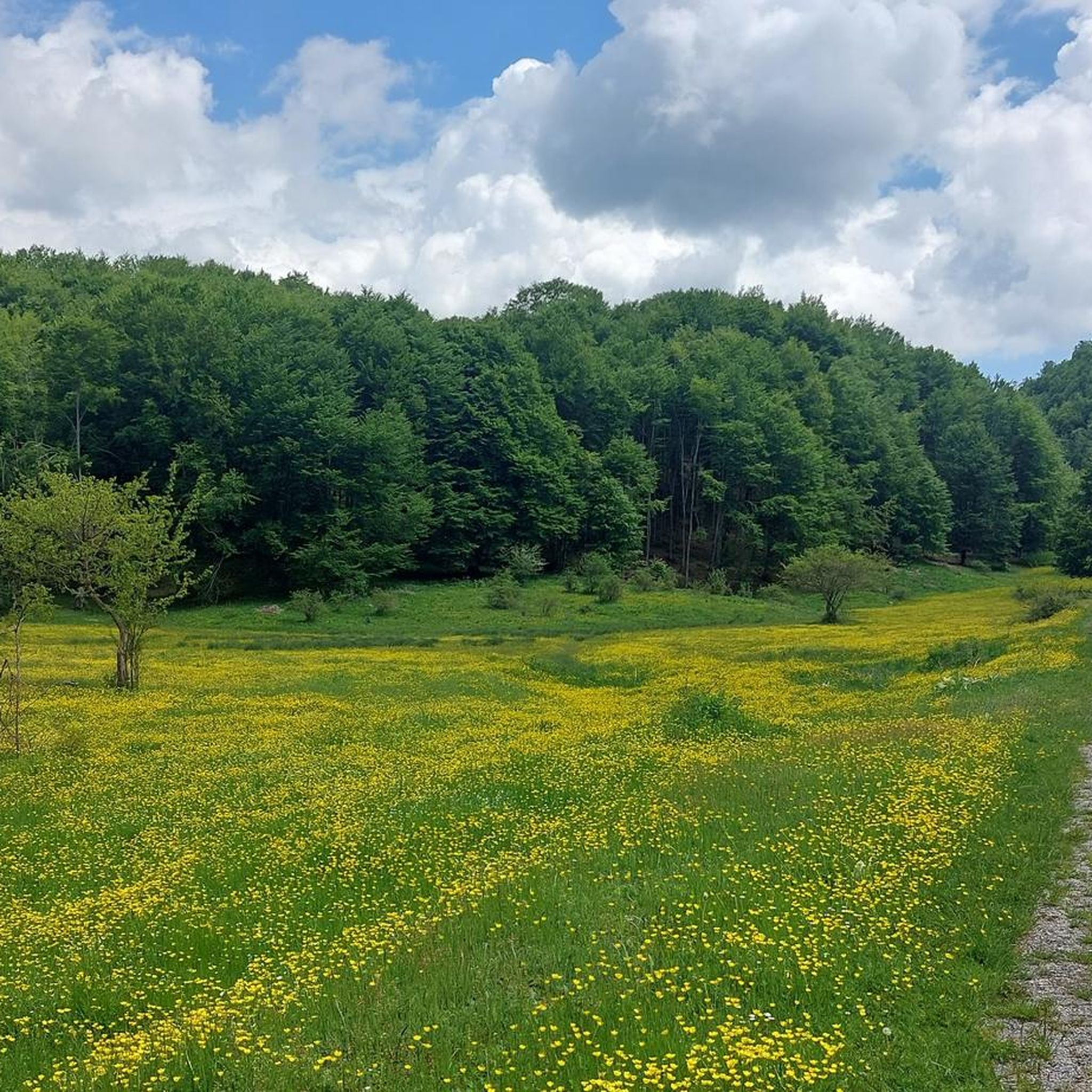
Lake Rascino
Highlight • Lake
Translated by Google •
Tip by

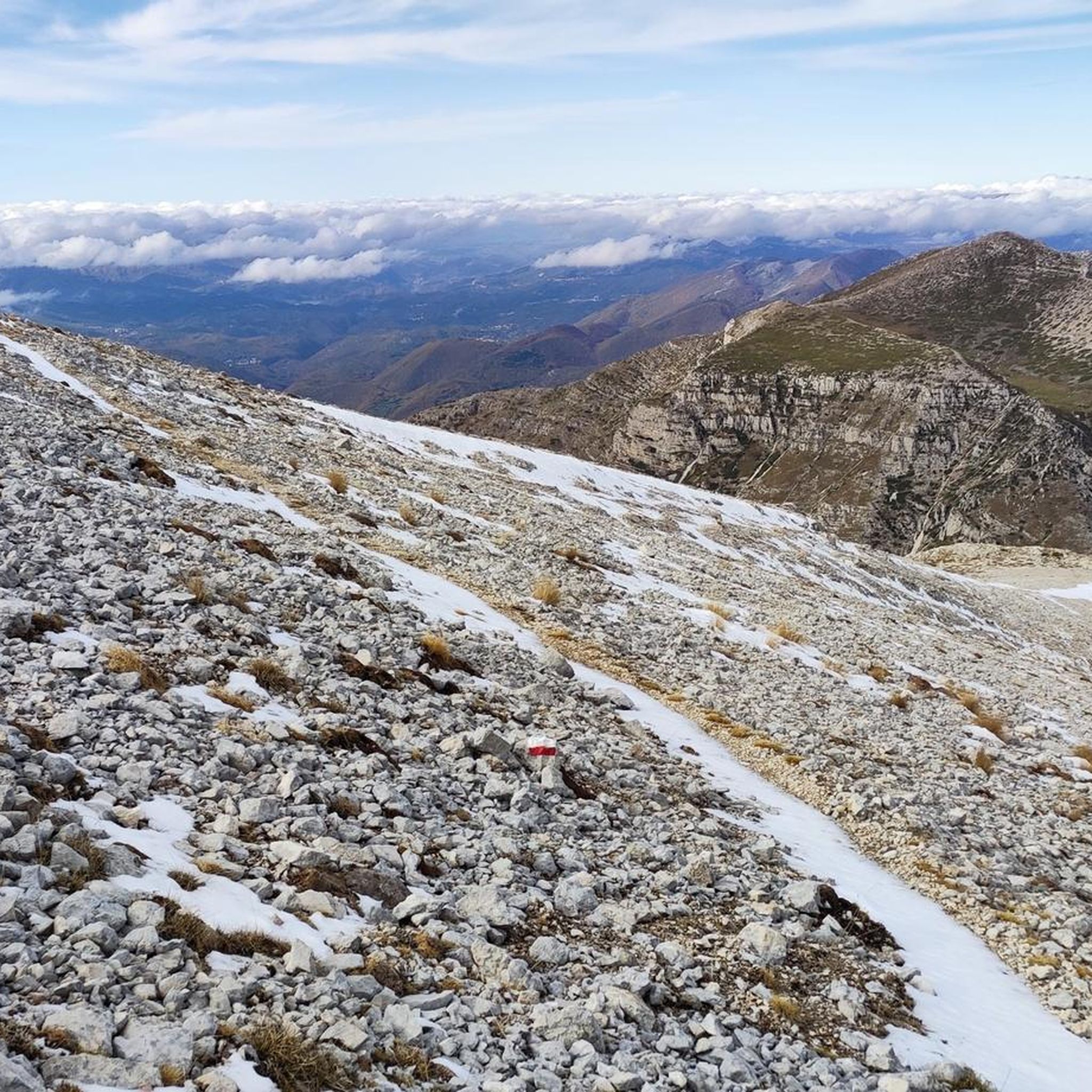
Monte Nuria
Highlight • Summit
Translated by Google •
Tip by

Sign up for free to discover even more natural monuments around Scoppito.
Already have an account?
Start today with a free account
Your next adventure awaits.
Tips from the Community

Explanation for the difference in the number of gargoyles! One of the most striking facts about the Fontana delle 99 Cannelle is that the fountain has 99 water jets, but only 93 sculpted mask heads. According to legend, L'Aquila was founded by 99 villages, but historical research indicates that there were actually 93. Therefore, in 1272, architect Tancredi da Pentima equipped the fountain with 93 stone masks. To later complete the famous legend of the 99, six additional gargoyles without mask faces were added. According to tradition, these six simple spouts refer to the six wounds of Christ. Thus, the fountain is not only a magnificent monument, but also a unique blend of history, symbolism, and legend. Moreover, for many visitors, it remains a fun challenge to count all 99 water jets themselves.
5
0
Fontana Luminosa – the icon of L'Aquila The Fontana Luminosa is one of L'Aquila's most famous sights and a beloved photo stop. This monumental fountain, designed in 1934 by local sculptor Nicola D'Antino, stands in Piazza Battaglione Alpini. The artwork depicts two imposing bronze female figures who together carry a traditional Abruzzese water basin (conca), from which the water flows. Especially when the fountain is atmospherically illuminated in the evening, it truly lives up to its name – Luminous Fountain. A beautiful place to pause and admire one of L'Aquila's iconic symbols up close.
5
0
Did you know that the Fontana delle 99 Cannelle legend says it has 99 gargoyles, in tribute to the 99 villages that founded L'Aquila? Those who look closely will see stone masks above the gargoyles, which according to tradition represent castle lords or protective spirits. It is striking that there are only 93 mask heads. Historians believe that the remaining six gargoyles were added later to complete the symbolic number 99. The fountain dates back to 1272, and its five water basins were formerly used as a wash place. Numerous legends also circulate around the fountain: for example, the architect is said to have taken the secret of the water source to his grave, and knights would have ritually cleansed themselves here before entering the Basilica di Collemaggio.
5
0

Interesting fountain (Fontana Luminosa) with beautiful sculptures at Piazza Battaglione Alpini.
1
0


The fountain of 99 spouts was included in the list of major national monuments in 1902. Try to count them.... there really are 99! 😊
0
0

On a sunny day it's refreshing just to look at it
0
0

The Fountain of the 99 Spouts is the best-known monument in the city of L'Aquila
0
0
Frequently Asked Questions
What geological features define the Scoppito region?
Scoppito is situated within a geologically significant basin, a semi-enclosed valley ranging from 650 to 850 meters in elevation, surrounded by mountains up to 1800 meters. This setting, bordered by the south-dipping Scoppito-Preturo normal Fault and the carbonate La Torretta Mt ridge, offers insights into the formation of the Apennine mountain range.
Are there any significant natural attractions beyond Scoppito itself?
Yes, the wider Abruzzo region offers several notable natural attractions. These include the impressive Stiffe Caves, the vast Gran Sasso and Monti della Laga National Park, and peaks like Monte Pettino near L'Aquila, all within a reasonable distance from Scoppito.
What makes the Stiffe Caves a notable natural monument?
The Stiffe Caves, located near L'Aquila, are renowned for their spectacular limestone formations, including intricate stalactites and stalagmites. A unique feature is an active underground river that flows through the caves, culminating in a magnificent waterfall within the 'great hall,' offering a breathtaking subterranean experience.
What can visitors experience at the Gran Sasso and Monti della Laga National Park?
As one of Europe's largest protected areas, the Gran Sasso and Monti della Laga National Park offers diverse experiences. It features the Gran Sasso d'Italia massif, including the highest Apennine peak, Corno Grande, and Europe's southernmost glacier, the Calderone. Visitors can enjoy hiking, climbing, skiing, and wildlife spotting, with opportunities to see rare species like the Marsican brown bear and Apennine wolf. The 'Scenic Switchbacks' also provide exceptional views.
Are there family-friendly natural monuments around Scoppito?
Yes, Lake Rascino is a family-friendly karst mountain lake where visitors can stop to admire the surrounding landscape. Additionally, the Fountain of the 99 Spouts is a historical and natural monument that is also considered family-friendly.
What kind of views can I expect from the natural monuments?
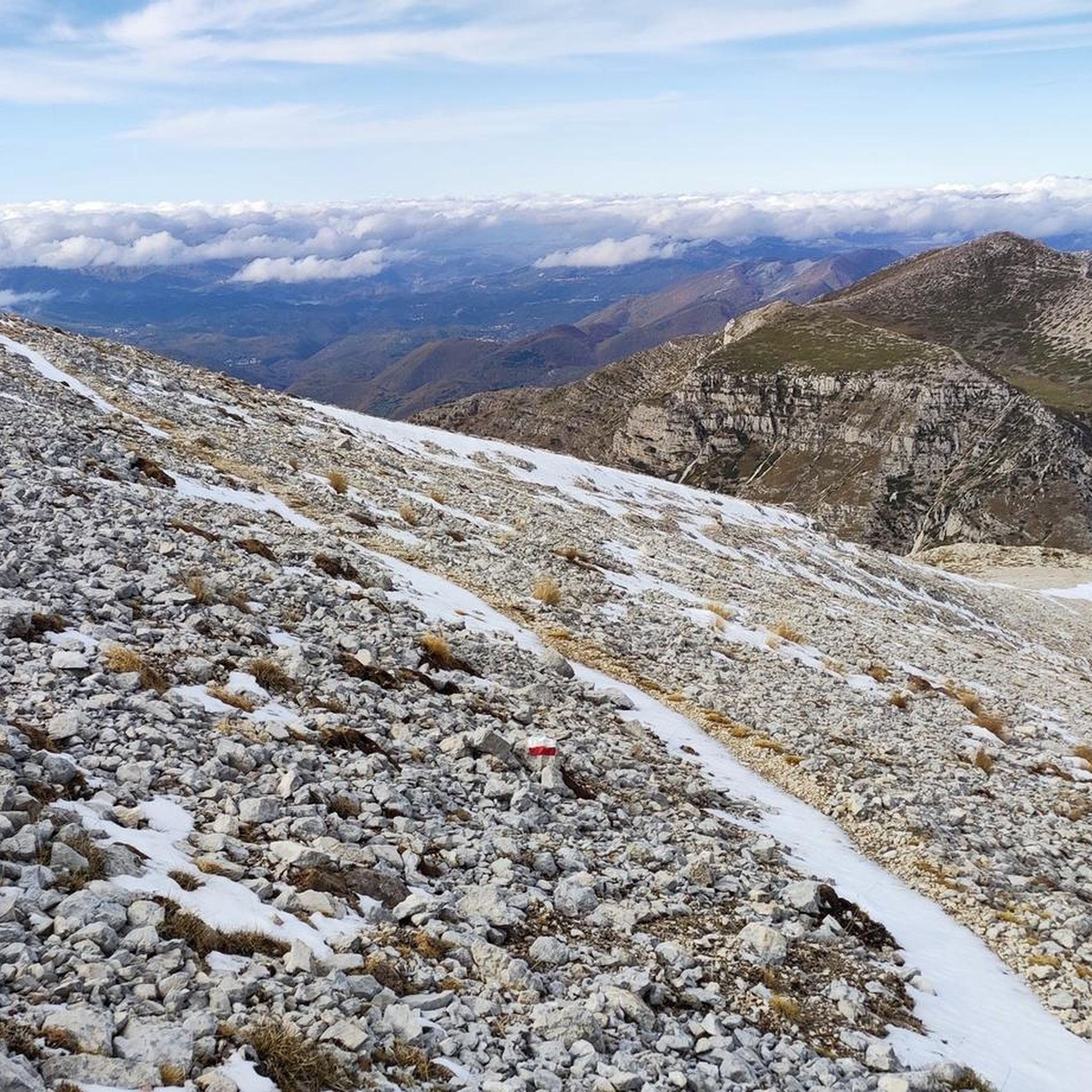
You can expect stunning panoramic views. For instance, The Little Cross of Mount Castelvecchio offers exceptional vistas of L'Aquila and the surrounding mountains. From Monte Nuria, you'll also find expansive views from its 1,888-meter summit.
What outdoor activities are available near the natural monuments around Scoppito?
The region around Scoppito is excellent for various outdoor activities. You can find numerous routes for cycling, gravel biking, and road cycling. For more details on specific routes, you can explore the Cycling around Scoppito, Gravel biking around Scoppito, and Road Cycling Routes around Scoppito guides.
Is Monte Nuria suitable for all hikers?
Monte Nuria is a challenging summit, reaching 1,888 meters. While accessible year-round, in winter, it's advisable to bring crampons for the steeper, often icy final sections. There are multiple itineraries, with the ascent from Borgo Velino being the simplest and best-marked. The route from the Rascino plains is splendid but very long.
What is Lake Rascino known for?
Lake Rascino is a picturesque karst mountain lake nestled in a fantastic plateau. It's known for its serene beauty and the abundant life within its waters, making it a perfect spot for a short stop to admire the surrounding natural landscape.
Are there any historical or cultural sites considered natural monuments in the area?
Yes, the Fountain of the 99 Spouts in L'Aquila is a significant historical and cultural landmark also categorized as a natural monument. It's a symbol of the city, traditionally representing the 99 castles that contributed to L'Aquila's foundation in the 13th century, featuring 93 stone masks and 6 individual spouts.
When is the best time to visit the natural areas around Scoppito?
The Abruzzo region, including the areas around Scoppito, offers diverse experiences throughout the year. Spring and autumn are ideal for hiking and exploring the natural landscapes due to milder temperatures. Summer is great for higher-altitude treks and enjoying lakes, while winter provides opportunities for snow activities in areas like Gran Sasso, though some trails may require specialized gear like crampons.
Are there any natural monuments that are wheelchair accessible?
Yes, the Fontana Luminosa in L'Aquila is a man-made monument that is also categorized as wheelchair accessible. While not a purely natural feature, it is a prominent landmark with the Gran Sasso d'Italia in the background, offering a beautiful visual experience.
What are some unique natural features in the broader Abruzzo region?
Beyond the immediate vicinity of Scoppito, the Abruzzo region is rich in unique natural features. These include the geological formations of the Scoppito basin itself, the active underground river and limestone caves of Stiffe, and the diverse ecosystems of the Gran Sasso and Monti della Laga National Park, which hosts alpine meadows, forests, and rare wildlife.
Most popular attractions around Scoppito

Get inspired with the komoot mobile app


Explore more
Extend your search for the best caves by checking out these guides of the top ones around Scoppito:
