Top 5 Mountain Passes around Tocco Da Casauria
Best mountain passes around Tocco Da Casauria are situated at the foothills of the Morrone mountains and against the Maiella massif. This area serves as a gateway to several mountain passes in the Abruzzo region. The landscape features rugged terrain and natural beauty, providing opportunities for various outdoor activities. These passes offer diverse experiences within the Central Apennines.
Best mountain passes around Tocco Da Casauria
- The most popular mountain passes is Passo San Leonardo Ascent from Sant'Eufemia, a mountain…
Last updated: June 28, 2026
Forca di Penne Pass and Tower Ruins
Highlight • Mountain Pass
Translated by Google •
Tip by

Passo San Leonardo Ascent from Sant'Eufemia
Highlight • Mountain Pass
Translated by Google •
Tip by

Sign up now to discover places like this
Get recommendations on the best single tracks, peaks, & plenty of other exciting outdoor places.
Sign up for free
Ascent to Blockhaus from Scafa via Roccamorice
Highlight (Segment) • Climb
Translated by Google •
Tip by
View from Forca di Penne
Highlight • Mountain Pass
Translated by Google •
Tip by

View of the Central Apennines in Abruzzo
Highlight • Viewpoint
Translated by Google •
Tip by

Sign up for free to discover even more mountain passes around Tocco Da Casauria.
Sign up for free
Already have an account?
Start today with a free account
Your next adventure awaits.
Login or Signup
Tips from the Community

The climb to Blockhaus from Scafa is considered one of the hardest in Italy. It is a very long climb (about 30 km) with 2000 meters of altitude difference. The hardest section begins after Roccamorice: about 10-11 km with average gradients constantly above 9% and long stretches at 12-14%. The road is narrow in places.
0
0

The Tratturo Magno passed through the Forca di Penne pass to descend towards the hills of the nearby province of Pescara and reach the Adriatic coast.
0
0
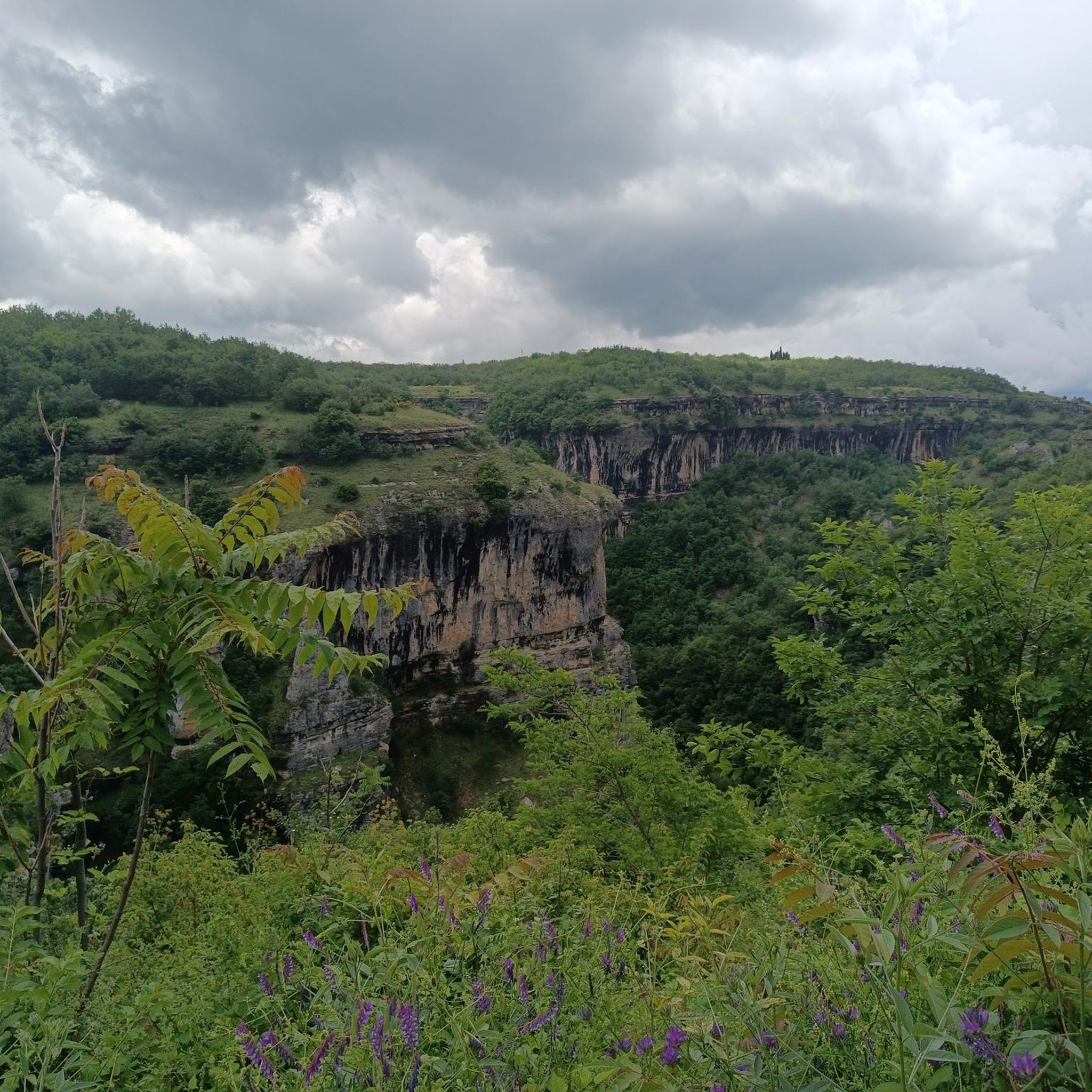
The Forca di Penne area is a road pass located at an altitude of approximately 900 metres. Here there is a farm, a few scattered houses and the ruins of an ancient tower to remind us of the strategic importance of the pass. On good days, looking east you can see the Adriatic Sea, while to the west the view opens onto the Sirente-Velino massif. Various dirt paths start from here which lead to the peaks of Monte Picca, Monte Rotondo and Monte Alto. In the southernmost part of the Gran Sasso massif.
2
0

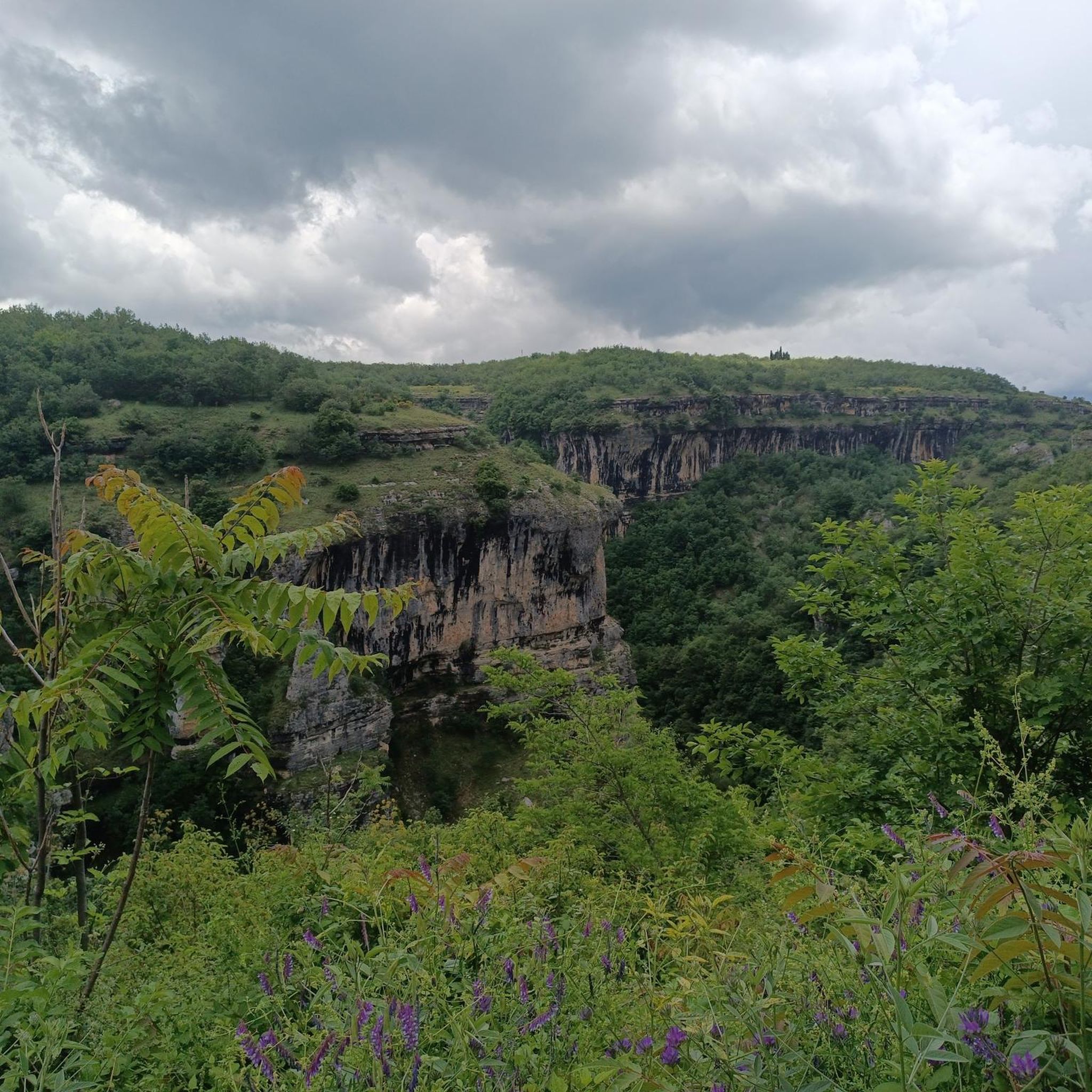
Forca di Penne is a pass that connects Capestrano to Brittoli. Located at 918 meters above sea level, Forca di Penne connects the mountainous part of Abruzzo with the Adriatic coast. Forca di Penne is one of the most important passes in the Gran Sasso and Monti della Laga National Park: the views from the pass are superb.
0
0

At the same time, the Central Apennines are the wildest and most desolate areas in Italy. You can run many kilometers and not meet anyone on the trail. You can run for miles and never come across a source of water. The key to success is to be prepared for anything and use common sense as always.
0
0
Running on the roads and trails of Abruzzo is not the easiest, because 2/3 of the region is occupied by the Central Apennines. Usually, when you run, majestic snow-capped peaks tower over the area. The spilled sweat on the way to the destination is always rewarded by picturesque scenery and majestic landscapes.
1
0

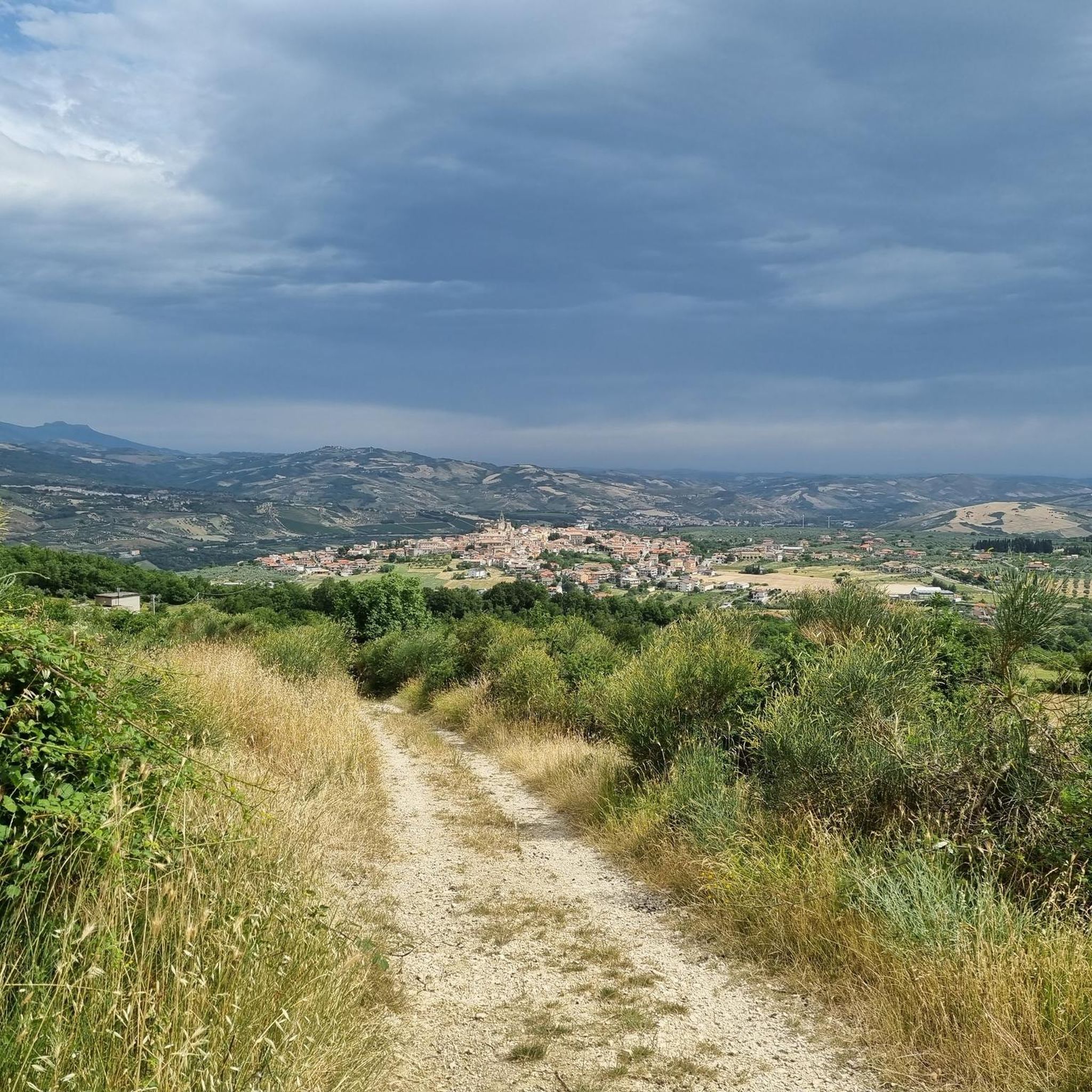
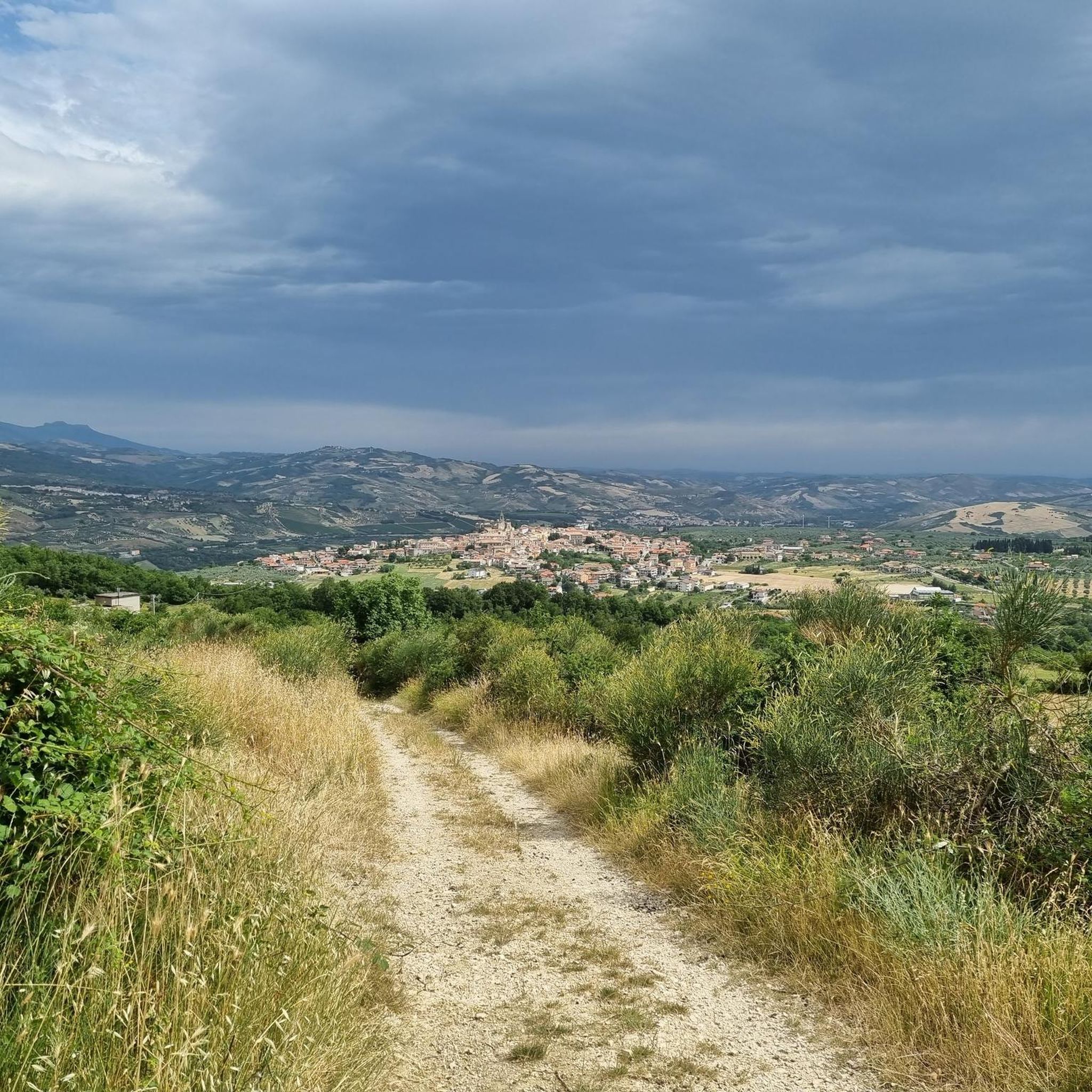
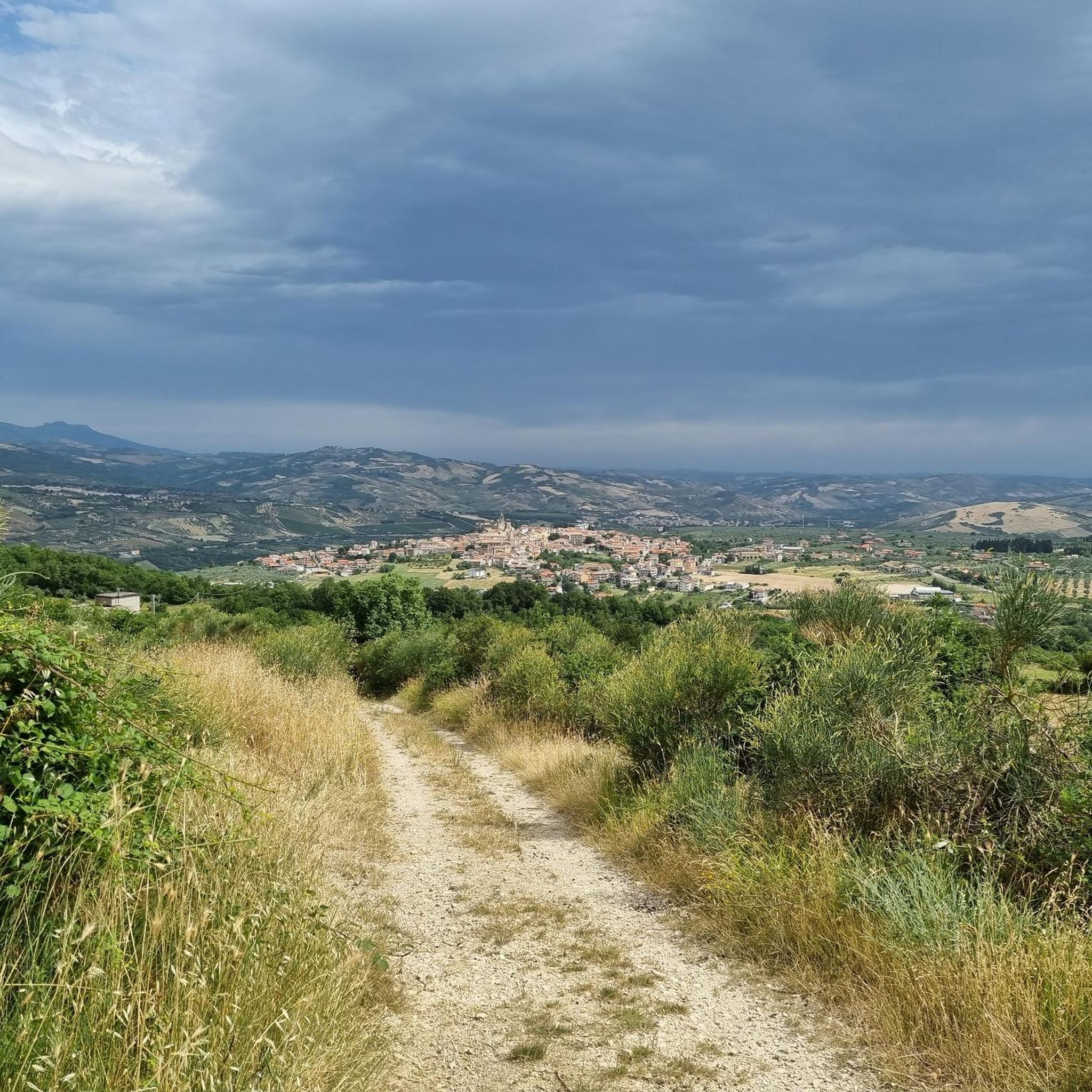
From here you have a wonderful panoramic view even to the sea.
0
0

Passo San Leonardo is a beautiful panoramic road. Transiting on this climb you can enjoy a magnificent view typical of the Abruzzesi Mountains.
4
0
Frequently Asked Questions
What outdoor activities can I enjoy around the mountain passes near Tocco Da Casauria?
The mountain passes around Tocco Da Casauria offer diverse opportunities for outdoor enthusiasts. You can find excellent routes for hiking, road cycling, and touring bicycle. Many passes serve as starting points for ascents to higher peaks, and in winter, some areas like Passo San Leonardo and Passo Lanciano offer skiing.
What natural features and viewpoints can I expect to see from these mountain passes?
The passes are situated within the Central Apennines, offering rugged terrain and natural beauty. From many viewpoints, you can enjoy panoramic vistas of the Abruzzesi Mountains. For instance, View of the Abruzzo Apennines provides expansive views from roads ideal for cycling. On clear days, from places like Forca di Penne Pass, you might even catch distant glimpses of the Adriatic Sea.
Are there any historical sites among the mountain passes?
Yes, Forca di Penne Pass and Tower Ruins is a notable historical site. Located at approximately 900 meters altitude, it features the ruins of an ancient tower, reminding visitors of the pass's strategic importance in the past. It was also part of the Tratturo Magno, an ancient transhumance route.
What is Passo San Leonardo known for?
Passo San Leonardo, located within the Maiella National Park, is known for its picturesque landscapes and vibrant colors, especially in autumn. It's a popular starting point for ascents, including to Monte Amaro, the highest peak of Maiella. In winter, it hosts a small ski resort. For cyclists, it's a challenging Category 1 climb, 17.8 kilometers long with an average gradient of 4.9%.
What is Passo Lanciano like, and is it worth visiting?
Passo Lanciano, also in the Maiella National Park, is a popular destination year-round. In winter, it's a ski area offering about 14 km of alpine ski runs, with breathtaking views that can include the Adriatic Sea on clear days. In summer, it's ideal for walks in the woods and enjoying the tranquil atmosphere. It's worth visiting for both winter sports and summer nature exploration.
What is the best time of year to visit the mountain passes around Tocco Da Casauria?
The best time to visit depends on your preferred activities. Autumn offers stunning landscapes with vibrant colors, particularly around Passo San Leonardo. Summer is ideal for hiking, cycling, and enjoying the tranquil atmosphere of passes like Passo Lanciano. Winter provides opportunities for skiing and snow activities in areas with ski resorts.
Are there family-friendly options for exploring the mountain passes?
While specific family-friendly designations are not always available for mountain passes themselves, many areas offer trails suitable for various skill levels. Passo Lanciano, for example, has ski runs catering to beginners and intermediate skiers in winter, and its summer walks in the woods can be enjoyed by families. Always check the difficulty of specific routes before heading out with children.
What are the difficulty levels of the mountain passes and trails?
The difficulty varies significantly. Some passes, like Passo San Leonardo, are considered challenging Category 1 climbs for cyclists. Hiking trails range from moderate, such as the Orta River Gorge loop, to difficult, like the Monte Rotondo Summit loops. For example, the Ascent to Blockhaus from Scafa via Roccamorice is considered one of Italy's hardest climbs, with long stretches at 12-14% gradients. It's advisable to check individual route descriptions for specific difficulty ratings.
Where can I find information about parking or permits for hiking near Tocco Da Casauria's mountain passes?
Information on parking facilities is often available at the start of popular trails or near mountain pass access points. For specific permits, especially within protected areas like the Maiella National Park, it's best to consult the park's official website or local tourist information centers before your visit. Generally, day hikes on established trails do not require special permits, but this can vary.
Can I go skiing near Tocco da Casauria's mountain passes?
Yes, skiing is possible near Tocco da Casauria. Passo San Leonardo features a small ski resort with two ski lifts and slopes for alpine and cross-country skiing. Passo Lanciano is also a ski area on the northeastern slope of the Maiella massif, offering about 9 alpine ski runs and ski lifts, making it a popular winter sports destination.
What makes Passo della Forchetta a good destination?
Passo della Forchetta, located in the Chieti region, offers scenic routes primarily for cycling and hiking. It's a climb with a length of 10.6 km and an average gradient of 4.8%. Visitors can enjoy an immersive experience in the natural landscape, with trails passing through wooded areas and providing views of the surrounding mountains, making it part of the highly regarded Abruzzo Apennines trail network.
Are there any challenging climbs for experienced cyclists in the area?
Absolutely. The region is known for its challenging climbs. The Ascent to Blockhaus from Scafa via Roccamorice is particularly renowned as one of the hardest in Italy, featuring a 30 km climb with 2000 meters of altitude difference and average gradients constantly above 9% in its hardest sections. Passo San Leonardo is also a Category 1 climb that attracts experienced cyclists.
Most popular routes around Tocco Da Casauria
Most popular attractions around Tocco Da Casauria

Get inspired with the komoot mobile app


Explore more
See even more epic mountain passes by checking out these guides around Tocco Da Casauria:
