Top 4 Natural Monuments around Atessa
Best natural monuments around Atessa offer diverse landscapes and opportunities for outdoor activities in the Abruzzo region of Italy. The area is characterized by its historical significance and natural beauty, providing a blend of cultural and natural exploration. Visitors can find coastal stretches, protected forests, and unique geological formations. Atessa serves as a base for exploring these natural features.
Best natural monuments around Atessa
- The most popular natural monuments is Waterfall in Gola di Pennadomo, a waterfall that can be reached after a short walk through the gorge. This natural feature is accessible from the parking lot at the gorge entrance.
- Another must-see spot is Bosco di Don Venanzio Regional Nature Reserve, a protected forest and one of the last remaining strips of plain forest on the Adriatic coast. It features a rich biodiversity, including various migratory birds and specific plant species in its undergrowth.
- Visitors also love Iuvanum Archaeological Park, a historical site where ancient ruins are set within a natural landscape. This park offers a combination of historical exploration and natural surroundings.
- Atessa is known for its forests, waterfalls, and historical sites integrated with natural settings. These natural monuments provide a variety of experiences, from exploring protected ecosystems to discovering geological formations.
- The natural monuments around Atessa are appreciated by the komoot community, with 7 upvotes and 16 photos shared by visitors.
Last updated: June 28, 2026
Bosco di Don Venanzio Regional Nature Reserve
Highlight • Forest
Translated by Google •
Tip by

Waterfall in Gola di Pennadomo
Highlight • Waterfall
Now, at the beginning of October, the waterfall is more of a small trickle. To do this, it can be easily reached from the parking lot at the entrance to the gorge after a few minutes of walking over round stones and mini climbing inserts over two slightly larger rocks with dry feet. Sturdy footwear is still advisable and, especially in bad weather, you should take the notice at the entrance to the gorge that you should only enter it with a helmet because of the risk of falling rocks.
Translated by Google •
Tip by

Sign up now to discover places like this
Get recommendations on the best single tracks, peaks, & plenty of other exciting outdoor places.
Sign up for free
Iuvanum Archaeological Park
Highlight • Historical Site
Translated by Google •
Tip by

View of the Majella Massif
Highlight • Viewpoint
Translated by Google •
Tip by
Start today with a free account
Your next adventure awaits.
Login or Signup

Tips from the Community

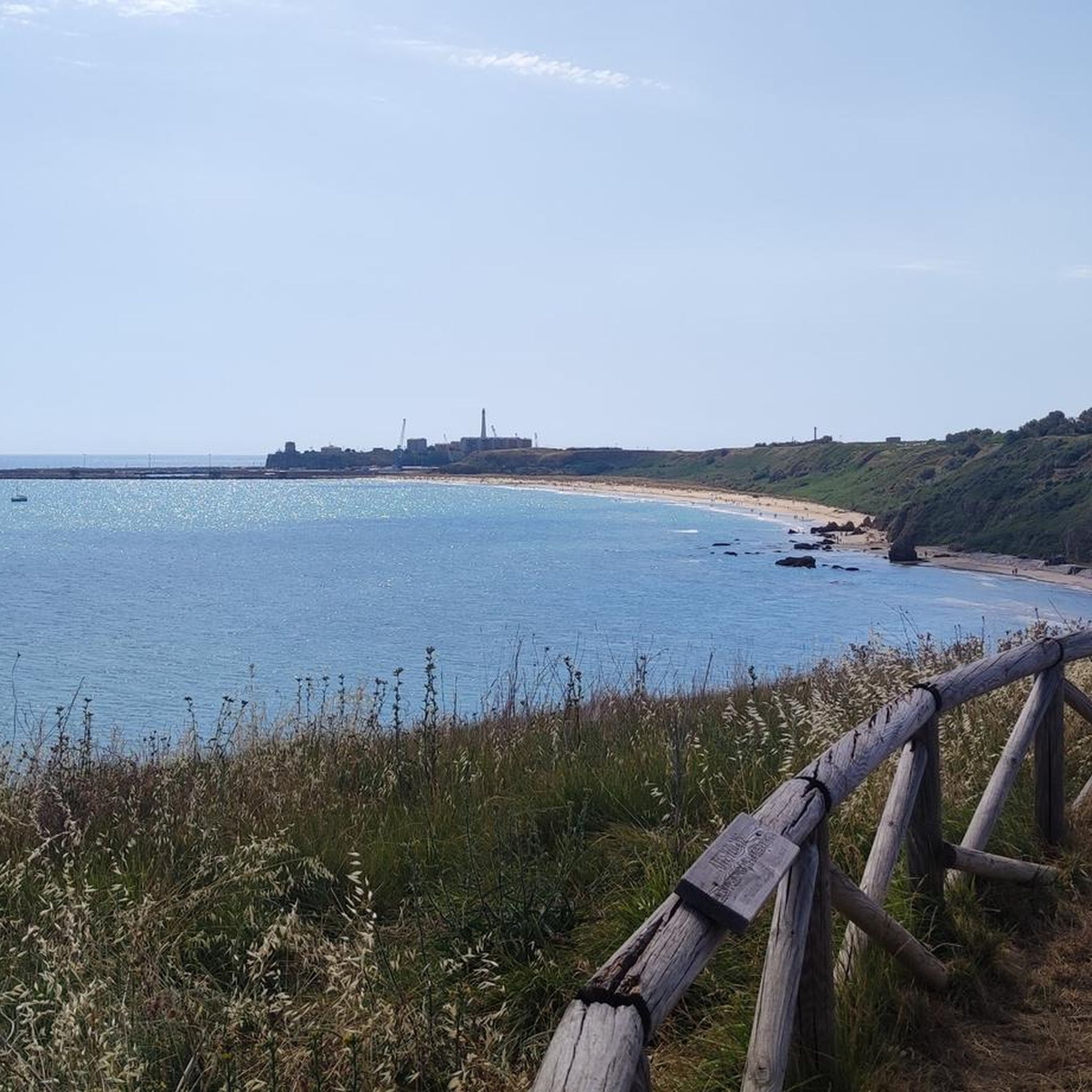
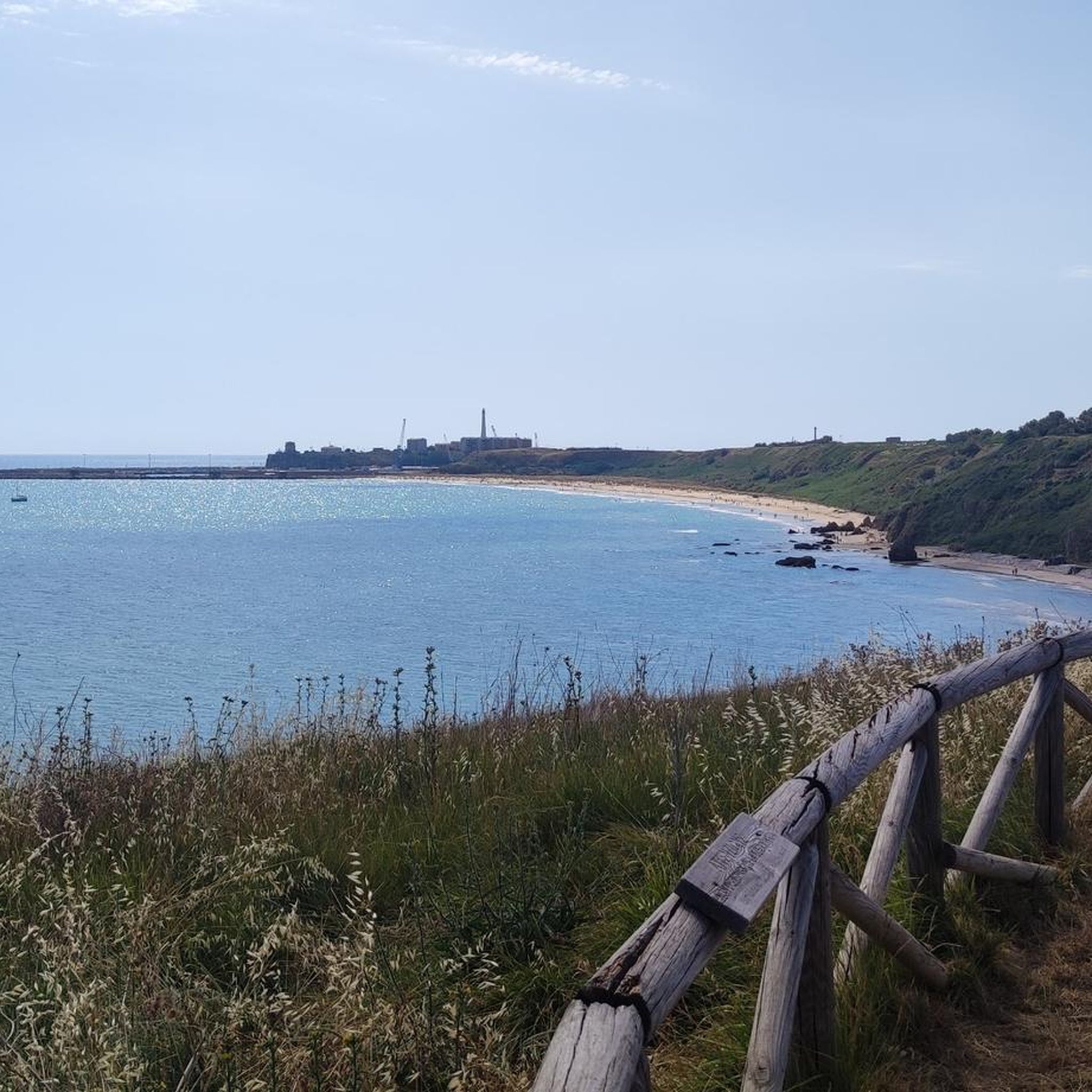
The forest is made up of a series of progressively decreasing river terraces. The first is the one on which the farmhouse stands and is the one where forests have been deforested to make room for crops, it is also the largest and covers the entire Sinello valley. The second, at a difference in altitude of about 7 metres, is the one that hosts the current residual forest. In winter and spring it is often flooded and puddles form, while in the hottest months of the year the ground is completely dry. The next terrace is the one where the Sinello, when in flood, flows and hosts very heterogeneous vegetation. One meter below is the last terrace made up of the river bed made up of limestone and gravel. The climate of the forest is Mediterranean, the average temperature throughout the year is 16°, while the average temperature in July is 25° and in January 6°. The most important tree species are present on the second terrace and are the Cerro, the English oak, the white hornbeam and the ash. There are specimens of trees that reach 25 meters in height. Inside the forest and also in the part of the river that passes through it, a delicate ecosystem survives, in the waters of the Sinello we can find Brasche, Buttercups, Water Celery, Watercress. There are submerged colonies of vegetation that give the waters their characteristic blue-green colour. The fauna of the area is represented by the various migratory birds frequent in the temperate coastal areas, by foxes and badgers, as well as moles and hedgehogs.
0
0
Pollutri can boast the presence, in its territory, of the Don Venanzio forest: a delicate and precious, as well as rare, example of a plain forest, towards which scientists and ecologists have turned their attention, in fact the Don Venanzio forest is one of the last strips of lowland forest on the Adriatic coast. Unfortunately what we can see today is nothing more than what remains of a much larger and more extensive forest near the Sinello river. The Forest card Location: 1 km from the exit Vast North of the A14 Extent: approximately 78 ha Height: 30 m above sea level Owner: Municipality of Pollutri Reserve since: 29/11/1999 LR 128 Structure: Tall forest, spread over a series of river terraces. Vegetation: White poplar, Black poplar, Downy oak, Turkey oak, Ash, White hornbeam and English oak. Shrubs: Dogwood, Ivy, Pendulum sedge, Cornioo, Undergrowth: Apennine anemone, Butcher's broom, Red lily and others. Entrance to the site is free, on request it is possible to take a guided tour. Info: 0872/50357 – 338/5728304 There.
0
0
The reserve is always open, while the restaurant and bar respect closing days and periods.
0
0
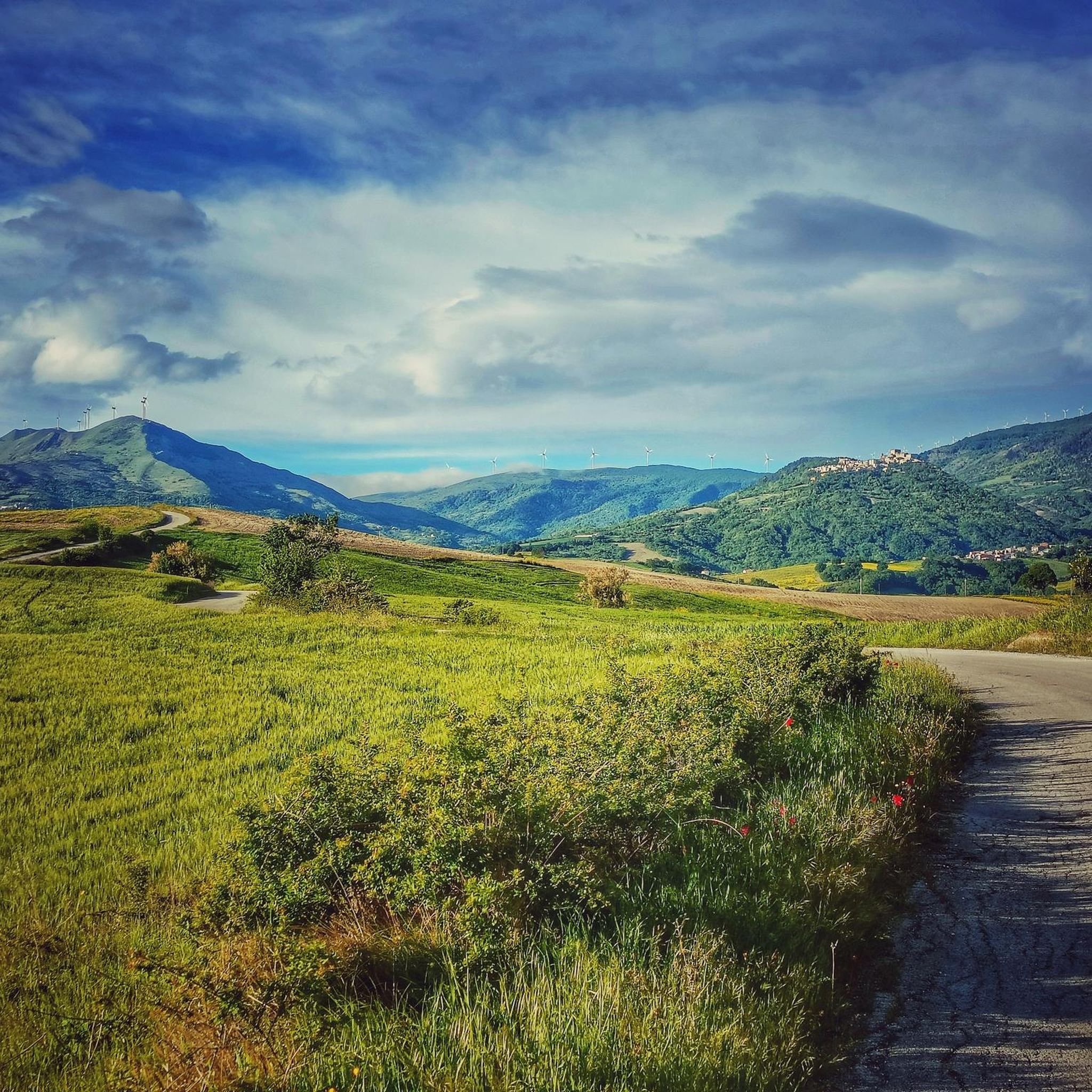
From here you can see the lower part of Val Sinello and your gaze is lost towards the mountains, in front the Majella Massif, on the right the Gran Sasso Massif with Monte Camicia and at the bottom even further to the right the Monti Gemelli della Laga.
0
0

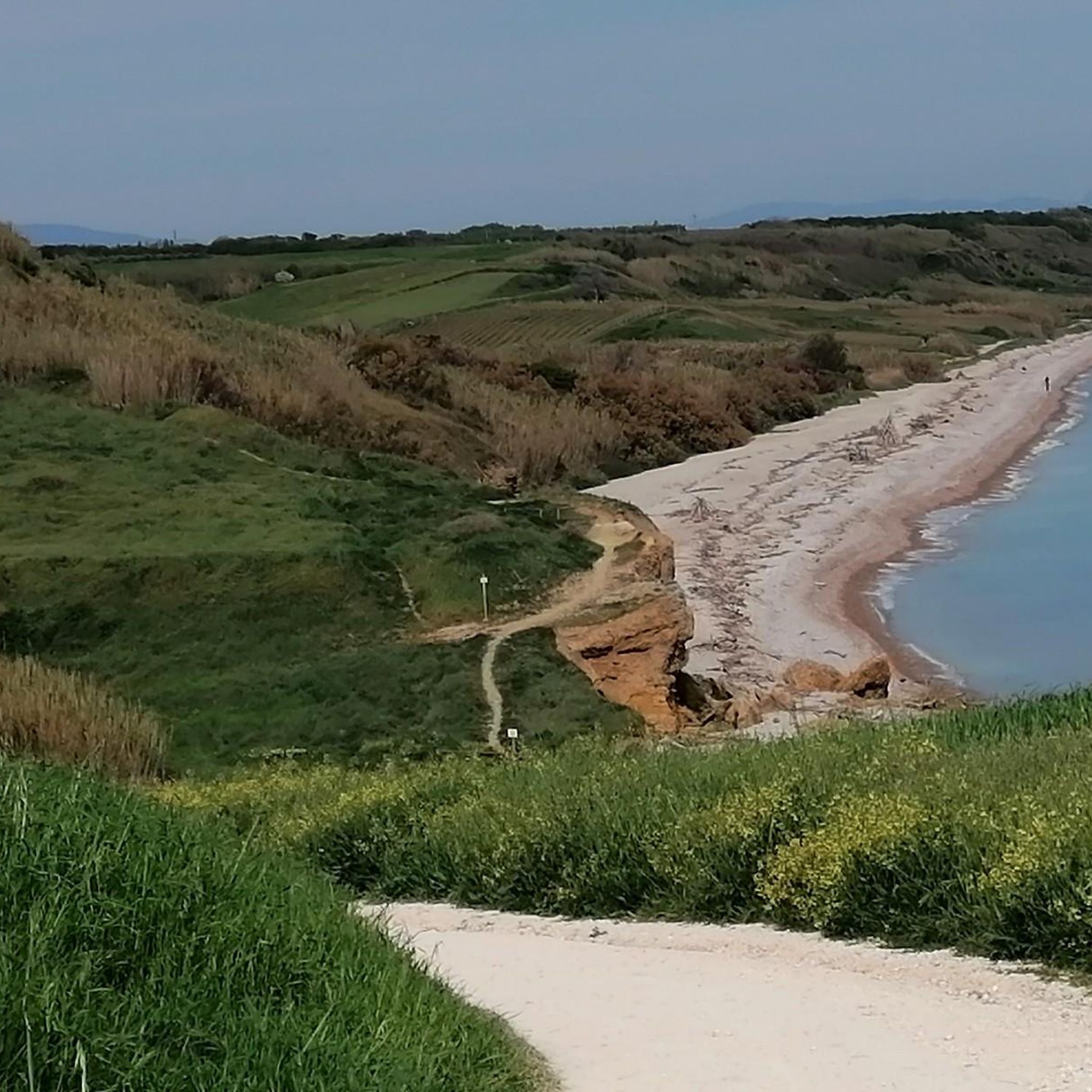
"The archaeological park of Iuvanum is one of those hidden places to discover. In the middle of the Abruzzo countryside, you don't expect to find a vast area rich in history, and you have the impression of entering a painting, a window about the past, where the important ruins stand out, surrounded by nature".
0
0
The Don Venanzio wood takes its name from the last owner who, in 1986, sold it to the Municipality of Pollutri. Its extension is about 78 hectares and represents one of the last strips of plain forest on the Adriatic coast, fully protected since 1999 with the establishment of the Reserve. It develops along the lower course of the Sinello river, in the municipality of Pollutri (Ch), in the locality of Crivelle, between the SS.16 Adriatica, the provincial road for Scerni and the Sinello river. The entrance is located about one km. from the Vasto Nord - Casalbordino exit of the A14, towards Gissi. The whole area is fully protected; from the only internal avenue equipped paths branch off which allow, with the help of guides, to go into the woods and reach suggestive corners. The climate of the forest is Mediterranean. The most important tree species are the white poplar, the black poplar, the downy oak, the Turkey oak, the English oak. There are specimens of trees that reach almost 25 meters in height. Among the shrubs we remember the Ivy, the Sanguinello and the Corniolo. In the undergrowth the Apennine Anemone, Pungitopo and Red Lily grow. In the waters of the Sinello river there are Buttercups, Water Celery, Watercress. The fauna is represented by various migratory birds, foxes, badgers, moles and hedgehogs.
0
0

In addition to numerous small frogs and fish, this small water snake also lives in the Gola and presumably feeds on the former. Now, at the beginning of October, the waterfall is more of a small trickle. To do this, it can be easily reached from the parking lot at the entrance to the gorge after a few minutes of walking over round stones and mini climbing inserts over two slightly larger rocks with dry feet. Sturdy footwear is still advisable and, especially in bad weather, you should take the notice at the entrance to the gorge that you should only enter it with a helmet because of the risk of falling rocks.
0
0
Frequently Asked Questions
What types of natural monuments can I explore around Atessa?
The area around Atessa offers a diverse range of natural monuments, from protected forests and waterfalls to historical sites integrated with natural settings. You can discover unique ecosystems like the Bosco di Don Venanzio Regional Nature Reserve, a rare plain forest, or geological features such as the Waterfall in Gola di Pennadomo. There are also viewpoints offering panoramic vistas, like the one providing a View of the Majella Massif.
Are there any family-friendly natural areas near Atessa?
Yes, several natural monuments around Atessa are suitable for families. The Bosco di Don Venanzio Regional Nature Reserve is an excellent choice for nature enthusiasts of all ages, offering paths to explore its rich biodiversity. Additionally, the View of the Majella Massif is a family-friendly viewpoint where you can enjoy stunning mountain scenery.
What outdoor activities can I do near these natural monuments?
The region around Atessa is perfect for various outdoor activities. You can find numerous routes for cycling, road cycling, and running. For instance, there are challenging road cycling routes like the 'Mouth of the Sangro River loop' or scenic cycling tours such as the 'Trabocco Punta Cavalluccio – Via Verde dei Trabocchi loop'. If you prefer running, consider the 'Lago di Bomba – ring tour'. You can find more details and routes on the Road Cycling Routes around Atessa, Cycling around Atessa, and Running Trails around Atessa guide pages.
Are there natural monuments with historical or cultural significance?
Absolutely. The Iuvanum Archaeological Park is a prime example, where ancient ruins are beautifully integrated into a natural landscape, offering a unique blend of history and nature. Another site with cultural ties is the San Martino Gorges, steeped in local legend about Saint Martin and the location of an annual historical-religious pilgrimage.
What is the best time of year to visit the natural monuments around Atessa?
The natural monuments around Atessa can be enjoyed throughout much of the year. Spring and autumn generally offer pleasant temperatures for hiking and exploring, with lush greenery in spring and vibrant colors in autumn. Summer is ideal for coastal areas like the Trabocchi Coast, while some mountain trails might be best in late spring to early autumn. Always check local weather conditions before your visit.
Can I find any unique forest ecosystems in the area?
Yes, the Bosco di Don Venanzio Regional Nature Reserve is a particularly unique forest ecosystem. It's one of the last remaining strips of plain forest on the Adriatic coast, fully protected since 1999. Here, you can observe a rich biodiversity including migratory birds, foxes, badgers, and specific plant species like the Apennine Anemone and Red Lily.
Are there any coastal natural attractions near Atessa?
While Atessa itself is inland, the famous Trabocchi Coast is not far away. This stretch of coastline, named after its ancient fishing machines, offers stunning blue sea, lush vegetation, and opportunities for driving, walking, or cycling. Within this area, you'll find the Punta Aderci Regional Natural Reserve, an excellent spot for strolls along unspoiled beaches and observing local flora and fauna.
What kind of geological formations can be seen?
Beyond the Waterfall in Gola di Pennadomo, the region features other interesting geological formations. The San Martino Gorges, for instance, are narrow, approximately 30-meter-long and 2-meter-wide gorges with a fascinating local legend about their formation. Monte Pallano also offers rugged landscapes and scenic views for those interested in geological features.
What should I bring when visiting natural monuments around Atessa?
When exploring the natural monuments, it's advisable to wear sturdy footwear, especially if you plan on hiking or walking on uneven terrain like the Gola di Pennadomo. Depending on the activity, consider bringing water, snacks, sun protection, and appropriate clothing layers. For specific trails, like the Gola di Pennadomo, a helmet might be recommended due to the risk of falling rocks, so always check local advisories.
Are there any natural parks or reserves for extensive exploration?
Yes, beyond the Bosco di Don Venanzio Regional Nature Reserve, you can explore the Monte Pallano Natural Park. This park offers unspoiled nature and breathtaking landscapes, with various walks and hikes starting from the Casanatura Environmental Education Centre in Fortecampana. It's also part of a scenic ridge suitable for cycling.
What do visitors enjoy most about the natural monuments in this area?
Visitors particularly appreciate the diverse experiences offered, from the tranquility and rich biodiversity of the Bosco di Don Venanzio Regional Nature Reserve to the unique geological formations like the Waterfall in Gola di Pennadomo. The combination of historical sites within natural settings, such as the Iuvanum Archaeological Park, also receives high praise for its blend of culture and natural beauty.
Are there any easy walks or short trails to natural monuments?
Yes, for a relatively easy and short walk, the Waterfall in Gola di Pennadomo is accessible after a few minutes of walking from the parking lot at the gorge entrance. The Bosco di Don Venanzio Regional Nature Reserve also features equipped paths that allow for gentle exploration of the woods.
Most popular attractions around Atessa

Get inspired with the komoot mobile app


Explore more
Extend your search for the best caves by checking out these guides of the top ones around Atessa:
