Top 20 Natural Monuments around San Polo Dei Cavalieri
Best natural monuments around San Polo Dei Cavalieri are found within the Parco Naturale Regionale dei Monti Lucretili, offering a diverse natural landscape. This area is characterized by mountainous terrain, ancient forests, and significant geological features. Visitors can explore prominent peaks, serene valleys, and unique karst phenomena. The region provides ecological importance, geological history, and recreational opportunities for outdoor enthusiasts.
Best natural monuments around San Polo Dei Cavalieri
- The most popular natural monuments is Monte Gennaro Meadow, a large…
Last updated: October 28, 2026
Fountain of the Organ, Villa d'Este
Highlight • Monument
Cardinal …
Translated by Google •
Tip by

Fountain of Neptune, Villa d'Este
Highlight • Monument
Translated by Google •
Tip by
Sign up now to discover places like this
Get recommendations on the best single tracks, peaks, & plenty of other exciting outdoor places.
Fountain of Rome (Rometta), Villa d'Este
Highlight • Monument
Translated by Google •
Tip by
Fountain of the Ovato
Highlight • Monument
Translated by Google •
Tip by
Caves at Villa Gregoriana
Highlight • Cave
Translated by Google •
Tip by

Sign up for free to discover even more natural monuments around San Polo Dei Cavalieri.
Already have an account?
Start today with a free account
Your next adventure awaits.
Popular around San Polo Dei Cavalieri
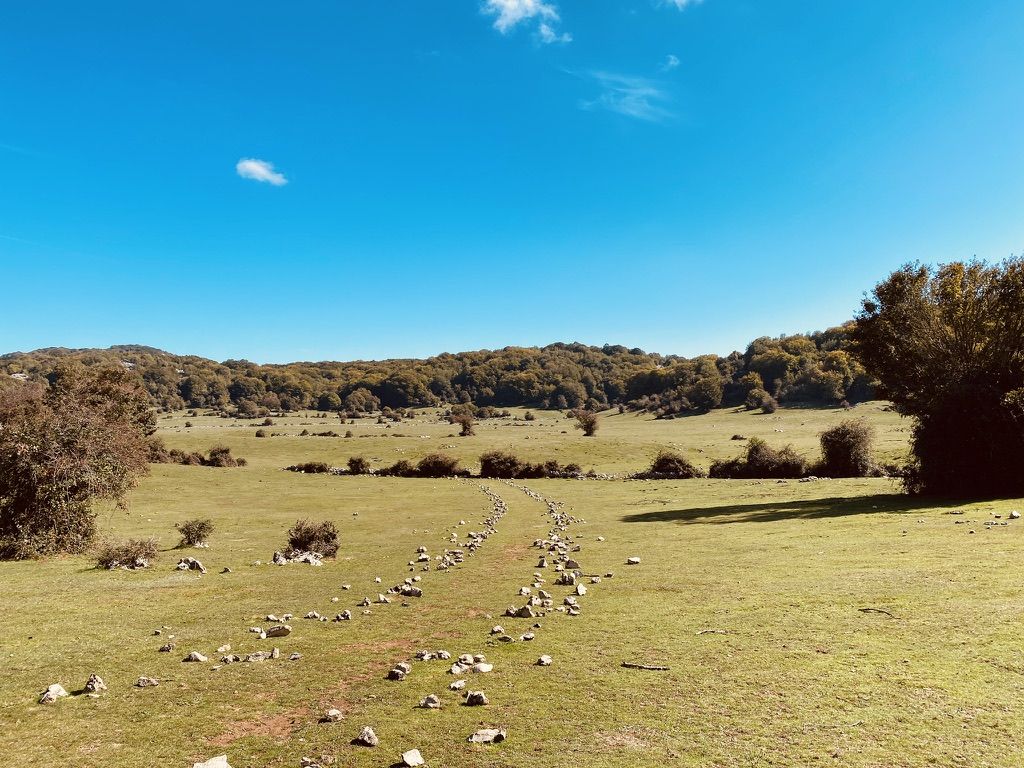
The ice mountain – hikes in Italy’s Lucretili Mountains
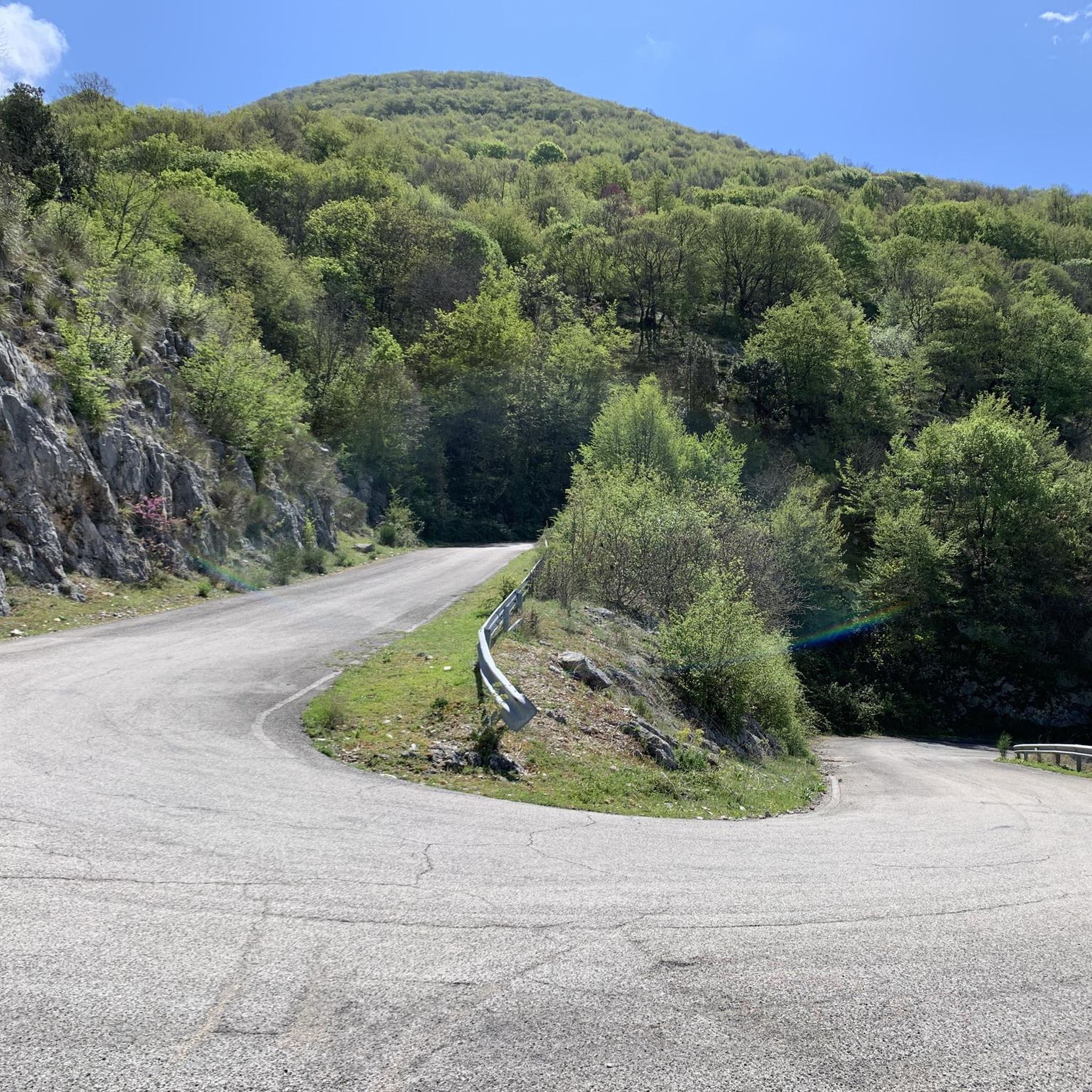
Hiking around San Polo Dei Cavalieri
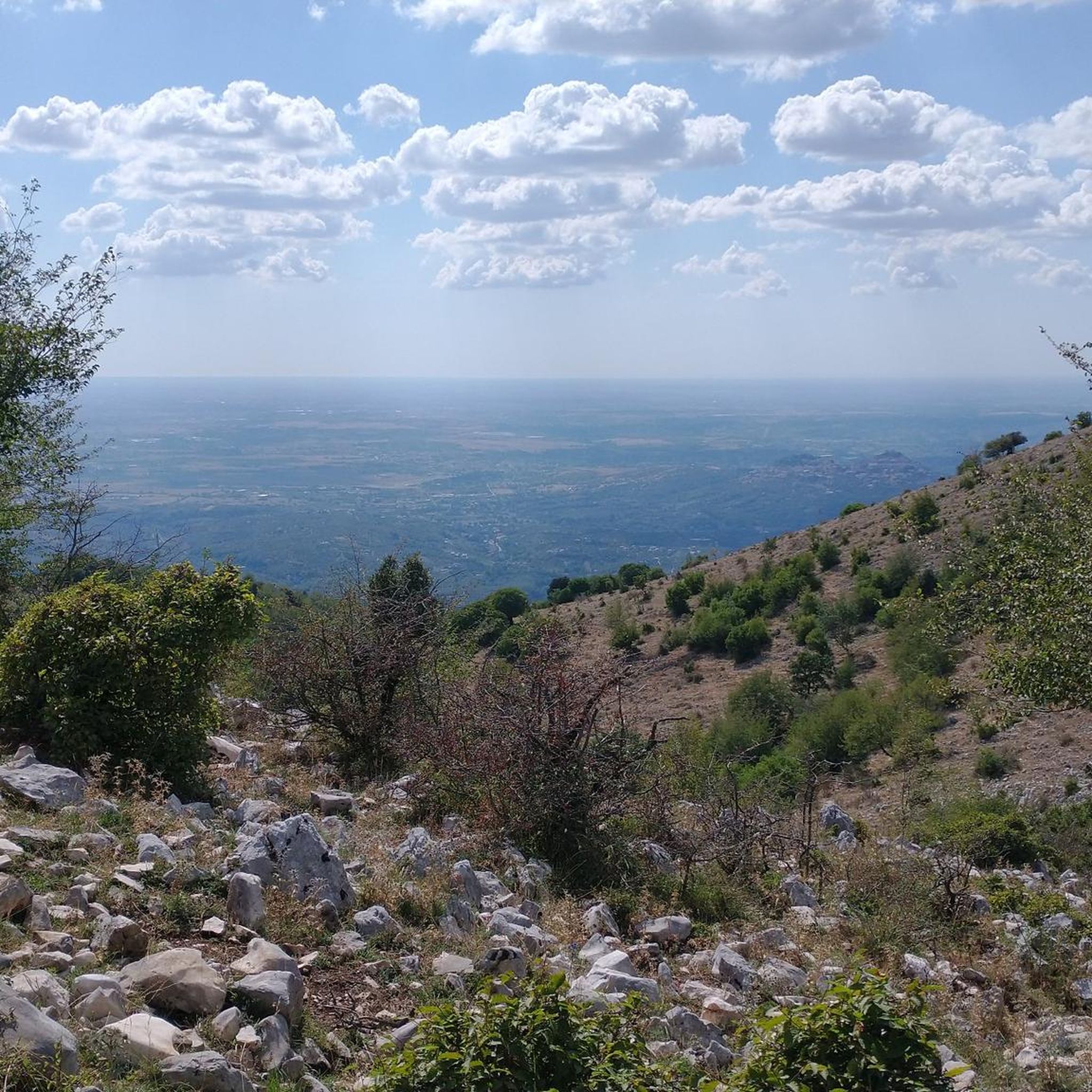
MTB Trails around San Polo Dei Cavalieri
Cycling around San Polo Dei Cavalieri
Road Cycling Routes around San Polo Dei Cavalieri
Running Trails around San Polo Dei Cavalieri

Gravel biking around San Polo Dei Cavalieri
Other adventures around San Polo Dei Cavalieri

Tips from the Community

The Fontana di Roma, commonly known as Rometta (or "Little Rome"), is one of the most spectacular and original hydraulic and sculptural monuments of Villa d'Este in Tivoli.
0
0
La Fontana dell'Organo a Villa d'Este a Tivoli è una meraviglia del tardo Cinquecento che suona melodie musicali usando solo la forza dell'acqua. Fu progettata dall'architetto Pirro Ligorio e costruita tra il 1566 e il 1571 Gli ingegneri francesi Luc Leclerc e Claude Venard crearono l'ingegnoso organo idraulico. I lavori si conclusero del tutto nel 1611. Mostra uno stile barocco, diverso dal resto della villa che è rinascimentale
0
0

The Fountain of Neptune reprises a project attributed to Gian Lorenzo Bernini, completed in the 20th century. The large waterfall is fed by the waters of the Aniene river and creates one of the most evocative scenic effects in the garden. Next to it is the famous Hydraulic Organ, which still produces music today by exclusively harnessing the power of water.
0
0
This place is wonderful, if you come to Tivoli you must visit it! Some advice: - It's better if you come in the morning so there will be more light. After a certain time in the afternoon, I believe that not much light will reach the lower part of the park. - It's better to bring hiking shoes and not flip-flops or smooth shoes because some parts of the trail are tricky.
1
0

The most unique fountain of all uses a hydraulic organ.
9
0
A fountain featuring figures such as Romulus and Remus,
8
0
Beautifully refreshing, perfectly designed
8
0
Its iconic gardens and fountains also make it an extremely photogenic place.
8
0
Frequently Asked Questions
What are the most popular natural monuments around San Polo Dei Cavalieri?
Visitors particularly enjoy the Monte Gennaro Meadow, a vast karst clearing where wild horses and cows graze. Another favorite is Pizzo Pellecchia, the second highest peak in the Lucretili mountains, offering expansive panoramic views. The Fountain of the Ovato, while man-made, is also highly appreciated for its integration of natural elements celebrating the Lazio countryside.
What kind of natural features can I expect to see in the Monti Lucretili park?
The Parco Naturale Regionale dei Monti Lucretili, encompassing San Polo Dei Cavalieri, is characterized by diverse natural features. You'll find mountainous terrain, ancient forests, and significant geological formations. Prominent peaks like Monte Morra and Pizzo Pellecchia offer breathtaking views, while areas like Valle Cavalera boast ancient beech forests and serene natural environments.
Are there family-friendly natural monuments to visit?
Yes, several natural monuments are suitable for families. The Monte Gennaro Meadow is a great spot for a picnic and observing grazing animals. Additionally, the Fountain of the Ovato and the Fountain of Rome (Rometta), Villa d'Este are considered family-friendly, offering beautiful scenery and historical context.
What geological features are prominent in the natural monuments area?
The region is well-known for its various karst phenomena. These distinctive geological formations, resulting from the dissolution of soluble bedrock like limestone, create unique landscapes. You can observe features such as dolines and sinkholes, particularly in areas like 'Il Pratone,' which contribute to unique hydrological systems and sometimes conceal fascinating underground caves.
What outdoor activities can I do near these natural monuments?
The area offers a variety of outdoor activities. You can explore numerous hiking trails, including those leading to Monte Gennaro Meadow and Pizzo Pellecchia. For more options, check out the hiking routes around San Polo Dei Cavalieri. There are also extensive options for road cycling and gravel biking.
Are there specific hiking trails to reach the natural monuments?
Yes, there are several hiking trails. For instance, you can find routes like the 'Monte Gennaro Loop from Prato Favale' or 'Prato Favale to the Monte Gennaro' which lead to the prominent Monte Gennaro Meadow. Many trails offer access to the various peaks and natural features within the Monti Lucretili park. For a comprehensive list, refer to the hiking guide for San Polo Dei Cavalieri.
What are the best panoramic viewpoints in the area?
For stunning panoramic views, Pizzo Pellecchia is an excellent choice, being the second highest peak in the Lucretili mountains. Monte Morra, another prominent mountain in the region, also offers superb vistas comparable to those from Monte Gennaro. These spots provide expansive views of the Lazio countryside.
What is the best time of year to visit the natural monuments around San Polo Dei Cavalieri?
The best time to visit is generally during spring (April-June) and autumn (September-October) when the weather is mild and pleasant for hiking and exploring. Spring brings blooming flora, especially irises around Pizzo Pellecchia, while autumn offers vibrant foliage. Summers can be hot, and winters, while beautiful, may present colder temperatures and potential snow at higher elevations.
Are there any historical or cultural sites integrated with the natural monuments?
Yes, the region blends natural beauty with historical significance. Monte Morra, for example, has traces of ancient settlements from the late Bronze Age. While primarily natural, sites like the Fountain of the Organ, Villa d'Este and the Fountain of the Ovato are man-made monuments that celebrate and integrate natural elements, reflecting the historical appreciation for the landscape. The Federico Cesi Naturalistic/Prehistoric Museum in San Polo dei Cavalieri also connects visitors to the natural history of the Lucretili Mountains.
What kind of wildlife can I expect to see in the Monti Lucretili park?
The Monti Lucretili park is home to diverse wildlife. On the southern slopes of Monte Morra, you might spot rare peregrine falcons. The Monte Gennaro Meadow is known for its semi-wild herds of horses and cows grazing freely. The ancient forests and varied landscapes support a range of other species, making it a rewarding area for nature observation.
What do visitors enjoy most about the natural monuments in this region?
Visitors consistently praise the serene natural environments, the breathtaking panoramic views from peaks like Pizzo Pellecchia, and the unique geological formations. The opportunity to observe wild animals at the Monte Gennaro Meadow is also a highlight. Many appreciate the blend of ecological importance, geological history, and recreational opportunities for hiking and exploring.
Are there any unique natural areas to explore beyond the main highlights?
Beyond the well-known highlights, the Valle Cavalera is a 'marvelous' valley noted for its ancient beech forests and serves as an internal transhumance route. It offers paths through serene natural environments and leads to the karst plateau of 'Il Pratone,' which features extensive mesophilic pastures. These areas provide a deeper immersion into the rich and diverse landscapes of the Monti Lucretili.
Most popular routes around San Polo Dei Cavalieri
Most popular attractions around San Polo Dei Cavalieri

Get inspired with the komoot mobile app


Explore more
Extend your search for the best caves by checking out these guides of the top ones around San Polo Dei Cavalieri:
