Top 8 Mountain Passes around Campo Di Giove
Mountain passes around Campo Di Giove offer access to the mountainous landscapes of Majella National Park. This region, situated in Abruzzo, features high-altitude terrain with many peaks and trails. Campo Di Giove serves as a base for exploring these natural areas, which are characterized by diverse ecosystems and significant biodiversity. The area provides opportunities for various outdoor activities within a protected natural environment.
Best mountain passes around Campo Di Giove
- The most popular mountain pass is Passo San Leonardo,…
Last updated: May 15, 2026
Passo San Leonardo
Highlight • Mountain Pass
Translated by Google •
Tip by

Majella National Park
Highlight • Natural Monument
Translated by Google •
Tip by
Sign up now to discover places like this
Get recommendations on the best single tracks, peaks, & plenty of other exciting outdoor places.
Sign up for free
Majella National Park
Highlight • Natural Monument
Translated by Google •
Tip by

Passo Forchetta
Highlight • Mountain Pass
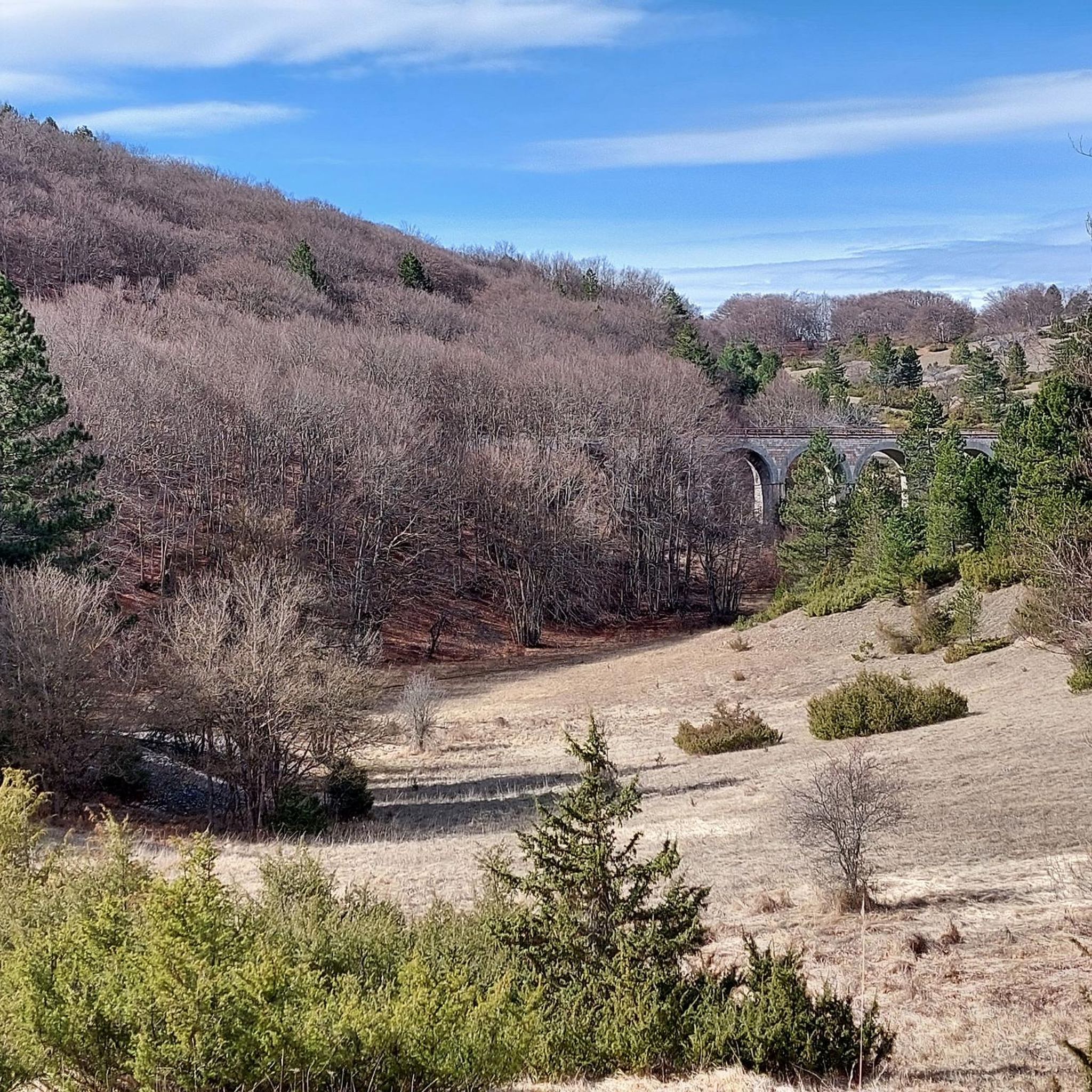
The road is fresh and wooded. The asphalt is not the best and the road could be affected by small landslides.
Translated by Google •
Tip by

Forchetta Pass
Highlight • Mountain Pass
Tip by

Sign up for free to discover even more mountain passes around Campo Di Giove.
Sign up for free
Already have an account?
Start today with a free account
Your next adventure awaits.
Login or Signup
Other adventures around Campo Di Giove

Tips from the Community

100 meters before the hill there is the station bar, an excellent refreshment point for sandwiches and trattoria
0
0

In the territory of the Majella National Park there is the medieval village of Campo di Giove, home to an information centre.
0
0

spectacular places, lots of wind.
0
0
I ride with my leg always in shot
1
1

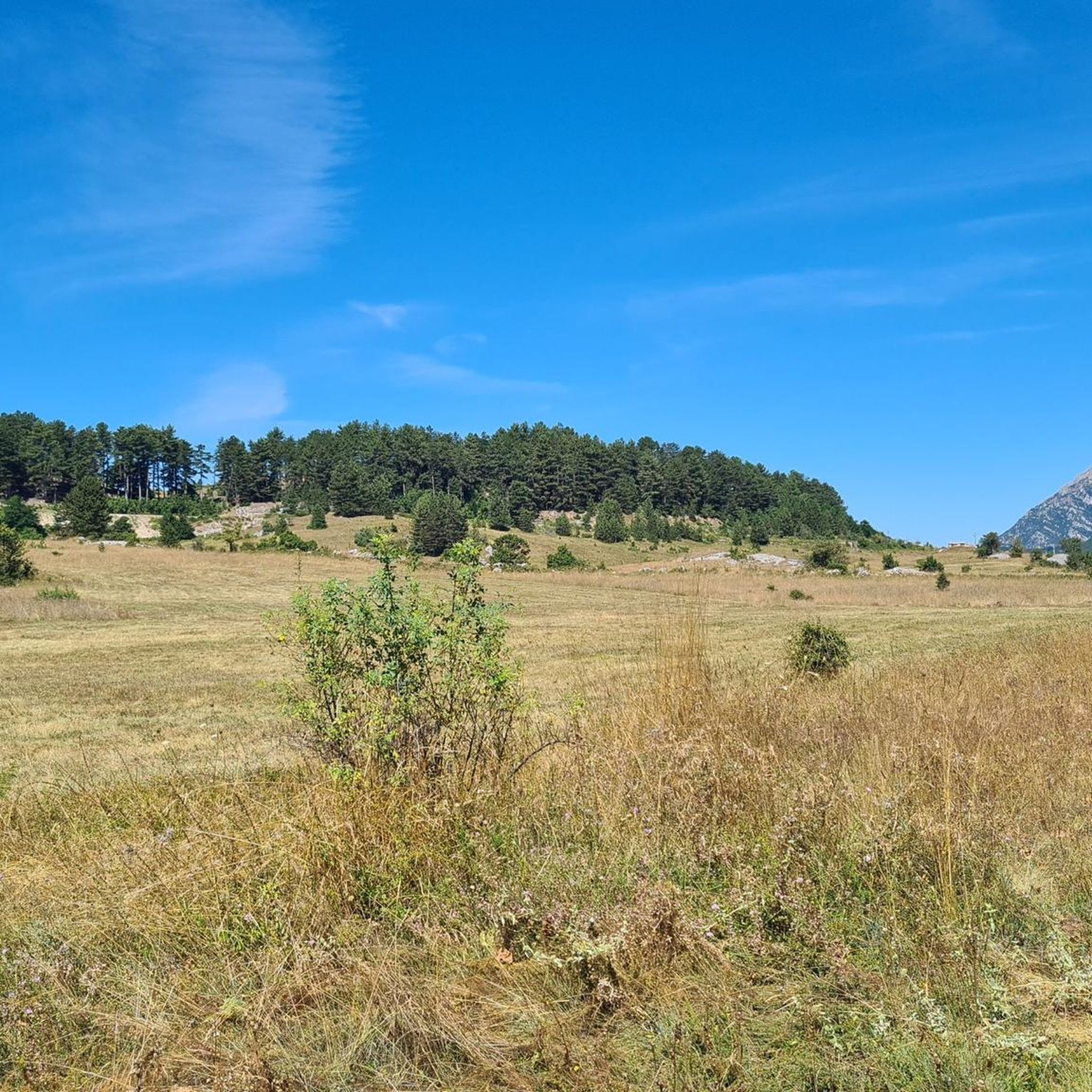
Passo Forchetta, connecting Roccaraso to Campo di Giove, offers a journey through a fresh and lush forest. The road, although the asphalt is not in perfect condition and subject to small landslides, offers a picturesque and fascinating driving experience.
1
0

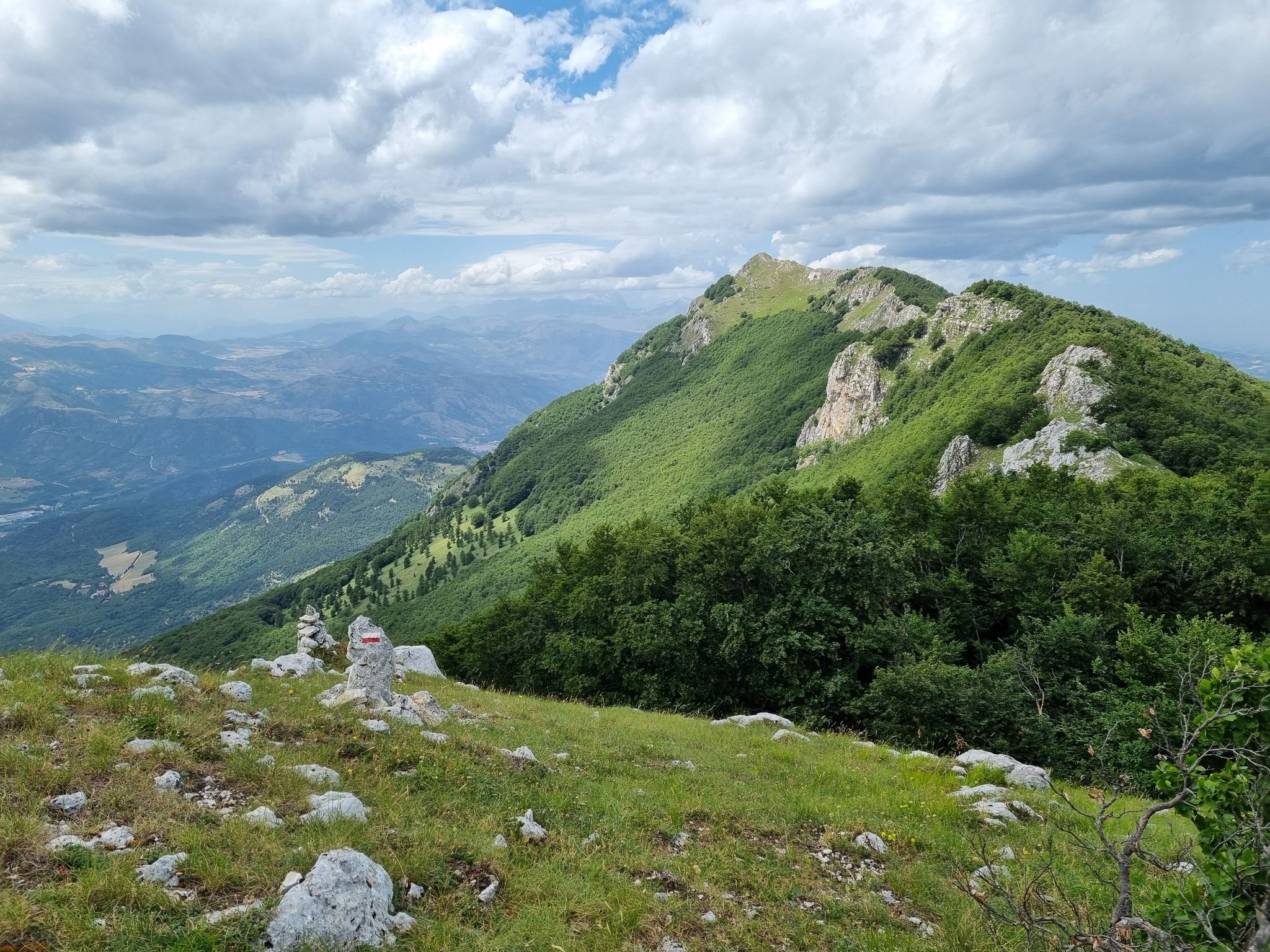
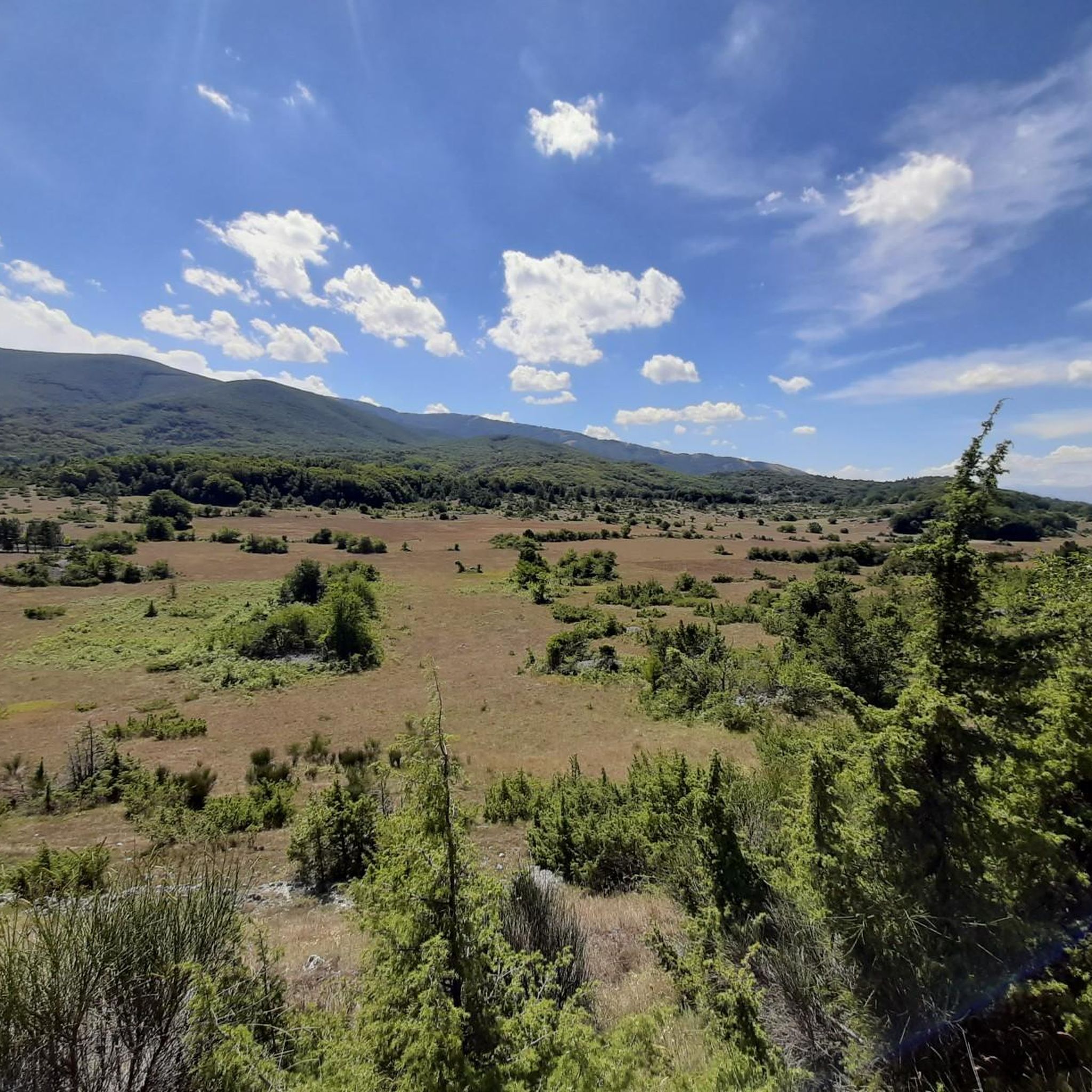
The Majella National Park is one of the most important protected areas in Abruzzo. The Majella area is characterized by its high mountains: a large part of the National Park, in fact, exceeds 2,000 meters of altitude.
0
0
Passo San Leonardo is one of the most important passes in Abruzzo, not only for racing bikes but also for MTBs.
2
0
The San Leonardo pass, at an altitude of 1,282 metres, connects Pacentro to Sant'Eufemia a Majella. The pass offers wonderful views of the Majella and Mount Morrone. The San Leonardo pass is an excellent base for excursions, among which the so-called direct route that leads to the summit of Monte Amaro stands out. The Orta river flows from the San Leonardo pass.
1
0
Frequently Asked Questions
Which mountain passes are notable for their scenic views around Campo Di Giove?
The Passo San Leonardo is highly regarded for its breathtaking views of both the Majella massif and Mount Morrone. It's an enchanting location, suspended between Monte Morrone and Majella, where nature's beauty is paramount. The Forchetta Pass also offers scenic routes through a fresh and wooded area.
Are there mountain passes suitable for cycling near Campo Di Giove?
Yes, the region around Campo Di Giove is excellent for cycling. Passo San Leonardo is recognized as one of the most important passes in Abruzzo for both road bikes and mountain bikes, with routes extending to Monte Mileto. The Majella National Park, which encompasses many of these passes, is often described as a cyclist's paradise. You can find various cycling routes in the area by exploring the Cycling around Campo Di Giove guide.
What hiking opportunities are available from the mountain passes?
Many mountain passes serve as excellent starting points for hikes. Passo San Leonardo is a prime example, offering a direct route to the summit of Monte Amaro, the highest peak in the Majella National Park. This challenging climb involves a significant altitude difference. For more hiking options, check out the Hiking around Campo Di Giove guide.
Can I find refreshment points or cafes near the mountain passes?
Yes, near the Forchetta Pass, there is a station bar located about 100 meters before the hill, which serves as an excellent refreshment point for sandwiches and trattoria-style food.
What unique natural features can I expect to see around the mountain passes?
The mountain passes are situated within the Majella National Park, an area known for its high mountains, with a significant portion exceeding 2,000 meters. The park boasts a wide variety of habitats, supporting numerous species of flora and fauna, making it a treasure trove of biodiversity. Hikers on routes from Passo San Leonardo might spot Abruzzo chamois, and around September, even hear the roars of deer. The Orta river also flows from Passo San Leonardo.
Are there any challenging climbs or routes for experienced hikers?
Absolutely. From Passo San Leonardo, you can embark on the direct route to the summit of Monte Amaro, the highest peak in the Majella National Park at 2,793 meters. This climb, particularly from Fara S. Martino, involves a significant altitude difference of 2,400 meters, considered the highest in the entire Apennine chain. The Hiking around Campo Di Giove guide lists several difficult routes, including the 'Bivacco Pelino – Monte Amaro Summit loop'.
What is Bivouac Pelino and how can I access it?
Bivouac Pelino is a famous bivouac in the Apennines, located at 2,700 meters. It offers a unique, spartan overnight experience where visitors can witness the sunrise over the Adriatic Sea and the sunset over the Tyrrhenian Sea. It is accessible from the area around Passo San Leonardo, often as part of the challenging Monte Amaro ascent.
What kind of running trails are available near the mountain passes?
The area around Campo Di Giove and its mountain passes offers a variety of running trails. You can find routes of varying difficulty within the Majella National Park. For detailed options, refer to the Running Trails around Campo Di Giove guide, which includes routes like the 'Majella National Park loop' and 'Ascent to CIME Porrara and Paradina'.
What do visitors appreciate most about the mountain passes around Campo Di Giove?
Visitors frequently highlight the stunning panoramic views, especially from Passo San Leonardo, which offers wonderful vistas of the Majella and Mount Morrone. The fresh, wooded roads and the opportunity for various outdoor activities like cycling and hiking are also highly valued. The natural beauty and diverse ecosystems of the Majella National Park are consistently praised.
How do the mountain passes connect different towns or regions?
Passo San Leonardo serves as a crucial connection between Pacentro and Sant'Eufemia a Majella. Similarly, the Forchetta Pass connects Roccaraso to Campo di Giove, providing a scenic route through the region.
What is the altitude of the main mountain passes in the area?
Passo San Leonardo is situated at an altitude of 1,282 meters. The Majella National Park, which encompasses many of these passes, is characterized by its high mountains, with a significant portion exceeding 2,000 meters in altitude.
Most popular attractions around Campo Di Giove

Get inspired with the komoot mobile app


Explore more
See even more epic mountain passes by checking out these guides around Campo Di Giove:
