Top 5 Natural Monuments around Luco Dei Marsi
Best natural monuments around Luco Dei Marsi are found in the Abruzzo region of Italy, an area characterized by its rich natural heritage. The landscape features ancient forests, impressive karst systems, and diverse mountain environments. This region offers a variety of natural attractions, from sacred groves with historical significance to high mountain peaks and geological formations. Visitors can explore a range of natural features, including mountain passes, waterfalls, and springs.
Best natural monuments around Luco Dei Marsi
- The most popular…
Last updated: June 28, 2026
Monte Salviano Pass
Highlight • Mountain Pass
Translated by Google •
Tip by

Monte Viglio summit (2,156 m)
Highlight • Summit
Translated by Google •
Tip by

Sign up now to discover places like this
Get recommendations on the best single tracks, peaks, & plenty of other exciting outdoor places.
Sign up for free
Small Waterfall
Highlight • Waterfall
Translated by Google •
Tip by

Moscosa Spring
Highlight • Natural Monument
Translated by Google •
Tip by
Serra Sant'Antonio Pass
Highlight • Mountain Pass
Translated by Google •
Tip by
Sign up for free to discover even more natural monuments around Luco Dei Marsi.
Sign up for free
Already have an account?
Start today with a free account
Your next adventure awaits.
Login or Signup

Tips from the Community


Hiking boots, fairly long and steep route.
0
0

This place is worth a vote as you reach the top and if the weather permits you can see both the Tyrrhenian and Adriatic seas.
1
0

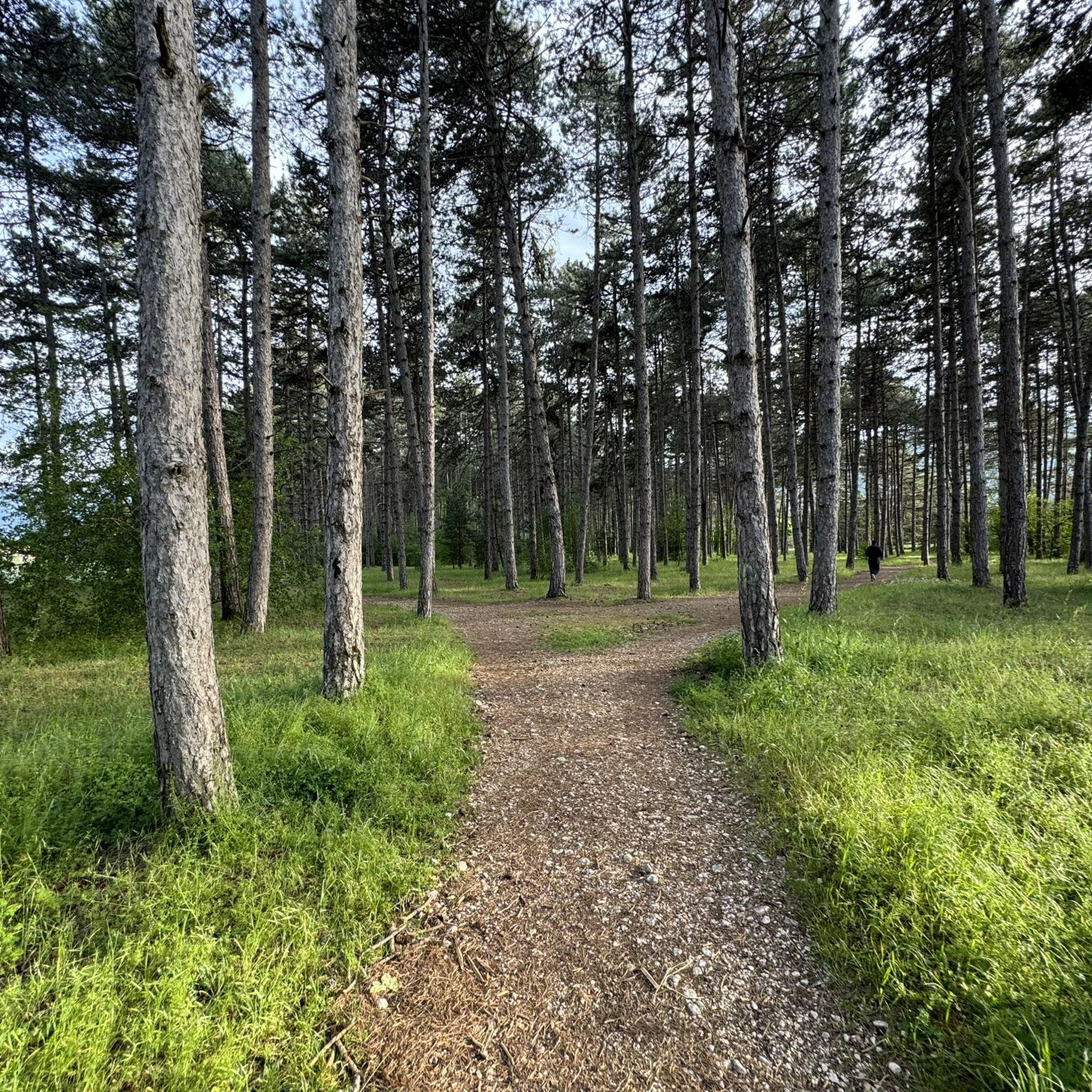
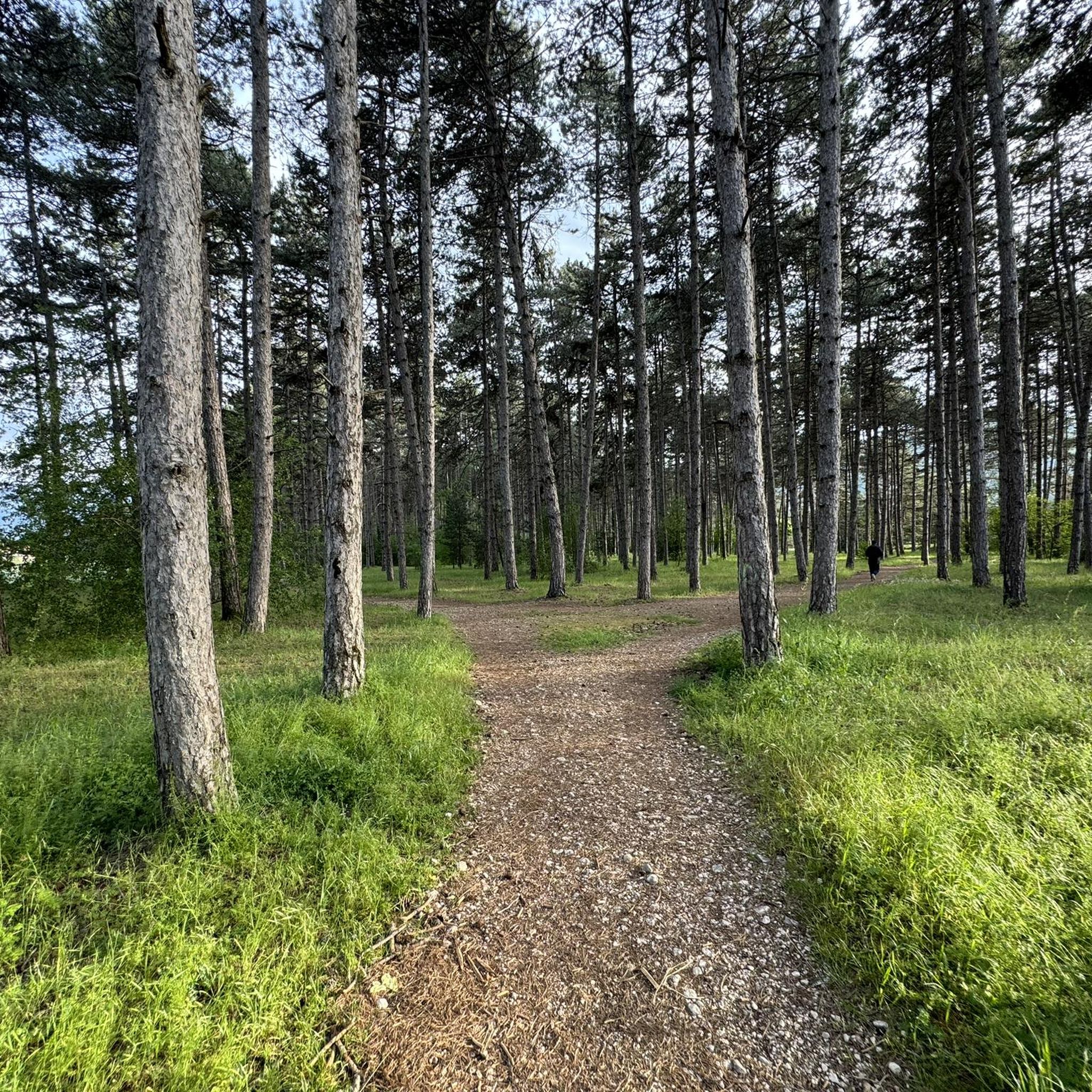
So, I recommend this waterfall, yes, nice circular route. But it's probably particularly impressive in spring. Now in September there wasn't that much water between the stones. Nevertheless, the area here is impressive and breathtakingly beautiful. But also lonely, here the fox and hare or wolf say “goodnight!” to each other.
0
0

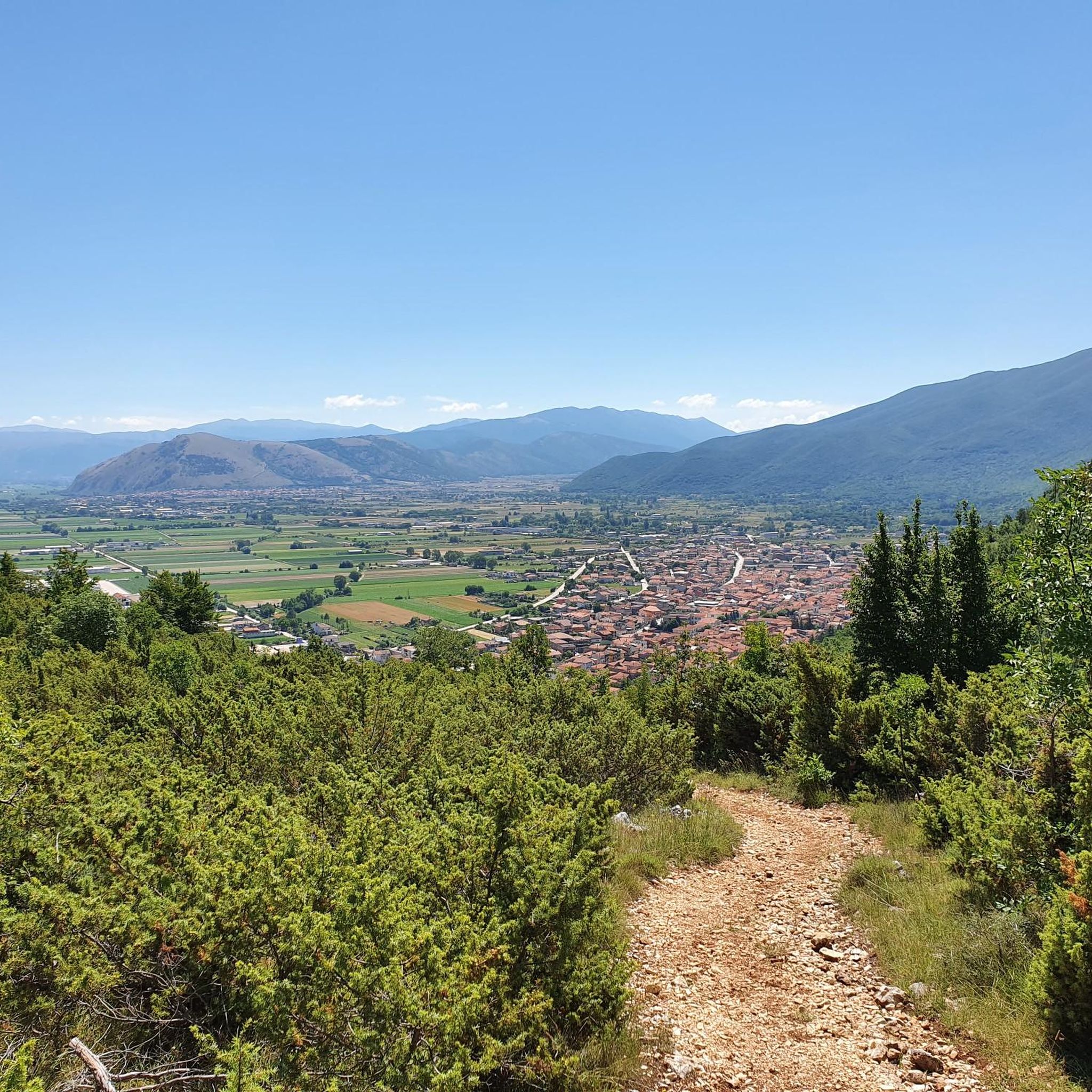
The Vali di Monte Salviano is located at 902 m above sea level within the homonymous nature reserve. In 2000 the work entitled "Teatro della Germinazione" was installed, a sculpture by the artist Pietro Cascella.
1
0

This peak is the highest of the Càntari Mountains and is located at 2156 m. From here it is possible to see the Fucino plain, the Gran Sasso (weather permitting), the Sirente-Velino chain, the Maiella, the Marsicani mountains, the Ernici mountains and the Simbruini mountains.
2
0
This spring (1619 m) is often used by horses and cows left in the wild.
1
0
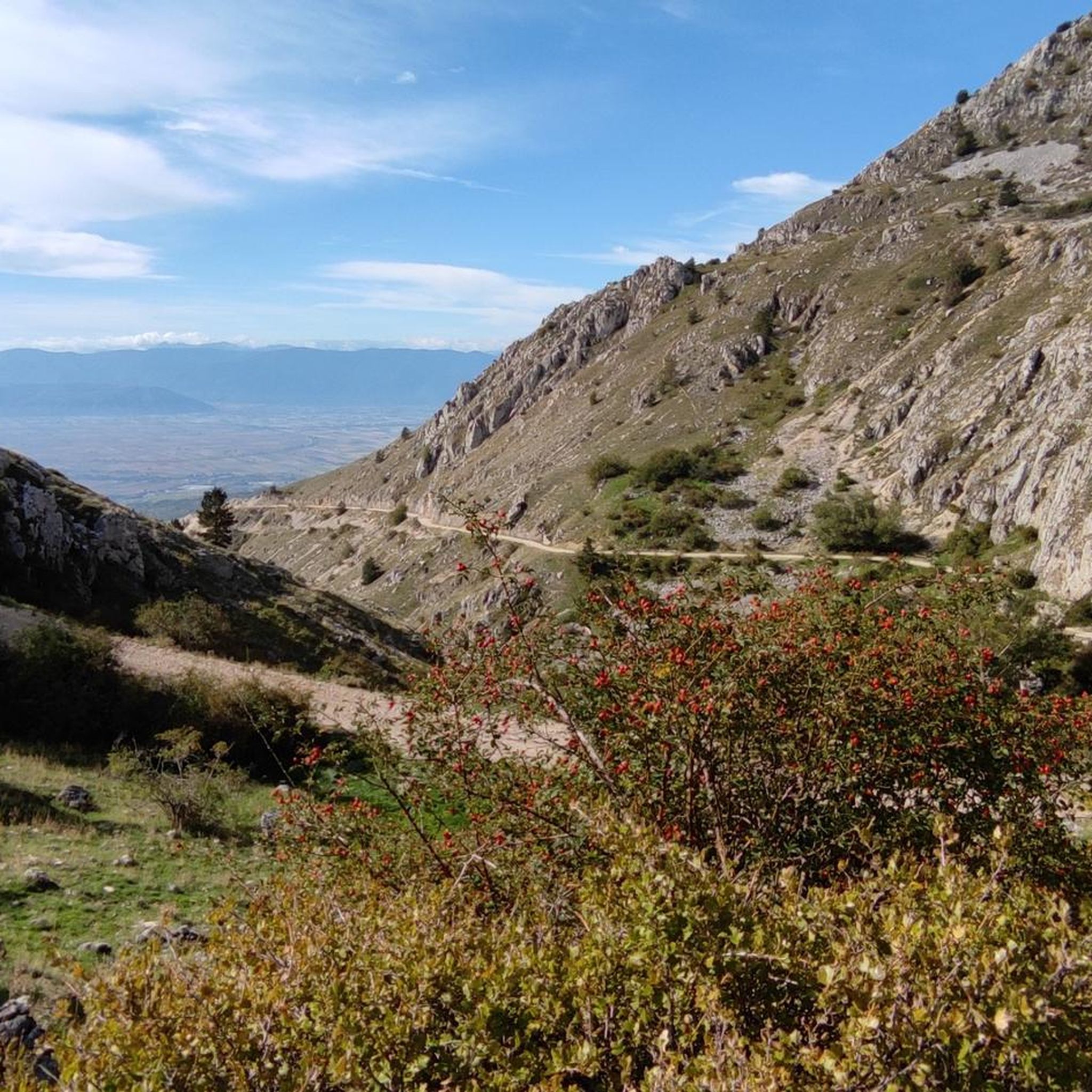
The Serra Sant'Antonio pass is located at 1602 m, on the provincial road to Campo Staffi, and is a mountain pass (on the watershed between the Simbruini and the Cantari).
1
0
Frequently Asked Questions
What are some unique natural features to explore around Luco Dei Marsi?
The area around Luco Dei Marsi offers a diverse range of natural features. You can explore ancient, sacred forests like the Lucus Angitiae, which holds deep historical significance. There are also impressive karst systems, including the Orlando Cave and the "Del Rimboschimento" Cave, offering a glimpse into subterranean landscapes. For those seeking mountain vistas, high peaks such as Monte Viglio summit (2,156 m) provide breathtaking panoramic views.
Are there any historically significant natural monuments in the area?
Yes, the most significant is the Lucus Angitiae, or Sacred Grove of Angitia. This ancient forest is deeply intertwined with the history of Luco Dei Marsi, once a sacred site where the ancient Marsi people worshipped a goddess. It offers a magical ambiance and historical significance, allowing visitors to walk through an archaeological site within a natural setting.
What kind of hiking trails can I find near these natural monuments?
The region provides a variety of hiking opportunities. You can find trails leading to mountain passes like Monte Salviano Pass, or explore routes that take you through forests to natural attractions such as the Small Waterfall. For more challenging adventures, trails ascend to high peaks like Monte Viglio. Many trails offer circular routes, allowing for varied exploration.
Are there challenging mountain climbs for experienced hikers?
Absolutely. The Monte Viglio summit (2,156 m) is the highest peak of the Càntari Mountains and offers a challenging, fairly long and steep route. From its summit, you can enjoy extensive views of the Fucino plain, Gran Sasso, and other mountain chains, weather permitting. Hiking boots are highly recommended for this ascent.
Where can I find a refreshing natural spring?
You can visit the Moscosa Spring, located at 1619 meters. This natural spring provides fresh water and is often frequented by local wildlife, including horses and cows left in the wild. It's a great spot to refill water bottles during a hike or bike ride.
Is the Monte Salviano area worth exploring for its natural beauty?
Yes, the Vali di Monte Salviano, situated at 902 meters above sea level within a nature reserve, is a noteworthy location. While it features an artistic installation, its primary draw is the natural environment of the reserve itself. The Monte Salviano Pass is a key point within this area, offering trails and scenic views.
What are the best viewpoints for panoramic scenery?
For truly expansive views, the Monte Viglio summit (2,156 m) is unparalleled, offering vistas of the Fucino plain, Gran Sasso, and other major mountain ranges. Another excellent spot is the Serra Sant'Antonio Pass, located at 1602 meters, which provides scenic mountain views on the provincial road to Campo Staffi.
Are there family-friendly natural monuments or trails around Luco Dei Marsi?
While specific family-friendly trails with pushchair access are not detailed, many natural areas offer easier sections suitable for families. Exploring the Lucus Angitiae forest can be a gentle walk, and the circular route to the Small Waterfall is generally considered manageable. Always check trail conditions and difficulty before heading out with children.
What outdoor activities can I do near these natural monuments?
Beyond hiking, the region around Luco Dei Marsi is excellent for cycling and running. You can find various routes for touring bicycles, road cycling, and jogging. For example, there are challenging gravel loops like the Panoramic Tour of Vallelonga, or moderate road cycling routes such as the Monte Salviano Pass loop. Explore more options on the Cycling around Luco Dei Marsi, Road Cycling Routes around Luco Dei Marsi, and Running Trails around Luco Dei Marsi guide pages.
What is the best time of year to visit the natural monuments around Luco Dei Marsi?
The Abruzzo region generally offers pleasant conditions from spring through early autumn. Spring brings lush greenery and flowing waterfalls, while autumn provides comfortable temperatures and beautiful foliage. Summer is ideal for high-altitude hikes, but can be warm at lower elevations. Winter can offer snowy landscapes, but some trails may be inaccessible due to snow and ice.
Can I bring my dog to the natural monuments or trails?
Many natural areas and trails in Abruzzo are dog-friendly, but leash rules often apply, especially within nature reserves like the Riserva Naturale Monte Salviano. It's always best to keep your dog on a leash to protect local wildlife and ensure a pleasant experience for all visitors. Specific rules can vary, so check local signage.
What wildlife might I encounter while exploring?
The natural environments around Luco Dei Marsi, particularly in areas like the Monte Salviano nature reserve and the more remote mountain regions, are home to various wildlife. You might spot local birds, small mammals, and even larger animals like wild horses or cows near springs such as Moscosa Spring. Keep an eye out for tracks and signs of animal activity.
Most popular attractions around Luco Dei Marsi

Get inspired with the komoot mobile app


Explore more
Extend your search for the best caves by checking out these guides of the top ones around Luco Dei Marsi:
