Top 13 Natural Monuments around Andria
Natural monuments around Andria are predominantly found within the Alta Murgia National Park, showcasing diverse geological formations and rich biodiversity. This region features significant karst landscapes, ancient woodlands, and sites with historical importance. The area provides opportunities for outdoor exploration, highlighting both natural beauty and cultural heritage. Andria's surroundings are characterized by these unique natural features.
Best natural monuments around Andria
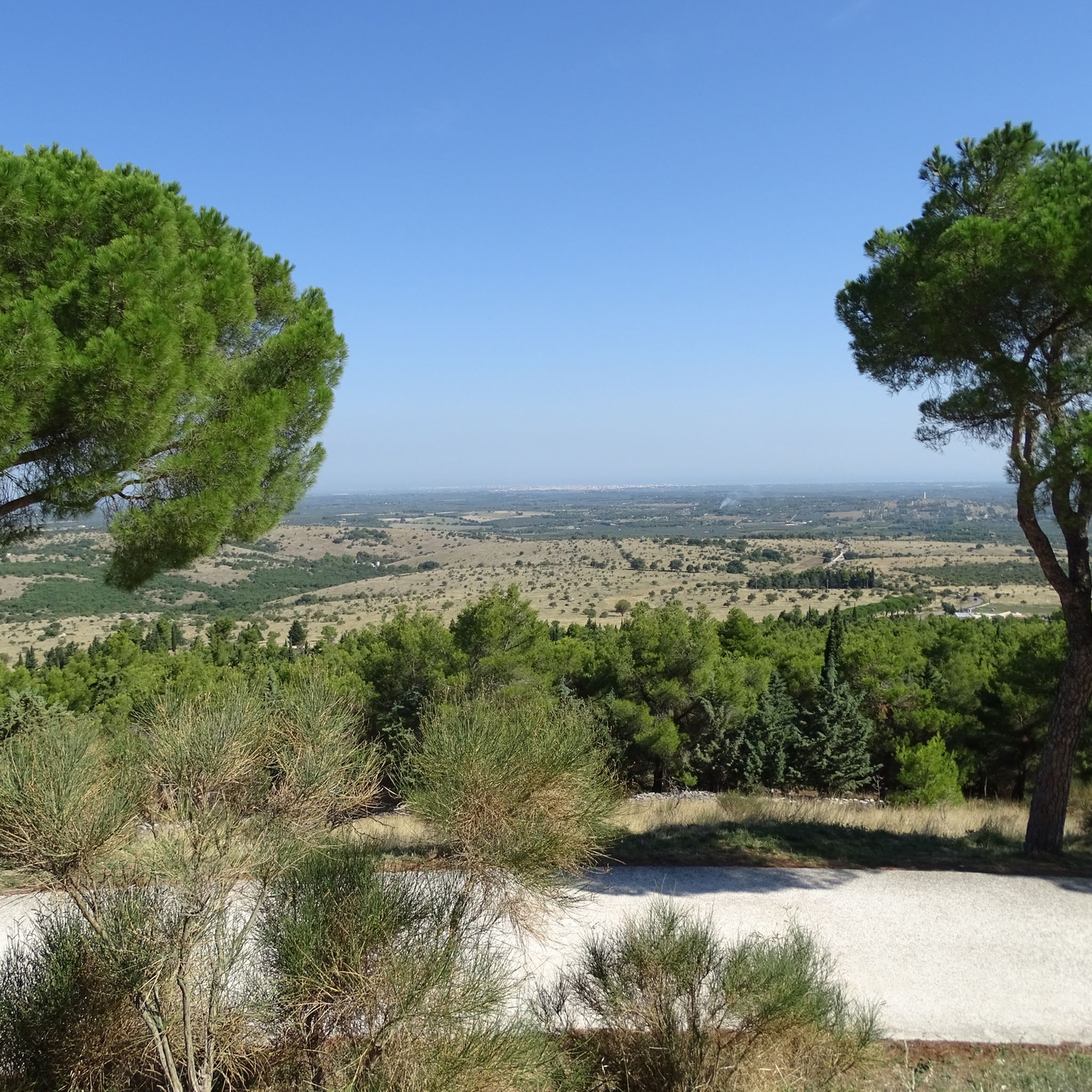
- The most popular natural monuments is Scoparella Forest, a forest mainly composed of downy oak. It is part…
Last updated: May 15, 2026
Scoparella Forest
Highlight • Forest
It takes its name from the presence of brooms, a plant …
Translated by Google •
Tip by

Archaeological Park of Canne della Battaglia
Highlight • Historical Site
Translated by Google •
Tip by

Sign up now to discover places like this
Get recommendations on the best single tracks, peaks, & plenty of other exciting outdoor places.
Sign up for free
Bauxite Mines of Spinazzola
Highlight • Natural Monument
Translated by Google •
Tip by
Grotta del Finestrino
Highlight • Cave
Translated by Google •
Tip by

Bauxite Quarry
Highlight • Structure
Translated by Google •
Tip by
Sign up for free to discover even more natural monuments around Andria.
Sign up for free
Already have an account?
Start today with a free account
Your next adventure awaits.
Login or Signup

Tips from the Community

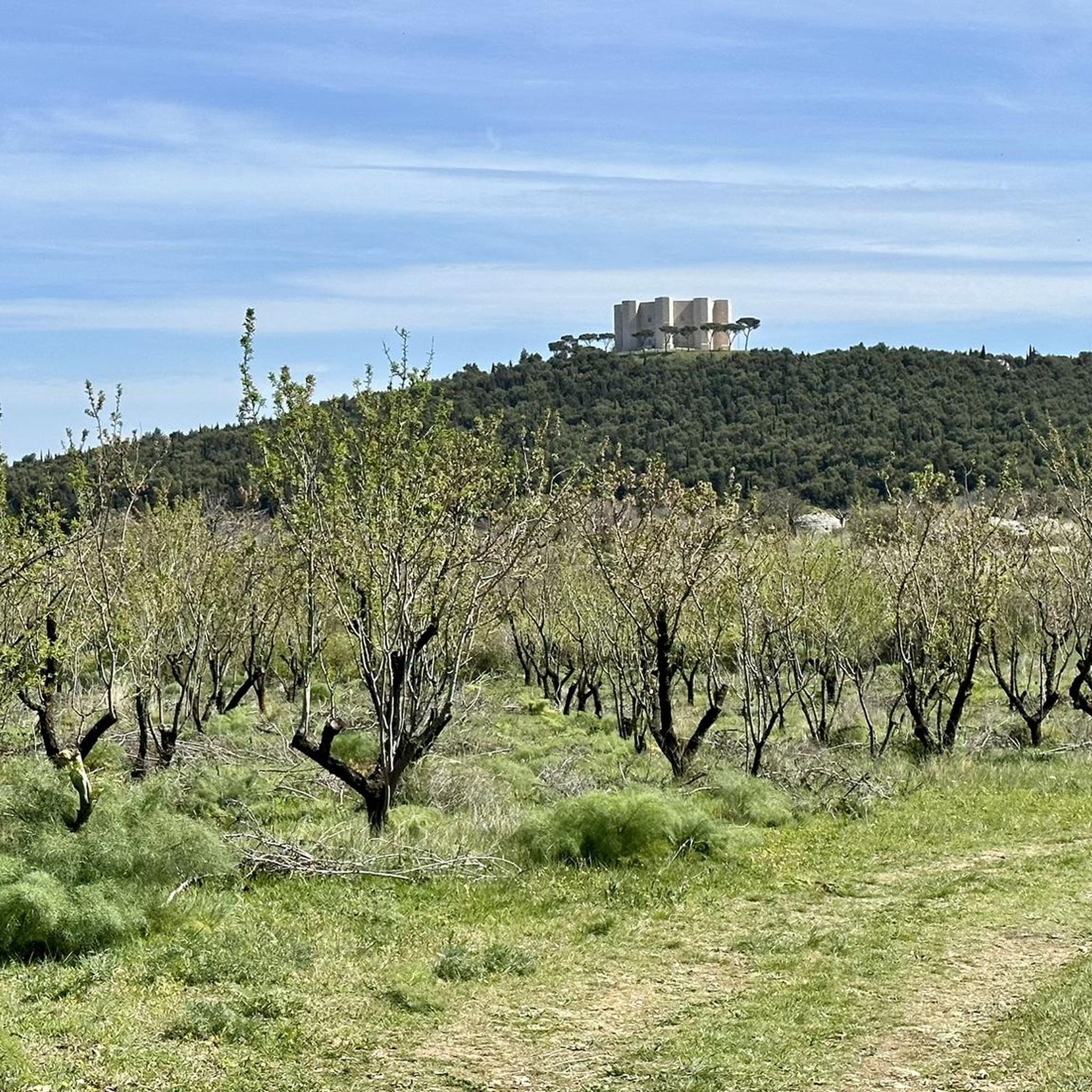
The site of Canne della Battaglia is mainly remembered for the decisive battle of 216 BC, fought between the Romans and Carthaginians during the Second Punic War. The hilly reliefs overlooking the Ofanto valley have been inhabited since the Neolithic period and continuously until the 3rd century BC, most likely in conjunction with the epic clash that disrupted the settlement patterns of the entire area. In Roman times, it is recalled in the sources as the emporium of Canusium, in whose shadow it lived until the latter's abandonment in the second half of the 9th century. From this moment, Canne began its most important historical phase, linked to the stabilization of Byzantine power in Puglia. Thanks to its strategic position, the Cannese village, likely built on a pre-existing Roman structure and known today as the 'Cittadella', was re-occupied from the late antique period and consolidated in the following centuries, around two main centers, the basilicas and the castle, also thanks to the establishment of a diocese, led, in the early 12th century, by Ruggero, the current patron saint of Barletta. The antiquarium annexed to the archaeological park was created in the late 1950s for the valorization and conservation of artifacts from excavations conducted in the area, starting from the Ventennio, a period of frenetic exaltation of Roman grandeur. Today's exhibition favors the narration of events related to the Second Punic War and the great battle that represented a trauma for the surrounding territory and for the indomitable Roman army. However, according to the current state of research, no archaeological documentation referring to the clash of 216 BC has yet been found, nor can the reconstruction of the landscape on these hills, as described by historical sources, particularly Livy and Polybius, be considered plausible. Rather, the site of Canne, in addition to being located in an area of great landscape and natural value, constitutes, to this day, one of the most interesting examples of abandoned medieval settlements in Italy.
0
0

Cave with an opening through which you can see outside (window)
0
0

216 BC. Museum, ruins of the old city built on the site of the Carthaginian camp. Entrance to the museum is 6 euros. You can lock your bike nearby.
0
0

Impressive archaeological site, great history. Unfortunately I didn't read it carefully, unfortunately closed today.
3
0

The Antiquarium, located at the foot of the fortified citadel and the Archaeological Park, with the remains of the ancient Daunian settlement and the structures from the Roman, early Christian and medieval eras, today offer visitors a complex and fascinating itinerary.
1
0
We are located between the cities of Canosa and Barletta, the site is located on a hill overlooking the right bank of the Ofanto river.
1
0
The museum and the archaeological park are located in an area of great landscape and naturalistic value and are included in the Ofanto Regional Natural Park.
0
0

The city of Canne has very ancient origins. The area was highly populated since the 5th-6th millennium BC. as evidenced by some tools found in the area. The Roman city arose between the 6th and 4th centuries BC. as a simple village and here in 216 BC. the famous battle of Cannae took place which marked a harsh defeat for the Romans at the hands of Hannibal's army, which, although numerically inferior, managed to prevail thanks to a tactical expedient known as the pincer maneuver. With the fall of the Western Roman Empire, a period of decline also began for Cannae. It was destroyed by Totila's Ostrogothic troops and after a slow recovery the city flourished again in the shadow of Canosa until the destruction of the latter by the Saracens in 872. The city was the scene of many important battles and had its period of maximum flowering under Byzantine domination until 1083 when it passed under the dominion of the Normans and was destroyed again and was never able to recover.
1
0
Frequently Asked Questions
What types of natural monuments can I explore around Andria?
The region around Andria, particularly within the Alta Murgia National Park, offers a diverse range of natural monuments. You can explore impressive karst landscapes like the Pulo di Altamura, ancient woodlands such as Bosco Finizio and Scoparella Forest, and unique geological formations like the Bauxite Mines of Spinazzola. There are also significant caves like Grotta del Finestrino and the Lama Balice Nature Park, which features a distinctive 'lama' or karst valley.
Are there any natural monuments with historical significance near Andria?
Yes, several natural monuments in the area also boast rich historical significance. The Pulo di Altamura, for instance, contains caves inhabited by prehistoric humans, including ancestors of the Altamura Man. Grotta del Finestrino includes a Neolithic deposit. Additionally, the Archaeological Site of Cannae, where the Battle of Cannae took place, features archaeological remains of great interest within a natural setting.
What are some popular natural monuments recommended by the komoot community?
The komoot community highly appreciates the Scoparella Forest, a beautiful downy oak forest with a rich undergrowth. Another favorite is Grotta del Finestrino, a cave with historical significance. Visitors also enjoy the Archaeological Site of Cannae for its historical depth.
What outdoor activities can I do near these natural monuments?
The natural monuments around Andria offer various outdoor activities. You can enjoy hiking along the perimeter of the Pulo di Altamura, explore trails in Bosco Finizio and Scoparella Forest, or cycle through the Lama Balice Nature Park. For more structured routes, there are numerous options for road cycling, gravel biking, and mountain biking that pass through or near these natural sites.
Are there family-friendly natural monuments around Andria?
Yes, several natural monuments are suitable for families. Bosco Finizio, with its tranquil environment and recreational opportunities, is ideal for excursions and walking. The Lama Balice Nature Park also offers well-suited trails for hiking and cycling, making it a great option for families to explore nature and history together.
Can I bring my dog to the natural monuments in the Alta Murgia National Park?
Many areas within the Alta Murgia National Park, including woodlands like Bosco Finizio and Scoparella Forest, are generally dog-friendly. However, it's always advisable to keep dogs on a leash to protect local wildlife and ensure a pleasant experience for all visitors. Specific rules may apply to certain archaeological or protected sites, so check local signage.
What is the best time of year to visit the natural monuments around Andria?
The spring and autumn months are generally the best times to visit the natural monuments around Andria. The weather is milder, making outdoor activities like hiking and cycling more enjoyable. Spring brings blooming wildflowers, while autumn offers beautiful colors in the woodlands. Summers can be very hot, and some areas might have limited shade.
Are there any unique geological features to see, like the Bauxite Mines?
Yes, the region features unique geological sites such as the Bauxite Mines of Spinazzola and the Bauxite Quarry. These former mining sites offer a distinctive landscape, with reddish earth and unique rock formations, providing an interesting contrast to the natural karst and woodland areas. They are also popular for hiking.
What kind of wildlife can I spot in these natural areas?
The natural monuments around Andria are rich in biodiversity. In the Pulo di Altamura, you might spot common ravens nesting on the cliffs. Bosco Finizio and Lama Balice Nature Park host typical Mediterranean scrub habitats and various protected animal species. Lama Balice, in particular, is home to foxes, hedgehogs, and numerous bird species like moorhens, black-winged stilts, owls, kingfishers, and mallards.
How can I reach the Alta Murgia National Park and its natural monuments from Andria?
While public transport options to specific natural monuments within the vast Alta Murgia National Park can be limited, driving is often the most convenient way to access many sites. Some areas, like the Pulo di Altamura, are located a short distance from towns like Altamura. For specific trailheads or remote sites, a car is recommended. Parking is generally available near popular access points.
Are there any 'silent countryside zones' for a tranquil experience?
Yes, Bosco Finizio is designated as a 'silent countryside zone.' This means it offers a tranquil, regenerative environment specifically designed to preserve natural soundscapes away from urban noise. It's an ideal spot for those seeking peace and quiet amidst nature, promoting well-being and a deeper connection with the natural surroundings.
What is the Lama Balice Nature Park known for?
The Lama Balice Nature Park is known for its unique 'lama,' a gently incised U-shaped karst valley formed by an ancient stream. Beyond its geological significance, it's a diverse ecosystem with a wide array of plant species, including carob trees and wild orchids, and various fauna. It also holds evidence of prehistoric settlements and serves as a center for recreation and culture with trails for hiking and cycling.
Most popular attractions around Andria

Get inspired with the komoot mobile app


Explore more
Extend your search for the best caves by checking out these guides of the top ones around Andria:
