Top 8 Natural Monuments around Giovinazzo
Natural monuments near Giovinazzo Italy offer a blend of historical significance and natural beauty along the Adriatic coastline. This coastal town in Puglia features a landscape characterized by ancient olive groves, rocky and pebbled beaches, and significant megalithic structures. The area provides diverse natural features, from scenic coastal views to ancient historical sites set within natural surroundings.
Best natural monuments around Giovinazzo
- The most popular natural monuments is Antignano Olive Tree, a natural monument that is a large centuries-old…
Last updated: May 15, 2026
Antignano Olive Tree
Highlight • Natural Monument
Translated by Google •
Tip by

Dolmen of San Silvestro
Highlight • Historical Site
Tip by
Sign up now to discover places like this
Get recommendations on the best single tracks, peaks, & plenty of other exciting outdoor places.
Sign up for free
Dolmen Frisari
Highlight • Historical Site
It can be …
Translated by Google •
Tip by

Cave of the Crucifix
Highlight • Cave
Translated by Google •
Tip by

Bitonto Municipal Forest
Highlight • Forest
Translated by Google •
Tip by
Sign up for free to discover even more natural monuments around Giovinazzo.
Sign up for free
Already have an account?
Start today with a free account
Your next adventure awaits.
Login or Signup

Tips from the Community

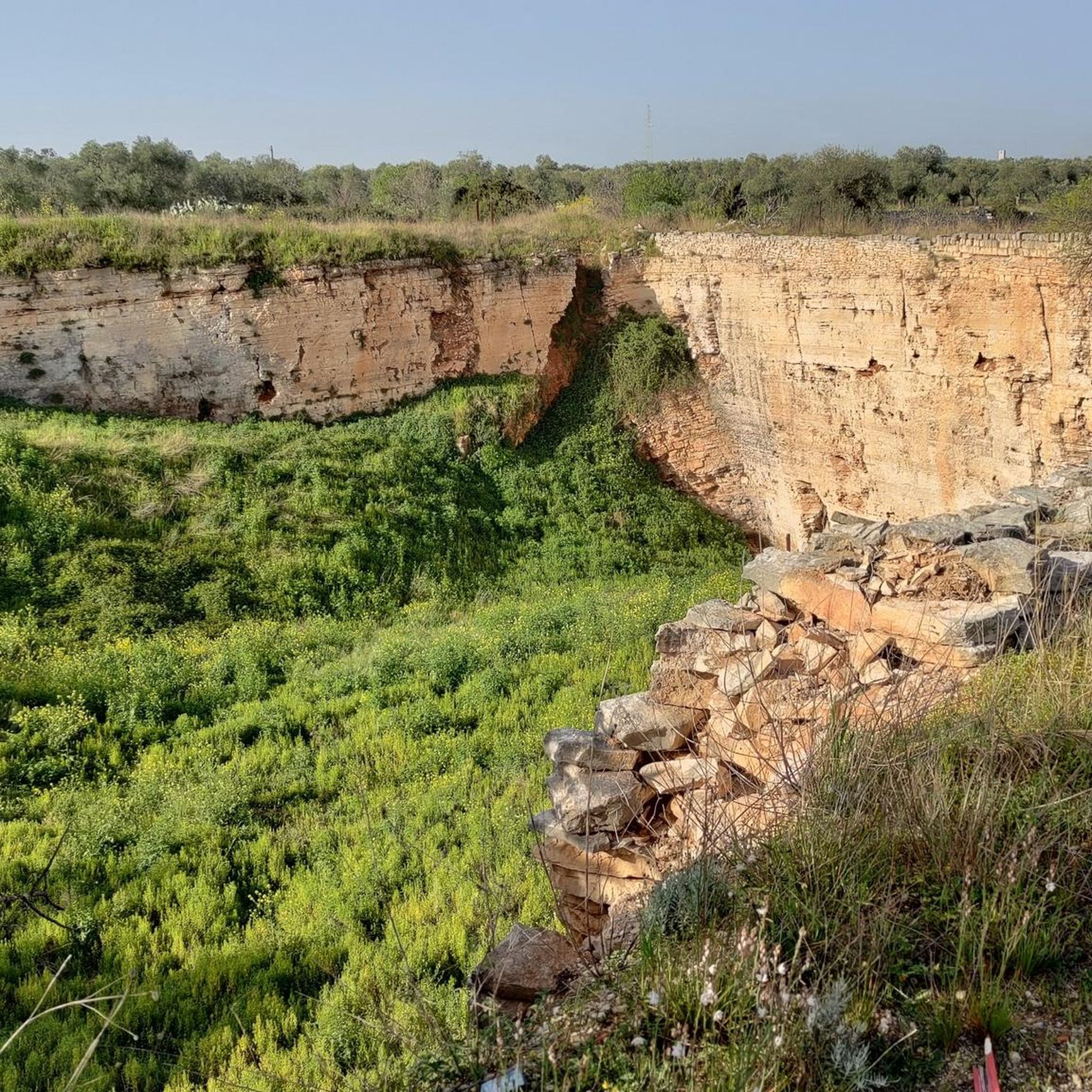
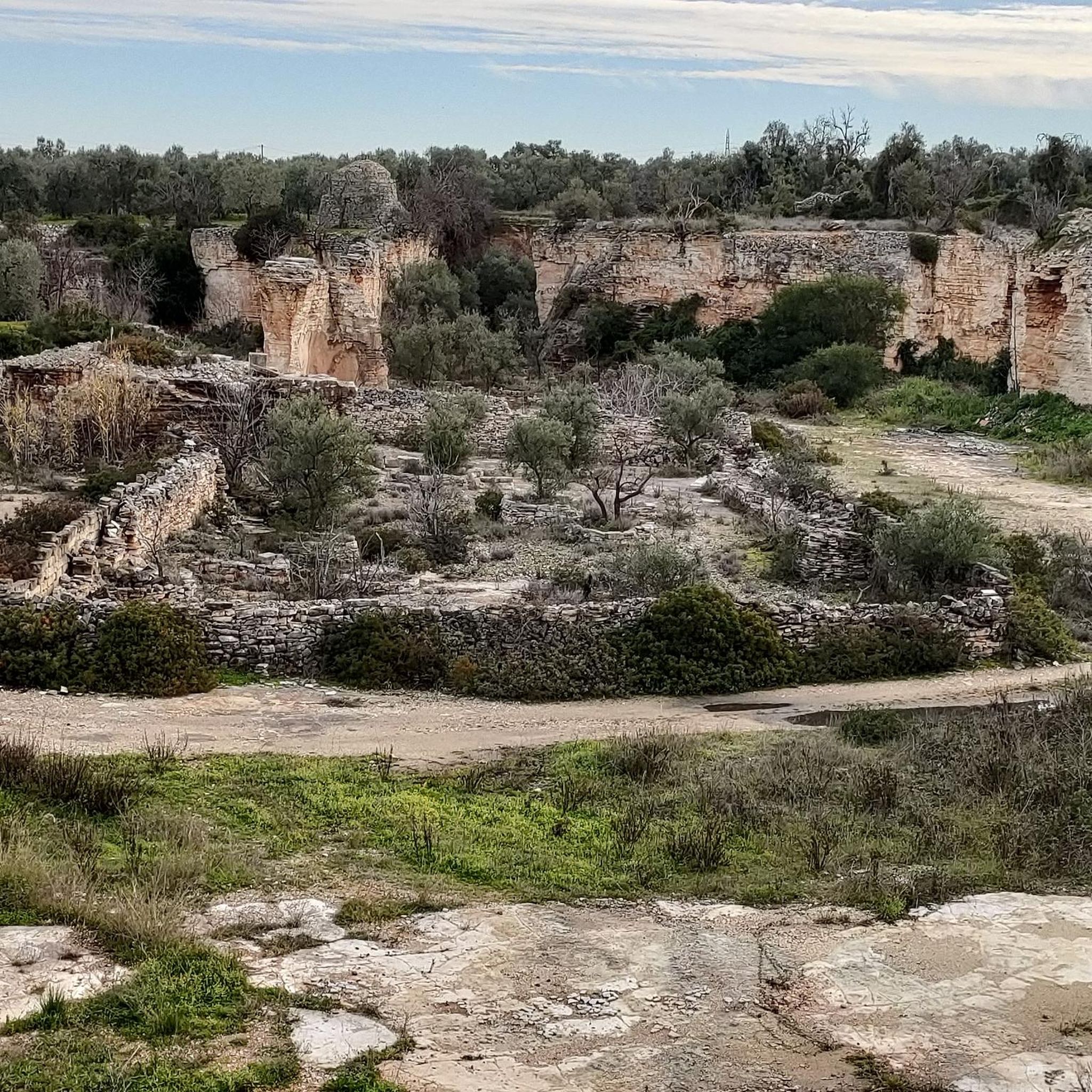
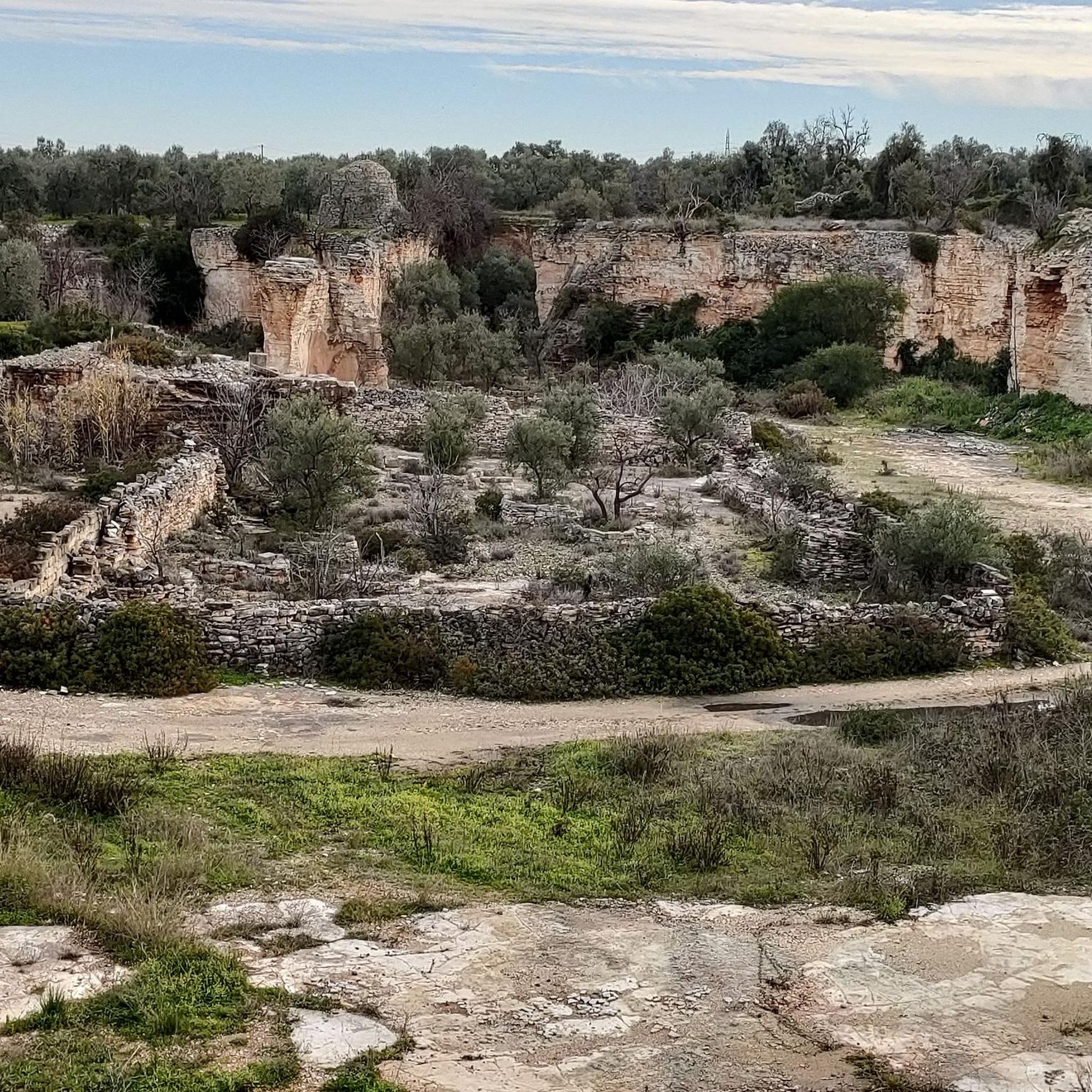
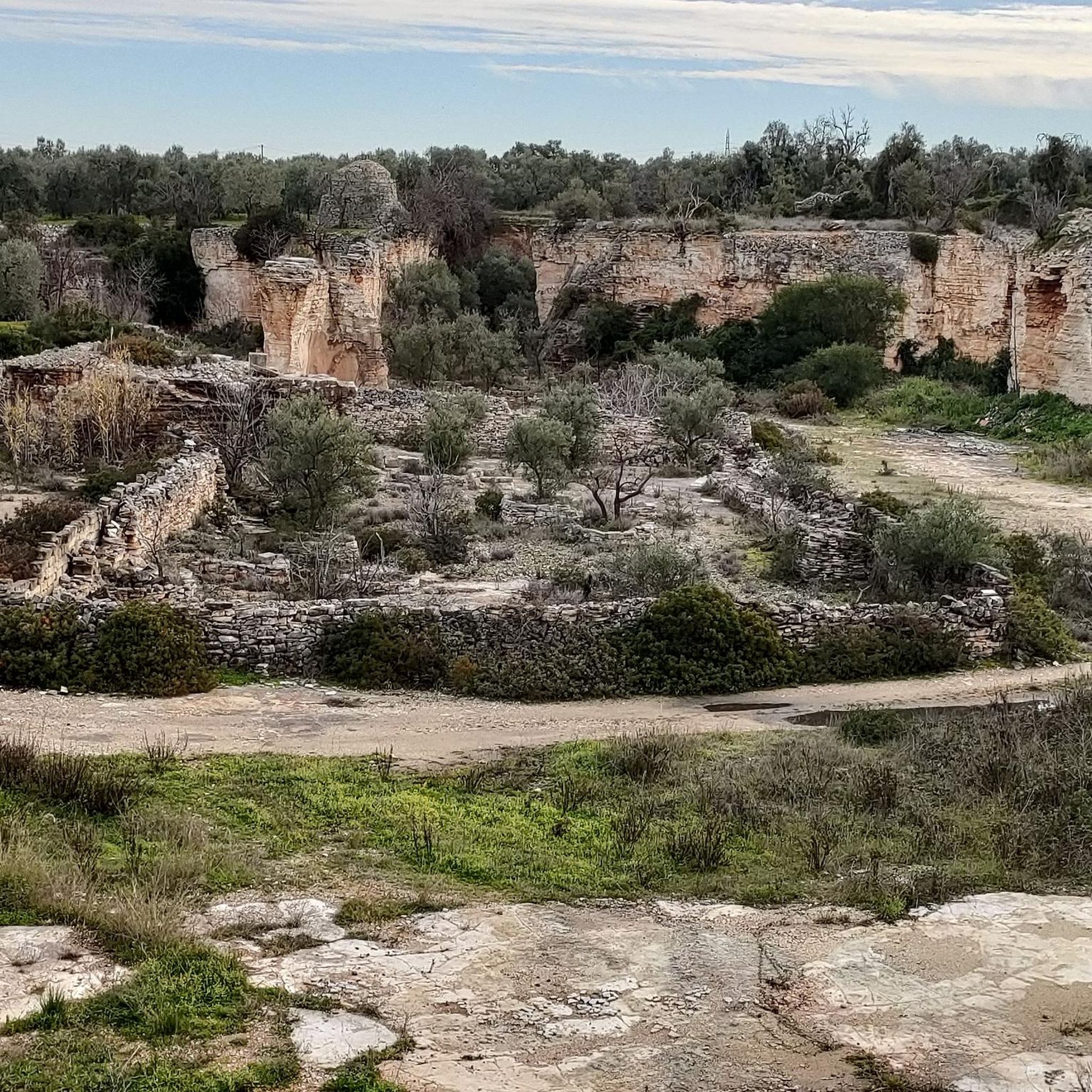
Impressive megalithic structure from the Middle Bronze Age (16th and 15th century BC), explored at the beginning of the 20th century, in the area surrounding the homonymous Frisari farmhouse. Unfortunately, the monument, which is very reminiscent of the more famous Dolmen della Chianca, is not in a good state of conservation.
0
0

It is accessed by taking the Giovinazzo – Terlizzi provincial road (SP 107) and passing the motorway overpass, continuing until you find the complex on the left.
0
0

Large Dolmen from the Bronze age in the beautiful olive groves of Bisceglie
0
0

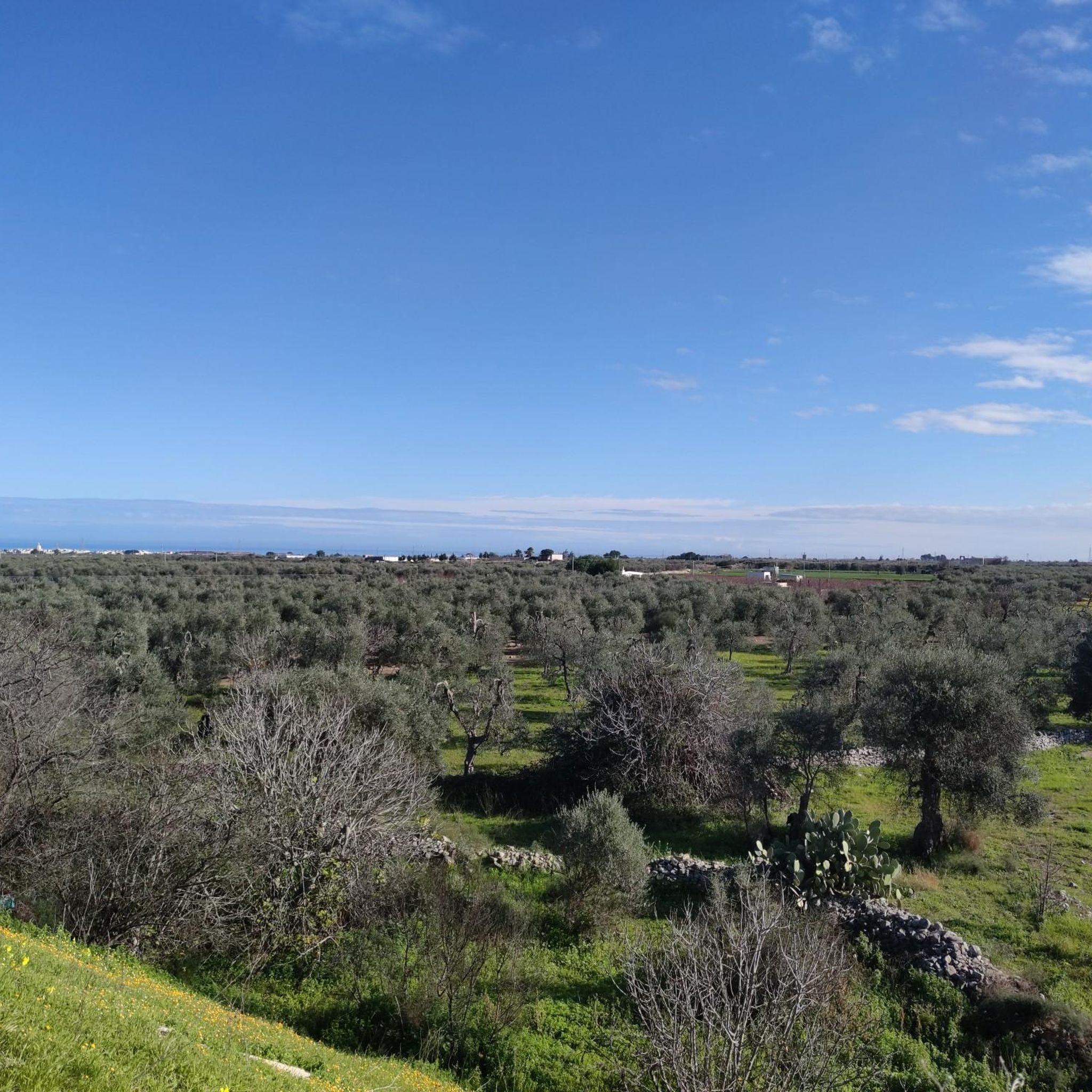
Majestic tree, known as the Antignano olive tree, which is located close to the road. Unfortunately not signposted and could be better maintained
1
1

According to a legend , the tree owes its name to a district of Naples, Antignano, where centuries ago a pilgrimage took place in honor of the Risen Christ. Right here a priest took a small blessed olive tree, brought it to Molfetta and planted it on his property, where it still stands today.
1
0
The megalith was discovered in 1909 by the archaeologist Michele Gervasio, in the same period in which the archaeological investigations of the other two dolmens near it took place: the Dolmen della Chianca and the Dolmen of Albarosa. At the time of discovery it was half-destroyed due to human interventions and time.
2
0

The Frisari dolmen is a prehistoric megalithic monument, dating back to the Bronze Age, located in the territory of Bisceglie in Puglia, 100 m above sea level. It can be reached by traveling for about 4.5 km towards Ruvo di Puglia the S.P. 86 Bisceglie - Ruvo di Puglia and taking a rural road on the left that leads, in the direction of Lama d'Aglio, to the megalith. Compared to the other dolmens present in the countryside of Bisceglie, it is located just over 3 km from the Dolmen della Chianca and about 2.5 km from the Dolmen of Albarosa.
2
0
Frequently Asked Questions
What types of natural monuments can I explore around Giovinazzo?
Giovinazzo offers a diverse range of natural monuments. You can find ancient, monumental trees like the Antignano Olive Tree, which has stood for centuries. The area is also rich in prehistoric megalithic structures, such as the Dolmen of San Silvestro and Dolmen Frisari. Additionally, there are unique geological features like the hidden Cave of the Crucifix and expansive natural areas like the Bitonto Municipal Forest.
Are there any family-friendly natural monuments near Giovinazzo?
Yes, several natural monuments are suitable for families. The Antignano Olive Tree is a magnificent, centuries-old tree that's easy to visit. The Dolmen of San Silvestro, an ancient Bronze Age tomb, is also considered family-friendly, offering a blend of history and natural surroundings.
What historical natural monuments can I visit in the Giovinazzo area?
The region is notable for its ancient megalithic structures. The Dolmen of San Silvestro is a well-preserved Bronze Age collective tomb, dating back approximately 4000 years. Another significant site is Dolmen Frisari, a prehistoric monument discovered in 1909, offering insights into the region's ancient past.
What kind of natural features define the Giovinazzo coastline?
Giovinazzo's coastline is characterized by a mix of rocky and pebbled beaches with clear waters, often described as 'wild.' The Lungomare Marina Italiana offers scenic views along rugged cliffs. Further north, the area around Torre Calderina features cliffs, expansive pebble beaches, and freshwater springs, all within a birdlife protected area.
What outdoor activities can I do near these natural monuments?
The area around Giovinazzo offers various outdoor activities. You can find numerous road cycling routes, including an easy 29 km loop from Giovinazzo to Torre Rufolo and the Dolmen of San Silvestro. For running, there are moderate trails like the 11 km Piramidi – cappella loop. Gravel biking is also popular, with challenging routes such as the 64 km Antignano Olive Tree – Jazzo del Demonio loop from Molfetta. You can find more details on these activities in the Road Cycling Routes around Giovinazzo, Running Trails around Giovinazzo, and Gravel biking around Giovinazzo guides.
Are there any caves or unique geological sites to explore?
Yes, the Cave of the Crucifix is a notable natural cavity. It's a hidden cave located under imposing carob trees, carved into the limestone by water over millennia, reaching a depth of 9 meters. It offers a challenging exploration experience.
What is the best time to visit the natural monuments around Giovinazzo?
The Giovinazzo area, with its coastal features and ancient sites, is pleasant to visit during spring and autumn when temperatures are milder. Summer is popular for enjoying the clear waters of the Adriatic coastline, but can be quite warm. Visiting during these shoulder seasons allows for comfortable exploration of both the historical monuments and natural landscapes.
Can I find any forests or green spaces near Giovinazzo?
Yes, the Bitonto Municipal Forest is a significant green space in the vicinity. It is part of the Alta Murgia Park, offering a natural environment for those looking to experience woodlands near Giovinazzo.
What makes the Antignano Olive Tree special?
The Antignano Olive Tree is a truly majestic, centuries-old olive tree located in the countryside near Molfetta. Standing 7 meters high with a diameter of about 600 cm, its presence has been attested since the 17th century. A local legend also surrounds its origins, adding to its unique charm and historical significance.
What should I wear when visiting natural monuments in Giovinazzo during spring?
During spring, the weather in Giovinazzo is generally mild and pleasant. It's advisable to wear comfortable walking shoes, as many sites involve uneven terrain or short walks. Layers are also recommended, as temperatures can vary throughout the day, especially if you're exploring coastal areas or shaded historical sites.
Are there any less crowded natural attractions around Giovinazzo?
While popular sites can attract visitors, exploring areas slightly off the main path can offer a quieter experience. The surroundings of Torre Calderina, north of Giovinazzo, offer a birdlife protected area with cliffs and pebble beaches that are often less crowded than central town areas. The Cave of the Crucifix, being hidden and challenging to access, also tends to be a less frequented spot.
Most popular routes around Giovinazzo
Most popular attractions around Giovinazzo

Get inspired with the komoot mobile app


Explore more
Extend your search for the best caves by checking out these guides of the top ones around Giovinazzo:
