Top 16 Natural Monuments around Cisternino
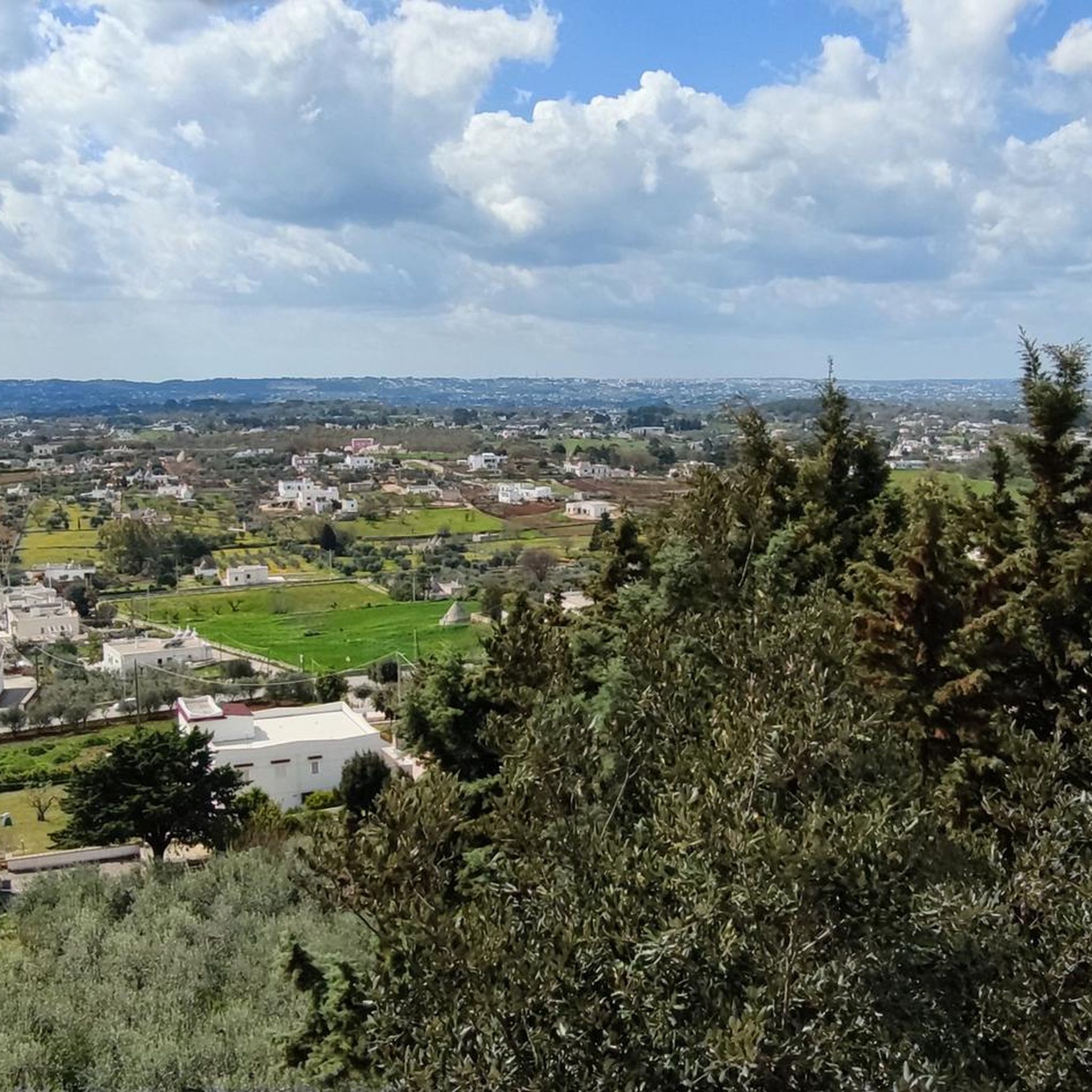
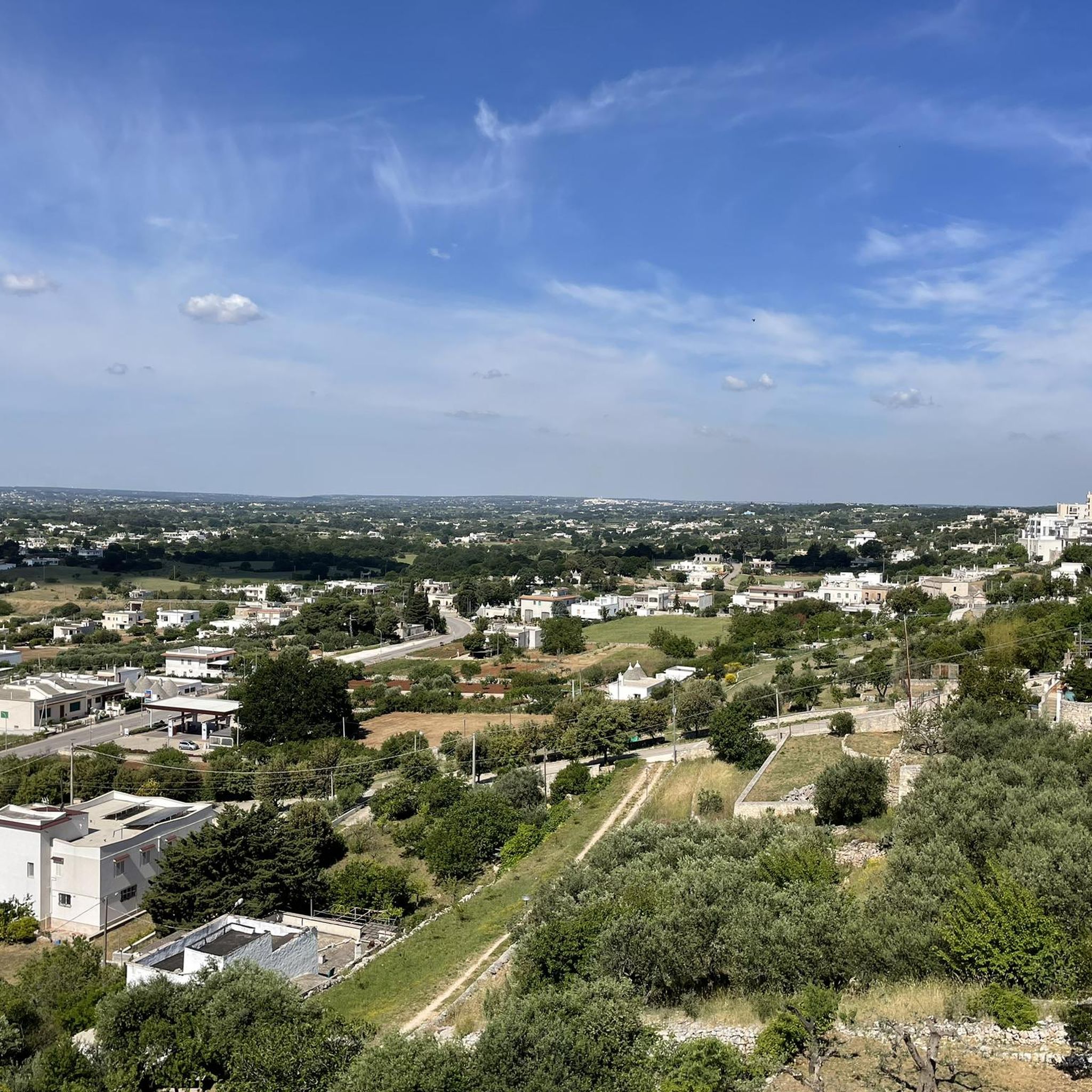
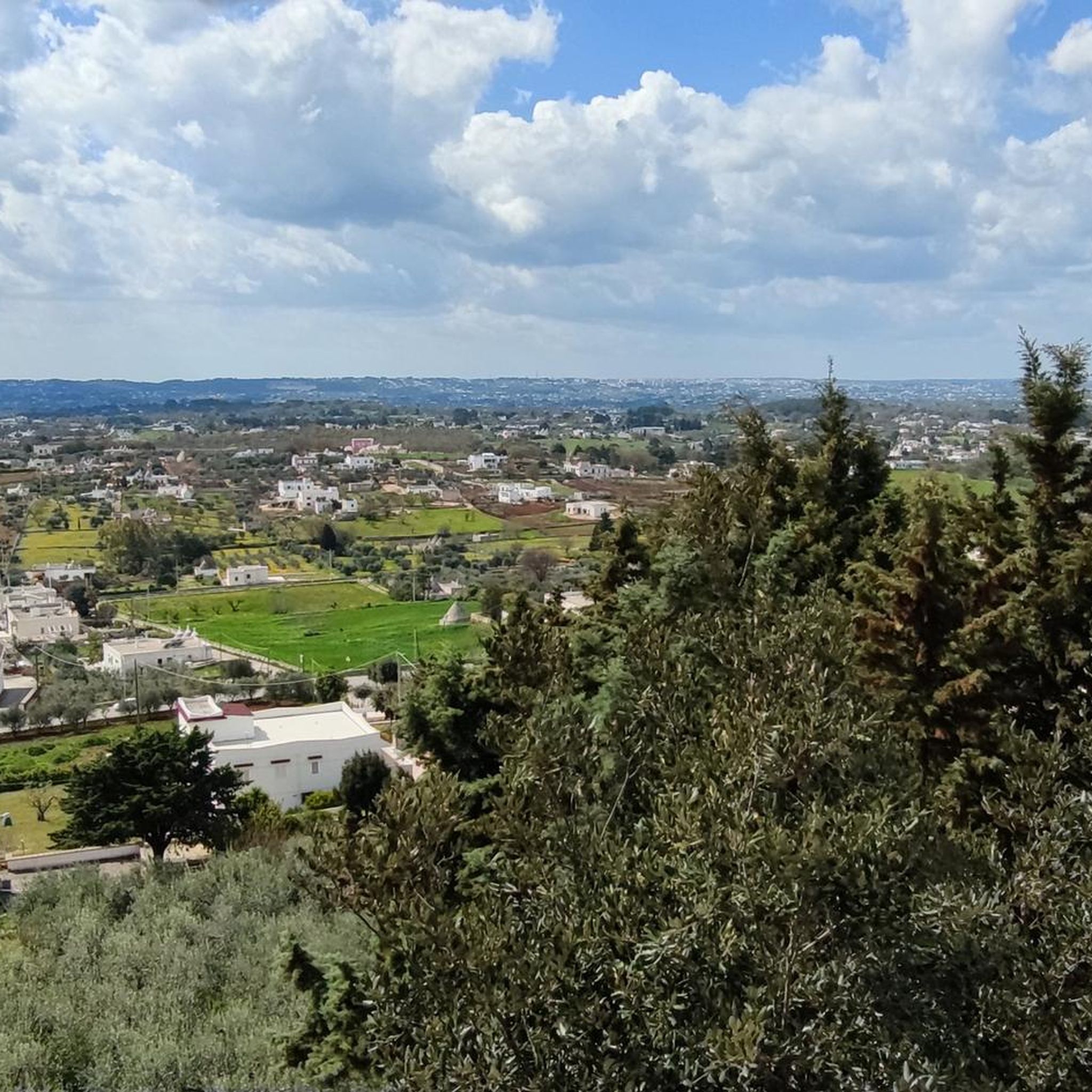
Best natural monuments around Cisternino are found within the Itria Valley, a region characterized by rolling hills, ancient olive groves, and vineyards. Cisternino, situated at almost 400 meters above sea level, offers panoramic views of this landscape. The area combines natural beauty with unique historical structures and diverse ecosystems. This blend provides a variety of natural features for exploration.
Best natural monuments around Cisternino
- The most popular natural monuments is Rock Church Sanctuary of San Biagio, a religious building that is a rock church near Ostuni, founded in the 12th century by Basilian monks. This fascinating 12th-century sanctuary appears suddenly, perfectly nestled in the rocky ridge.
- Another must-see spot is Montalbano Dolmen, a man-made monument. This megalithic structure in the locality of Pisco Marano consists of two lateral limestone slabs that support a covering table, probably from the early Bronze Age.
- Visitors also love Santa Maria di Agnano Archaeological Park, an historical site. This 13-hectare area near Ostuni features a cave used for female rituals and cults for 30,000 years, where two Paleolithic burials, including the famous woman of Ostuni, have been discovered.
- Cisternino is known for its ancient rock formations, historical sites, and diverse natural areas. Visitors can explore a variety of natural monuments, from ancient megalithic structures to protected natural reserves and extensive woods.
- The natural monuments around Cisternino are appreciated by the komoot community, with 72 upvotes and 88 photos shared.
Last updated: June 28, 2026
Rock Church Sanctuary of San Biagio
Highlight • Religious Site
Translated by Google •
Tip by

Montalbano Dolmen
Highlight • Monument
The Montalbano di Fasano area is crossed by numerous torrential incisions, called lame. Along one of these temporary watercourses, in the locality of Pisco Marano, stands one of the most significant testimonies of the megalithic civilization: the dolmen of Montalbano, a structure consisting of two lateral limestone slabs that support a covering table.
Translated by Google •
Tip by

Sign up now to discover places like this
Get recommendations on the best single tracks, peaks, & plenty of other exciting outdoor places.
Sign up for free
Santa Maria di Agnano Archaeological Park
Highlight • Historical Site
Translated by Google •
Tip by

Centuries-old oaks
Highlight • Natural Monument
In the Italian peninsula it survives only here in the south-eastern karst plateau of the Murge, where not very large oases bear witness to a much more luxuriant past, when the fragneto certainly covered the entire Apulian Murgia.
The fragno (Quercus trojana Webb) is an oak whose specimens can reach a height of 15/20 meters, with a cylindrical trunk that branches only at three to five meters of height and is covered with a bark that is initially smooth and then very fissured and wrinkled.
Translated by Google •
Tip by

The Gardens of Pomona
Highlight • Natural
The ten hectares of the Conservatory, conducted organically, combine the conservation of nature with low-impact tourist hospitality, in a landscape of great charm.
A thousand different varieties of fruit trees make up a historical botanical path of traditional and rare plants. An important collection is dedicated to the species Ficus carica (the fig) which, with its 560 varieties, is one of the most important in the Mediterranean basin
Translated by Google •
Tip by
Sign up for free to discover even more natural monuments around Cisternino.
Sign up for free
Already have an account?
Start today with a free account
Your next adventure awaits.
Login or Signup
Popular around Cisternino


Tips from the Community

The "Donna di Ostuni" is the 28,000-year-old skeleton of a Paleolithic woman, approximately 20 years old, found in the Santa Maria di Agnano cave near Ostuni. The "world's oldest human mother" died in late pregnancy, her fetus in the 8th or 9th month. The skeleton is on display at the Museum of Preclassic Civilizations of the Southern Murgia (Museo di Civiltà Preclassiche della Murgia Meridionale) in Ostuni.
0
0

The 12th century church of San Biagio in Rialbo opens onto a natural cave. It is best to reach it from the Strada dei Colli rather than from the valley if you are a beginner MTB rider.
1
0

The origins of the fragno are to be found in the Balkans. It is widespread in northern Greece, southern former Yugoslavia and Macedonia. In the Italian peninsula it survives only here in the south-eastern karst plateau of the Murge, where not very large oases bear witness to a much more luxuriant past, when the fragneto certainly covered the entire Apulian Murgia. The fragno (Quercus trojana Webb) is an oak whose specimens can reach a height of 15/20 meters, with a cylindrical trunk that branches only at three to five meters of height and is covered with a bark that is initially smooth and then very fissured and wrinkled.
0
0

The Sanctuary of San Biagio in Ostuni is located in one of the most beautiful natural contexts in the province of Brindisi. Whether you reach the church from the top of the hill or go up the hill from the plain, the route is immersed in lush nature and characterized by stone artefacts which, due to their form and functions, bear witness to settlements from various eras. On February 3, however, the day on which the Saint is celebrated, the pilgrims' route is usually the easiest for everyone. Arriving from the panoramic Strada dei Colli you will find a sign with the indication. The path to reach the site is equally beautiful because it immerses you in the typical Murgia nature, rich in pastures and Mediterranean scrub shrubs. Before going down to the church, here comes the boundless view of the Piana degli Ulivi centenaries, in the area occupied by the Parco delle Dune Costiere. From here, if the sky is clear, the Adriatic Sea appears an intense turquoise. At this point a narrow descent p
2
0

The Archaeological Park of Santa Maria di Agnano is an area of 13 hectares near Ostuni, where there is a cave used for female rituals and cults for 30,000 years. Two Paleolithic burials have been discovered here, including the famous woman of Ostuni, a pregnant woman from 27,000 years ago. In the Park there are also evidences of the Neolithic, the Bronze Age, the Messapians and the Christians.
0
0
The Sanctuary of S. Biagio is a rock church near Ostuni, founded in the 12th century by Basilian monks. It is dedicated to the first patron saint of the city, whom the faithful honor on February 3 with a procession. The church is in ruins but an atmospheric place to visit with the scenery along the path extending down to the sea.
3
0
The ten hectares of the Conservatory, conducted organically, combine the conservation of nature with low-impact tourist hospitality, in a landscape of great charm. A thousand different varieties of fruit trees make up a historical botanical path of traditional and rare plants. An important collection is dedicated to the species Ficus carica (the fig) which, with its 560 varieties, is one of the most important in the Mediterranean basin.
1
0

Over 1000 different species of ancient plants are preserved in the gardens
1
0
Frequently Asked Questions
What are some unique natural and historical sites to explore around Cisternino?
The area around Cisternino, nestled in the Itria Valley, offers a blend of natural beauty and historical significance. You can explore sites like the fascinating Rock Church Sanctuary of San Biagio, a 12th-century rock church near Ostuni, or the ancient Montalbano Dolmen, a megalithic structure from the early Bronze Age. Another significant spot is the Santa Maria di Agnano Archaeological Park, known for its cave used for ancient rituals and Paleolithic burials.
Are there family-friendly natural attractions near Cisternino?
Yes, several natural attractions are suitable for families. The Gardens of Pomona offer a unique botanical experience with over a thousand varieties of ancient fruit plants, making it an engaging visit for all ages. Additionally, exploring the areas with Centuries-old oaks provides a peaceful and accessible natural setting for family walks.
What kind of natural landscapes can I expect to see in the Itria Valley around Cisternino?
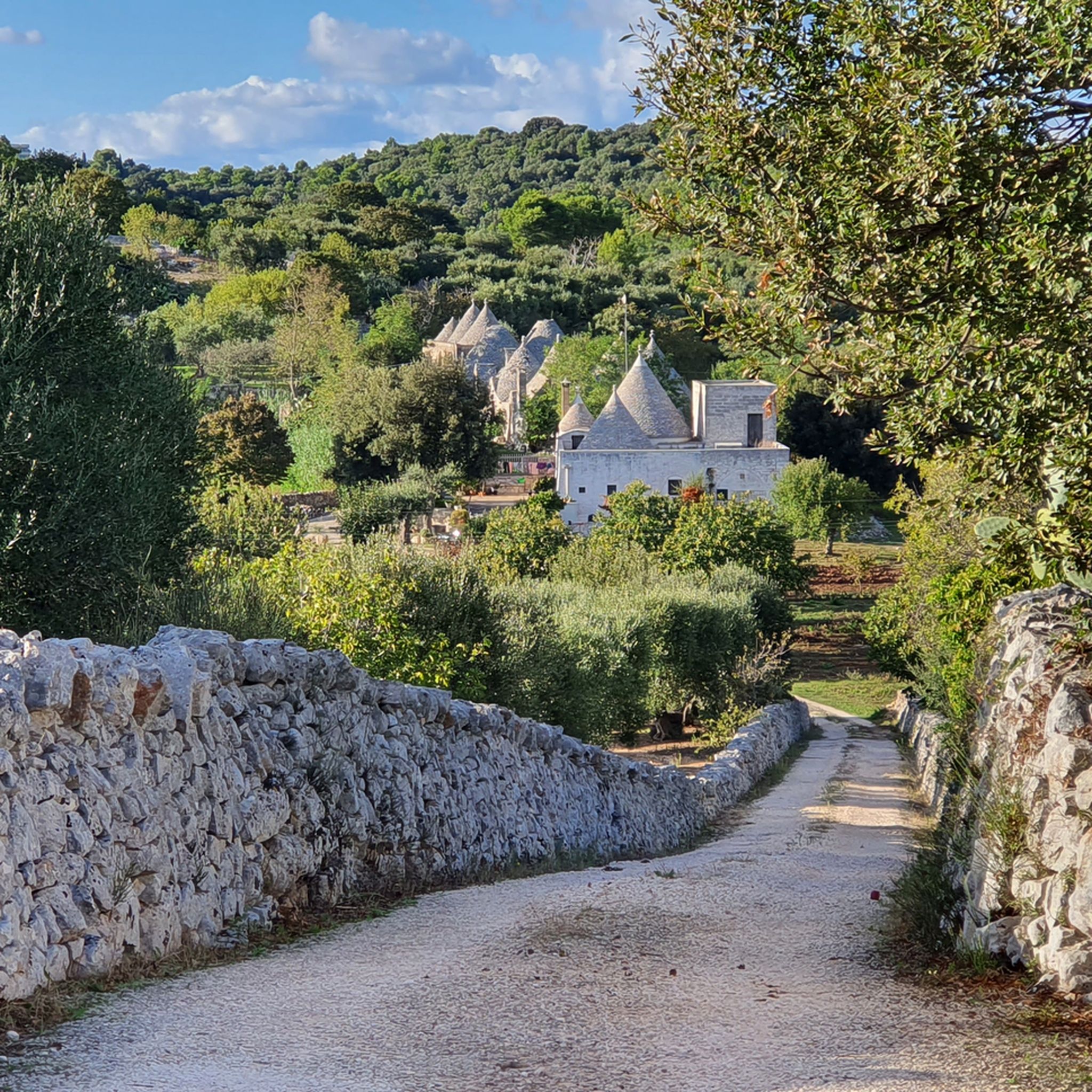
The Itria Valley is characterized by its picturesque rolling hills, vast ancient olive groves, and vineyards. You'll also encounter the iconic 'trulli' – unique, cone-shaped stone houses that are an integral part of the landscape. Cisternino itself, situated at almost 400 meters above sea level, provides panoramic views of this enchanting valley.
What outdoor activities can I do near these natural monuments?
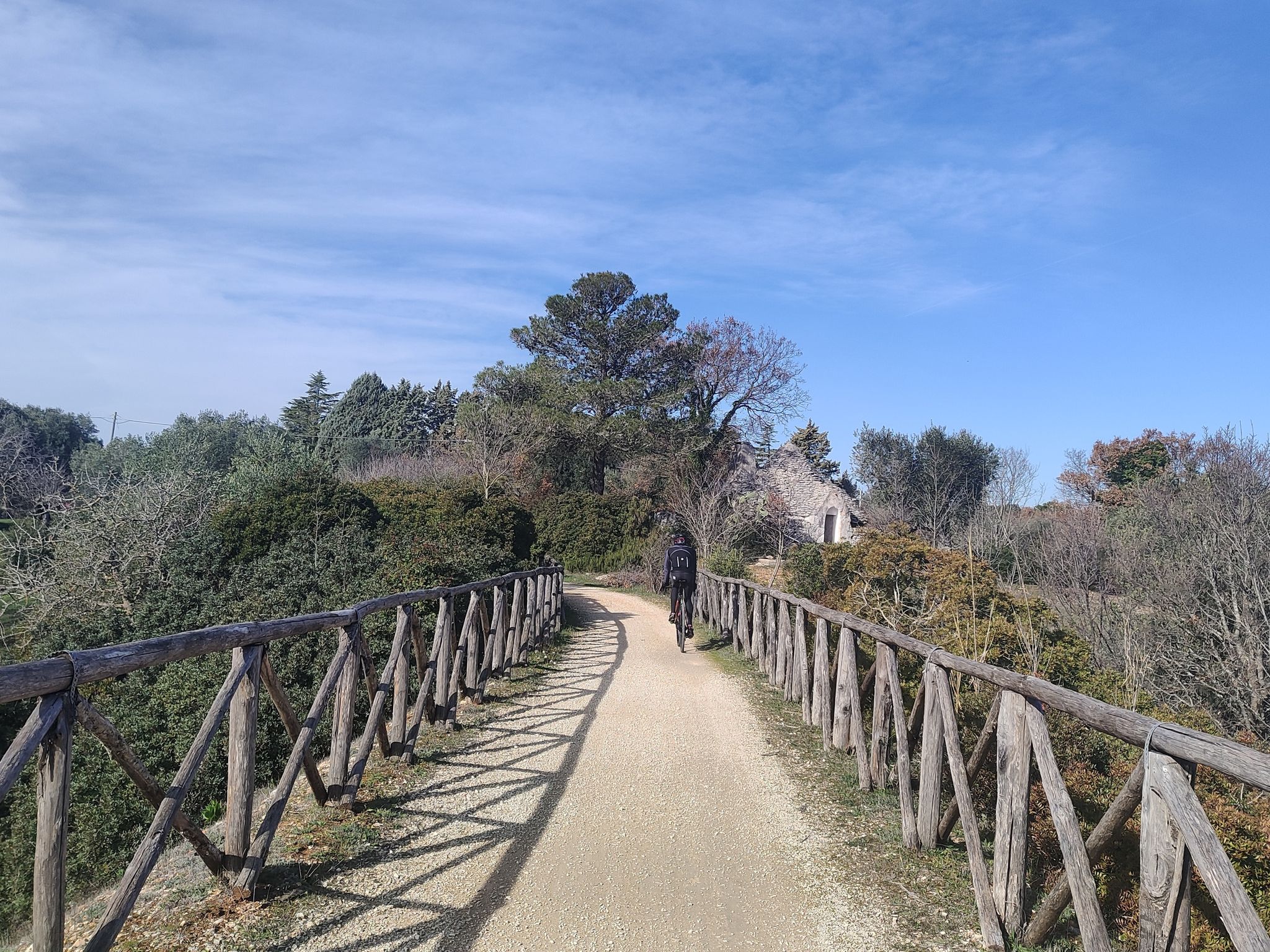
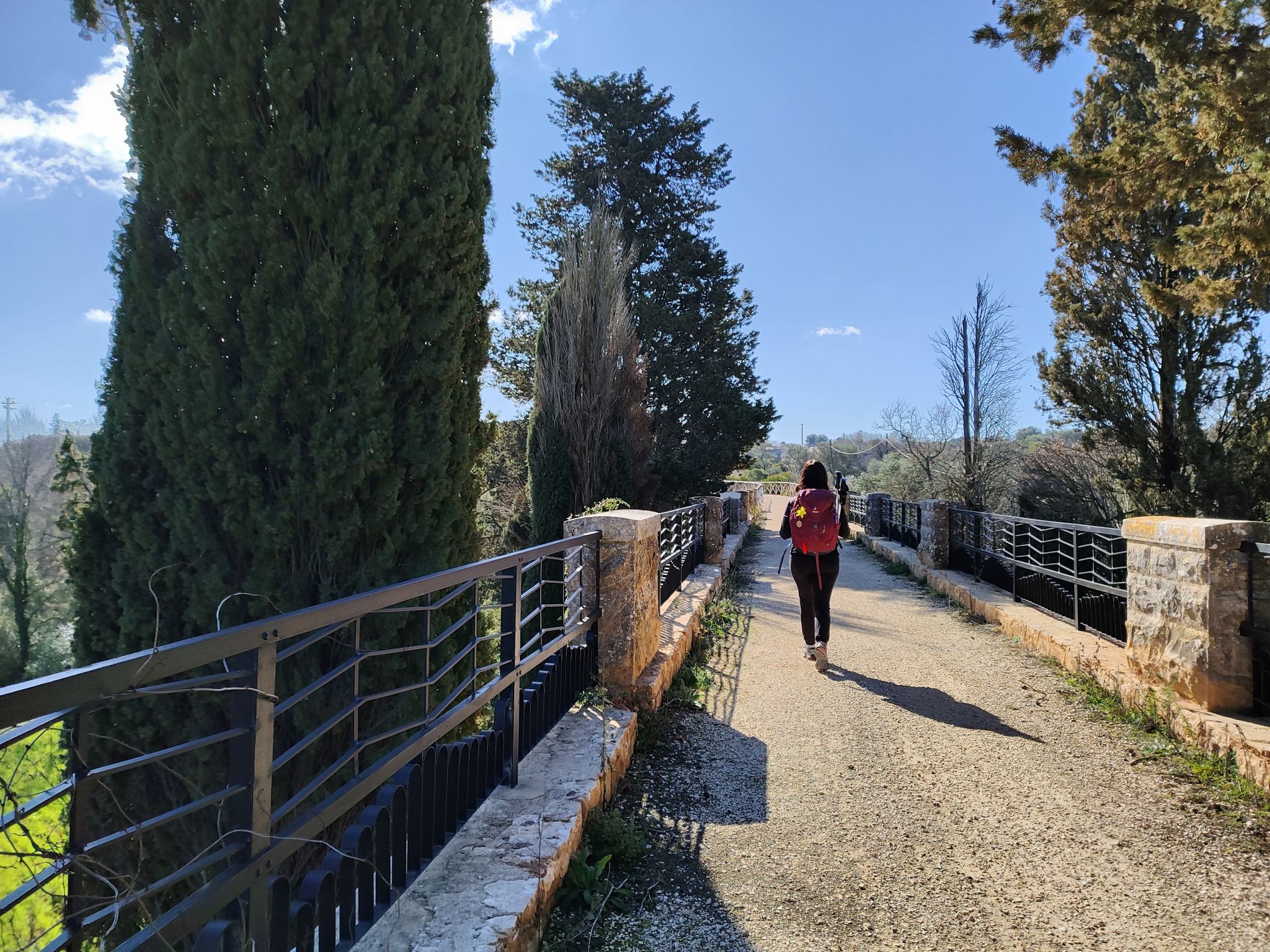
The region offers various outdoor activities. For cycling enthusiasts, the Apulian Aqueduct Cycle Path (Ciclovia dell'Acquedotto Pugliese) provides scenic routes through cultivated fields and past trulli. Hikers can explore numerous local woods and dedicated paths, with options ranging from easy to challenging. You can find more details on hiking routes around Cisternino and road cycling routes.
Are there any protected natural areas or reserves nearby?
Yes, a short drive from Cisternino is the Torre Guaceto Nature Reserve. This protected marine area boasts pristine beaches, crystal-clear waters, and diverse flora and fauna, making it excellent for activities like hiking, birdwatching, and snorkeling.
What is the best time of year to visit the natural monuments around Cisternino?
The spring (April-May) and autumn (September-October) months are generally ideal. During these periods, the weather is pleasant for outdoor activities like hiking and cycling, and the landscapes are vibrant. Summers can be hot, while winters are mild but some facilities might have reduced hours.
Are there any challenging trails or natural monuments for experienced adventurers?
The Rock Church Sanctuary of San Biagio is noted for its challenging approach, especially if you take the grass path, offering a rewarding experience for those seeking a more adventurous route to a historical site. The surrounding terrain of the Itria Valley also offers various intermediate to difficult hiking and cycling routes.
Can I find places for wildlife spotting near Cisternino?
The Torre Guaceto Nature Reserve is an excellent location for wildlife spotting, particularly for birdwatching, given its diverse ecosystems and protected status. The local woods and less-traveled paths around Cisternino also offer opportunities to observe local flora and fauna in their natural habitats.
What do visitors enjoy most about the natural monuments and areas around Cisternino?
Visitors frequently appreciate the harmonious blend of natural beauty with the region's rich cultural heritage. The panoramic views from Cisternino, the unique architecture of the trulli, and the serene atmosphere of the olive groves and vineyards are often highlighted. The historical depth of sites like the Rock Church Sanctuary and the Montalbano Dolmen also leaves a lasting impression.
Are there any natural viewpoints offering scenic vistas of the Itria Valley?
Cisternino itself, perched at almost 400 meters above sea level, offers spectacular panoramic views of the entire Itria Valley. Additionally, specific sections of the Apulian Aqueduct Cycle Path, such as the Ponte Figazzano and the Ponte Canale Galante, provide captivating perspectives of the cultivated fields and scattered trulli below.
Are there options for dog-friendly walks in the natural areas?
Many of the local woods and hiking paths around Cisternino are suitable for walks with dogs, provided they are kept on a leash and you adhere to local regulations regarding pet waste. The general natural areas of the Itria Valley offer ample space for enjoyable walks with your canine companion.
Most popular routes around Cisternino
Most popular attractions around Cisternino

Get inspired with the komoot mobile app


Explore more
Extend your search for the best caves by checking out these guides of the top ones around Cisternino:
