Top 5 Natural Monuments around Pomarico
Best natural monuments around Pomarico are characterized by diverse landscapes within the Basilicata region of Italy. The area features significant natural elements, including forests and unique geological formations. Pomarico is situated near the La Manferrara Forest, a large ancient woodland. The wider region offers a variety of natural attractions, from dramatic mountain ranges to coastal areas.
Best natural monuments around Pomarico
- The most popular natural monuments is View of Lake San Giuliano and the San Giuliano Dam, a lake…
Last updated: October 1, 2026
Lake San Giuliano
Highlight • Lake
Translated by Google •
Tip by

San Giuliano Lake Nature Reserve
Highlight • Lake
Translated by Google •
Tip by

Sign up now to discover places like this
Get recommendations on the best single tracks, peaks, & plenty of other exciting outdoor places.
View of the Bradano River Gorge
Highlight • Gorge
Translated by Google •
Tip by

Manferrara Pond
Highlight • Lake
Translated by Google •
Tip by

View of the rocky cliff near Sant'Arcangelo
Highlight • Viewpoint
Tip by

Start today with a free account
Your next adventure awaits.
Tips from the Community

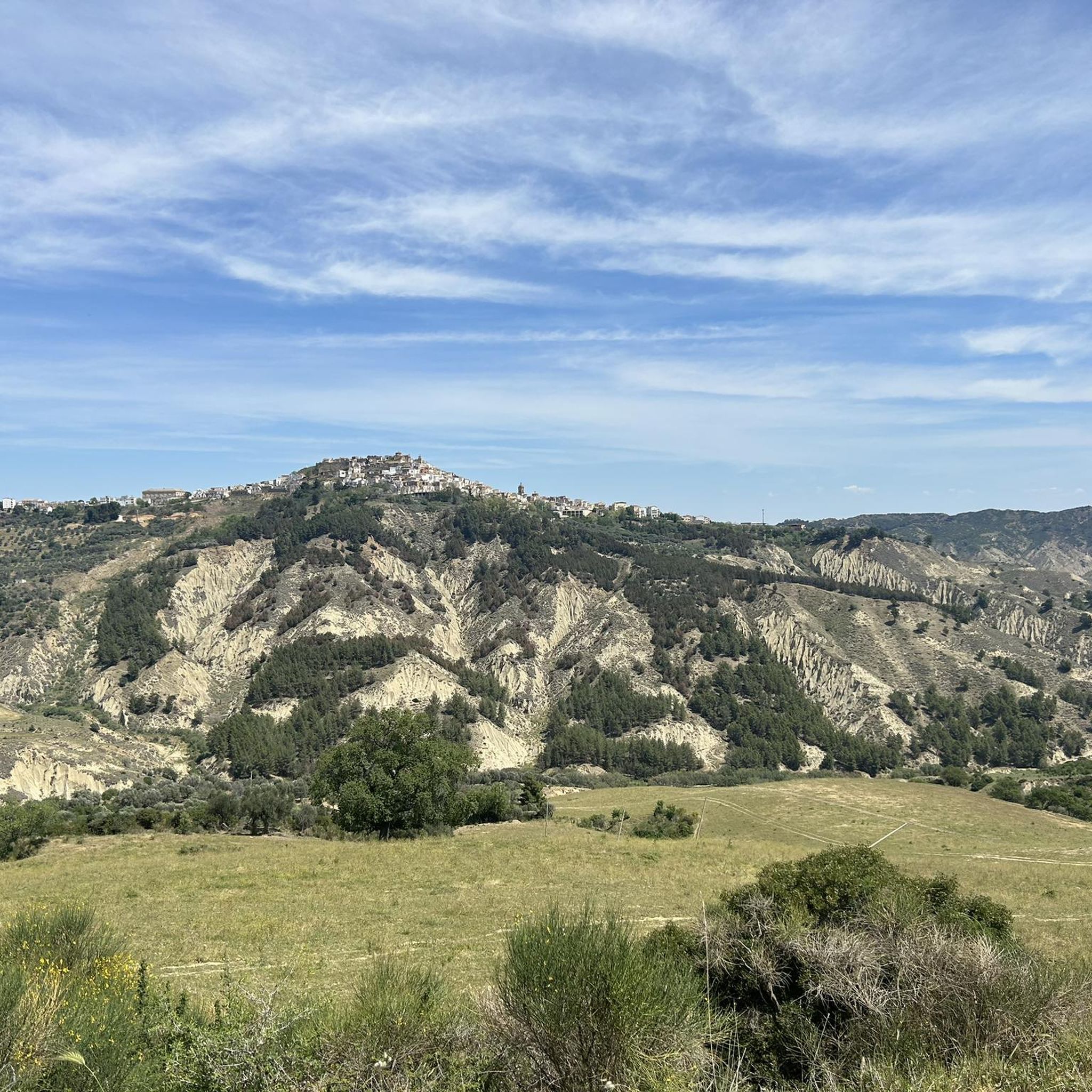
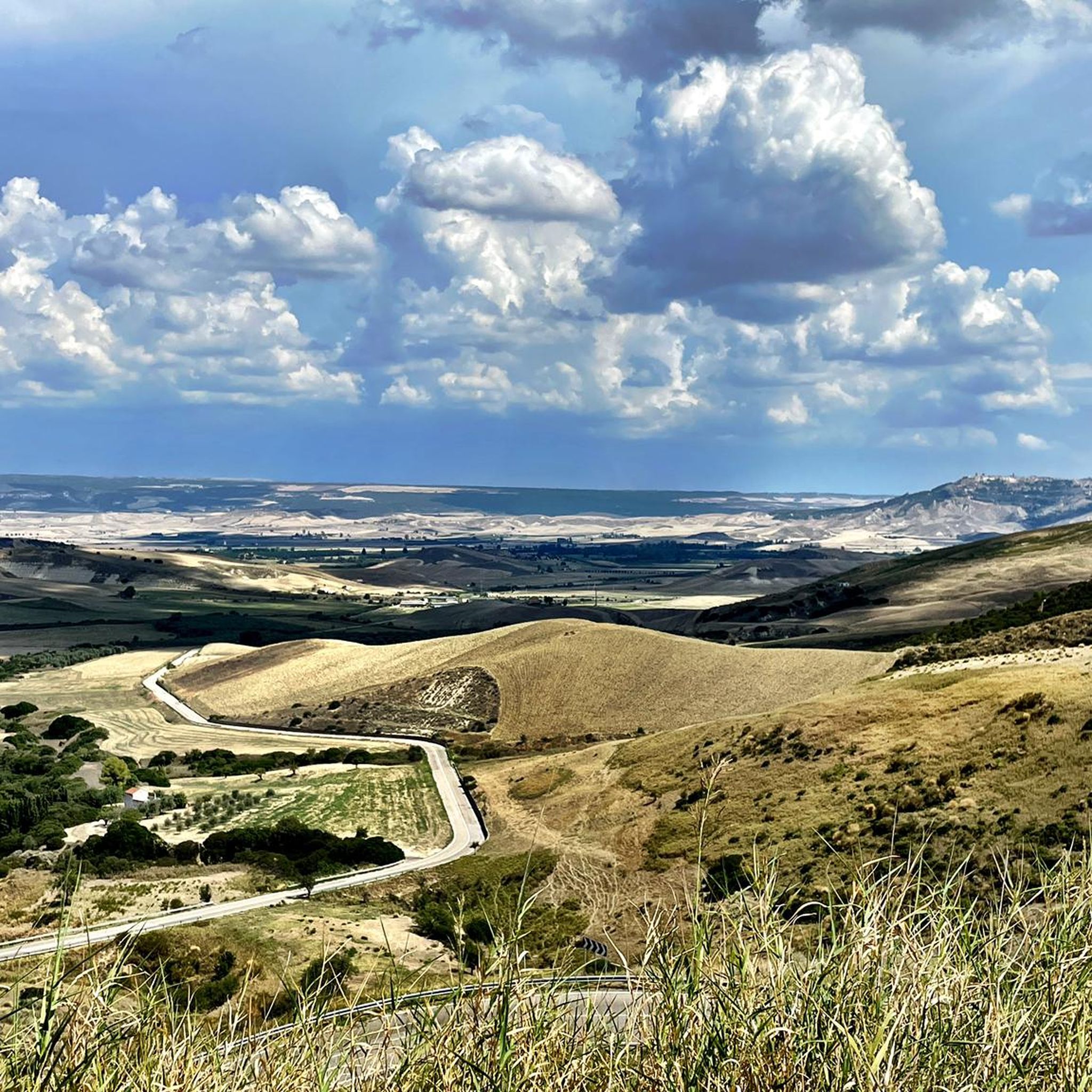
Beautiful view of one of the main rivers of Basilicata. Canyons, cliffs, suggestive ravines and a rich presence of birdlife.
0
0

The Bradano flows into the lake from the northwest and leaves it in the southeast.
0
0
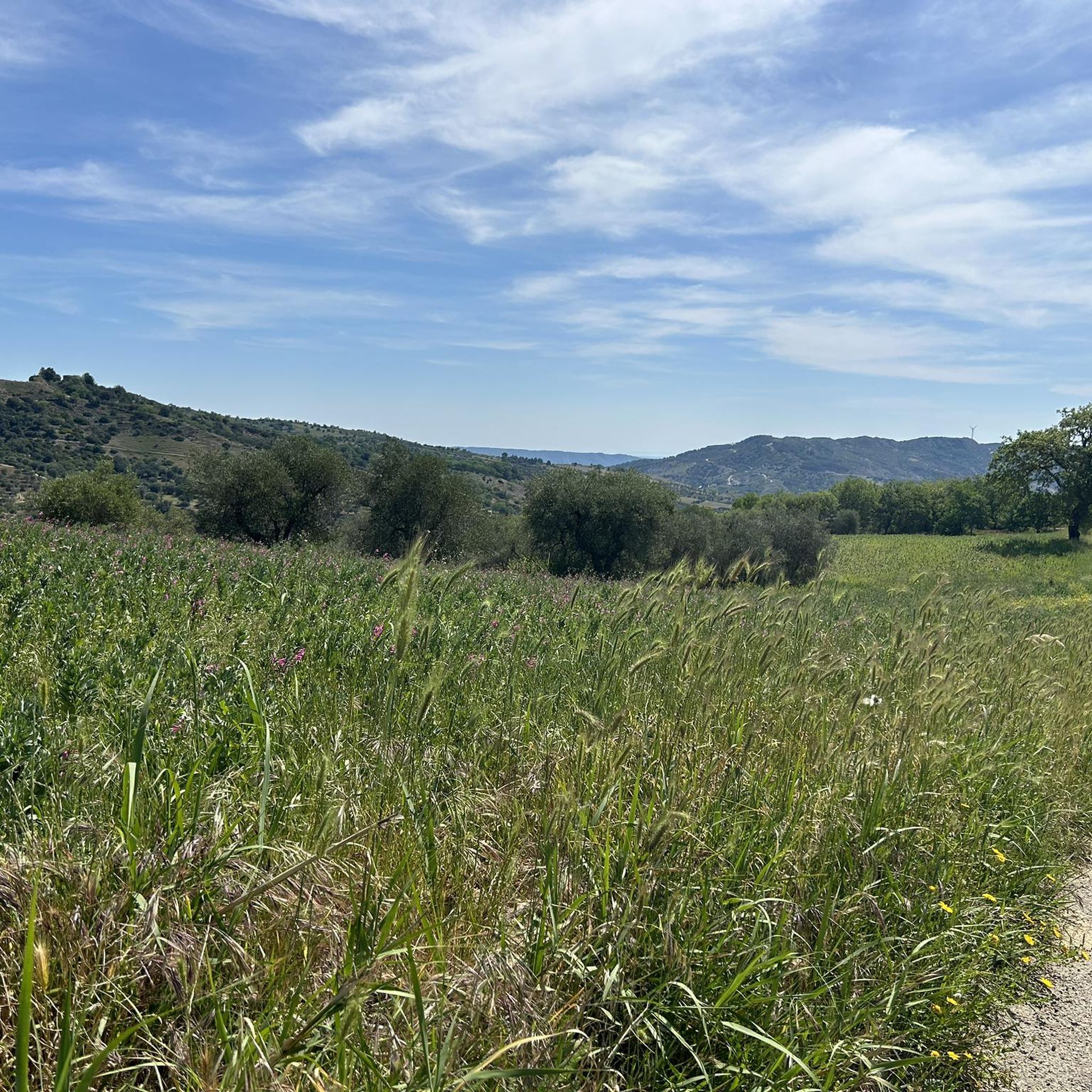
Inside the Manferrara Forest not far from Pomarico it is possible to stop in a picnic area next to a pretty lake. A refueling fountain is also available.
1
0

Passage with a view of the Bradano River, it can be reached via secondary roads with dirt and gravel surfaces.
2
0

Lake San Giuliano has an extension of 2500 hectares. It represents a naturalistic oasis of the WWF Matera, one of the most important in all of Basilicata.
0
0

The San Giuliano reserve is a protected natural area, including the municipalities of Matera, Miglionico and Grottole
1
0

The San Giuliano regional reserve is a protected natural area located in the municipalities of Matera, Miglionico and Grottole. The reserve occupies an area of 1000 hectares. The history of the Oasi San Giuliano Oriented Nature Reserve is linked to the birth of the homonymous artificial reservoir created for irrigation purposes by the damming of the Bradano river in the years between 1950 and 1957 thanks to the economic aid program of the Marshall Plan. The presence of the lake has attracted numerous species of aquatic birds right from the start, making initiatives aimed at protecting the area necessary. Thus in 1976 the lake of San Giuliano became an oasis for the protection of fauna, and the following year the landscape restriction was affixed. In 1989, the WWF Italy obtained, through an agreement with the Consorzio di Bonifica di Bradano and Metaponto, concessionaire of the area, the naturalistic management, establishing an oasis.[2] Since 1991, the section of the Bradano ravine located downstream of the reservoir has become part of the Murgia Materana Park and therefore a UNESCO World Heritage Site. In August 2006, a fossil skeleton of a whale dating back to the Pleistocene,[4][5][6] about 27 meters long, was found on the shores of the lake. In the following years the fossil was recovered and transferred to a laboratory of the Superintendence for the historical, artistic and demo-anthropological heritage, waiting to be exhibited in the Domenico Ridola national archaeological museum in Matera [7], the last finds were collected in 2011, and are found locked up in wooden crates placed in the garden of the Museum, by the Superintendency for cultural heritage, waiting for them to be given an exhibition arrangement with a timeline not yet defined. The presence of birdlife within the reserve is of great importance especially during wintering and migrations. There are in fact about 180 species of birds, many of which are classified as rare species. Among the aquatic species there are gray herons, egrets, grebes, coots. In winter, the great white heron, the cormorant, the pochard, the widgeon, the shelduck, the wild goose and the rare ferruginous duck appear. Among the birds of prey, the red kite, the black kite, the buzzard, some specimens of osprey and some Egyptian vultures are common. Among the passerines it is worth mentioning the pendulum, symbol of the WWF oasis. Finally, among the mammals there are porcupines, badgers, wild cats and stone martens, as well as some specimens of otters.
0
1

To enjoy the full view you have to climb the last part of the tip; is not too difficult but it is worthwhile
0
1
Frequently Asked Questions
What are some of the most notable natural monuments directly around Pomarico?
Near Pomarico, you can explore several significant natural monuments. The View of Lake San Giuliano and the San Giuliano Dam is a protected regional reserve known for its birdlife and a fossil whale skeleton. Another highlight is the View of the Bradano River Gorge, offering dramatic canyons and cliffs. Within the nearby Manferrara Forest, you'll find Manferrara Pond, a tranquil spot with a picnic area.
What unique geological formations can I explore in the wider Basilicata region?
The wider Basilicata region, where Pomarico is located, features unique geological formations. The Lucanian Dolomites are a surreal mountain range with jagged peaks and rocky spires, offering dramatic landscapes. Additionally, the Calanchi (Badlands) near towns like Pisticci and Craco present a striking, almost lunar landscape of eroded clay hills.
Are there any significant forests to visit near Pomarico?
Yes, the most immediate natural draw is the La Manferrara Forest, a large and ancient woodland spanning over 500 hectares, acting as the 'green lung' of the area around Pomarico. For a more extensive experience, the Pollino National Park, Italy's largest national park, is within reach and features deep gorges, waterfalls, and ancient pine forests, including the rare Loricato Pine.
What kind of wildlife can I expect to see in the natural areas around Pomarico?
The San Giuliano Lake Nature Reserve is a significant wildlife oasis, especially for birdwatching, with about 180 species of birds, including gray herons, egrets, cormorants, and rare ferruginous ducks. Mammals like porcupines, badgers, wild cats, and even otters can also be found there. In Pollino National Park, you might spot wild boar, roe deer, wolves, and golden eagles.
What outdoor activities are available near the natural monuments around Pomarico?
You can enjoy a variety of outdoor activities. Hiking is popular, with trails around Lake San Giuliano Nature Reserve and within the La Manferrara Forest. The Lucanian Dolomites offer extensive hiking opportunities and the thrilling 'Flight of the Angel' zip-line. The Ionian Coast provides opportunities for seaside relaxation and swimming. For more structured routes, you can find various hiking routes and road cycling routes around Pomarico.
Are there specific hiking trails recommended for exploring the natural monuments?
Yes, for a moderate hike, consider the 15.7 km 'Lake San Giuliano' route, which allows you to explore the San Giuliano Lake Nature Reserve. The La Manferrara Forest also offers trails, with Manferrara Pond serving as a pleasant stop. For more detailed options, refer to the hiking guide for Pomarico.
Where can I find dramatic viewpoints or scenic overlooks?
For stunning views, the View of the Bradano River Gorge offers impressive vistas of canyons and cliffs. Another spot is the View of the rocky cliff near Sant'Arcangelo, which provides a rewarding panorama after a short climb. The Lucanian Dolomites are also renowned for their panoramic views, especially during sunset.
Are the natural monuments around Pomarico suitable for families?
Many natural monuments around Pomarico are family-friendly. The View of Lake San Giuliano and the San Giuliano Dam and the San Giuliano Lake Nature Reserve are excellent for easy walks and birdwatching. Manferrara Pond within the Manferrara Forest offers a picnic area, making it ideal for a family outing.
What is the best time of year to visit the natural monuments in the Pomarico region?
Spring and autumn are generally the best times to visit the natural monuments in the Pomarico region. The weather is milder, making it comfortable for hiking and exploring. In spring, the landscape is lush and green, while autumn offers beautiful foliage. Summer can be quite hot, especially in July and August, though coastal areas provide relief.
Are there options for cycling near these natural monuments?
Yes, the area offers several cycling opportunities. The Lake San Giuliano area is noted for cycling, with some sections better suited for mountain biking. You can find various road cycling routes around Pomarico, including longer loops that take in features like the Calanchi near Pisticci and Craco.
Can I bring my dog to the natural areas around Pomarico?
While specific rules can vary by location, generally, many natural areas in Basilicata are dog-friendly, especially for walks on trails. However, it's always advisable to keep dogs on a leash, particularly in protected areas like the San Giuliano Lake Nature Reserve, to protect wildlife. Always check local signage for any specific restrictions.
What do visitors enjoy most about the natural monuments around Pomarico?
Visitors particularly appreciate the tranquility and natural beauty. The Lake San Giuliano is praised for its pure relaxation and as a wildlife oasis. The Bradano River Gorge is loved for its beautiful views and suggestive ravines. The Manferrara Forest offers a peaceful escape with its ancient woodlands and picnic spots like Manferrara Pond.
Most popular attractions around Pomarico

Get inspired with the komoot mobile app


Explore more
Extend your search for the best caves by checking out these guides of the top ones around Pomarico:
