Top 4 Natural Monuments around Torre Santa Susanna
Best natural monuments around Torre Santa Susanna include a mix of protected woodlands and archaeological parks with significant natural features. The region, located in Puglia, Italy, offers diverse landscapes from rare cork oak forests to ancient settlements incorporating natural caves and springs. These areas provide opportunities to explore unique ecosystems and historical sites integrated with the natural environment.
Best natural monuments around Torre Santa Susanna
- The most popular natural monuments is Muro Tenente Archaeological Park, a historical site and…
Last updated: June 28, 2026
Bosco Preti
Highlight • Forest
Translated by Google •
Tip by

Muro Tenente Archaeological Park
Highlight • Historical Site
Translated by Google •
Tip by

Sign up now to discover places like this
Get recommendations on the best single tracks, peaks, & plenty of other exciting outdoor places.
Sign up for free
Parco Montalbano
Highlight • Natural Monument
Translated by Google •
Tip by

Archaeological Park of the Messapian Walls
Highlight • Historical Site
It is possible to visit the park of the Messapian walls and the Plinian source with a very prepared guide who made this …
Translated by Google •
Tip by
Sanctuary of Saint Anthony alla Macchia
Highlight • Religious Site
Translated by Google •
Tip by

Start today with a free account
Your next adventure awaits.
Login or Signup


Tips from the Community

The area that is now a magnificent park, was originally a plot of land left uncultivated that was transformed in the first half of the 18th century by the Celestine Fathers, of the nearby convent, into a beautiful and suggestive garden sloping down into several terraces and used as a think tank and orchard. With the Kingdom of Italy, following the suppression of the religious orders (1866/1867), the place was purchased by the Salerno - Mele family who with great taste enriched it with several plants of exotic origin and numerous flower beds, organizing and arranging it partly as an Italian garden and partly as an English garden, thus creating a pleasant naturalistic path with panoramic views from which even today you can admire a magnificent landscape. A series of steps guides the visitor to an enchanting panoramic walk that connects two towers of the adjacent Norman - Swabian Castle: from the Torre del Salto to the Torre dello Sperone. The Salerno - Mele family later donated it to the Bishop of Oria. It remained abandoned for many years and in 1982 it was purchased by the Municipal Administration of Oria which brought it back to its original splendor.
1
0
Park from which you can admire the Federiciano Castle of Oria, with terraces and shady spaces where you can stay cool and perhaps read a good book
1
0
The Fonte Pliniano is still one of the symbols of the city (it is also represented in the city coat of arms);[8] almost certainly dating back to the Messapian era,[8] it was described by Pliny the Elder (from whom it subsequently took its name)[9] in his Naturalis Historia. It is a well located inside a natural cave 18 metres in diameter[8] and 8 metres wide[8] which can be reached by going down 20 steps dug into the rock.[8] A square skylight opens on the vault of the cave, a cylindrical structure from which an almond tree emerges (according to centuries-old legend)[9] from which the light necessary to illuminate the room penetrates. Water from an underground aquifer flows perpetually from the well and the adjacent basin.[8] In ancient times the Fonte Pliniano was also used as a place of worship for a Messapian deity
0
0
Wonderfully restored archaeological park. The night visit is spectacular! Not to be missed
0
0
A very suggestive experience that I recommend. It is possible to visit the park of the Messapian walls and the Plinian source with a very prepared guide who made this tour very interesting. The park has been renovated and restored and it is beautiful to be able to admire so much culture and history.
0
0

The Bosco Preti is a small woodland of approximately 2 hectares of cork oaks. A 1995 study reports that the forest had an area of 15.69 hectares.
1
0

The sanctuary of Sant'Antonio alla Macchia is a small church dedicated to Sant'Antonio da Padova which is located near San Pancrazio Salentino, in a green area surrounded by a pine forest. It was built in 1867 by a peasant couple as a sign of gratitude to the saint for a miracle received. It is also possible to visit a Basilian crypt dug into the rock where traces of frescoes and engravings of the Byzantine monks who took refuge there between the 6th and 13th centuries are preserved.
1
0

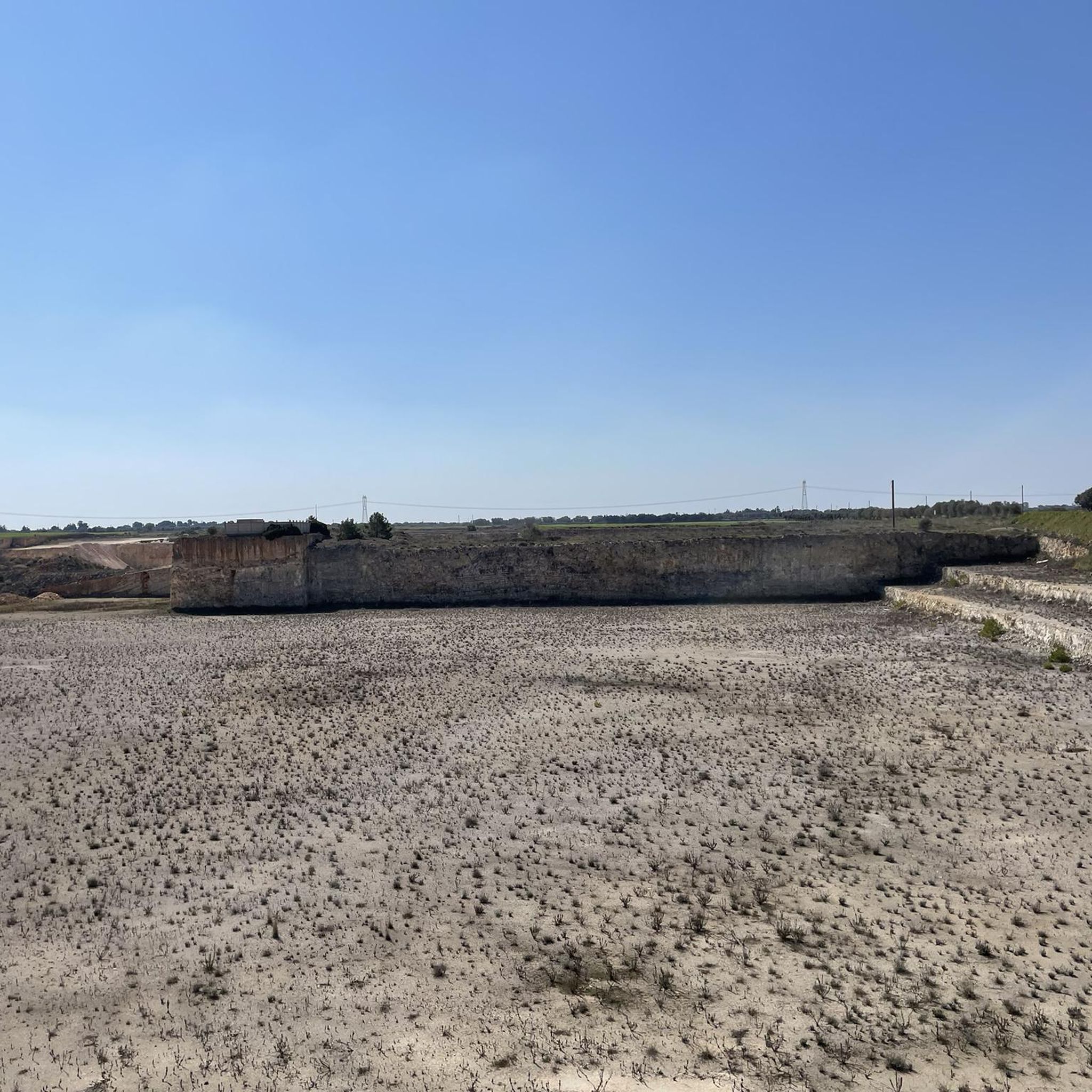
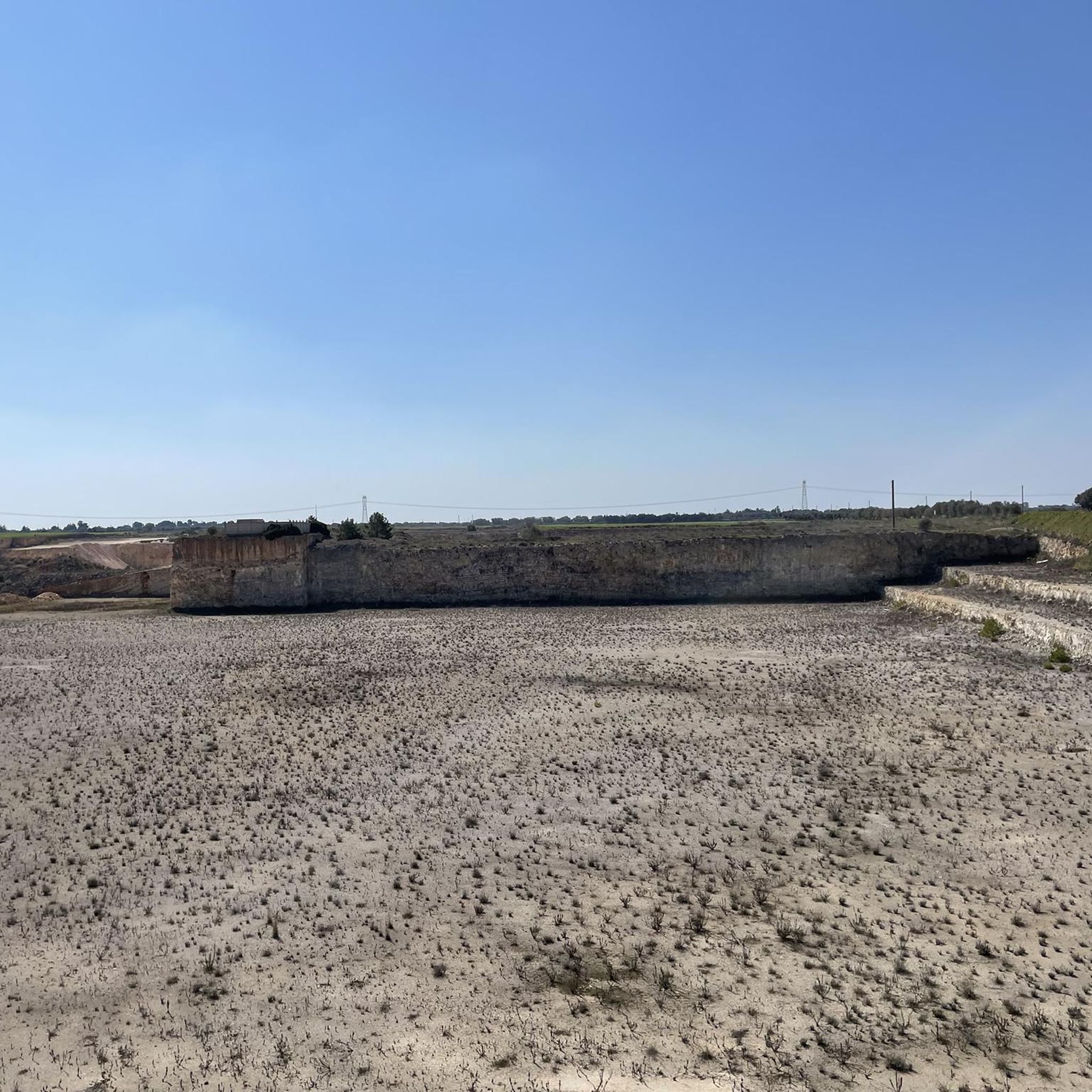
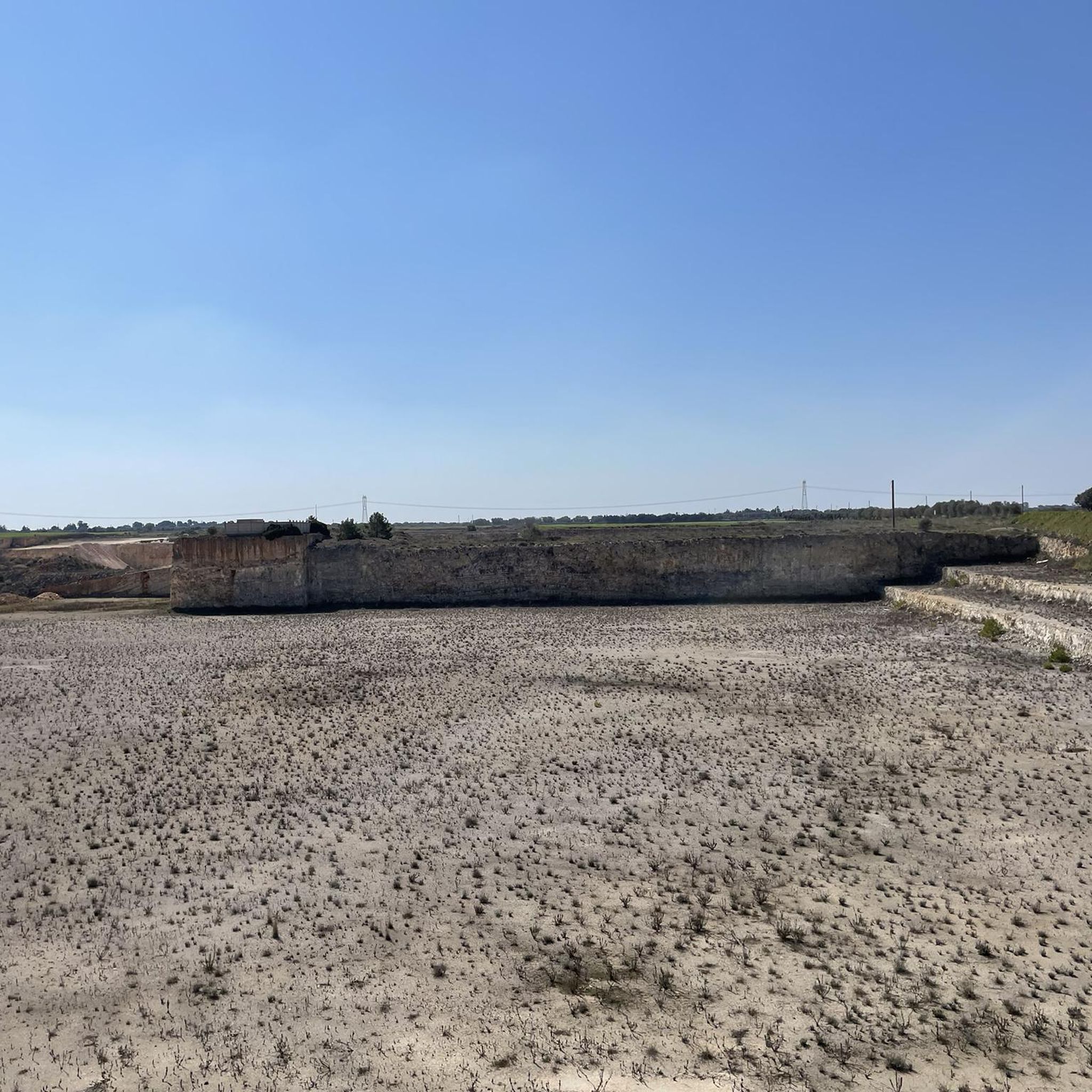
Muro Tenente is an archaeological park located on the border between the municipalities of Mesagne and Latiano. Its monumental walls extend for over two and a half kilometers, enclosing a Messapian settlement of about 50 hectares.
0
0
Frequently Asked Questions
What types of natural monuments can I explore around Torre Santa Susanna?
The region offers a diverse range of natural monuments, from protected woodlands like Bosco Preti, a rare cork oak forest, to archaeological parks that integrate natural features such as ancient caves and springs. You can also find naturalistic paths with panoramic views at sites like Parco Montalbano.
Are there any natural monuments that combine history and nature?
Yes, several natural monuments around Torre Santa Susanna offer a blend of history and nature. The Muro Tenente Archaeological Park features monumental walls of an ancient Messapian settlement within a natural setting. Similarly, the Archaeological Park of the Messapian Walls includes the ancient Plinian source located inside a natural cave, offering a very suggestive experience.
Which natural monuments are suitable for families?
Many natural monuments in the area are family-friendly. Bosco Preti is a small woodland, described as a 'nice green lung to play a little,' perfect for a peaceful natural escape. Both Muro Tenente Archaeological Park and Parco Montalbano are also categorized as family-friendly, offering engaging experiences for all ages.
What kind of natural features can I expect to see at Bosco Preti?
Bosco Preti is primarily a small woodland of cork oaks, a remnant of a much larger ancient area. It's part of a significant Regional Nature Reserve, vital for its rare, well-preserved cork forests on Italy's Adriatic side. The undergrowth boasts a diverse range of Mediterranean species unique to the Salento area, making it a crucial habitat for various animal species.
Are there opportunities for hiking or walking near these natural monuments?
Yes, the natural monuments and surrounding areas offer excellent opportunities for hiking and walking. For example, Bosco Preti is ideal for walking trails within its rare Mediterranean ecosystem. You can find more detailed routes and trails in the MTB Trails around Torre Santa Susanna guide, which also includes paths suitable for walking.
Can I go cycling near the natural monuments around Torre Santa Susanna?
Absolutely. The region provides various cycling opportunities. Bosco Preti is suitable for cycling trails, and the broader area includes routes that pass by natural attractions. You can explore options in the Cycling around Torre Santa Susanna guide, which features routes like 'From Mesagne to Bosco Preti'.
What are the best viewpoints to experience the natural beauty of the area?
Parco Montalbano is a notable viewpoint, offering a pleasant naturalistic path with panoramic views, including the Federiciano Castle of Oria. It's known for its magnificent landscape and terraces, providing shady spots to relax and enjoy the scenery.
What is the best time of year to visit the natural monuments around Torre Santa Susanna?
The best time to visit the natural monuments in Puglia, including those around Torre Santa Susanna, is typically during the spring (April to June) and early autumn (September to October). During these months, the weather is pleasant for outdoor activities like walking and cycling, and the natural landscapes are vibrant. Summers can be very hot, while winters are mild but might have more rainfall.
Are there any significant natural reserves or parks a short drive from Torre Santa Susanna?
Yes, within a 30-40 minute drive, you can reach the Torre Guaceto Natural Reserve, a WWF Marine Nature Reserve known for its untouched dunes, Mediterranean scrubland, wetlands, and rich marine biodiversity. Another option is the Parco Naturale Regionale Dune Costiere da Torre Canne a Torre San Leonardo, featuring coastal dunes, ancient olive groves, and wetlands with unique karstic phenomena.
What do visitors enjoy most about the natural monuments in this region?
Visitors particularly appreciate the blend of natural beauty and historical significance. The 'very suggestive experience' of exploring ancient Messapian sites integrated with natural caves and monumental walls, as found at the Muro Tenente Archaeological Park, is highly valued. The peaceful natural escape offered by woodlands like Bosco Preti and the panoramic views from Parco Montalbano are also frequently highlighted.
Is there public transport available to reach these natural attractions?
While public transport options exist in the broader Brindisi province, reaching some of the more secluded natural monuments directly by public transport can be challenging. It is often more convenient to use a car or bicycle to access places like Bosco Preti or the archaeological parks, especially for flexibility in exploring the surrounding countryside.
Most popular routes around Torre Santa Susanna
Most popular attractions around Torre Santa Susanna

Get inspired with the komoot mobile app


Explore more
Extend your search for the best caves by checking out these guides of the top ones around Torre Santa Susanna:
