Top 18 Natural Monuments around Gratteri
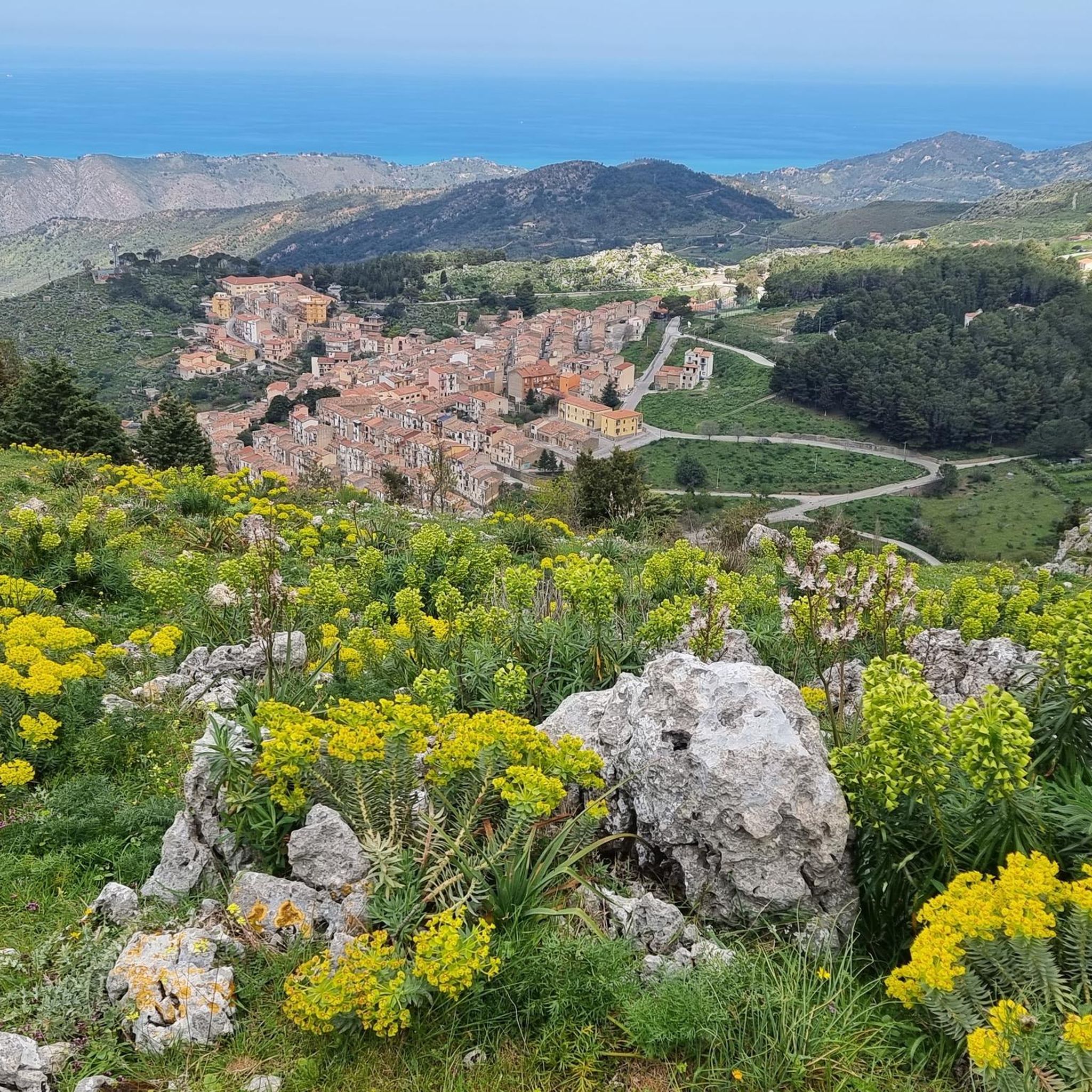
Natural monuments around Gratteri offer a diverse landscape for exploration in Sicily, Italy. The region features a mix of ancient caves, panoramic mountain vistas, and serene coastal paths. This area is characterized by its karstic formations, including unique caves and peaks. Gratteri's natural attractions are deeply intertwined with local history and provide varied outdoor activities.
Best natural monuments around Gratteri
- The most popular natural monuments is Pizzo Carbonara (1,979 m), a summit that is the second highest peak in…
Last updated: May 15, 2026
Pizzo Carbonara (1,979 m)
Highlight • Summit
Translated by Google •
Tip by

Temple of Diana and Church of Sant'Anna
Highlight • Historical Site
Translated by Google •
Tip by

Sign up now to discover places like this
Get recommendations on the best single tracks, peaks, & plenty of other exciting outdoor places.
Sign up for free
View of Cefalù from the cross on La Rocca
Highlight • Viewpoint
Translated by Google •
Tip by

Cozzo Luminario Summit (1,512 m)
Highlight • Summit
Translated by Google •
Tip by

Fratel Biagio Conte Nature Trail
Highlight (Segment) • Trail
Colla first descends gently to the forest gate and then climbs part of …
Translated by Google •
Tip by

Sign up for free to discover even more natural monuments around Gratteri.
Sign up for free
Already have an account?
Start today with a free account
Your next adventure awaits.
Login or Signup

Tips from the Community

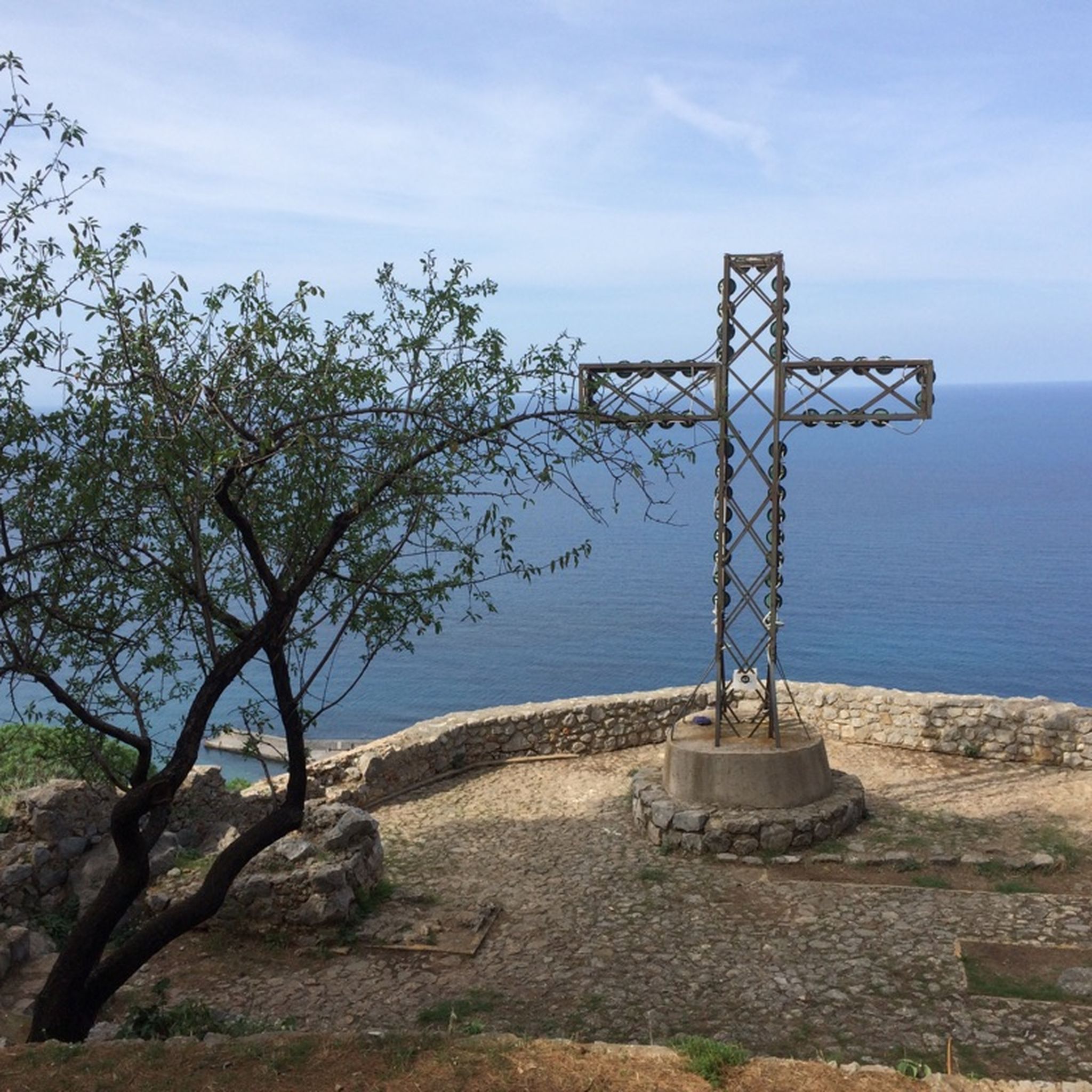
A large metal summit cross, easy access from Ref. Crispi, wonderful landscape in the Parco delle Madonie, views in all directions, the most spectacular certainly to Castelbuono towards the sea (N)...it's worth it...also later on the stop at the CAS hut Ref. Crispi
0
0
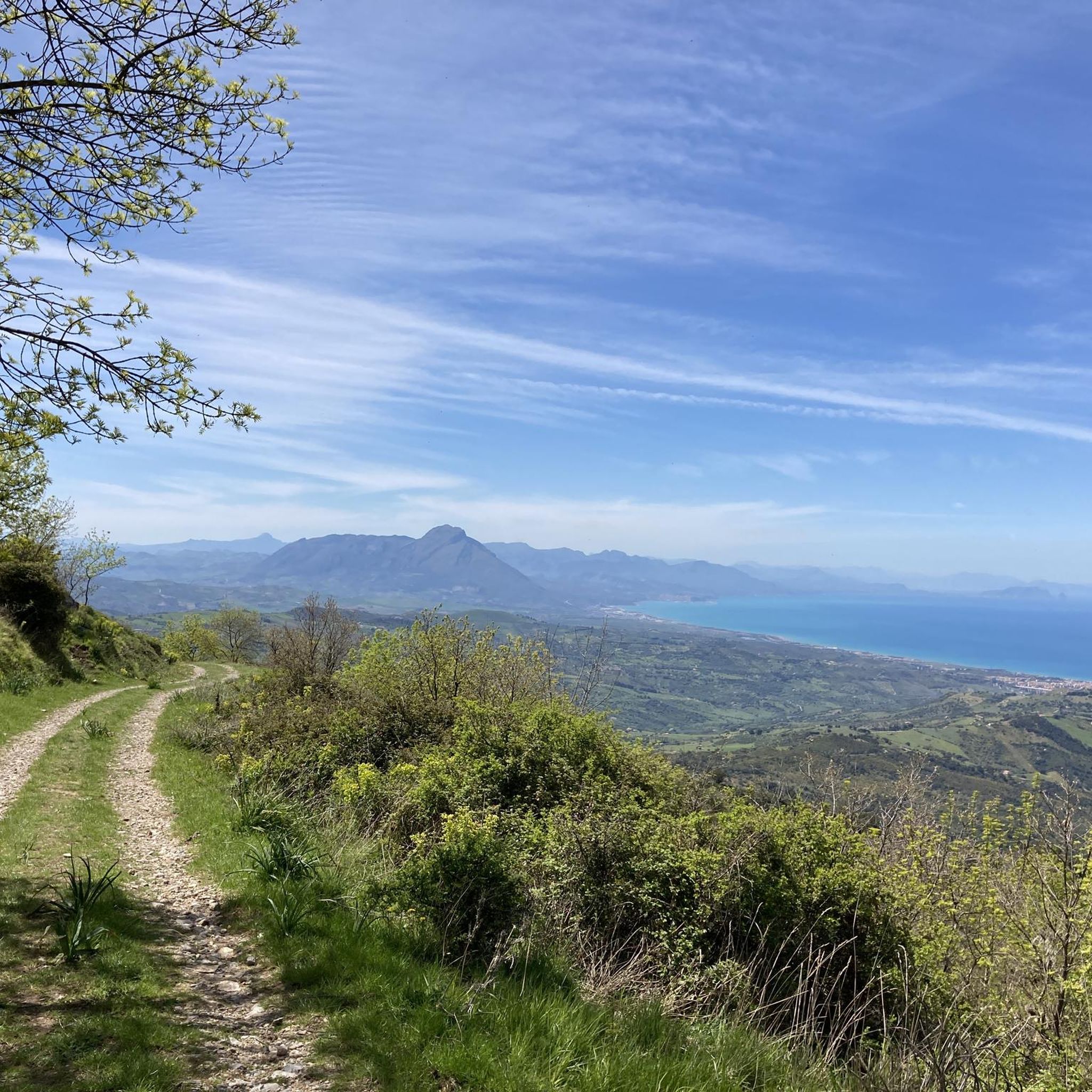
What a fantastic view from up here! (360°). A wooden sign marks the summit (Sicily's second highest!). The path is steep on all sides but always easy to walk, never really exposed; only loose rocks could pose a problem. The area was apparently quite busy in the past (ski lifts, etc.), but nature is slowly reclaiming the infrastructure...great beech "groves"!
1
0

The temple of Diana is a megalithic structure dating back to the ninth century BC that is located on a cliff north of the town of Cefalù. Probably destined to the cult of pagan divinity. In the antiquity it has been built in several phases with blocks of rock squared.
1
0

A megalithic structure and an early medieval church
1
0
Beautiful old town of Cefalu seen from above.
0
0

The "Fratel Biagio Conte" Nature Trail, an easy walk, runs along a forest road that from Portella Colla first descends gently to the forest gate and then climbs part of the northern slope of Cozzo Sella. Among the native beech, maple, and holly trees, you'll also encounter Madonie fir trees, introduced by the joint efforts of the Park Authority, the University of Palermo, and the State Forestry Company of the Sicily Region. Along the trail, you can observe native flora and fauna in a natural and landscape setting of rare beauty. It's no coincidence that this location was chosen by Brother Biagio for a period of hermitage at the forest refuge you'll encounter along the trail. Continuing, you'll reach a panoramic viewpoint overlooking the Piano Mirabilici valley, a karst sinkhole that characterizes the area. In the background, Monte Cervi with its magnificent continental beech forest. We invite you to walk the path in silence and leave no trace of your passage. Nine panels along the path invite pilgrims to observe and reflect, just as Brother Biagio loved to do.
1
0

View of the beautiful old town
0
0

Here we come across the remains of a temple to “DIANA”, who was best known in Roman mythology as the goddess of the hunt and the moon. Dating back to ancient pre-Christian times, the deities of Roman and Greek legends in particular have been preserved in the collective memory of people in Europe to this day. Throughout art history they have repeatedly been designed as motifs in paintings or as statues.
1
0
Frequently Asked Questions
What unique natural features can I explore around Gratteri?
Gratteri is rich in diverse natural features, including significant karstic formations. You can explore ancient caves like the legendary Grotta Grattara, which is steeped in local folklore. The region also boasts towering peaks such as Pizzo di Pilo, offering breathtaking panoramic views, and serene ancient olive groves, some with trees over 200 years old. The area's geology also includes other hypogean formations like Ciacca abyssum and Valle del Berillo, known for rock crystal.
What historical or cultural significance do the natural monuments in Gratteri hold?
Many natural monuments around Gratteri are deeply intertwined with local history and folklore. The Grotta Grattara, for instance, is central to the legend of the Befana and was historically believed to have healing waters. Additionally, you can find sites like the Temple of Diana and Church of Sant'Anna, a megalithic structure dating back to the ninth century BC, located on a cliff north of Cefalù, showcasing ancient pre-Christian origins.
What kind of panoramic views can I expect from Gratteri's natural monuments?
The natural monuments around Gratteri offer spectacular panoramic views. From Pizzo Carbonara (1,979 m), the second highest peak in Sicily, you can enjoy a 360° vista. Another must-see is the View of Cefalù from the cross on La Rocca, which provides extensive views over Cefalù after an easy hike. Cozzo Luminario Summit (1,512 m) also offers wonderful landscapes in the Parco delle Madonie, with views in all directions, particularly towards Castelbuono and the sea.
Are there any family-friendly natural monuments or trails in the Gratteri area?
Yes, the Gratteri area offers family-friendly options. The Fratel Biagio Conte Nature Trail is an easy walk along a forest road, perfect for families. It runs through native beech, maple, and holly trees, and even features Madonie fir trees. Along the trail, you can observe local flora and fauna and reach a panoramic viewpoint overlooking the Piano Mirabilici valley.
What are some popular hiking trails near Gratteri's natural monuments?
For hiking enthusiasts, there are several popular trails. You can explore routes like the 'Grattara Cave – View of Palermo and Capo Gallo loop from Gratteri' which is an easy 4.95 km hike. For more challenging options, consider 'From Gratteri to the Abbey of San Giorgio', a difficult 12.18 km route. You can find more details and other trails in the Hiking around Gratteri guide.
What are the difficulty levels of hiking trails around Gratteri's natural monuments?
The hiking trails around Gratteri's natural monuments vary in difficulty. You'll find easy walks like the Fratel Biagio Conte Nature Trail, suitable for beginners and families. Many summits, such as Cozzo Luminario Summit (1,512 m), are considered intermediate. For more experienced hikers, challenging routes like the ascent to Pizzo Carbonara (1,979 m) are available. Details on specific routes can be found in the Hiking around Gratteri guide.
Can I go cycling near Gratteri's natural monuments?
Yes, the region around Gratteri offers several cycling opportunities. You can find routes like the 'Cefalù Cathedral loop from Cantiere ferroviario Ogliastrillo', an easy 8.18 km ride. For more demanding cyclists, there are difficult routes such as the 'View of Cefalù and La Rocca – La Rocca di Cefalù loop from Cefalù', spanning 34.96 km. Explore more options in the Cycling around Gratteri guide.
When is the best time to visit the natural monuments around Gratteri?
The best time to visit Gratteri's natural monuments is generally during spring (April-May) and autumn (September-October). During these seasons, the weather is pleasant for hiking and exploring, with milder temperatures and lush landscapes. Spring also brings thousands of swallows nesting in the Grattara Cave, adding to the natural spectacle. Summers can be hot, while winters might be cooler, especially at higher altitudes.
What should I wear when visiting natural monuments in Gratteri, especially in spring?
When visiting Gratteri's natural monuments, especially in spring, it's advisable to wear layers as temperatures can vary. Comfortable hiking shoes with good grip are essential for navigating trails and rocky terrain, particularly around caves and mountain paths. Bring a light jacket or windbreaker, as higher elevations can be breezy. Sun protection, such as a hat and sunscreen, is also recommended.
Are there options for parking near Gratteri's natural monuments?
While specific parking details for every monument might vary, Gratteri village itself offers parking options. For popular sites like the Grotta Grattara, visitors often park near the village and take the scenic uphill route. For other natural attractions and trailheads, designated parking areas or roadside parking might be available, especially near starting points for hikes into the Madonie National Park. It's always best to check local signage upon arrival.
What do visitors particularly enjoy about the natural monuments around Gratteri?
Visitors frequently praise the stunning panoramic views, especially from summits like Pizzo Carbonara (1,979 m) and View of Cefalù from the cross on La Rocca. The unique blend of natural beauty with historical and cultural significance, such as the ancient Temple of Diana, is also highly appreciated. Many enjoy the peaceful and scenic hikes through diverse landscapes, from lush pine forests to ancient olive groves, and the opportunity to connect with nature and local folklore.
Are there any hidden natural gems worth discovering in Gratteri?
Beyond the well-known sites, Gratteri offers some lesser-known natural gems. The Valle del Berillo (Valley of Beryl) is historically noted for rock crystal, and the Grotta Rossa (Red Cave) is another natural beauty. The Piana di Gratteri Nature Reserve also serves as a starting point for nature walks, offering opportunities to explore the region's commitment to preserving its natural beauty away from the main tourist paths.
Most popular attractions around Gratteri

Get inspired with the komoot mobile app


Explore more
Extend your search for the best caves by checking out these guides of the top ones around Gratteri:
