Top 5 Natural Monuments in Barranco Del Río Dulce
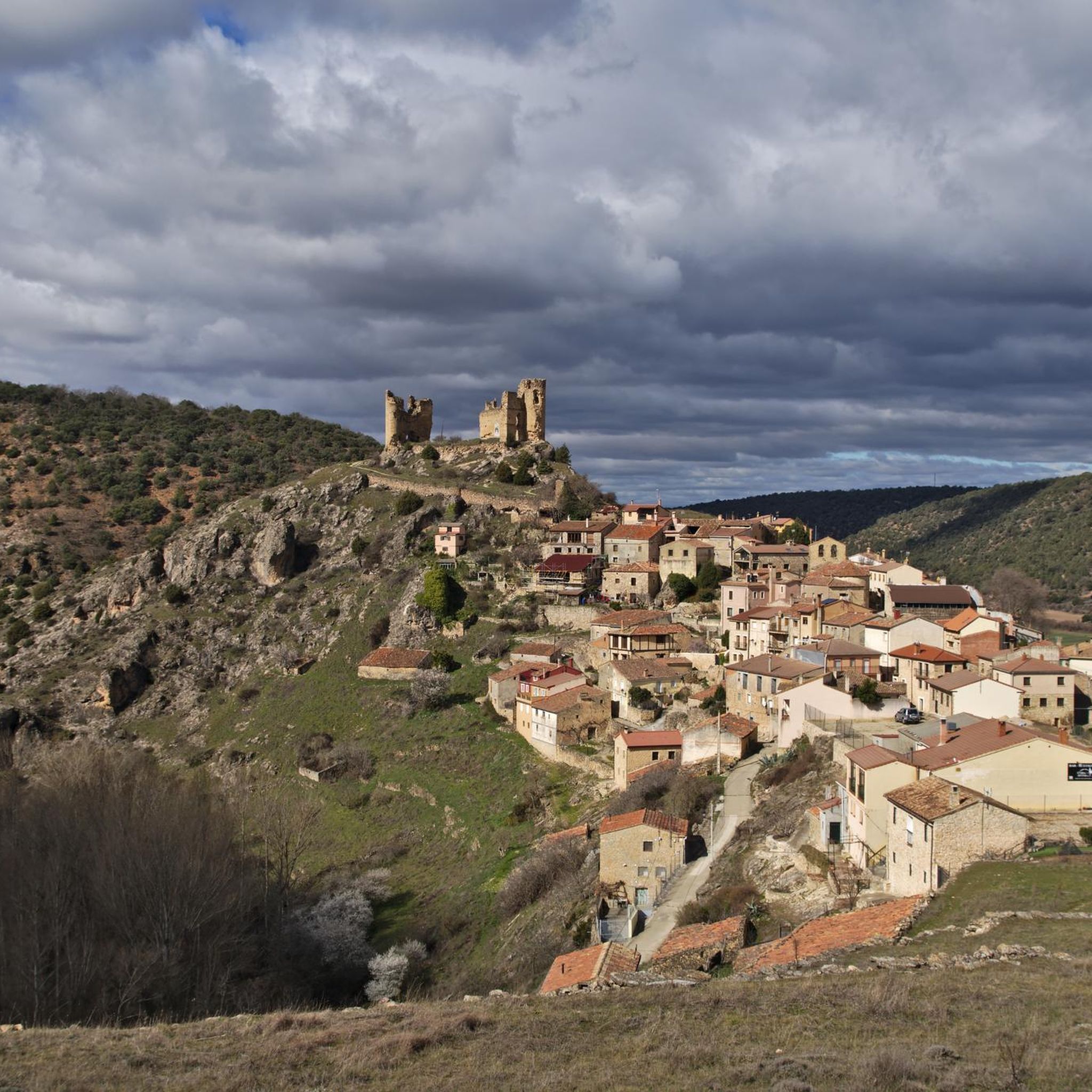
Best natural monuments in Barranco Del Río Dulce are found within the Barranco del Río Dulce Natural Park, an almost 8,500-hectare area in Guadalajara, Spain. This region is characterized by a deep canyon carved by the Dulce River, featuring impressive ravines, gorges, and unique rock formations. The park is recognized for its geological significance and diverse landscapes, including limestone cliffs and ancient marine sediments. It serves as a habitat for various wildlife, particularly birds, making it a notable location for nature observation.
Best natural monuments in Barranco Del Río Dulce
- The most popular natural monuments is Félix Rodríguez de la Fuente Shelter, a hut that served as a former camp for the team of the naturalist Félix Rodríguez de la Fuente. This location was used during the filming of the "Man and the Earth" program.
- Another must-see spot is Gollorio Waterfall, a waterfall located in the bed of the Gollorio ravine, a tributary of the Dulce River. This waterfall is approximately 50 meters high and typically appears from autumn to spring when rainfall fills its sources.
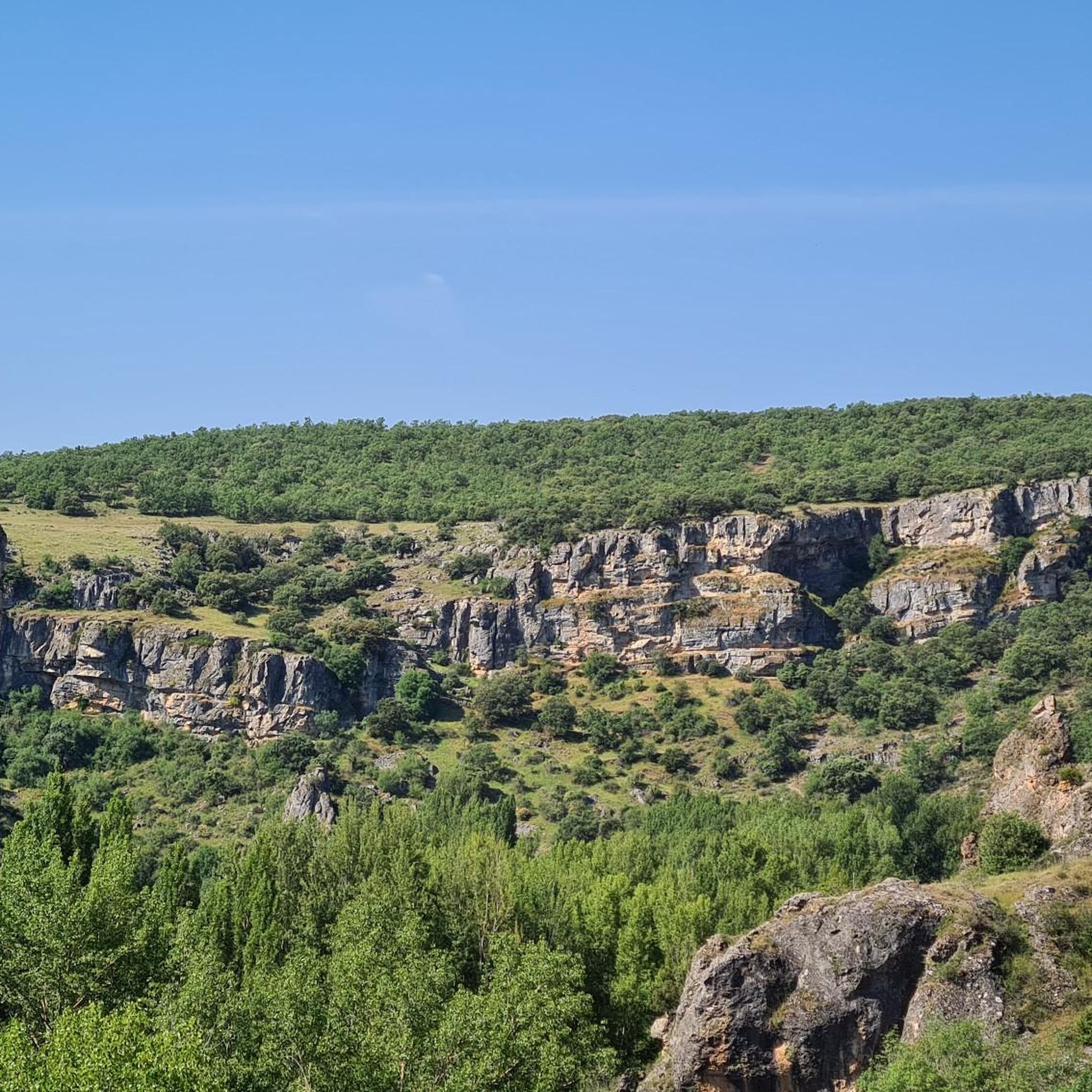
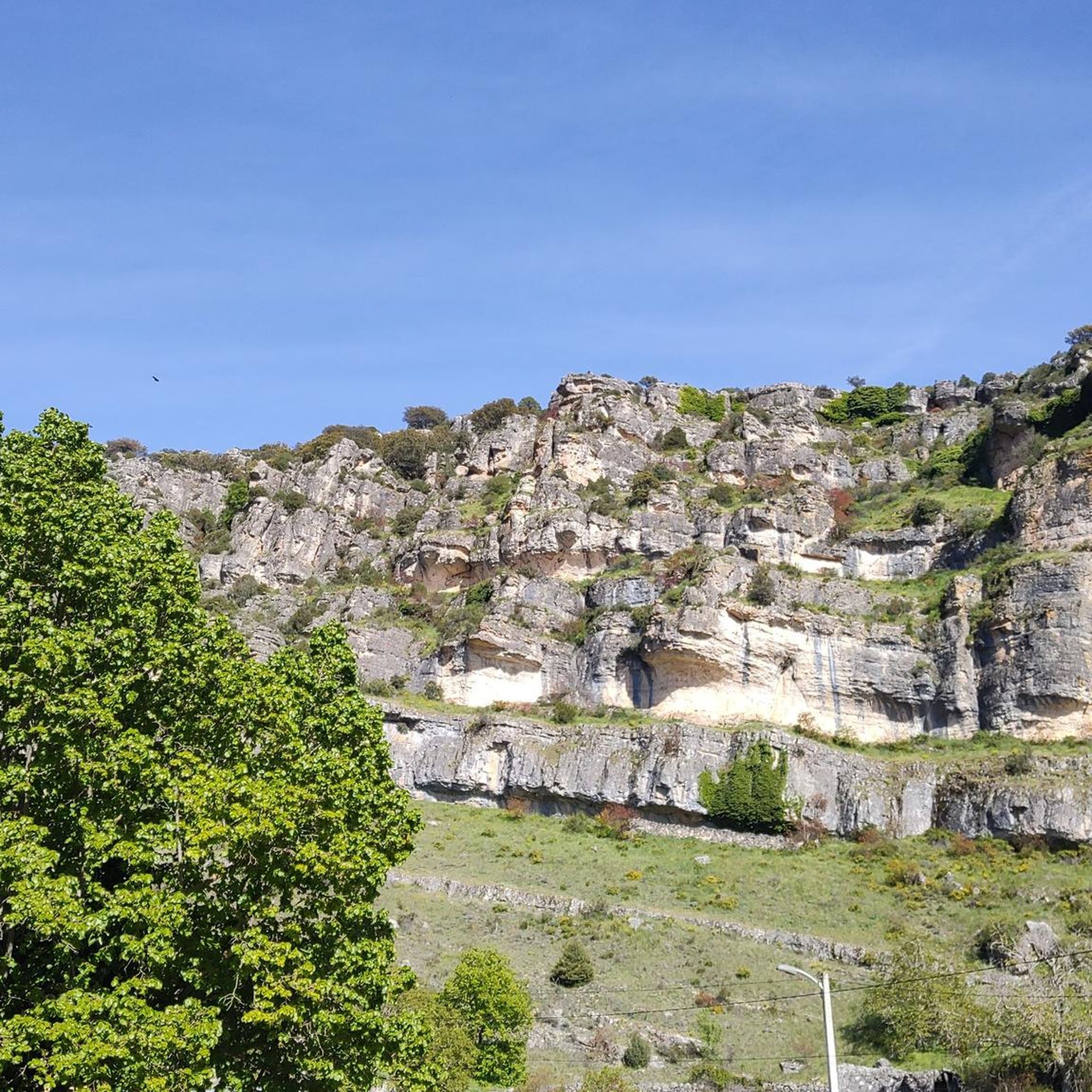
- Visitors also love Cliffs of the Dulce River, a gorge where erosion has created significant cuts in the limestone. These cliffs are home to vultures, whose flight can be observed throughout the year.
- Barranco Del Río Dulce is known for its gorges, waterfalls, and unique rock formations. The area offers a variety of natural monuments to explore, showcasing millions of years of geological processes.
- The natural monuments in Barranco Del Río Dulce are appreciated by the komoot community, with 27 upvotes and 20 photos shared by visitors.
Last updated: June 27, 2026
Gollorio Waterfall
Highlight • Waterfall
Translated by Google •
Tip by

Félix Rodríguez de la Fuente Shelter
Highlight • Mountain Hut
Translated by Google •
Tip by

Sign up now to discover places like this
Get recommendations on the best single tracks, peaks, & plenty of other exciting outdoor places.
Sign up for free
Cliffs of the Dulce River
Highlight • Gorge
Translated by Google •
Tip by

Start today with a free account
Your next adventure awaits.
Login or Signup
Tips from the Community

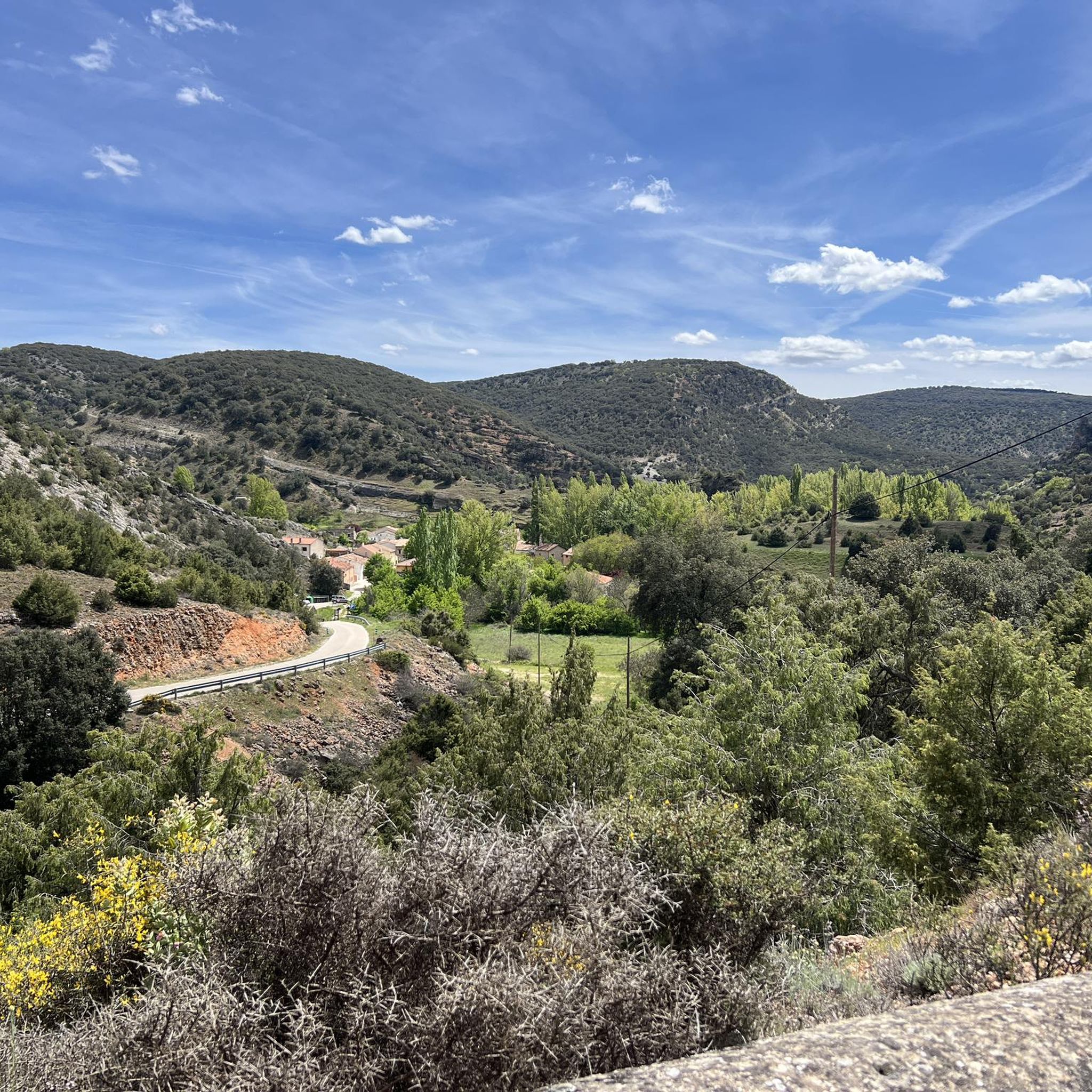
Despite its steep and difficult access, Gollorio Waterfall is a popular spot for hikers. The trail leading to it offers spectacular views and is part of the Gollorio Waterfall Route. In long sections, the trail runs close to the ravine without any lateral protection, so caution is advised.
2
0
Despite its steep and difficult access, the Gollorio Waterfall is a popular spot for hiking enthusiasts. The trail leading up to it offers spectacular views and is part of the Gollorio Waterfall Route. During long stretches, the trail runs close to the ravine without lateral protection, so caution is advised.
1
0

This location was used as a camp for the team of the naturalist and creator of the "Man and the Earth" program.
0
0
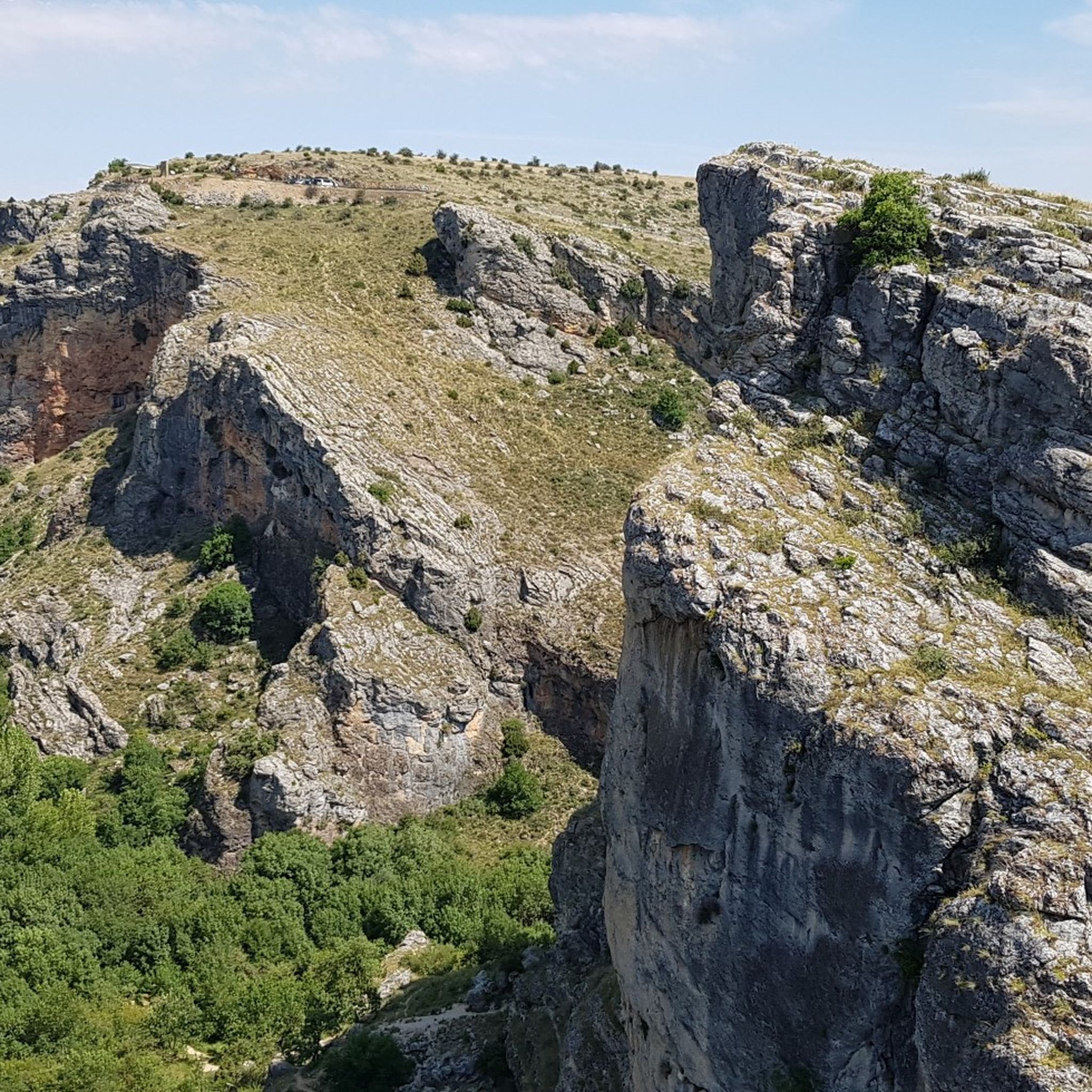
Waterfall located in the bed of the Gollorio ravine, a tributary of the Dulce River, within the natural park of the Río Dulce Ravine. It is about fifty meters high and only appears from autumn to spring when the rains fill the sources that supply the bed of the ravine.
2
1

Along the course of the Río Dulce there are many areas where erosion has created cliffs and cuts in the limestone. Vultures whose majestic flight can be seen all year round have settled in most of these areas.
0
0

Wonderful waterfall on the Gollorio riverbed located in a wonderful setting of ravines and gorges that provide a unique landscape. To get to the waterfall you will have to walk the last few meters and if you go outside of the rainy season it may not have water, even so, the views of the river gorges are impressive.
1
1

Spectacular views of the ravine. When I went it was dry.
2
0
Former camp of the team of the naturalist, creator and host of the "Man and the Earth" program.
2
0
Frequently Asked Questions
What are the most prominent natural monuments to visit in Barranco del Río Dulce?
The Barranco del Río Dulce Natural Park offers several remarkable natural monuments. Among the most popular are the Félix Rodríguez de la Fuente Shelter, a historical hut used by the famous naturalist's team, and the impressive Gollorio Waterfall, which plunges approximately 50 meters, especially visible from autumn to spring. You can also explore the dramatic Cliffs of the Dulce River, known for their geological formations and resident vultures.
What is the best time of year to visit Barranco del Río Dulce Natural Park?
The best time to visit depends on your interests. The Gollorio Waterfall is most spectacular from autumn to spring when rainfall ensures its flow. Generally, spring and autumn offer pleasant temperatures for hiking and enjoying the lush landscapes. Summer can be hot, while winter provides a different, often quieter, experience, especially if you're interested in seeing the waterfall at its fullest.
What kind of geological features can be observed in Barranco del Río Dulce Natural Park?
The park is a geological marvel, showcasing millions of years of erosion by the Dulce River on limestone strata. You can observe deep canyons, impressive ravines, and gorges like the Hoz de Pelegrina. Unique rock formations include "enchanted cities," lapies, caves, sinkholes, and tufa buildings. The Meandro Abandonado de La Cabrera is a notable example of an abandoned river meander with visible tufa formations, highlighting the park's dynamic geomorphology.
Are there opportunities for birdwatching in Barranco del Río Dulce Natural Park?
Yes, the Barranco del Río Dulce Natural Park is an exceptional destination for birdwatching. It is designated as a Special Protection Area (SPA) for birds, with the cliff walls providing a habitat for a wide array of species. You can frequently spot griffon vultures, various eagles (Bonelli's, golden, short-toed), peregrine falcons, eagle owls, and red-billed choughs. The Cliffs of the Dulce River are particularly known for vulture sightings.
What outdoor activities can I do near the natural monuments in Barranco del Río Dulce?
The park offers numerous opportunities for outdoor activities. You can enjoy hiking on various trails, including the popular Hoz de Pelegrina, or explore routes connecting villages like Aragosa, La Cabrera, and Pelegrina. There are also options for mountain biking. For more detailed information on routes, you can explore guides like Hiking in Barranco Del Río Dulce and MTB Trails in Barranco Del Río Dulce.
Are there family-friendly trails or activities in Barranco del Río Dulce Natural Park?
While many trails are moderate, there are options suitable for families. The park features well-marked routes that cater to different levels. For instance, there is even a specially adapted "Route of the Blinds" designed to allow visually impaired individuals to experience the natural site. When planning, look for routes described as 'easy' in our Easy hikes in Barranco Del Río Dulce guide, which often include shorter distances and less elevation gain.
Are dogs allowed in Barranco del Río Dulce Natural Park?
Generally, dogs are permitted in Barranco del Río Dulce Natural Park, but it's crucial to keep them on a leash to protect the wildlife and ensure the safety of other visitors. Always clean up after your pet. Specific regulations might apply in certain sensitive areas or during particular seasons, so it's advisable to check local signage upon arrival.
What historical or cultural points of interest are near the natural monuments?
Beyond its natural beauty, the park has cultural connections. The Félix Rodríguez de la Fuente Shelter is a direct link to the famous Spanish naturalist. Additionally, picturesque villages within and around the park, such as Pelegrina, La Cabrera, and Aragosa, offer historical elements like the ruins of Pelegrina Castle. The nearby medieval town of Sigüenza also serves as an excellent base with its own rich history and architecture.
How can I access Barranco del Río Dulce Natural Park by public transport?
While direct public transport to every natural monument within the park can be limited, the medieval town of Sigüenza often serves as a convenient gateway. From Sigüenza, you might find local bus services or taxis to reach some of the park's villages or trailheads. It's recommended to check local transport schedules from Sigüenza to specific points of interest within the park prior to your visit.
What makes the Barranco del Río Dulce Natural Park unique compared to other natural areas?
The Barranco del Río Dulce Natural Park stands out due to its dramatic canyon landscape, carved by the Dulce River through ancient limestone, creating a unique blend of geological formations and rich biodiversity. Its status as a Special Protection Area for birds and a Site of Community Importance within the Natura 2000 network highlights its ecological significance. The park also holds a special place in Spanish culture due to its association with naturalist Félix Rodríguez de la Fuente, who filmed some of his renowned wildlife documentaries here.
What do visitors enjoy most about the natural monuments in Barranco del Río Dulce?
Visitors frequently praise the spectacular scenery, the dramatic geological formations, and the abundant opportunities for birdwatching, especially the majestic flight of vultures near the Cliffs of the Dulce River. The seasonal beauty of the Gollorio Waterfall and the historical connection to Félix Rodríguez de la Fuente at his former shelter are also highly appreciated. The overall tranquility and the chance to immerse oneself in nature are key draws.
Most popular routes in Barranco Del Río Dulce
Most popular attractions in Barranco Del Río Dulce

Get inspired with the komoot mobile app


Explore more
Extend your search for the best caves by checking out these guides of the top ones in Barranco Del Río Dulce:
