Top 4 Natural Monuments in Muntanya De Montserrat
Best natural monuments in Muntanya De Montserrat are characterized by unique geological formations and a distinctive "serrated" appearance. This multi-peaked mountain range, designated as a National Park in 1987, features dramatic cliffs and intricate rock formations sculpted from pink conglomerate rock. The area offers diverse landscapes for exploration, from high summits with expansive views to unique natural arches. Its natural beauty and geological history make it a significant natural landmark.
Best natural monuments in Muntanya De Montserrat
- The most popular…
Last updated: July 11, 2026
Surrounded by giant rocks
Highlight (Segment) • Trail
Translated by Google •
Tip by

Scenic road of Montserrat
Highlight (Segment) • Viewpoint
Translated by Google •
Tip by

Sign up now to discover places like this
Get recommendations on the best single tracks, peaks, & plenty of other exciting outdoor places.
Sign up for free
Natural Bridge of the Torrent del Pont
Highlight • Natural Monument
It is the culmination of the …
Translated by Google •
Tip by

Return Route from Via Ferrata Les Dames
Highlight • Trail
Translated by Google •
Tip by

Turó de l'Ermità (595 m)
Highlight • Summit
Showing Translation
Tip by

Start today with a free account
Your next adventure awaits.
Login or Signup
Popular around Muntanya De Montserrat
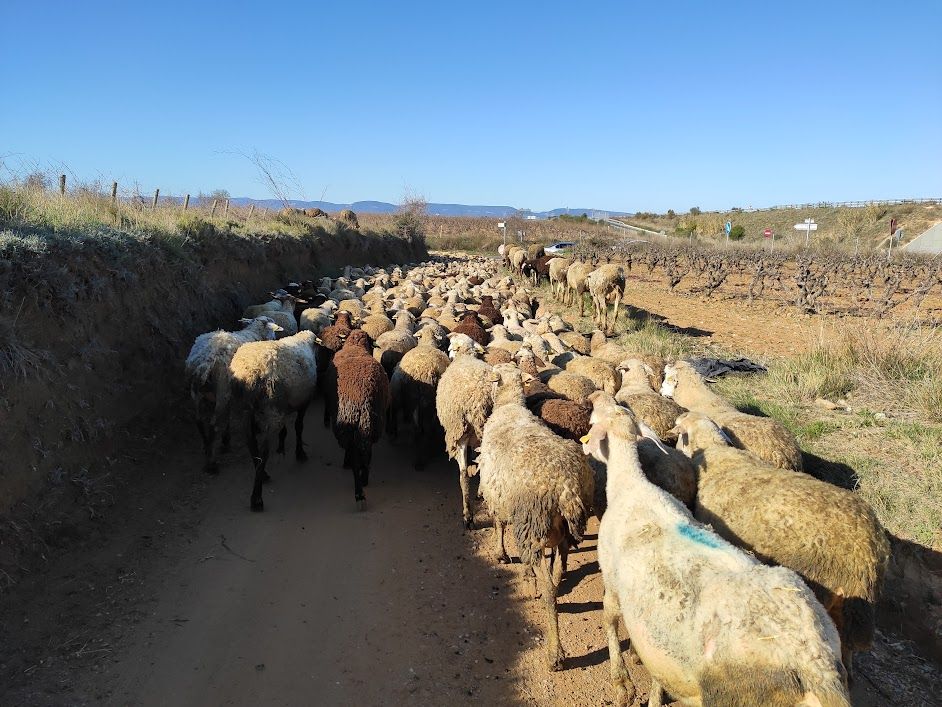
The shepherds' path – Camí Ramader de la Marina
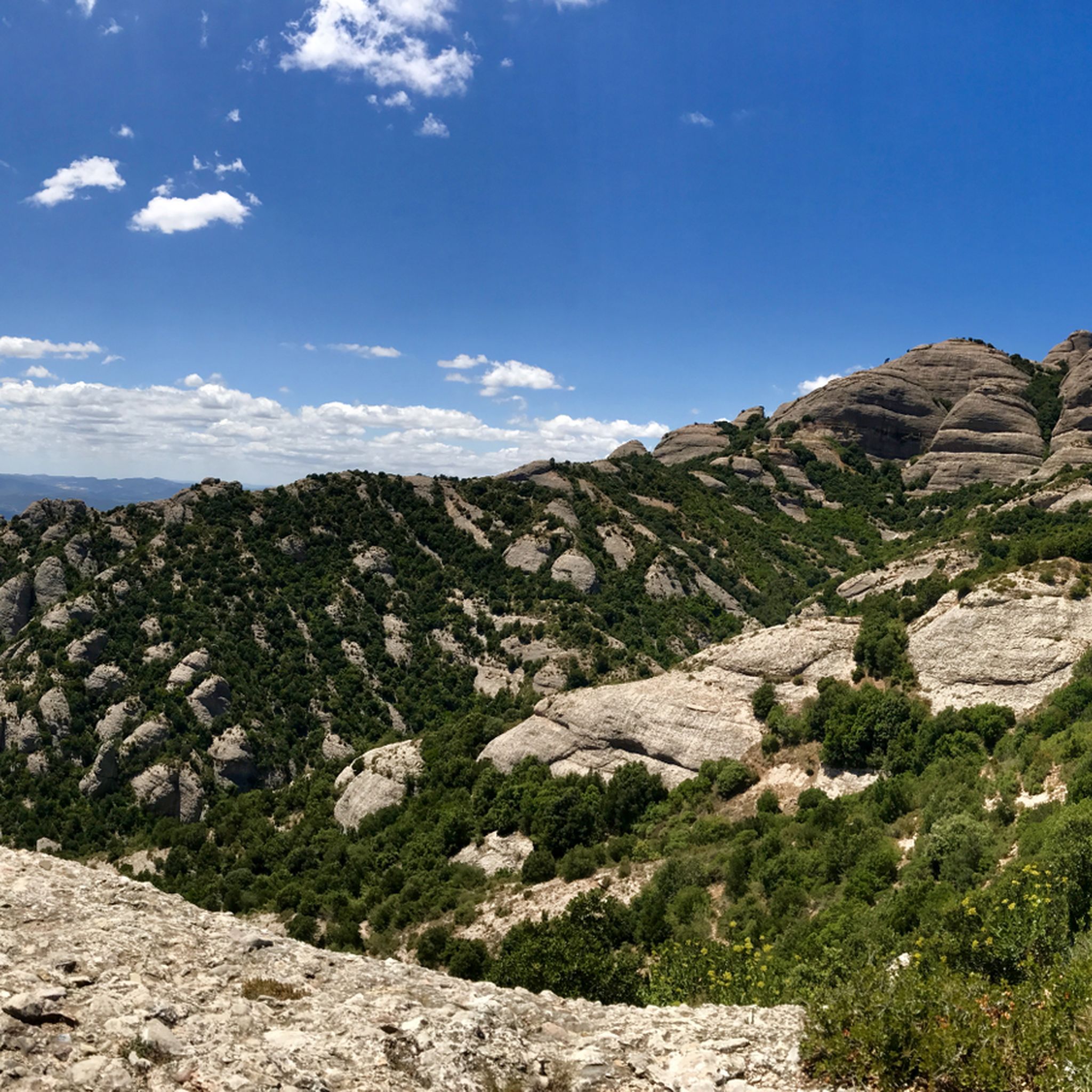
Hiking in Muntanya De Montserrat
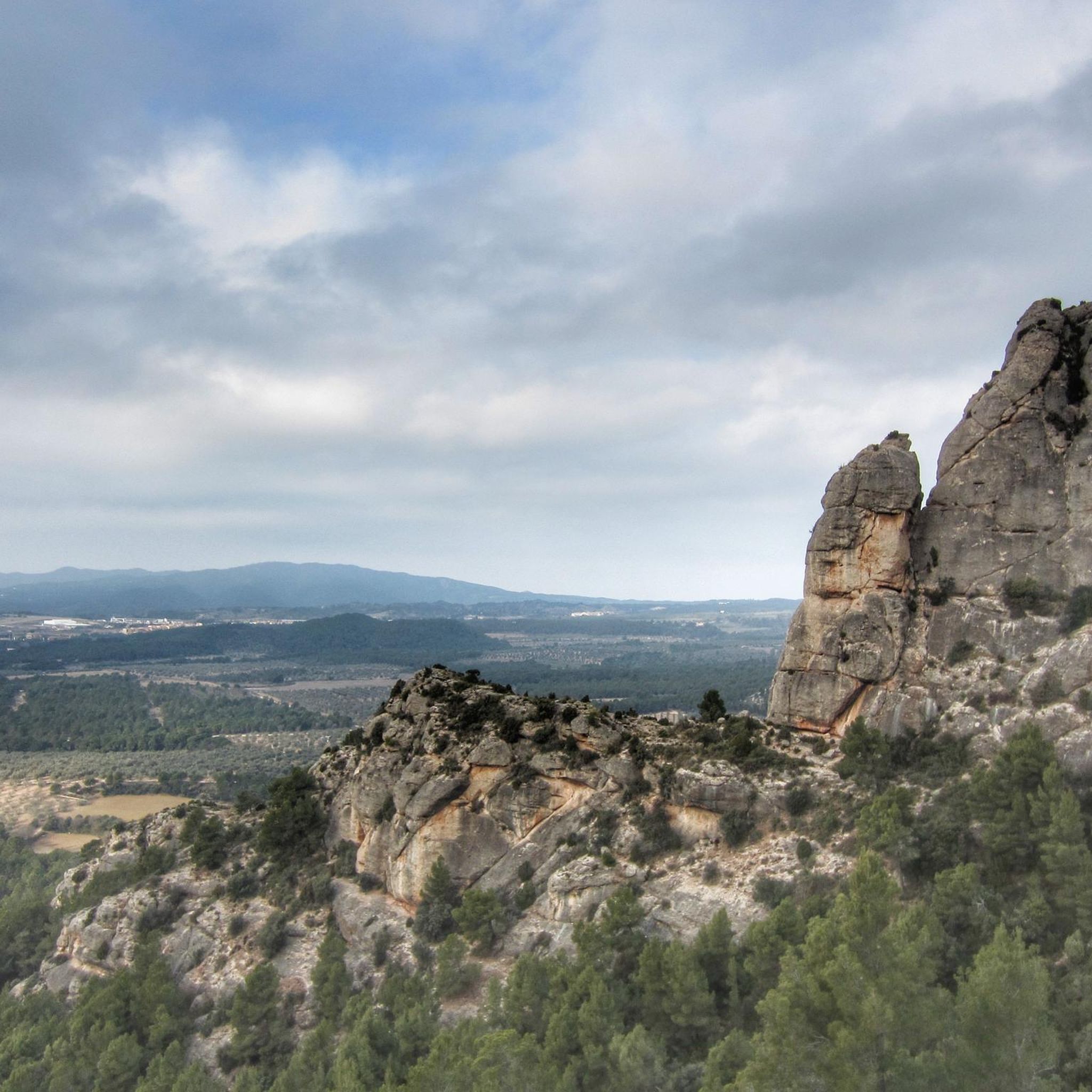
Running Trails in Muntanya De Montserrat
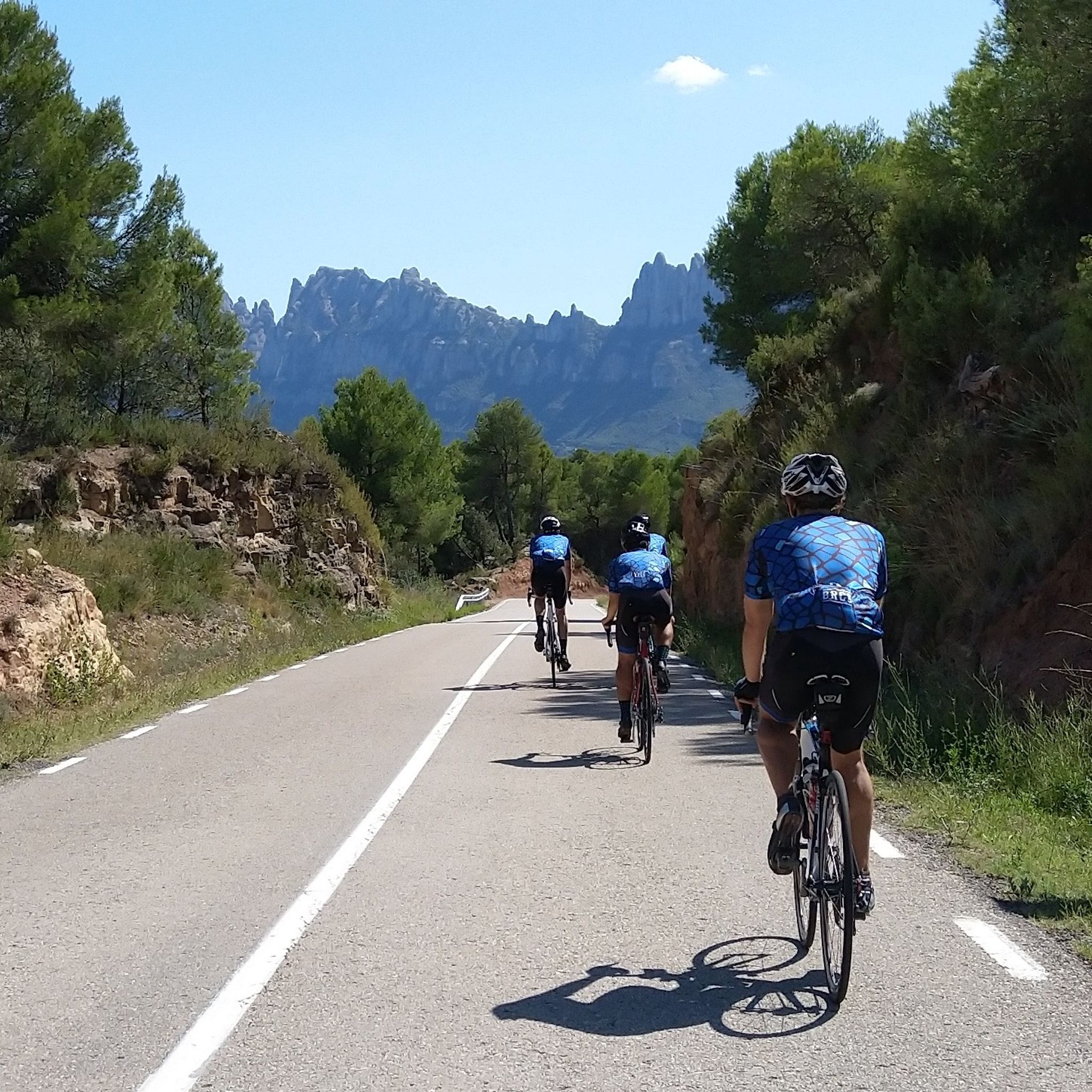
Road Cycling Routes in Muntanya De Montserrat
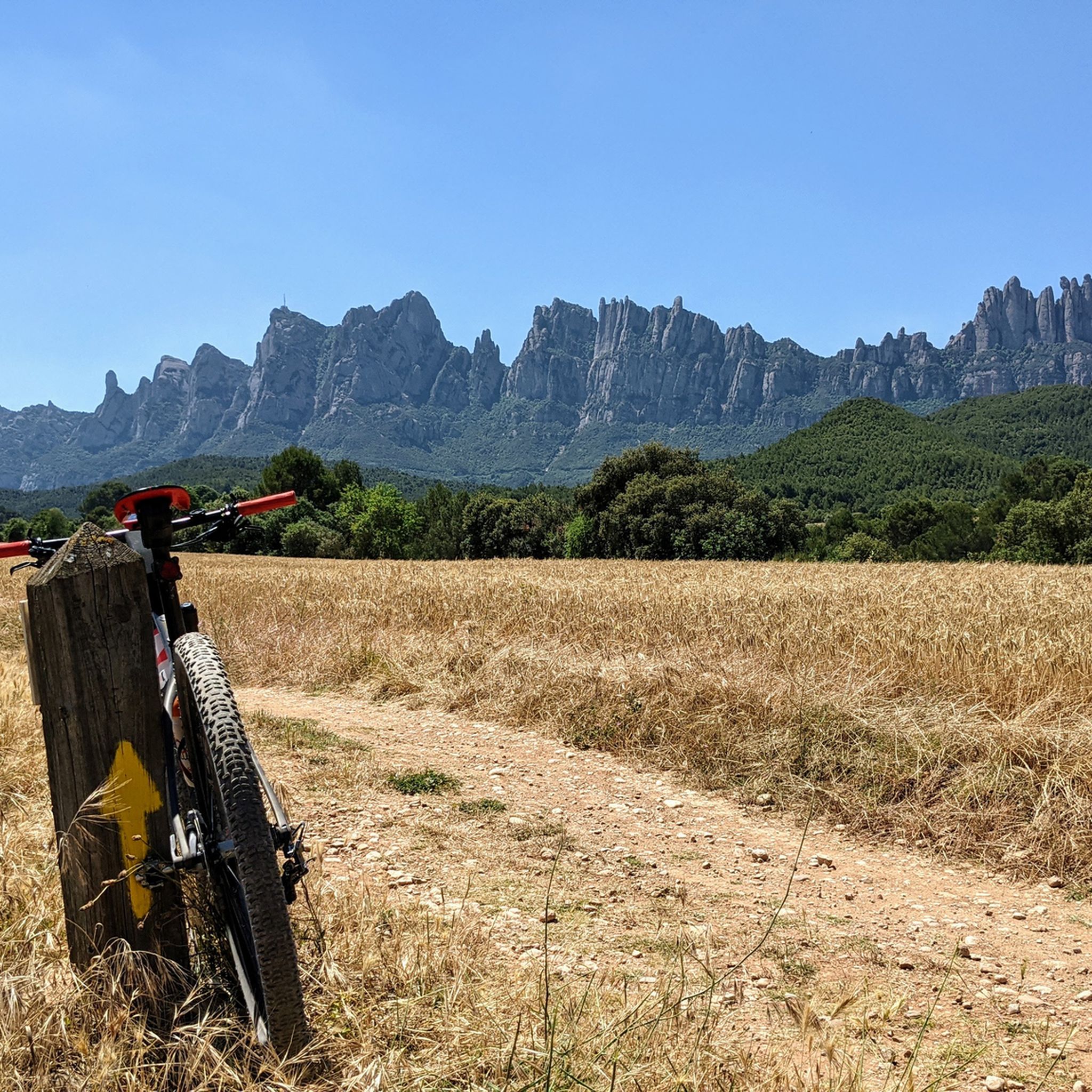
MTB Trails in Muntanya De Montserrat
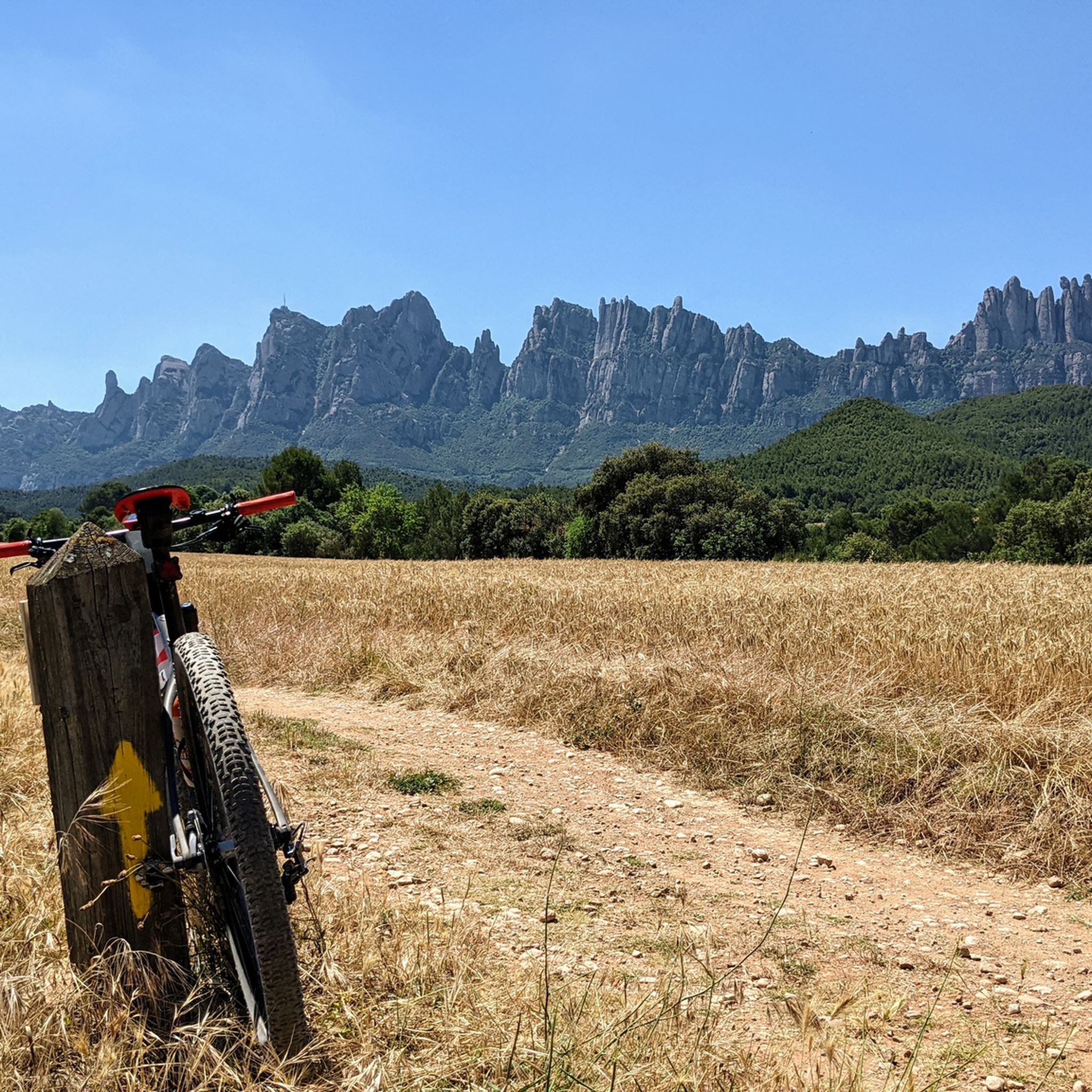
Cycling in Muntanya De Montserrat

Gravel biking in Muntanya De Montserrat
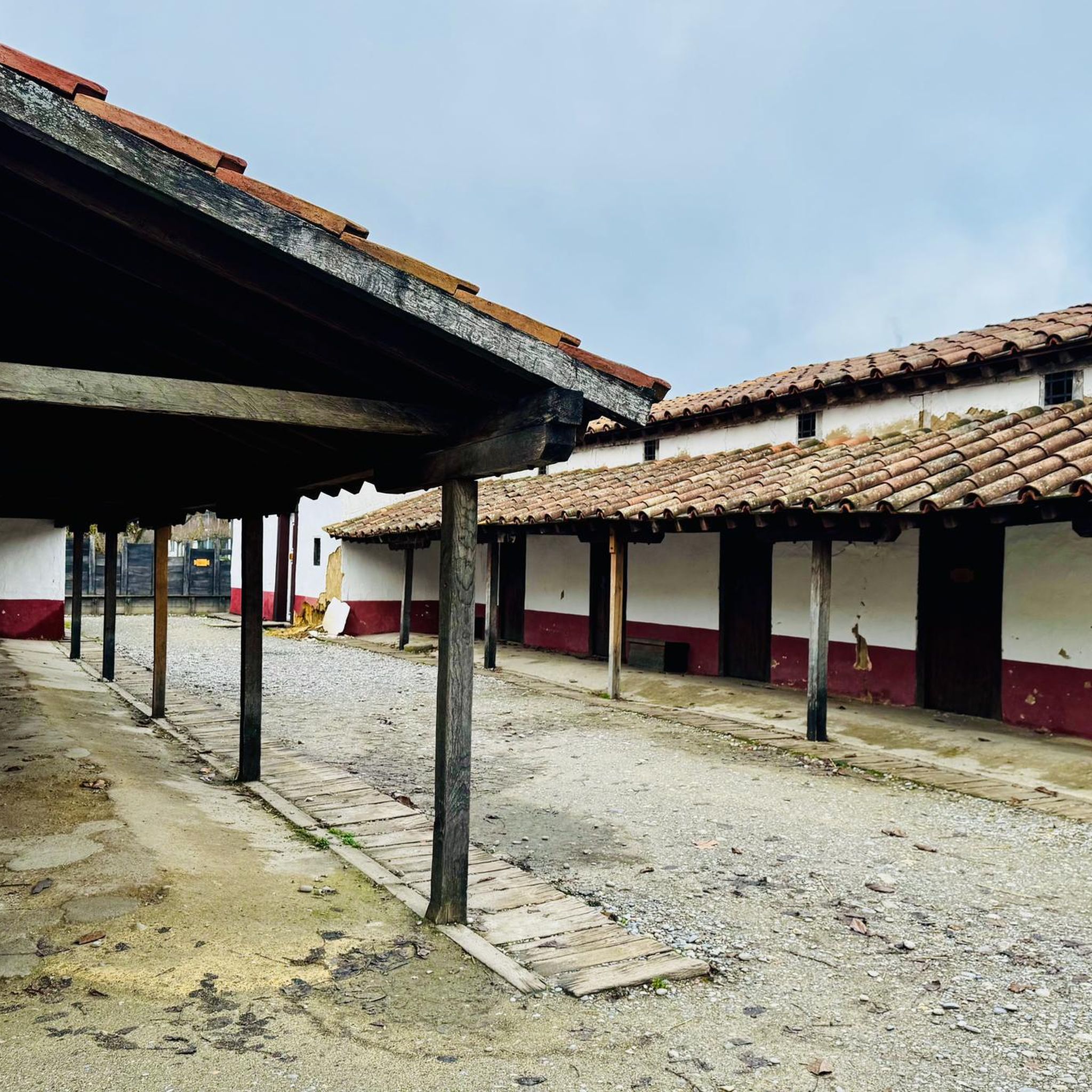
Mountain Hikes in Muntanya De Montserrat
Other adventures in Muntanya De Montserrat

Tips from the Community

The ascent from Piteu involves a final scramble to the summit. The other side bypasses this step.
0
0

Amazing climb up a beautiful and mystic mountain! Don't underestimate the last km!
0
0

Road BP1103 from Monestir de Montserrat to Can Maçana, Coll del Bruc, passing through Santa Cecilia, offers spectacular panoramic views of the Llobregat Valley, the entire Pla de Bages, Sant Llorenç del Munt and the Pre-Pyrenees, the entire northern view of Montserrat Mountain.
1
0

Brutal path that crosses this special mountain and the pinnacles that are above our heads makes the walk worth it.
0
0

It is a large fallen block that forms a bridge and gives its name to the torrent where it is located (Torrent del Pont). It is the culmination of the route with equipped sections of the Torrent del Pont. To get there you have to take a path that leaves the Camí del Pont with red markings.
0
0

Demanding roads and trails, but highly recommended, for its views, its fauna and exuberance of nature 🐶🥾🌲
0
1

the return is long
0
0
Frequently Asked Questions
What makes the natural monuments in Muntanya De Montserrat unique?
The natural monuments of Muntanya De Montserrat are renowned for their distinctive geological formations, primarily sculpted from pink conglomerate rock. Millions of years of erosion have created a 'serrated' landscape of dramatic needles and peaks, often resembling human or animal figures. This unique geology, including features like 'els frares Encantats' (The Enchanted Friars), offers extraordinary landscapes and stunning views, making the entire massif a natural wonder.
Are there specific natural monuments known for panoramic views?
Yes, many natural monuments in Montserrat offer breathtaking panoramic views. The entire mountain range provides numerous vantage points. For an accessible experience, the Scenic road of Montserrat (BP1103) offers spectacular vistas of the Llobregat Valley, Pla de Bages, and the Pre-Pyrenees. While not a highlight in the provided data, Sant Jeroni, the highest peak, is also famous for its expansive views across Catalonia.
What kind of hiking trails can I find among the natural monuments?
Muntanya De Montserrat offers a variety of hiking trails that lead through its natural monuments. You can find challenging routes, such as those leading to the Natural Bridge of the Torrent del Pont, which involves equipped sections. There are also demanding trails like the Return Route from Via Ferrata Les Dames, known for its views and natural exuberance. For more options, explore the easy hikes in Muntanya De Montserrat guide.
Are there any natural arches or unique rock formations to discover?
Absolutely. One prominent example is the Natural Bridge of the Torrent del Pont, a large fallen rock block that forms a natural arch. The entire Montserrat massif is also a natural monument in itself, with countless unique rock formations, often described as 'fingers reaching for the sky' or 'uniquely finger-shaped summits' like 'els frares Encantats'.
What outdoor activities are popular near the natural monuments?
Besides hiking, the rugged terrain of Montserrat is popular for climbing, especially around features like Cavall Bernat. Cycling is also a favored activity, with routes like the Scenic road of Montserrat offering challenging climbs and stunning views. You can find more cycling routes in the Cycling in Muntanya De Montserrat guide.
Can I find natural monuments suitable for intermediate hikers?
Yes, many natural monuments are accessible via intermediate trails. The area Surrounded by giant rocks offers a special path through pinnacles, providing a rewarding walk. The ascent to Turó de l'Ermità (595 m) is another intermediate option, with a final scramble to the summit for those seeking a bit more adventure.
What kind of wildlife can be observed in the natural park?
The Muntanya de Montserrat natural park is a biodiversity hotspot. Its diverse microclimates support a variety of wildlife. While specific animals are not detailed in the highlights, the region's dense Holm oak forests and Mediterranean vegetation provide habitats for numerous species. Hikers on trails like the Return Route from Via Ferrata Les Dames have noted the 'fauna and exuberance of nature'.
What is the best time of year to visit the natural monuments in Montserrat?
The best time to visit the natural monuments in Montserrat is typically during spring (April-May) and autumn (September-October). During these seasons, the weather is mild and pleasant for hiking and outdoor activities, and the natural scenery is vibrant. Summer can be very hot, while winter offers cooler temperatures, which can be ideal for hiking, but some higher trails might be affected by weather conditions.
Are there any natural monuments that are particularly popular with climbers?
Yes, the unique rock formations of Montserrat attract many climbers. Cavall Bernat, at 1,111 meters, is a significant rock feature especially popular for its challenging climbing routes. The entire massif, with its 'uniquely finger-shaped summits,' offers a wide array of climbing opportunities for various skill levels.
What geological history shaped the natural monuments of Montserrat?
The natural monuments of Montserrat were formed over millions of years from conglomerate rocks, which are sedimentary rocks composed of rounded pebbles and boulders cemented together. This formation occurred in an ancient inland sea delta. Subsequent erosion by wind and rain sculpted these resistant rocks into the distinctive 'serrated' peaks, needles, and monolithic formations that define the mountain's unique landscape today, including karst landforms and cave systems.
Can I find trails that offer a sense of being 'surrounded by giant rocks'?
Yes, the highlight named Surrounded by giant rocks perfectly encapsulates this experience. It's described as a 'brutal path that crosses this special mountain and the pinnacles that are above our heads makes the walk worth it,' offering an immersive journey through Montserrat's iconic rock formations.
Most popular routes in Muntanya De Montserrat
Most popular attractions in Muntanya De Montserrat

Get inspired with the komoot mobile app


Explore more
Extend your search for the best caves by checking out these guides of the top ones in Muntanya De Montserrat:
