Top 20 Natural Monuments in Hoces Del Alto Ebro Y Rudrón
Best natural monuments in Hoces Del Alto Ebro Y Rudrón are found within a Natural Park known for its dramatic landscapes, sculpted by the Ebro and Rudrón rivers. This region, located in the northwest of Burgos, features deep canyons, gorges, and extensive moorlands. Its unique topography supports a rich biodiversity, blending Euro-Siberian and Mediterranean environments. The area offers diverse natural features for exploration.
Best natural monuments in Hoces Del Alto Ebro Y Rudrón
- The most popular natural monuments is Turquoise…
Last updated: July 11, 2026
Turquoise Pools and Waterfalls of Orbaneja del Castillo
Highlight • Waterfall
Translated by Google •
Tip by

Pozo Azul de Covanera
Highlight • Natural Monument
Translated by Google •
Tip by

Sign up now to discover places like this
Get recommendations on the best single tracks, peaks, & plenty of other exciting outdoor places.
Sign up for free
Orbaneja del Castillo
Highlight • Settlement
Translated by Google •
Tip by
Ebro Viewpoint
Highlight • Viewpoint
Showing Translation
Tip by

La Cañada Waterfall
Highlight • Waterfall
Translated by Google •
Tip by
Sign up for free to discover even more natural monuments in Hoces Del Alto Ebro Y Rudrón.
Sign up for free
Already have an account?
Start today with a free account
Your next adventure awaits.
Login or Signup
Popular around Hoces Del Alto Ebro Y Rudrón
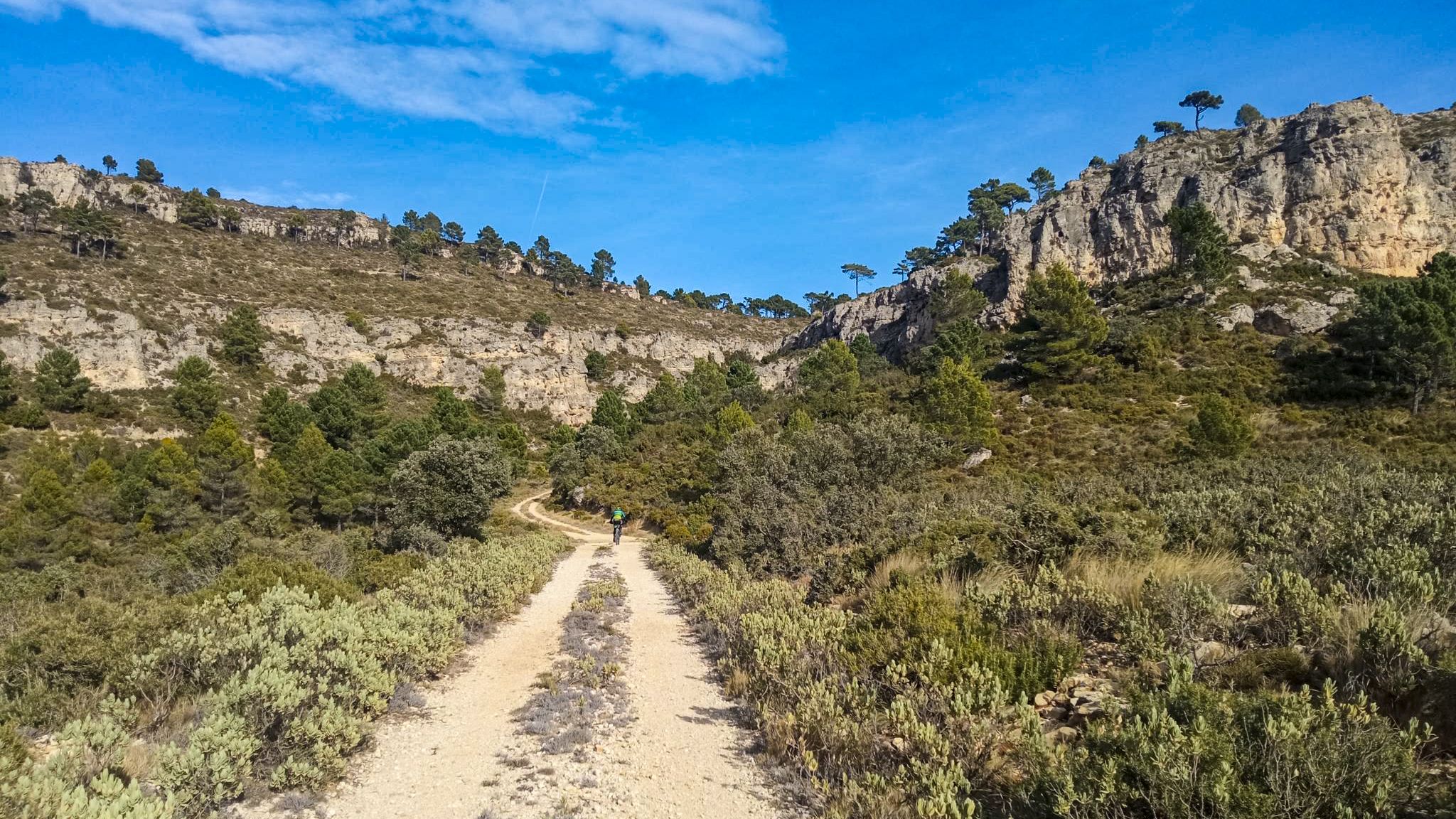
10 gravel routes to discover hidden gems in Spain
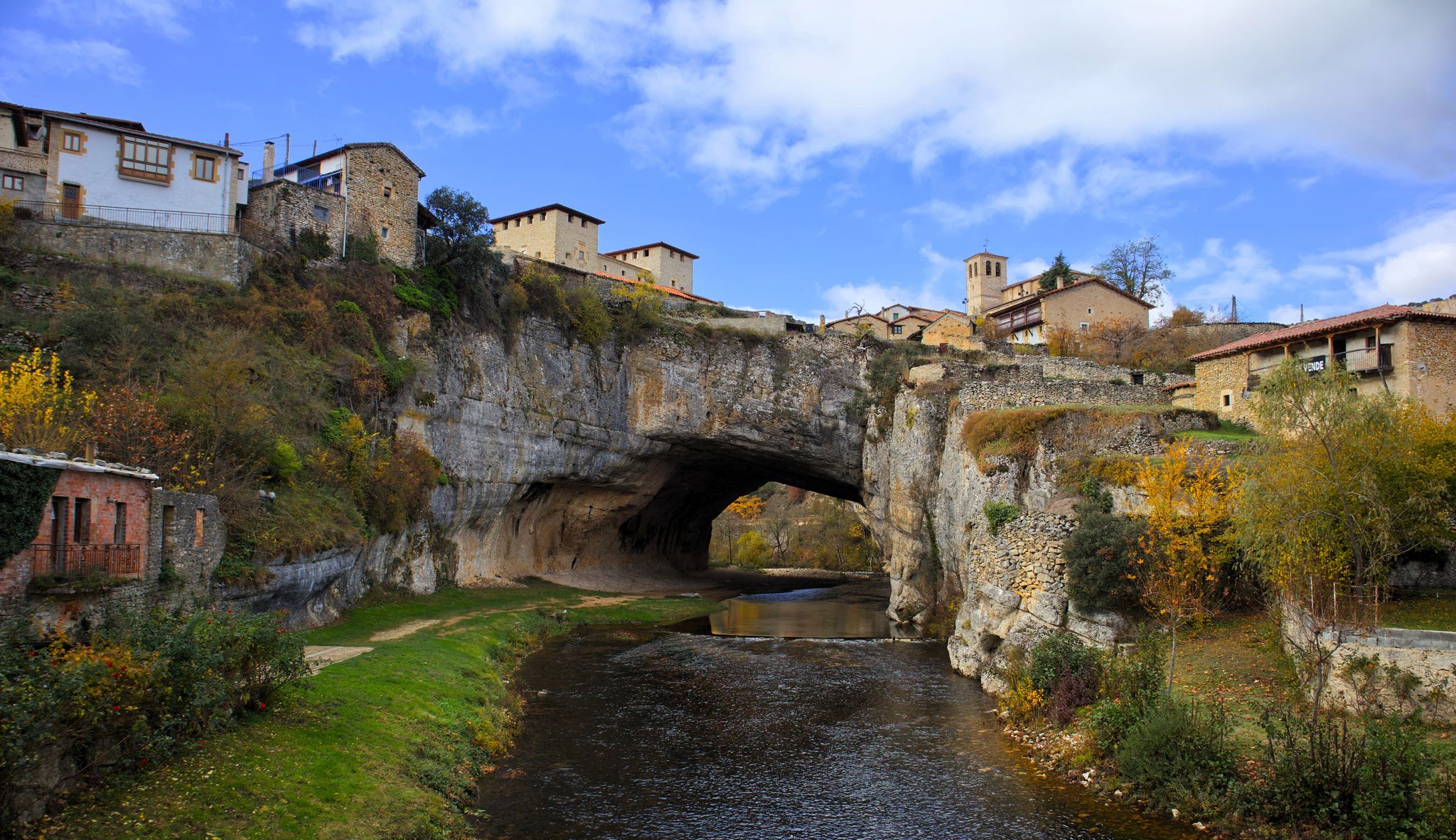
Endless valleys and historic villages – Route of the Senses (GR 85)
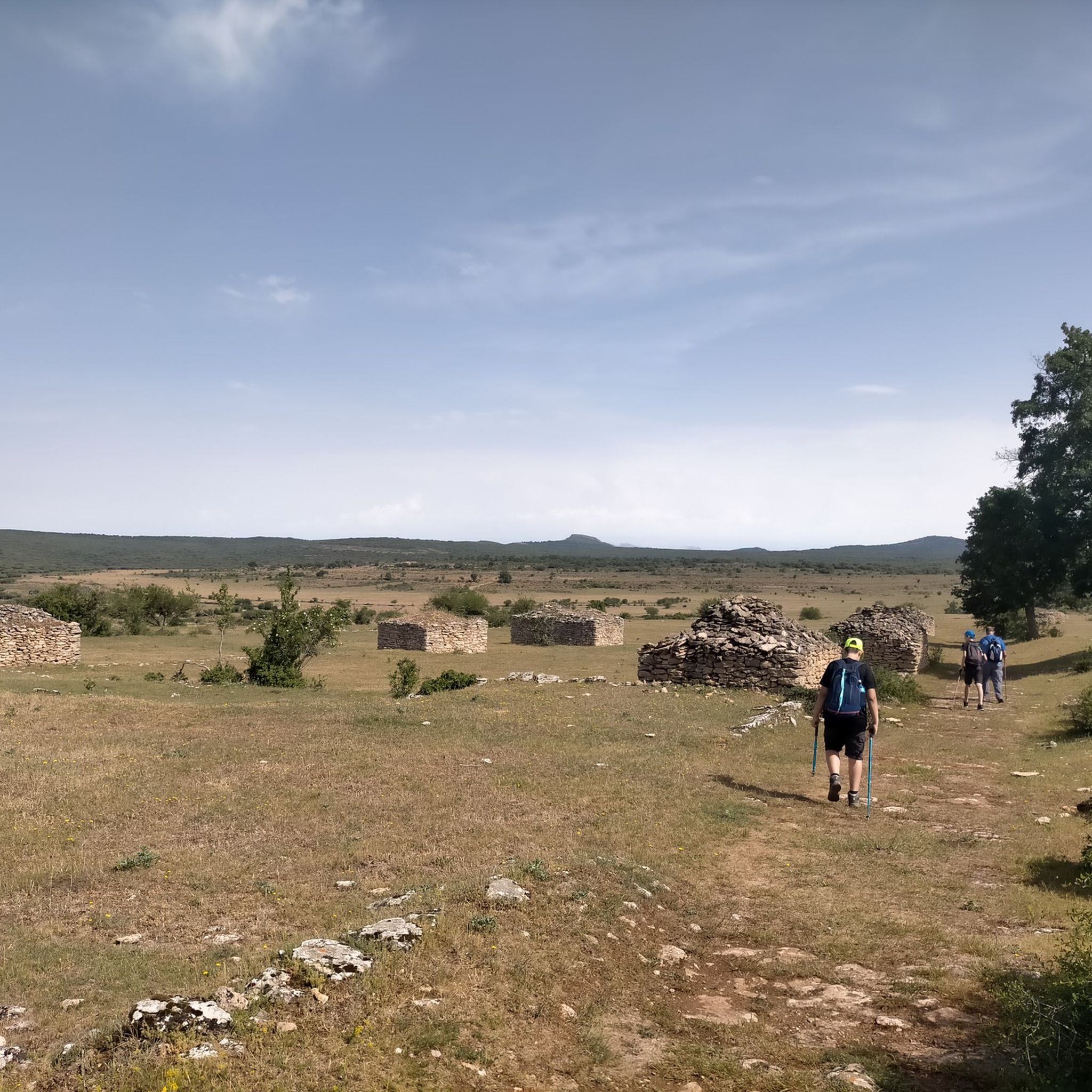
Hiking in Hoces Del Alto Ebro Y Rudrón
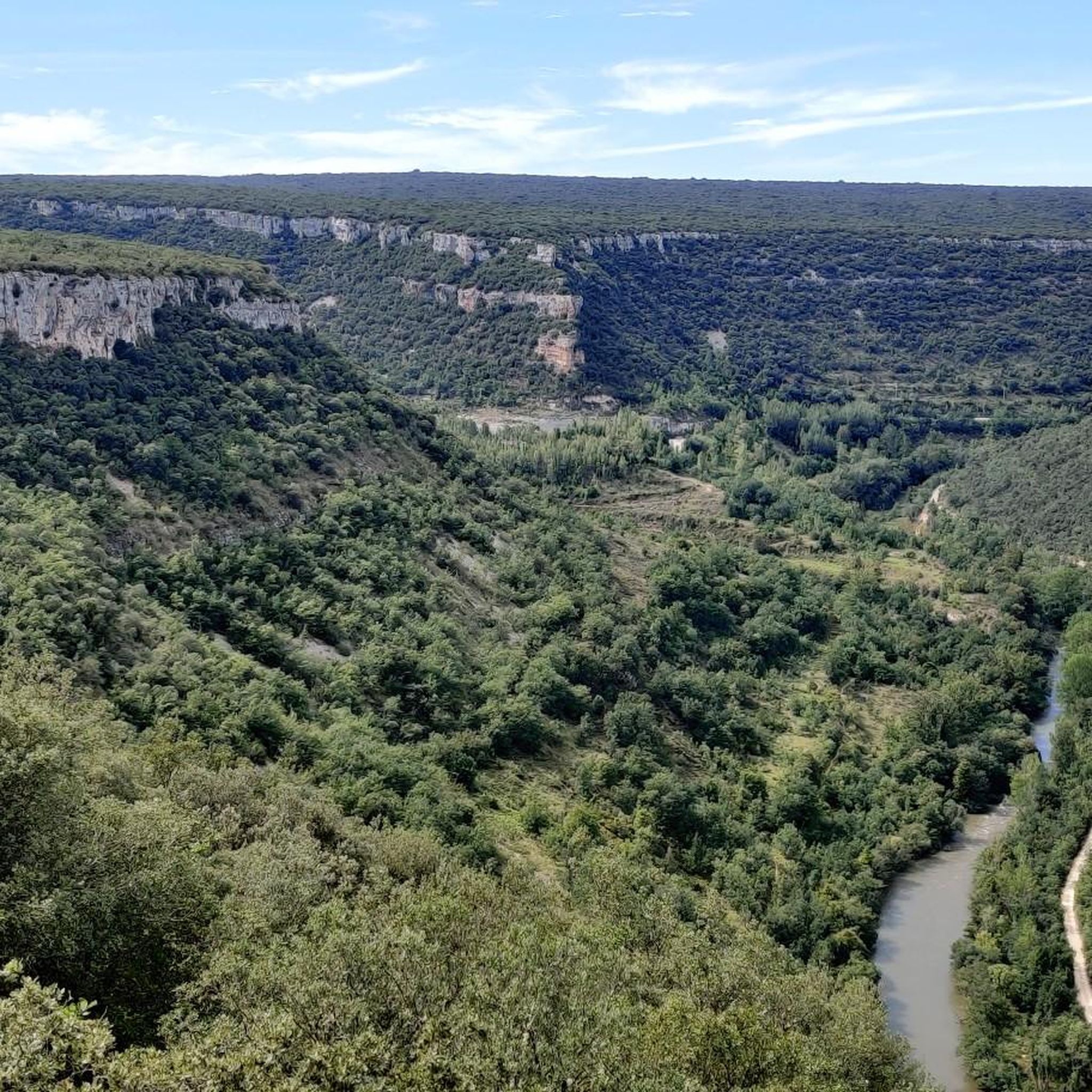
MTB Trails in Hoces Del Alto Ebro Y Rudrón
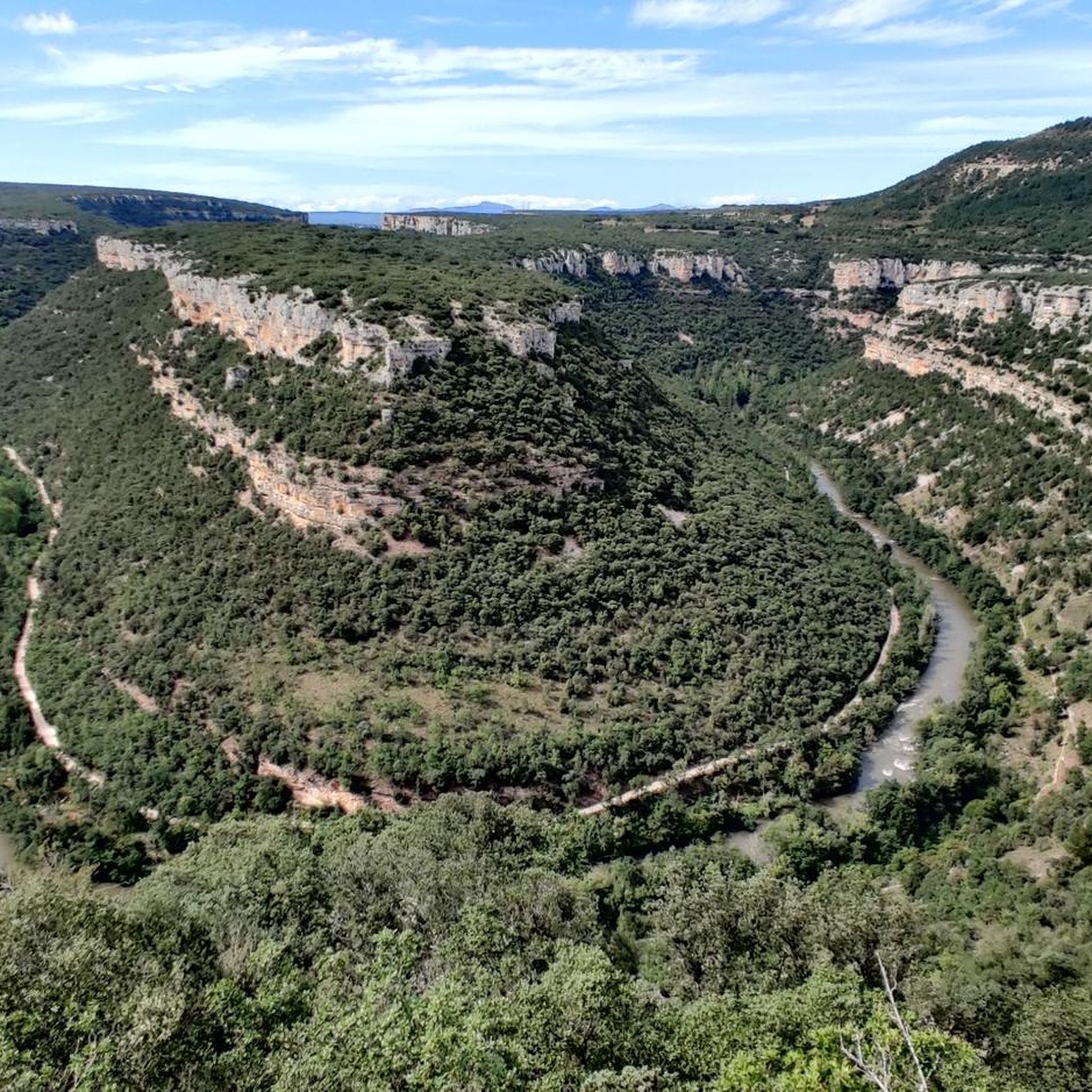
Running Trails in Hoces Del Alto Ebro Y Rudrón

Gravel biking in Hoces Del Alto Ebro Y Rudrón
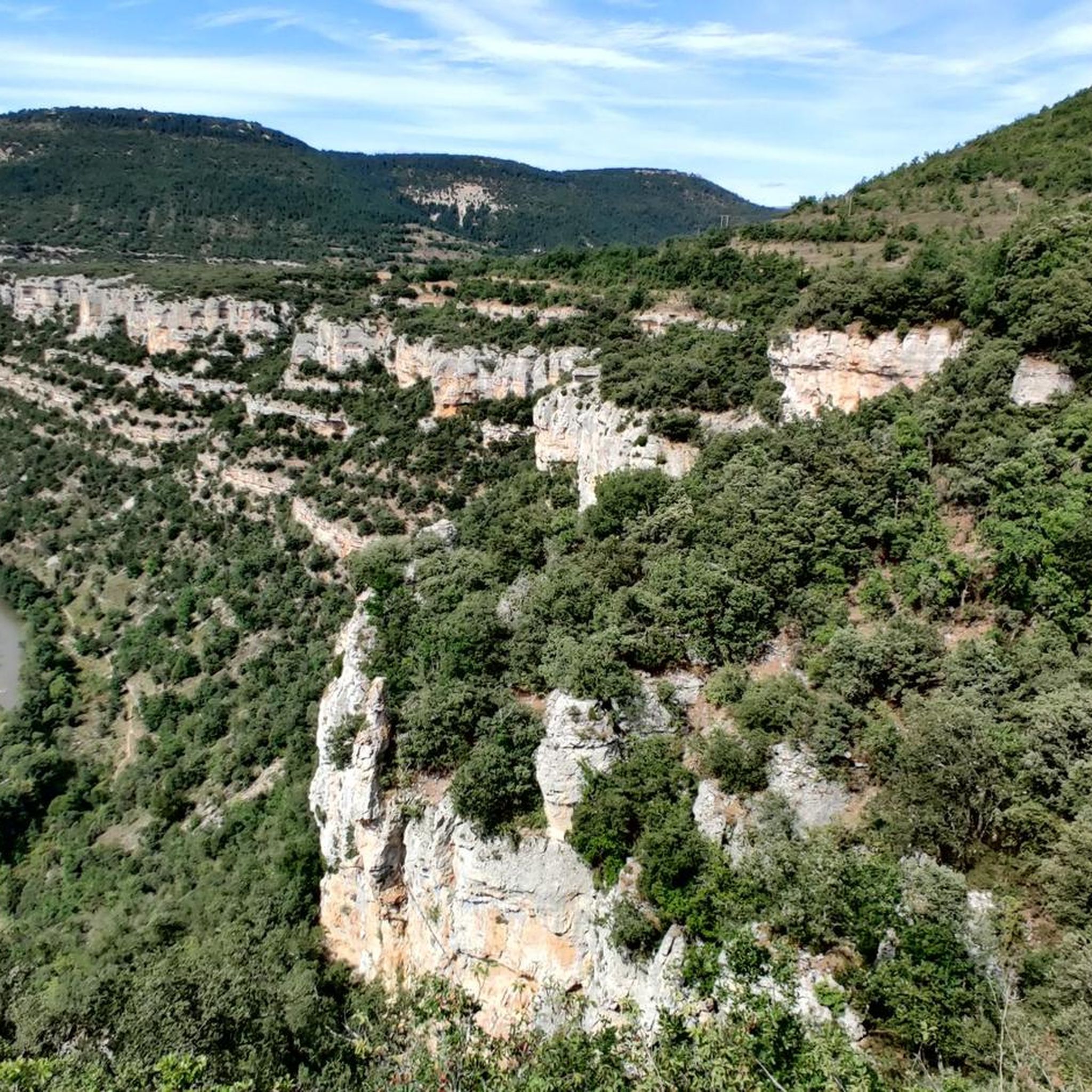
Road Cycling Routes in Hoces Del Alto Ebro Y Rudrón
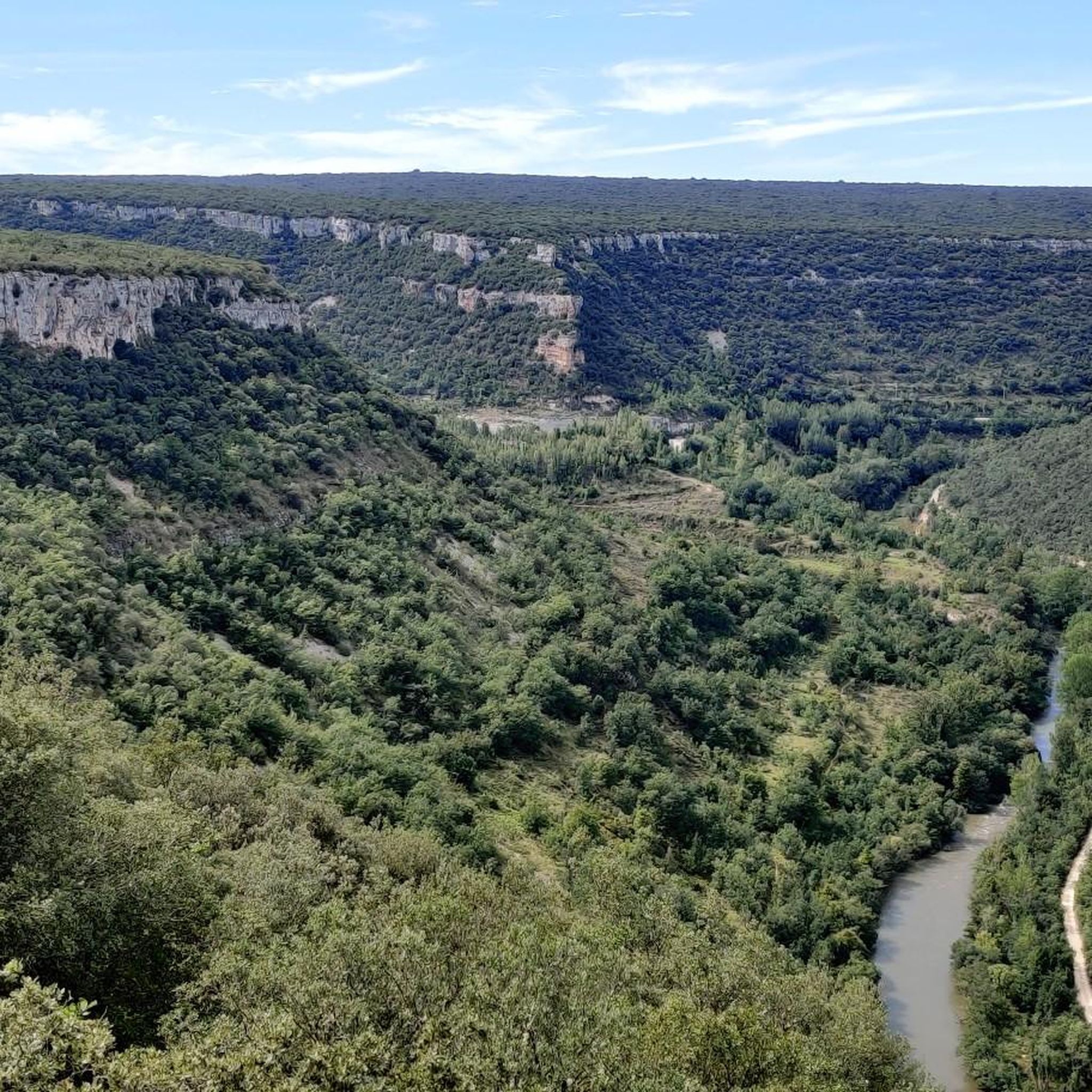
Cycling in Hoces Del Alto Ebro Y Rudrón
Other adventures in Hoces Del Alto Ebro Y Rudrón


Tips from the Community

Visiting Orbaneja del Castillo is usually a fantastic experience if you like charming natural villages, photogenic spots, and a tranquil atmosphere. The village's main attraction is the waterfall that literally runs through the town, descending from the Cueva del Agua to the Ebro River. It's one of the most iconic landscapes in Burgos. Cobblestone streets, stone houses, medieval corners... It's a quick walk, but every angle is photo-worthy.
2
0
The waterfall springs from the Cueva del Agua from a height of over 20 meters, at the base of the rocky cirque that embraces the village, originating from an aquifer located in the subsoil of the Páramo de Bricia, and it leaps everywhere, dividing the village into two halves, the Villa and the Puebla, and descends among the stone houses, creating a most photogenic scene.
2
0

Beautiful route to do in good weather. The surrounding villages are worth visiting, on weekends it is best to book if you want to taste the local gastronomy.
0
0

A spectacular area for hiking trails
0
0

From various shades of blue, ranging from turquoise to a dark ultramarine in the deepest part. To reach the well, there's a half-kilometer walk along a beautiful path that even has a cave entrance. When we arrived, it was a beautiful day, with people swimming and a caving group who had put on their diving suits and were exploring the depths of the underwater cave. A spectacle.
2
1

Natural wonder of the karst environment of Castilla León in the province of Burgos
3
0

The waterfall is wonderful, but the town is not far behind.
2
0
It is beautiful on its own, but if we add the depths of the town from which it arises... visit it!
7
0
Frequently Asked Questions
What unique natural features define the Hoces del Alto Ebro y Rudrón Natural Park?
The park is characterized by dramatic landscapes sculpted by the Ebro and Rudrón rivers, featuring deep canyons and gorges carved into limestone, some reaching up to 200 meters in height. These contrast with extensive, almost flat moorlands at higher altitudes, creating diverse microclimates and a rich biodiversity.
Are there any spectacular waterfalls to visit in the region?
Yes, the region is famous for its waterfalls. A must-see is the Turquoise Pools and Waterfalls of Orbaneja del Castillo, where a powerful waterfall emerges from the Cueva del Agua and cascades directly through the village, creating picturesque karst landscapes and turquoise pools before flowing into the Ebro River. Another easily accessible option is La Cañada Waterfall near Hoyos del Tozo, known for its significant flow.
What geological wonders can I explore in Hoces del Alto Ebro y Rudrón?
The park is rich in geological wonders, particularly karstic formations. The Pozo Azul de Covanera is a striking example, known for its enigmatic underwater galleries and crystalline blue waters. It's a karstic spring with a diameter of 7 meters and a depth of 10 meters, attracting both casual visitors and experienced cave divers. The Cueva del Moro is another notable site where the Rudrón River resurfaces after flowing underground.
What kind of rock formations can be seen in the area?
The region boasts impressive rock formations, especially around Orbaneja del Castillo. The Orbaneja del Castillo Rock Formations are notable for their impressive scale, forming rocky cliffs that surround the picturesque village and the Ebro canyon. These provide stunning backdrops and viewpoints.
Are there family-friendly natural monuments or activities in Hoces del Alto Ebro y Rudrón?
Absolutely. Many natural monuments are suitable for families. For instance, the path to La Fuentona is short and offers a pleasant walk to enjoy the sound of water and beautiful scenery. La Cañada Waterfall is also easily accessible and family-friendly. The unique sight of the waterfall flowing through Orbaneja del Castillo is also captivating for all ages.
What outdoor activities can I do near the natural monuments?
The park offers a variety of outdoor activities. You can find numerous running trails, such as the 'Mirador del Cañón del Ebro' circular route. For cycling enthusiasts, there are extensive road cycling routes like the 'Orbaneja del Castillo – View of the Ebro Canyon loop'. Mountain biking and touring bicycle routes are also available, including the 'Ebro Canyon Trail'. You can explore more options on the dedicated guide pages for running, road cycling, and cycling in Hoces Del Alto Ebro Y Rudrón.
What is the best time of year to visit the natural monuments in Hoces del Alto Ebro y Rudrón?
The park's unique blend of Euro-Siberian and Mediterranean environments makes it appealing throughout the year. Spring and autumn offer pleasant temperatures for hiking and exploring the waterfalls and gorges, with lush greenery or vibrant fall colors. Summer is ideal for enjoying the water features like the turquoise pools, while winter can provide a different, serene beauty, though some paths might be more challenging.
Are there opportunities for birdwatching near the gorges?
Yes, the cliffs of the Ebro and Rudrón gorges are a crucial habitat for various raptors. Birdwatchers can spot griffon vultures, imperial eagles, Bonelli's eagles, eagle owls, and peregrine falcons, making it a significant spot for observing these majestic birds in their natural environment.
What kind of wildlife can I expect to see in the park?
Beyond raptors, the park's diverse ecosystems, ranging from heathlands and riparian forests to beech, oak, and holm oak woodlands, support a variety of wildlife. You might encounter the Iberian crayfish, trout, Pyrenean desman, otter, and even wolves, showcasing the rich biodiversity of the region.
What do visitors appreciate most about the natural monuments in Hoces del Alto Ebro y Rudrón?
Visitors frequently highlight the stunning natural beauty and the unique geological formations. The 'Turquoise Pools and Waterfalls of Orbaneja del Castillo' are often described as a 'dreamlike natural treasure' and a 'special and magical place'. The intense blue color of the water at 'Pozo Azul de Covanera' is consistently praised as 'spectacular', and the 'Orbaneja del Castillo Rock Formations' are admired for their impressive scale and photographic opportunities, especially at sunset.
Is public transport available to reach the natural monuments?
While the region is best explored by car for flexibility, some villages within or near the park, like Orbaneja del Castillo and Covanera, may have limited bus services connecting them to larger towns. However, direct public transport to all individual natural monuments can be scarce, so planning your journey in advance is recommended.
Are there any specific rules for visiting with dogs on trails?
Generally, dogs are welcome on trails in natural parks, but it's always advisable to keep them on a leash to protect wildlife and ensure the safety of other visitors. Specific rules may vary by area, so look for local signage. Always carry bags to clean up after your pet.
Most popular routes in Hoces Del Alto Ebro Y Rudrón
Most popular attractions in Hoces Del Alto Ebro Y Rudrón

Get inspired with the komoot mobile app


Explore more
Extend your search for the best caves by checking out these guides of the top ones in Hoces Del Alto Ebro Y Rudrón:
