The best cycling routes around Langenenslingen
4.7
(421)
2,212
riders
78
rides
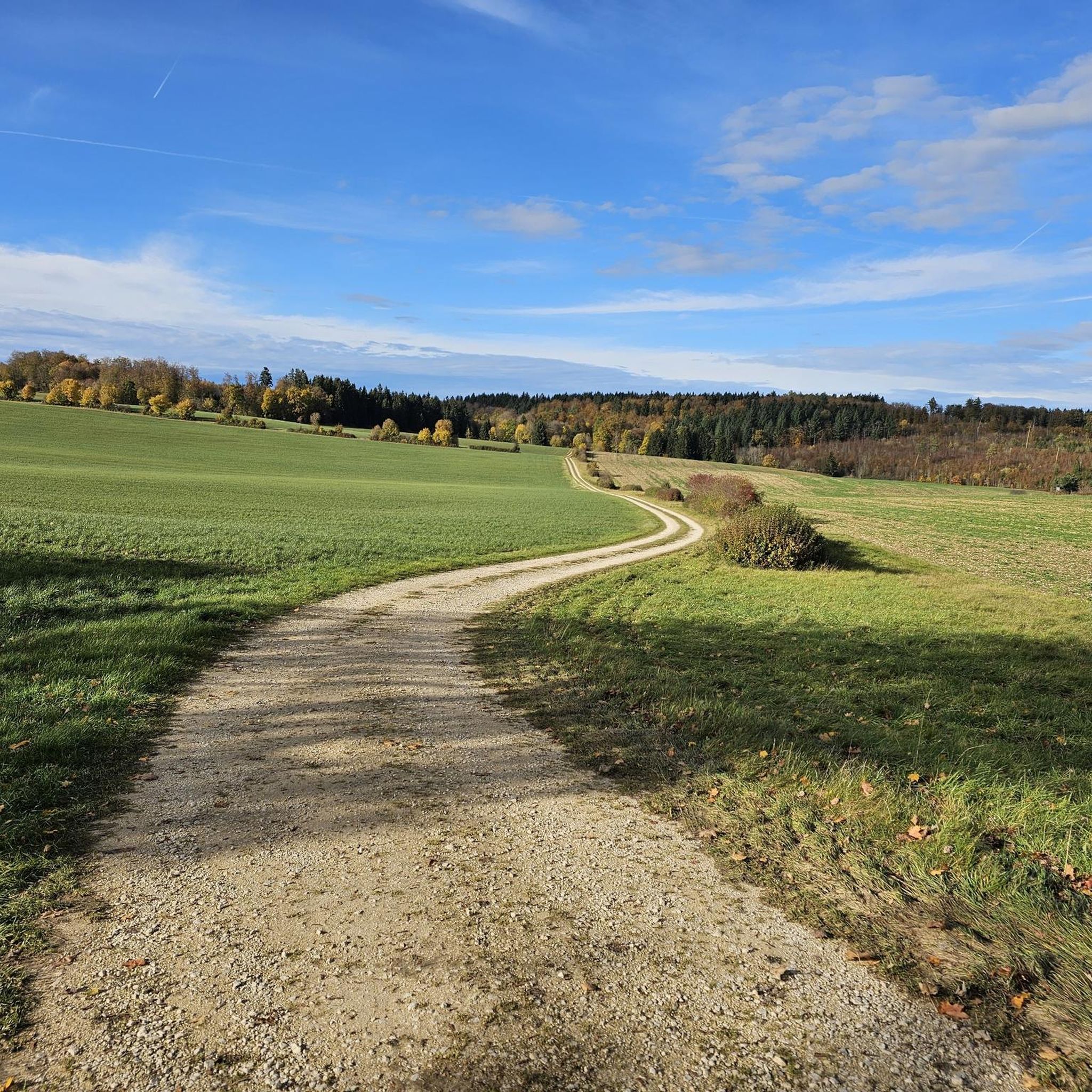
Touring cycling around Langenenslingen navigates a landscape characterized by rolling hills and extensive forests at the foot of the Swabian Alb. The region is situated on the edge of the Danube valley, offering varied terrain for cyclists. Features include the Lauchert Valley, which provides diverse routes, and the transition zone to the Alb plateau. Langenenslingen is known as the largest and most forested municipality in the Biberach district.
Best touring cycling routes around Langenenslingen
- The most popular touring cycling route…
Last updated: November 18, 2026
4.5
(294)
1,405
riders
85.1km
05:08
570m
570m
Hard bike ride. Very good fitness required. Mostly paved surfaces.
4.0
(1)
39
riders
21.8km
01:16
100m
100m
Easy bike ride. Mostly paved surfaces.

4.3
(3)
55
riders
Easy bike ride. Mostly paved surfaces.
5.0
(1)
26
riders
47.1km
04:24
860m
860m
Hard bike ride. Very good fitness required. Mostly paved surfaces.
4.7
(6)
28
riders
33.1km
01:55
110m
110m
Easy bike ride. Mostly paved surfaces.
Get access to more routes and recommendations from other explorers.
Already have an account?
Our route recommendations are based on thousands of hikes, rides, and runs completed by other people on komoot.
Start today with a free account
Your next adventure awaits.
Tips from the Community

The first documented mention of Sigmaringen Castle can be found in the year 1077, in the annals of the Petershausen monastery. It reports on the stay of King Henry IV during his investiture controversy with the Pope – an indication that the castle already had strategic importance at that time. The oldest preserved parts date back to the Staufer period around 1200. These include the castle gate, the palas, and the keep. Over the centuries, the castle was repeatedly expanded, rebuilt, and adapted to the changing needs of its inhabitants. The 15th and 16th centuries in particular were marked by profound structural changes. A first major construction period dates back to the Counts of Werdenberg, who began in the 15th century to expand the castle into a representative residence. The extension to the northeast is documented today only by the preserved door lintel on the so-called Swedish Tower with the year 1498. A few years later, another extension to the west followed. With the handover of the castle to the Hohenzollern-Sigmaringen line in 1535, a new era began. Count Karl II of Hohenzollern-Sigmaringen (1576–1606) had the castle extensively rebuilt and expanded it according to modern standards. Another milestone was the merging of two separate building parts by Michael Beer around 1650. The master builder, who came from the Bregenzerwald, connected the facilities from the Werdenberg period into a unified castle architecture. In the 18th century, mainly smaller renovations and furnishing measures followed. Particularly noteworthy is the establishment of a knight's hall in 1736, which was redesigned and restored as an ancestral hall in 1878. In the course of the emerging Neo-Gothic style, the castle was further remodeled in the second half of the 19th century by the princely master builder Josef Laur. A dramatic event shook the castle in 1893, when a devastating fire destroyed large parts of the complex. As a result, one of the most significant reconstruction phases in the castle's history occurred. The architectural conclusion of this phase is marked by the Portuguese Gallery, completed in 1907. It forms an elegant connection between the castle wings and delimits the inner courtyard towards the city side – a masterpiece of courtly representative architecture. hohenzollern-schloss.de/de/component/content/article/65-historie?catid=2
2
0

Lots of nature, this section is a scenic highlight
0
0
And here it is really nice for cycling with a lot of nature
0
0

again and again along the Danube
0
0
super cycle path along the Danube
0
0

The Danube bridge near Binzwangen spans the Danube between the district of Binzwangen and the Donauried. At the bridge stands a statue of Saint John of Nepomuk, who is considered the patron saint of bridges and travelers. The current bridge was inaugurated in 1990 and offers a beautiful view of the Danube and the landscape of Upper Swabia.
0
0

Beautiful section of the cycle path and overnight accommodation available
1
0
Zwiefalten Abbey: Benedictine abbey, founded in 1089, baroque masterpiece, secularized in 1802.
1
0
Frequently Asked Questions
What kind of terrain can I expect when touring cycling around Langenenslingen?
Langenenslingen is characterized by its picturesque rolling hills and extensive forests, situated at the foot of the Swabian Alb and on the edge of the Danube valley. You'll find varied terrain, from gentle undulations in areas like the Lauchert Valley to more challenging ascents as you transition towards the Alb plateau. The region is known as the largest and most forested municipality in the Biberach district, offering tranquil cycling experiences.
Are there easy touring cycling routes suitable for beginners in Langenenslingen?
Yes, Langenenslingen offers a good selection of easy touring cycling routes. For instance, the Heiligkreuztal Monastery – View of Heuneburg loop from Langenenslingen is an easy 28.9 km trail that takes about 1 hour 43 minutes. Another accessible option is the Danube River – Riedlingen Old Town loop from Langenenslingen, which is 18.7 km long. Overall, there are 21 easy routes available, making it welcoming for beginners.
What natural features and landmarks can I discover along the cycling routes?
The region is rich in natural beauty and historical sites. You can explore the scenic Lauchert Valley, enjoy views from the gently hilly Warmtal, or visit the beautiful Wimsener Cave, Germany's only active water cave navigable by boat. Other natural highlights include the Gieß Waterfall (Veringendorf) and the tranquil Lauchertsee. Historically, you might encounter Langenenslingen Castle, the 'Alte Burg' excavation site, or the Bussen Pilgrimage Church and Castle Ruins.
Are there any family-friendly cycling routes in Langenenslingen?
Yes, the region is suitable for families. The 'On the Trail of the Celts' cycling route around the Heuneburg is specifically highlighted as being suitable for families and children, offering accessible and enjoyable cycling opportunities. Many of the easy routes, such as the Danube River – Riedlingen Old Town loop from Langenenslingen, are also great for family outings.
When is the best time of year to go touring cycling in Langenenslingen?
The best seasons for touring cycling in Langenenslingen are spring and summer. During these months, the landscape is particularly vibrant, and the weather is generally pleasant for outdoor activities. This is when you can fully appreciate the region's diverse flora, including rare orchid species.
How many touring cycling routes are available in Langenenslingen?
There are over 60 touring cycling routes around Langenenslingen listed on komoot. These routes cater to various skill levels, with 21 easy, 24 moderate, and 22 difficult options, ensuring there's something for every cyclist.
What do other touring cyclists say about the routes in Langenenslingen?
The touring cycling routes in Langenenslingen are highly regarded by the komoot community, holding an average rating of 4.7 stars from over 440 reviews. More than 2,400 touring cyclists have used komoot to explore the varied terrain, often praising the well-signposted paths and the peaceful, natural environment away from heavy tourism.
Are there any circular touring cycling routes in the area?
Yes, many of the touring cycling routes in Langenenslingen are designed as loops, allowing you to start and end in the same location. The Lauchert Valley itself offers three distinct circular routes for exploration. Examples include the Sigmaringen Castle – Obermarchtal Abbey loop from Langenenslingen and the Sigmaringen Castle – Half-timbered houses in Mengen loop from Wilflingen.
What are some of the more challenging touring cycling routes in Langenenslingen?
For experienced cyclists seeking a challenge, Langenenslingen offers several difficult routes. The Sigmaringen Castle – Obermarchtal Abbey loop from Langenenslingen is a demanding 84.3 km trail with significant elevation changes. Another difficult option is the Friedinger Valley Shelter – Zwiefalter Klosterbräu Brewery loop from Ittenhausen, which covers 47.4 km with substantial climbs.
Is there public transport access to the cycling routes in Langenenslingen?
While specific public transport connections directly to trailheads are not detailed, Langenenslingen is a municipality within the Oberschwaben region. For detailed information on public transport options to and within the area, it is advisable to check local transport schedules or consult the regional tourism website for Oberschwaben: oberschwaben-tourismus.de.
Are there places to eat or rest along the cycling routes?
Yes, you'll find opportunities for breaks and refreshments. The Lauchertsee, for example, is a beautiful natural body of water perfect for a break, complete with a catering establishment and sunbathing areas. Many villages and towns along the routes will also offer cafes, restaurants, or guesthouses where cyclists can refuel and rest.
Most popular routes around Langenenslingen
Most popular attractions around Langenenslingen

Get inspired with the komoot mobile app


Explore more
Browse the best Cycling routes in other regions.
