Top 11 Natural Monuments in Shetland
Best natural monuments in Shetland showcase an archipelago characterized by dramatic coastlines, towering sea cliffs, and unique geological formations. The landscape features geos, sea stacks, and natural arches, all shaped by the powerful Atlantic Ocean. These iconic natural features Shetland provide essential habitats for diverse wildlife, particularly large seabird colonies. The region offers varied terrain for exploration, from coastal paths to moorland.
Best natural monuments in Shetland
- The most popular natural monuments is View of Hermaness Cliffs and Sea Stacks…
Last updated: April 29, 2026
Esha Ness Lighthouse
Highlight • Viewpoint
Tip by

Holes of Scraada
Highlight • Natural Monument
Tip by

Sign up now to discover places like this
Get recommendations on the best single tracks, peaks, & plenty of other exciting outdoor places.
Sign up for free
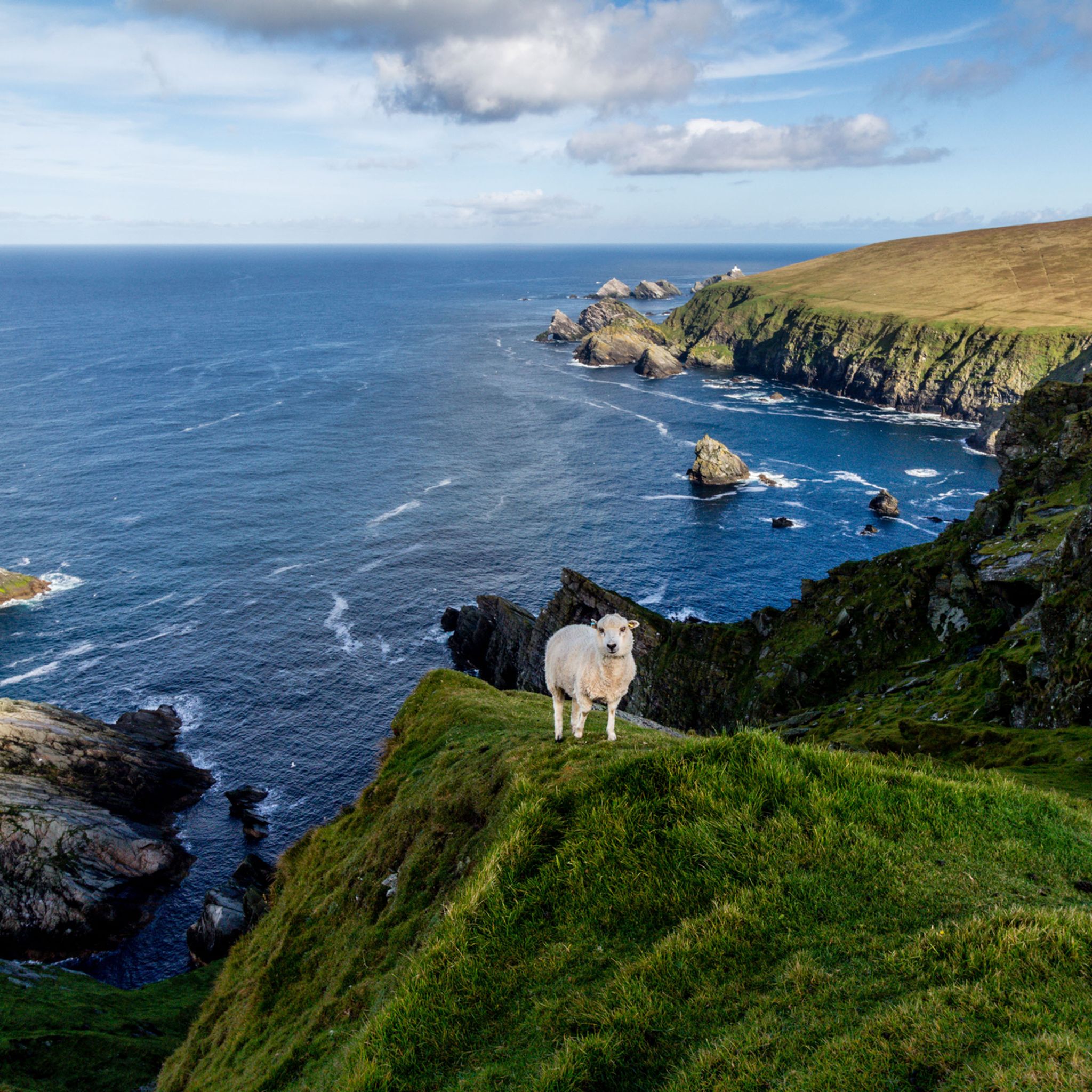
View of Hermaness Cliffs and Sea Stacks
Highlight • Viewpoint
Tip by

Calder's Geo
Highlight • Gorge
Tip by
Muckle Flugga Lighthouse and Sea Stacks
Highlight • Natural Monument
Tip by
Sign up for free to discover even more natural monuments in Shetland.
Sign up for free
Already have an account?
Start today with a free account
Your next adventure awaits.
Login or Signup
Tips from the Community

The view of the cliffs from here is simply beautiful.
0
0

Located right next to the lighthouse to the north
0
0
Here you can clearly see the power of the sea
0
0
A must on a Shetland tour, great views with beautiful lake with Viking remains along the coast
0
0
Worth it - the rocks of the north and the birds
0
0
Everything is full of nesting birds
0
1

On the cliffs you can see tens of thousands of gannets and many puffins.
0
0

Built between 1925 and 1929 the Esha Ness or Eshaness lighthouse stands proud on the top of the high sea cliffs. It used to have a lighthouse keeper but was automated in 1974 and the old keepers cottage is now holiday accommodation managed by the Shetland Amenity Trust.
0
0
Frequently Asked Questions
What unique geological features can I expect to see among Shetland's natural monuments?
Shetland is renowned for its dramatic coastal geology. You'll encounter impressive geos (narrow, deep inlets), towering sea stacks, and natural arches, all shaped by the powerful Atlantic Ocean. These formations are particularly prominent along the Esha Ness cliffs and around the northernmost islands.
Where can I experience dramatic clifftop scenery and large seabird colonies in Shetland?
For dramatic clifftop scenery and abundant seabird colonies, head to the View of Hermaness Cliffs and Sea Stacks. This National Nature Reserve is home to thousands of gannets, puffins, and other seabirds. Another excellent spot is near Muckle Flugga Lighthouse and Sea Stacks, where you can also observe puffins, fulmars, and guillemots nesting.
Are there any impressive sea caves or unique coastal formations to explore?
Yes, Calder's Geo, an inlet in the Esha Ness cliffs, is believed to contain one of the largest natural cave chambers in the UK. While only accessible by watercraft during calm seas, the geo itself is a striking sight. Another fascinating formation is the Holes of Scraada, where the sea flows through a tunnel to a hidden beach.
What kind of wildlife can I spot at Shetland's natural monuments?
Shetland's natural monuments are vital habitats for diverse wildlife, especially seabirds. You can expect to see large colonies of gannets, puffins, fulmars, and guillemots nesting on the cliffs. In moorland areas, you might also spot great skuas and red-throated divers, particularly at reserves like Hermaness.
Are there hiking trails near Shetland's natural monuments?
Yes, Shetland offers numerous hiking opportunities near its natural monuments. You can find a variety of trails, from easy coastal walks to more challenging routes. For detailed information and routes, explore the Hiking in Shetland guide.
What are some easy walks around Shetland's natural monuments?
For easier walks, consider routes like the St Ninian's Isle circular or the Eshaness Lighthouse to Broch trail. These offer stunning scenery without extreme difficulty. More options can be found in the Easy hikes in Shetland guide.
Can I go cycling near the natural monuments in Shetland?
Absolutely. Cycling is a popular way to explore Shetland's landscapes, including areas near natural monuments. Routes like the Calder's Geo – Esha Ness Lighthouse loop offer scenic rides. Discover more cycling routes in the Cycling in Shetland guide.
What is the best time of year to visit Shetland's natural monuments?
The best time to visit Shetland's natural monuments is generally from late spring to late summer (May to August). During these months, the weather is milder, daylight hours are long, and seabird colonies are at their most active, offering incredible wildlife viewing opportunities. However, Shetland's weather can be unpredictable, so be prepared for all conditions.
Are there family-friendly natural monuments in Shetland?
Many of Shetland's natural monuments are suitable for families, especially those with accessible viewpoints or shorter, well-maintained paths. Areas like the Esha Ness cliffs, with the Esha Ness Lighthouse, offer impressive views that can be enjoyed by all ages. Always check specific trail conditions for younger children.
Are dog-friendly trails available around Shetland's natural monuments?
Many outdoor areas and trails around Shetland's natural monuments are dog-friendly. However, due to the presence of livestock and ground-nesting birds, it's crucial to keep dogs on a lead, especially during lambing and bird breeding seasons (typically April to July). Always follow local signage and respect wildlife.
What should I wear when hiking near the cliffs in Shetland?
When hiking near Shetland's cliffs, prepare for changeable weather. Layers are essential, including waterproof and windproof outer shells, even in summer. Sturdy, waterproof hiking boots with good grip are highly recommended for uneven and potentially muddy terrain. A hat, gloves, and sun protection are also advisable.
Are there parking facilities available at Shetland's natural monuments?
Parking is generally available at or near many of Shetland's popular natural monuments and trailheads, though it might be limited in some remote locations. For example, there are parking areas near the Esha Ness Lighthouse and access points for Hermaness. Always park responsibly and considerately.
Most popular attractions in Shetland

Get inspired with the komoot mobile app


Explore more
Extend your search for the best caves by checking out these guides of the top ones in Shetland:
