Top 6 Natural Monuments around Park of the Rupestrian Churches of Matera
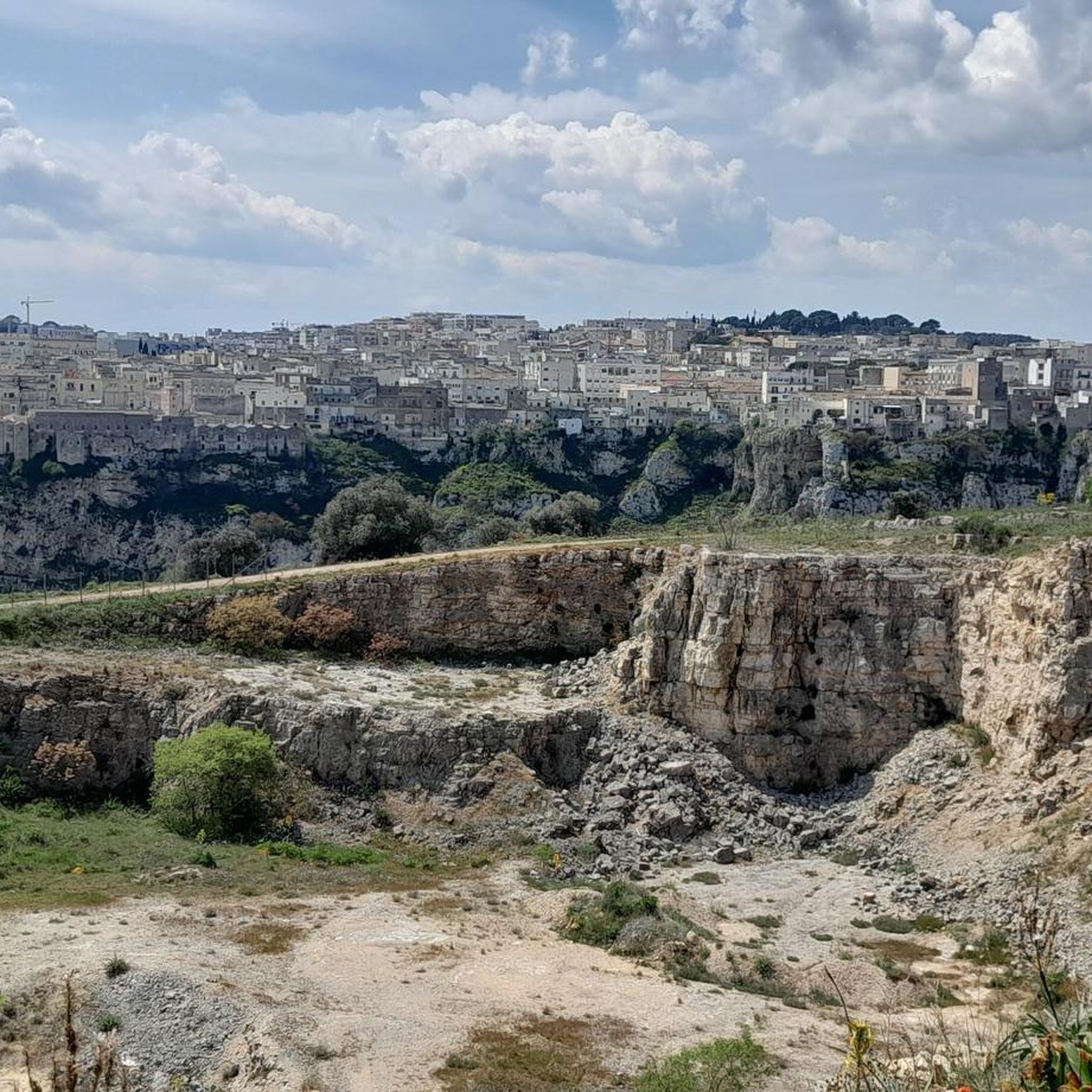
Best natural monuments around Park of the Rupestrian Churches of Matera are found within a UNESCO World Heritage site renowned for its integration of human settlement with a unique natural landscape. This region features the Murgia plateau, characterized by deep fault fissures and dramatic ravines, and the Gravina canyon, a 20-kilometer-long gully carved by the Gravina River. Numerous natural caves, often carved into calcarenitic rock, highlight the area's geological character and historical human adaptation. The park offers a landscape where…
Last updated: August 21, 2026
La Palomba Sculpture Park
Highlight • Monument
Translated by Google •
Tip by

Santa Maria de Idris Rock Church
Highlight • Religious Site
Translated by Google •
Tip by

Sign up now to discover places like this
Get recommendations on the best single tracks, peaks, & plenty of other exciting outdoor places.
Sign up for free
Caves
Highlight • Cave
Translated by Google •
Tip by

Matera Cave Landscape
Highlight • Cave
Translated by Google •
Tip by

Neolithic village on the Murgia Timone
Highlight • Historical Site
Discover our Basilicata by bike on viaggiatorelento.com
Translated by Google •
Tip by
Sign up for free to discover even more natural monuments around Park of the Rupestrian Churches of Matera.
Sign up for free
Already have an account?
Start today with a free account
Your next adventure awaits.
Login or Signup
Popular around Park of the Rupestrian Churches of Matera
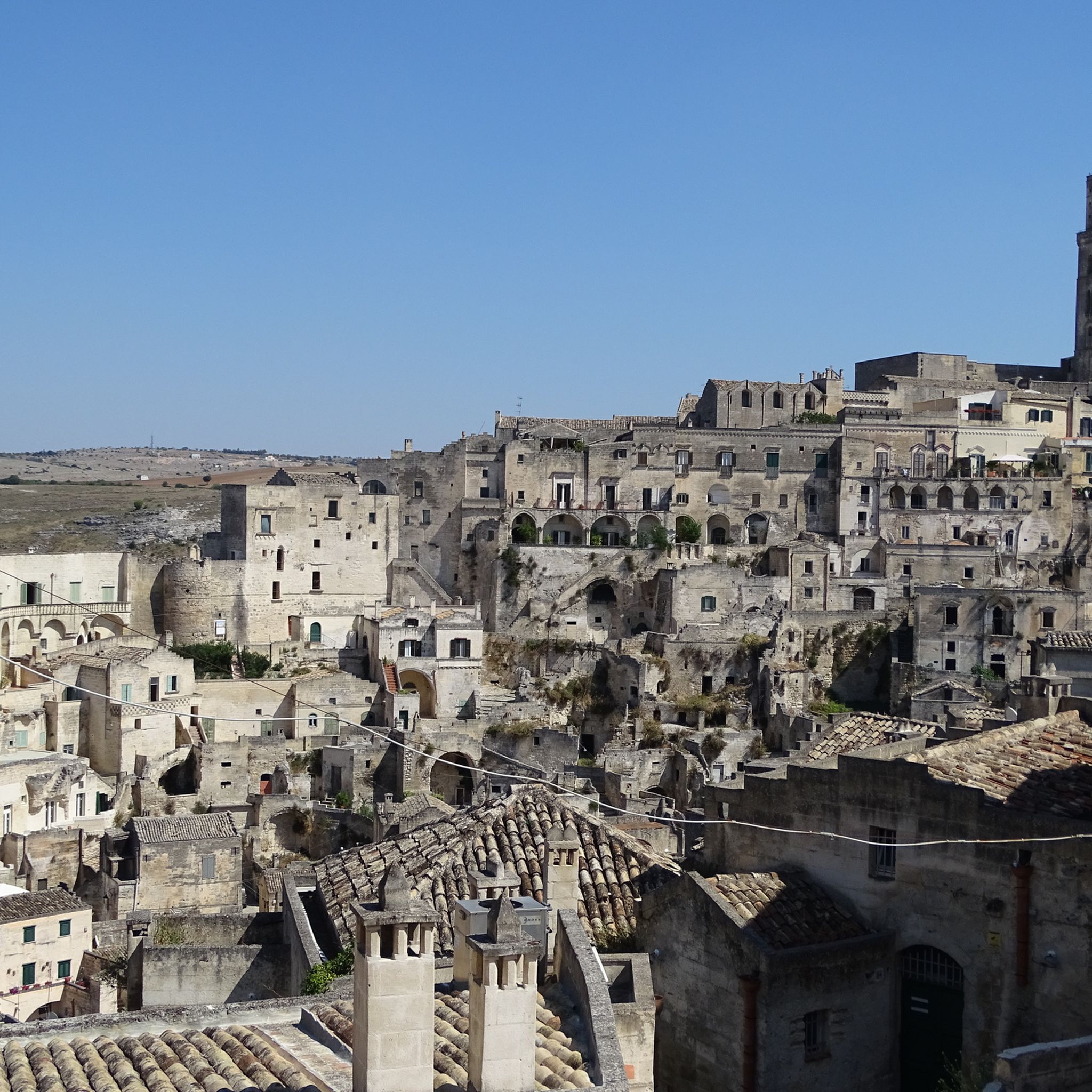
Hiking around Park of the Rupestrian Churches of Matera
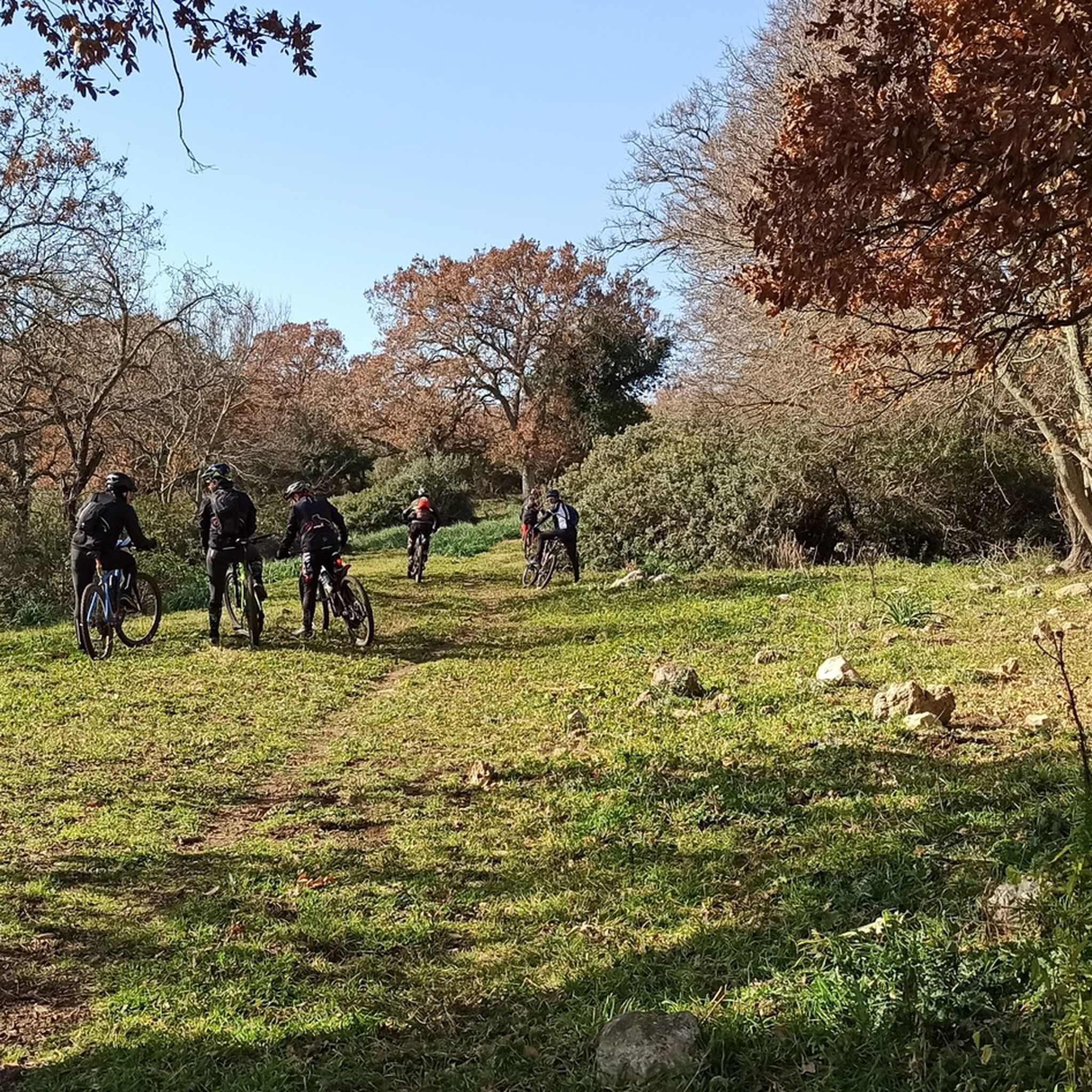
MTB Trails around Park of the Rupestrian Churches of Matera
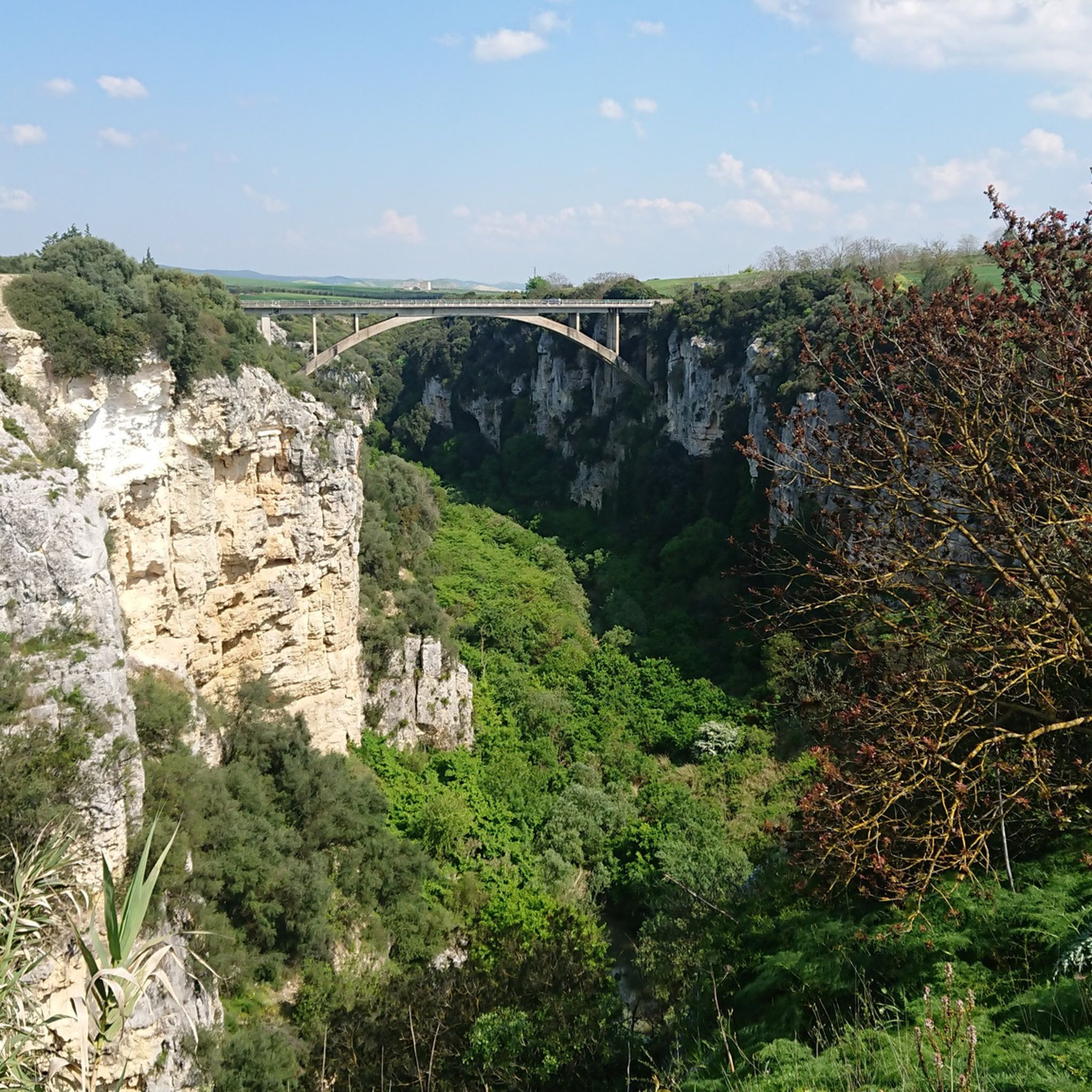
Cycling around Park of the Rupestrian Churches of Matera
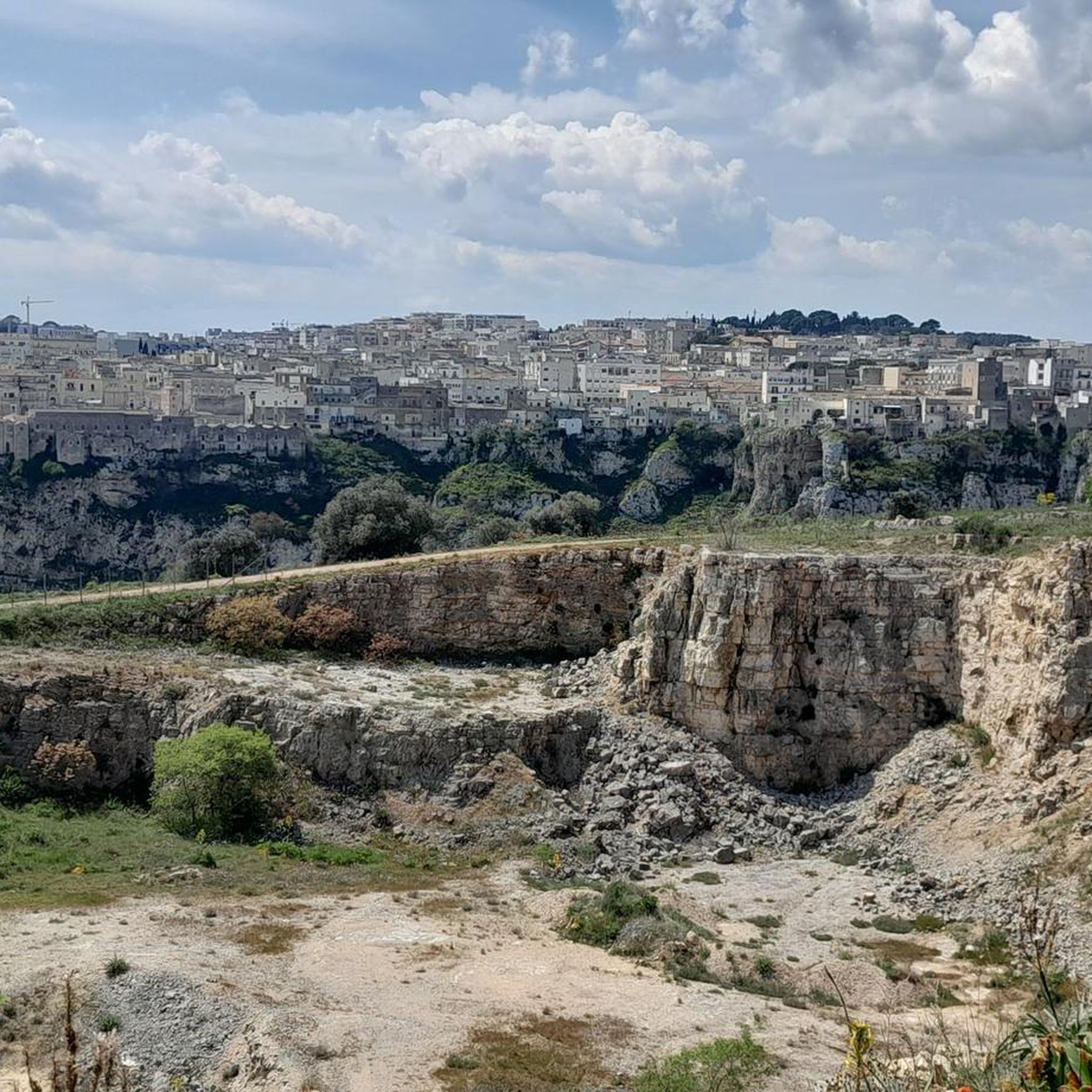
Road Cycling Routes around Park of the Rupestrian Churches of Matera
Running Trails around Park of the Rupestrian Churches of Matera
Gravel biking around Park of the Rupestrian Churches of Matera
Tips from the Community

a church in an enchanting place
0
0

The southern Italian city of Matera is impressive and attractive, but at the same time also mysterious and a bit rough. It looks more like a labyrinth of stone houses, steep staircases and narrow streets. The Sassi di Matera, or Stones of Matera, is full of caves that were once inhabited and were therefore a disgrace to Italy. Times have changed suddenly, and today the Sassi di Matera are the pride not only of the city, but also of the entire Basilicata region, in which Matera is located.
1
0

The people living here in the caves led a very modest life.
1
0

The city 🇮🇹 Matera and all its sights 👍😂
0
1

Unbelievable that people used to live here, it is now a place for...
0
0

Metal and tuff come together to give life to this truly particular artistic park, in the heart of the Matera Murgia and a short distance from the Palomba sanctuary and the rock church of the Madonna delle Vergini.
1
0
The caves of Matera. Definitely worth seeing 👍
1
0
Frequently Asked Questions
What are the most prominent natural features to explore in the Park of the Rupestrian Churches of Matera?
The region is defined by several significant natural features. These include the expansive Murgia plateau, known for its deep fault fissures and dramatic ravines, the spectacular Gravina canyon carved by the Gravina River, and numerous natural caves. These caves, often carved into the local calcarenitic rock, highlight the area's geological character and historical human adaptation. You can experience these at sites like the Matera Cave Landscape and the Caves.
Are there specific viewpoints to experience the natural beauty of the Murgia Materana?
Yes, the Murgia plateau offers breathtaking panoramic views of the Sassi di Matera, especially at sunset. Another notable spot is the View of the Bradano River Gorge, which provides stunning perspectives of the canyon and the surrounding landscape.
What kind of hiking trails are available near the natural monuments in the Park of the Rupestrian Churches of Matera?
The park offers various hiking opportunities that wind through limestone formations and offer views of the Sassi. Many trails are considered easy, making them accessible for a wide range of visitors. You can find several options, including routes like 'View of Matera from the caves – Matera Cave Landscape loop' and 'View of the Gravina di Matera – Gravina Gorge (Matera) loop'. For more details and specific routes, explore the Easy hikes around Park of the Rupestrian Churches of Matera guide.
Are there family-friendly activities or walks among the natural monuments?
Many of the trails and natural sites within the park are suitable for families. The easy hiking trails mentioned, such as those offering views of Matera or exploring the cave landscapes, can be enjoyed by families. The experience of seeing how ancient communities lived in the caves, like the Matera Cave Landscape, can be particularly engaging for children.
What is the best time of year to visit the natural monuments in Matera?
The spring (April-May) and autumn (September-October) months are generally considered the best times to visit. During these periods, the weather is pleasant for hiking and exploring, and the natural landscape is vibrant. Summer can be very hot, while winter can be cooler and sometimes wet, though still offering unique perspectives.
Can I find historical or cultural sites integrated with the natural monuments?
Absolutely. The Park of the Rupestrian Churches of Matera is a UNESCO World Heritage site precisely because of its exceptional integration of human settlement with the natural landscape. Many natural caves were utilized as shelters and dwellings since prehistoric times. A prime example is the Santa Maria de Idris Rock Church, which is carved directly into the rock and dates back to the 14th and 15th centuries, showcasing the region's unique architectural history within its natural setting.
Are there opportunities for cycling near the natural monuments?
Yes, the area around the natural monuments offers various cycling routes. You can find options for both road cycling and gravel biking, with routes that take you through the scenic landscapes and offer views of Matera's Sassi. For detailed routes and difficulty levels, refer to the Road Cycling Routes around Park of the Rupestrian Churches of Matera and Gravel biking around Park of the Rupestrian Churches of Matera guides.
What should I wear when hiking or exploring the natural monuments?
Comfortable walking shoes with good grip are essential, as trails can be uneven and rocky, especially in the Gravina canyon and around the caves. Layered clothing is advisable to adapt to changing temperatures, and a hat and sunscreen are recommended during sunnier periods. Bringing water is also crucial, especially during warmer months.
Is there parking available near the natural monuments?
Parking is generally available in and around Matera, with designated areas for visitors. It's advisable to check specific parking locations closer to your intended natural monument or starting point for trails, as access within the Sassi itself is restricted to vehicles.
What makes the local 'tufo' rock significant to the natural monuments?
The local calcarenitic rock, known as 'tufo,' is highly significant because it is easily workable. This property allowed ancient inhabitants to carve out homes, churches, monasteries, and hermitages directly into the natural rock formations and caves. This unique adaptation to the geological setting created the extraordinary urban landscape of Matera and is integral to the identity of its natural and cultural heritage.
What do visitors enjoy most about the natural monuments in the Park of the Rupestrian Churches of Matera?
Visitors are often captivated by the unique blend of natural beauty and ancient human history. The breathtaking panoramic views from the Murgia plateau, the dramatic scale of the Gravina canyon, and the incredible experience of exploring the ancient cave dwellings and rock churches are frequently highlighted. The sense of stepping back in time and witnessing how communities adapted to and coexisted with their environment is a profound aspect of the visit.
Most popular routes around Park of the Rupestrian Churches of Matera
Most popular attractions around Park of the Rupestrian Churches of Matera

Get inspired with the komoot mobile app


Explore more
Extend your search for the best caves by checking out these guides of the top ones around Park of the Rupestrian Churches of Matera:
