Top 20 Natural Monuments around Parco Nazionale del Gargano
Best natural monuments around Parco Nazionale del Gargano include a diverse range of geological formations and ecosystems. This region, often referred to as the "Spur of the Italian boot," features dense forests, dramatic coastlines, and unique island environments. The park's landscape offers a varied experience, from ancient beech woods to limestone cliffs and sea caves. These natural treasures provide opportunities for exploring biodiversity and geological wonders.
Best natural monuments around Parco Nazionale del Gargano
- The most popular natural monuments is…
Last updated: June 27, 2026
Umbra Pond
Highlight • Lake
Translated by Google •
Tip by

Pizzomunno Rock, Vieste Beach
Highlight • Natural Monument
Translated by Google •
Tip by

Sign up now to discover places like this
Get recommendations on the best single tracks, peaks, & plenty of other exciting outdoor places.
Sign up for free
Vignanotica Beach
Highlight • Beach
Translated by Google •
Tip by

Monte Calvo
Highlight • Summit
Translated by Google •
Tip by

Zagare Bay (Northern Beach)
Highlight • Beach
Translated by Google •
Tip by

Sign up for free to discover even more natural monuments around Parco Nazionale del Gargano.
Sign up for free
Already have an account?
Start today with a free account
Your next adventure awaits.
Login or Signup
Popular around Parco Nazionale del Gargano
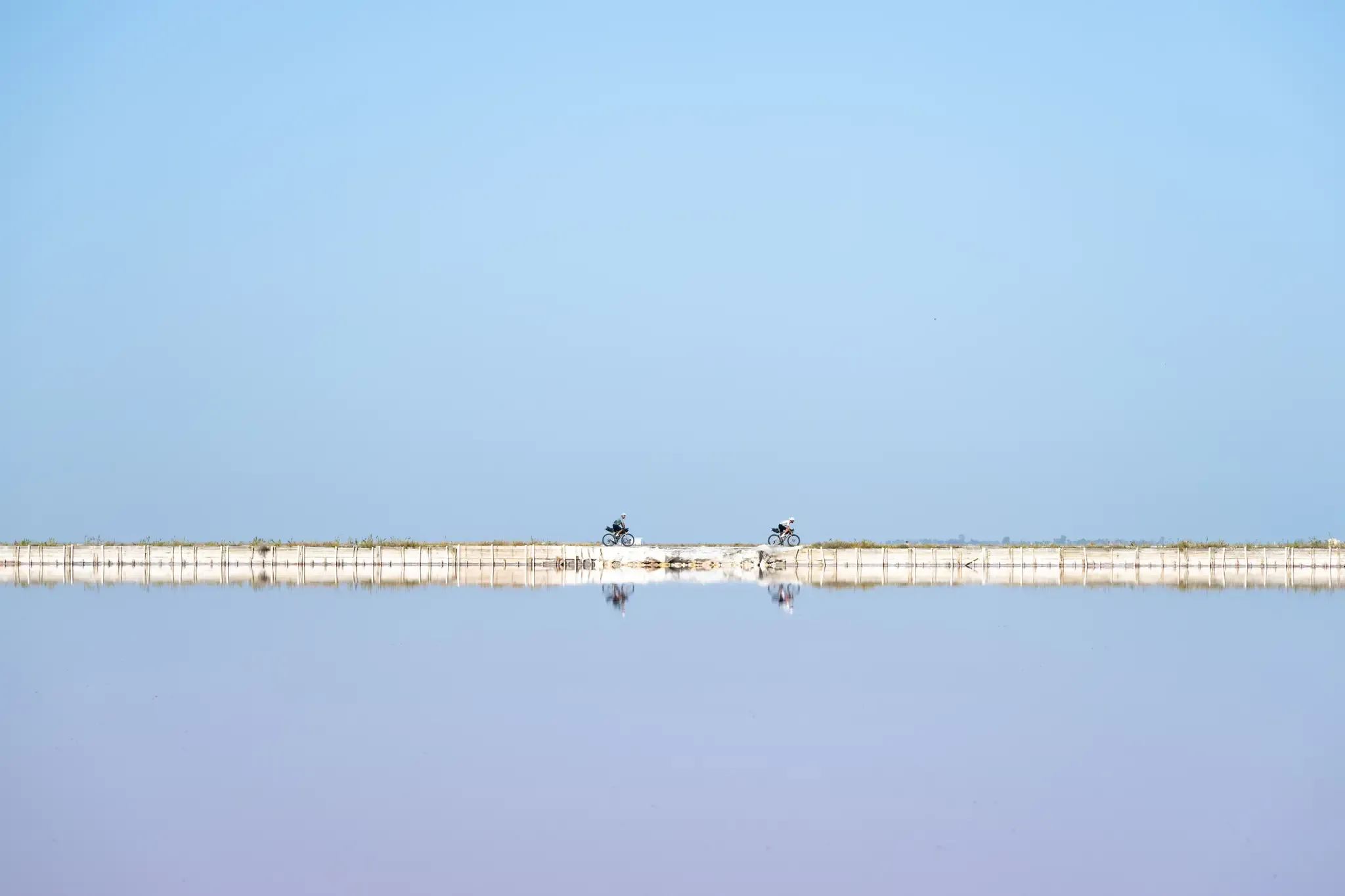
Trieste to Santa Maria di Leuca – the Adriatic Cycle Route
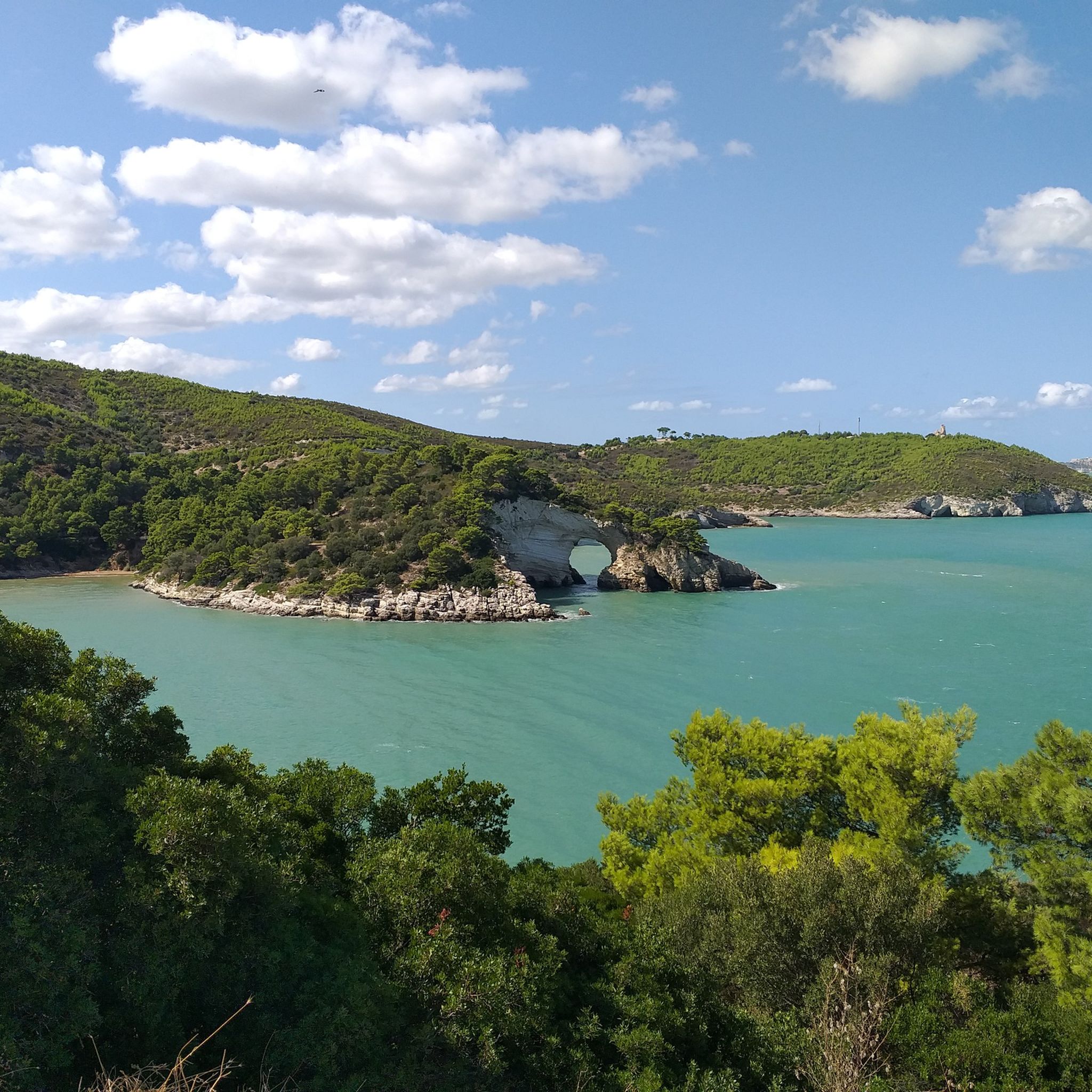
Hiking around Parco Nazionale del Gargano
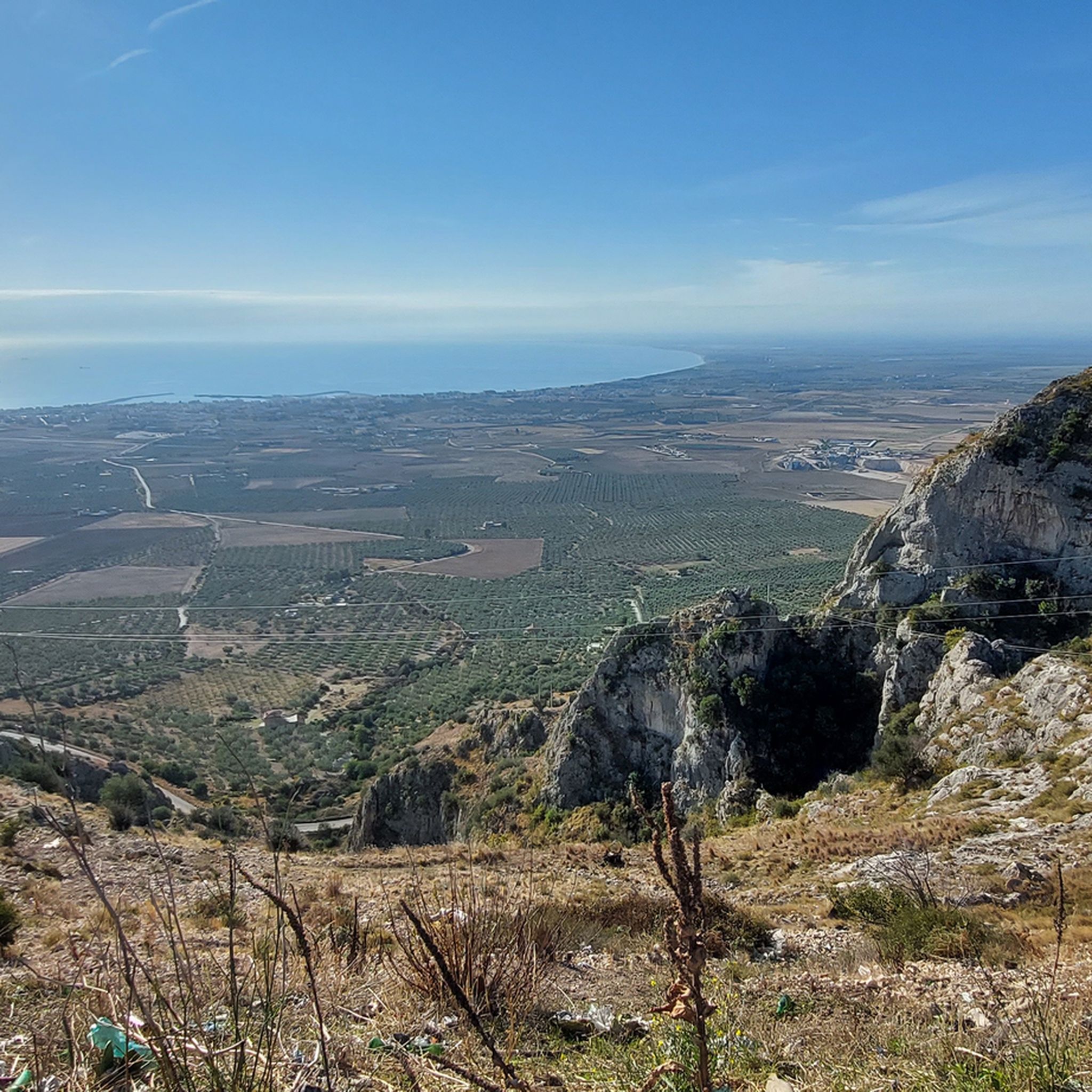
Cycling around Parco Nazionale del Gargano
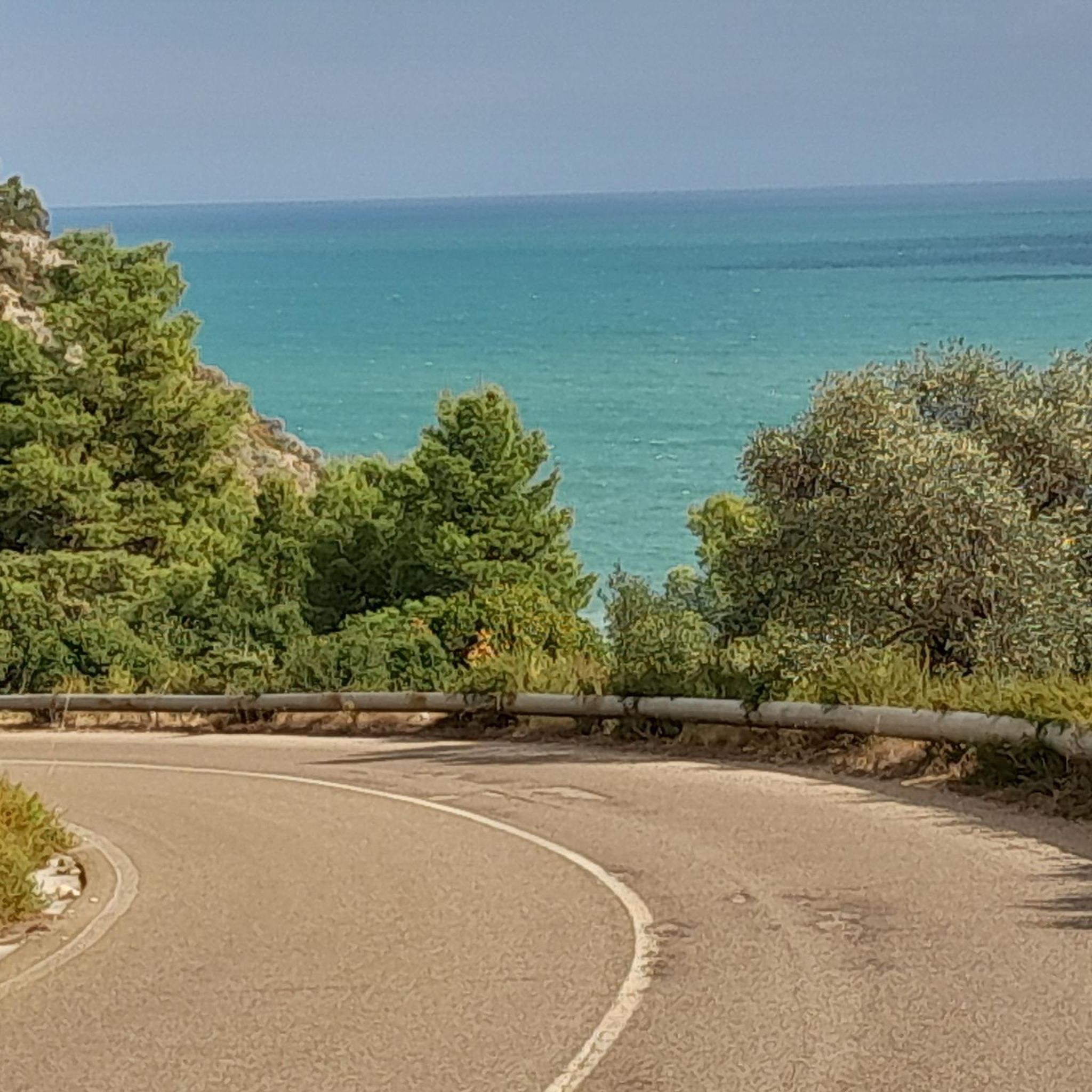
Running Trails around Parco Nazionale del Gargano
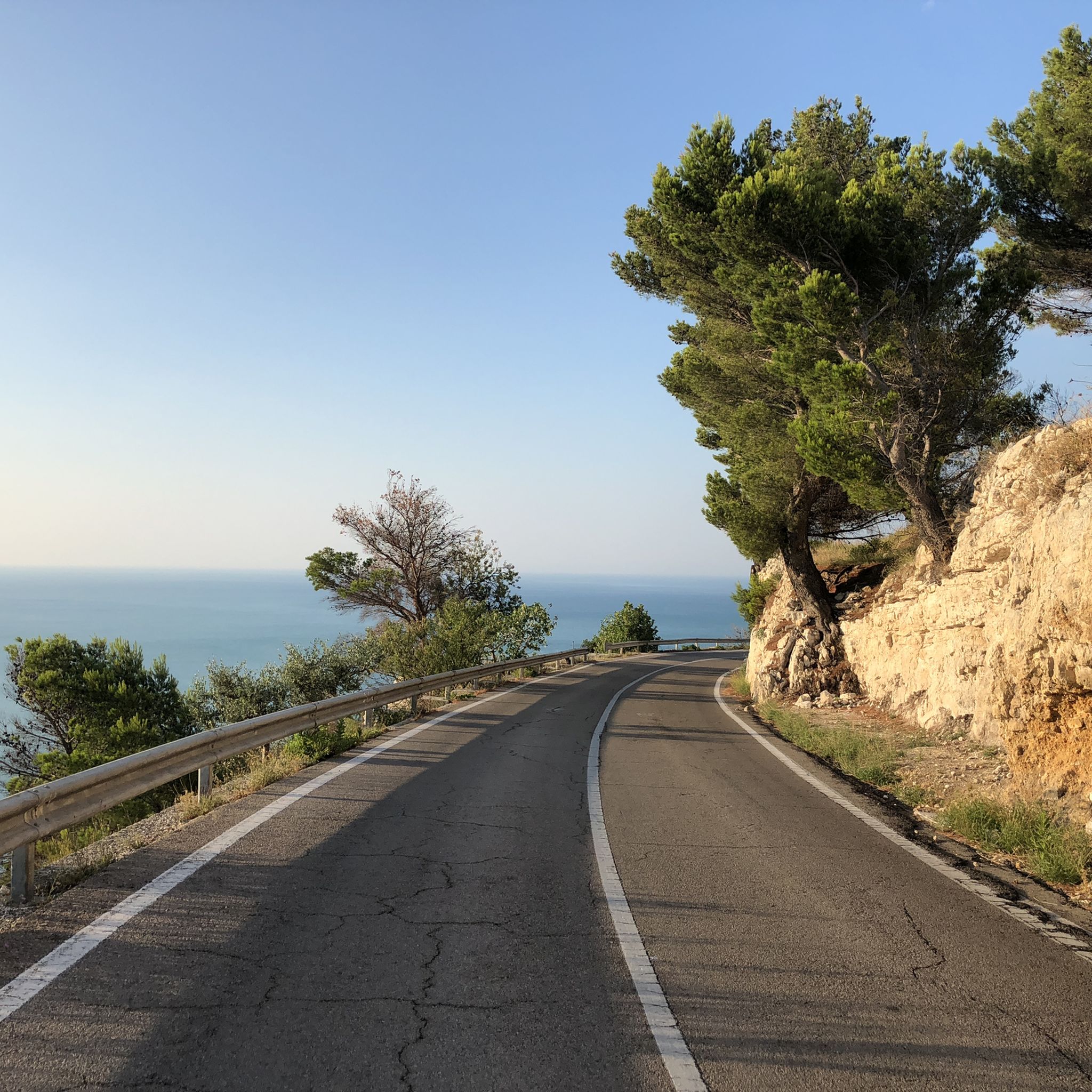
Road Cycling Routes around Parco Nazionale del Gargano
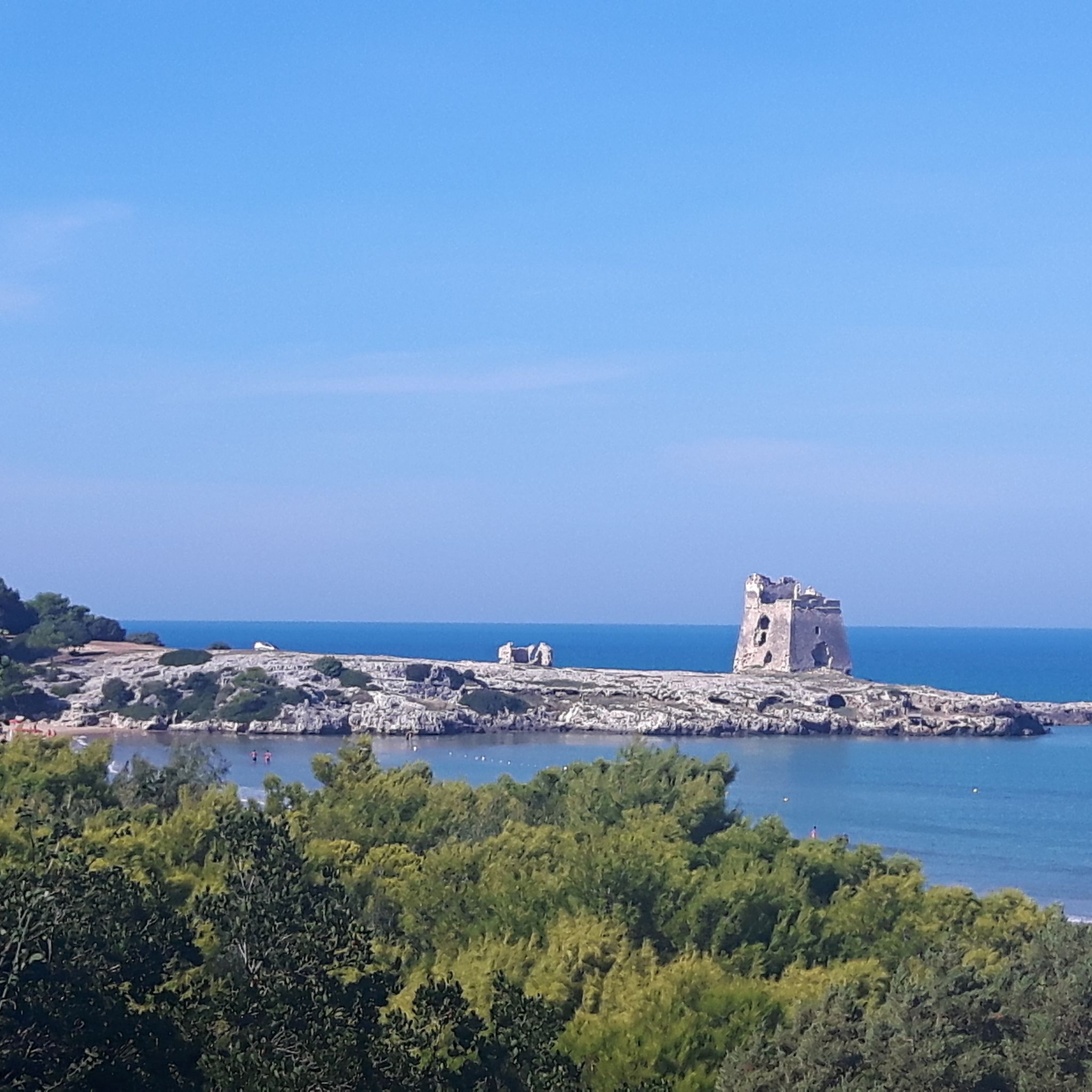
MTB Trails around Parco Nazionale del Gargano

Gravel biking around Parco Nazionale del Gargano
Other adventures around Parco Nazionale del Gargano

Tips from the Community

On Monte Calvo, it's best to ascend from the east by mountain bike, despite the numerous unnecessary stone steps that clutter the initial section. The trail, which descends west from the summit to connect with the Sentiero delle Anguille, would be less rideable and much more difficult overall.
1
0

The Laghetto d'Umbra is a rainwater-fed lake. The turtles living here were released, but they seem to thrive here.
2
0

Impressive pebble beach bay beneath high cliffs. No access from the north or south, as the beach ends in both directions at cliffs that reach into the water. Above the cliffs are large hotel complexes (resorts), which are completely fenced in! An elevator leads from the complexes on the cliffs down to the beach. Otherwise, it's extremely difficult to get to the beach or the bay! We didn't understand Vera and Sammy's two tips! We nevertheless reached the bay in February, taking complicated and arduous routes (path to the resort, always following the fences back in a curve to the northwest, descending to the closed path to the bay in the opposite direction to the southeast) and then following paths back up to the road north of the bay. We have documented this complicated route in a separate section: "Access to Zagare Bay." Good luck with "copying" or "finding your own way"!
1
0

Fantastic view of Vieste and the rock. The beach is not really for me. More information about the rock: https://it.wikipedia.org/wiki/Pizzomunno?wprov=sfla1
4
0

A beautiful walk in the Umbra forest in the Gargano region that starts from Laghetto d'Umbra near Caserma dei Carabienieri Forestali and follows the path to Caserma Murgia. From here you can deviate a bit to visit the ruins and then return along the path to Lago d'Otri, a small lake in the Gargano forest.
2
0
auto_awesome Source language: Italian 887 / 5,000 The Pizzomunno rocky outcrop, which rises about 25 meters above the Castello beach, has the shape of an ellipse (20 x 12 meters) and is located at a distance of at least about 25 meters from the rocky wall of the San Francesco promontory, from which it cannot be overcome due to erosion phenomena. Marina, with the procedure of applying the original Tettonia fracture. Subsequently, the lighthouse is raised and proceeds with the lowering of a further modeling according to the chemical measures of the sea spray. The Pizzomunno and the lower part of the rocky wall are made up of white limestone of the “scaglia” type, dating to the Late Cretaceous period (145.5 years and 0.3 million years ago). It is a soil formation with slightly diametrically opposed white limestones, gradually stratified with a selection of red spots. The layers of the stone slab, with a thickness of 5 to 10 cm, have a northeast-southeast direction and an inclination of 13° to the northeast.
4
1

The famous and evocative white monolith that rises 25 meters from the sea, very close to the beach of Vieste.
2
1

Pizzomunno is an immense monolith, 25 meters high of limestone. The legend of Pizzomunno goes like this: Pizzomunno is a young man who lived in Vieste when it was still a small village. He meets a girl named Cristalda and the two young people fall in love. Once on a boat fishing, Pizzomunno is surrounded by mermaids and they ask him to become their king. In love with Cristalda, Pizzomunno refuses their request. One evening on the beach, the two lovers are walking. The mermaids see them and, enraged with jealousy, attack Cristalda and drag her to the bottom of the sea. Pizzomunno searches for her following the voice. The next day the fishermen find Pizzomunno's body petrified on the white cliff with pain. Pizzomunno has become the symbol of Vieste.
4
0
Frequently Asked Questions
What are some of the most popular natural monuments to visit in Parco Nazionale del Gargano?
Among the most appreciated natural monuments are Umbra Pond, a tranquil lake surrounded by trees, and Pizzomunno Rock, Vieste Beach, an immense 25-meter high limestone monolith that is a symbol of Vieste. Visitors also highly rate Vignanotica Beach for its crystal-clear waters and stunning coastal setting.
Are there family-friendly natural monuments suitable for all ages in Parco Nazionale del Gargano?
Yes, several natural monuments are ideal for families. Umbra Pond is a great spot, offering a small lake with turtles and fish, easily accessible from the visitor center. Pizzomunno Rock, Vieste Beach is also family-friendly, providing a beautiful beach setting with an iconic rock formation. Vignanotica Beach is another excellent choice for a relaxing day by the sea.
What kind of unique geological formations can I explore along the Gargano coastline?
The Gargano coastline is renowned for its dramatic limestone cliffs, hidden coves, and spectacular sea caves. Notable formations include the iconic Architiello di San Felice, a natural rock arch sculpted by wind and waves. You can also visit Baia delle Zagare, famous for its crystal-clear waters and dramatic sea stacks. Boat trips from towns like Vieste and Mattinata offer unique opportunities to explore the numerous sea caves.
Can I go hiking near these natural monuments?
Absolutely. The Parco Nazionale del Gargano offers numerous hiking opportunities. For instance, the ancient Foresta Umbra, a UNESCO World Heritage site, provides many trails for nature observation. You can find detailed hiking routes and guides, including those around the natural monuments, on the MTB Trails around Parco Nazionale del Gargano guide, which also covers general trails.
What is the best time of year to visit the natural monuments in Parco Nazionale del Gargano?
The best time to visit the natural monuments in Parco Nazionale del Gargano is generally during the spring (April to June) and early autumn (September to October). During these periods, the weather is pleasant for outdoor activities like hiking and exploring the coastline, and the crowds are typically smaller than in the peak summer months. Summer (July-August) is also popular, especially for beach activities, but can be very hot and busy.
Are there any ancient forests or significant wetlands to explore within the park?
Yes, the park is home to the ancient Foresta Umbra, a dense Mediterranean forest and UNESCO World Heritage site, known for its centuries-old beech and oak trees. Additionally, the Lakes of Lesina and Varano are the two largest lakes in southern Italy and significant wetlands, providing important habitats for various bird species, including flamingos. Canoe tours are available, especially at sunset, offering unique landscapes.
What are the Tremiti Islands known for?
The Tremiti Islands, an archipelago located offshore, are part of the national park and are renowned for their crystal-clear waters, hidden coves, and striking rock formations. They boast a unique marine ecosystem with diverse fish species and seabirds like the rare Scopoli's shearwater, making them a popular destination for nature lovers and divers.
Are there any natural monuments that offer panoramic views?
Yes, several natural monuments provide stunning panoramic views. Monte Calvo, the highest peak in the Gargano massif, offers expansive vistas. The coastal natural monuments like Pizzomunno Rock, Vieste Beach and Vignanotica Beach also provide picturesque viewpoints of the dramatic coastline and turquoise waters.
What outdoor activities, besides hiking, can I do around the natural monuments?
Beyond hiking, the region offers a variety of outdoor activities. You can enjoy mountain biking on trails like the 'Da Vieste alla Foresta Umbra' loop, or road cycling along scenic routes such as the 'Gargano Scenic Coast Loop: Vieste to Mattinata'. The Lakes of Lesina and Varano are perfect for canoe tours, and the Tremiti Islands are excellent for diving and snorkeling. For more cycling options, refer to the Cycling around Parco Nazionale del Gargano guide.
What makes Monte Calvo a notable natural monument?
Monte Calvo is the highest peak in the Gargano massif, reaching 1065 meters. It is notable for its evident karst morphology and its barren summit, which contrasts with the dense forests covering its slopes. The mountain also features numerous caves, some inhabited since prehistoric times, with archaeological finds from the Neolithic period.
What do visitors particularly enjoy about the natural monuments in Parco Nazionale del Gargano?
Visitors frequently praise the diverse natural beauty, from the ancient forests of Foresta Umbra to the dramatic coastal landscapes. They enjoy the crystal-clear waters of beaches like Vignanotica Beach and the unique geological formations such as Pizzomunno Rock. The tranquility of places like Umbra Pond and the opportunity for immersion in nature are also highly valued.
Are there any natural monuments that are particularly easy to access for a relaxed visit?
Yes, Umbra Pond is easily accessible from the visitor center, making it perfect for a relaxed immersion in nature. Pizzomunno Rock, Vieste Beach is also very accessible, located directly on the beach in Vieste, offering a beautiful setting without strenuous effort. These spots are often highlighted as family-friendly due to their ease of access.
Can I explore sea caves along the Gargano coast?
Yes, exploring the sea caves is a highlight of the Gargano coast. These natural formations, carved into the limestone cliffs by centuries of wind and waves, are best accessed by boat tours departing from coastal towns like Vieste and Mattinata. These tours offer a unique perspective of the coastline's geological wonders and hidden grottoes.
Most popular routes around Parco Nazionale del Gargano
Most popular attractions around Parco Nazionale del Gargano

Get inspired with the komoot mobile app


Explore more
Extend your search for the best caves by checking out these guides of the top ones around Parco Nazionale del Gargano:
