Top 19 Natural Monuments around Parco Nazionale del Circeo
Best natural monuments around Parco Nazionale del Circeo include a diverse range of natural features within this protected area in the Lazio region of Italy. Established in 1934, it is one of Italy's oldest national parks, encompassing a promontory, coastal dunes, a forest, wetlands, and several lakes. The park's varied ecosystems provide a rich natural landscape for exploration.
Best natural monuments around Parco Nazionale del Circeo
- The most popular natural monuments is Monte Circeo Summit, a summit that offers…
Last updated: August 21, 2026
Monte Circeo Summit
Highlight • Summit
Sturdy footwear …
Translated by Google •
Tip by

Lake Fogliano
Highlight • Lake
Translated by Google •
Tip by

Sign up now to discover places like this
Get recommendations on the best single tracks, peaks, & plenty of other exciting outdoor places.
Sign up for free
Verdesca Pool
Highlight • Natural Monument
Translated by Google •
Tip by

Grotta delle Capre
Highlight • Cave
Translated by Google •
Tip by

Lake Paola
Highlight • Lake
Translated by Google •
Tip by

Sign up for free to discover even more natural monuments around Parco Nazionale del Circeo.
Sign up for free
Already have an account?
Start today with a free account
Your next adventure awaits.
Login or Signup
Popular around Parco Nazionale del Circeo
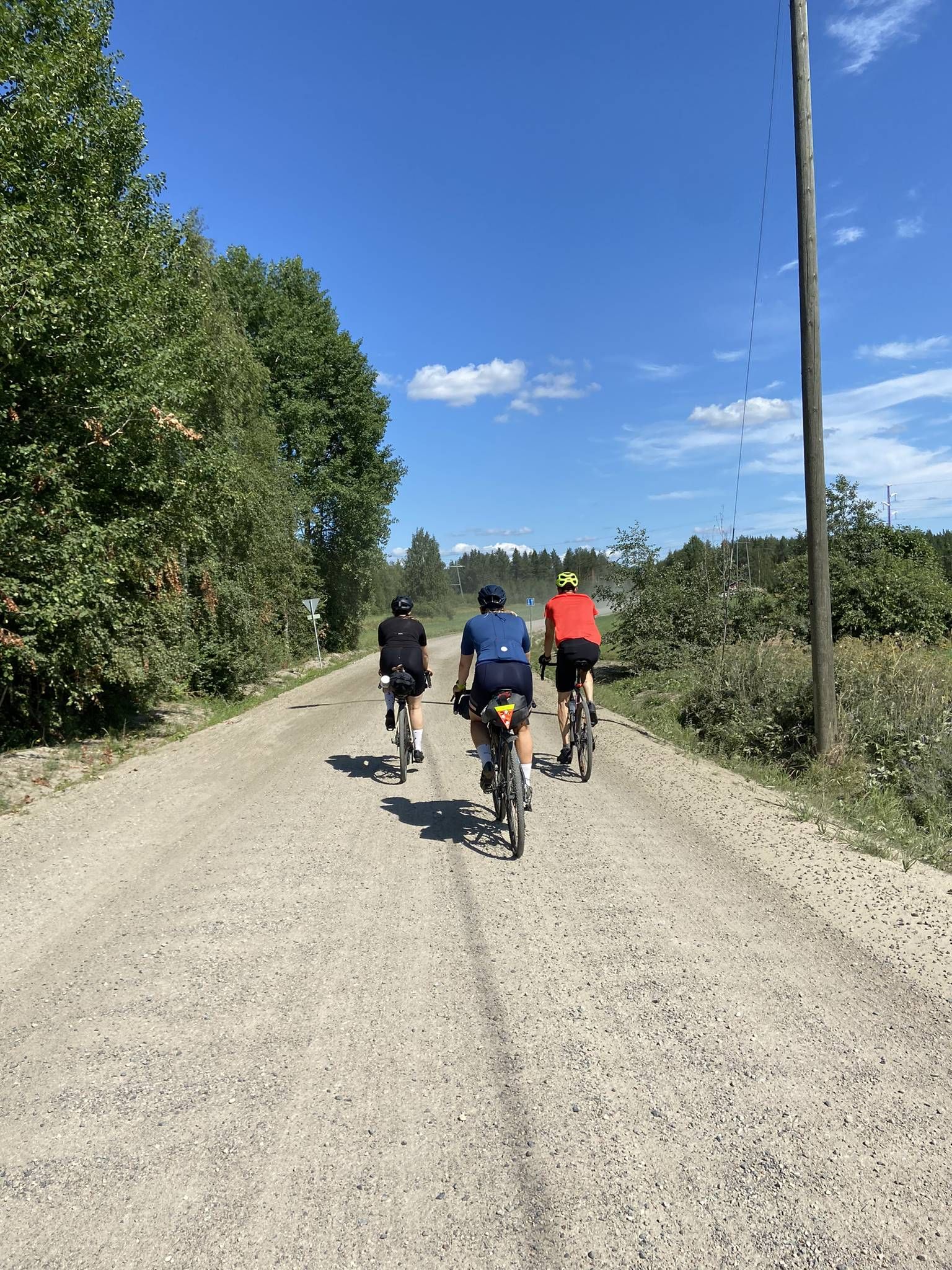
Naples to North Cape — Two friends, one purpose and many scoops of ice-cream
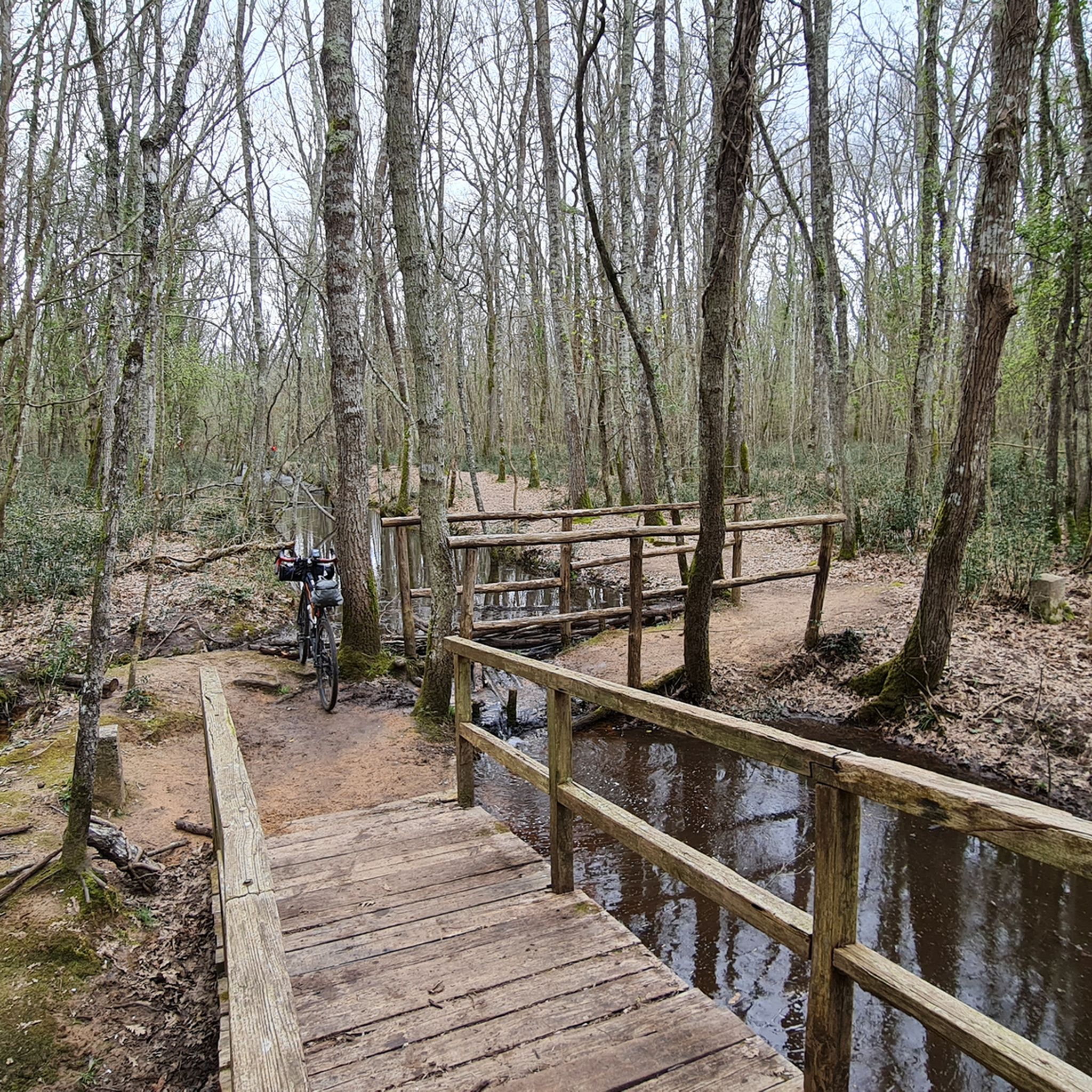
Hiking around Parco Nazionale del Circeo
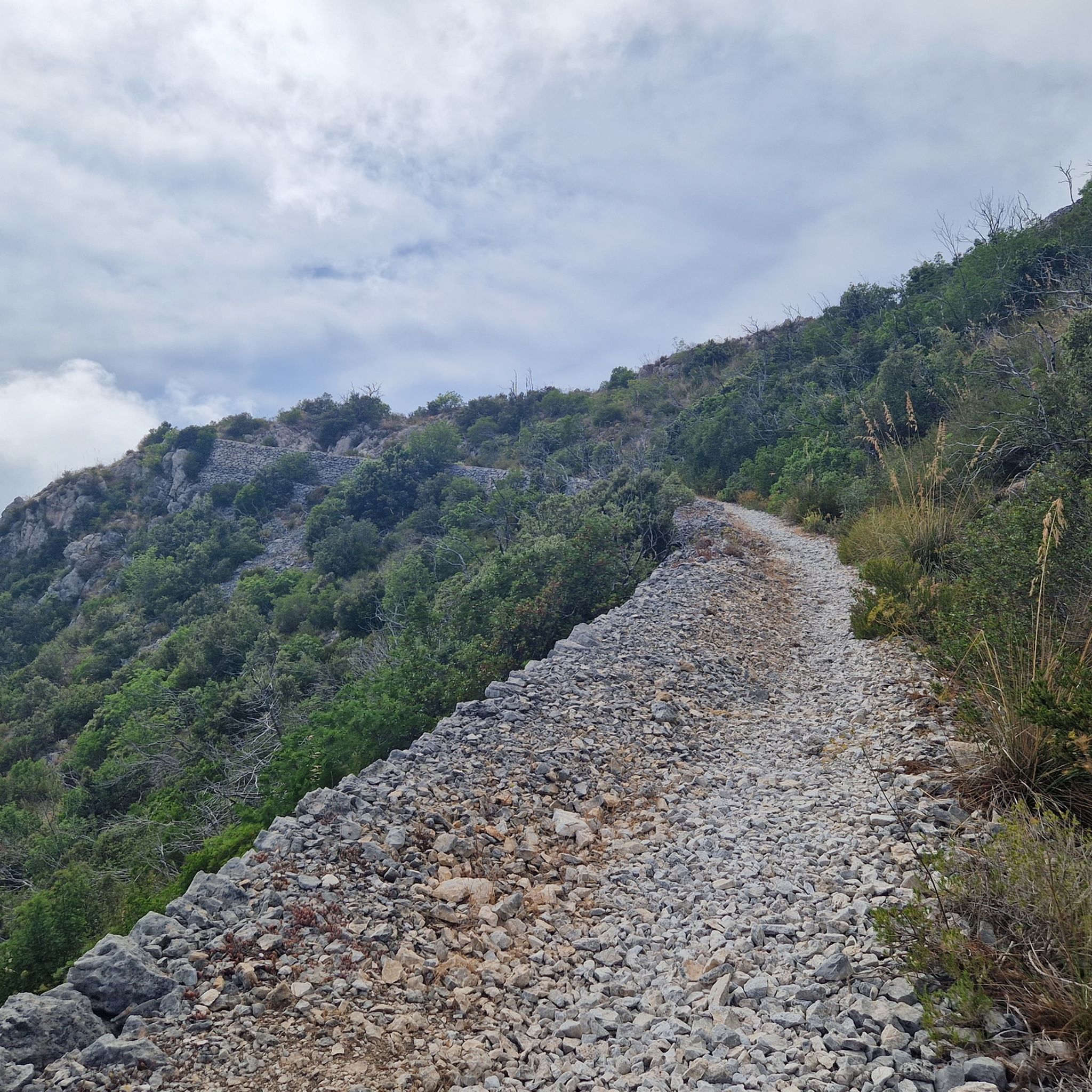
MTB Trails around Parco Nazionale del Circeo
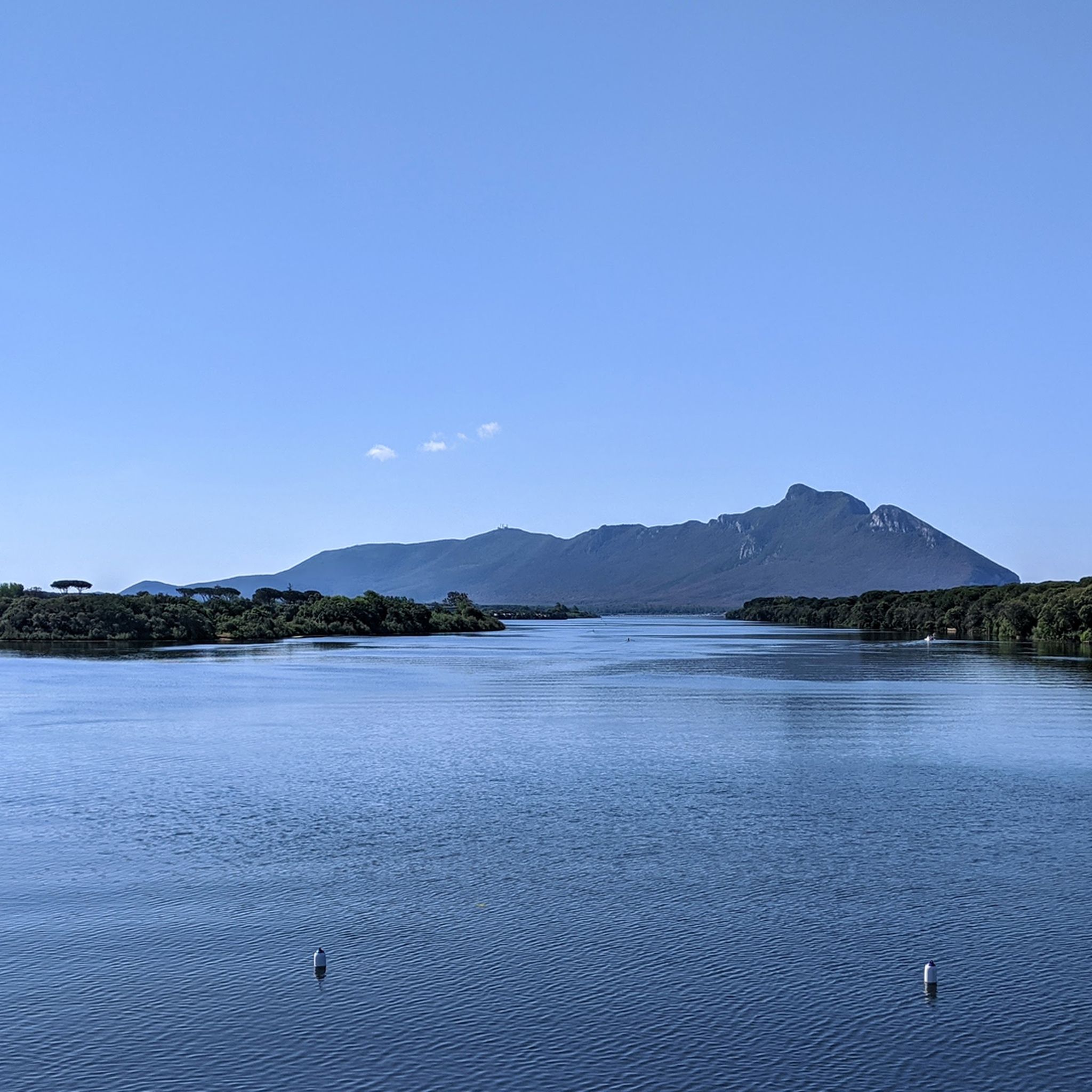
Cycling around Parco Nazionale del Circeo
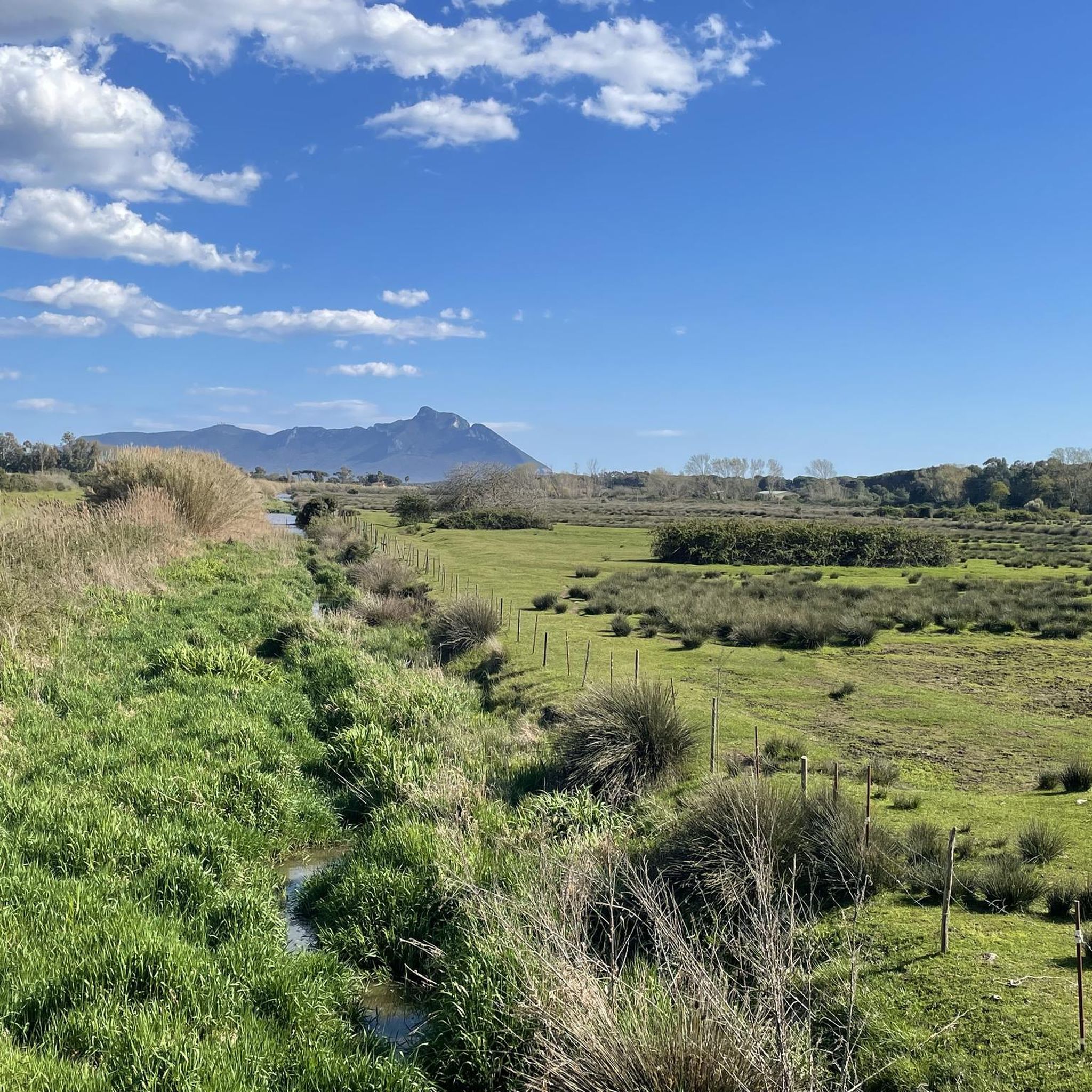
Running Trails around Parco Nazionale del Circeo
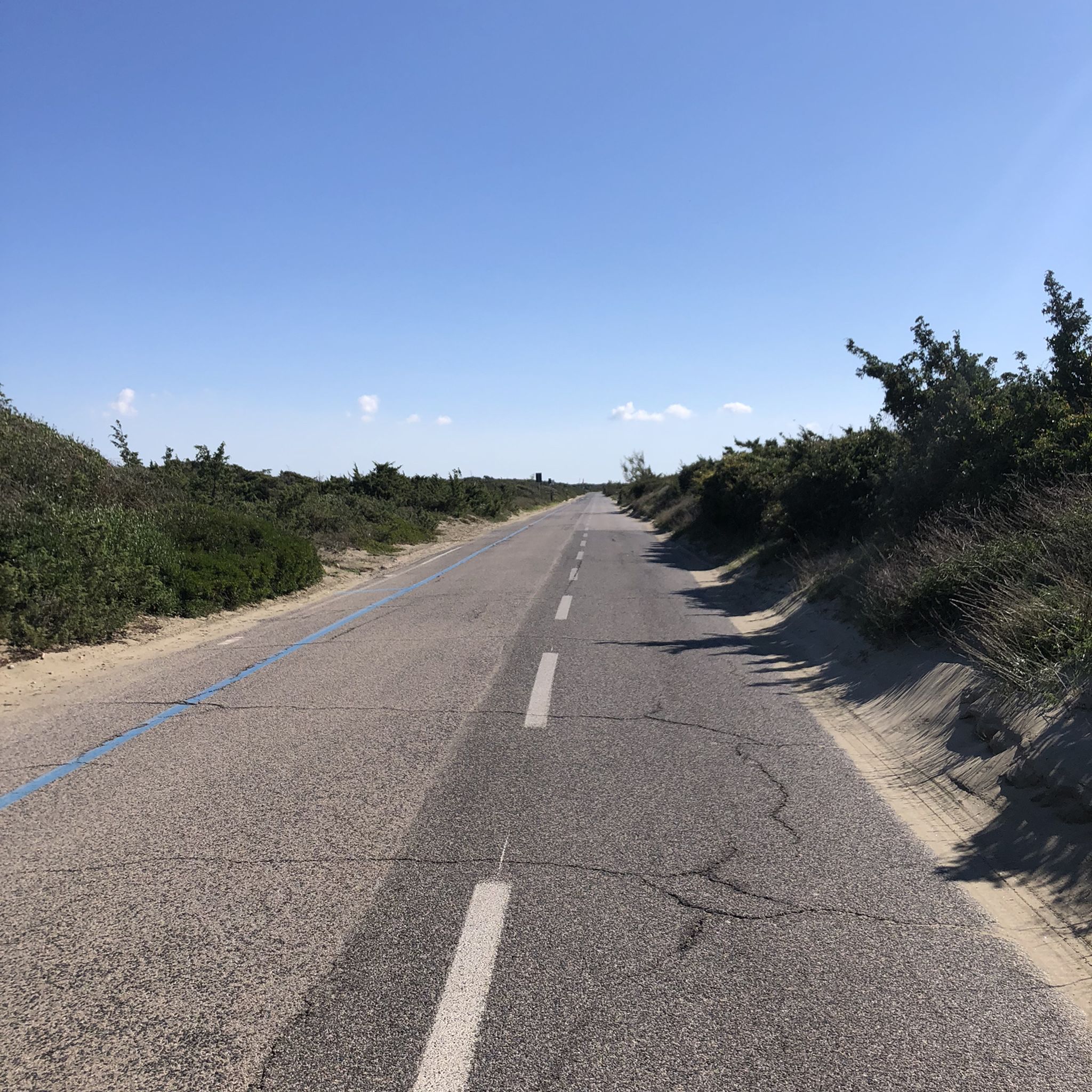
Road Cycling Routes around Parco Nazionale del Circeo
Other adventures around Parco Nazionale del Circeo

Tips from the Community

From Torre Paola via Picco d'Istria to Monte Circeo, then the direct descent towards the north-northeast is a beautiful circular route of approximately 4.5 km / 2 hours. Sturdy footwear is required for the ascent to P.d.Istria. Ankle-high boots are best. Mountaineering experience and surefootedness are definitely required. The valley floor sign says "Experts only"! From P.d.Istria, the trail leads over a partially exposed ridge to Monte Circeo. The trail is definitely not for children! There are ropes in a few places, and you'll often need your hands to climb. The direct descent from Monte Circeo is better in terms of the trail and certainly the much easier ascent. This trail should be manageable in sneakers if necessary, although I would recommend hiking boots here as well. This trail is never exposed until the summit. I advise against doing the circular route the other way around. It's simply easier climbing uphill than downhill. ...
3
0

During the interglacial period, the height of the Mediterranean Sea was higher by 10/15 meters, and in fact Circeo was an island. Retreating, the sea dug a whole series of coastal caves, and the Grotta delle Capre (so called because it seems that the shepherds used it to protect the goats during rainy days) is one of these. In ancient times it seems to have been called "Grotta della Maga" because here, legend has it, the Sorceress Circe elaborated her spells. It is accessed from a descent called "Sentiero Marcello"
0
0


Impervious path as it makes the journey difficult.
1
1

A new wooden bridge to observe the marsh area more safely.
1
0

It is not possible to travel the entire route, but the part from Villa Fogliano to Sabaudia is worth the trip alone!
1
0

The goat cave can be reached via a path suitable for everyone (including children) but closed shoes or sandals are recommended. The cave, the sign says, is a fossil furrow of interglacial sea shoreline. From the cave you can then access the sea for a nice swim. At the top of the path there is a small parking lot. Highly recommended place!!!
0
0

bridge with a beautiful view of the water
1
0
Frequently Asked Questions
What are some of the unique natural features to explore in Parco Nazionale del Circeo?
Parco Nazionale del Circeo offers a diverse range of natural features. You can explore the dramatic Monte Circeo Summit, which is a prominent promontory with breathtaking views. The park also features a 22 km-long stretch of coastal dunes, unique brackish coastal lakes like Lake Fogliano and Natural Shore of Lake Paola, and the ancient Selva di Circe forest, one of Italy's best-preserved lowland forests.
When is the best time to visit the natural monuments in Parco Nazionale del Circeo?
The park's diverse ecosystems make it enjoyable throughout the year. Spring and autumn offer pleasant temperatures for hiking and exploring the forest and promontory. Summer is ideal for enjoying the coastal dunes and beaches, though it can be busier. Birdwatching at the coastal lakes is excellent during migration seasons in spring and autumn.
Are there any historical or archaeological sites associated with the natural monuments?
Yes, several natural monuments have historical significance. The Mount Circeo Promontory is linked to the legend of the enchantress Circe from Homer's Odyssey. The Grotta Guattari, a sea cave on the promontory, is notable for the discovery of Neanderthal remains. Along the shores of Lago di Sabaudia (Lake Paola), you can find Roman ruins, including the Villa of Domitian, adding a cultural dimension to the natural beauty.
Are there family-friendly natural monuments in Parco Nazionale del Circeo?
Absolutely. Many areas are suitable for families. Lake Fogliano and the Cerasella area in the Selva di Circe forest offer easy paths for walks and cycling. The coastal dunes provide opportunities for relaxing strolls along the beach. The Verdesca Pool is also noted as a family-friendly natural monument.
What kind of outdoor activities can I do near the natural monuments?
The area around Parco Nazionale del Circeo is excellent for various outdoor activities. You can enjoy extensive hiking, with routes ranging from easy to difficult, such as those found in the Hiking around Parco Nazionale del Circeo guide. Cycling is also very popular, with numerous touring and road cycling routes available, as detailed in the Cycling around Parco Nazionale del Circeo guide and Road Cycling Routes around Parco Nazionale del Circeo guide. Birdwatching, particularly around the coastal lakes, is another popular activity.
How can I access Grotta delle Capre?
Grotta delle Capre is located on the southern side of the Circeo promontory. Access can be challenging, often involving rocky paths. Ropes are sometimes available to assist with the descent. While exploring independently is possible with proper footwear and light, guided tours are recommended for deeper sections and may be required for access. Swimming is generally not permitted inside the cave.
Can I visit the coastal lakes for birdwatching?
Yes, the coastal lakes—Lago di Sabaudia (Paola), Lago di Caprolace, Lago dei Monaci, and Lago di Fogliano—are a paradise for birdwatchers. These wetlands are designated as 'Wetlands of International Importance' and host a vast array of resident and migratory birds. Lago di Caprolace is particularly known for sightings of pink flamingos, cormorants, and storks, making it an excellent spot for observing avian fauna.
What do visitors particularly enjoy about the natural monuments in Parco Nazionale del Circeo?
Visitors frequently praise the stunning panoramic views, especially from the Monte Circeo Summit, which is described as 'worth the steep hike' and 'extremely scenic'. The tranquility and immersive nature experience of the forest paths, like those around Verdesca Pool, are also highly appreciated. The unique blend of history and nature, particularly around the lakes, adds to the appeal.
Are there any specific regulations or permits needed to visit the natural monuments?
As a protected national park, there are regulations in place to preserve the natural environment. While general access to many areas is free, certain activities or specific sites might require permits or guided access, such as deeper sections of caves or specific research areas. It's always advisable to check the official park website or local information centers for the most current regulations regarding permits, restricted areas, and guided tours before your visit.
Is it possible to bring dogs to the natural monuments?
While the park generally welcomes visitors, specific rules regarding dogs can vary by area, especially in protected wildlife zones or on certain trails. It's best to keep dogs on a leash and ensure they do not disturb wildlife. Always check for specific signage or regulations at trailheads and natural monument entrances, particularly around sensitive areas like the coastal lakes or within the forest, to confirm dog-friendly access.
Where can I find refreshments near the natural monuments?
You'll find various options for refreshments in the towns surrounding the park. Sabaudia and San Felice Circeo offer a selection of restaurants and cafes where you can enjoy local cuisine and drinks. While there might not be cafes directly at every natural monument, these nearby towns provide convenient stops before or after your exploration.
What are the terrain types like for exploring the natural monuments?
The terrain in Parco Nazionale del Circeo is quite varied. The Mount Circeo Promontory features rocky, sometimes steep, and exposed trails, requiring sturdy footwear and surefootedness for higher elevations. The coastal dunes offer sandy paths, while the Selva di Circe forest has mostly flat, earthy trails suitable for walking and cycling. The areas around the coastal lakes are generally flat and easy to navigate.
Most popular routes around Parco Nazionale del Circeo
Most popular attractions around Parco Nazionale del Circeo

Get inspired with the komoot mobile app


Explore more
Extend your search for the best caves by checking out these guides of the top ones around Parco Nazionale del Circeo:
