Nationaal beek- en esdorpenlandschap Drentsche Aa
Nationaal beek- en esdorpenlandschap Drentsche Aa
Top 20 Natural Monuments around Nationaal beek- en esdorpenlandschap Drentsche Aa
Best natural monuments around Nationaal beek- en esdorpenlandschap Drentsche Aa showcase a well-preserved low river valley and ancient cultural landscape. This region features a unique blend of natural beauty and historical significance, characterized by its largely unaltered river system and diverse ecosystems. The area encompasses heathlands, forests, and archaeological sites, providing varied natural monuments for exploration. It offers opportunities to observe natural riverine processes and historical human interaction with the land.
Best natural monuments around Nationaal beek- en esdorpenlandschap Drentsche…
Last updated: May 15, 2026
Dolmen D10, Gasteren
Highlight • Historical Site
The hunebed is a small and incomplete hunebed. The hunebed is 6.7 meters long and 3.1 meters wide. It still has two …
Translated by Google •
Tip by

Dolmen D11, Anloo
Highlight • Historical Site
Translated by Google •
Tip by

Sign up now to discover places like this
Get recommendations on the best single tracks, peaks, & plenty of other exciting outdoor places.
Sign up for free
Hunebed D8, Schipborg Forest
Highlight • Historical Site
Translated by Google •
Tip by

Hiding Place (Onderduikershol) in the Drentsche Aa
Highlight • Historical Site
Translated by Google •
Tip by

World War II Tank Trench, Drentsche Aa
Highlight • Historical Site
Translated by Google •
Tip by

Sign up for free to discover even more natural monuments around Nationaal beek- en esdorpenlandschap Drentsche Aa.
Sign up for free
Already have an account?
Start today with a free account
Your next adventure awaits.
Login or Signup
Popular around Nationaal beek- en esdorpenlandschap Drentsche Aa
Groot Frieslandpad (LAW 14) – Right through the North of the Netherlands
The Pieterpad by bike – From Pieterburen to Sint-Pietersberg
Right in the middle of nature - 20 accessible routes in Groningen
Strolling and feasting – the best pancake hikes in the Netherlands
From the Wadden Sea to Castle Vorden – Pieterpad long-distance hike part 1
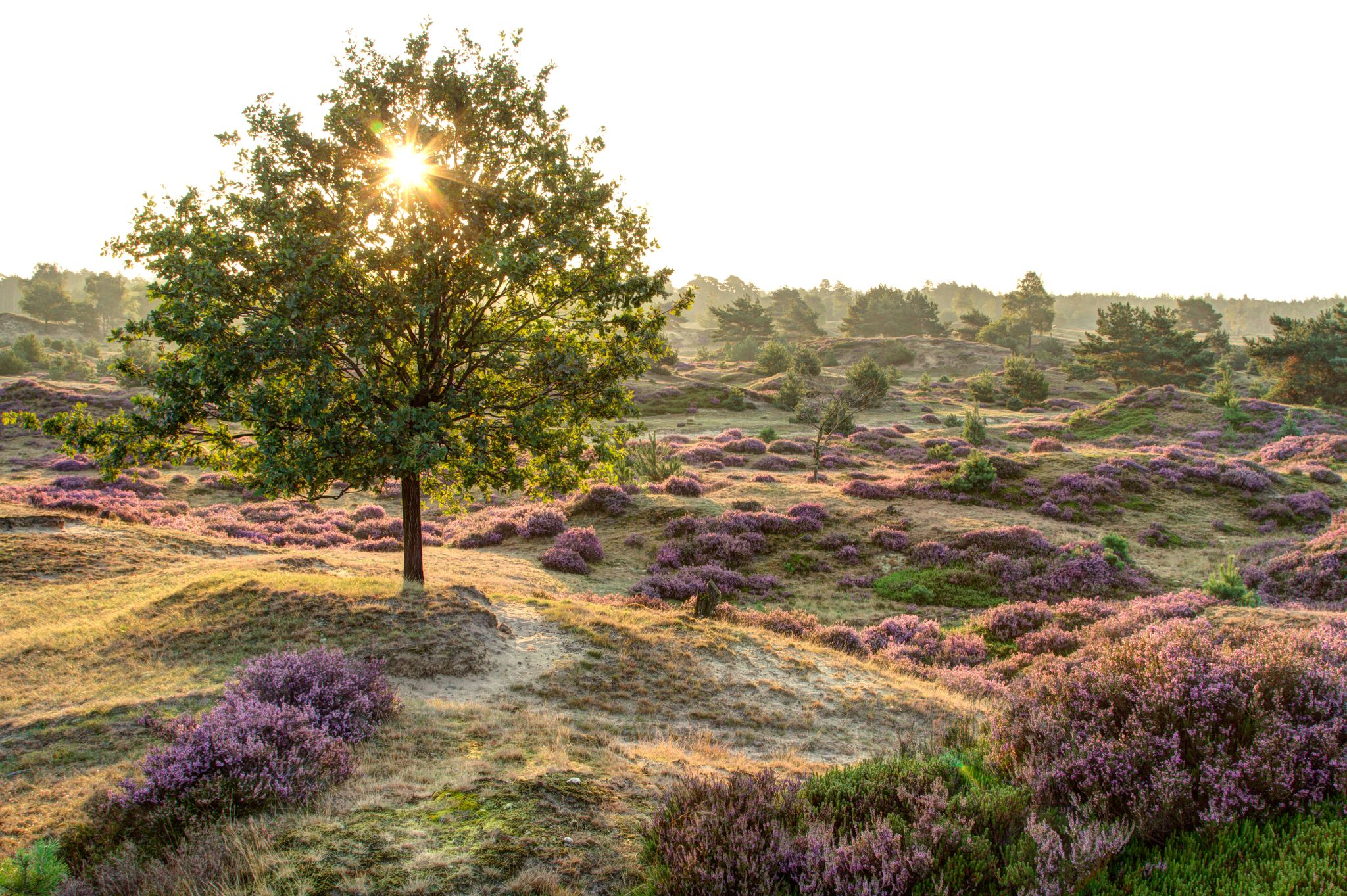
A complete hiking bucket list through every Dutch National Park
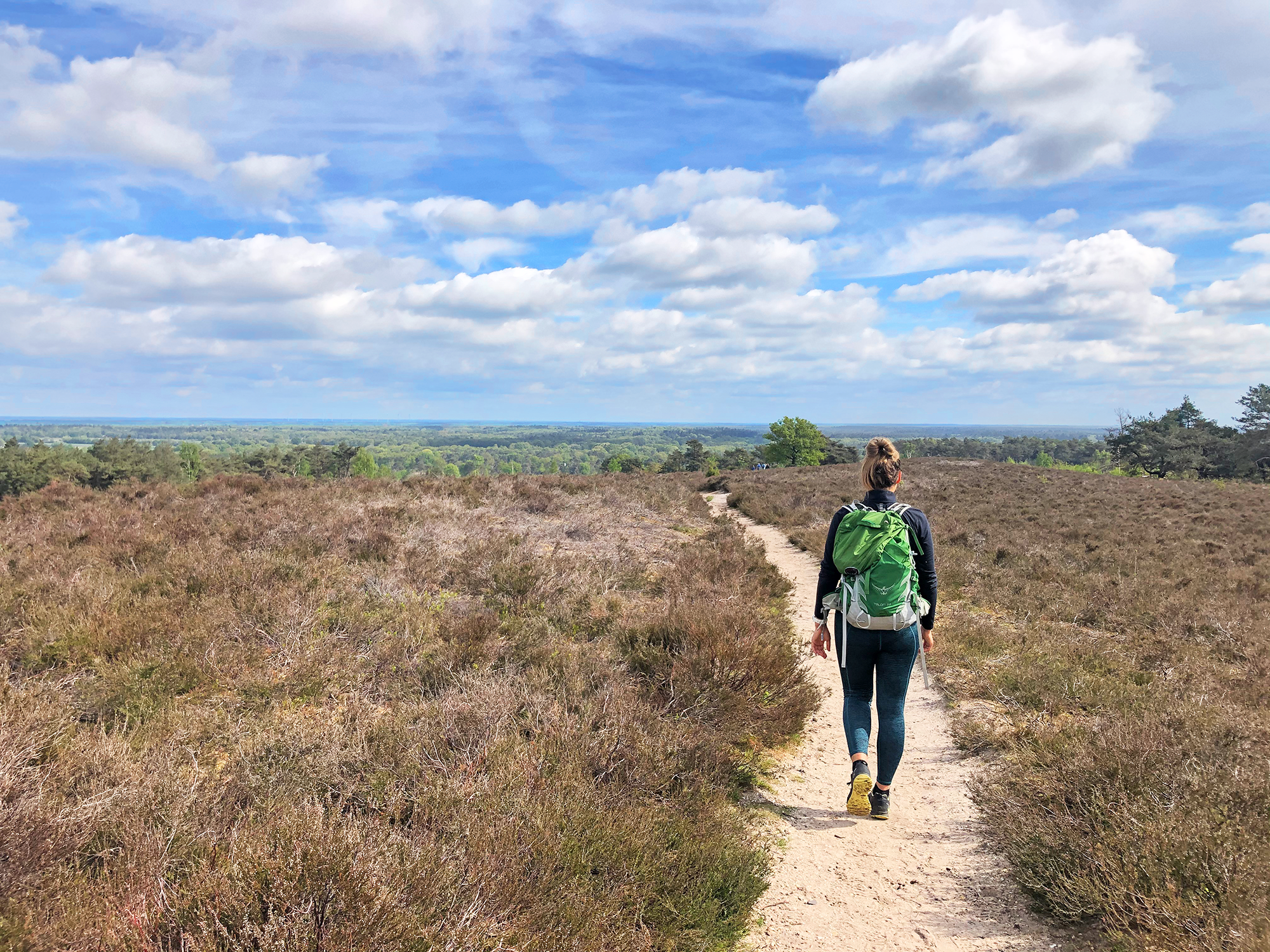
Hiking around Nationaal beek- en esdorpenlandschap Drentsche Aa
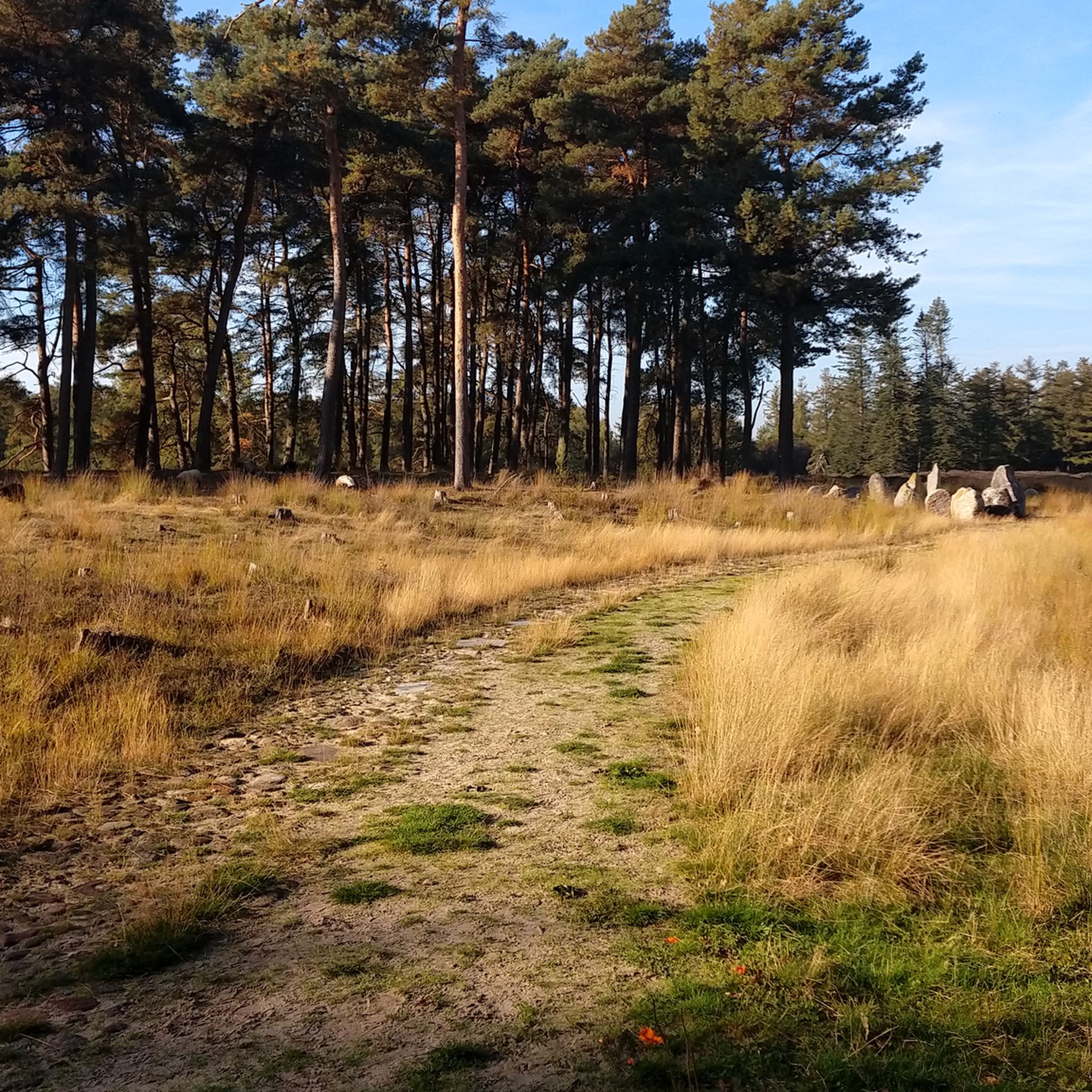
MTB Trails around Nationaal beek- en esdorpenlandschap Drentsche Aa
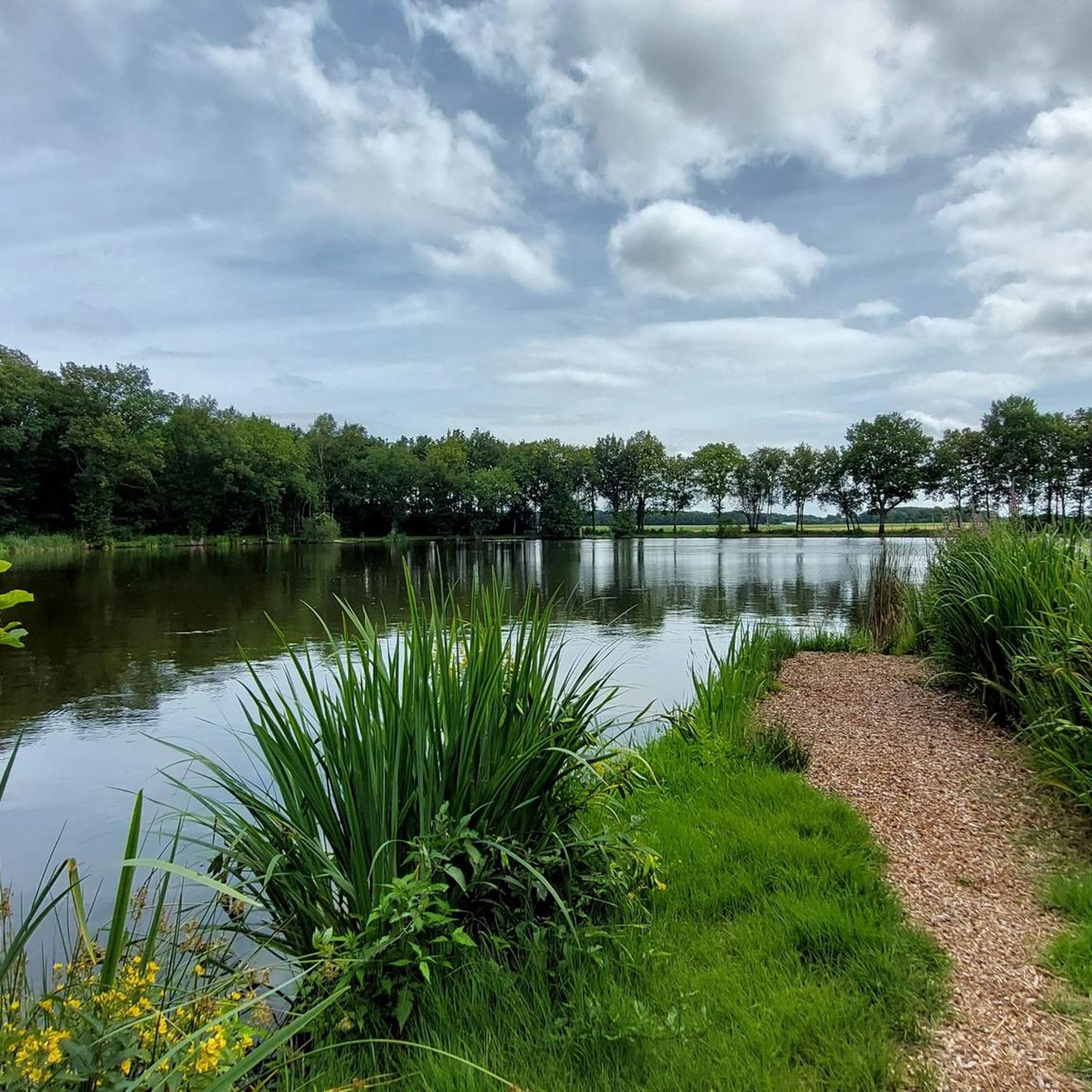
Cycling around Nationaal beek- en esdorpenlandschap Drentsche Aa
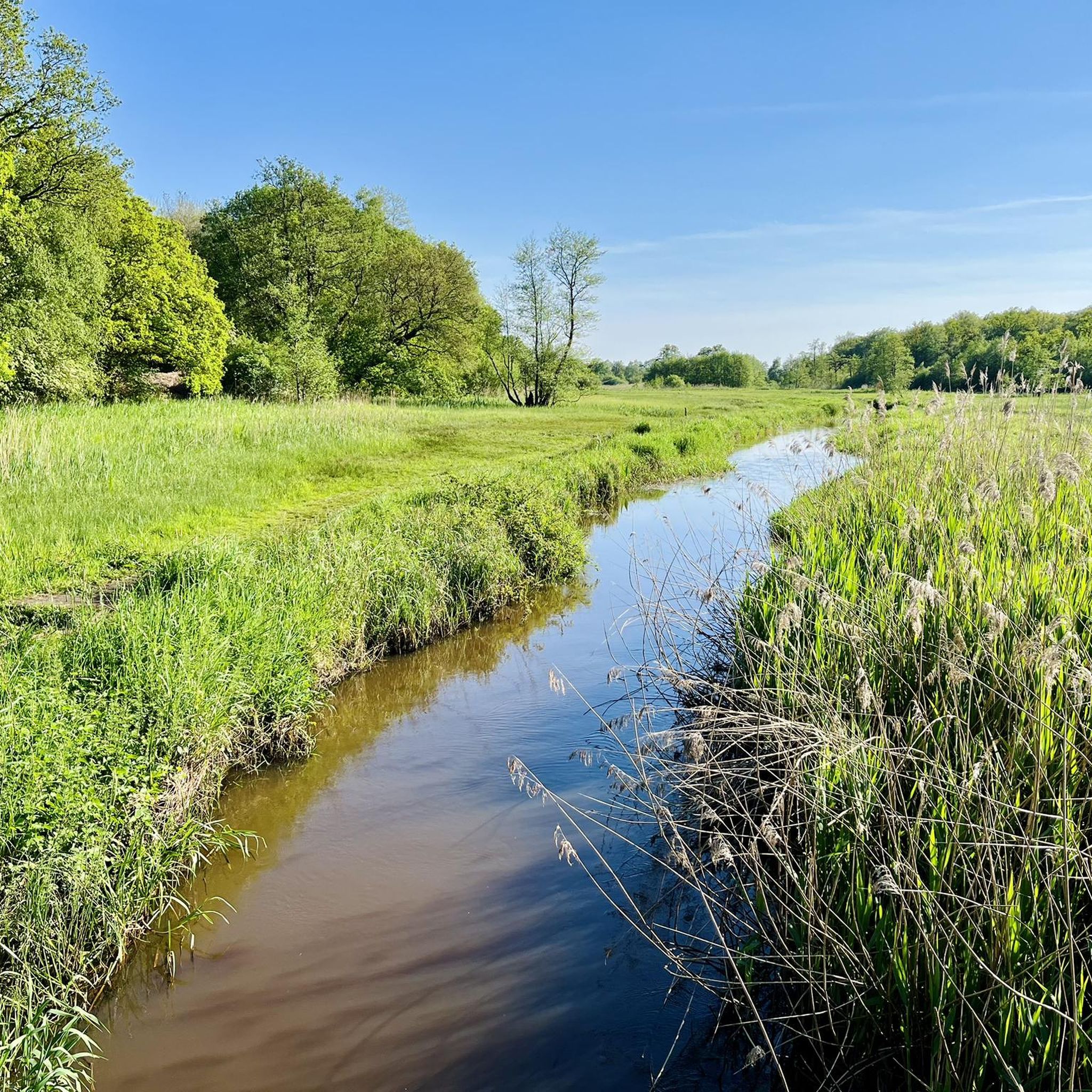
Running Trails around Nationaal beek- en esdorpenlandschap Drentsche Aa
Other adventures around Nationaal beek- en esdorpenlandschap Drentsche Aa


Tips from the Community

I think this dolmen (D11) is one of the most beautiful in the Netherlands. This prehistoric burial monument is located at a crossroads in the middle of the forest. It was built in the Neolithic period, around 3400–2750 BC, by farmers of the Funnel Beaker Culture. The almost 10-meter-long and almost 4-meter-wide dolmen is located on the Terborgh estate. It has four capstones resting on ten sidestones and two keystones. The yellow walking route runs past the dolmen and the nearby pinetum. Don't confuse this with the yellow signs of the Hondsrug Trail, as those will take you across the entire Hondsrug into Germany.
0
0
This hiding place on the edge of the heath was a hidden underground refuge in the Evertsbos forest. It was constructed in 1943 and used during the war by people in hiding and resistance fighters seeking refuge from the German occupiers. The hiding place was cleverly camouflaged with sand, branches, and vegetation. In September 1944, the Sicherheitsdienst (Security Service) discovered the hiding place. Some people managed to escape, but others were arrested and later murdered. Shortly before liberation, in April 1945, ten resistance fighters were executed at the same location. At the site of the former hiding place, standing stones commemorate the murdered.
0
0


Along the road to Gasteren and Oude Molen in the Gasterse Duinen lies the remote dolmen. The dolmen itself is no longer intact because some of the stones have been stolen, but it is still worth a visit. Especially in late summer the heather is in full bloom and it is wonderfully relaxing in the middle of the forest. This dolmen is easily accessible, there is a spacious parking lot. It is a freely accessible walking area, you only have to enter it via a cattle grid because a flock of sheep is grazing there.
1
0


Dolmen D11 in Anloo is a dolmen with four covering stones resting on ten side and two keystones and one gate stone. The original fifth capstone and the second gate stone are missing. It's nice that this dolmen is quietly located, and you often have it to yourself to take in peace and quiet.
1
0

Hunebed D10 is located north of the village of Gasteren on the edge of the Gasterse Duinen in the Dutch province of Drenthe. It can be reached via hiking trails in the Gasterse Duinen nature reserve.
1
1

Dolmens, that is really a POI in Drenthe.
1
1
Frequently Asked Questions
What natural features define the landscape of Nationaal Park Drentsche Aa?
The Nationaal Park Drentsche Aa is renowned for its well-preserved low river valley, centered around the Drentsche Aa River System, which has meandered naturally since the Ice Age. The park also features extensive heathlands, such as Balloërveld and Gasterse Duinen, which are particularly vibrant when heather blooms in late summer. You'll also find diverse ecosystems including ancient woodlands, shifting sand drifts, hay meadows, and peat bogs.
What historical or archaeological sites can I explore among the natural monuments?
The region is rich in history. You can visit ancient hunebedden (dolmens) like Dolmen D10, Gasteren, Dolmen D11, Anloo, and Hunebed D8, Schipborg Forest, which date back thousands of years. The De Strubben-Kniphorstbosch area is an important archaeological reserve with numerous prehistoric monuments, including the Galgenberg burial mound. Additionally, you can find World War II historical sites like the Hiding Place (Onderduikershol) and a Tank Trench.
When is the best time of year to visit the natural monuments in Nationaal Park Drentsche Aa?
Late summer, typically late August to mid-September, is an excellent time to visit, as the heathlands like Balloërveld and Gasterse Duinen transform into a stunning purple spectacle when the heather blooms. Spring and early summer also offer beautiful scenery with lush greenery and diverse flora.
Are there any prominent viewpoints to appreciate the landscape?
Yes, Kymmelsberg, located south of Schipborg, is a well-known viewpoint offering panoramic vistas of the surrounding Drentsche Aa landscape, including its meandering streams, forests, and fields. It's a prime spot to grasp the scale and beauty of the area.
Are there family-friendly natural monuments or activities in the park?
Many natural monuments, especially the hunebedden like Dolmen D11, Anloo and Hunebed D8, Schipborg Forest, are considered family-friendly. The diverse ecosystems with forests and sand drifts provide engaging environments for children to explore. The World War II Tank Trench also made an impression on children, according to visitors.
What kind of wildlife can I expect to see in Nationaal Park Drentsche Aa?
The park's diverse habitats support a rich variety of wildlife. You might spot roe deer, badgers, and red foxes. Birdwatchers can look for kingfishers, buzzards, and black woodpeckers. Rare flora, such as the wild white lady's slipper orchid, can also be found in certain areas.
Are the natural monuments accessible for easy walking or beginner hikers?
Yes, there are many easy walking routes throughout the park. For example, the Gasterse Dunes offer an easy 7.3 km walking route. The varied terrain, including heathlands and forests, provides options for all fitness levels, with many paths suitable for leisurely strolls.
What hiking opportunities are available near the natural monuments?
The Nationaal Park Drentsche Aa offers numerous hiking trails. You can explore routes like the 'Gasterse Duinen and Oudemolensche Diep Trail' or the 'Walking route Anlooërdiep'. For more options, including easy and moderate trails, check out the Hiking around Nationaal beek- en esdorpenlandschap Drentsche Aa guide.
Can I go cycling near the natural monuments in Nationaal Park Drentsche Aa?
Absolutely! The park is excellent for cycling. You can find road cycling routes such as the 'Assen - VAM-berg Loop' or the 'Saint Magnus Church, Anloo – View of the Deurzerdiep loop'. For gravel biking, options like the 'Balloërveld Heath – Dwingeloo Radio Telescopes loop' are available. Discover more routes in the Road Cycling Routes guide and Gravel biking guide.
What do visitors particularly enjoy about the natural monuments in Nationaal Park Drentsche Aa?
Visitors frequently praise the tranquility and atmospheric locations of the hunebedden, often having them to themselves. The beauty of the heather and the striking stories behind historical sites like the Hiding Place also leave a strong impression. Many appreciate the diverse landscapes and the opportunity for peaceful walks through nature.
Are there any specific natural monuments that combine nature and ancient history?
Yes, the De Strubben-Kniphorstbosch area is a prime example. It's a nature reserve that seamlessly blends forests, grasslands, and stream valleys with a high concentration of prehistoric monuments, including numerous hunebedden and the Galgenberg burial mound. It offers an immersive experience where ancient history is woven into the natural environment.
Are dogs allowed on trails near the natural monuments?
While specific regulations can vary, many natural areas in the Netherlands, including parts of the Drentsche Aa, are dog-friendly, often requiring dogs to be on a leash to protect wildlife and livestock. It's always advisable to check local signage or park guidelines for specific areas you plan to visit.
Most popular routes around Nationaal beek- en esdorpenlandschap Drentsche Aa
Most popular attractions around Nationaal beek- en esdorpenlandschap Drentsche Aa

Get inspired with the komoot mobile app


Explore more
Extend your search for the best caves by checking out these guides of the top ones around Nationaal beek- en esdorpenlandschap Drentsche Aa:
