Top 4 Natural Monuments around Femundsmarka
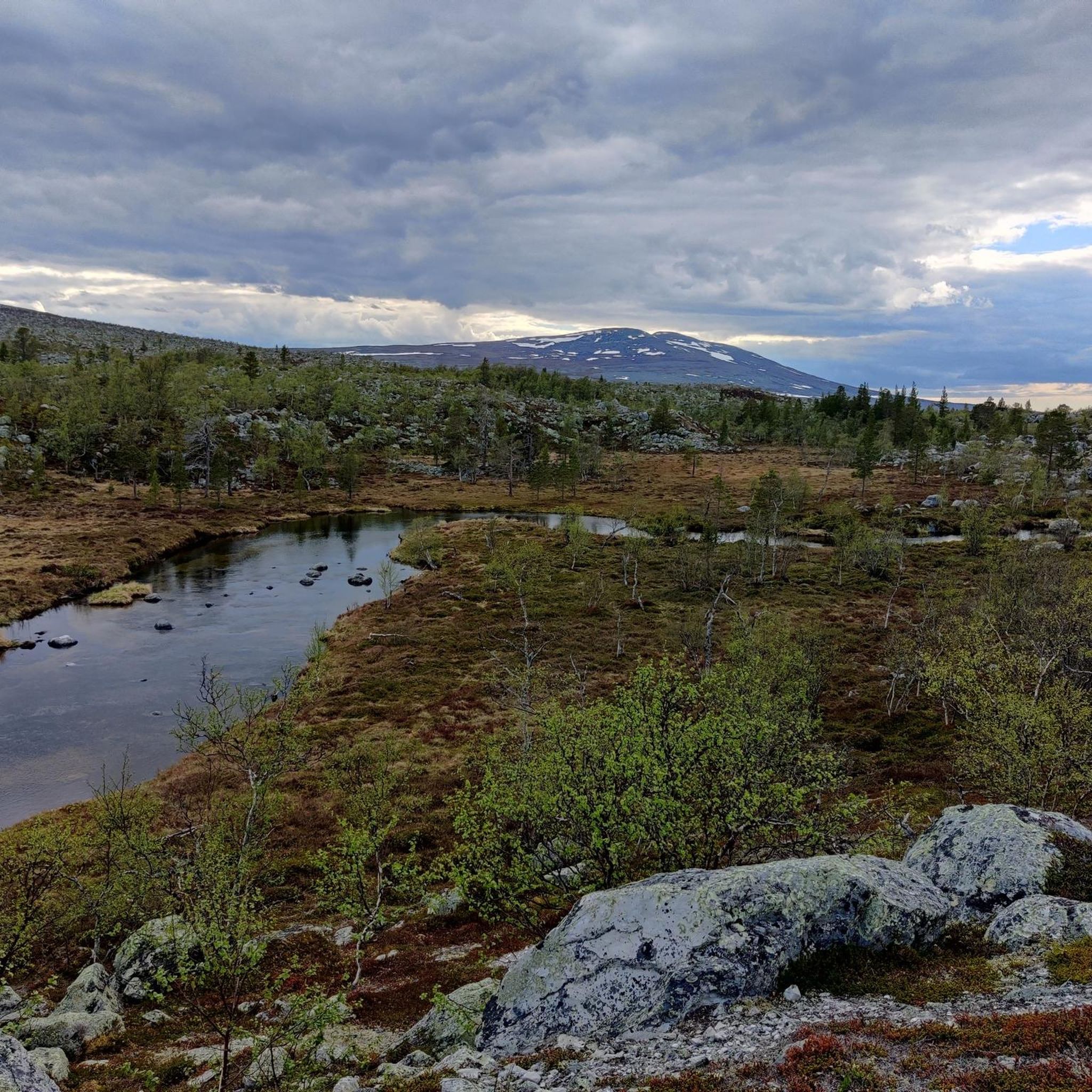
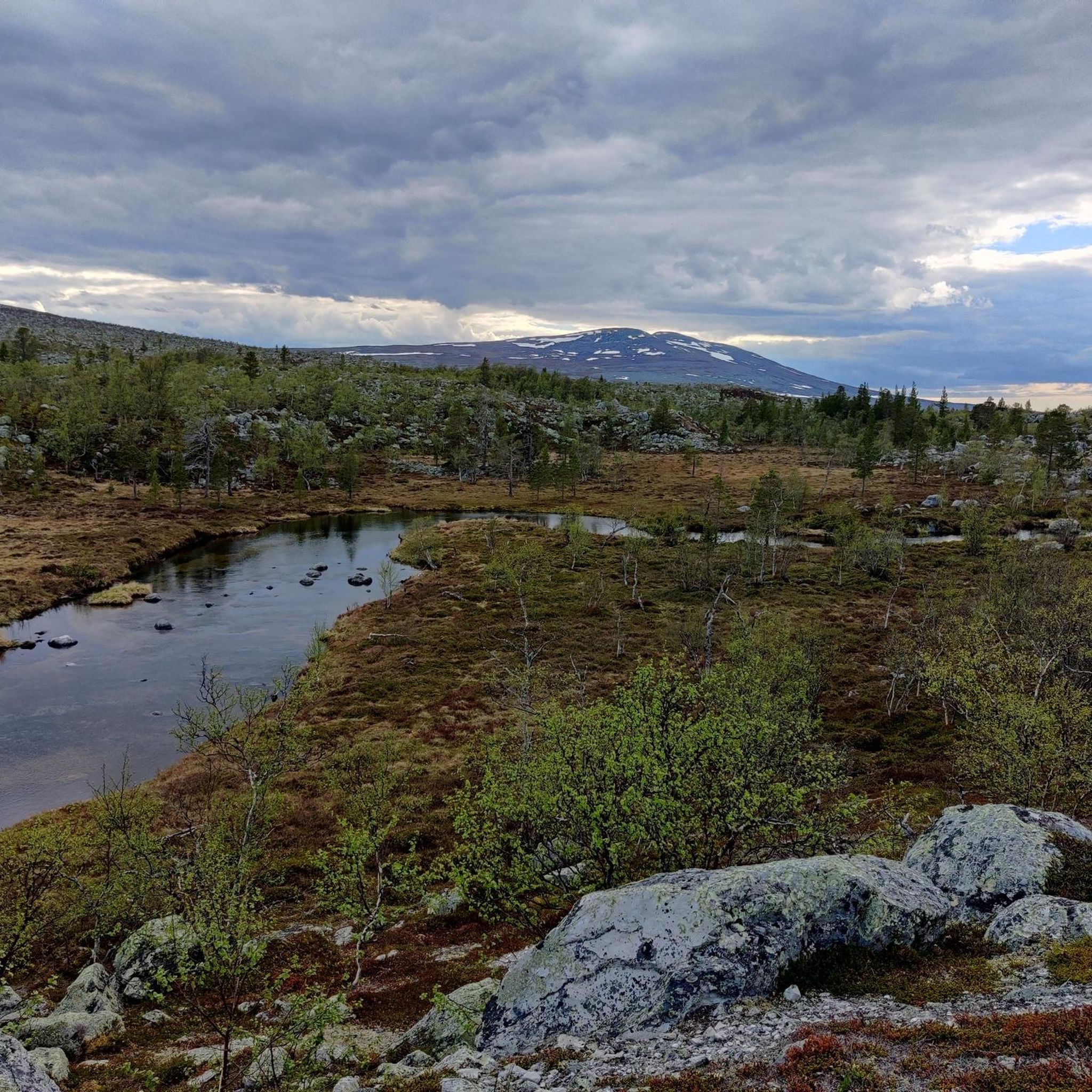
Best natural monuments around Femundsmarka are found within a vast wilderness area bordering Sweden. This region features an ancient landscape shaped by retreating ice, characterized by soft, undulating terrains and numerous small lakes. Femundsmarka is one of Norway's oldest national parks, encompassing untouched forests and mountains. The area is significant for Southern Sámi reindeer herding and provides a habitat for diverse wildlife.
Best natural monuments around Femundsmarka
- The most popular natural monuments is Sweden–Norway Border Crossing (Femundsmarka National Park),…
Last updated: June 27, 2026
Sweden–Norway Border Crossing (Femundsmarka National Park)
Highlight • Structure
Translated by Google •
Tip by

Elgåhogna
Highlight • Summit
Tip by

Sign up now to discover places like this
Get recommendations on the best single tracks, peaks, & plenty of other exciting outdoor places.
Sign up for free
Salsfjället Summit
Highlight • Summit
Translated by Google •
Tip by

View of Femundsmarka National Park
Highlight • Viewpoint
Translated by Google •
Tip by

Start today with a free account
Your next adventure awaits.
Login or Signup
Popular around Femundsmarka
Tips from the Community

A prominent summit in Femunden National Park, Elgåhogna is a great objective for an adventurous run. The run can be started from Dalset, by the main road.
0
0

Mount Elgåhogna is located at 1460 metres above sea level. From the summit there is a beautiful view of the lakes below.
0
0

Here is the green border between Norway and Sweden.
2
0

Neither nature nor the weather has changed and yet you cross a magical border...
0
0
Steep climb - especially with a heavy backpack - but it's worth it and you get a nice view into the distance. The view is even more beautiful from the top, but we were so amazed that we forgot to take photos there 🧐😶😁☺️
0
0

Beautiful summit not far from Grövelsjön, which is not signposted, but can at least be reached on a well-trodden path. With the 1200 meters altitude you have a very nice all-round view.
0
0
Here you cross the Swedish - Norwegian border
1
1
Frequently Asked Questions
What unique geological features can I find in Femundsmarka National Park?
Femundsmarka is renowned for its unique geological formations, particularly the Rogen moraines. These are narrow, wavy ridges formed by retreating ice, often creating a landscape of numerous headlands and islands within lakes. This distinctive 'dead ice landscape' has remained largely unchanged for 10,000 years, especially visible around Røvola, Grøtådalen, and Vonsjøen.
Which natural monuments offer the most expansive views in Femundsmarka?
For breathtaking vistas, consider visiting Storviglen, the highest peak at 1561 meters, offering wide views of the surrounding alpine area. Stor-Svuku (1421 masl) provides fantastic views over Lake Femunden and towards Sweden. Additionally, Elgåhogna (1460 masl) offers clear views of the entire Femunden lake on a clear day. Salsfjället Summit also provides a nice all-round view from its 1200 meters altitude.
Are there river systems in Femundsmarka suitable for canoeing or fishing?
Yes, the Røa River System is particularly popular for canoeing and angling, flowing through a series of lakes and river stretches before emptying into Lake Femunden. It's known for trout, charr, grayling, perch, and pike. The Langtjønna Area is also ideal for family-friendly canoeing and fishing, with chalk-white beaches and open huts for camping. For a more secluded experience, the Muggavassdraget in the northern part of the park is recommended.
What kind of wilderness and forests characterize Femundsmarka?
Femundsmarka is one of Norway's oldest national parks, featuring vast, untouched areas of forests and mountains. It's characterized by soft, undulating terrains and a 'dead ice landscape' with countless boulders. A notable feature is the old gnarled pine vegetation, where trees are left to die naturally, creating silver-grey monuments that support a diverse ecosystem. This ancient landscape provides a habitat for various wildlife, including wild reindeer, musk ox, and birds of prey.
What hiking opportunities are available near Femundsmarka's natural monuments?
Femundsmarka offers numerous hiking opportunities. You can find a variety of trails, including those leading to prominent summits like Elgåhogna and Stor-Svuku. For more options, explore the broader range of trails in the region by checking out the Hiking around Femundsmarka guide, which includes routes like the 'Hike to Stor-Svuku' and 'Elgåhogna summit from Dalset'.
Are there family-friendly activities or natural monuments in Femundsmarka?
Yes, the Langtjønna Area is excellent for family-friendly canoeing and fishing, with accessible beaches and open huts. The hike to Stor-Svuku is also considered a steady and family-friendly climb. While exploring, families can enjoy spotting wildlife and experiencing the unique 'dead ice landscape'.
When is the best time to visit the natural monuments in Femundsmarka?
The best time to visit Femundsmarka's natural monuments for hiking, canoeing, and general exploration is typically during the warmer months, from late spring to early autumn (June to September). During this period, the weather is milder, trails are more accessible, and the full range of outdoor activities can be enjoyed. Winter offers a different, serene experience for those prepared for cold and snow.
What kind of wildlife can I expect to see around Femundsmarka's natural monuments?
Femundsmarka is rich in biodiversity. You might encounter wild reindeer, musk ox, otters, beavers, bears, and wolverines. The area is also home to various birds, including birds of prey, osprey, and black-throated loons. The ancient forests and numerous small lakes provide diverse habitats for these species.
How long does it take to hike to some of the prominent mountain natural monuments?
The hike to Stor-Svuku from Svukuriset tourist cabin is a steady 5.7 km climb. For Elgåhogna, a waymarked trail involves a 700-meter climb to the summit. Reaching Storviglen, located in the far northeast, typically involves following a T-marked path along a river before traversing boulder fields to the summit from Ljøsnåvollen, which can be a longer day trip.
What do visitors enjoy most about the natural monuments in Femundsmarka?
Visitors highly appreciate the profound sense of wilderness and solitude offered by Femundsmarka. The magnificent views from summits like Elgåhogna and Salsfjället Summit are frequently mentioned. The unique geological features, diverse wildlife, and opportunities for activities like canoeing and fishing in pristine river systems also contribute to a memorable experience.
Are there any specific regulations to be aware of when visiting Femundsmarka National Park?
As a national park, Femundsmarka has regulations in place to protect its pristine environment and wildlife. These typically include rules regarding camping, waste disposal, fire use, and respecting flora and fauna. While specific permits are generally not required for hiking, it's always advisable to check the official national park guidelines before your visit to ensure you adhere to all local regulations.
Can I find any historical or cultural significance related to the natural monuments?
Yes, the landscape around natural monuments like Stor-Svuku includes a Sámi cultural landscape, where visitors might spot reindeer. The area around Elgåhogna is also significant for Southern Sámi reindeer herding. Additionally, the Langtjønna Area features historical log flumes, remnants of earlier logging activities, adding a cultural layer to the natural experience.
Most popular attractions around Femundsmarka

Get inspired with the komoot mobile app


Explore more
Extend your search for the best caves by checking out these guides of the top ones around Femundsmarka:
